REVIEW · TOKYO
Tokyo: 3-Hour Food Tour of Shinbashi at Night
Book on GetYourGuide →Operated by Arigato Travel KK · Bookable on GetYourGuide
Night eats in Shinbashi feel like a local secret. This 3-hour walk through Tokyo’s after-work lanes turns a simple meal into a real look at how people unwind, with Shinbashi backstreets, pub-style food stops, and a sake tasting that actually explains what you’re drinking and why it changes by the sip. I especially like how the guides bring the neighborhood to life, whether it’s Ray breaking down food and bar culture with helpful visual tips or Francois adding that extra human touch for celebrations.
The second thing I like: you’re eating more than one “main character” dish. You get the comfort of warm ramen, a richer bite like buttery wagyu with smoky char, then a traditional dessert to close out the night. One possible drawback is that the tour is adult-only (20+), and you should be ready for smoking being common in many parts of Shinbashi, plus some walking that adds up at night.
In This Review
- Key points worth knowing before you go
- Shinbashi after dark: why this neighborhood fits a food tour
- Price and what you’re really paying for ($170 in context)
- Meeting point at Shinbashi Station Hibiya Exit: the steam engine detail
- A real 3-hour plan: what the pace feels like
- Stop one: the ramen warm-up and the worker-food vibe
- Wagyu bite: buttery meat with smoky char
- The pub-culture shift: eating like you belong at the counter
- Sake tasting with regional nihonshu: what to look for in each sip
- Dessert finale: closing the night the Japanese way
- Your guide makes or breaks it: from Ray to Yoko to Yappy
- Food value: what’s included vs what you should budget for
- Who should book this Shinbashi tour (and who should skip it)
- Should you book this Shinbashi food tour?
- FAQ
- Where is the meeting point?
- What time flexibility do I have at the start?
- How long is the tour?
- What does the $170 price include?
- What is not included in the price?
- Is the tour small group?
- What language is the tour guide?
- Is hotel pickup included?
- Do I need ID?
- Are there age restrictions or smoking guidance?
Key points worth knowing before you go
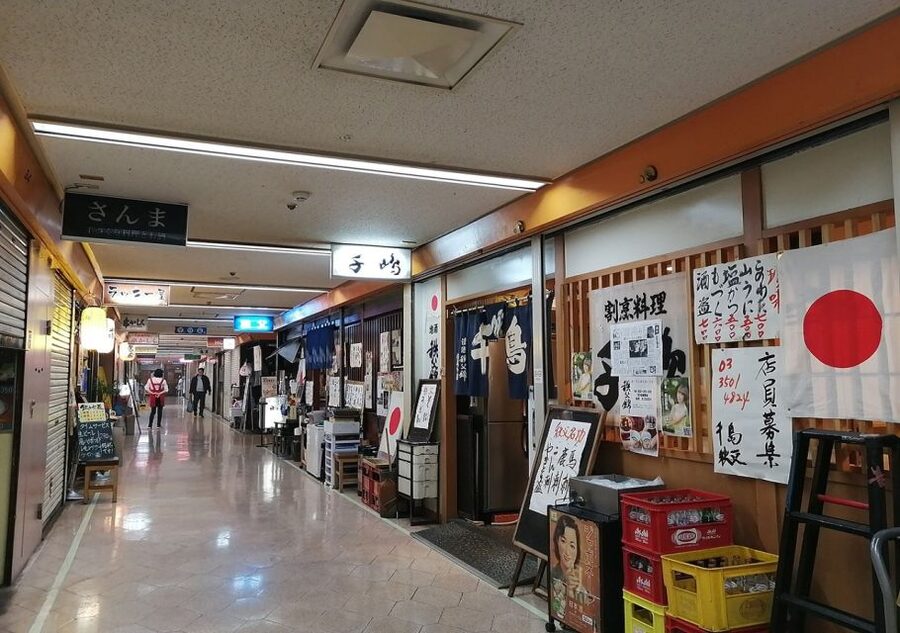
- Shinbashi after-work vibe: you eat and walk where office workers come to decompress
- Several food stops in 3 hours: not one meal, but a sequence of bites that add up
- Regional sake tasting: you get guided sampling, not just a drink in a cup
- Small group (max 10): easier conversation with your guide and faster restaurant transitions
- Clear pacing rules: the guide can wait only 5 minutes past start time, then the tour departs
Shinbashi after dark: why this neighborhood fits a food tour
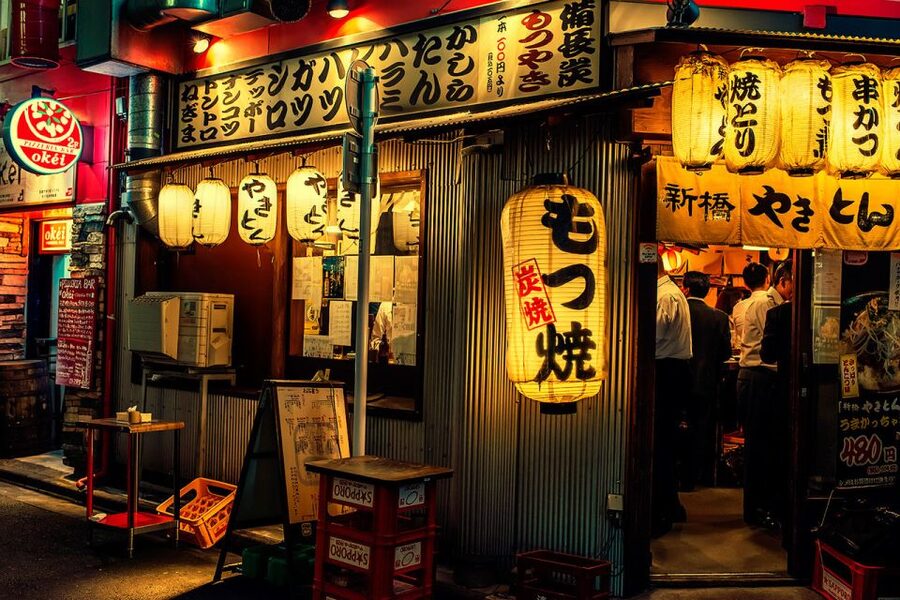
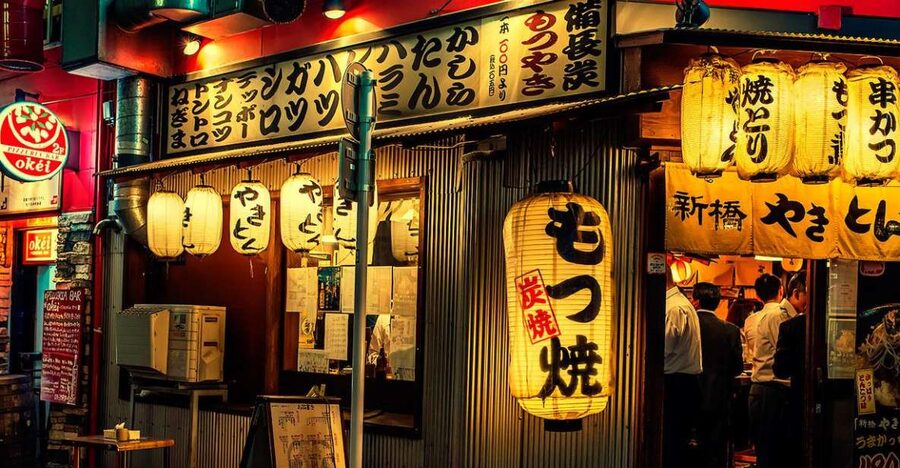
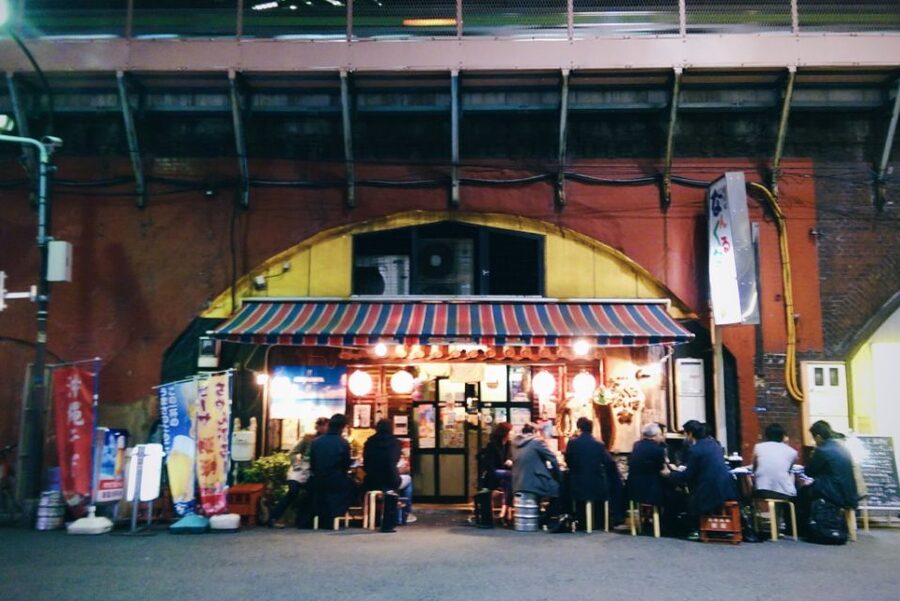
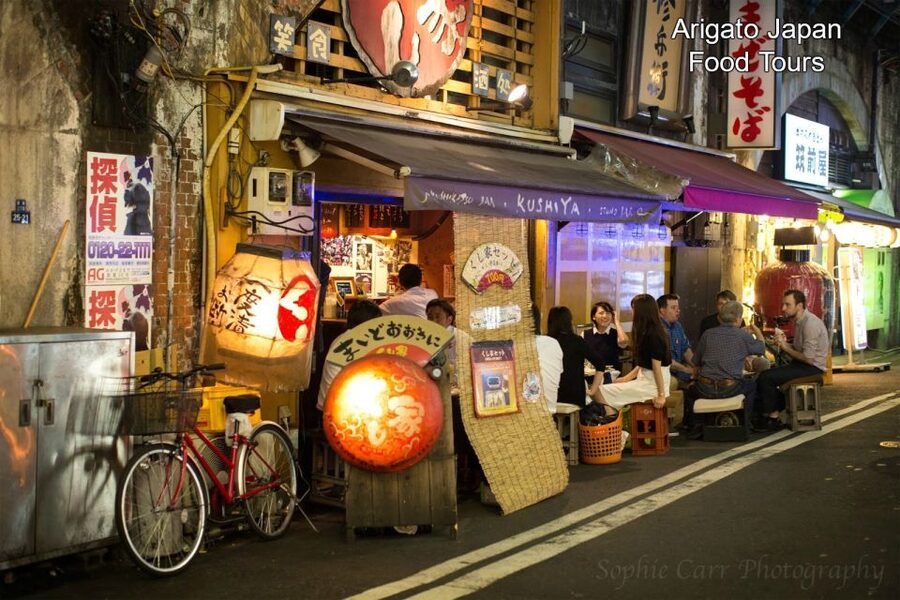
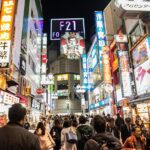
Shinbashi is one of those Tokyo areas where the streets change mood after the last train jitters in. During the day, it’s busy in a normal way. At night, it turns into a working-class hangout zone, with small places, quick seats, and people who know exactly what they want from their evening.
That’s why this tour works. It’s built around the idea that you’re not just trying food—you’re learning the rhythm of the places that serve it. You’ll walk backstreets that most visitors never find, then pop into spots where the atmosphere feels like it belongs to people in motion, not people sightseeing with a map held high.
You can also read our reviews of more food & drink experiences in Tokyo

Price and what you’re really paying for ($170 in context)
At $170 per person for 3 hours, this isn’t a bargain, and it shouldn’t pretend to be. But it also isn’t just you paying for dinner. You’re paying for a guide who takes care of the restaurant flow, helps you order confidently, and keeps the night connected—so you’re not bouncing around on your own trying to figure out where locals go after work.
Here’s what your money covers, based on what’s included:
- multiple local food stops
- a sake tasting experience
- an English-speaking local guide
- a small group limited to 10 participants
If you’ve ever tried to recreate Tokyo pub culture solo—finding the right counter seating, timing your visits, and ordering through a language barrier—you already know how much time and stress that adds. This tour buys you time, clarity, and access to spots you’d likely miss on your own.
Meeting point at Shinbashi Station Hibiya Exit: the steam engine detail
You meet in front of the decommissioned steam engine at the Hibiya exit of Shinbashi Station. It’s specific, which is good news when you’re arriving at night and want a clear landmark.
Two timing rules matter:
- Your guide can wait only an additional 5 minutes after the starting time.
- Once the tour begins, the guide can’t give directions by phone.
So do yourself a favor: arrive early, confirm the station exit you need, and don’t plan to be “almost there” at departure time.
A real 3-hour plan: what the pace feels like
This is a compact tour. You’re looking at a short window where you move from one stop to the next, sampling several dishes and drinks without long waits.
Because the group is capped at 10, it also tends to feel conversational. You get time to ask questions while you’re standing around in line, not just during a scripted lecture. You’ll also get guidance on etiquette, which can be a big deal in small Tokyo restaurants where the staff are juggling a lot at once.
A practical tip: wear comfortable shoes. Night walking is part of the experience, and Shinbashi’s streets include plenty of turns and narrow lanes.
Stop one: the ramen warm-up and the worker-food vibe
Ramen is the kind of food that makes sense in Shinbashi at night. It’s hot, it’s quick, and it fits the after-work mindset: you want something satisfying without turning your evening into an all-night project.
On this tour, ramen functions like the emotional temperature of the night. You’ll hold a steaming bowl while your guide explains what to look for—flavor, texture, and how each place approaches umami.
If you’re picky about ordering, this is where having a guide really helps. You don’t have to worry about choosing blindly. You can focus on eating and learning.
A few more Tokyo tours and experiences worth a look

Wagyu bite: buttery meat with smoky char
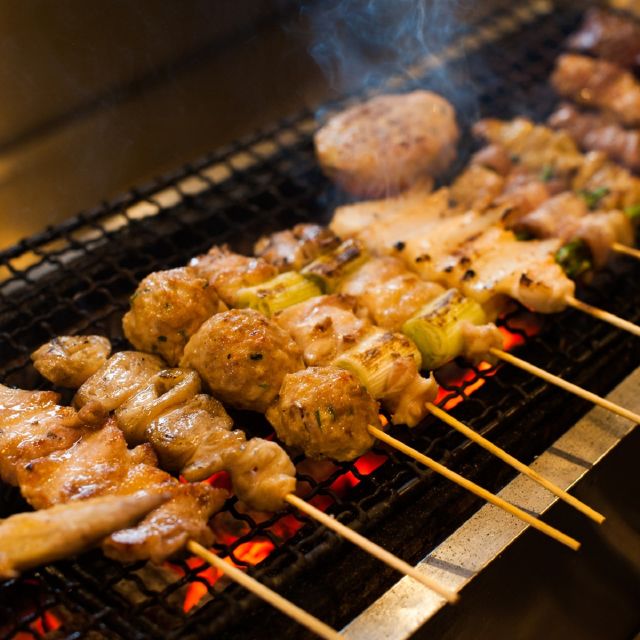
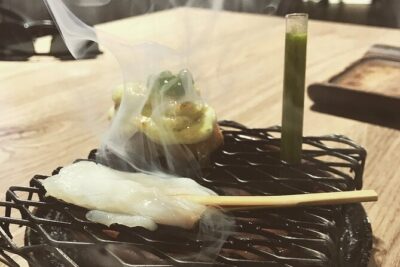
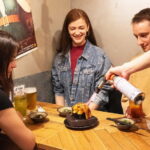
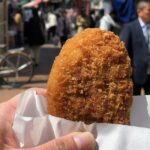
Then comes the richer step—wagyu. The highlight description calls out buttery, melt-in-your-mouth texture with a delicate smoky char, which is exactly what you want when you’re moving through multiple stops. It’s a switch from the comfort of ramen to something a bit more indulgent.
What I like about this part of the tour is that it’s not just about eating something expensive. It’s about understanding how Japanese places build flavor through technique—heat control, searing, and that small note of smoke that can make a simple bite feel layered.
The pub-culture shift: eating like you belong at the counter
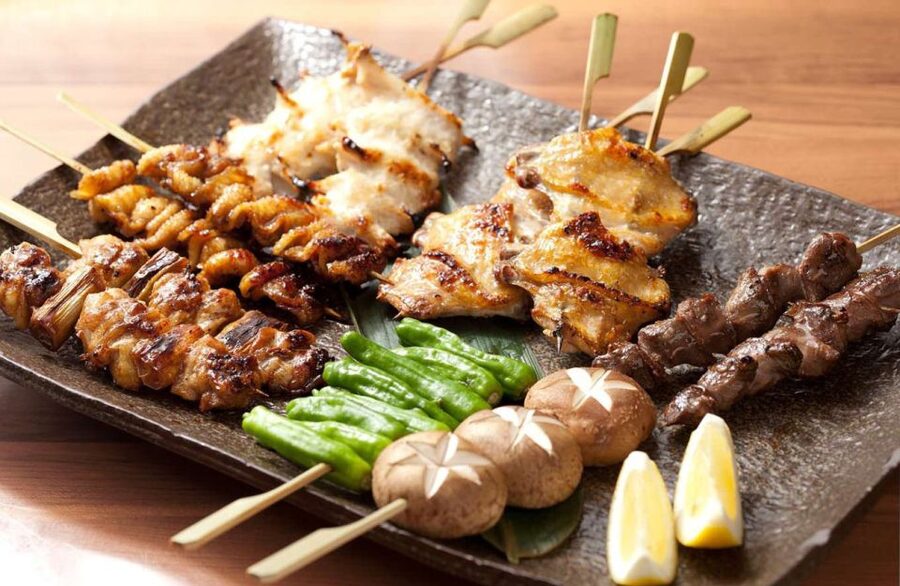
Between dishes, you’ll feel the tone of Japanese pub culture take over: standing-counter energy, casual conversation, and the quiet confidence of people who’ve done this routine for years.
You’ll also see the contrast between tourist Tokyo and this working-after-hours Tokyo. Instead of crowds chasing a checklist, you’re tucked into the flow of regular life. The food tour format helps you notice details: how staff interact, how orders move, and how people pace their drinking alongside their bites.
This is also where the guide’s personality shows up. Some guides, like Tommy, are known for giving extra Tokyo recommendations beyond the tour itself. Others keep the mood light and make you feel like you’re hanging with friends who happen to know how to order.
Sake tasting with regional nihonshu: what to look for in each sip
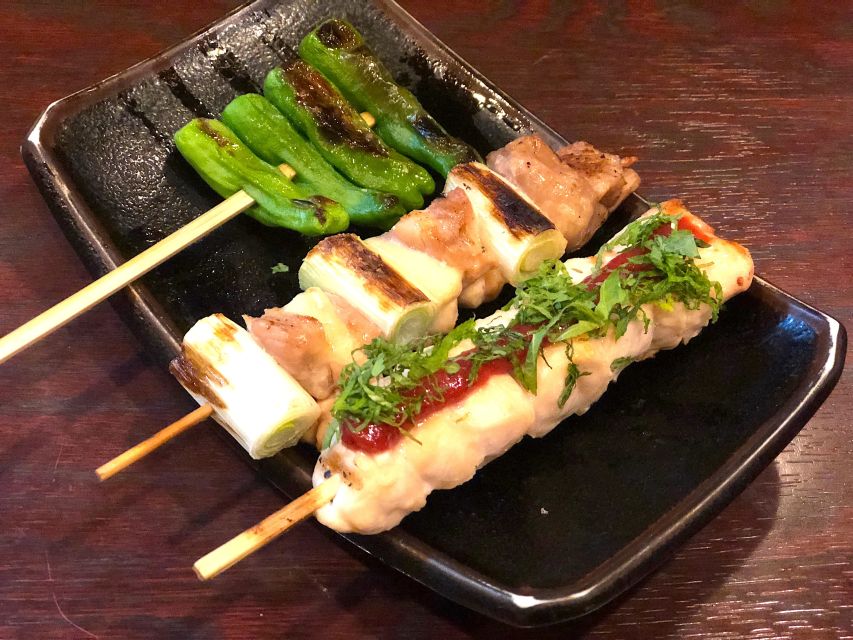
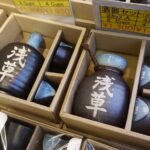
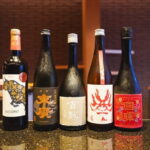
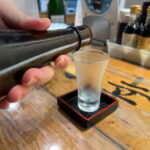
The standout element here is the sake tasting experience. It’s not just a single pour for show. You’ll get a guided tasting that helps you notice how the taste evolves from sip to sip.
The tour focuses on regional sake with an emphasis on:
- crisp, aromatic qualities
- smoothness and complexity
If you usually think of sake as one thing, this part often changes minds. The tasting format gives you a chance to pick up patterns—how aroma shows up first, how texture follows, and how the finish can feel dry or rounded depending on what you’re drinking.
Also, you’ll get context that makes the tasting feel connected to the food, not like you’re suddenly at a lecture.
Dessert finale: closing the night the Japanese way
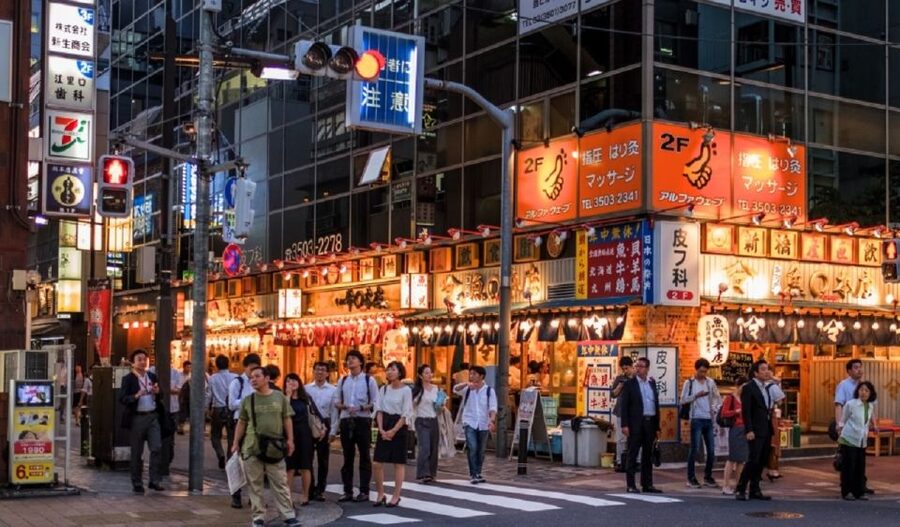
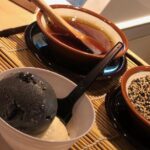
Every good night out needs a sweet landing, and this tour builds in a traditional dessert to finish. The details aren’t listed dish-by-dish, but you can count on something classic enough to feel like a deliberate finale, not a random snack.
Why I like this ending: it keeps your taste buds balanced after savory food and alcohol. And it turns the tour into a complete meal arc—from warmth, to indulgence, to tasting, to a sweet reset.
Your guide makes or breaks it: from Ray to Yoko to Yappy
This tour consistently gets praise for guides who don’t just point out where you’re eating. They explain what you’re tasting, and they help you interact with staff in a way that feels respectful and natural.
A few examples from guide experiences you might run into:
- Ray is noted for strong descriptions of food and food/bar culture, plus visual aids for meal etiquette and how to thank staff when leaving.
- Yappy is described as fun and knowledgeable, with some groups even enjoying karaoke afterward for that Lost in Translation energy.
- Yoko is praised for being informative and a delight, which matters because this kind of tour depends on your comfort asking questions.
- Anne is mentioned for making the tour relaxed and flexible with what gets ordered.
Not every guide has the same style, but the common thread is clear: the tour isn’t just a checklist of dishes. It’s a guided understanding of how people eat, drink, and move through their night.
Food value: what’s included vs what you should budget for
What’s included:
- local dishes at several food stops
- a sake tasting experience
- an English-speaking guide
What’s not included:
- transportation costs
- additional drinks or food (you can purchase at your expense)
- gratuity
So budget like this: the tour gives you the planned tastings and meals, but if you fall in love with a place, you may want extras afterward. That’s part of the fun. Just don’t count on the tour price covering every additional round.
Who should book this Shinbashi tour (and who should skip it)
This tour is a great fit if:
- you want a local after-work food experience without gambling on translations or menus
- you like walking tours where the guide explains what you’re eating
- sake is on your list, and you want a tasting where someone tells you what you’re noticing
- you prefer smaller groups (max 10) over chaotic crowd tours
You might want to skip (or at least think twice) if:
- you’re sensitive to walking at night and crowds-of-one noise (it’s a pub scene, not a quiet museum)
- you don’t want environments where smoking is common in many areas of Shinbashi
- you’re under 20, since this tour is for adults only
Should you book this Shinbashi food tour?
If you want more than a generic “Tokyo eats” evening, I’d book it. The combination of multiple stops, a guided regional sake tasting, and the Shinbashi after-work atmosphere makes it feel like you’re learning Tokyo through the lens of food and drink—not just consuming it.
I’d only hesitate if smoking is a hard no for you or if your schedule makes arriving at the steam engine meeting point tough. But if you can show up on time, wear comfy shoes, and treat the night like an experience you’re stepping into, this is a strong value purchase for a small-group, locally guided evening.
FAQ
Where is the meeting point?
Meet in front of the decommissioned steam engine at the Hibiya exit of Shinbashi Station.
What time flexibility do I have at the start?
Your guide can wait for an additional 5 minutes after the starting time, then the tour departs. The guide cannot provide directions via phone once the tour begins.
How long is the tour?
The tour lasts 3 hours.
What does the $170 price include?
It includes local dishes at several food stops, a sake-tasting experience, and an English-speaking local guide.
What is not included in the price?
Transportation costs, gratuity, and any additional drinks or food are not included (you can purchase them at your expense).
Is the tour small group?
Yes. It’s limited to 10 participants.
What language is the tour guide?
The tour is conducted in English.
Is hotel pickup included?
No. Hotel pickup is not included, but it can be arranged for an additional charge.
Do I need ID?
Yes. You should bring a passport or ID card.
Are there age restrictions or smoking guidance?
Only adults aged 20 and over are permitted. You are free to smoke in most areas of Shinbashi.