REVIEW · TOKYO
Asakusa, Tokyo’s #1 Family Food Tour
Book on Viator →Operated by Arigato Japan KK · Bookable on Viator
A snack walk with real stories. This small-group Asakusa food tour mixes temple sights with five tastings (plus lunch) in a tight 3-hour window, with the guide steering you through alleyways you’d skip on your own. I especially like how the food choices span southern Japan flavors and rotating seasonal bites, so you’re not just eating the same thing in every stop.
Another reason I like it is the human side. Guides such as Michie and Wesley are described as personable, knowledgeable, and patient, and one hot-day example even included their own cooling products to help people stay comfortable. That kind of care matters when you’re walking and eating in Tokyo summer heat.
One consideration: at $221 per person, it’s not a budget snack spree. You’re paying for the small group, the guide, and the included lunch and drinks, so it’s best if you’ll actually use that value instead of treating it like a casual wander.
In This Review
- Key highlights at a glance
- Why Asakusa is perfect for a lunch-focused food tour
- The 11:00 meet-up and ending point that keep logistics simple
- The guide’s job: faster routes, better picks, and food timing
- Stop-by-stop: from Asakusa orientation to Nakamise Street
- 1) Asakusa Culture Tourist Information Center
- 2) Asakusa district walking and cultural context
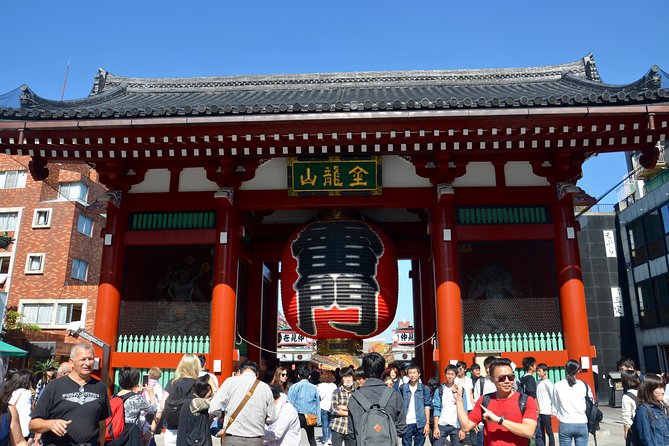
- 3) Kaminari-mon area and the gate views
- 4) Senso-ji Temple area and the downtown feel
- 5) Asakusa Shrine perspective
- The food list: what you’ll likely taste (and what can change)
- Lunch from southern Japan: the part you’ll feel in your day
- Sweet finish: melon pan and matcha tea (or ice cream)
- How the small group size changes your experience
- Weather, walking, and what to bring
- Price and value: why $221 can make sense here
- Who should book this Asakusa family food tour
- Should you book it? My practical take
- FAQ
- How long is the Asakusa family food tour?
- Where do I meet the guide, and when does the tour start?
- What’s included in the price?
- What food will I try?
- Is the tour vegetarian or pescetarian friendly?
- How big is the group?
- Is it stroller or kid-friendly?
- What happens if the weather is bad?
- What’s the cancellation policy?
Key highlights at a glance
- Up to 10 people for a calmer, easier pace through Asakusa
- Five food stops with lunch built into the walk (not tacked on later)
- Seasonal tastings such as Japanese plums, pickles, rice crackers, and tea
- Melon pan plus matcha tea (or ice cream) to round out the sweet tooth
- Central meeting and ending points near Asakusa sights for minimal hassle
- Family-friendly with vegetarian and pescetarian options
Why Asakusa is perfect for a lunch-focused food tour
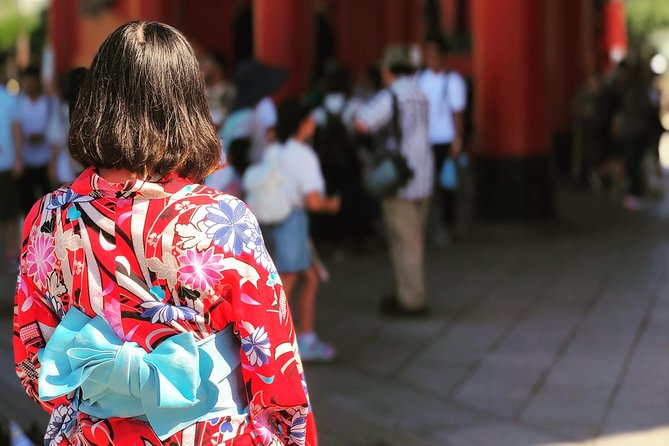
Asakusa is made for this kind of outing. You’re walking through a district where daily life, old-school streets, and big sights all sit close together. That means you get more than one type of experience in a short time: temple atmosphere, side-street wandering, and a steady rhythm of eating.
This tour leans into food the right way. Instead of dropping you at one restaurant and hoping you’ll figure out the rest, it keeps moving with planned tastings. You get to try multiple regional-style bites (including rotating items), and then you settle into a traditional lunch before the final drink.
It’s also a smart choice if your time in Tokyo is limited. Starting at 11:00 am and running about 3 hours, you can fit it into a normal day without burning your afternoon. And because it ends near Sensō-ji, it naturally plugs into the rest of your sightseeing.
You can also read our reviews of more food & drink experiences in Tokyo

The 11:00 meet-up and ending point that keep logistics simple
You meet at the Asakusa Culture Tourist Information Center (2-chōme-18-9 Kaminarimon, Taito City). The tour starts at 11:00 am, so you’ll want to plan your arrival a bit early to check in calmly.
You finish at the main gate of Sensō-ji (Asakusa area). That’s a big deal for comfort: you don’t have to backtrack across town just to get back to your next plan. If you’re pairing this tour with temple time afterward, the geography already works.
Also, you’re issued a mobile ticket, which is handy in Japan where you might otherwise be juggling paper confirmation emails. And since transportation (like hotel pickup) isn’t included, you’re responsible for getting yourself to the start—on the plus side, that keeps the tour schedule straightforward.
The guide’s job: faster routes, better picks, and food timing
The best part of a guided food walk isn’t just knowing what to order. It’s getting you to the right places at the right time, without wasting steps.
This tour is built around that. Your guide takes you through side streets and alleyways and uses local knowledge to help you see what’s worth seeing quickly. With a group capped at 10, the walk tends to stay manageable—no marathon file line.
Food timing also matters. Tastings are spread across stops before and during lunch, so you’re not waiting too long between bites. And because the tour includes a drink with the meal plus a final matcha tea (or ice cream), the overall experience feels complete rather than like a scattered snack run.
Stop-by-stop: from Asakusa orientation to Nakamise Street
1) Asakusa Culture Tourist Information Center
You begin with a short orientation at the Asakusa Information Center. It’s designed to get your bearings fast: what this district is known for, what you’ll see as you go, and how to read the area beyond the main roads. Think of it as a warm-up so the rest of the walk feels less random.
Admission for this first stop is listed as free, and the time block is about five minutes. That’s useful—brief enough not to slow you down, but still enough to help you enjoy what’s next.
A few more Tokyo tours and experiences worth a look

2) Asakusa district walking and cultural context
After the meet-up, you head into the district with your local English-speaking guide. This is where the tour becomes a mix of food and stories. You’ll hear why certain foods are liked in Japan, and you’ll learn how the district itself shaped daily life and eating habits.
The value here is practical. It’s not just facts you forget ten minutes later. It gives you a framework for what you’re tasting, so plums, pickles, tea, and crackers make more sense as part of a broader food culture.
3) Kaminari-mon area and the gate views
You pass by Kaminari mon and later the Hōzōmon gate. These are quick stops, just about a minute each. The purpose isn’t a long photo session; it’s to anchor your walk to the bigger landmarks while still spending your time where the food is.
If you prefer to get the landmark seen and then go back to eating, this pacing works well.
4) Senso-ji Temple area and the downtown feel
Next comes Senso-ji Temple, including time for the guide to share hidden secrets and context about the neighborhood, described as shitamachi or downtown. This part is about understanding the texture of the area—how it feels, not just what it looks like.
You also end up near Nakamise Street after this stretch. That means you’re naturally placed in the most lively zone without the tour taking over all of it.
5) Asakusa Shrine perspective
You wrap with Asakusa Shrine, with a short local-style look at the area. It’s brief (about two minutes), but it finishes the tour on a “locals see it this way” note.
From there, the tour ends at Sensō-ji’s main gate, so you can continue on your own at whatever pace fits your energy.
The food list: what you’ll likely taste (and what can change)
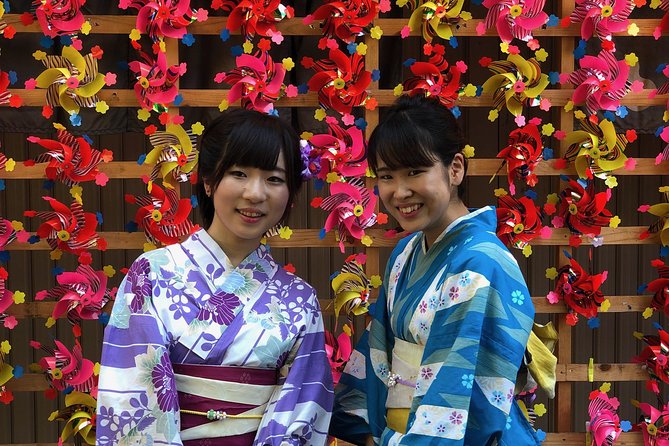
This is a food tour where you should expect variety. The included tastings typically cover:
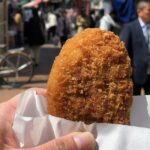
- Japanese plums
- pickles
- rice crackers
- tea
- ice cream
- melon bread (often referenced as melon pan)
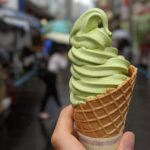
- matcha tea (or ice cream at the end)
One key detail: items can shift based on season and what’s available. So you’re signing up for a flavor approach, not a guaranteed exact shopping list down to the last brand name.
That’s still good for most people, because it makes the tour feel tied to real life. In Japan, seasonal availability affects what shops can serve, and a good guide adjusts so you still leave with a satisfying range.
Lunch from southern Japan: the part you’ll feel in your day
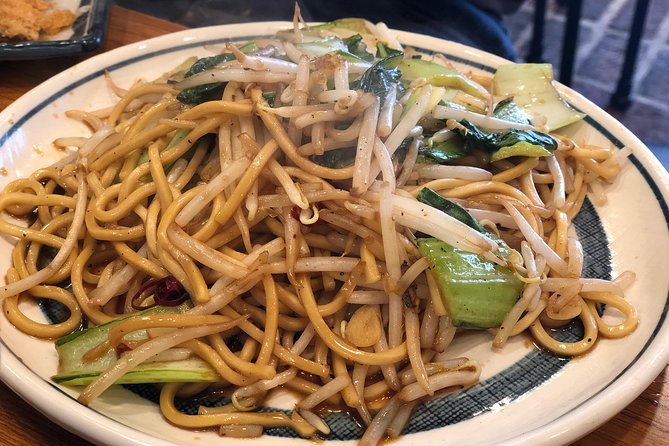
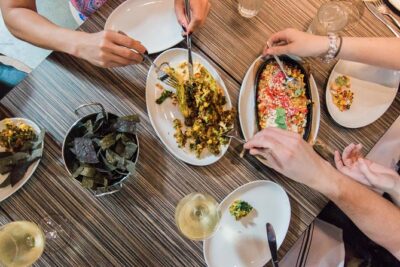
Lunch is the centerpiece here. After several tastings, you sit down for a traditional Japanese lunch with cuisine from southern Japan. That choice matters because it prevents the tour from being only sweets and small bites.
Instead, you get an actual meal included, plus at least one drink with it. That means you don’t have to gamble on finding something that fits your time window after the tour.
Also, if you’re traveling with kids, a full lunch is a relief. It reduces the constant asking for snack stops and gives everyone a predictable break in the middle of the walk.
Diet-wise, the tour is listed as vegetarian and pescetarian friendly. That doesn’t mean every single item will be meat-free, but it does mean the tour can handle those preferences when possible. If that matters for your group, you’ll want to state needs at booking so the guide can plan around it.
Sweet finish: melon pan and matcha tea (or ice cream)
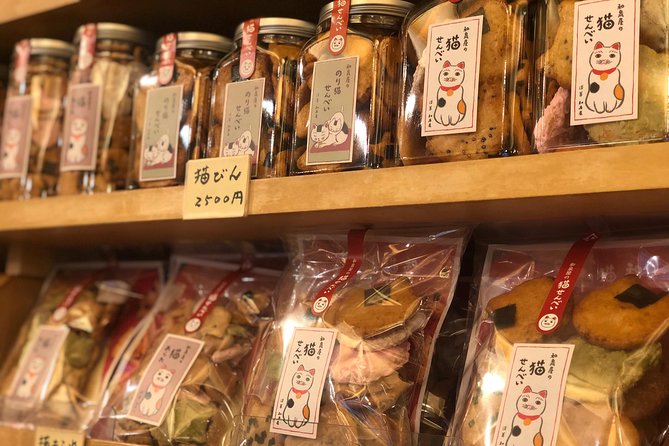
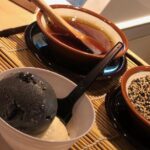
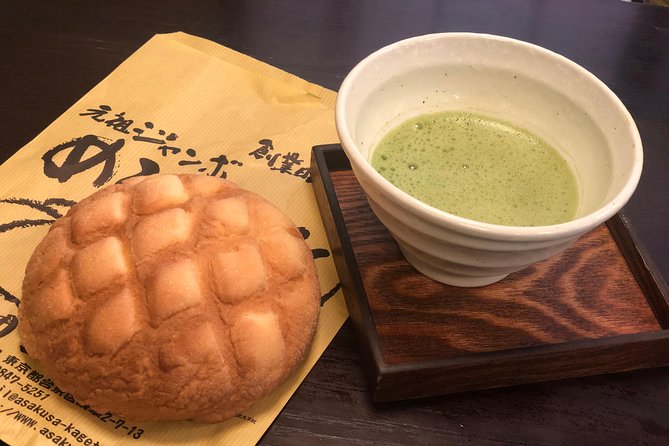
This tour knows how to close the loop on flavor. A standout is melon pan, described as a local dessert, plus a final matcha tea (or ice cream).
Why that works: the earlier stops tend to cover salty snack patterns—pickles, crackers, tea. Ending with a sweet item balances the experience and makes the tour feel like a complete journey rather than a series of random bites.
If you’re sensitive to too much sweetness, you might consider how you usually eat snacks. But even then, melon pan and matcha are mild enough for many people to enjoy without it becoming overwhelming.
How the small group size changes your experience
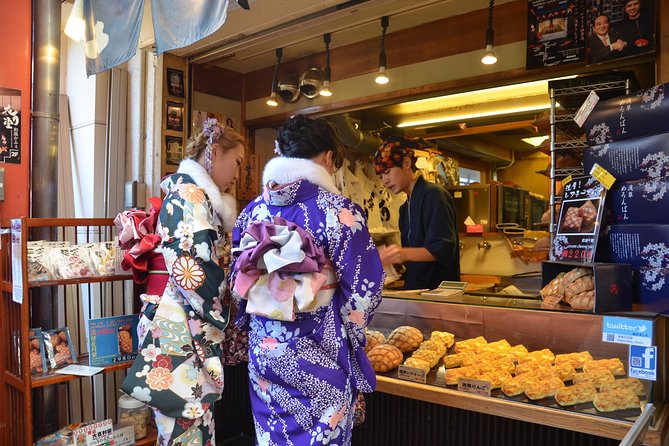
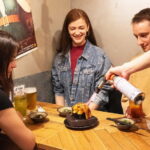
A maximum of 10 travelers is a real comfort factor here. With a larger group, food tours often turn into stop-and-start crowd management. With this size, you can move at a human pace, stop when you need to, and ask questions without feeling like you’re in someone else’s schedule.
It also helps the guide keep things coordinated. The tour includes five food stops, plus lunch, plus short sight stops. That’s a lot to juggle in only about three hours, so the small group limit supports smooth timing.
Weather, walking, and what to bring
The tour asks for a strong physical fitness level. It’s not described as a full-on hike, but you will be walking through streets and doing multiple short stops. For many families, it’s doable, but it does require energy.
It also notes it needs good weather. If conditions are poor, the tour may be canceled or rescheduled, with a refund offered if you prefer not to switch dates.
What you should bring is basic Tokyo common sense: comfortable shoes and water. If you’re visiting during hot, humid months, plan for heat management. One guide example included their own cooling products on a very hot day, which tells me the team pays attention to how people feel mid-walk.
Price and value: why $221 can make sense here
At $221 per person, this tour costs more than DIY shopping for snacks. That’s the trade-off.
Here’s what you’re actually paying for:
- Five food stops including lunch
- multiple regional tastings (plums, pickles, crackers, tea, and more)
- dessert (melon pan) and a final drink (matcha tea or ice cream)
- a local English-speaking guide
- a small group that helps keep the pacing efficient
If you were to buy lunch, snacks, and drinks yourself, you might spend similar money anyway—especially in a popular district. The guide also reduces guesswork: you get ordered tastings and cultural context, rather than wandering into places that may not match your tastes or your time.
For value, the biggest question is simple: do you like eating a variety of foods in a structured way? If yes, this price is easier to justify. If you want total freedom to choose your own eateries, a self-guided plan may feel cheaper.
Who should book this Asakusa family food tour
This is a strong fit for:
- Families who want food + sights without planning every stop
- People who prefer a small group over crowded walking tours
- Anyone who wants a guided introduction to Asakusa and its food culture
- Vegetarian or pescetarian diners who want a tour that can accommodate those preferences
It’s less ideal if:
- You have very limited mobility or don’t handle walking well
- You want a low-cost snack crawl where you pick each item yourself
- You don’t plan to enjoy both savory bites and sweets
And just to set expectations: the tour includes a minimum of two people per booking, so single-person travel may depend on scheduling.
Should you book it? My practical take
I’d book this if you want an efficient, family-friendly way to eat your way through Asakusa without turning your day into a scavenger hunt. The included lunch and drink make it feel like a real meal experience, not just a string of small samples.
I’d hesitate if you’re chasing maximum budget value or if you prefer total control over every purchase. In that case, you could piece together your own Asakusa food plan. But you would likely give up the guided routing, the structured tastings, and the cultural context that makes the whole thing click.
If your schedule works and your group is excited about regional Japanese flavors, this is a solid call.
FAQ
How long is the Asakusa family food tour?
It runs about 3 hours.
Where do I meet the guide, and when does the tour start?
You meet at the Asakusa Culture Tourist Information Center at 11:00 am. The tour ends at the main gate of Sensō-ji.
What’s included in the price?
The tour includes 5 food stops including lunch, regional food tastings and street food, dessert, one drink, and a local English-speaking guide.
What food will I try?
You may taste Japanese plums, pickles, rice crackers, tea, ice cream, and melon bread. Exact items can change depending on season.
Is the tour vegetarian or pescetarian friendly?
Yes, it’s listed as vegetarian and pescetarian friendly.
How big is the group?
Maximum group size is 10.
Is it stroller or kid-friendly?
It’s family-friendly, and children must be accompanied by an adult. The tour also notes passport information copy is required for kids 10 and above.
What happens if the weather is bad?
The tour requires good weather. If it’s canceled due to poor weather, you’ll be offered a different date or a full refund.
What’s the cancellation policy?
Free cancellation is available. You can cancel up to 24 hours in advance for a full refund. If you cancel less than 24 hours before the start time, the amount paid is not refunded.