REVIEW · MARRAKECH
Marrakech street food tour with a local
Book on Viator →Operated by Taste of Morocco Adventures SARLAU · Bookable on Viator
A morning in the Medina can taste like a story. This 3-hour Marrakech street food tour sends you into the alleys to eat 8 to 9 local dishes (no tagine, no couscous) and to slow down in Jemaa el-Fnaa with a guide who knows where locals actually eat. I especially like the simple, friendly feel—this isn’t a fancy performance, it’s real food and real conversation.
The second big win for me is the variety. You’ll sample everything from Moroccan pancakes to grilled meats and a hot herbal infusion with eucalyptus, plus sweet stops like chebakia and sfenj (light, airy donuts). The possible drawback: you need to come ready for a lot of samples—if you’re sensitive to unusual items (like sheep’s head or snail soup), go in with a plan to speak up early.
In This Review
- Key Highlights You’ll Care About
- A Medina Food Route That Skips the Usual Script
- Meet at Café de France and Get Oriented Fast
- What You’ll Eat: 8 to 9 Dishes, Not One Big Meal
- Msemen Amer (Moroccan pancake, often stuffed)
- Harira & Chebakia (soup plus a sweet pairing)
- Makkla bel Kefta (Marrakech’s take on chakchouka)
- Sfenj (light Moroccan donuts)
- Lhnidiya (cactus fruit)
- Chwa (savory grilled meats)
- Rass Mbekher (steamed sheep’s head, cumin seasoned)
- Moroccan grilled beef or chicken and snail soup
- Panaché (seasonal fruit smoothie)
- Khoudenjal (hot herbal infusion with eucalyptus)
- Moroccan frozen yogurt
- Navigating the Medina and Jemaa el-Fnaa Without Losing Your Day
- Price and Value: Why $40.71 Can Be a Bargain
- Who This Street Food Tour Is For (and Who Might Not Love It)
- A Few Real-World Tips Before You Go
- Should You Book This Street Food Tour in Marrakech?
- FAQ
- Where do we meet for the Marrakech street food tour?
- How long is the tour, and how many dishes will I try?
- Is tagine or couscous included?
- Are food and drinks included in the price?
- Can the guide accommodate allergies or dietary restrictions?
- How large is the group?
Key Highlights You’ll Care About
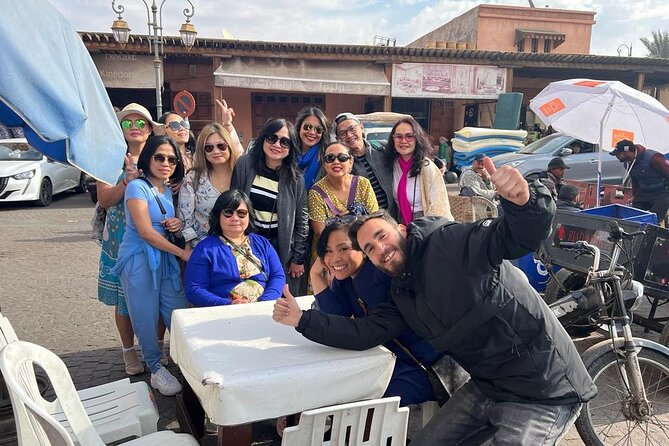
- No tagine, no couscous: you eat street foods and Berber-inspired specialties instead
- Meet at Café de France near Jemaa el-Fnaa and start walking right away
- 8 to 9 stops through Medina lanes where only locals tend to linger
- Big mix of flavors: savory grilled meats, soup and sweets, fruit, yogurt, and herbal tea
- Small group size with a maximum of 15 travelers
A Medina Food Route That Skips the Usual Script
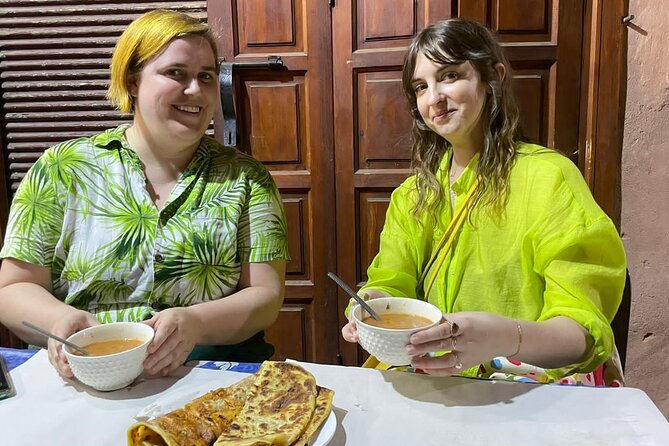
If Marrakech food tours always seem to lead you back to tagine and couscous, this one changes the channel fast. The whole point here is street food that locals choose, not big showy restaurant plates. You’re walking the Medina, stopping repeatedly, and eating enough to feel like you had a full meal (and probably a few desserts too).
I like that the tour frames the experience as more than food. You’re not just tasting bites—you’re getting the human context behind them: the people making it, why it’s eaten, and how it fits into daily life. That’s where the tour becomes more memorable. It turns Jemaa el-Fnaa from a sightseeing stop into a living neighborhood—then the guide brings you through the lanes where the real routine happens.
It’s also designed for people who want to ask questions. One of the most praised parts of this tour is the chance to talk with the guide along the way and then learn from the atmosphere around you. When the guide is explaining as you go—rather than dumping facts at the start—it sticks.
Finally, the food list is broad enough that you can build a personal “hit list.” You can go savory-heavy, go sweet-heavy, or treat it like a sampler platter where you taste everything once and decide your favorites.
You can also read our reviews of more food & drink experiences in Marrakech
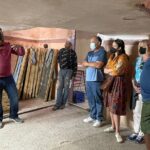
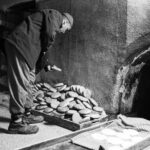
Meet at Café de France and Get Oriented Fast
The meeting point is easy to find in terms of area: you meet at Café de France in the main square, near Jemaa el-Fnaa. The exact pin is listed around Znikat Rahba (Number 18), so if you’re using a map app, search that meeting reference and then look for the café.
From there, you start moving quickly—this isn’t a “sit and wait for your food” experience. You’re walking into the Medina’s alleys as the tour transitions from the open energy of the square to the quieter lanes where locals eat. If you’ve ever felt overwhelmed by Jemaa el-Fnaa’s noise and motion, you’ll appreciate having a guide who can manage the flow with your group.
One small planning tip: wear shoes you can walk in comfortably for a couple of hours. This is a street tour, so you’ll be on the move. Also, bring water if you tend to get dry in heat; the tour includes drinks, but you’ll still want to stay comfortable as the route changes.
And yes, the tour uses a mobile ticket, and confirmation comes at booking time. That means fewer last-minute surprises.
What You’ll Eat: 8 to 9 Dishes, Not One Big Meal
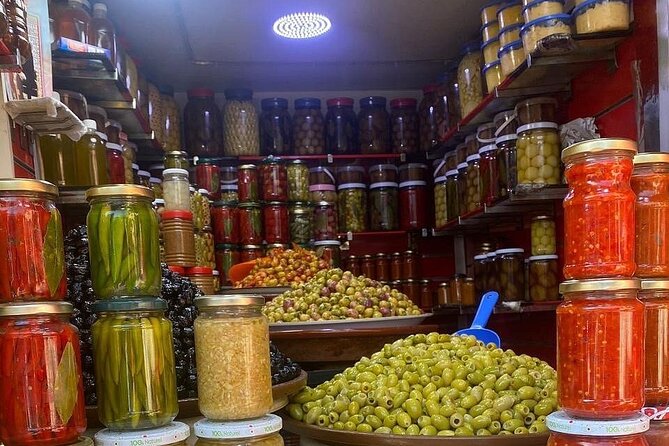
This is the part that makes people talk. The tour is built around 8 to 9 authentic local dishes, and the food list covers multiple categories—savory, sweet, hot, cold, and even herbal. The official theme is simple: you come hungry and you leave satisfied.
Here are the named items you can expect on the route (with the understanding that the number of stops fits the 8–9 dish format):
Msemen Amer (Moroccan pancake, often stuffed)
This is one of the key starters. It’s a Moroccan pancake type with fillings, and it sets you up well for the rest of the route because it’s filling without being heavy in the way some fried foods can be.
Harira & Chebakia (soup plus a sweet pairing)
Harira is paired with chebakia, which is one of the sweet items included. The format matters here: it’s not soup alone. You get the savory bowl moment, then you follow it with a sweet bite so your palate doesn’t get stuck in one lane.
A few more Marrakech tours and experiences worth a look
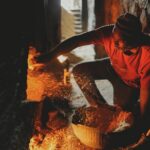
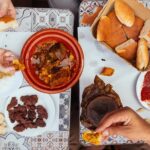

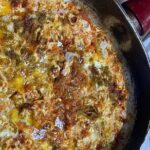
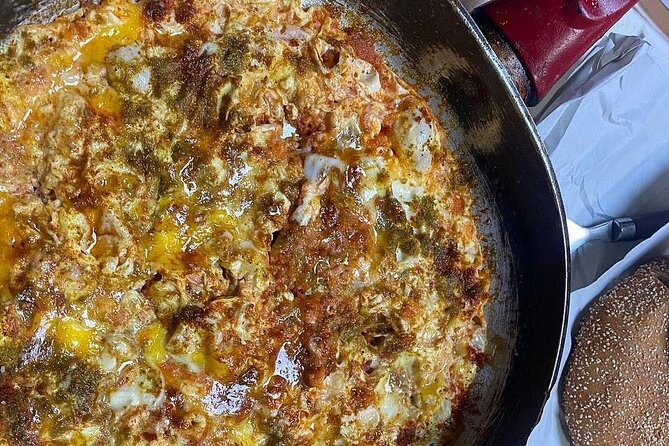
Makkla bel Kefta (Marrakech’s take on chakchouka)
This dish is described as the Moroccan twist on chackchouka, and it’s one of the “Marrakech-specific” items on the list. If you like tasting sauces and vegetable-based flavors, this is a good stop to lean into.
Sfenj (light Moroccan donuts)
These are Moroccan donuts—light and airy—so they work as a contrast after richer savory dishes. If you want a sweet that isn’t overly heavy, this is the kind of stop you’ll probably remember.
Lhnidiya (cactus fruit)
A refreshing palate reset comes in the form of cactus fruit. It’s a great example of how the tour moves beyond the usual international idea of “street food” and into local ingredients.
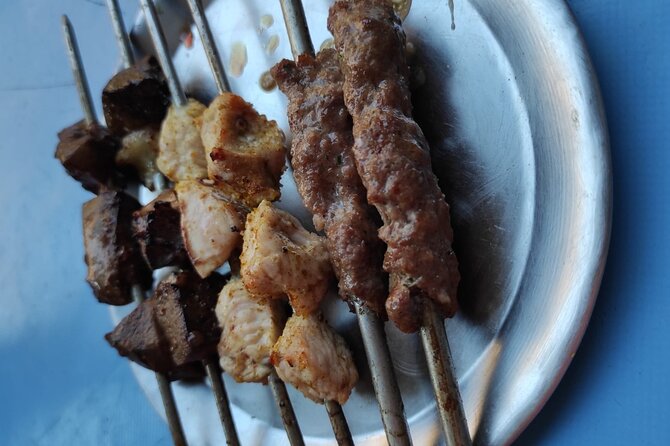
Chwa (savory grilled meats)
This is where the tour goes smoky and satisfying: grilled meats including beef, turkey, and liver are listed. If you want something more protein-forward, this is one of your strongest stops.
Rass Mbekher (steamed sheep’s head, cumin seasoned)
This is the “serious traditional” item on the list: steamed sheep’s head seasoned with cumin. It’s also the one you should think about carefully if strong flavors and textures aren’t your thing. The tour notes that you should let them know about allergies and dietary restrictions in advance, and guides are set up to try to accommodate based on those needs.
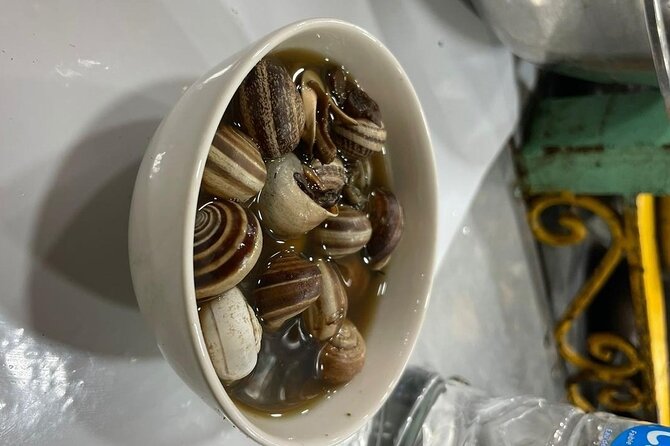
Moroccan grilled beef or chicken and snail soup
The highlights also mention snail soup and grilled meat options like beef or chicken. Since the tour format is 8–9 dishes, these are part of the overall tasting mix—so if you’re curious about the more unusual items, this is likely where they show up.
Panaché (seasonal fruit smoothie)
You get a cooling sweet drink in the form of panaché, a smoothie made from seasonal fruit. It’s also a good mid-tour reset if the afternoon heat has you slowed down.
Khoudenjal (hot herbal infusion with eucalyptus)
This is a hot ending-course vibe item: a herbal infusion with eucalyptus. It’s listed as perfect for clearing your senses and aiding digestion. Even if you don’t care about the digestion angle, eucalyptus is usually one of those flavors that makes you feel like you just “reset” your palate.
Moroccan frozen yogurt
The tour also includes Moroccan frozen yogurt, so expect at least one cool treat during the route. It balances all the warm and savory stops nicely.
That’s a lot of food. And it’s meant to be. The most useful advice from the experience itself is simple: pace yourself. You can’t sample nine dishes if you try to swallow everything at once.
Navigating the Medina and Jemaa el-Fnaa Without Losing Your Day
Jemaa el-Fnaa can feel intense at first—crowd noise, lots of movement, lots of smells. The best part of this tour setup is that you’re not stuck trying to figure out where to go next on your own. The guide helps your group move through the square and then back into the Medina lanes with purpose.
This is also one reason the tour works better than a solo food wander. When you’re trying to locate “the right” stall by yourself, you’re guessing. With a guide, you’re following a plan: stop, taste, ask a question, then move on.
A few practical things I recommend based on how the tour is described:
- Keep your curiosity switched on. Ask what the dish is called and how it’s eaten locally.
- Watch your pace. If you’re full halfway through, still take small bites of the next stop so you can taste the variety without feeling sick.
- If you have allergies or dietary restrictions, tell the guide up front. The tour says they’ll do their best to accommodate you with alternative dishes.
The cultural angle matters too. One of the most praised threads is that guides genuinely care whether you’re having a good time. You’ll see it in the way they explain food steps and the way they guide you around the busier moments.
Price and Value: Why $40.71 Can Be a Bargain
At $40.71 per person for about 3 hours, this tour looks like a snack add-on—until you see what’s included. Everything is covered: food and drinks are included in the price, and the tour can run with up to nine dish stops. That shifts the math in your favor.
Here’s the practical value argument I’d use:
- You’re paying for a local route through Medina lanes, not just a plate.
- You’re getting multiple categories of food and drink (savory, sweet, hot, cold).
- You’re saving time. Instead of researching where to eat, you follow a guide to places locals use.
Also, the tour is capped at a maximum of 15 travelers, which usually means your group doesn’t feel like a moving crowd of strangers stuck in a line. And it’s been commonly booked about 19 days in advance, which is a hint that popular slots fill. If you’re planning in the high season or on a tight schedule, it’s smart to reserve early.
Finally, if you like being able to adjust plans, this experience offers free cancellation up to 24 hours before the start. That’s useful if your Marrakech schedule might shift.
Who This Street Food Tour Is For (and Who Might Not Love It)
This tour fits best if you want to eat like a local and you don’t need everything to be comfortable and polished. If you’re the type who enjoys small discoveries—new flavors, new ingredients, and talking to people about food—this should click.
You’ll likely enjoy it if you:
- want more than couscous and tajine
- like tasting a mix of savory and sweet
- are curious about Berber-influenced street foods
- want to wander the Medina with guidance instead of guessing
It may be less ideal if you:
- have a very limited diet or strong allergies and need precise ingredient control (the tour says they’ll do their best, but no food plan is perfect)
- don’t want to try items that are described as intense or unusual, like sheep’s head seasoned with cumin or snail soup
- hate eating a lot in a short time span
One more thought: the tour uses lots of stops, so if you’re hoping for a slow, sit-down “food and culture” pace, you might find it fast. The upside is that the whole experience stays active and keeps moving.
A Few Real-World Tips Before You Go
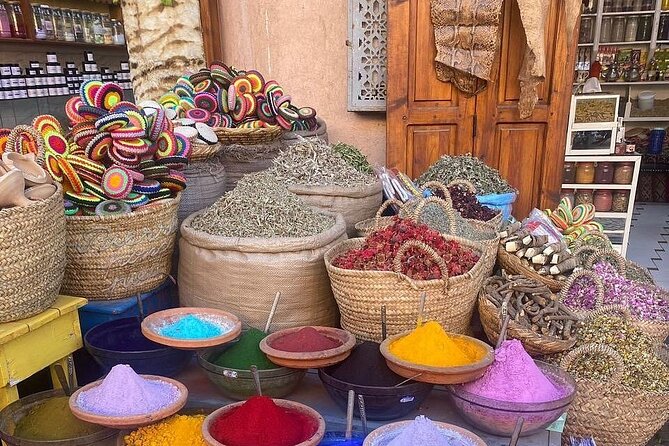
To get the most out of it, I suggest you treat the tour like a guided tasting, not a checklist:
- Come hungry, since you’ll be sampling many dishes across multiple stops.
- Bring an open mind. This is explicitly a no-tag!ne/no-couscous route, and the best moments often come from the unfamiliar dishes.
- Pace yourself. Even with lots of food, you don’t have to force big bites every time.
- If a dish sounds like a hard no, speak up early. The tour explicitly invites you to share allergies and dietary restrictions in advance, and accommodations are part of the promise.
And if you’re worried about navigating the square, don’t. The route is designed to handle the tricky parts of Jemaa el-Fnaa so you’re not constantly stopping to orient yourself.
Should You Book This Street Food Tour in Marrakech?
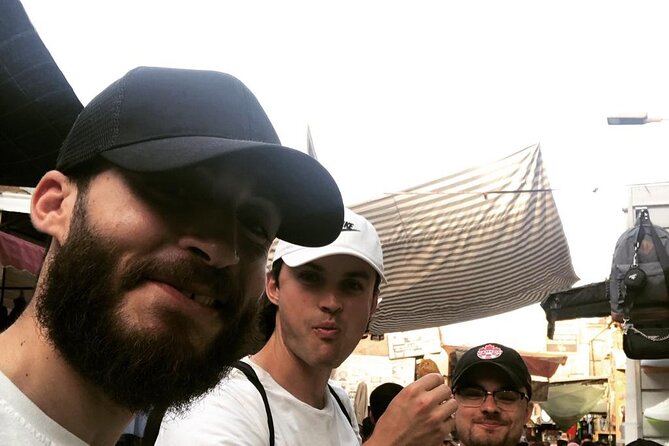
Book it if you want authentic local street food, a real Medina walk, and a lot of variety without repeating the usual tourist menu. The deal is strong because food and drinks are included and you’re eating multiple dishes in one organized outing.
I’d skip it only if you know you can’t handle sampling lots of different foods in a short time, or if you strongly avoid the types of dishes listed (like sheep’s head or snail soup). In those cases, you might prefer a lighter, restaurant-based tasting where you can order only what fits you.
If you’re somewhere in the middle—curious, hungry, and willing to let a guide steer—you’ll probably find this is one of the more memorable ways to experience Marrakech beyond the headline dishes.
FAQ
Where do we meet for the Marrakech street food tour?
You meet at Café de France in Jemaa el-Fnaa (main square). The meeting pin is around Znikat Rahba, Number 18, Marrakech 40000.
How long is the tour, and how many dishes will I try?
The tour lasts about 3 hours and includes 8 to 9 local dishes.
Is tagine or couscous included?
No. This tour is specifically described as no tagine and no couscous—you’ll focus on other Berber street foods and local dishes.
Are food and drinks included in the price?
Yes. All food and drinks are included in the tour price.
Can the guide accommodate allergies or dietary restrictions?
Yes. You should let the guide know in advance about allergies or dietary restrictions, and they’ll do their best to offer alternative dishes.
How large is the group?
The group size is capped at a maximum of 15 travelers.