REVIEW · MARRAKECH
Marrakech Food Tour
Book on Viator →Operated by Moroccan Food Tour · Bookable on Viator
Your nose and stomach will learn Marrakech fast. This guided food tour through the medina mixes real tastings with a practical walk you can’t easily do on your own, then ends with a two-course meal near Jemaa el-Fna. I like that it’s led by a guide who explains what you’re eating and why it matters, and I like that the food is paired with short, easy-to-follow stops so you don’t feel lost. One consideration: there’s a moderate amount of walking on uneven old-town streets, so comfy shoes matter.
This is a small-group experience capped at 15 people, and you pick an afternoon or evening option. It runs about 3 to 4 hours and uses a mobile ticket, which keeps things simple.
At $80.26 per person, it isn’t a bargain snack crawl, but it is strong value for what you get: guided tastings, bottled water, snacks, and a proper main meal plus coffee or tea. If you want a smooth first introduction to Moroccan flavors, this format makes a lot of sense.
In This Review
- Key things to know before you go
- A 3–4 Hour Food Tour That Feels Like Morocco, Not a Theme Park
- Riad Flamme d’Orient & Spa: The Orange Juice Kickoff That Sets the Tone
- Souks and Alleyways: How the Guide Gets You Through the Medina Maze
- Rahba Kedima Square: The Spice Stop You Can Actually Smell
- Old Jewish Neighborhood Stroll: Flexible Tastings Based on Season
- The Two-Course Meal Near Jemaa el-Fna: Where the Tour’s Value Shows Up
- Guides Make the Difference: Chama, Fatima, Sharma, Soufiane, Abdul
- Practical Tips That Prevent Regrets (Shoes, Napkins, and Coming Hungry)
- Ramadan Timing: Expect Adjustments Around the Meal
- Price and Timing: What $80.26 Buys You (and Why It’s Not Just Random Bites)
- Who This Tour Is For (and Who Should Skip It)
- Should You Book This Marrakech Food Tour?
- FAQ
- How long is the Marrakech Food Tour?
- Is the tour lunch or dinner?
- What’s included in the price?
- Is alcohol included?
- Is a vegetarian option available?
- How much walking is involved?
- Where does the tour start and end?
- What if the weather is bad?
- Is there free cancellation?
Key things to know before you go
- Fresh-squeezed orange juice start at Riad Flamme d’Orient & Spa, before you hit the souks
- Spice-square stop at Rahba Kedima where you can see and smell ingredients tied to Moroccan cooking
- Souks-and-alley walking with a guide to help you navigate the maze without constantly getting turned around
- Seasonal tastings in the old Jewish neighborhood where what you try can change based on what’s available
- Two-course lunch or dinner near Jemaa el-Fna so you end with a real sit-down meal
- Small group (max 15) plus time to eat between stops, not just rushing from one stall to the next
A 3–4 Hour Food Tour That Feels Like Morocco, Not a Theme Park

This tour is built around a simple idea: you get better food when someone helps you find the right stalls and tells you what you’re tasting. You’ll walk through the medina in the afternoon or evening (your choice), with a local guide keeping pace and explaining the food as you go.
The group size is capped at 15, which matters in the medina. Big groups move slow, squeeze you into crowds, and make it harder to ask questions. Here, you’re more likely to get personal attention and actually understand what you’re eating—not just collect bite-sized samples.
You can also read our reviews of more food & drink experiences in Marrakech
Riad Flamme d’Orient & Spa: The Orange Juice Kickoff That Sets the Tone
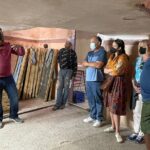
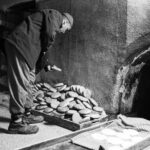
Your tour starts at Post Maroc322 Saada, 4B Mhamid, Marrakech 40000, and the first stop is Riad Flamme d’Orient & Spa. It’s a short intro moment (about 20 minutes) with fresh-squeezed orange juice and a chance to settle your stomach before the tasting begins.
That warm-start detail is more than cute. Marrakech is a place where you’ll walk, smell spices, and then eat. Starting with something bright and refreshing helps your taste buds switch on right away, instead of trying to guess flavors while you’re still adjusting to the heat and crowds.
Souks and Alleyways: How the Guide Gets You Through the Medina Maze
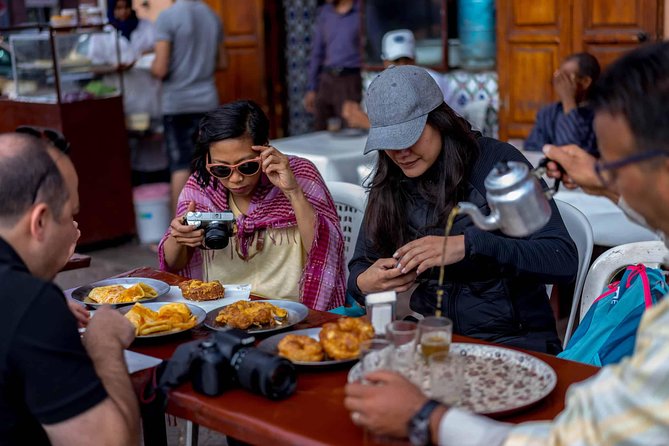
After the orange juice, you’ll move into the souks and alleyways of the old town. This is where the tour earns its keep. The medina is a maze, and even if you can handle getting lost, it’s not the same as getting to the right stalls at the right times.
You’ll be guided through less obvious walking routes, and the guide’s job is not just logistics. They’re also there to explain what you’re tasting and share food stories—often the kinds of anecdotes that make Moroccan dishes feel connected to daily life, not just a list of menu items.
One practical note: the tour isn’t slow and stop-and-chat every five minutes. It’s paced so you can sample food, then regroup and learn, then keep moving. If you tend to get tired quickly in old cities, plan breaks by slowing your walking stride and sipping water between tastings.
Rahba Kedima Square: The Spice Stop You Can Actually Smell
Rahba Kedima Square is one of the best places on a food-focused itinerary because it’s sensory. You’ll spend about 20 minutes here at the spice square—your chance to see and smell ingredients tied to Moroccan cooking.
This stop works especially well if you’ve ever wondered why Moroccan food tastes the way it does. Spices aren’t just flavor; they’re part of the structure of dishes. When a guide points out how ingredients are used, you start tasting with context instead of randomness.
If you’re sensitive to strong smells, you might find this the most intense stop. But if you enjoy food markets and want to understand what you’re buying and eating, this is the highlight that helps everything else click.
Old Jewish Neighborhood Stroll: Flexible Tastings Based on Season
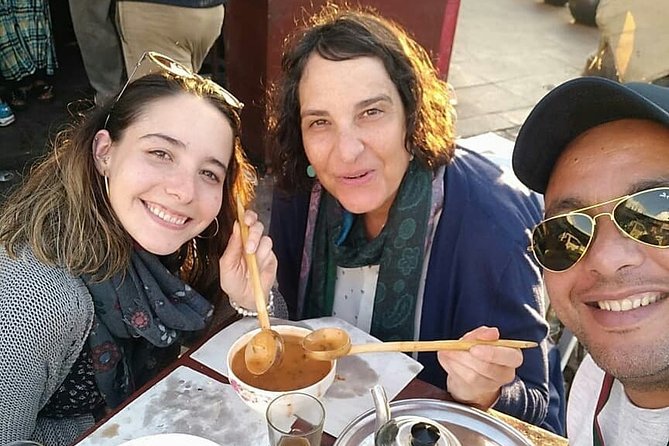
Next comes a walk in the old Jewish neighborhood. The key detail here is flexibility: some tasting might be done depending on the stalls and what’s available in season.
That can be a deal-breaker for some travelers who want a perfectly fixed menu. But I think it’s also a real advantage. Morocco’s markets change, and what’s available often shapes what’s fresh and worth eating that day. A guide helps you stay in the loop so you’re not stuck searching for something you heard exists but can’t find.
Keep your expectations practical: you’re looking for small, local samples and food culture context, not a scripted tasting menu with identical stops every time. If you’re open to what’s seasonal, this part can be a memorable detour.
A few more Marrakech tours and experiences worth a look



The Two-Course Meal Near Jemaa el-Fna: Where the Tour’s Value Shows Up
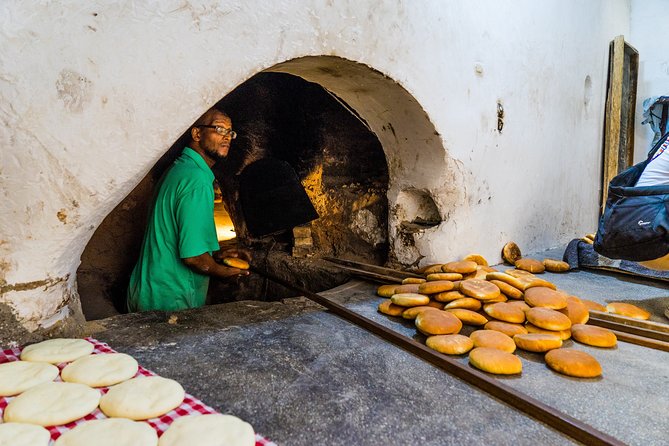
The meal is the real anchor: a two-course lunch or dinner at a local restaurant near Jemaa el-Fna square. This is the point where all the earlier bites turn into something you can sit with and properly enjoy.
The tour includes bottled water, snacks, and coffee and/or tea. That matters more than it sounds. You won’t have to constantly buy drinks or track down what’s included. And because the restaurant is near Jemaa el-Fna, you’re finishing in an area that’s central enough to feel like you experienced Marrakech, even if you spent most of the tour working your way through the medina’s side streets.
Alcohol isn’t included, so if you like a cocktail or wine with your meal, budget for that separately. Also, the tour duration is about 3 to 4 hours overall, so the meal timing is built into the flow, not bolted on at the end.
Vegetarian options are available—just make sure you advise dietary requirements at booking. It’s the difference between a quick workaround and an actually thoughtful meal.
Guides Make the Difference: Chama, Fatima, Sharma, Soufiane, Abdul
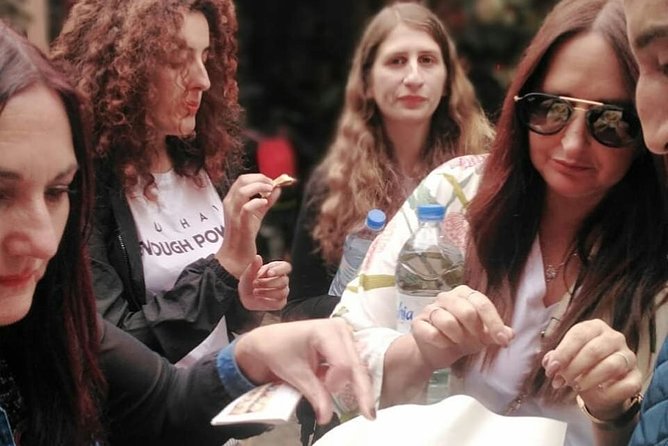
A food tour lives or dies by its guide. In this one, the guide is there for more than pointing at stalls. People consistently praise guides for being friendly, funny, polite, and very hands-on with explanations and pacing.
You’ll hear names come up often: Chama, Fatima, Sharma, Soufiane (also mentioned as Souf), and Abdul. Even without knowing which guide you’ll get, the pattern matters. A good guide checks in, keeps the group moving at the right speed, and explains what you’re tasting so you remember it later.
That explanation piece is huge for first-time visitors. When you know what a spice blend is doing or why a certain ingredient shows up, you can order better later. It turns the tour from a one-time treat into a food skill you keep.
Practical Tips That Prevent Regrets (Shoes, Napkins, and Coming Hungry)
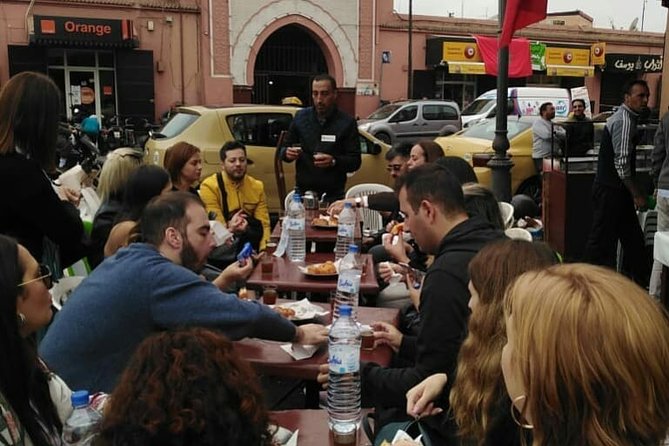
This tour is short, but it’s packed. One of the clearest pieces of advice from people who’ve done it is simple: don’t eat a big meal right before you start. You’ll taste a lot along the way, and going in hungry is the way you get the best variety without feeling miserable.
Also, bring napkins if you have them. Old-city tastings can get a little messy, and having your own supply makes the whole experience smoother. It’s small, but it’s the kind of small that turns into comfort.
Shoes are non-negotiable. You’ll do a moderate amount of walking across uneven medina streets, plus you’ll likely stand and wait at stalls. Comfy walking shoes let you focus on the food instead of protecting your feet.
If you have dietary restrictions, don’t wing it. Tell the operator at booking so your guide and restaurant can plan accordingly.
Ramadan Timing: Expect Adjustments Around the Meal
If your trip lands during Ramadan, plan for schedule changes. One person noted that some stops weren’t available because of Ramadan, and dinner timing can be tricky around the sunset fast-breaking moment. Another person enjoyed the chance to sit and break fast with local people, so it depends on how the day shapes out.
Here’s the practical takeaway: don’t assume the exact same set of stops or the same dinner flow every Ramadan day. If it matters to you, ask ahead of time how the tour adapts during fasting periods so you’re not surprised when the schedule shifts.
Price and Timing: What $80.26 Buys You (and Why It’s Not Just Random Bites)
Let’s talk value. At $80.26 per person, you’re paying for more than food. You’re paying for:
- guided navigation through the medina (and time-saving routes),
- tastings plus snacks,
- bottled water,
- a sit-down two-course main meal,
- coffee and/or tea,
- and a local guide who explains what you’re eating.
That’s a lot to fit into 3 to 4 hours. If you tried to do it yourself, you’d spend time figuring out which stalls to trust, which foods are best to start with, and where to sit for a proper meal afterward. Here, that structure is handed to you.
Booking earlier helps. The tour is often booked about 45 days in advance, so if you’re traveling in a busy season, reserve ahead so you can get the time slot you want.
Also note the weather requirement: the experience depends on good weather. If it’s canceled because of weather, you’ll be offered another date or a full refund.
Who This Tour Is For (and Who Should Skip It)
This Marrakech Food Tour is a great fit if you want:
- an organized introduction to Moroccan flavors,
- a guided walk through the medina with fewer wrong turns,
- a final meal near Jemaa el-Fna where you can actually sit down,
- vegetarian option planning (when you book with your dietary needs),
- and a small group experience.
It’s not ideal if you hate walking or need a fully predictable menu with no seasonal variation. The old neighborhood tastings can depend on what’s available, and any fasting season like Ramadan can change the flow.
Should You Book This Marrakech Food Tour?
If this is your first real food-focused day in Marrakech, I’d book it. The combination of medina walking, spice-focused learning, and a proper two-course meal near Jemaa el-Fna is exactly the mix that helps you understand the city’s food beyond just taking photos.
Book it especially if you enjoy market energy but don’t want to spend hours figuring out where to eat. And if you’re going, come with light expectations for strict uniformity in every tasting moment—season and timing can shift the details.
FAQ
How long is the Marrakech Food Tour?
It’s about 3 to 4 hours.
Is the tour lunch or dinner?
It includes a Moroccan restaurant lunch or dinner, depending on the time option you choose (afternoon or evening).
What’s included in the price?
You get a local guide, bottled water, snacks, a main meal (lunch or dinner), and coffee and/or tea. All taxes, fees, and handling charges are included.
Is alcohol included?
No. Alcoholic drinks are not included.
Is a vegetarian option available?
Yes. Vegetarian options are available, but you should advise the operator at the time of booking.
How much walking is involved?
There is a moderate amount of walking, and comfy walking shoes are recommended.
Where does the tour start and end?
It starts at Post Maroc322 Saada, 4B Mhamid, Marrakech 40000, Morocco and ends back at the meeting point.
What if the weather is bad?
The experience requires good weather. If it’s canceled due to poor weather, you’ll be offered a different date or a full refund.
Is there free cancellation?
Yes. You can cancel up to 24 hours in advance for a full refund.