REVIEW · TOKYO
Kawaii Food Tour of Harajuku Tokyo
Book on Viator →Operated by Arigato Japan KK · Bookable on Viator
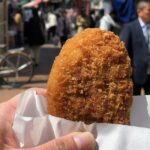
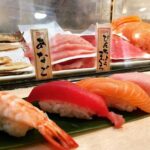
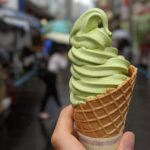
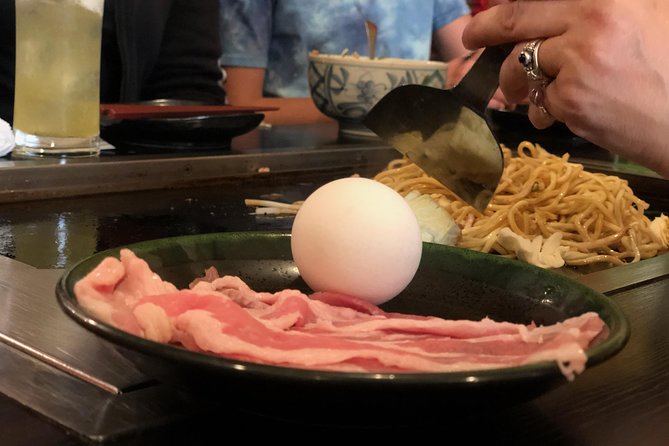
Harajuku is a full-sensory food experiment. This small-group 3-hour walk pairs kawaii pop-culture shopping streets with a truly “only in Japan” lunch, plus time in Omotesando and Harajuku neighborhoods where fashion, art, and design show up in the storefronts. I especially like that the tour is built around 5 food stops (with lunch + dessert) and not just candy sampling, and it also includes a hands-on moment where you help make a traditional fun soul-food dish locals love.
The main drawback to plan around is dietary limits: it’s not recommended for gluten-free. If gluten-free is a dealbreaker for you, you’ll want to think carefully before booking.
In This Review
- Key points at a glance
- Kawaii Food Tour of Harajuku Tokyo: the vibe you’re paying for
- Start at Nescafé Harajuku: orientation in the middle of it all
- Omotesando Hills and Kiddyland: shopping streets as cultural context
- Antenna Shops in Omotesando: regional flavors with a purpose
- LINE FRIENDS Flagship Store Harajuku: cute brands with real stories
- Cat Café Mocha and Daiso Harajuku: the fun stops with real-world charm
- Wolfgang Puck Express Harajuku (Takeshita Street): dessert that lands at the right time
- What you actually eat: lunch, 5 food stops, dessert, and a drink
- Small group size and family-friendly pacing
- Price and value: what $209 gets you (and where it might not)
- Should you book this Harajuku and Omotesando kawaii food tour?
- FAQ
- How long is the tour?
- What’s the group size limit?
- Where does the tour start and end?
- What’s included in the price?
- Is it suitable for vegan or vegetarian diets?
- What should gluten-free travelers know?
- FAQ (Cancellation)
- Can I cancel for a full refund?
- What if the tour is canceled due to weather?
Key points at a glance
- Max 10 people means you actually get attention from your guide, not just a crowd shuffle.
- Lunch inside pop culture art keeps the day from feeling like a generic food crawl.
- Omotesando + Harajuku in one route gives you contrast in architecture and shopping styles.
- Hands-on food making turns you from spectator into participant.
- Guide-led context helps you understand why the cute culture and the brands matter, not just what to eat.
Kawaii Food Tour of Harajuku Tokyo: the vibe you’re paying for
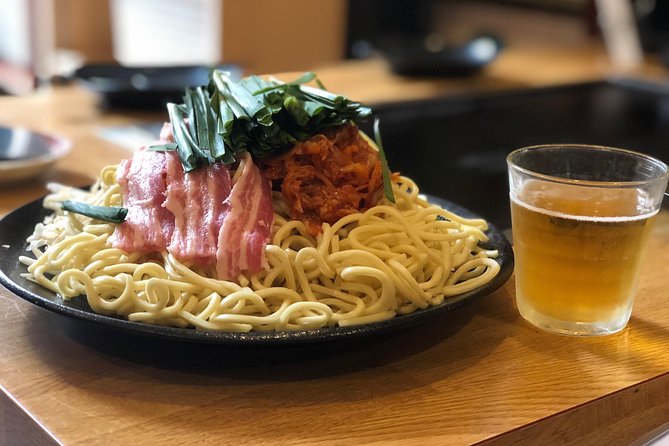
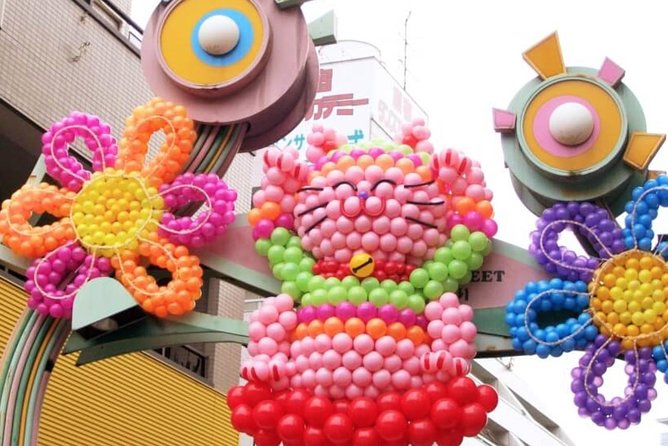
This is a food tour designed for people who want more than a list of snacks. The sweet spot here is pop culture as atmosphere. You’re not only tasting things; you’re walking through neighborhoods where the visual world is part of the experience—bright signage, character-first merchandising, and the kind of design that feels engineered for photos.
The tour also has that practical, family-friendly structure that Tokyo does well: a small group, short stops, and guided storytelling that keeps you moving without feeling rushed. One review called it a range of foods in an iconic fashion neighborhood, and that matches the way the itinerary is set up: Harajuku and Omotesando on foot, with multiple chances to eat.
And I like that it’s not just dessert. Yes, you’ll hit sweets. But the tour includes lunch plus dessert, and you’ll taste local items across different stops rather than burning all your calories on sugar. One guide name that came up in reviews is Hannah, praised for being patient with a toddler and keeping the group comfortable while still hitting a lot of food.
You can also read our reviews of more food & drink experiences in Tokyo

Start at Nescafé Harajuku: orientation in the middle of it all
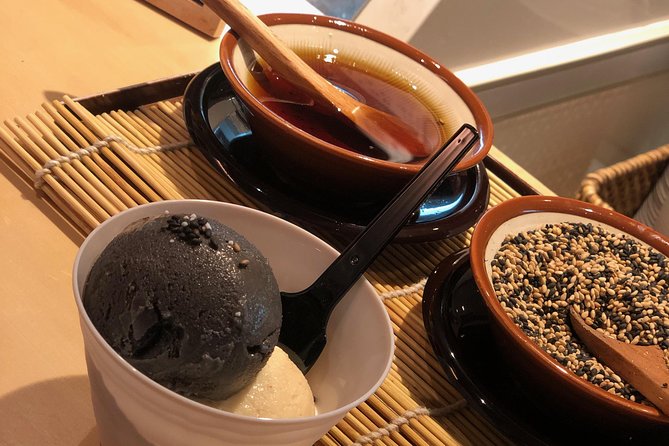
Your tour meets at 1-chōme-22-8 Jingūmae, Shibuya, at Nescafé Harajuku, specifically in front of the parking sign. Timing matters: it starts at 11:30 am, and the route is built for an active late morning into early afternoon.
This first stop is short—about 5 minutes—and it’s basically the kickoff. You’ll meet your guide and get ready to explore Harajuku and Omotesando together. It’s also a good moment to settle expectations: you’re walking, you’re eating at several places, and the route ends near Harajuku Station (so you don’t feel stranded once you’re done).
If you’re traveling with kids, the meeting point being near public transport can help. The tour itself is family-friendly, and the group is capped at 10 travelers, which is the difference between a chill pace and a herding situation.
Omotesando Hills and Kiddyland: shopping streets as cultural context
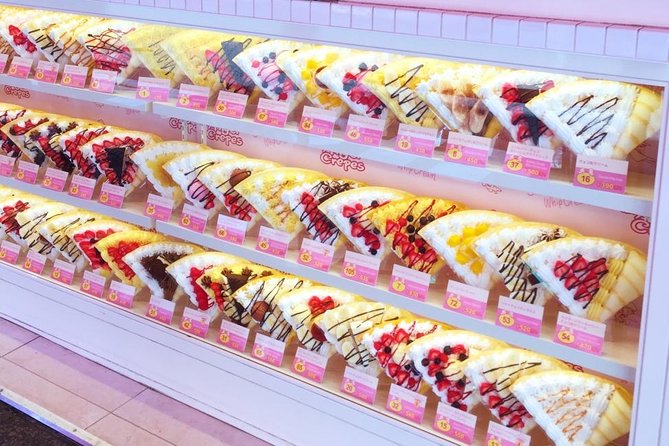
After the kickoff, the tour threads into Omotesando, with stops like Omotesando Hills and Kiddyland along the way. The important thing isn’t what you buy. It’s why these stops exist on the route.
Omotesando is often associated with fashion and clean, design-forward streets, and the tour uses that contrast to set you up for Harajuku later. Kiddyland (based on its role in the itinerary) is a character-and-fun stop—exactly the kind of place where kawaii culture becomes real consumer life instead of just an idea you saw online.
What you should expect here is browsing time and guided interpretation rather than a long lecture. If your group wants to linger, a small-group format gives your guide more flexibility. If you hate shopping errands, don’t worry: it’s not an all-day mall run. This tour moves.
Antenna Shops in Omotesando: regional flavors with a purpose
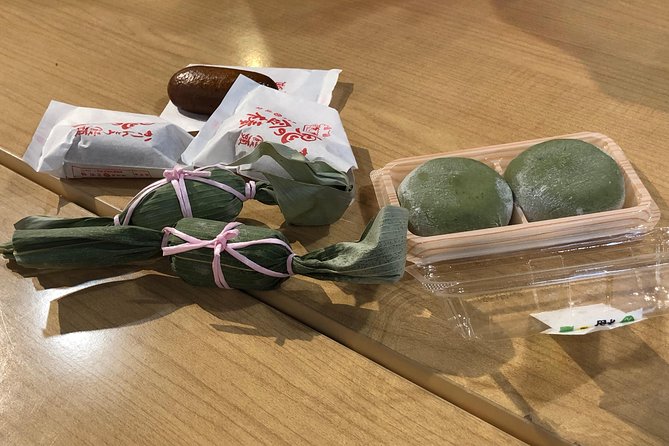
One of the most practical parts of this itinerary is the Omotesando segment where you learn about Japan’s Antenna Shops and try regional foods there. This is more useful than it sounds.
Antenna Shops are a simple concept: you’ll often find products and food items tied to specific regions, usually collected in one spot for people who want variety without traveling. On a short visit, that’s gold. Instead of spending hours chasing one specific regional snack, you sample multiple flavors that represent different parts of Japan.
This is also where the tour feels balanced. Yes, you’re in Harajuku, but you’re also getting something grounded in how Japan markets regional identity. One review specifically praised the guide for history of Harajuku, and this kind of stop is where that storytelling tends to click—you start to understand why a neighborhood looks and tastes the way it does.
The Omotesando portion is about an hour. That’s enough time to try things without turning your stomach into a dessert-only situation.
LINE FRIENDS Flagship Store Harajuku: cute brands with real stories
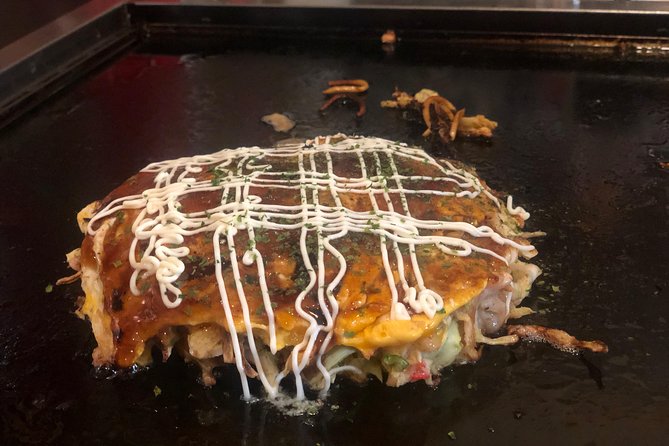
Next comes the LINE FRIENDS Flagship Store Harajuku, where you’ll hear stories of the area as you explore. Even if you’re not a hardcore character fan, flagship stores tend to reveal a lot about modern branding in Japan—how a personality (a character) becomes a whole visual ecosystem.
On this tour, the value is that you’re not just walking past a famous storefront. You’re getting guided context while you’re there. That keeps the experience from turning into a photo scavenger hunt.
Short stops like this are also a good reset. By the time you arrive, you’ve had lunch underway and you’re ready for a change of pace. And since the tour is only about 3 hours total, every segment needs to earn its place.
A few more Tokyo tours and experiences worth a look


Cat Café Mocha and Daiso Harajuku: the fun stops with real-world charm
The itinerary includes two very “Harajuku” style detours: Cat café Mocha and Daiso Harajuku. I like that these stops broaden what the word food tour means here.
A lot of food tours only talk about what’s edible. This one acknowledges that kawaii culture is also about the surrounding lifestyle—what kinds of places people choose, how brands build environments, and how everyday convenience merges with character fun.
You might find that Cat café Mocha is an easy point for questions, because it’s a business model built around cuteness. Even without going in deep, your guide can help frame what it represents. Daiso Harajuku similarly signals a different side of “everyday Japan,” where low-cost, high-appeal shopping fits right into the neighborhood’s energy.
These stops are short. They keep the momentum of the route so you’re not stuck somewhere you don’t care about.
Wolfgang Puck Express Harajuku (Takeshita Street): dessert that lands at the right time
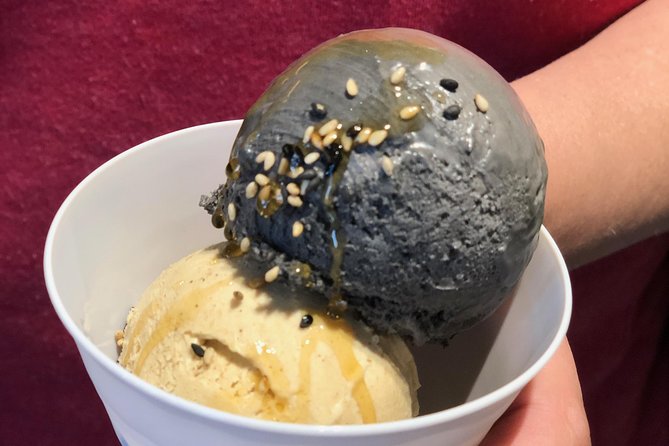
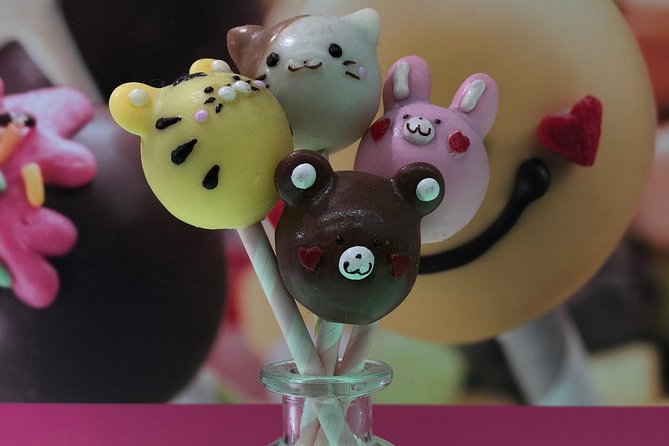
The tour finishes at Wolfgang Puck Express Harajuku near Takeshita Street, with a tasty, colorful sweets focus. This is your late-stage treat, about 10 minutes into the final stretch, and it’s timed to feel rewarding rather than overwhelming.
Takeshita Street is basically Harajuku in snack form. The tour uses it as a final flourish: trendy sweets that are also good for pictures, then you wrap up around Harajuku Station. That endpoint location is practical. You won’t have to problem-solve your way back after you’re full.
By the end, you’ve basically done the whole arc:
- you started with orientation,
- hit Omotesando for regional flavor concepts and design-forward shopping,
- moved into Harajuku for character storefront stories,
- and closed with sweets near the busiest, most iconic pedestrian zone.
What you actually eat: lunch, 5 food stops, dessert, and a drink
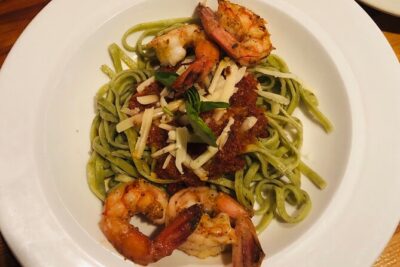
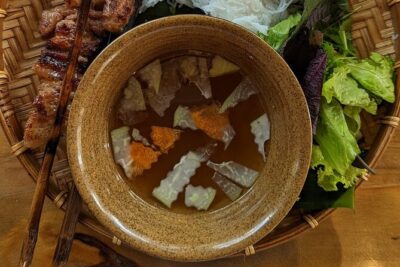
The included food is the heart of the value. You get local foods at 5 food stops, with lunch included, plus dessert and 1 drink.
That matters because $209 isn’t just paying for walking and photos. You’re paying for:
- a local guide,
- access to a planned set of food opportunities,
- and time to try multiple items without having to research everything yourself in advance.
It’s also why the tour works even if you’re not a huge foodie. You’re still getting variety, and the guide’s job is to steer you toward items that fit the route and the neighborhood vibe.
Diet notes matter here, too:
- Vegan, Vegetarian, and Pescetarian friendly is explicitly listed.
- It’s not recommended for gluten-free, which is the one clear red flag.
If you’re in a flexible diet group, this is easier to manage than many tours. If gluten-free is part of your health plan, you should probably think twice unless you’re confident your needs will be handled.
Small group size and family-friendly pacing
This is a small-group walking tour, maximum 10 travelers, and it’s family-friendly with a physical level listed as moderate. That combination is what makes it feel like a guided outing instead of a theme-park line.
The group size also helps with things like spacing and timing at crowded storefronts. You can actually hear the guide. You’re not relying solely on your own detective skills to find where you’re supposed to go next.
Kids considerations are handled up front:
- children must be accompanied by an adult,
- and there’s a passport information copy required for kids 10 and above.
In reviews, Hannah stood out for being extremely patient with a toddler while still delivering a packed itinerary. That’s exactly what you want to hear for a family-friendly food tour: not just that it’s kid-friendly on paper, but that the guide can keep the pace humane.
Price and value: what $209 gets you (and where it might not)
Let’s talk money in a straightforward way.
At $209 per person for about 3 hours, you’re in the mid-to-upper range for a walking food tour. The question is whether the included food and the guided, hands-on components justify it.
Here’s the value case:
- You’re getting food at 5 stops, plus dessert and one drink.
- You’re not only eating; you’re doing an experience—there’s hands-on making of a traditional fun soul-food item locals love.
- You’re covering both Omotesando and Harajuku, with a guide explaining what you’re seeing.
Where it might feel less worth it:
- If you already know Harajuku well and plan to self-guide food with your own research, you may be paying mainly for convenience and storytelling.
- If you need gluten-free, this tour is explicitly not recommended, which could make it a poor fit.
Still, for first-timers who want a planned route and multiple tastings without decision fatigue, the price starts to look more reasonable.
Should you book this Harajuku and Omotesando kawaii food tour?
I’d book it if you:
- want cute pop culture plus real food in one guided loop,
- like walking neighborhoods like Harajuku and Omotesando rather than hopping by transit all day,
- need a plan for lunch that includes dessert and more than just sweets,
- and you appreciate guides who can explain what you’re seeing while keeping the vibe fun.
I’d skip it or think hard if:
- you’re gluten-free and need strong assurances,
- you want a long, sit-down meal with no walking (this is a walking route),
- or you already have your food picks locked in and don’t care about the pop-culture context.
If you’re on the fence, this is one of those tours where the small-group size matters. With a max of 10, you’ll get more of the guide’s attention, and that’s the difference between collecting snacks and actually getting a fun Tokyo story along with them.
FAQ
How long is the tour?
The tour lasts about 3 hours.
What’s the group size limit?
The experience is limited to a maximum of 10 travelers.
Where does the tour start and end?
It starts at 1-chōme-22-8 Jingūmae, Shibuya, Tokyo 150-0001, Japan (in front of the parking sign at Nescafé Harajuku) and ends at Harajuku Station, near the top of Takeshita dori in front of the lower entrance to Harajuku station.
What’s included in the price?
A local guide, local foods at 5 food stops, dessert, and 1 drink are included. A mobile ticket is used.
Is it suitable for vegan or vegetarian diets?
Yes. It’s listed as vegan, vegetarian, and pescetarian friendly.
What should gluten-free travelers know?
It’s not recommended for gluten-free.
FAQ (Cancellation)
Can I cancel for a full refund?
Yes, free cancellation is available. You can cancel up to 24 hours in advance for a full refund.
What if the tour is canceled due to weather?
It requires good weather. If it’s canceled due to poor weather, you’ll be offered a different date or a full refund.