REVIEW · TOKYO
Shibuya All You Can Eat Best Food Tour The Original One in Tokyo
Book on Viator →Operated by The Washoku Club Culture and Food Tours · Bookable on Viator
Shibuya tastes better with a local route. This small-group Shibuya food walk is built around short hops into places most people miss, with a guide helping you order and explain what you’re eating as you go. It runs about 4 hours and is capped at 10 people, so you’re not stuck watching everyone else eat.
I especially like the mix of Japanese favorites packed into a single evening: sushi, yakitori, yakiniku, takoyaki, and desserts. One thing to think through is the price: at $205 per person, you’ll want to fully use the included tastings and be ready to pay extra for alcohol, since alcoholic drinks are available but not included.
In This Review
- Key points before you go
- Why Shibuya’s food route feels different than self-guided wandering
- Small group (max 10): the practical advantage you’ll feel
- Meeting at Hachiko and getting your bearings fast
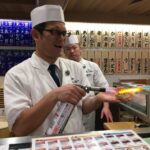
- What you’re actually eating: the included “fill-up” lineup
- Stop 1: Shibuya 109 and the street that feeds the city
- Stop 2: Nonbei Yokocho and how Japanese night-life feels up close
- Stop 3: Shibuya Crossing for the photo, then the reset
- Stop 4: MEGA Don Quijote and the 24-hour convenience culture
- The guide factor: why names keep coming up
- Price and value: what $205 buys you in Shibuya
- Practical tips so your night doesn’t wobble
- Who should book this Shibuya food tour
- Should you book: my decision guide
- FAQ
- What’s included in the food on this Shibuya tour?
- Does the tour include alcoholic beverages?
- How long is the tour in Shibuya?
- How big is the group?
- Where do we meet, and where does the tour end?
- Is the ticket mobile?
- Is Shibuya public-transport friendly?
- What’s the cancellation policy?
- How much does the tour cost?
Key points before you go
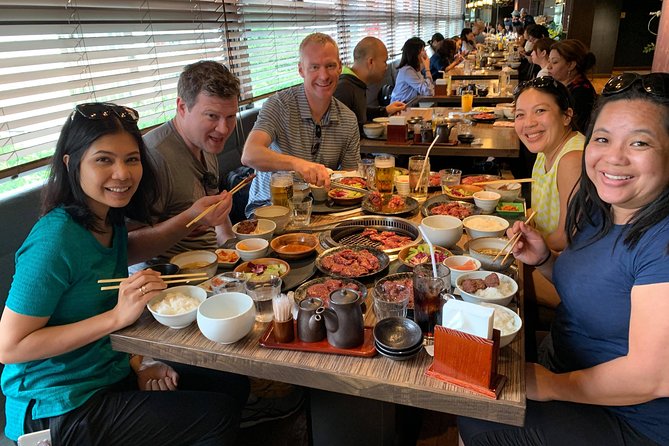
Small-group cap (max 10) means more time with your guide and less waiting in line.
4–5 food stops chosen by your guide keeps the sampling focused and varied.
Real Shibuya landmarks plus side streets: Shibuya 109, Nonbei Yokocho, Shibuya Crossing, and MEGA Don Quijote.
Includes soft drinks, water, and desserts so you’re not constantly paying out-of-pocket for basic drinks.
A guide who translates food and culture can turn awkward menus into confident ordering.
Easy meeting point at Hachiko helps you start the evening smoothly.
Why Shibuya’s food route feels different than self-guided wandering
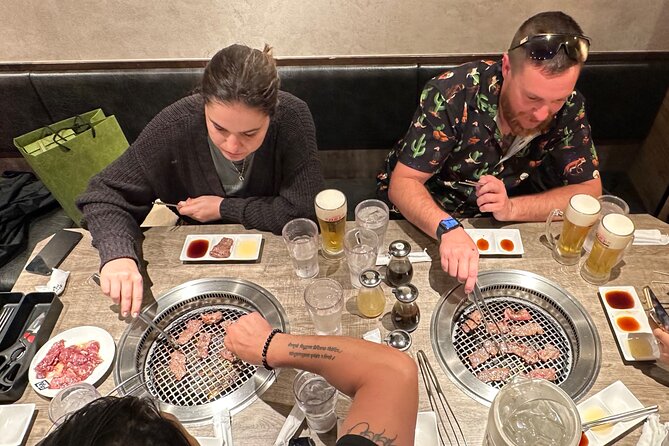
Tokyo has plenty of places to eat, but Shibuya is the kind of area where you can walk for an hour and still end up in the most obvious spots. This tour is designed to get you off that default path, with a small group and a guide who knows which doors to try and what each dish is trying to do.
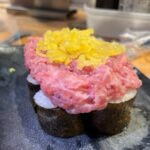
You’re also not just chasing one type of food. The included menu spread covers grilled, fried, and bite-sized comfort foods, plus desserts. That matters because it lets you taste more of Japanese street-and-izakaya culture in one night, instead of spending the evening repeating the same flavor category.
You can also read our reviews of more food & drink experiences in Tokyo

Small group (max 10): the practical advantage you’ll feel
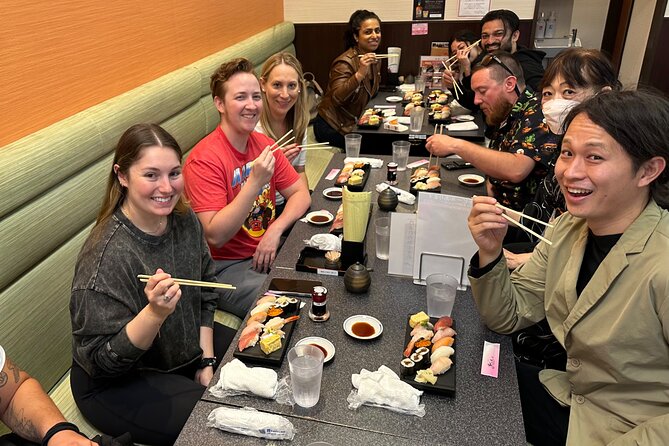
A maximum group size of 10 isn’t a brag. It changes the experience in simple ways: you get steadier pacing, more help when ordering, and a guide who can notice if someone is unsure.
I also like that this is not a long bus tour. You’re moving through Shibuya on foot, which means the group size directly affects how smoothly those movements work. In tight areas like Shibuya’s side streets, fewer people makes it easier to actually talk and learn, not just shuffle.
Meeting at Hachiko and getting your bearings fast
The tour starts at the Hachiko Statue at Dogenzaka in Shibuya. That’s a smart pick because it’s a famous landmark and easy to navigate once you’re in the area. You’ll also end back at the meeting point, so you don’t have to solve a second transportation puzzle after you’ve eaten.
Bring your mobile ticket, since the tour uses a mobile ticket system. And if you’re arriving on train, give yourself a little extra time. Shibuya is large, and you want to show up relaxed, not sprinting into the crowd.
What you’re actually eating: the included “fill-up” lineup
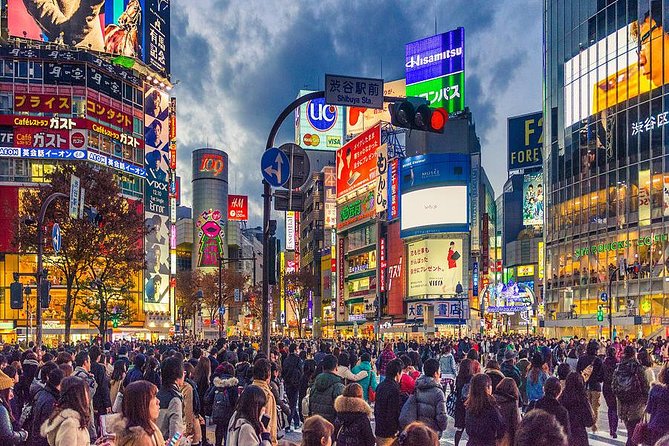
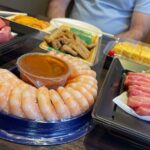
This experience is labeled all-you-can-eat, and it’s structured around 4–5 food stops. Even if each stop has its own rhythm and portion style, the goal is clear: you should leave full.
Included in the food and drink package:
- Sushi
- Yakitori
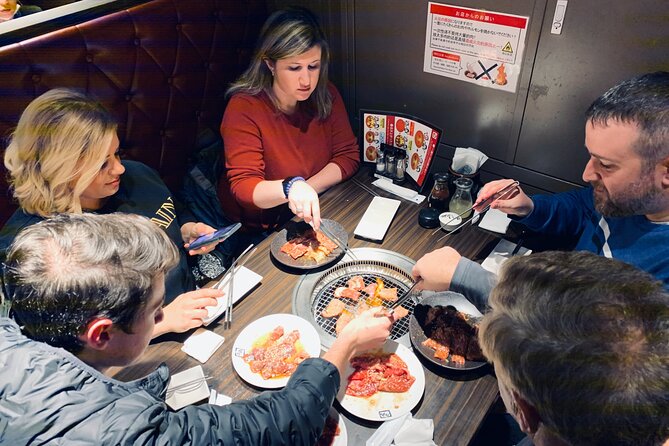
- Yakiniku
- Takoyaki
- Desserts
- 2 soft drinks and water
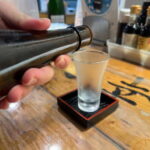
Alcoholic beverages are available to purchase, but you’re paying separately. That’s a key value point. If you’re the type who plans a sake flight or wants beer with every meal, your final cost can rise beyond the advertised price.
Stop 1: Shibuya 109 and the street that feeds the city
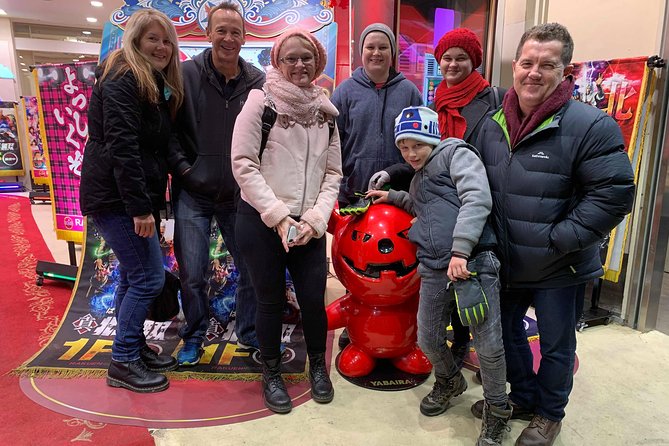
The tour begins with a look at Shibuya 109, a place that pulls in thousands of people. While it’s famous for fashion, the reason it fits a food tour is simple: high-traffic areas concentrate small eateries and quick bites where locals actually grab food on the way somewhere else.
What to expect here:
- A short walk through a local eat-and-shop zone
- Izakaya-style options you can understand in context once you’re talking to a guide
- An easy warm-up before you hit the “more specific” food stops
Possible drawback: if you came to Tokyo mainly for quiet, scenic meals, Shibuya 109 can feel loud and crowded. You’re here for energy and variety, not for calm.
A few more Tokyo tours and experiences worth a look
Stop 2: Nonbei Yokocho and how Japanese night-life feels up close
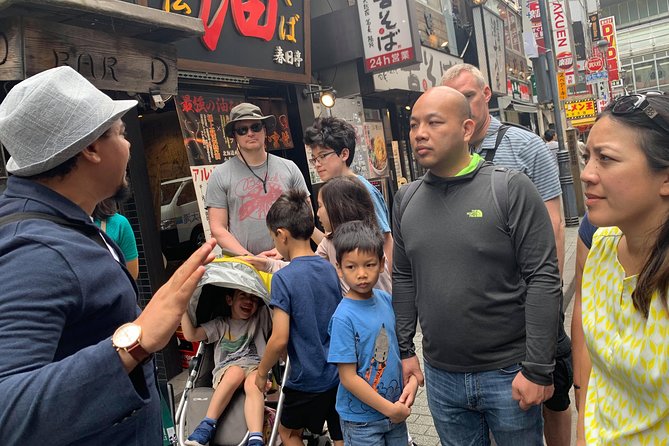
Nonbei Yokocho is described as a hidden alley in Shibuya, and it’s the kind of place that can disappear behind plain walls if you’re not looking for it. This is where the tour shifts from shopping-crowd energy into “small bars, big atmosphere” territory.
From the way the alley is talked about, it’s the tight, dark-little-street style where you’re close to the action—think tiny spaces that hold just a handful of people. The value of visiting with a guide is that you learn how people spend their nights there, not just where to stand to take a photo.
What to watch for:
- You’ll likely get guidance on what to order and how to enjoy it without feeling lost
- You’ll get cultural context around izakaya habits, pacing, and what certain foods are for
Consideration: these alleys can feel intense, especially if you’re sensitive to tight spaces or dark interiors. It’s part of the charm, but it’s not a wide-open street stroll.
Stop 3: Shibuya Crossing for the photo, then the reset
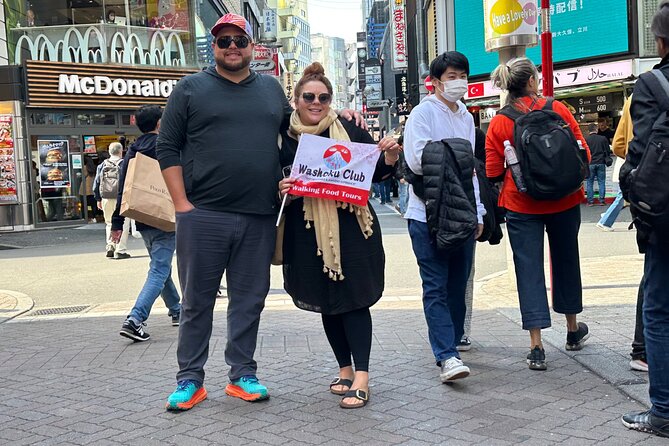
Yes, Shibuya Crossing is the busiest crossing in Japan. More than 2,000 people cross every minute, so you can’t avoid the scale. But the tour doesn’t linger long here. The stop is a quick way to connect the food night to the real Shibuya pulse.
Why it works:
- It gives you a landmark moment without stealing the whole evening
- It can help you orient yourself emotionally in Shibuya—then you return to food-focused streets
If you’re picky about crowds, you’ll want to treat this as a brief breather, not a long hang. Fifteen minutes is short, but it’s enough to feel the scale.
Stop 4: MEGA Don Quijote and the 24-hour convenience culture
MEGA Don Quijote is one of those places that looks like it sells everything because, in a way, it does. The tour includes time to check this huge 24-hour shopping mall that ranges from sweets and cosmetics to food and even electronics.
How this fits a food tour:
- It’s a practical way to see how locals shop late
- You get a chance to understand Japan’s 24-hour convenience mindset
- It’s useful for picking up small snacks or travel-friendly items after you’ve eaten your way through Shibuya
What to do with this time: keep an eye out for bite-sized sweets or packaged snacks you can try later. You don’t need to buy everything; just use the stop to learn what people grab casually.
The guide factor: why names keep coming up
A huge chunk of the tour’s praise centers on the guides. Different names show up again and again—Kato, Hamada, Amber, Samir, Tanaka, Suzuki, Hiromi, Islam, Ryu, Adam, and others. The repeated theme is that the guide doesn’t just lead you to restaurants; they make the experience feel comfortable and understandable.
What guides seem to do especially well in this format:
- Communication before and after the tour so you know exactly where to meet
- Friendly, warm pacing, including patience with families and jet lag
- Clear explanations of food and cultural habits, so you’re not eating in silence
- Sometimes helping with practical errands or purchases when appropriate
That last part matters. If you’re trying to navigate a shop like Don Quijote, having a guide who can point out what matters saves time. And if you’re worried about ordering Japanese food, a guide who helps you feel confident is basically the hidden value.
Price and value: what $205 buys you in Shibuya
Let’s talk straight: $205 per person is not cheap. The only way it makes sense is if the included tastings and the guide support are doing real work for you.
Here’s how the value adds up on paper:
- You get multiple food stops (4–5) with a wide range: sushi, yakitori, yakiniku, takoyaki, and desserts
- You also get 2 soft drinks plus water, which reduces small add-on costs
- You’re paying for someone to handle selection, timing, and ordering in smaller local venues
- You’re getting time-efficient access to spots you might not find on your own in a crowded area
Where the price can feel less worth it:
- If you expect an experience that teaches you everything about Japanese food in an academic way, this may feel too food-and-streets focused
- If you plan to drink a lot, alcohol not being included can shift the final cost
- If your guide communication or pacing doesn’t click with you, the whole evening can feel awkward—one-off issues can happen anywhere
My practical advice: go hungry, plan to try unfamiliar foods, and treat the guide as your translator and menu coach. If you do that, this price has a clear logic.
Practical tips so your night doesn’t wobble
1) Go in with an empty stomach. This is a “sample many things” format, not a light snack walk.
2) Expect extra spending for alcohol. Alcoholic beverages are available for purchase, but they’re not included.
3) Arrive a few minutes early at Hachiko. With Shibuya’s size, early is calm.
4) Be ready for small, lively spaces. Nonbei Yokocho is the “tiny alley” style, so it’s not a wide sidewalk scene.
5) Ask questions about what you’re eating. If you’re unsure, that’s exactly when a guide’s value shows.
Also, if you have kids or a family group, this tour has gotten positive mentions for being patient and supportive. Just note that you’ll still be walking through busy city areas, so comfortable shoes matter.
Who should book this Shibuya food tour
This tour is a good fit if you:
- Want a structured way to eat well in Shibuya without hunting down recommendations
- Like variety—grilled, fried, and dessert—not one-food specialty
- Appreciate a guide who explains culture and helps you order confidently
- Prefer a smaller group evening in a fast-moving neighborhood
It may be less ideal if you:
- Hate crowds and loud shopping hubs (Shibuya Crossing and Shibuya 109 are part of the experience)
- Are mainly looking for a quiet, slow-paced meal with minimal walking
- Expect alcohol to be included in the price
Should you book: my decision guide
Book it if you want the quickest path to a satisfying Shibuya food sampler: sushi, yakitori, yakiniku, takoyaki, and desserts—plus the cultural add-ons around Nonbei Yokocho. The small group size and the strong emphasis on guide quality are what make it work.
Skip or reconsider if you’re price-sensitive and already have a solid plan for finding your own places, or if you expect alcohol to be part of the included package. In that case, you might do better mixing one or two top spots with a separate dessert run on your own.
If you do book, do it with the right mindset: walk in ready to try things, let the guide steer the ordering, and use the Don Quijote stop as your practical shopping window after you’re full.
FAQ
What’s included in the food on this Shibuya tour?
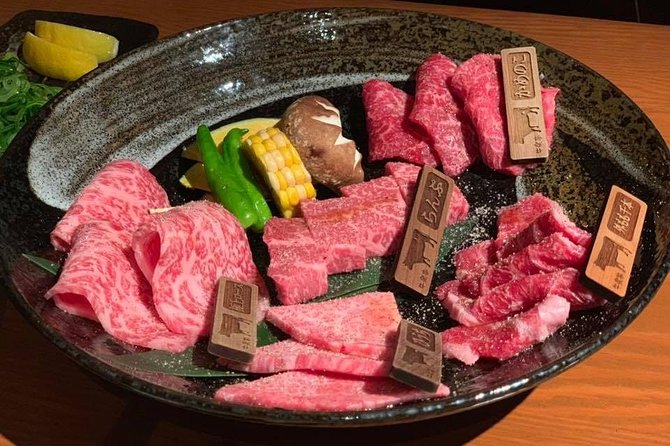
The tour includes food at 4–5 food stops chosen by your guide, featuring sushi, yakitori, yakiniku, takoyaki, and desserts. It also includes 2 soft drinks and water.
Does the tour include alcoholic beverages?
Alcoholic beverages are available to purchase, but they are not included in the tour price.
How long is the tour in Shibuya?
The tour lasts about 4 hours (approx.).
How big is the group?
This is a small-group experience with a maximum of 10 travelers.
Where do we meet, and where does the tour end?
You meet at the Hachiko Statue, 2 Chome-1 Dogenzaka, Shibuya, Tokyo 150-0043. The tour ends back at the meeting point.
Is the ticket mobile?
Yes, the tour provides a mobile ticket.
Is Shibuya public-transport friendly?
Yes, the meeting point is near public transportation.
What’s the cancellation policy?
Free cancellation is available up to 24 hours before the experience start time for a full refund. If you cancel less than 24 hours before, the amount paid is not refunded.
How much does the tour cost?
The price is $205.00 per person.