REVIEW · KUALA LUMPUR
Kuala Lumpur: Private Food Tour – 10 Tastings with Locals
Book on GetYourGuide →Operated by Withlocals · Bookable on GetYourGuide
A plate-led walk turns KL into culture class. This private 3-hour food tour is built around 10 tastings with locals, from savory street bites to sweet finishes and local drinks, so you’re not just sightseeing—you’re eating the city.
I love that you get classic Nasi Lemak and Paper Dosa at places locals actually return to, and you also see KL landmarks along the way. One consideration: you’ll meet at the Central Market entrance and make your own way there since hotel pickup and drop-off aren’t included.
In This Review
- Key highlights worth planning for
- Why a private food tour works in Kuala Lumpur
- Meeting at Central Market and what your 3-hour walk feels like
- Petaling Street: where KL street food energy starts
- Nasi Lemak and Paper Dosa: the classics you’ll actually understand
- Nasi Lemak
- Paper Dosa
- Temples as story stops: Guan Di Temple and Sri Mahamariamman Temple
- A practical tip for the temple stops
- The 10 tastings: variety, portion size, and what you should expect
- Portion sizes can surprise you
- Vegetarian options: plan, then ask
- Guides, personality, and why small groups matter
- Meeting people at the stalls
- Photos and little “KL hacks”
- Price and value: is $75 worth 10 tastings plus culture?
- Who should book this KL food tour
- Who should skip or rethink it
- Should you book this Private Food Tour in Kuala Lumpur?
- FAQ
- How long is the Kuala Lumpur private food tour?
- Where do we meet the guide?
- Is hotel pickup and drop-off included?
- What’s included in the price?
- Is the tour suitable for wheelchair users?
- Does the tour run as a small group?
Key highlights worth planning for
- 10 tastings in 3 hours: expect a real meal-by-meal progression, not tiny samples
- Central Market meetup: easy to find, but arrive on time and get yourself there
- Nasi Lemak + Paper Dosa: two Malaysian classics you can spot on menus but should taste in the right spots
- Petaling Street and temples: Petaling Street plus stops at Guan Di Temple and Sri Mahamariamman Temple
- Small group of up to 8: more time to ask questions and keep a comfortable walking pace
- Vegetarian option available: tell your guide at the start and the menu adapts
Why a private food tour works in Kuala Lumpur
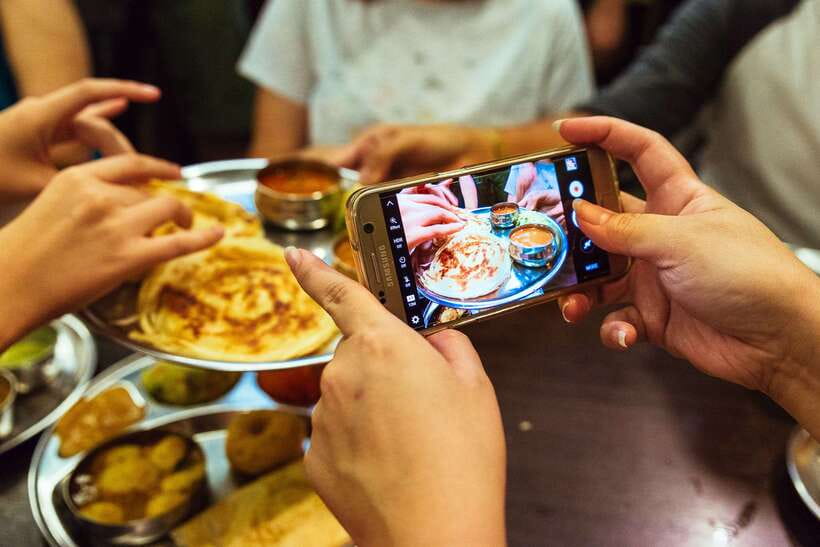
Kuala Lumpur has the kind of food scene where the hardest part isn’t finding places to eat. It’s finding the places that feel right for your taste, your comfort level, and your time. This private format helps because you move as a small group with a local guide who knows where to go for everyday favorites.
What I like most about this tour is the built-in structure: 10 tastings with a sequence that keeps you fed while still walking between neighborhoods. You get classics like Nasi Lemak and Paper Dosa, then you keep going through savory, sweet, and local drinks—so the meal feels balanced rather than random.
The other win is that you’re not stuck in one restaurant. You’re walking through the city’s food geography, and your guide ties what you eat to what you’re seeing on the street.
You can also read our reviews of more food & drink experiences in Kuala Lumpur
Meeting at Central Market and what your 3-hour walk feels like
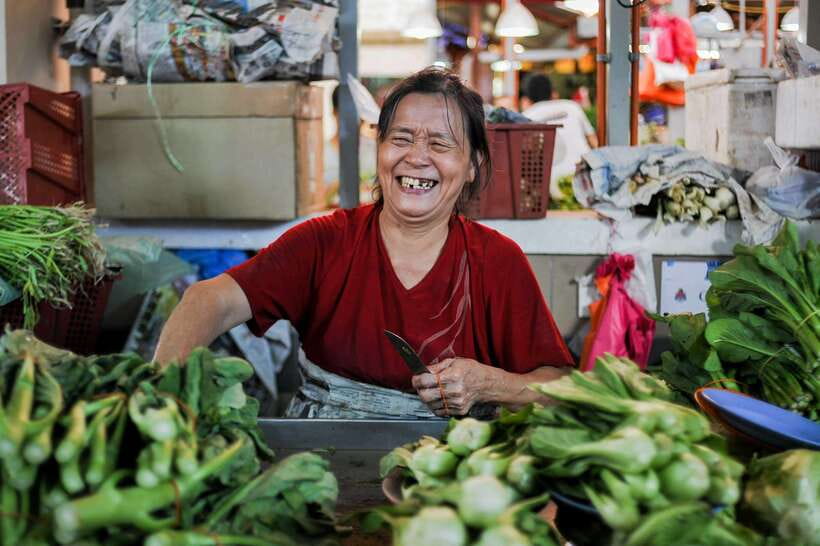
You’ll meet your host at the entrance of Central Market, then you set off on foot. That sounds simple, but it matters: Kuala Lumpur’s best street-food experiences often live close to transit and busy streets, and walking keeps you close to the real action.
Because it’s a private tour limited to 8 participants, the pacing tends to feel more human than big group tours. You’ll likely get more back-and-forth time with your guide—questions about ingredients, spice levels, and what makes each dish worth ordering.
Wear comfortable shoes. This tour is designed for walking, and the stops are set up so you can move from one tasting to the next without losing momentum.
Petaling Street: where KL street food energy starts
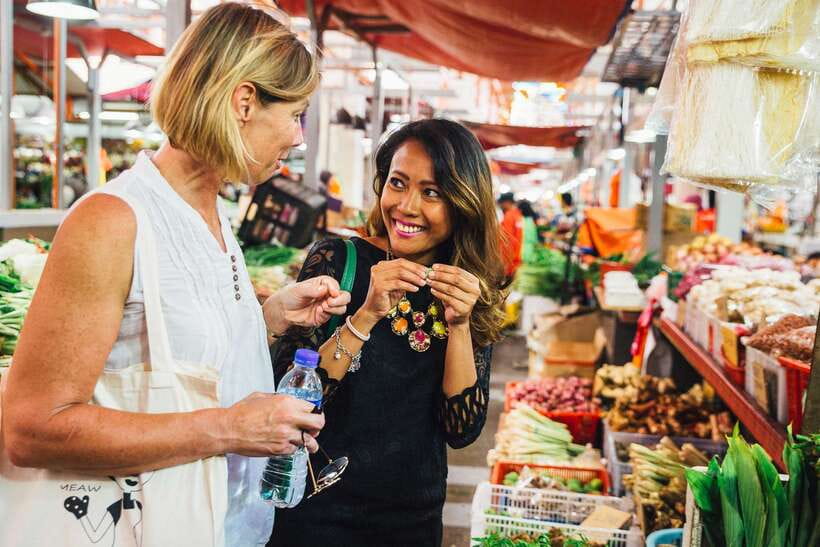
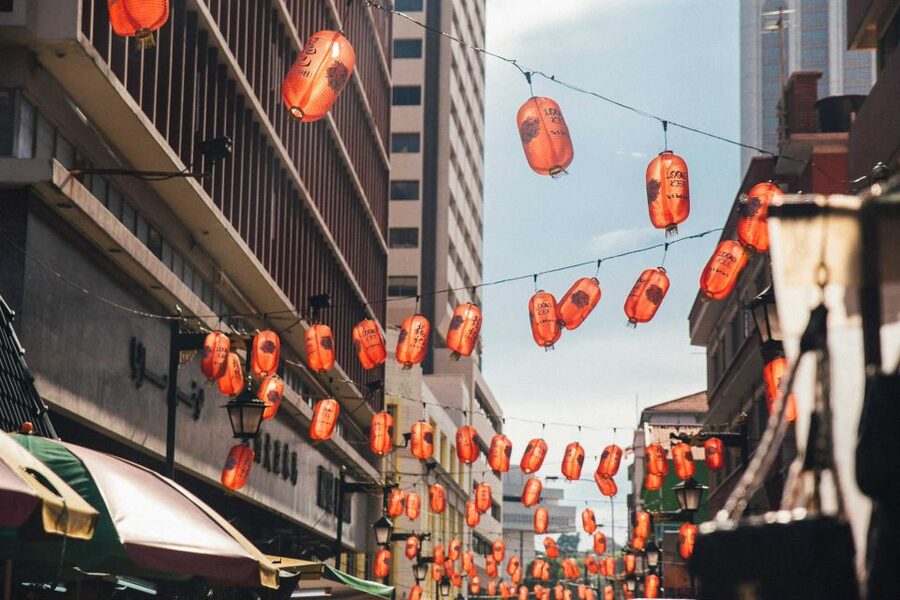
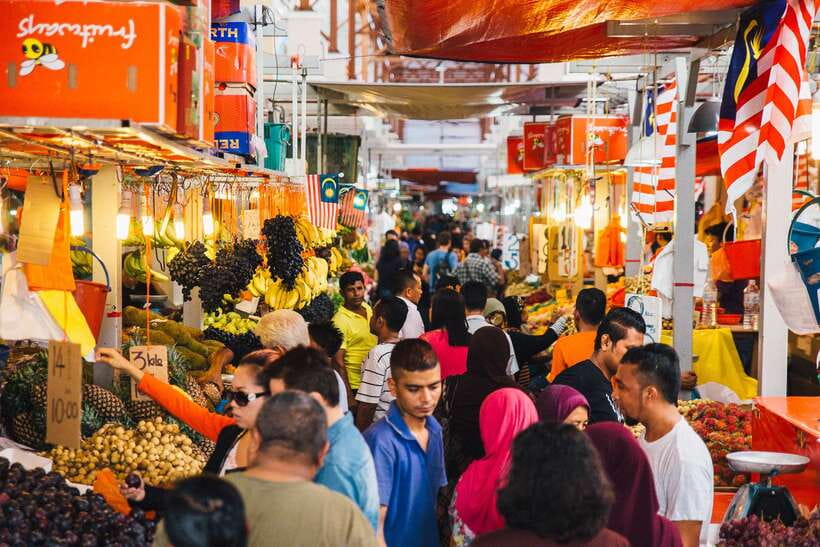
A big part of the appeal is how the tour threads food into the city’s major public spaces. One of the headline streets is Petaling Street, which is exactly the kind of area that can overwhelm you if you don’t know what to order.
With a guide, you’re not standing there guessing. You’re being directed to specific tastings that match the flow of the tour, so you end up trying more variety than you would if you were making decisions meal by meal.
Also, Petaling Street is a useful “orientation” stop. Even before you reach the temples, you’ll start seeing the everyday mix of people, smells, and fast-moving commerce that makes Kuala Lumpur feel like Kuala Lumpur.
Nasi Lemak and Paper Dosa: the classics you’ll actually understand
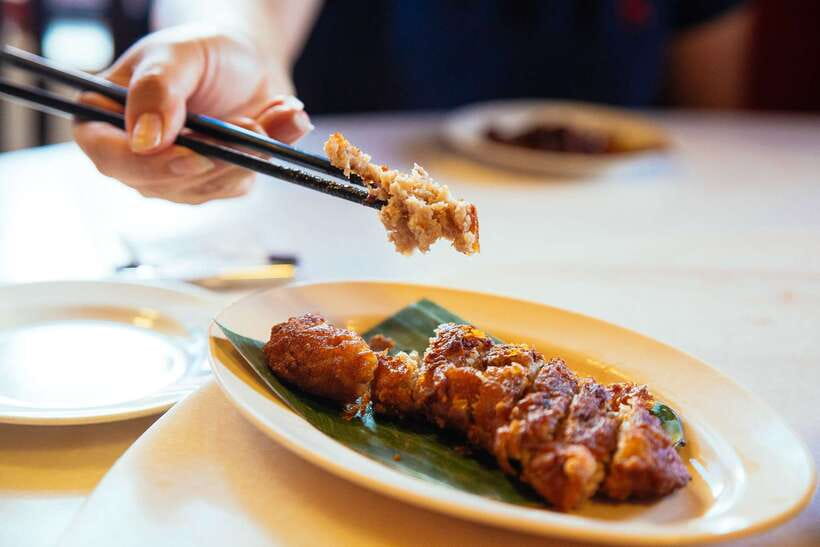
If you only try one Malaysian meal in KL, you might go hunting for the most convenient restaurant. The problem: convenience doesn’t always equal authenticity. This tour handles the classic dishes in a smarter way by taking you to local hotspots and pairing them with context.
Nasi Lemak
You’ll taste Nasi Lemak, a dish people in Malaysia treat like comfort food and culture at the same time. On this tour, you’re not just ordering a plate—you’re seeing how locals eat it, and you get help understanding the components that make it satisfying.
The big practical benefit: Nasi Lemak is flavorful and filling, so it’s a great anchor for your tour. After this, the rest of the tastings make sense as variety rather than survival.
A few more Kuala Lumpur tours and experiences worth a look

Paper Dosa
Then comes Paper Dosa, which is another “classic” that many visitors recognize by name but don’t always get right when choosing where to eat. This is one of those dishes where execution matters: the texture, the heat, and the balance with sides can make all the difference.
Your guide also keeps you moving through the tour, which helps because dosa is the kind of food you want to eat at the right pace. If you grab one later in the trip when you’re tired, it can feel like just another meal. Here, it lands as a highlight in the middle of the walk.
Temples as story stops: Guan Di Temple and Sri Mahamariamman Temple
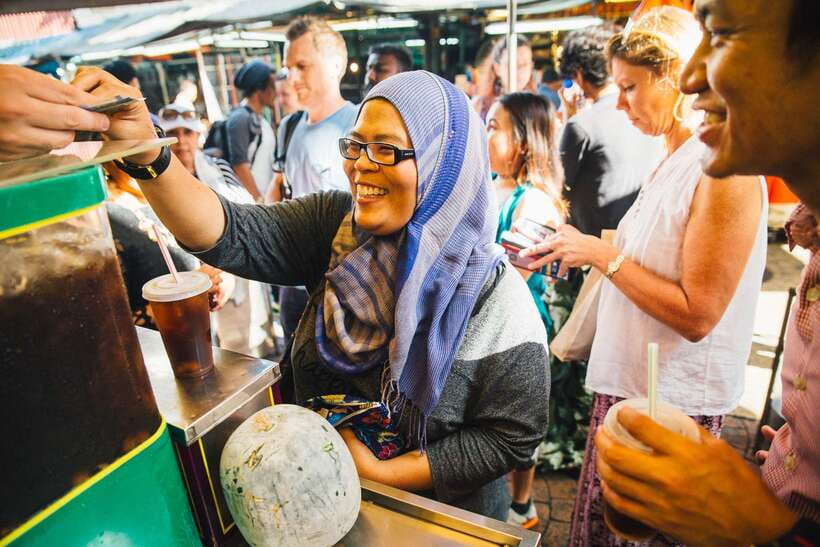
The tour doesn’t treat temples like quick photo ops. It builds them into the route and explains why they matter. You’ll make time to see Guan Di Temple and Sri Mahamariamman Temple, plus other key spots in between food stops.
That mix is important if you want your trip to feel connected. KL isn’t only about skyline views and malls. It’s also about communities that keep traditions alive in everyday life, sometimes just steps away from where people are queuing for snacks.
In practice, these temple stops give your guide a chance to connect food to place. You learn how cultural background shapes what people cook, what ingredients they prioritize, and how different communities share the same neighborhoods.
A practical tip for the temple stops
Expect a mix of walking and short pauses. Keep your schedule flexible, especially if you run into lines or slower moments around crowded areas. Going in with comfortable shoes and an easy pace makes the temple part feel like a pause—not a detour.
The 10 tastings: variety, portion size, and what you should expect
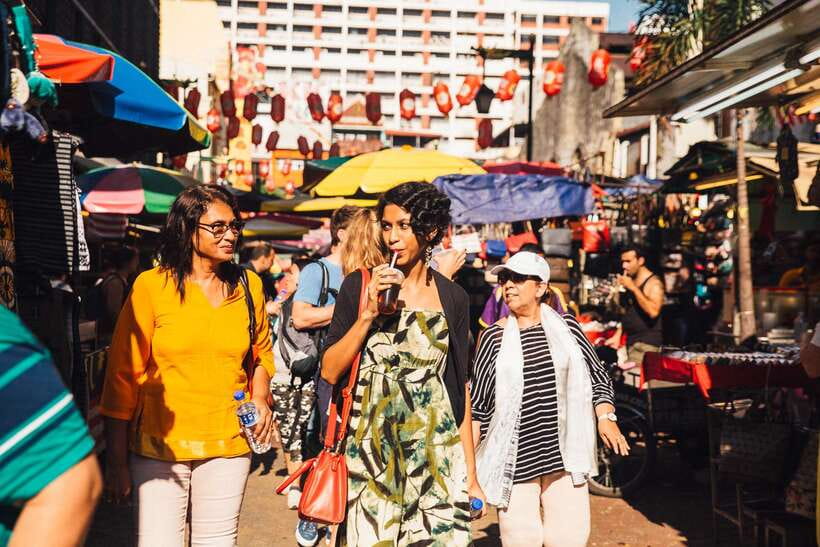
The tour is built around 10 food and drink tastings, which is a sweet spot. It’s enough variety to cover savory, sweet, and local drinks, but not so many stops that you feel like you’re constantly eating without enjoying it.
Here’s how to think about it: the tastings are designed as progression. You start with something that sets the tone, then you move through different styles and flavors, and you end with sweets and drinks that help you reset. It’s less like “trying random bites” and more like eating your way through a curated route.
Portion sizes can surprise you
One of the strongest themes in the feedback is that the food quantities tend to be more than tiny samples. People often go in expecting just a taste and end up properly full. So plan your day around this: eat lightly beforehand and keep some room for seconds (or at least desserts).
Vegetarian options: plan, then ask
You can get vegetarian alternatives, but it works best when you tell your guide at the start. The tour adapts the menu for you, so you’re not left trying to piece together a “best guess” vegetarian meal from random stall menus.
If you’re vegetarian (or have dietary needs), this is exactly the kind of tour setup that can save you stress in KL. Without local help, it’s easy to order something that sounds vegetarian but isn’t.
Guides, personality, and why small groups matter
A lot of food tours promise food and history. The difference here is the human factor: your guide is a real storyteller who knows the street scene. Some past guides have been named directly—TK, Zack, Joel, Manjeet, Reka, and Povan—and they’re consistently described as friendly, funny, and focused on getting you the right bites.
The private format also helps you feel more confident in the moment. When you can ask why a dish is made a certain way, you stop thinking like a customer and start thinking like a diner.
Meeting people at the stalls
One recurring advantage is that the guide seems to know how these food stops operate. That can mean quicker service, smoother ordering, and less time spent wandering around deciding what looks best. You still get the authenticity of street-level food, but with less guesswork.
Photos and little “KL hacks”
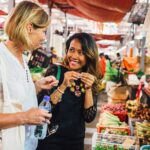
You may also pick up practical tips like where to stand for better photos and how to handle the rhythm of bargaining in markets. Even if you’re not a shopper, those street skills make your free time after the tour easier.
Price and value: is $75 worth 10 tastings plus culture?
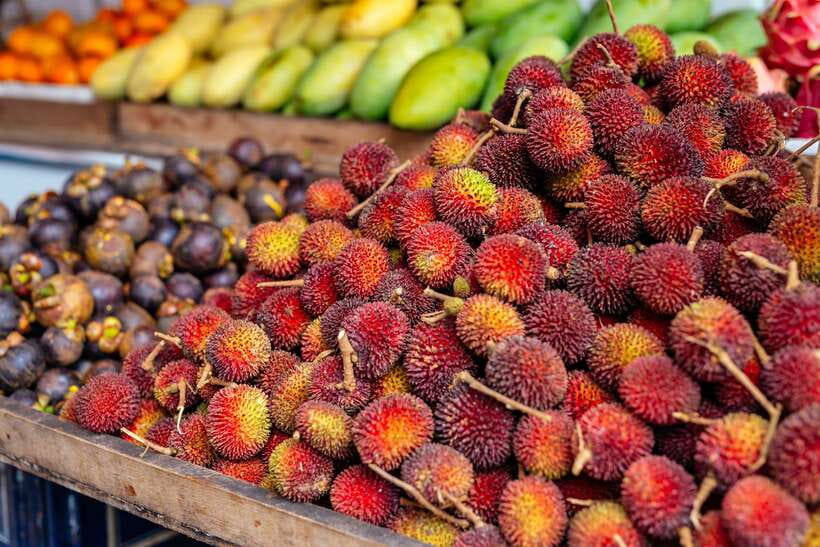
At $75 per person for about 3 hours, you’re paying for three things at once: the guide, the food plan (including 10 tastings), and the route through key city areas like Petaling Street and temple stops.
If you tried to build this yourself, you’d spend time figuring out where to eat, what to order, and how to fit multiple dishes without repeating restaurants. You’d also miss some of the cultural context that explains why certain classics show up in certain places.
Small group size matters here too. With a limit of 8 participants, your guide can actually manage the experience without rushing you through the tasting stops.
So the value question becomes simple: if you want a low-stress way to eat a wide range of Malaysian flavors in a short window, $75 often feels fair. If you prefer to wander independently with no structure at all, you may feel like the tour is “too guided.”
Who should book this KL food tour
This tour is a strong match if you want to:
- Eat a lot in a short time without sorting through endless choices
- Get both food and context, especially around major city areas
- Travel with someone and want a more relaxed private group feel
It’s also a good pick for first-time visitors who feel overwhelmed by Malaysian food options. KL is huge, and street food is a big part of why people come. This tour helps you taste widely without turning your day into constant decision-making.
Who should skip or rethink it
This experience is not suitable for people with mobility impairments or wheelchair users. It’s also a walking tour, so if you’re dealing with limited stamina, you’ll need to choose a different format.
Should you book this Private Food Tour in Kuala Lumpur?
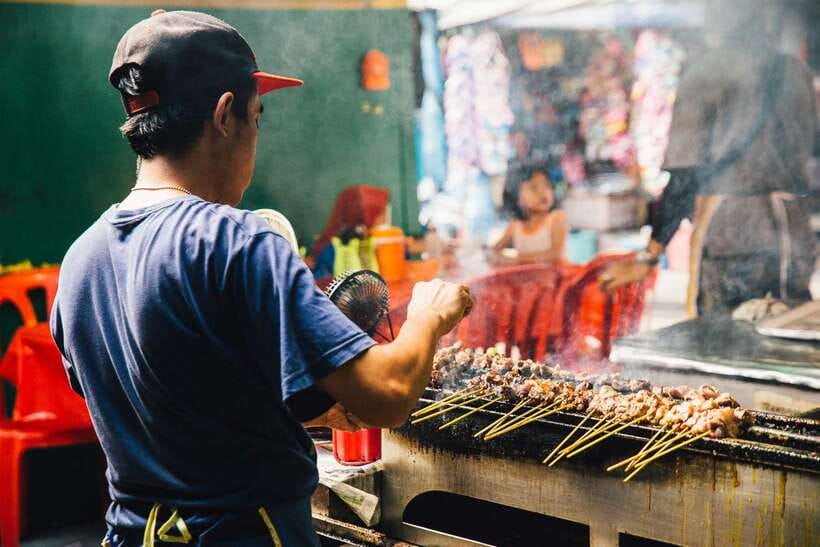
If your goal is to eat your way through Kuala Lumpur’s street-food and temple neighborhoods without guessing, I’d book it. The combination of 10 tastings, famous Malaysian classics like Nasi Lemak and Paper Dosa, and stops at places such as Petaling Street and Guan Di Temple makes it an efficient use of time.
Book it hungry. This is the kind of tour where you go in thinking you’ll sample, and you come out feeling like you ate a real meal across multiple stops.
Just make sure you can handle the basics: you meet at Central Market, there’s no hotel pickup, and comfortable walking shoes are non-negotiable.
FAQ
How long is the Kuala Lumpur private food tour?
The tour lasts 3 hours.
Where do we meet the guide?
You meet your host at the entrance of Central Market.
Is hotel pickup and drop-off included?
No. Hotel pickup and drop-off aren’t included, so you’ll need to get there on your own.
What’s included in the price?
The price includes a local guide and 10 food and drink tastings. A vegetarian option is available.
Is the tour suitable for wheelchair users?
No. It’s not suitable for wheelchair users or people with mobility impairments.
Does the tour run as a small group?
Yes. It’s a small group limited to 8 participants, and the guide speaks English.