REVIEW · MARRAKESH
Marrakech Night Street Food Tour / Taste The Real Marrakech
Book on GetYourGuide →Operated by Flavors of Marrakesh · Bookable on GetYourGuide
Street food hits different after dark. This 4-hour walk through Marrakech’s Medina pairs serious flavor with easy city orientation, guided by locals like Nour and Omar.
What I like most is the sheer amount of food you get, plus the way the guide explains what you’re eating and where it fits in everyday life.
I also really love the structure: you taste a real lineup of Moroccan classics—msemen, harira, tanjia, and more—without having to hunt down addresses or read menus in a hurry. Come hungry and you’ll leave properly full, not just “sampled.”
One consideration: the tour is nonstop eating and walking, so if you’re easily overwhelmed by crowds or heavy food, pace yourself from the first stop.
In This Review
- Key things I’d plan around
- Marrakech night street food: what you’re really paying for
- Meeting at Café de France and walking the Medina after dark
- The food lineup: what you’ll actually taste (and why it’s a good mix)
- Stop-by-stop: what each dish teaches you
- Msemen & Harcha: the first bite sets the tone
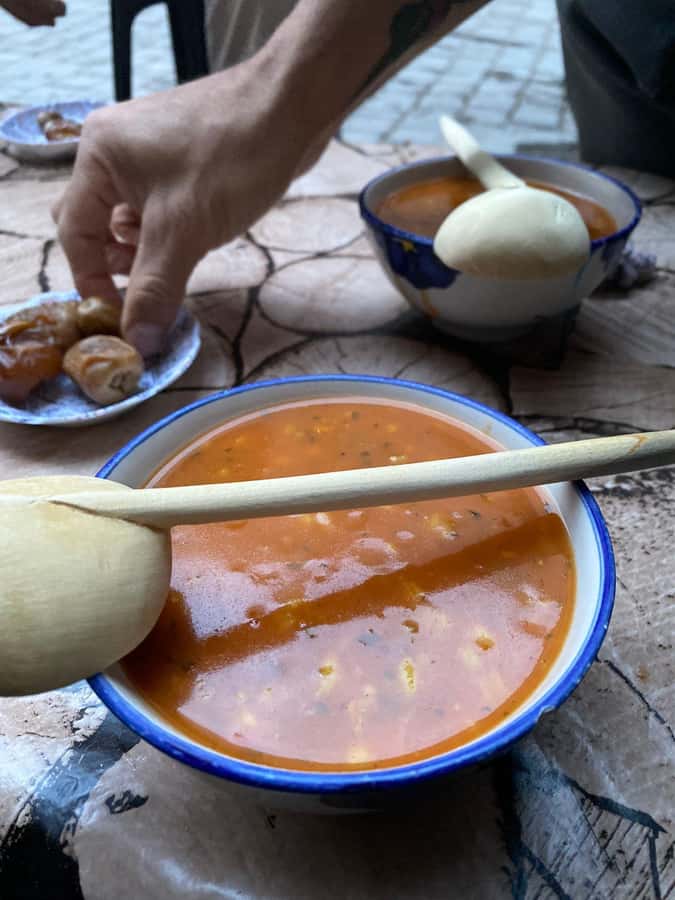
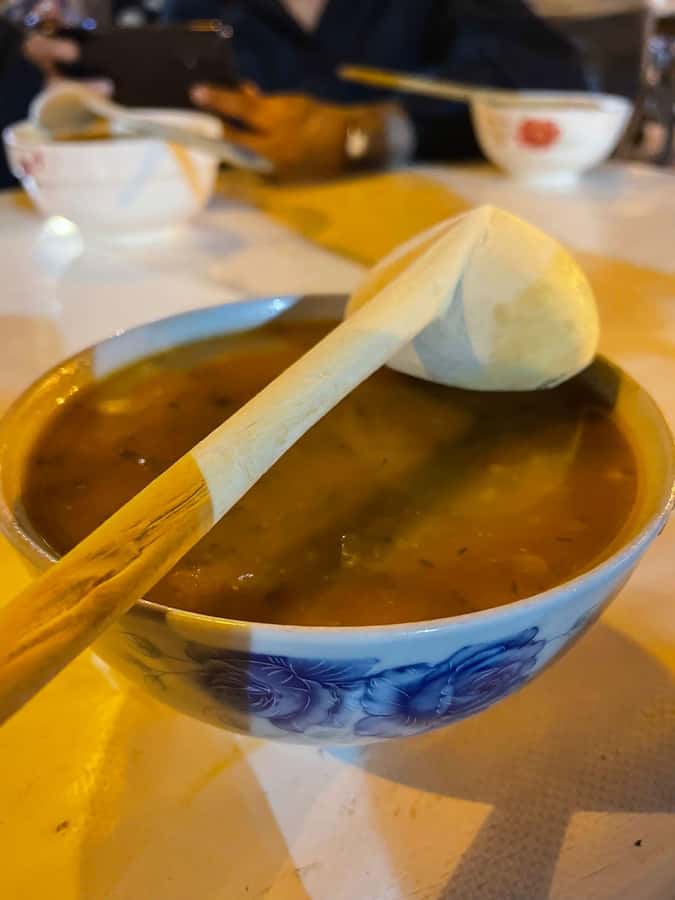
- Harira: vegetarian soup with real Moroccan identity
- Chebakiya and sweets: pastry that changes your whole idea of dessert
- Tanjia: slow-cooked stew and the patience lesson
- Moroccan stews and fried sardines with eggplant: the “meal” portion of the night
- Chfnj with tea: a Jewish donut moment that feels like a conversation
- Lbid o Maticha: Berber omelette comfort, tomato included
- Drinks and dessert finishers: Assir, Raïb, and the payoff
- Dietary needs: how to ask for alternatives without losing the fun
- Group size, timing, and how to plan your night
- Transportation and getting to the start
- Price check: why $56 can feel like a bargain
- Who this tour suits best (and who should think twice)
- Should you book this Marrakech Night Street Food Tour?
- FAQ
- What does the Marrakech Night Street Food Tour cost?
- How long is the tour?
- Where do I meet the guide?
- Is an English guide provided?
- What food and drinks are included?
- What dishes are on the tasting list?
- Are there alternatives if I have allergies?
- Is transportation included?
Key things I’d plan around
- All food and drinks are included, plus bottled water and coffee/tea, so your budget stays simple
- Small group (up to 10) keeps the evening friendly and helps you actually hear the guide
- A set tasting menu covers savory, sweets, and drinks—so you get variety, not repeats
- Non-touristic neighborhood stops help you eat where locals gather, not just where tourists pose
- Dietary alternatives are offered if you have allergies, so you’re not stuck skipping everything
- It’s best on an empty stomach because the portions add up fast
Marrakech night street food: what you’re really paying for
Paying $56 for street food can sound odd until you see the math in motion. This tour isn’t one quick stop and a bite—it’s a guided route with multiple full tastings plus tea/coffee and water included.
I like that the value is in the experience design. You’re getting local guidance, route planning, and enough food to replace a big chunk of your day. You’re also paying for access: the Medina is maze-like, and a local guide helps you move confidently while staying out of the most obvious tourist grooves.
The bigger payoff is cultural context. You don’t just eat. You learn what each dish means and how people actually order it or share it.
You can also read our reviews of more food & drink experiences in Marrakesh
Meeting at Café de France and walking the Medina after dark
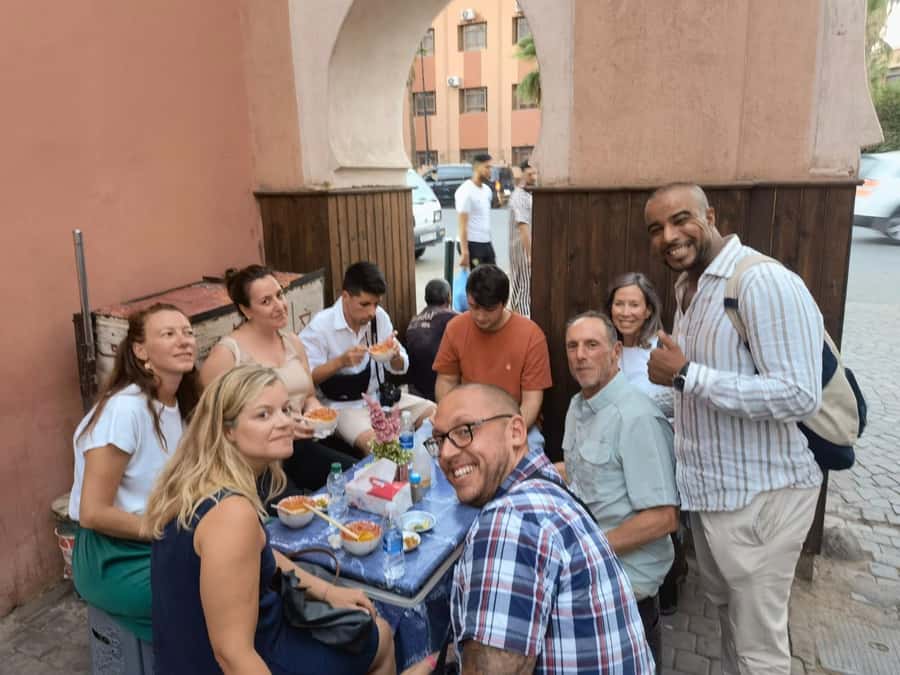
The meeting point is easy to find on foot: in front of Café de France. From there, the guide lays out the route, and you start moving through the city center and into the Medina.
One smart detail is how the tour mixes walking with short drives. That matters in Marrakech at night because distances add up fast, and you’ll want your legs for the alleys—not for long transfers.
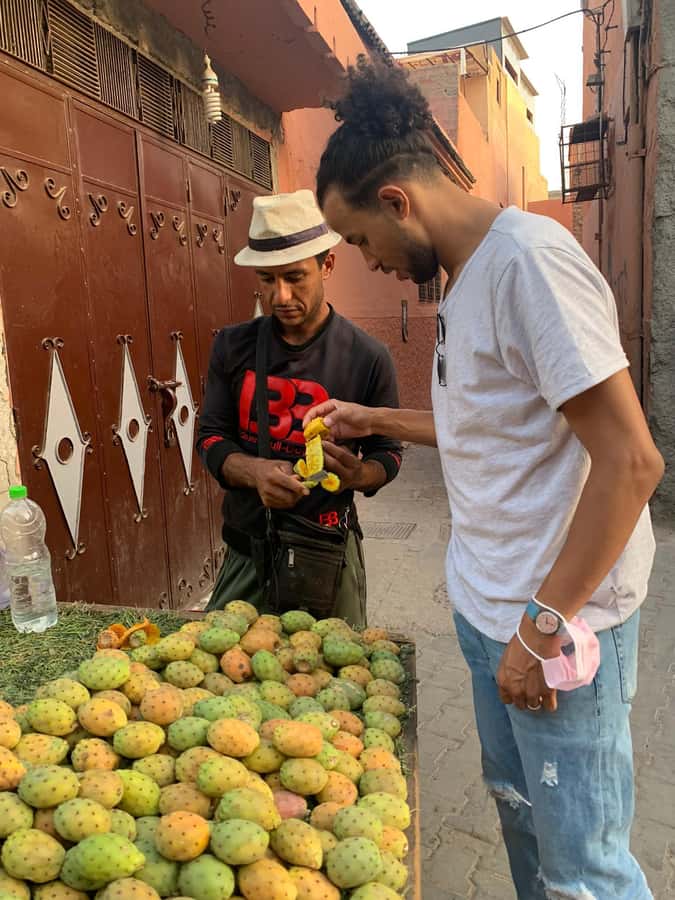
You’ll also spend time in areas that feel more lived-in. The tour is designed to take you through neighborhoods where people eat and gather, not just photo-friendly storefronts. Many nights include wider views across the city too, with people often noting stops around the Kasbah area as well as the Medina.
The food lineup: what you’ll actually taste (and why it’s a good mix)
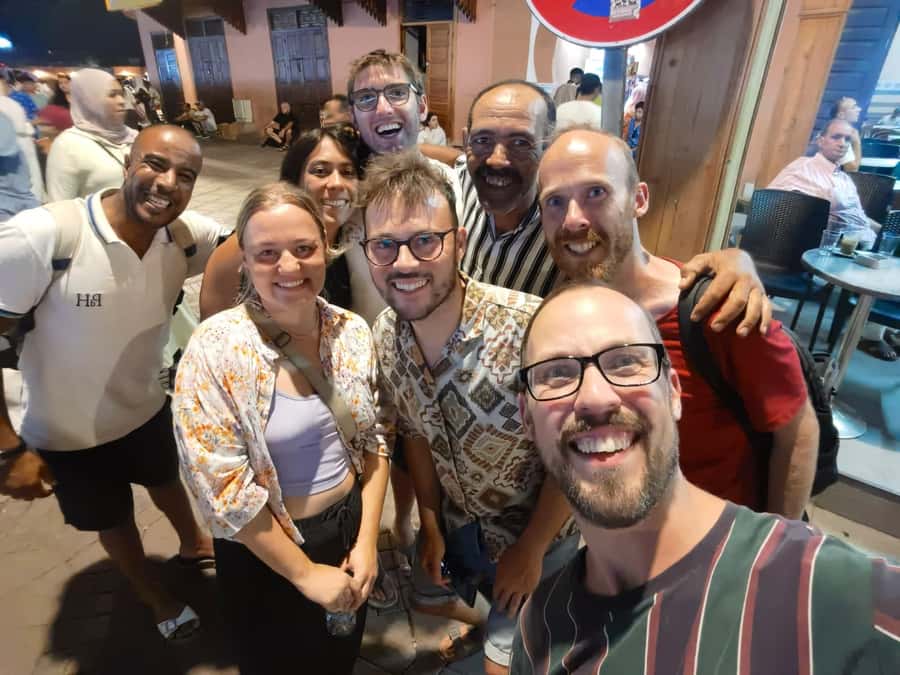
This tour’s tasting list is built for variety, which is exactly what you want on a first trip. You get both carbs and comfort food, plus sweets and drinks so the night doesn’t blur into one flavor.
Here’s the menu focus you can expect:
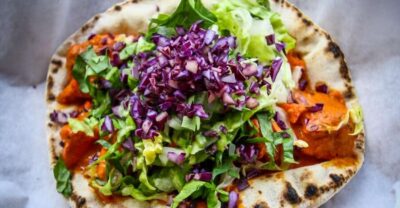
- Msemen & Harcha (Moroccan pancakes)
- Harira (famous vegetarian soup)
- Chebakiya (sweet pastries)
- Tanjia (slow-cooked traditional meat stew)
- Moroccan stews (hearty local dishes)
- Fried sardines with eggplant
- Chfnj (Jewish donuts with tea)
- Lbid o Maticha (Berber omelette with eggs and tomatoes)
- Raïb (frozen yogurt)
- Assir (fresh fruit juice)
- Sweats and more (extra sweets over the evening)
That list is also practical because it covers different eating moments. You’ll get savory bites for real meal satisfaction, then you’ll shift into dessert and drinks. It feels like a night out with locals instead of a formal “food presentation.”
Stop-by-stop: what each dish teaches you
Msemen & Harcha: the first bite sets the tone
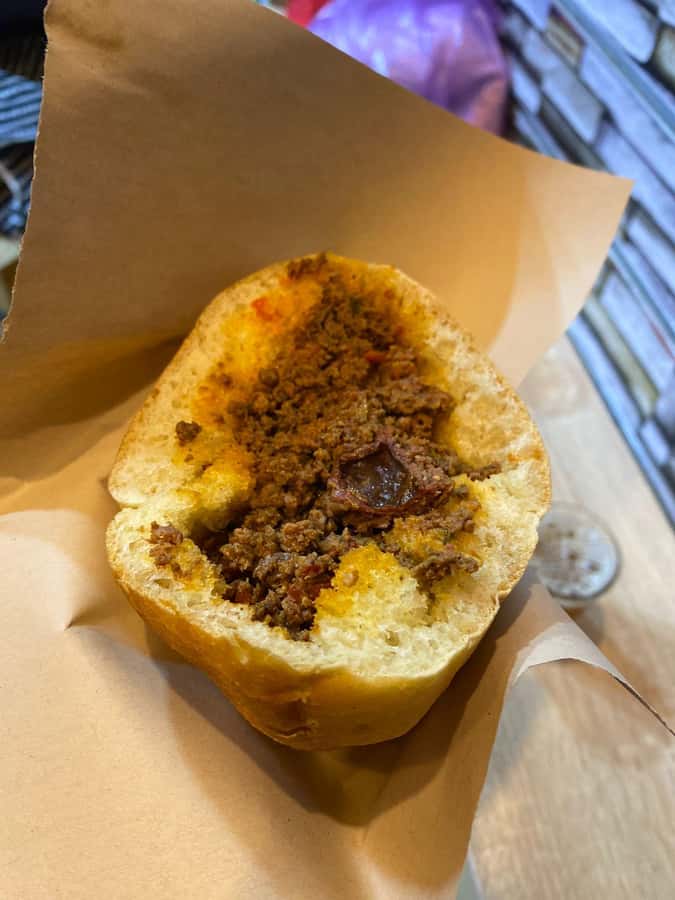
You start with msemen and harcha, two pancake-style staples. This is a good early stop because it gives you steady energy without being too heavy right away. Expect flavors that lean toward comfort and warmth—perfect for starting your night in the Medina.
If you usually avoid fried or griddled dough early in the day, this is still a solid opener. It’s a gentle “yes, I can do this” moment before the stew and pastry waves begin.
A few more Marrakesh tours and experiences worth a look

Harira: vegetarian soup with real Moroccan identity
Next comes harira, described as a famous vegetarian soup. What I like about including this is balance. After pancakes, you get broth and depth without going straight to rich meat dishes.
This stop also helps you understand Moroccan eating rhythms. Soup is often what people turn to when they want something nourishing but flexible, and you’ll feel the difference after the first alley walk.
Chebakiya and sweets: pastry that changes your whole idea of dessert
Chebakiya is one of the star sweet pastries on the list. It’s not just “something sweet,” it’s a different texture and flavor world—sweet, sticky, and very much part of Moroccan dessert culture.
I love that the tour doesn’t treat sweets as an afterthought. You’re given the chance to try it as a proper stop, not a token sample.
Tanjia: slow-cooked stew and the patience lesson
Tanjia is the signature slow-cooked stew on the menu. The key idea here is time: it’s made to develop flavor slowly rather than being rushed at the last second.
Some guides in past groups have shared a preparation moment tied to ember cooking in a hamman setting, but your exact setup can vary by evening. Either way, you’ll leave understanding why this dish needs patience.
Moroccan stews and fried sardines with eggplant: the “meal” portion of the night
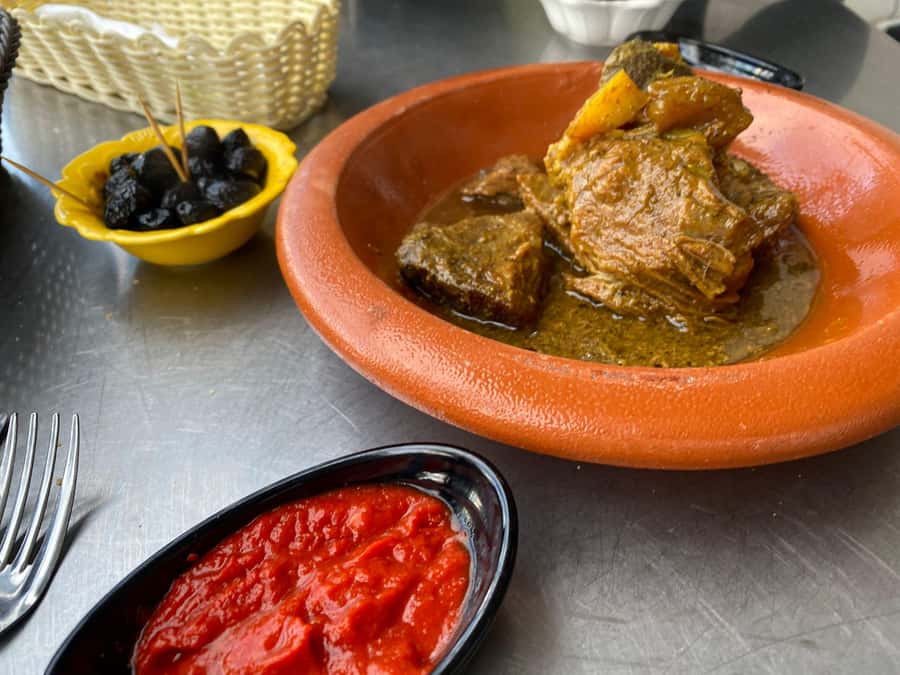
After sweets, the tour brings you back to hearty food. You’ll have Moroccan stews and also sardine with eggplant—fried sardines with vegetables.
This combination works well because it gives you two different kinds of satisfaction:
- stew that feels like slow home cooking
- fried seafood/veg that hits fast and salty
If you’re the kind of eater who likes contrast, you’ll have a lot of fun here.
Chfnj with tea: a Jewish donut moment that feels like a conversation
Chfnj (Jewish donuts) comes with tea. This is a great stop because it slows the pace a touch and turns the food into a social ritual. Tea makes a difference in Morocco; it’s not only a drink, it’s part of the hospitality style.
If you’re worried about too much sweetness, you’ll still enjoy this stop because tea helps reset your palate between dishes.
Lbid o Maticha: Berber omelette comfort, tomato included
Lbid o Maticha is a Berber omelette with eggs and tomatoes. I like that it’s on the list because it’s filling but not overly sweet. It’s also the kind of dish that helps you see how different regional cuisines overlap in everyday Moroccan plates.
This stop is a reminder that street food is not always about quick bites. Some of it is “proper food,” just eaten in a lively setting.
Drinks and dessert finishers: Assir, Raïb, and the payoff
By the time you reach drinks and frozen treats, you’ll be glad the tour plan included them. Moroccan nights can be warm, and having cool options keeps you comfortable while you keep eating.
You’ll taste:
- Assir, fresh fruit juice
- Raïb, frozen yogurt
These two are a smart pairing. Juice wakes up flavor. Frozen yogurt gives you a creamy palate cleanser after pastry and fried items.
And yes, the “Sweats and more” part matters. People often end the tour stuffed, and that’s exactly why the sweet-and-cool stops land so well toward the end.
Dietary needs: how to ask for alternatives without losing the fun
The tour explicitly invites you to share allergies, and the guide will provide alternatives. That’s huge because a lot of street food experiences break down for anyone with restrictions.
From what you’re told ahead of time, I’d still do one simple thing: list your allergies clearly before you arrive (and bring it up again at the start). Ask how they handle substitutions at each stop, especially for pastries and fried items.
Vegetarian and vegan eaters often do well here because harira is specifically listed as a vegetarian option, and the rest of the route includes many non-meat moments. Still, since the tasting list includes multiple meat dishes, your best outcome depends on how early and clearly you communicate.
Group size, timing, and how to plan your night
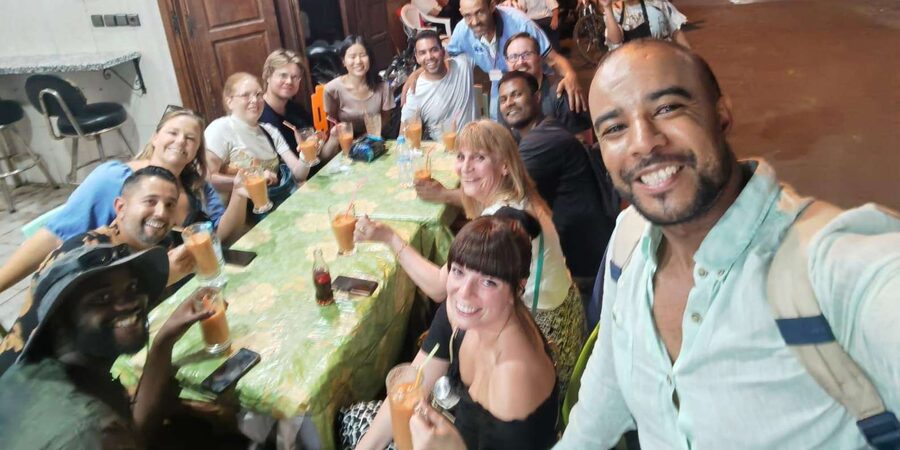
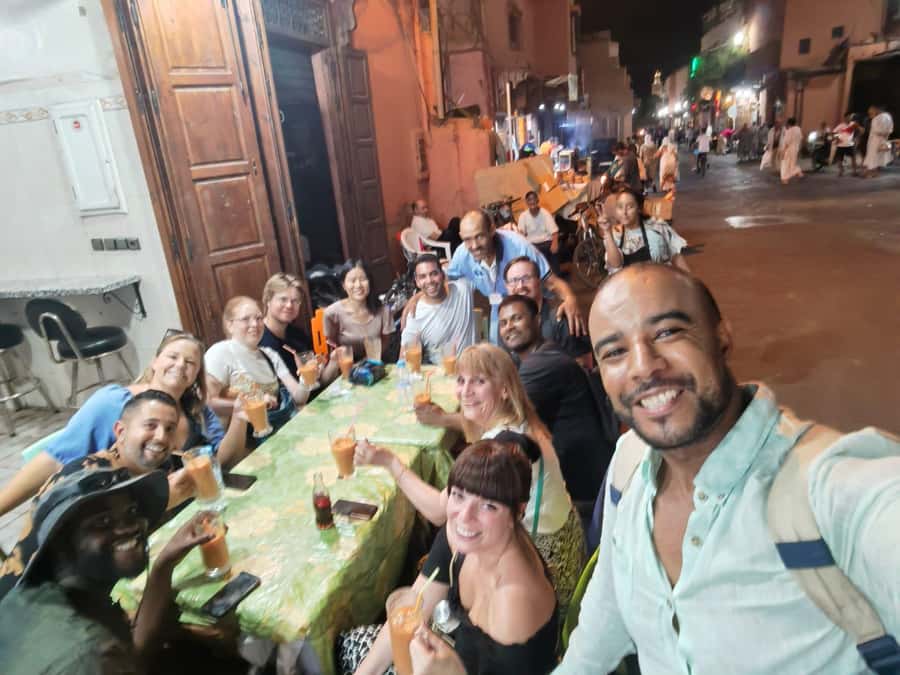
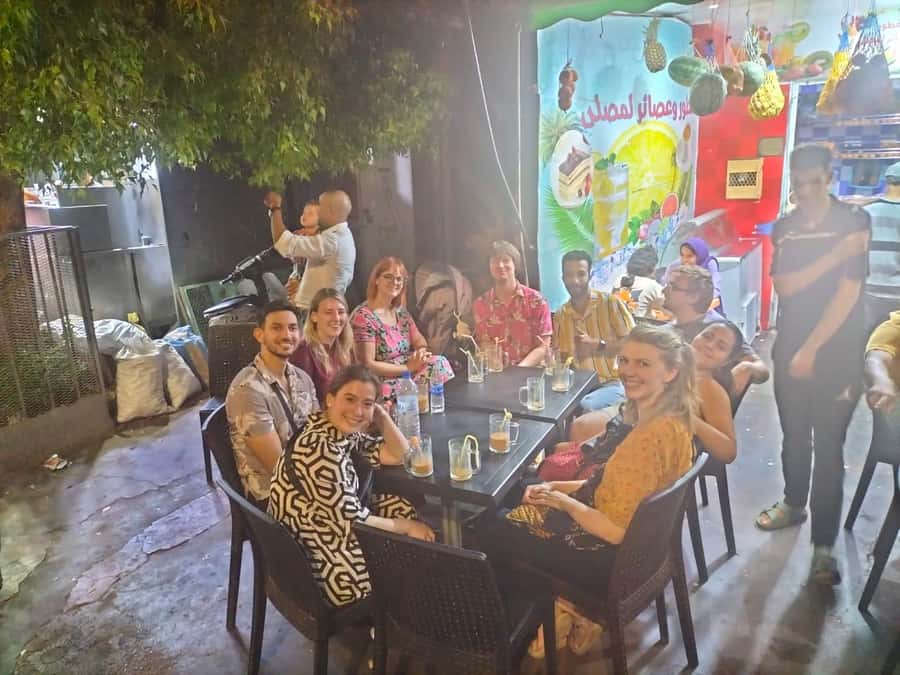
This is a small group, limited to 10 participants. That’s the right size for the Medina. It keeps the vibe friendly and makes it easier for the guide to talk you through what you’re eating.
Duration is listed as 4 hours. In real life, I’d plan your schedule so you’re not rushing off to dinner reservations right after. Some evenings can run longer, mainly because people slow down to savor food and keep chatting.
What you should do:
- Leave room in your evening for walking time
- Wear comfortable shoes for alley pace
- Bring your curiosity, not just your appetite
And the biggest practical tip: don’t eat a big meal before you go. The tour’s food volume is the whole point. People come hungry for a reason.
Transportation and getting to the start
Transportation isn’t included, which matters for budgeting and timing. You’ll need to make your own way to Café de France.
Once the tour begins, the experience itself may include walking plus short driving segments, so don’t worry that you’ll be stuck walking every meter. Still, you’ll be on your feet for a lot of the evening.
At the end, guides have a strong reputation for making sure people get home safely, sometimes coordinating taxis or tuktuks depending on what works for your group.
Price check: why $56 can feel like a bargain
Let’s talk value honestly. At $56 per person for about four hours, you’re buying:
- a local bilingual guide
- all food plus tea/coffee and bottled water
- a route through neighborhoods you likely wouldn’t find on your own
- time saving versus trying to build your own street-food itinerary
If you ate the same dishes on your own, you’d spend more than that quickly—especially once you add drinks and multiple stops. Even a “cheap” Moroccan dinner can climb fast when you do several restaurants in one night.
The best way to think about it is this: you’re paying for guidance and convenience, and you’re getting enough tastings to feel like you ate a full evening.
Who this tour suits best (and who should think twice)
This tour is ideal for:
- first-time visitors who want a safe way into the Medina
- food lovers who enjoy variety and texture
- travelers who want the why behind the dishes, not only the what
- groups who like lively conversations while they eat
It’s less ideal if:
- you hate eating in quick sequence
- you’re extremely sensitive to strong smells or spicy flavors
- you have trouble with lots of walking, even if you take breaks
If you’re on the fence, ask yourself a simple question: do you want your first night in Marrakech to be about food and people, or do you want quiet sightseeing? This tour chooses food and motion.
Should you book this Marrakech Night Street Food Tour?
If you’re visiting Marrakech for the first time, I think booking makes sense. The combination of all-food included, a small group, and guided access to everyday eating spots is exactly what helps you start your trip off right.
Go for it if you can eat a lot, enjoy street-level culture, and want your guide to connect the dots between dishes, neighborhoods, and tradition. You’ll get a night that’s more than a meal—it’s a fast education in Moroccan food life.
Skip it if you prefer independent dining or you’re looking for a lighter, gentler experience. This tour is built for hungry people.
FAQ
What does the Marrakech Night Street Food Tour cost?
It costs $56 per person.
How long is the tour?
The duration is 4 hours.
Where do I meet the guide?
Meet your guide in front of Café de France.
Is an English guide provided?
Yes. The live tour guide is listed as English.
What food and drinks are included?
All food is included, along with coffee and/or tea and bottled water.
What dishes are on the tasting list?
The tour lists tastings like msemen and harcha, harira, chebakiya, tanjia, Moroccan stews, sardines with eggplant, chfnj with tea, lbid o maticha, raïb frozen yogurt, and assir fruit juice, plus sweets and more.
Are there alternatives if I have allergies?
Yes. You’re asked to let the guide know about allergies, and alternatives can be provided.
Is transportation included?
No. Transportation isn’t included, so you’ll handle getting to the meeting point yourself.