REVIEW · TOKYO
Toyosu Market Morning Tuna Auction and Tsukiji Food Tour with Licensed Guide
Book on Viator →Operated by Japan Guide Agency · Bookable on Viator
Tuna bidding at 5 a.m. is pure Japan. This early morning walk-and-transit tour shows the Toyosu auction from a public viewing spot on the third floor, with a licensed guide to translate how it works and private, customizable pacing as you move between Toyosu and Tsukiji. The trade-off is real: you start before the sun, and extras can add up because the observation-deck lottery ticket, food, and transportation aren’t included.
I love how the morning is practical, not just sightseeing. Guides like Yoshii Kenichi and Katsu Hayama (goreilo) are known for explaining what you’re seeing and how to use Tokyo transit so you don’t feel lost afterward. One consideration: Toyosu and Tsukiji don’t run like normal attractions—some areas move fast, and Tsukiji can be closed for tours in December and early January.
In This Review
- Key things that make this tour worth the early alarm
- Toyosu at 5:00 a.m.: why this timing matters
- The tuna auction view: what you’ll see (and what you won’t)
- Toyosu Market stop: where the story turns from auction to food supply
- Tsukiji Outer Market: food you can actually eat and buy
- Public transportation tips: turning a transfer into a perk
- Price and value: what you’re really paying for
- Who this tour suits best
- Tour guides: the human difference you’ll notice at 5 a.m.
- Should you book the Toyosu market tuna auction + Tsukiji food tour?
- FAQ
- What time does the tour start?
- How long is the tour?
- Is pickup included, and is it on foot?
- Where do I view the tuna auction?
- Do I need to buy tickets for the observation deck?
- Is entrance to Toyosu and Tsukiji included?
- Can I eat breakfast after the tour?
Key things that make this tour worth the early alarm

- Toyosu tuna auction viewing from a public space on the third floor, so you’re part of the action without needing insider access
- Licensed English-speaking guide with market flow context, not just generic facts
- Private tour for your group only, so questions don’t get swallowed by the clock
- Transit help built in, including tips that can make getting between Toyosu and Tsukiji smoother
- Tsukiji Outer Market time for food and shopping, so the morning isn’t all lectures
- Clear expectation management: you can’t go on the auction floor without the right license, so your view is planned for you
Toyosu at 5:00 a.m.: why this timing matters
The first thing you should know is that this tour starts in the dark: 5:00 a.m. That sounds intense, but it’s also the point. The tuna auction is fast, loud, and hyper-focused on logistics. If you arrive late, you’ll miss the rhythm and end up staring at the edges of the process.
This is why the tour’s value isn’t only the famous name Toyosu and Tsukiji. It’s that early start turns chaos into a guided route. Your guide keeps you on the right side of the crowds and helps you make sense of what you’re seeing in real time—where the fish is coming from, how the bidding works, and how the market operates now that Toyosu replaced the old Tsukiji wholesale setup (Toyosu opened October 11, 2018).
You also get a simple benefit that’s easy to underestimate: the tour gives you a morning template for the rest of Tokyo. Several guides are praised for teaching how to move around using public transportation, so you can stop treating transfers like a daily puzzle.
And yes, it’s a walking-based experience. You’ll meet your guide at a designated pickup point within the Tokyo area, then the morning unfolds on foot and via local transit as needed.
You can also read our reviews of more food & drink experiences in Tokyo
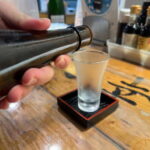

The tuna auction view: what you’ll see (and what you won’t)
This matters because there’s a common expectation mismatch with market tours: you can’t treat this like a VIP backstage pass. The action is visible, but it’s still a working commercial facility.
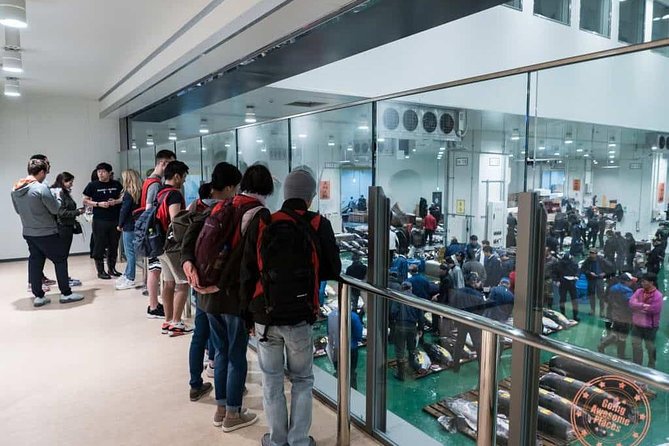
On this tour, you watch the tuna auction from a public viewing area on the third floor. That’s the planned vantage point included with the experience. It’s designed so you can see the auction atmosphere and how the bidding happens while staying in a public zone.
You also won’t be allowed onto the auction floor itself. One review specifically called out that auction-floor access requires a license. So don’t plan your day around getting closer than the viewing space. Instead, plan to look for movement, timing, and patterns: when bids come in, how lots are handled, and how quickly attention shifts.
If you’re hoping for a closer angle, the tour’s structure also includes a note about an observation deck ticket via a lottery. That ticket is not included, and the lottery must be applied for about a month in advance. The limit per group is five for those lottery deck tickets. In plain terms: if you want that extra closeness, you’ll need to plan ahead and apply early.
Guides can help you interpret the auction view. People mention guides like Goreilo and Toru explaining every part of the process, and that’s a big deal. Without guidance, it’s easy to watch for five minutes and feel like you’re just seeing scaffolding, signage, and people moving quickly.
With guidance, you’re watching a system.
Toyosu Market stop: where the story turns from auction to food supply
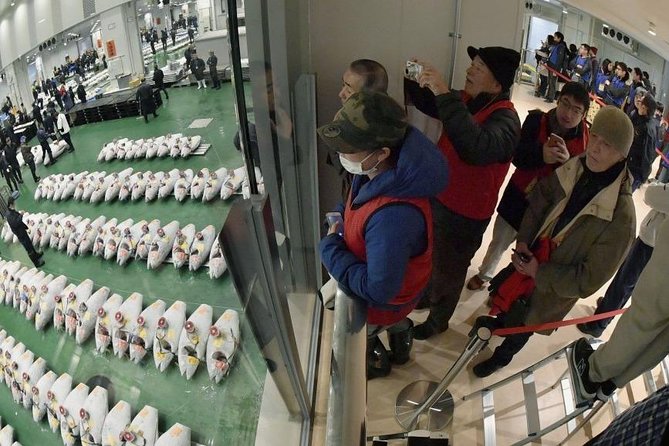
After the auction viewing, you’ll spend time walking through Toyosu Market itself. This part is less about a single “moment” and more about seeing the scale and the day-to-day reality behind the headlines.
Toyosu is the current wholesale hub that took over from the aging Tsukiji wholesale market. So even if you’ve heard the name Tsukiji your whole life, Toyosu helps you understand what’s actually happening now. The fish auction is the dramatic centerpiece, but Toyosu’s value is that it shows how the supply chain keeps feeding kitchens and restaurants.
What you’ll appreciate here is structure: your guide points out where to focus and what signals mean. A repeated theme in the feedback is that guides help you not waste time. They’ll guide you through the right areas and help you notice what’s relevant rather than wandering until the tour window runs out.
One practical note: Toyosu admission isn’t included, so you should expect that there may be a fee tied to market entry depending on the rules on the day. Bring some cash or a card ready, and don’t rely on everything being included in the price.
Also, dress for the morning weather and the fact you’ll be walking in a working environment. Even if the weather is mild, you’ll be standing around and moving between zones.
Tsukiji Outer Market: food you can actually eat and buy
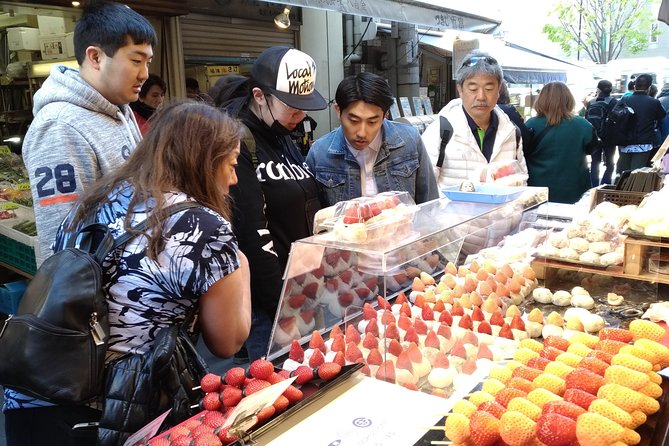
Then you head to Tsukiji Fish Market, specifically the area people think of when they imagine Tsukiji: the food streets and outer market vibe.
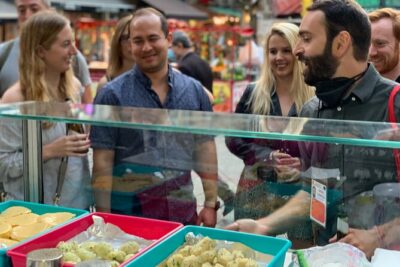
This is the moment where the tour becomes yours. The auction was the “see how the system works” segment. Tsukiji Outer Market is the “taste and shop” segment. It’s also where you can slow down a little—buy something, snack, and enjoy the energy of a place that sells to wholesalers and the public.
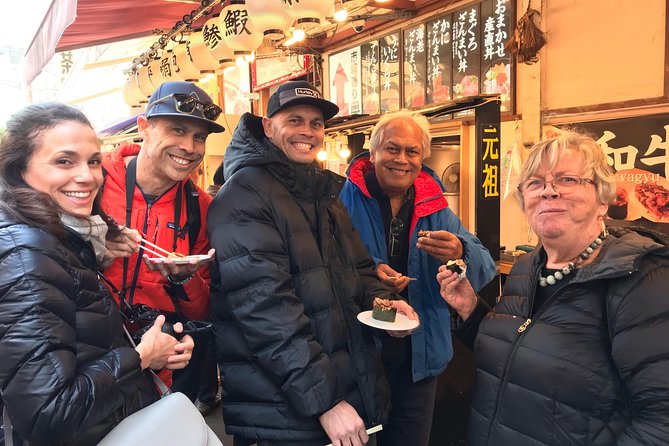
A key difference in the experience is that Tsukiji isn’t just about viewing anymore. Your time shifts into browsing mode: street food, small bites, and ingredients. Some guides are praised for recommending what to eat on your own afterward, which is helpful because the street food choices can feel overwhelming at 7 a.m.
If you want a souvenir direction, you’ll find plenty of options here. One review mentioned picking up things like ceramics, matcha items, and even KitKat-style sweets.
Important expectation management: Tsukiji food is not included. Your guide can point you to good options, but you’ll pay for what you choose to eat.
Public transportation tips: turning a transfer into a perk
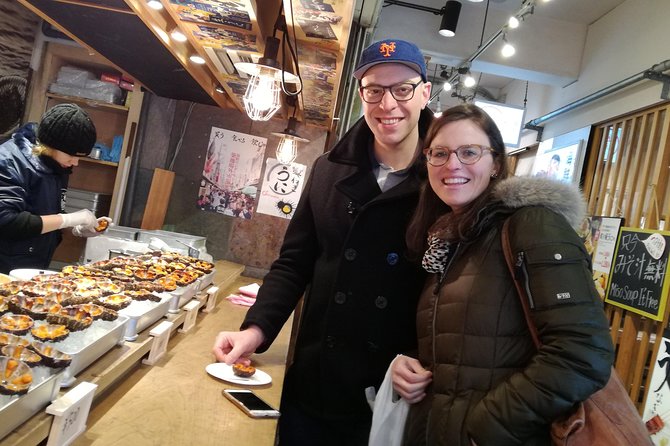
One thing I really like about this tour format is that it doesn’t leave you stuck after the auction. It’s designed to teach you the moving parts of Tokyo in a time frame when most people are still waking up.
You’ll get at least some guidance on how to use Tokyo public transit. And in the feedback, there are specific transit tips worth noting.
For example, one guide suggested taking the Yurikamome line between Toyosu and Tsukiji because it’s scenic and offers good viewpoints. Another person mentioned the tour being timed with an efficient route, and they appreciated the tip about where to stand or which car to choose for better sightlines.
Even if your day’s exact route differs slightly, the principle holds: you’re not just getting dropped off. You’re learning enough to navigate the area with confidence afterward.
That’s especially valuable because Toyosu and Tsukiji can feel separate worlds. Without direction, you risk spending your recovery time later hunting for the right stop and the right exit.
A few more Tokyo tours and experiences worth a look

Price and value: what you’re really paying for
At $148.65 per person, this tour isn’t a bargain. So you should judge it on what it buys you, not on what it resembles in guidebook photos.
Here’s what you’re paying for:
- A licensed local English-speaking guide who can explain how the auction works and what you’re looking at
- A timed early morning experience where the difference between right and wrong viewing spots is huge
- A planned path that connects Toyosu auction viewing to Tsukiji food time
- Help with navigating the morning and learning public transportation logic
What you’re not paying for:
- The observation deck lottery ticket (not included)
- Transportation fees and food and drink
- Any auction-floor access (that requires a license, and this tour is built around public viewing)
So is it worth it? For many people, yes—especially first-timers who don’t want to spend hours researching where to stand, what time to arrive, and how to interpret auction chaos.
One caution from the feedback: there are complaints about value when compared to what’s included, with people wishing transport or tastings were part of the price. If you’re hoping for everything handled end-to-end—including food—that’s not how this experience is structured.
Also, keep your guard up in general market shopping. One negative account involved a bad knife purchase, which is a reminder: don’t let the early morning rush push you into impulse buys from random sellers. If something seems suspicious, step back. Ask a question first. Compare prices if you can.
Who this tour suits best
I’d put this tour high on the list if you:
- Want to see a world-famous tuna auction but don’t want to figure out logistics alone
- Prefer having context while you watch—what bids mean, what’s happening, what to look for next
- Like food markets but want a guided route so you don’t waste your limited morning hours
It may be less ideal if you:
- Want a slower, relaxed start (this is early by design)
- Expect an included tasting package or included transportation to everything
- Are traveling during December and early January, when Tsukiji can be closed for tours
Tour guides: the human difference you’ll notice at 5 a.m.
Names that come up often in the descriptions include Yoshii Kenichi, Katsu Hayama (goreilo), Katsu Hayama, Toru, Mami, Hiro, and Kazu.
Even without knowing who you’ll get, the pattern in the feedback is clear: the best mornings feel organized and explained. Guides are praised for showing where to look during the auction, keeping you moving at the right pace, and offering practical context about how Japan’s market system supports restaurants.
One small but helpful detail: some guides also provide extra guidance for what to eat later, so the tour doesn’t end when your feet stop walking. That matters when you want to turn the morning into real food memories, not just photos.
Should you book the Toyosu market tuna auction + Tsukiji food tour?
Book it if:
- You’re excited by the idea of watching the tuna auction from the right public viewing space
- You want a guide to translate what’s happening quickly in a place where it would be easy to feel lost
- You’re happy to handle your own food choices and any extra ticket needs yourself
Skip it or reconsider if:
- You strongly dislike early starts and long morning standing time
- You expect included transportation beyond meeting and drop-off
- You’re traveling in a window when Tsukiji tours may be closed (December to early January)
If you do book, I’d plan like this: prepare for cold or damp mornings, apply for any lottery deck ticket early if you want that extra closeness, and keep a budget for breakfast and market snacks.
You’ll end the morning with something most Tokyo trips can’t give you: a front-row look at how the city’s seafood supply becomes dinner.
FAQ
What time does the tour start?
The tour starts at 5:00 am, so plan on being ready early and moving quickly once you meet your guide.
How long is the tour?
The duration is about 3 hours.
Is pickup included, and is it on foot?
Pickup is offered, and the tour notes that pickup/drop-off is on foot within a designated area in Tokyo. Your guide will meet you at a selected pickup point.
Where do I view the tuna auction?
You’ll view the tuna auction from a public viewing area on the third floor. An observation-deck lottery ticket is mentioned as not included.
Do I need to buy tickets for the observation deck?
The observation deck ticket is not included and requires a lottery application about a month in advance. There’s also a limit of five participants per group for those deck tickets.
Is entrance to Toyosu and Tsukiji included?
For Toyosu, admission is listed as not included. For Tsukiji Fish Market, admission is listed as free.
Can I eat breakfast after the tour?
Yes. After the tour, you can stay longer for breakfast at your own expense if you want.