REVIEW · TOKYO
Tokyo West-Side Cycling & Food Tour
Book on Viator →Operated by DIG Tokyo Tours · Bookable on Viator
Back streets, bikes, and lunch in Koenji. This small-group tour pairs salvaged mamachari bicycles with included street snacks and a local-style lunch, and it trades the usual Tokyo checklist for Nakano, Koenji, and Asagaya backstreet life. I really like the practical, everyday Tokyo focus (the kind you don’t get from big attractions), and I love that food is part of the route, not an afterthought. The main catch is you need to be comfortable riding a bike through narrow, sometimes crowded streets for about 12 to 15 km.
You meet at Kōenji Station, then you’re handed a Japanese-sized bike with a front basket big enough for a standard backpack. The operator DIG Tokyo Tours runs it with a maximum group size of 8, which keeps the ride personal and makes it easier for the guide, usually Andy, to answer questions and pace the group.
One more thing to know up front: this isn’t a fine-dining tour. You’ll be in typical local spots, and Japanese food often includes meat and seafood, with dashi as a common base, so it can be hard to match strict dietary needs. If that’s you, plan to ask questions early and don’t assume every ingredient can be swapped.
In This Review
- Key things that make this tour worth your time
- Why West Tokyo feels more real than the usual highlights
- Getting started at Kōenji Station and riding a real commuter bike
- The ride plan: 12–15 km of mostly gentle pace, with city realism
- Snack stops in Nakano, Koenji, and Asagaya
- Lunch: eating like a commuter, not like a tourist
- Zenpukuji River: the calm break you didn’t know you needed
- Andy’s local storytelling: more than facts, it’s how people live
- Price and value: what $99.49 buys you here
- Safety reality check: who should book (and who should reconsider)
- Tips to make the ride feel easy from the start
- Should you book the Tokyo West-Side Cycling & Food Tour?
Key things that make this tour worth your time
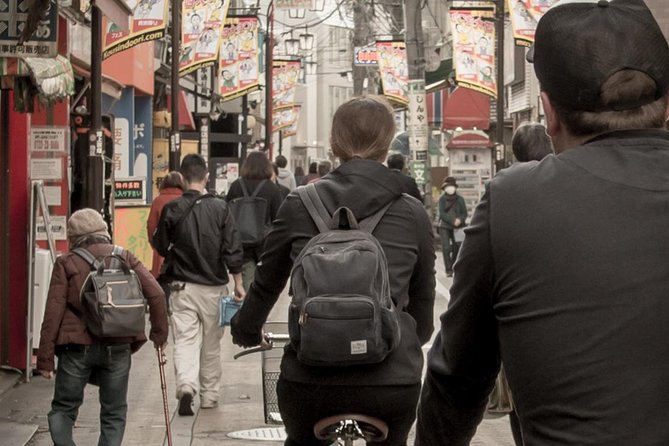
- Salvaged mamachari bikes with front baskets: built for real commuting, not smooth bike lanes.
- West Tokyo neighborhoods: Nakano, Koenji, and Asagaya, away from the biggest tourist magnets.
- Street snacks plus a local-style lunch: you keep eating as you move, which makes the route feel like daily life.
- Riverside riding on the Zenpukuji River: a calmer stretch that breaks up the backstreet pace.
- Bicycle parking and commuter culture lessons: you learn the city’s bike logic, not just where to eat.
- Small group size (max 8): easier safety control and more time for conversation with Andy.
Why West Tokyo feels more real than the usual highlights
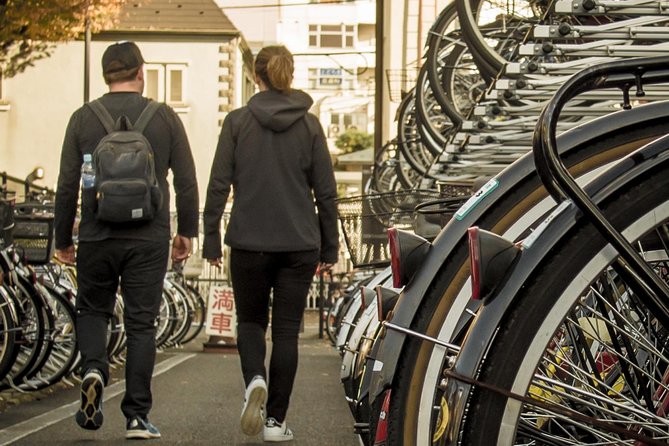
West Tokyo is where you start to see how Tokyo actually works when you’re not standing in line for the big-name sights. This tour leans into that idea hard: you’ll spend your time in everyday neighborhoods like Nakano, Koenji, and Asagaya, where shopfronts, side streets, and regular people shape the vibe.
What I like about this approach is that it teaches you how a city functions. You’ll notice street rhythm, everyday errands, and how bicycles fit into the flow. And because the stops are tied to the ride, you get the feeling that you’re moving through real blocks, not moving between attractions.
The other upside: your photos come out more interesting. Instead of the same skyline views, you’re capturing narrow lanes, storefront life, and river paths that look completely different from central Tokyo.
You can also read our reviews of more food & drink experiences in Tokyo

Getting started at Kōenji Station and riding a real commuter bike
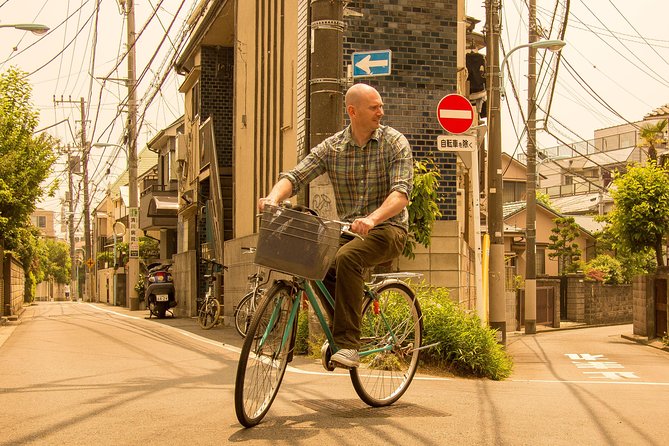
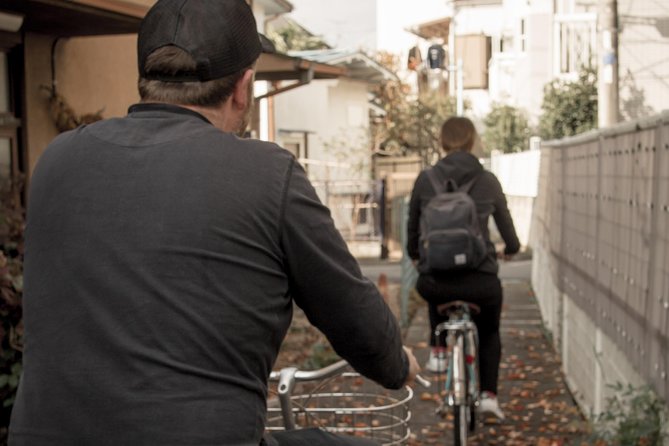
The meeting point is Kōenji Station (4-chōme-48-2 Kōenjiminami, Suginami City). From there, the tour starts with bike setup and quick direction so you can feel steady before you’re in traffic-like conditions.
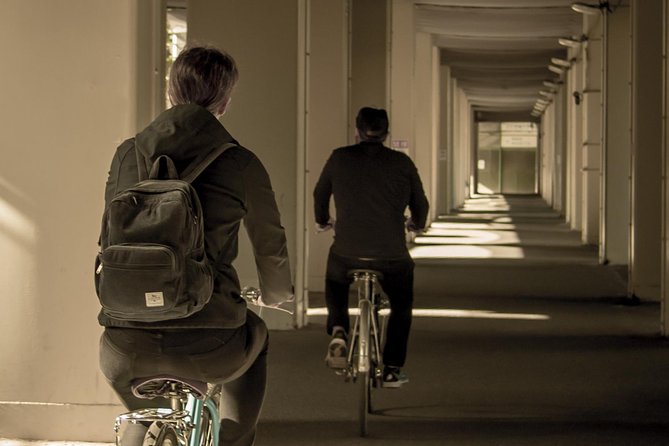
Here’s what you’re riding: salvaged mamachari bicycles, Japanese-sized, with front baskets. That basket matters more than it sounds. If you carry a small backpack, it’s meant to ride in front with you, so you’re not juggling your bag on your back while you steer through tight areas.
Two practical points that affect your comfort:
- You’re expected to be competent riding in an urban environment for 12 to 15 km on uneven surfaces at times.
- Helmets can be provided on request, so if you want one, ask ahead.
There’s also a height guideline: you should be over 140 cm tall so you can ride comfortably. If you’re on the shorter side, it’s worth checking with the operator before you show up.
The ride plan: 12–15 km of mostly gentle pace, with city realism
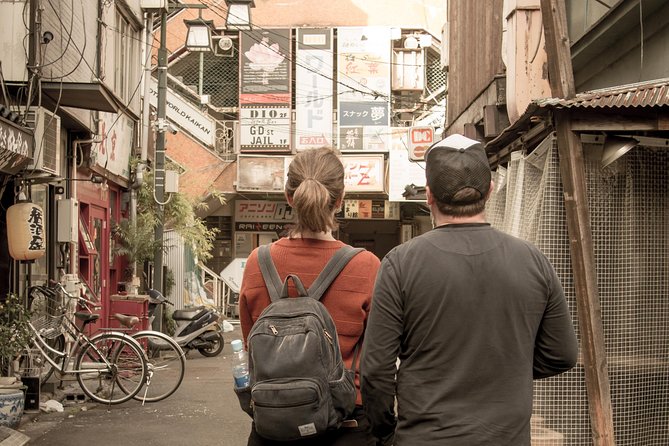
The distance is roughly 12–15 km, and the ride is described as a no-fuss cycling and walking adventure. That doesn’t mean it’s a casual stroll. You’re still biking through narrow streets and areas that can feel crowded, with uneven patches along the way.
Most of the route is flat, which is great for first-time cyclists in Tokyo. Still, the “urban realism” part matters: you’re not on a closed course. You’ll be threading through traffic patterns, paying attention to lane edges, and handling turns in tighter spaces than you might expect.
A small-group format (up to 8) helps here. It’s easier for the guide to keep everyone together and to slow down when someone needs it. It also keeps the group social, so the ride doesn’t feel like a line of strangers being marched.
Snack stops in Nakano, Koenji, and Asagaya
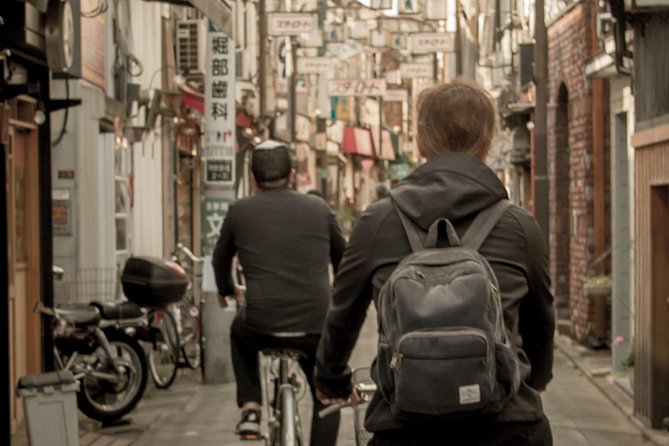
This is not a tour where you just get one quick bite. You’ll stop for included street food snacks along the way, chosen to match neighborhood life rather than a tourist checklist.
The neighborhoods you pass through are the kind where snacks feel like part of the daily routine. You’ll also get the benefit of a guide explaining what you’re eating and how locals think about it. In the reviews that feedback style shows up again and again: Andy’s questions-and-answers energy, plus his ability to make the area feel understandable, not confusing.
One important heads-up: Japanese cuisine often includes meat and seafood, and dashi is common as a base. The tour is designed for typical local eateries, and dietary needs or allergies can be difficult to accommodate. If you have restrictions, don’t wait until you’re hungry to figure it out. Ask what’s coming, and decide in advance what you can safely eat.
Lunch: eating like a commuter, not like a tourist
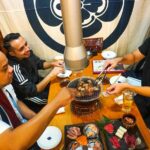
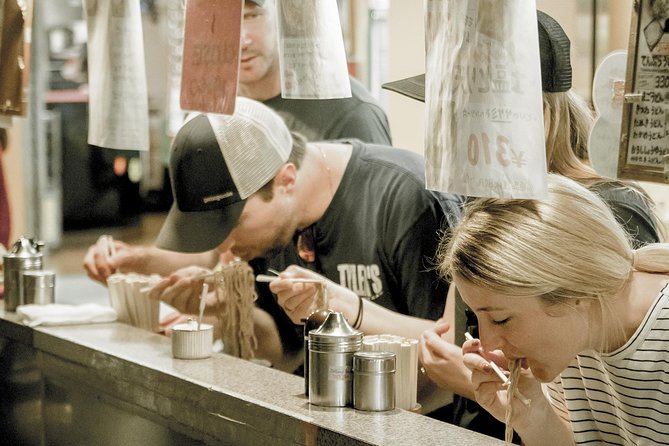
Lunch is part of the included experience and is described as a Japanese-style local meal. You’ll likely feel the rhythm of a busy spot, including how it can get crowded with people on a workday schedule.
The tour description specifically notes you might jostle for counter space with hungry salarymen. That’s not everyone’s idea of comfort, but it’s also a big part of why this kind of tour can be worth it. You get to see how lunch works in real Tokyo, where eating fast and efficiently is normal, not a disruption.
If you’re expecting quiet restaurants and calm service, this isn’t that. But if you want the texture of everyday Japan, it’s a solid fit.
A few more Tokyo tours and experiences worth a look
Zenpukuji River: the calm break you didn’t know you needed
One of the stand-out route elements is riding along the Zenpukuji River. This is where you get a breather from backstreet turns and close-quarters biking.
Riverside bike paths in Tokyo tend to feel different from the rest of the city. You’ll likely notice more space, calmer views, and a slower pace to the ride. It also makes the 3.5 to 4 hour experience feel less like continuous effort and more like a journey.
Even if you’re not an outdoors type, this stretch is a nice reset for your legs and your brain.
Andy’s local storytelling: more than facts, it’s how people live
The biggest consistent strength is the guide. In this tour, Andy shows up as the kind of host who turns a few blocks into a real understanding of the place.
What matters here is not just that he’s friendly. He answers questions, shares local context, and adds quick sociological commentary tied to what you’re seeing: housing, schooling, religion, and day-to-day culture came up in the tour feedback. That’s the difference between hearing trivia and understanding why the city looks the way it does.
A practical detail you’ll feel during the ride: Andy keeps the tour paced with regular breaks. That’s not only for safety. It’s also what makes it easy to ask questions without feeling rushed.
If you like learning while moving, this kind of guide-led format is a great match.
Price and value: what $99.49 buys you here
At $99.49 per person, you’re not just paying for a bike and a route. You’re paying for:
- the small-group format (max 8),
- the use of mamachari bikes,
- included street snacks,
- an included local-style lunch,
- and guided cycling and walking with local context.
Compared to tours that charge a similar amount for “sightseeing plus one meal,” this one keeps food and biking bundled together. That can be better value if you actually enjoy eating while exploring and if you want a guide who helps you navigate everyday neighborhoods.
It also matters that the bikes come with front baskets and are designed for real city use. If you’ve tried to bike in Tokyo before, you know how much that difference can matter.
Safety reality check: who should book (and who should reconsider)
This tour is a great fit if you:
- can ride a bike confidently in a city setting,
- enjoy neighborhoods more than big-ticket monuments,
- like street food and casual local meals,
- want the kind of cultural explanation that connects to daily life.
It’s also a solid option for families when kids are ready to meet the bike skills and height needs (the tour notes a minimum height of 140 cm).
You should think twice if you:
- are a very nervous bike rider,
- have strict food allergies or very specific dietary requirements,
- expect a fully controlled, wide-lane route.
Weather is another factor. It runs in all-season, all-weather, and if it rains, basic ponchos are provided and the tour generally proceeds. If you’re uncomfortable in wet conditions, plan accordingly.
Tips to make the ride feel easy from the start
You’ll enjoy this more if you treat it like real local riding, not like a sightseeing bus with a bike seat.
Here’s what I’d do to set yourself up well:
- Ask for a helmet when you confirm or right before the tour.
- Dress for cool wind and sudden rain because Tokyo weather can change quickly.
- Use a small backpack you can fit comfortably in the front basket.
- If you’re not sure about your bike comfort, say so early. A good guide will slow down and help you get your rhythm before the busiest sections.
Also, keep your expectations aligned. This is socializing and exploring, not a checklist of major landmarks. If that sounds like fun, you’ll probably have a great morning.
Should you book the Tokyo West-Side Cycling & Food Tour?
Book it if you want a West Tokyo experience that feels lived-in: bikes, street snacks, and a local lunch woven into neighborhoods most visitors skip. The small-group size and the Andy-led storytelling are the biggest reasons it gets such strong feedback, and the pricing looks fair when you factor in the bike time plus included food.
Skip it (or choose something else) if you’re likely to struggle with city cycling in narrow streets, or if dietary restrictions are so strict that you need guaranteed substitutions. And if your idea of a perfect Tokyo day is quiet luxury or major landmark photos, this route will probably feel too everyday.
If you want to understand Tokyo through how people actually move, snack, commute, and eat, this one is a strong choice.