REVIEW · TOKYO
Tokyo: Private Personalized Local Food Tour
Book on GetYourGuide →Operated by City Unscripted · Bookable on GetYourGuide
Tokyo tastes better with a local guide. This private, 3-hour Nakano izakaya walk is built around your preferences, with a flexible route that can pivot mid-night as you discover what you’re hungry for. You’ll start in an area with real neighborhood energy—think Sun Mall-style lantern glow and backstreet counters—then keep rolling from one izakaya-style stop to the next.
I like two things a lot. First, you get 8–10 dishes and drink tastings from 2–3 eateries, so you’re not just sampling one item over and over. Second, the plan is genuinely personal: you fill out a pre-tour questionnaire, then your host adapts the night to your vibe, comfort level, and tastes.
The main thing to consider is that this is a walking food tour. Expect some movement between stops, and while hotel pickup can be arranged for central hotels, you may still use public transport or a taxi for transfers with costs discussed by your host.
In This Review
- Key things to know before you commit
- Why this 3-hour Tokyo izakaya walk feels different from a fixed-food checklist
- Price and value: what $172 per person buys you (and what it doesn’t)
- Meeting point in Nakano: where to start and how pickup usually works
- Before you go: how the questionnaire drives your night (and why it works)
- Stop setup: Sun Mall ramen steam, or oden and sake in a quiet alley
- How you’ll eat: 8–10 dishes across 2–3 eateries (with real variety)
- The “izakaya rhythm”: what yatai-style stops change for your experience
- Learning without lecturing: customs and dish origins at the table
- Conversations that shape your route: how your host adjusts mid-night
- What could be the drawback for your plans?
- Who should book this Tokyo private food tour?
- Practical tips to get the most from a 3-hour crawl
- Should you book this Tokyo private personalized local food tour?
- FAQ
- How long is the Tokyo private personalized local food tour?
- Where does the tour meet if I don’t get hotel pickup?
- Is this tour a walking experience?
- How many dishes and drinks are included?
- Is the tour private?
- What languages is the guide available in?
- Is wheelchair accessible?
- What costs are not included besides the main tour price?
- Can I cancel for a full refund?
- Do I pay right away?
Key things to know before you commit
- Pre-tour questionnaire: Your answers shape the route and the pace.
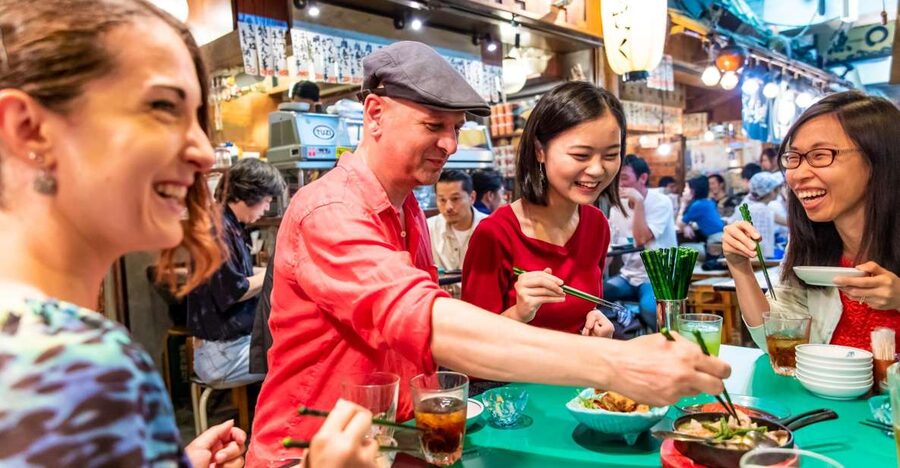
- 2–3 eateries, 8–10 dishes: Enough variety to feel like a real meal tour, not snack hopping.
- Flexibility during the night: Your host can add spontaneous bites based on mood and lines.
- Izakaya + yatai-style food: Expect grilled items, karaage, oden, and drink pairings like sake and plum wine.
- English/Japanese guide: Communication is part of the experience, not an afterthought.
Why this 3-hour Tokyo izakaya walk feels different from a fixed-food checklist
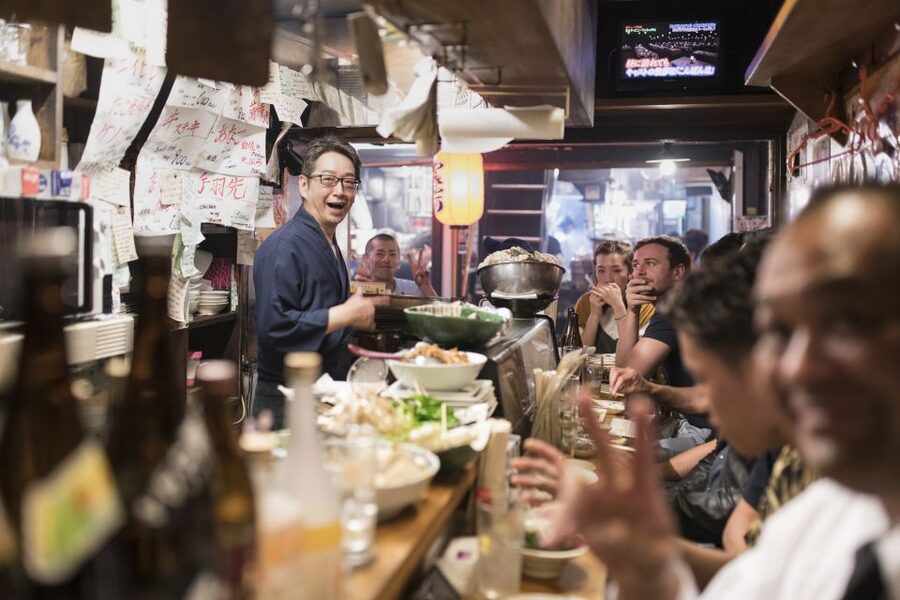
This tour is designed for people who don’t want a rigid script. You’re not marching through Tokyo collecting pre-assigned plates. Instead, you meet a local host who uses your preferences to shape what you eat, when you eat it, and how adventurous the stops feel.
That matters in Tokyo. Even a “simple” dish can mean wildly different experiences depending on the shop and the crowd. A good host also helps you read the rhythm—when to order, how to ask, and how to fit into the flow without turning it into an awkward performance.
You also get a built-in translator for more than language. The host can explain what you’re eating and why it matters, plus share customs that make those tiny moments smoother—like the unspoken rules of sharing space at a narrow counter.
You can also read our reviews of more food & drink experiences in Tokyo

Price and value: what $172 per person buys you (and what it doesn’t)
At $172 for 3 hours, you’re paying for three things: access, curation-by-real-life, and guidance.
1) Access: You get taken to 2–3 eateries you might not find on your own, including backstreet spots and izakaya-style counters where the atmosphere is part of the flavor.
2) Guidance: The host doesn’t just point. They tailor the night to your likes and concerns, and they help you make smart choices from the menu once you’re there.
3) Quantity with direction: 8–10 dishes and drink tastings is a lot for a short window. It’s not unlimited, but it’s enough variety that you’ll cover multiple Tokyo food styles—comfort bowls like ramen, cozy items like oden, plus bar-snacks and grilled bites typical of izakaya culture.
What’s not included is equally important: you’re covered for the food and drinks provided in the experience, but not for extra orders beyond that. Also, transportation costs between sites aren’t included if public transit or taxis are needed.
Meeting point in Nakano: where to start and how pickup usually works
This tour can be convenient even if you don’t want to plan transit. You’ll either get hotel pickup arranged for a central Tokyo hotel, or you’ll meet at JR Nakano Station (5 Chome Nakano, Nakano City, Tokyo 164-0001).
Because it’s a walking experience, your location matters. If you’re staying outside central Tokyo, hotel pickup might be less practical, but you can still meet at Nakano Station. Either way, you should plan to start on time so your host can build the best route around opening hours and lines.
Also good to know: this experience is listed as wheelchair accessible. Since it’s a walking tour, you’ll want to mention your mobility needs up front so the host can choose routes that work for your pace.
Before you go: how the questionnaire drives your night (and why it works)
After booking, you’ll get a short questionnaire about your tastes and interests. Then you’re matched with a like-minded host who communicates with you directly to suggest an itinerary that stays flexible once you’re in the neighborhood.
I like this approach because it avoids the usual problem with group food tours: you end up eating what someone else thinks you’ll like. Here, you can indicate what you want—comfort food vs. adventurous bites, mild flavors vs. bolder choices, or just a general vibe.
In past groups, hosts such as Apy, Amir, Mari, and Steven have been praised for talking through what to expect and adapting on the spot. That kind of responsiveness is the difference between a food tour and a good night out.
Stop setup: Sun Mall ramen steam, or oden and sake in a quiet alley
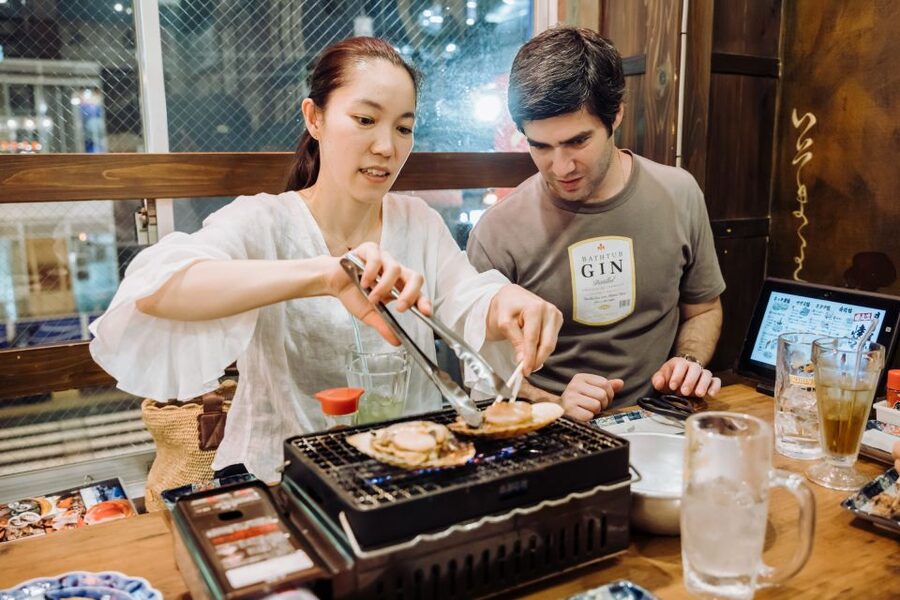
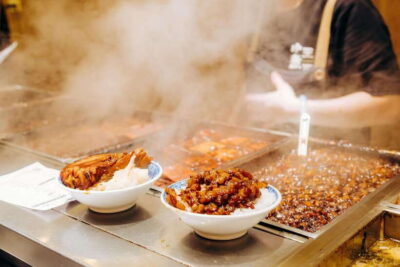
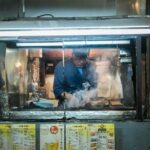
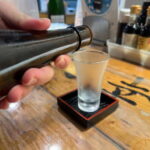
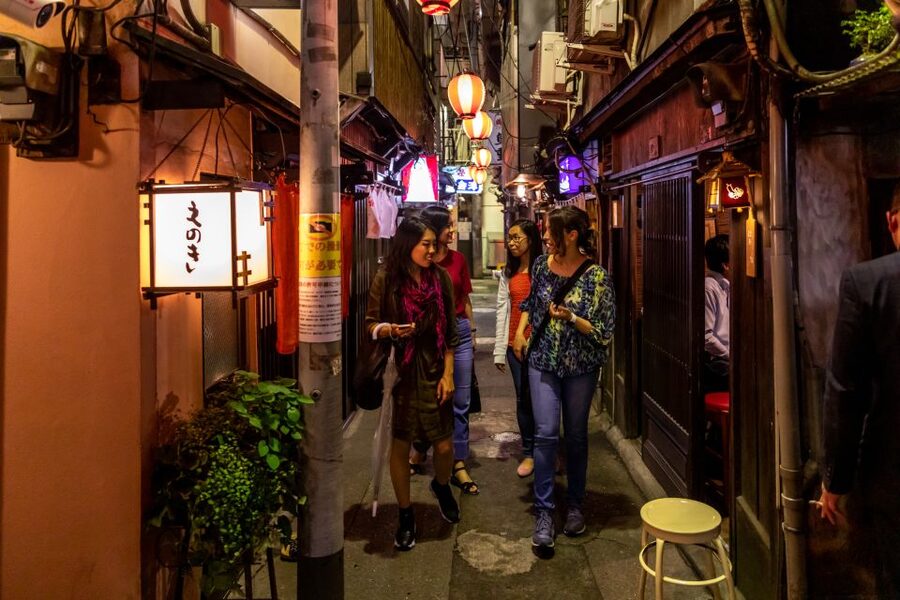
Your evening gets going near retro neighborhood atmosphere. One common start is Sun Mall, where ramen steam and lantern light set the mood. Another possible direction is a quieter side-alley warm-up with oden and sake, the kind of start that feels like Tokyo slowing down for you.
Either way, this first stop is meant to do two jobs:
- Get your stomach ready for the rest of the crawl
- Set the tone for the kind of food and drinks your host will emphasize
If you’re the type who gets intimidated by menus, this early warm-up helps a lot. You’ll see how the host orders, how they pace drinks with bites, and what “good” looks like in that shop.
You may also run into a short line at popular openings—especially with ramen places—so bring patience. If a spot is busy for a reason, your host should know when it’s worth the wait.
A few more Tokyo tours and experiences worth a look

How you’ll eat: 8–10 dishes across 2–3 eateries (with real variety)
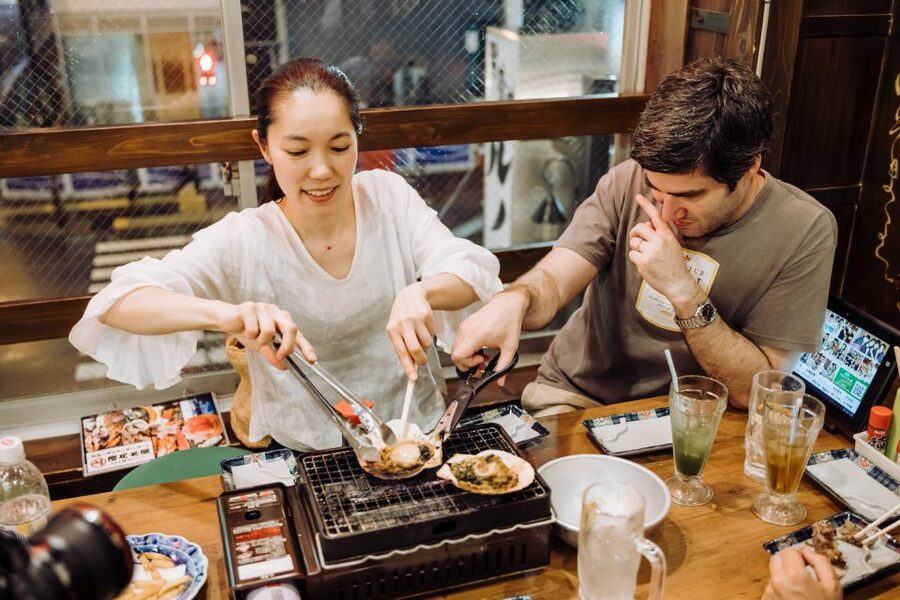
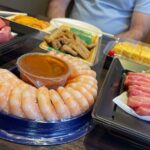
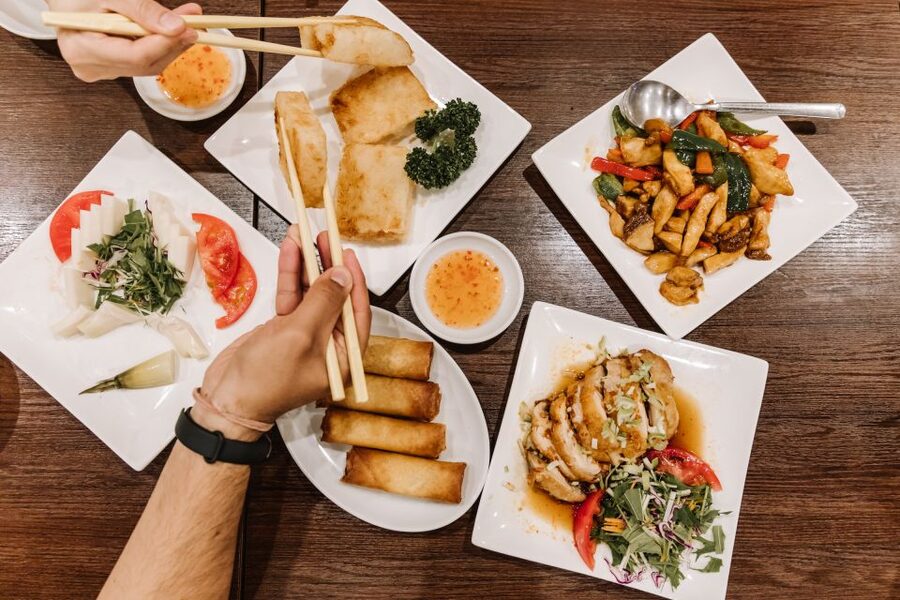
Instead of cramming your experience into one restaurant, you’ll move between 2–3 eateries and try 8–10 unique local dishes plus drink tastings. That pacing is ideal in Tokyo because it keeps you from getting “food-tired” too early.
Here’s the kind of spread you can expect, based on typical choices your host may make:
- A ramen or noodle-style comfort dish early on
- Cozy, warming items like oden
- Izakaya plates like miso eggplant or other seasonal small plates
- Grilled bites and bar snacks
- Something crispy and satisfying like karaage
- A drink pairing such as sake or plum wine
The big advantage is balance. You’re not only eating heavy items. You’re mixing warm and grilled, savory and drink-friendly. And the host can adjust if you’re craving comfort, if you want something more adventurous, or if you need a slower pace.
The “izakaya rhythm”: what yatai-style stops change for your experience
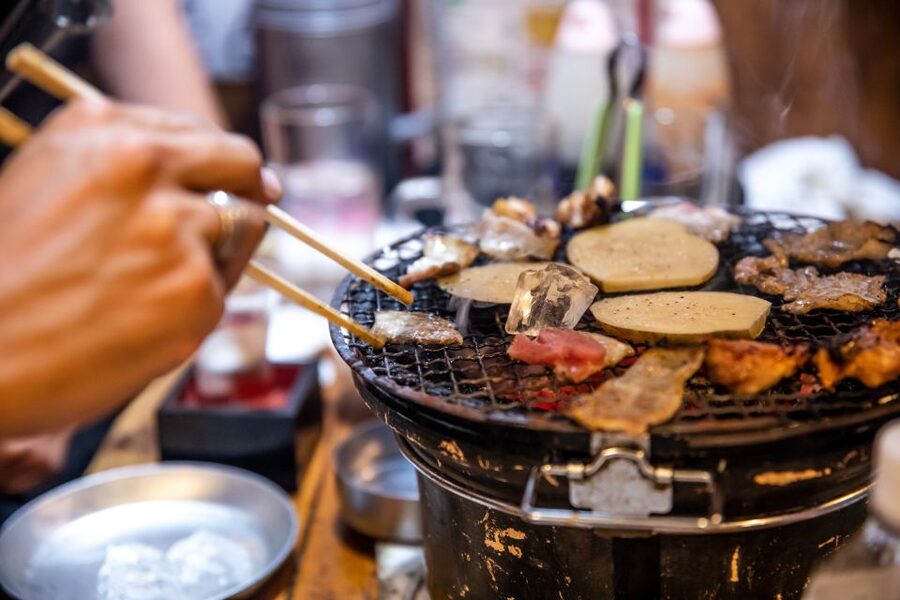
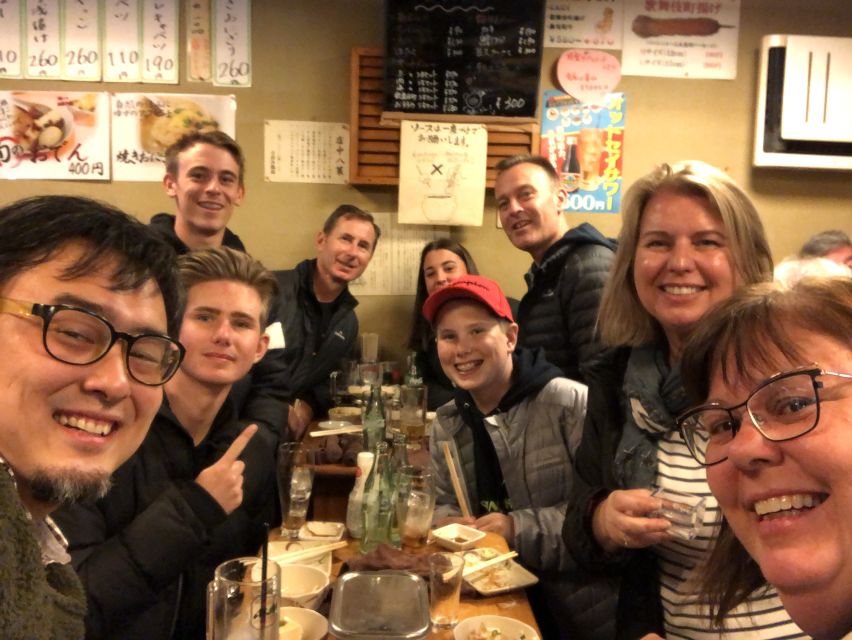
Izakayas work because they’re social and flexible. You order a few things, talk, sip, share, and keep moving as the night unfolds. This tour leans into that energy, including yatai-style spots (street-stall vibes) where the food feels immediate and casual.
This matters because it changes how you taste. At a walk-up stall or a compact counter, you get fewer barriers between you and the food. You’re more likely to ask questions, and your host can guide you in a way that feels natural.
It also supports the tour’s biggest promise: spontaneous stops and surprise bites. If your host sees a small line forming for something you’d like, or if the alley mood feels right, you’re not stuck waiting until the next scheduled stop.
Learning without lecturing: customs and dish origins at the table
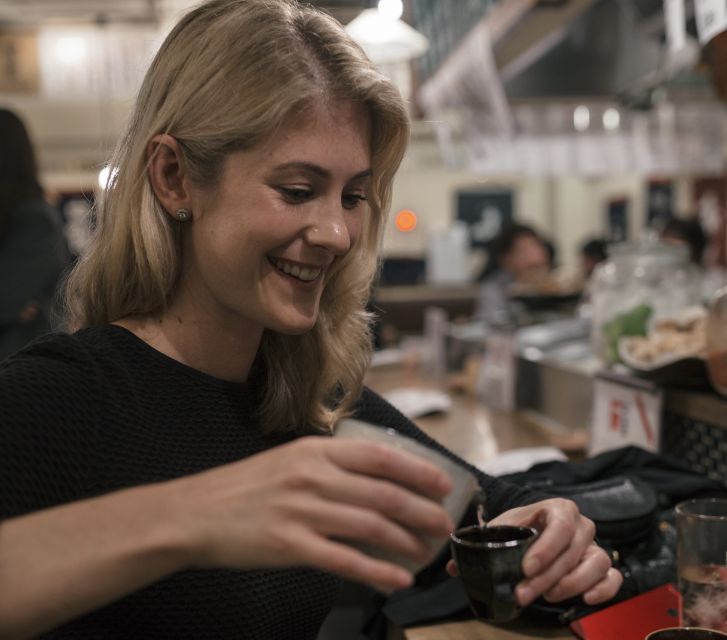
A good food tour teaches you more than flavors. This one tends to focus on small, practical knowledge you can use while traveling through Tokyo.
You can expect your host to explain:
- What each dish is, and what makes that shop’s version different
- How the dish fits into Japanese eating culture
- Basics of etiquette and what to pay attention to in the experience itself
In multiple past outings, guides have been noted for adding context about origins and for making customs feel understandable instead of formal. That’s what you want. Tokyo is full of “rules,” but most of them are just about reading the room.
If you’re a first-timer, this is also a quick way to get your bearings. After a night like this, you’ll usually feel more confident navigating neighborhoods, reading signs, and knowing what kind of place to look for next.
Conversations that shape your route: how your host adjusts mid-night

The best part of a private tour is that it can bend around you. Here, the host uses your cues to adjust pacing and priorities, so the route stays responsive.
You might start with one kind of mood—comfort and warmth—and then shift toward grilled bites and drink pairings once you’re settled. Or you might slow down if you’re enjoying conversation. Or you might go more adventurous if you’re clearly game.
One reason this works is direct communication before and during the tour. You’re not guessing what the host wants. You can discuss preferences and even recommendations with your guide so the evening feels like it belongs to you.
What could be the drawback for your plans?
Flexibility is a plus, but it can be a drawback if you have strict expectations for where you must go.
Because your route adapts, you might not end up hitting a specific attraction or a single famous market area. If your trip has an appointment schedule, plan a food tour like this on a night when you can afford a little wandering and pacing changes.
Also, this is a short tour. Even with 8–10 dishes, you won’t sample everything in a neighborhood. If your goal is maximum “variety at any cost,” you’ll still get a strong selection—just know it’s curated around quality and fit, not total volume.
Who should book this Tokyo private food tour?
This tour fits best if you want a night that feels like Tokyo through a person who knows the neighborhood.
It’s especially good for:
- First-time visitors who want quick orientation through food and local customs
- Food lovers who like variety and drink pairings like sake and plum wine
- Couples or small private groups who want a slower, more personal pace
- People who want a guide to help them choose what to order without stress
- Anyone who prefers walking and small neighborhood exploration over big landmark marathons
If you’re the type who needs a tight, fixed itinerary for planning purposes, you’ll still enjoy the food—but you may want to keep your schedule flexible so the host has room to adjust.
Practical tips to get the most from a 3-hour crawl
A few small prep moves make a big difference with a walking food tour:
- Wear comfortable shoes. You’ll be moving between 2–3 eateries.
- Go in hungry, but not starving. The goal is 8–10 dishes plus tastings, not a food coma.
- Keep an open mind about drink pairings. If you’re not a heavy drinker, you can still enjoy the food choices—just be clear about what you do and don’t want.
- If you have preferences (spicy vs. mild, comfort vs. adventurous), use the questionnaire thoughtfully. The more specific you are, the better the route fit.
And remember: the tour is private, so it’s okay to ask questions. If you don’t understand something on the menu, ask right away. That’s part of the value.
Should you book this Tokyo private personalized local food tour?
I think you should book it if your main goal is to eat well in neighborhoods, not just check off dishes. The combination of 8–10 tastings, 2–3 eateries, and a host who adapts your route to your vibe is strong value at $172 for 3 hours—especially when you consider how hard it can be to find the right kind of small izakaya spots on your own.
Skip it if you need a fixed itinerary tied to specific landmarks or if walking distances are a deal-breaker. Since transportation between sites may involve additional costs via public transit or taxis, it also helps to be okay with a flexible logistics plan.
If you want Tokyo to feel personal, this is the kind of evening that tends to stick with you. You’ll leave with food memories, plus a clearer sense of how to navigate the city one neighborhood at a time.
FAQ
How long is the Tokyo private personalized local food tour?
It lasts 3 hours.
Where does the tour meet if I don’t get hotel pickup?
The meeting point is JR Nakano Station, 5 Chome Nakano, Nakano City, Tokyo 164-0001, Japan.
Is this tour a walking experience?
Yes. It is a walking tour, and a private vehicle is not included.
How many dishes and drinks are included?
You’ll get 8–10 local dishes and drink tastings from 2–3 eateries.
Is the tour private?
Yes, it’s a private group experience.
What languages is the guide available in?
The tour is guided in English and Japanese.
Is wheelchair accessible?
Yes, the experience is listed as wheelchair accessible.
What costs are not included besides the main tour price?
Additional food, drinks, or attraction tickets beyond what’s included are not included. Transportation costs may also apply if public transport or taxis are used between sites.
Can I cancel for a full refund?
Free cancellation is offered up to 24 hours in advance for a full refund.
Do I pay right away?
You can reserve now and pay later, meaning you don’t pay anything today.