REVIEW · TOKYO
Tokyo: Food Tour in Ueno with 10+ Tastings of Japanese Classics
Book on Viator →Operated by Secret Food Tours · Bookable on Viator
Some Tokyo food tours throw dishes at you and call it a day. This one pairs Ueno neighborhoods with 10+ Japanese bites, so you eat while you learn where the day-to-day stuff happens. You also get a plan that moves fast enough for a half-day.
I like how the menu mixes comfort classics (think sushi, gyoza, yakitori) with a proper dessert stop like matcha ice cream, plus teas and a draft beer. I also like that the tour has a cultural rhythm: market energy, then parks and temples, so your brain gets a break between snacks. One thing to consider: it involves a fair amount of walking, and the depth of food origin stories can vary by guide.
In This Review
- Quick hits before you go
- Why Ueno is a smart Tokyo food base
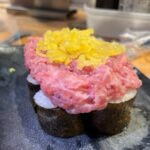
- What you actually eat: sushi, gyoza, yakitori, matcha, and more
- Your 3.5-hour game plan (and how to walk smarter)
- Market stalls first: getting your bearings fast in Ueno
- Under-the-girders food lanes: where everyday Tokyo hides
- Ueno Park pause: cherry blossoms season or just a needed breather
- Shrine + Buddhist temple stops that add meaning, not clutter
- Guide experience: what makes the tastings feel worthwhile
- Price and value: is $142 actually fair for what you get?
- Who this tour fits best (and who might want to skip it)
- Should you book this Ueno food tour?
- FAQ
- How long is the Ueno food tour?
- How much does the tour cost?
- Where do I meet, and where does it end?
- How many people are in a group?
- What food and drinks are included?
- Is there a mobile ticket?
- Can the tour accommodate dietary requirements?
- What happens if the weather is bad, or I cancel?
- Do I need hotel pickup?
Quick hits before you go
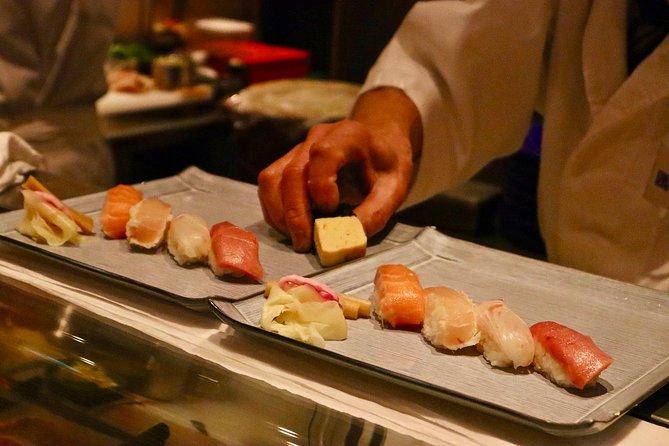
- 10+ Japanese tastings with sushi, gyoza, yakitori, fruit, matcha ice cream, tea, beer, and a secret stop
- Ueno Station start at 7 Chome-1, and you finish back where you began
- Small group size with a max of 15 people, so questions are easier and the walk feels human
- Culture stops built in: an under-the-tracks area plus Ueno Park, a shrine tied to Tokugawa Ieyasu, and a Buddhist temple
- English-speaking local guides you can ask for practical eating tips for the rest of your trip
Why Ueno is a smart Tokyo food base
Ueno is a great choice when you want real local texture without cramming across half the city. You get a mix of everyday shopping energy, quick snack culture, and major landmarks all clustered in one area. That matters, because a food tour is only fun when you’re not constantly traveling for the next bite.
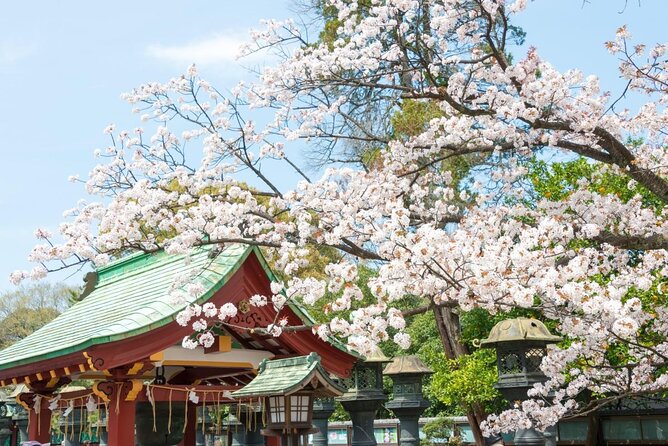
This experience builds the day around Ueno’s contrasts. You’ll move through a popular indoor-outdoor market area, then into the under-elevated-train world described as being under the girders. After that snack momentum, you slow down with Ueno Park and religious sites: a Shinto shrine built and dedicated in 1627 to honor Tokugawa Ieyasu, plus a Buddhist worship center with tranquil landscaping.
You can also read our reviews of more food & drink experiences in Tokyo

What you actually eat: sushi, gyoza, yakitori, matcha, and more
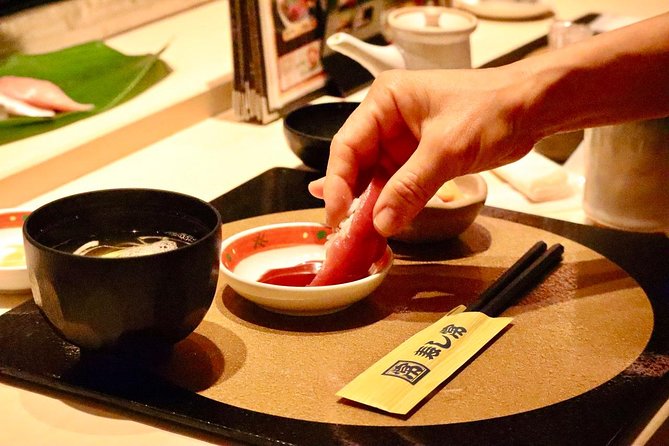
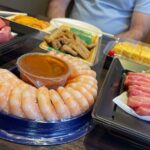
The promise here is simple: you eat a lot of Japanese classics in a short time. The included food list covers the big-hitters that most first-timers want, plus some variety so you’re not repeating the same flavor shape.
Here’s what you should expect to see on the tour:
- Fresh sushi
- Crispy gyoza, a local favorite style of dumpling
- Yakitori, perfectly grilled skewered chicken
- Seasonal fresh fruits
- Matcha ice cream (creamy, traditional)
- Two different types of tea, plus water
- One draft beer
- A Secret Dish you won’t know in advance
One useful thing from real experiences: the secret stop can include warm, substantial options (for example, one group reported getting sukiyaki). That’s a good sign, because it means the tour doesn’t just fill you with sweets and small snacks. It tries to balance savory and dessert, and it aims for variety over repetition.
Your 3.5-hour game plan (and how to walk smarter)
This tour runs about 3 hours 30 minutes, and it’s designed as a half-day introduction to Ueno food. There’s no hotel pickup. You’ll meet at Ueno Station, 7 Chome-1, then end back at the same meeting point. That makes it easier to plug into your day, especially if you’re already using Ueno as your base.
Two practical tips help a lot:
- Wear comfortable shoes. The tour warns you up front that there’s quite a bit of walking.
- Eat lightly beforehand, or skip breakfast if you’re able. One person’s advice stood out for a reason: by the third stop you may feel full, and the rest still keeps coming.
The group size is capped at 15 travelers, which usually makes the pacing smoother than big buses and keeps the conversation possible. Also, you get a mobile ticket, so you’re not hunting for paper in the morning chaos.
Market stalls first: getting your bearings fast in Ueno
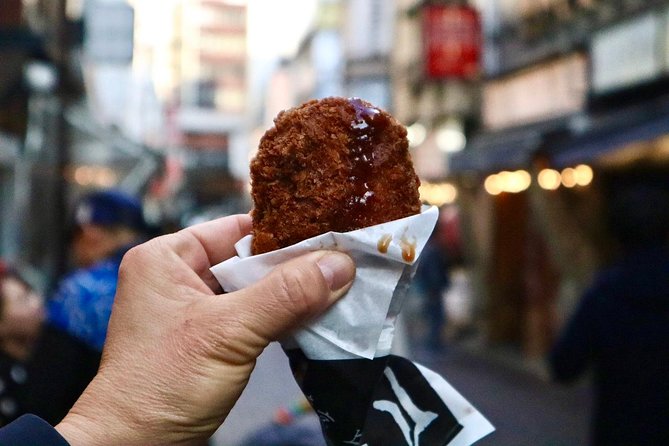
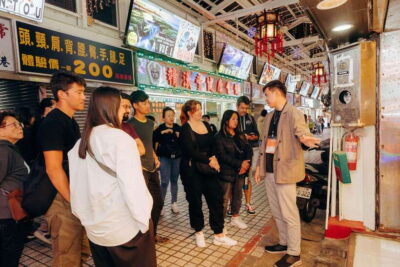
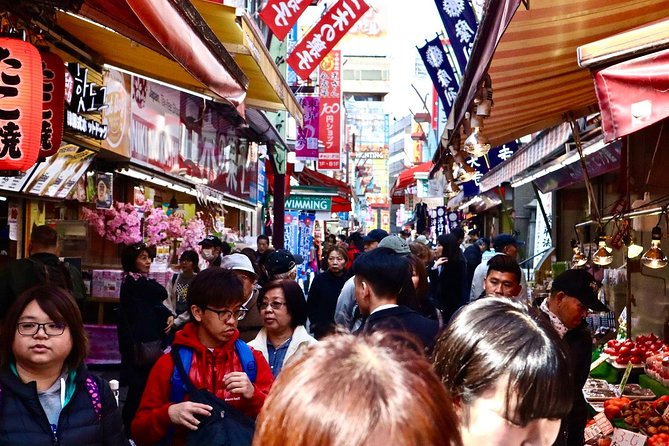
The tour starts in a popular indoor-outdoor market zone where you’ll see stalls and shops selling everything from food and gifts to apparel. This is a smart first move. Markets are loud, visual, and chaotic in a way that can feel intimidating if you’re on your own. With a guide, you learn what to look for and where the food culture actually sits, not just what looks shiny.
Even if you’re not buying souvenirs, watch how the market feels. This is where you understand the logic of Japanese snacking: small portions, frequent stops, and trusting what’s fresh. It also helps you mentally map Ueno so the rest of the walk makes sense.
Under-the-girders food lanes: where everyday Tokyo hides
Next you’ll go to an area under elevated train tracks—the place locals describe as being under the girders. This kind of Tokyo pocket is where you often find the real “how locals live” details. Streets feel tighter. Sounds feel closer. People are moving with purpose rather than looking for landmarks.
Why this matters for a food tour: it’s easier to understand what makes certain spots work. Under-the-girders areas often carry a casual, reliable rhythm—quick meals, steady foot traffic, and no performance for tourists. That’s the environment your tastings come from, and it’s part of the value you can’t get from buying random snacks at a convenience store.
A few more Tokyo tours and experiences worth a look

Ueno Park pause: cherry blossoms season or just a needed breather
After the intense food-and-streets sequence, the tour gives you Ueno Park time. The big seasonal draw is spring: it’s famous for cherry blossoms and hanami (flower viewing). Even if you’re not there in spring, the park is a good reset. Your body gets a calmer stretch, and your eyes get a breather after all the tight streets.
Use the park moment well. If you’re taking photos, this is often your easiest opportunity. If you’re talking with your guide, this is also where it’s easiest to ask practical questions about where to eat later without feeling like you’re slowing the line.
Shrine + Buddhist temple stops that add meaning, not clutter
This is one of the places where the tour feels more like a mini Tokyo orientation than just a food checklist.
You’ll visit a Shinto shrine built and dedicated in 1627 to remember Tokugawa Ieyasu, the founder of the Tokugawa Shogunate. That gives the day context. Instead of treating food as only taste, you start seeing it as part of a living culture with long timelines and traditions tied to place.
Then you’ll head to a Buddhist worship & prayer center in revered surroundings with tranquil landscaping. The tone shifts again. You’re not rushing. It’s a quiet pocket that balances the earlier energy, and it helps you digest—literally and mentally.
Guide experience: what makes the tastings feel worthwhile
The tour includes a local English-speaking guide who tells stories as you eat. In practice, this is what turns “we ate a lot” into “I learned something I can use.”
Real guide names you might encounter include Harumi, Natsumi, Yumi, and Mari. Across those experiences, the consistent themes are: being upbeat, sharing tips for what to do next, and connecting food with the area’s history and customs. A small group also makes it easier to have actual back-and-forth conversation rather than standing silently while the guide talks.
Possible drawback to keep in mind: one outlier experience raised concerns about whether the guide gave much detail about food origins or components, and mentioned language limitations. The good takeaway for you is this: if you want heavy, nerdy food science or deep sourcing stories, you should go into the tour expecting food culture and practical guidance first. The guide helps you notice what matters, but the style can vary.
Price and value: is $142 actually fair for what you get?
At $142 per person for about 3.5 hours, you’re paying for three things: access to multiple places that serve food, enough tastings to make it worth your appetite, and a guide to connect the dots.
This isn’t a tour that gives you one sample per stop and a pat on the head. Your included list has enough items to feel like several real meals in smaller bites: sushi, gyoza, yakitori, fruit, matcha ice cream, plus teas and a draft beer. Add in the secret dish and you start to see why the price can work out—especially if you don’t already know Ueno’s best patterns for finding good places quickly.
Where the value can feel weak: if you only want a couple of snack types, or if you’d rather spend the time researching spots on your own. If you love structure, local recommendations, and variety, it lands better.
Who this tour fits best (and who might want to skip it)
This tour is a strong match if:
- You’re short on time and want an introduction to Ueno’s culinary scene
- You want a guided walk that mixes food with culture stops (market, park, shrine, temple)
- It’s your first trip to Japan and you want something that’s easy to navigate
- You’re traveling with kids who can handle snacks and walking (one family reported kids ages 8–10 enjoyed it)
You might think twice if:
- You dislike walking. The tour explicitly warns about plenty of steps.
- You have strict dietary needs. They ask you to contact them in advance so they can cater as best as possible, but the tour doesn’t promise every menu style.
- You want only one style of food. The experience is built around variety: savory, dessert, tea, and that secret dish.
Should you book this Ueno food tour?
If you want a fast, local-feeling way to understand Ueno, this is a solid book. The biggest reason is the combination: 10+ tastings paired with a walking route that includes food lanes and major cultural landmarks tied to place. It’s ideal when you want to get your bearings fast, taste well, and learn enough to make smarter decisions later without needing a full research project.
My practical call: book it if you’re hungry for variety and you’re okay with walking. If that’s you, this tour gives you a lot of satisfaction per hour.
FAQ
How long is the Ueno food tour?
It runs approximately 3 hours 30 minutes.
How much does the tour cost?
The price is $142.00 per person.
Where do I meet, and where does it end?
You meet at Ueno Station (7 Chome-1, Ueno, Taito City, Tokyo 110-0005, Japan). The tour ends back at the meeting point.
How many people are in a group?
The tour has a maximum of 15 travelers.
What food and drinks are included?
Included items are fresh sushi, crispy gyoza, yakitori, seasonal fresh fruits, matcha ice cream, two different types of tea, a Secret Dish, one draft beer, and water.
Is there a mobile ticket?
Yes, the tour uses a mobile ticket.
Can the tour accommodate dietary requirements?
If you have dietary requirements, you should contact the tour in advance so they can cater as best as possible.
What happens if the weather is bad, or I cancel?
The experience requires good weather. If it’s canceled due to poor weather, you’ll be offered a different date or a full refund. You can cancel for a full refund up to 24 hours before the start time.
Do I need hotel pickup?
No. Hotel pickup and drop off are not included.