REVIEW · TOKYO
Tokyo: Best of Shibuya Food Tour
Book on GetYourGuide →Operated by Arigato Travel KK · Bookable on GetYourGuide
Neon streets, serious snacks. This 3-hour Tokyo Shibuya food tour takes you past Scramble Crossing into the backstreets where locals eat, with five food stops and a sweet finish at a depachika.
I like the sheer variety packed into one evening. You’ll taste Japan standbys like sushi and okonomiyaki, plus comfort food like ramen, without spending the whole trip hunting menus.
One thing to plan for: you’re on your feet a lot. Many stops are small, and some food spots are more stand-and-mingle than sit-and-stay.
In This Review
- Key Things I’d Pay Attention To
- Getting There: Hachiko Wall Mural Timing Rules
- Why Five Food Stops in 3 Hours Feels Just Right
- Stop-by-Stop: Sushi, Izakaya, Okonomiyaki, Ramen, and Dessert
- How the Guide Turns Shibuya Backstreets Into Culture
- Drinks Included: The Izakaya Moment Is Part of the Deal
- What to Wear and Bring (So You Don’t Waste Minutes)
- Price and Value: Is $170 Reasonable for Shibuya?
- Should You Book This Shibuya Food Tour?
- FAQ
- How many food stops are included?
- What’s included in the price?
- What does the tour cost and how long is it?
- Where do we meet in Shibuya?
- Do I need to bring my passport?
- Is the tour in English, and how big is the group?
- What’s the cancellation timeframe?
Key Things I’d Pay Attention To
- Hachiko meeting point: start at the colorful wall mural outside the station, not the statue crowd.
- 5 stops in 3 hours: a smart pace so you sample a lot without feeling like you’re rushing through meals.
- Depachika dessert finale: the tour ends with dessert in a Shibuya basement food hall.
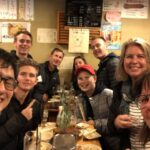
- Small groups up to 10: you get more guide time and less shuffle through restaurants.
- Two included drinks: it makes the izakaya-style stop actually feel like a night out, not just a tasting session.
Getting There: Hachiko Wall Mural Timing Rules
Your meeting point is practical and easy once you know what to look for. Meet in front of the colorful Hachiko wall mural just outside the station at the Hachiko exit. You should be facing the big intersection with the mural behind you. Do not aim for the super-crowded statue right in front.
Also, don’t play the game of arriving late. The group can wait only five minutes after the starting time, then the tour departs. Once it begins, you can’t rely on phone directions or contacting the guide during the walk, since guides need to keep things smooth with restaurant partners.
Quick tip: if you’re mapping it, zoom in on the station area first. Shibuya is confusing even when everything is obvious. Good shoes help too, because you’ll move through busy sidewalks and tight shop fronts.
You can also read our reviews of more food & drink experiences in Tokyo

Why Five Food Stops in 3 Hours Feels Just Right
Shibuya is one of those neighborhoods where you can accidentally spend 45 minutes just deciding what to eat. This tour fixes that problem by building in five real stops, guided by someone who knows what works in the area.
In practice, that “five” number matters. Too few stops and you feel underfed. Too many and you lose the chance to enjoy each place. With five tastings plus two drinks and dessert, the tour hits a sweet spot for a first evening in Tokyo, or for fitting a food hit into a packed day.
You also benefit from the guide’s ordering know-how. In Japan, a menu can be simple, but ordering takes confidence. Having an English-speaking guide reduces awkward guesswork and helps you focus on eating, not decoding.
Finally, the small group size is more than marketing. Up to 10 people means fewer bottlenecks outside tiny restaurants and more room to ask questions without turning the walk into a crowd-control exercise.
Stop-by-Stop: Sushi, Izakaya, Okonomiyaki, Ramen, and Dessert
Menus can vary by day, but the core structure is consistent: a line-up of Japan favorites plus a dessert finale in depachika.
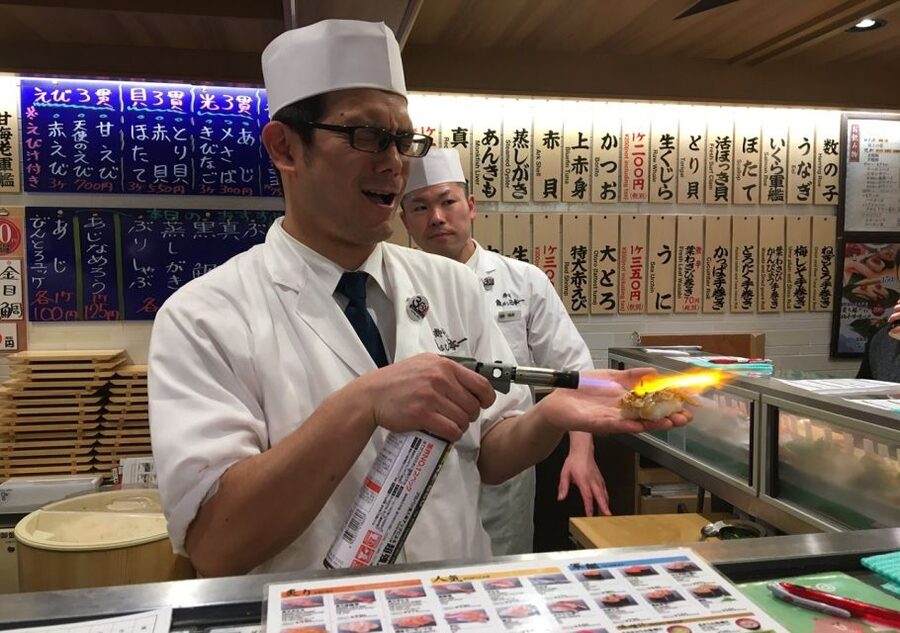
1) A standing sushi stop
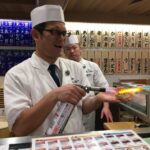
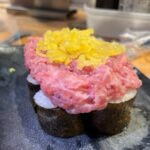
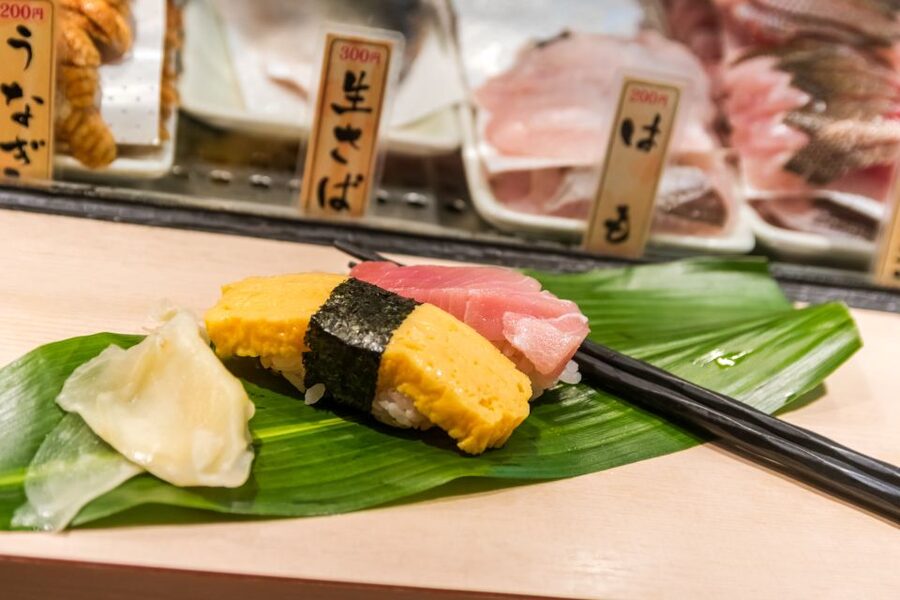
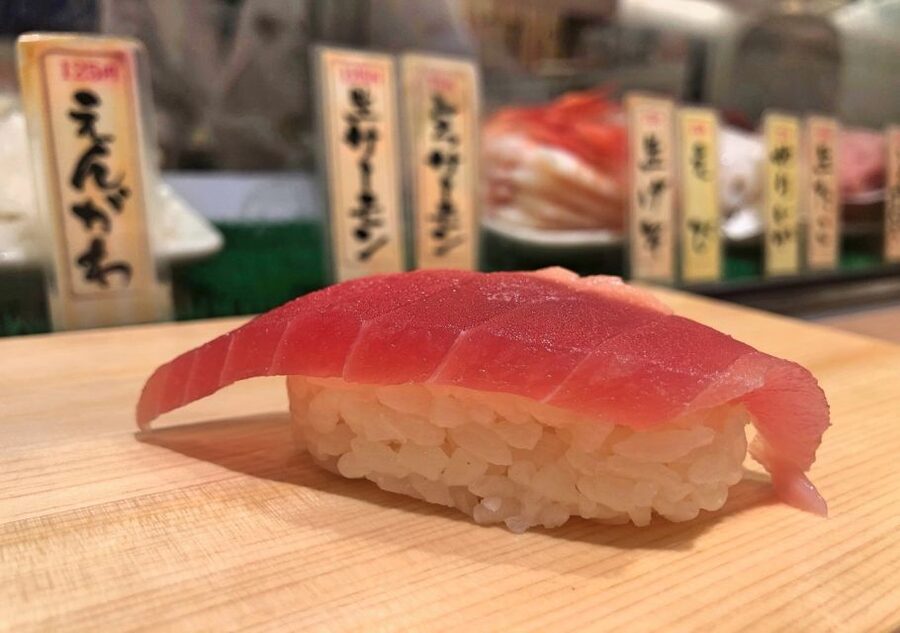
One common first stop is a standing sushi restaurant where you get a quick, fresh introduction to Tokyo-style sushi. The “standing” part is key: you’re eating as you go, which can feel more energetic than a seated meal. You’ll get small, focused bites instead of a big plate, so you stay ready for the rest of the night.
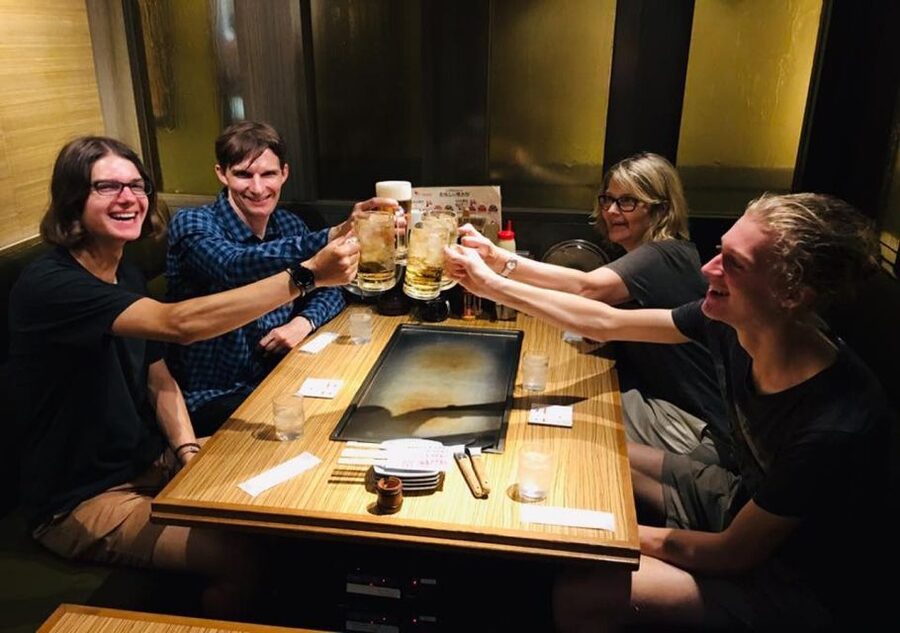
2) An izakaya-style dinner moment
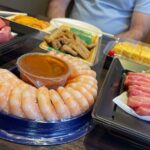
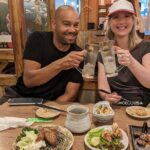
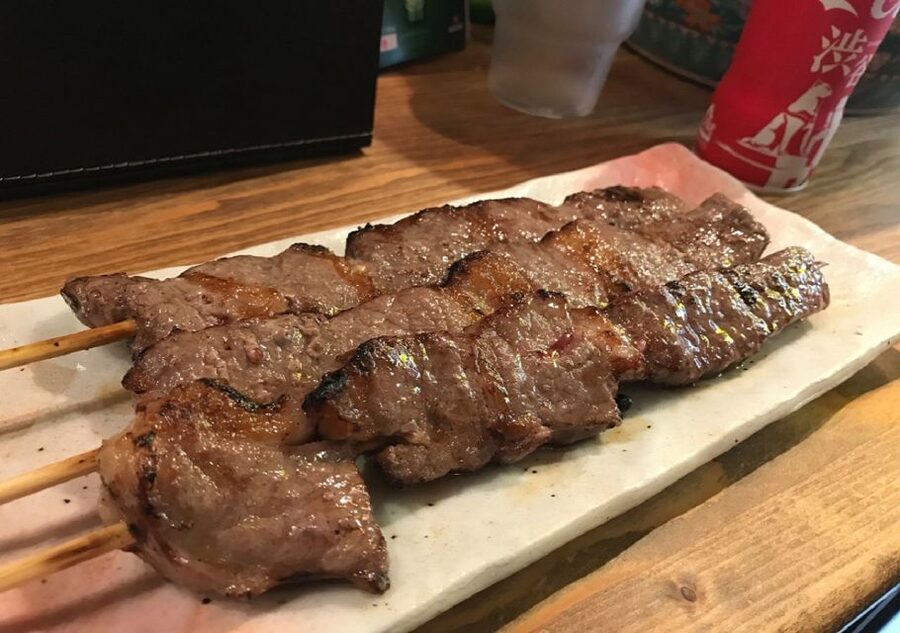
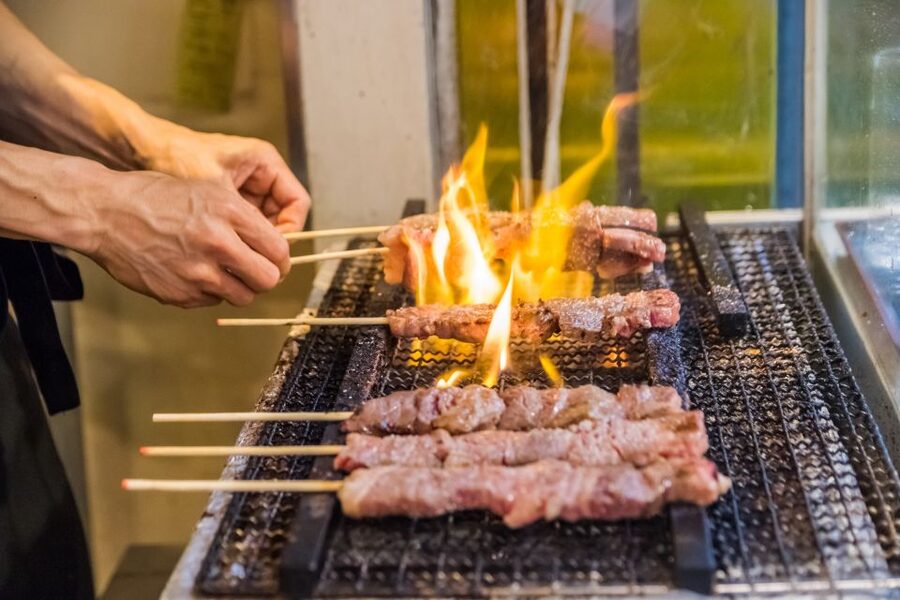
Next often comes an izakaya stop, usually paired with one of your included drinks. Izakaya food tends to be shareable and grilled-forward, so it’s a good way to taste more than one flavor without committing to one heavy dish. The vibe tends to feel like a real local evening: noisy in a good way, casual, and full of ordering choices.
3) Okonomiyaki on a griddle
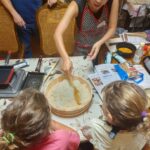
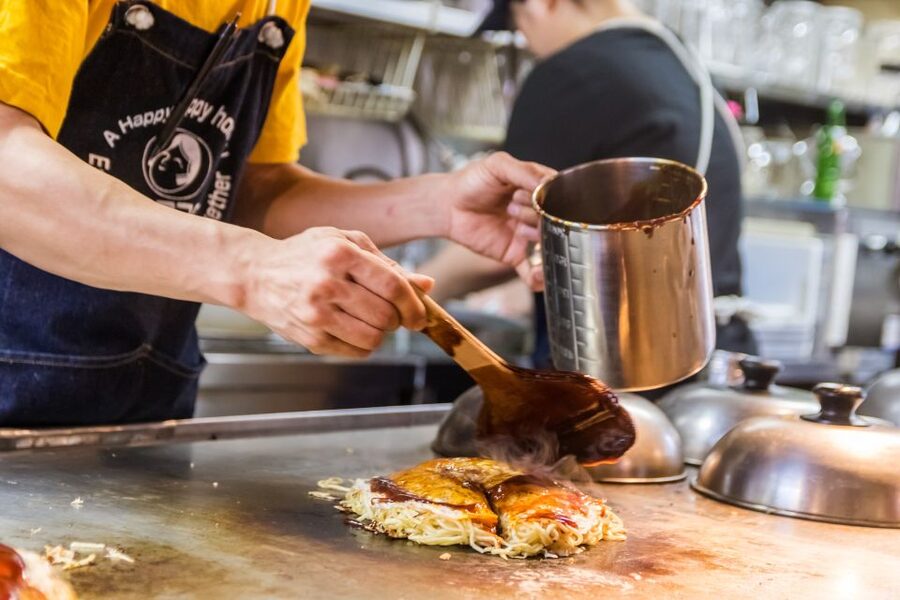
Then you’ll likely hit an okonomiyaki place, the savory pancake cooked on a hot grill. This is one of the best stops for understanding regional variation, because okonomiyaki is familiar but not always the same everywhere. Watching it being cooked also makes the tasting easier to follow.
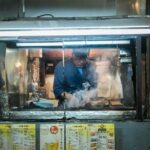
4) Ramen from a street-style setup
After that, expect ramen. Shibuya ramen spots can feel like quick, focused comfort-food lines, and that works well in a food-tour format. You get the big flavor of broth and toppings without needing a long sit-down commitment.
5) Dessert in a Shibuya depachika
The finale is dessert in a depachika, those basement department store food halls that are basically Japan’s sweet-and-snack superpower. Ending here is smart because depachika desserts feel special even when you’re in a hurry. You’ll finish with something handmade and traditional in the spirit of what locals grab on normal days.
If you’re picky, you should still plan ahead. One guide in a small-group experience handled food restrictions in a thoughtful way, so it helps to mention your needs when booking so the guide can steer you toward the best possible options.
How the Guide Turns Shibuya Backstreets Into Culture
Scramble Crossing is a landmark. But it’s also a trap. It tells you what Shibuya looks like, not how people live inside it.
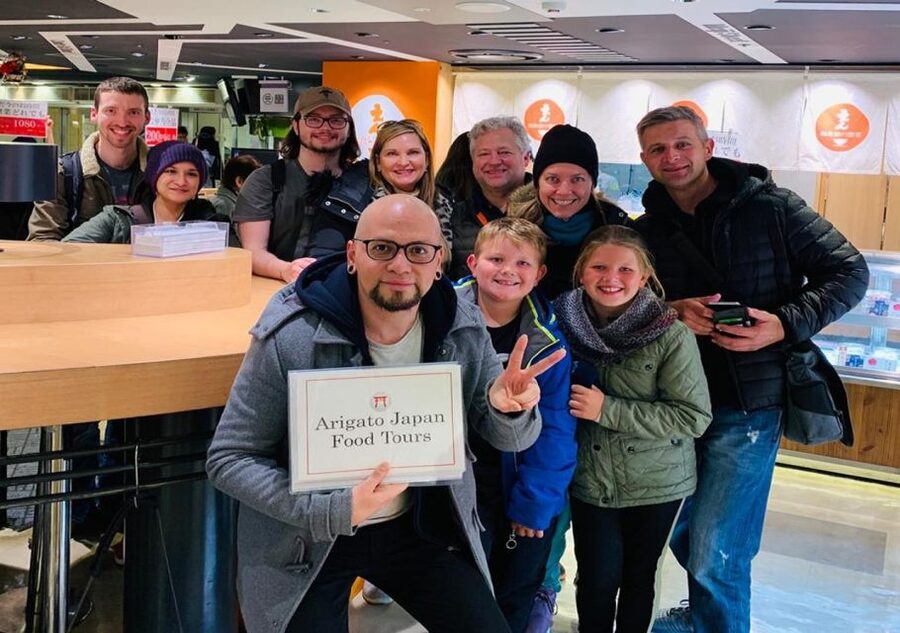
What makes this tour worth your time is that you’re guided through backstreets where the food scene feels more local. You’ll hear stories tied to what you’re eating, not generic facts floating above your head. Guides like Alex and Serena are repeatedly praised for turning simple bites into explanations you remember later.
You’ll also learn small cultural habits that make meals easier later in Tokyo. Things like how people order, how shops operate when space is tight, and why certain dishes are so tied to neighborhoods. It’s not just food. It’s the context that helps you travel smarter after the tour ends.
And yes, you get the practical city benefits too. Even if you don’t care about history as a topic, you’ll come away with restaurant instincts: where people line up, what kind of place fits what mood, and what to search for around Shibuya and beyond.
Drinks Included: The Izakaya Moment Is Part of the Deal
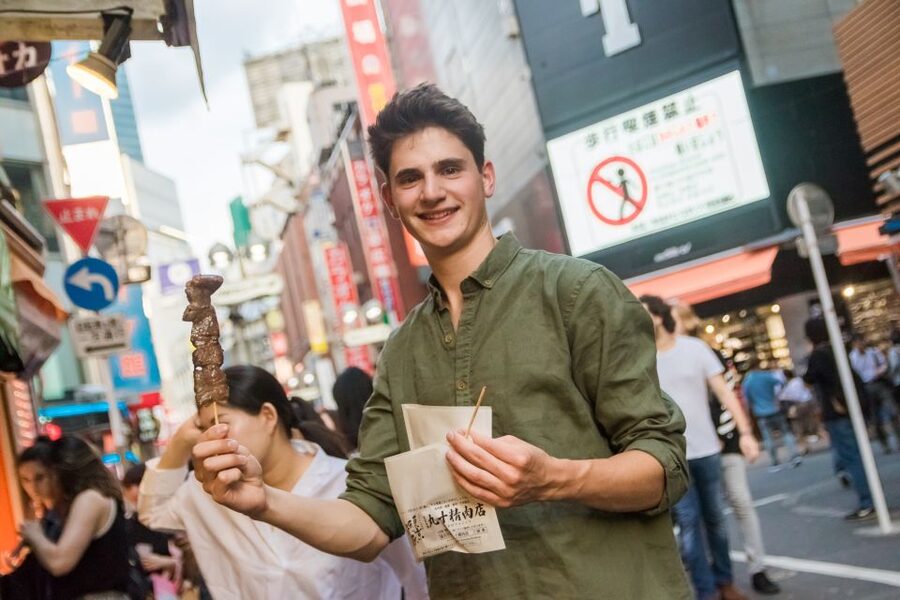
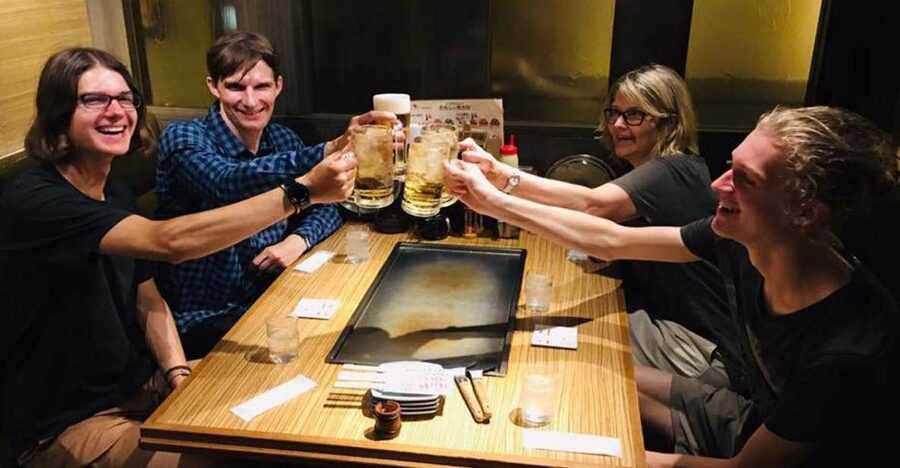
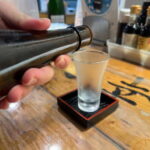
Two drinks are included, which changes the whole feel of a food tour. You’re not just chewing your way through a checklist. You’re getting a more complete meal rhythm, especially during the izakaya-style stop where ordering a drink is part of the social flow.
Most people do best when they plan to drink slowly. The tour includes multiple stops, and you’ll want your taste buds awake for the ramen and dessert finish. If you prefer non-alcoholic options, you might find it’s handled case by case, but the tour data confirms you do get two drinks as part of the package.
Also, bring an appetite mindset. Several people emphasize coming hungry. With small portions at each stop, it still adds up quickly. If you snack a lot earlier in the day, you might feel full before dessert, and that’s the last thing you want when depachika sweets are on the table.
A few more Tokyo tours and experiences worth a look

What to Wear and Bring (So You Don’t Waste Minutes)
This tour is built for walking. Plan on comfortable shoes and a steady pace. The meeting point is near a major station, and then you’ll move through busy streets and tight shop entrances.
Bring your passport. You’ll need a copy of your passport information for participants age 10 and over. That requirement is easy to forget until the last minute, so handle it before you arrive.
One more practical note: if you’re traveling with kids, the tour can work well because the guide can help keep things moving, sometimes even with planning for weather comfort. But it still involves standing and walking, and not every stop has seats.
Price and Value: Is $170 Reasonable for Shibuya?
At $170 per person for 3 hours, you’re paying for four main things: a guide, the structure of five food stops, and the included extras (two drinks and dessert), plus the convenience of getting into places you might not find on your own.
Here’s the value logic I’d use if I were deciding:
- You’d likely pay a similar total just for multiple meals in Shibuya, especially if you include drinks.
- You save time hunting for suitable spots with the right atmosphere for a short window.
- You gain cultural context and ordering confidence, which means you waste fewer meals on wrong guesses.
It’s not a cheap night out, but it is a focused one. If your plan is only to visit Scramble Crossing and eat whatever is closest, you’ll likely feel like you overpaid. If your plan is to taste a real cross-section of Shibuya food in a short time, the price starts to look fair.
Also consider this: small group size (up to 10) improves the experience quality. In at least one case, a group was so small the experience turned into a near-private tour, which is the kind of payoff that makes the higher price easier to justify.
Should You Book This Shibuya Food Tour?
Book it if you want a guided, high-efficiency food sampler in one of Tokyo’s most intense neighborhoods. This is a strong choice for first-time Shibuya visits, for food lovers who hate decision fatigue, and for anyone who wants depachika dessert without spending the whole evening planning it.
Skip it or reconsider if you dislike standing and walking, or if you only want one sit-down restaurant meal. Also, if you already plan to eat at the exact dishes included, you may feel less thrill from guided context.
My bottom line: if you come with comfortable shoes, a passport copy ready, and an appetite, this tour is a solid way to see Shibuya as more than a photo backdrop. The guides you get matter, and the track record for guides like Alex, Serena, Jane, Saika, and Maya suggests you’re likely in good hands.
FAQ
How many food stops are included?
The tour includes 5 food stops, plus dessert at the end.
What’s included in the price?
The price includes a variety of dishes at multiple food stops, 2 drinks, dessert, and a local English-speaking guide.
What does the tour cost and how long is it?
It costs $170 per person and runs for 3 hours.
Where do we meet in Shibuya?
Meet in front of the colorful Hachiko wall mural right outside the station at the Hachiko exit. Do not meet at the very crowded statue.
Do I need to bring my passport?
Yes. A copy of your passport information is required for participants aged 10 and over.
Is the tour in English, and how big is the group?
The tour is guided in English and is a small group limited to 10 participants.
What’s the cancellation timeframe?
You can cancel up to 24 hours in advance for a full refund.