REVIEW · TOKYO
Inside Tokyo’s Kitchen: Tsukiji Market, Food & Culture Tour
Book on Viator →Operated by Intrepid Urban Adventures - Japan · Bookable on Viator
Food walks beat phone scrolling in Tokyo. In this small-group Tsukiji Outer Market tour, you’ll try sushi, Japanese snacks, and wagashi sweets while a guide keeps you from getting lost in the maze. I especially like the limited group size and the fresh tastings. One thing to consider is that vegetarian and vegan choices are available, but the selection is limited.
You also get more than eating stops: the tour starts at Kabuki Inari Shrine and ends at Namiyoke Inari Shrine, adding context for Tokyo’s food culture beyond seafood counters. If you’re going for a Tokyo “morning mission,” starting at 8:00am and walking with a plan is exactly the kind of value you want in a short time window.
In This Review
- Key highlights you’ll feel right away
- Tsukiji Outer Market at 8:00am: why this timing works
- Price and group size: what $83.35 buys you in Tokyo
- Kabuki Inari Shrine kickoff near Kabukiza
- The Tsukiji Outer Market walk: sushi, snacks, and Kawaii Wagashi
- What you can expect to taste
- A practical reality: narrow aisles mean quick pacing
- Why a guide matters more than you think at Tsukiji
- Namiyoke Inari Shrine and the easy finish near Tsukiji Station
- What’s included (and what’s not) when it comes to food
- Vegetarian and vegan notes
- Comfort and timing tips that make the tour smoother
- Who this Tsukiji tour fits best
- Should you book this Tsukiji Market food and culture tour?
- FAQ
- Where does the tour start, and what time?
- How long is the tour?
- How big is the group?
- What’s included in the tastings?
- Is the tour good for vegetarians or vegans?
- Are drinks included?
- What should I wear?
- Where does the tour end?
- Can I cancel for a full refund?
- Does the tour require language skills?
Key highlights you’ll feel right away
- A maximum of six people keeps the pace human and questions easy to ask
- Fresh sushi and wagashi sweets are part of the actual experience, not optional add-ons
- Shrine stops before and after Tsukiji give you cultural grounding while you move through the area
- An 8:00am start helps you hit the market feeling energetic instead of hurried
- Translation support means you don’t need to decode menus or ingredients on the fly
Tsukiji Outer Market at 8:00am: why this timing works
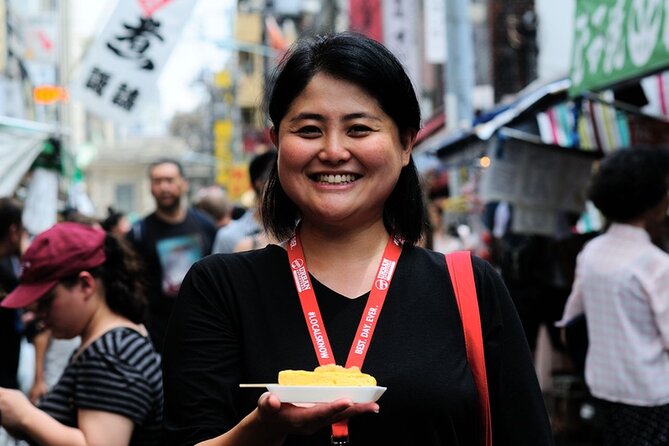
Tsukiji is one of those places where your first impulse might be to run—then you quickly realize it’s a lot. Streets feel narrow, stalls crowd close, and everything looks worth tasting. This tour fights that problem with an early 8:00am start. You’re not trying to squeeze in Tsukiji while the day gets louder and lines get longer.
You’ll also be walking a lot in about three hours total, so morning timing matters for comfort and energy. If you’re the type who likes to see Tokyo without spending hours standing still, this schedule is built for that.
And yes, the “Outer Market” focus is a real benefit. You still get the iconic Tsukiji vibe—seafood, produce, snack counters—but you’re not trying to navigate every tight corner of the bigger, more complicated areas. You’ll feel like you’re moving with a purpose.
You can also read our reviews of more food & drink experiences in Tokyo

Price and group size: what $83.35 buys you in Tokyo
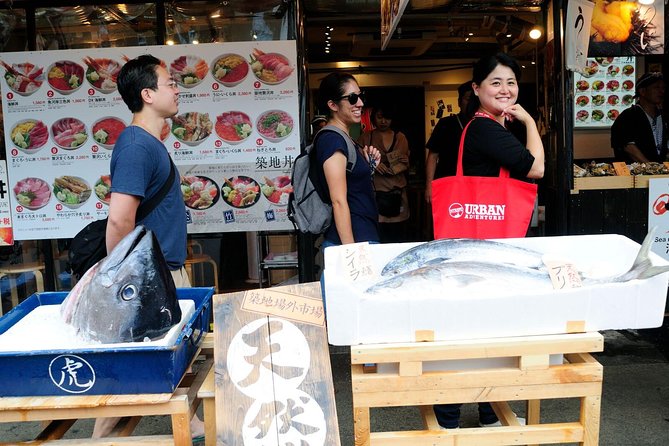
At $83.35 per person for about three hours, this isn’t a cheap snack crawl. It works because the tour is designed as a guided tasting experience, not a casual walk where you buy everything yourself.
The biggest value lever here is the maximum of six travelers. In a large market, groups spread out, and you end up playing catch-up while trying to smell your way to the best counter. With six, the guide can keep you together, explain what you’re seeing, and make sure you actually taste the highlights that make Tsukiji famous.
Also, your food tastings are included: freshly made sushi, local snacks, and wagashi sweets. Drinks and additional food aren’t included, so you might still want to pick up a water or non-included treat afterward. But for a short morning, the included sampling is the core payoff.
One more practical detail: this tour uses a mobile ticket, which keeps your day simple. And it’s often booked about a month ahead on average, so don’t wait until the last minute if your dates are fixed.
Kabuki Inari Shrine kickoff near Kabukiza
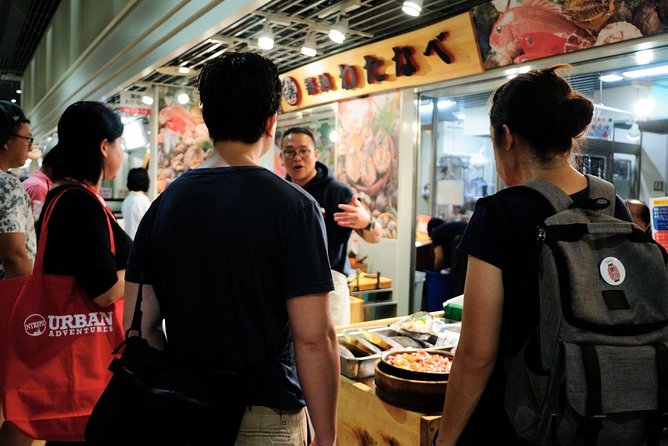
The tour starts at Kabuki Inari Shrine, right near Kabukiza (the Kabuki Theatre area). Before you hit any seafood, you get a quick cultural warm-up that makes the whole morning feel grounded.
You’ll learn about Kabuki—Japan’s distinctive mix of drama and dance—and you’ll take in the striking Kabuki-za architecture. It’s a smart start because it sets a theme: Tokyo’s food identity is tied to performance, tradition, and ritual. Inari shrines, in particular, show up across Japan as places of spirit and community.
This first stop is brief (about 10 minutes), and it’s free. Think of it as a calm introduction. It also helps you orient yourself early, so you’re not only trying to find the group and the market at the same time.
The Tsukiji Outer Market walk: sushi, snacks, and Kawaii Wagashi
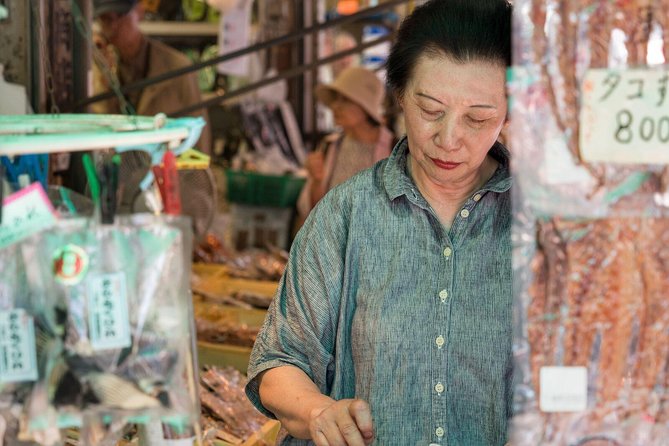
The heart of the tour is the Tsukiji Outer Market, where you’ll spend about two hours moving through narrow lanes and sampling as you go.
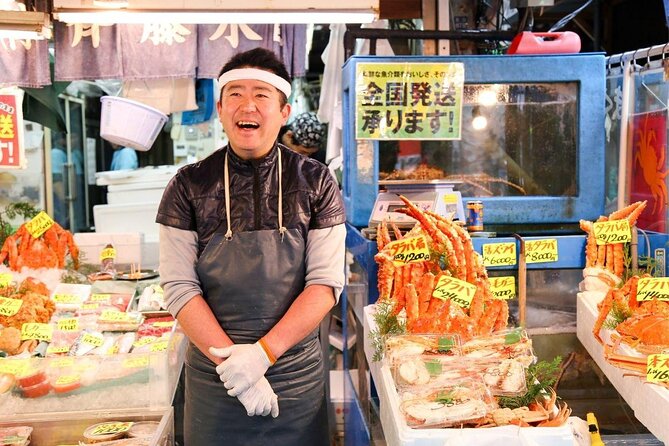
What I like about this approach is that it’s not just eat-and-go. You’re walking through seafood, vegetables, and snack stalls while your guide explains the food culture behind what you’re seeing. You get the sensory Tsukiji experience, but with context.
What you can expect to taste
The included tastings typically focus on:
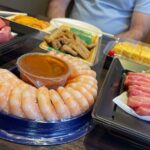
- Fresh sushi and other small bites
- Japanese snack foods you might not automatically pick yourself
- Kawaii wagashi sweets—those small, crafted Japanese confections that are as much about appearance as flavor
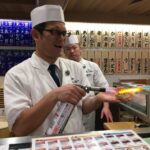
From guide and tour experiences shared by past participants, you may also encounter extras like real wasabi prepared in front of you, or more showy moments at a sushi stop. That kind of thing isn’t guaranteed, but it matches the tour style: you’re trying samples that go beyond packaged convenience.
A few more Tokyo tours and experiences worth a look



A practical reality: narrow aisles mean quick pacing
Outer Tsukiji isn’t designed for slow strolling. The walk is active, and tasting moments come in clusters. If you’re sensitive to crowds, bring patience—and good walking shoes. You’ll get more out of it if you’re ready to keep moving.
Why a guide matters more than you think at Tsukiji
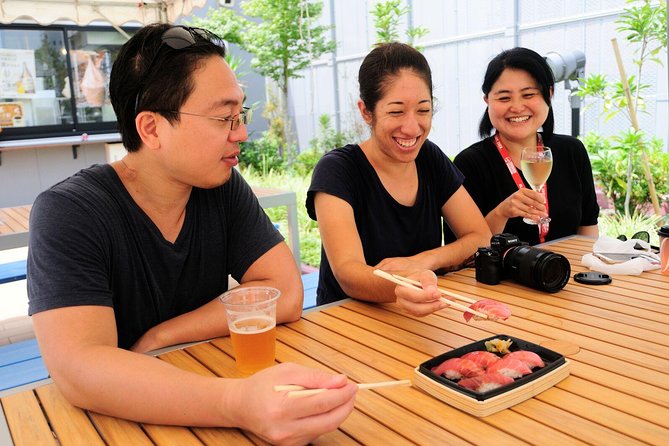
Even if you speak zero Japanese (and most people do), this tour is set up to prevent the common Tsukiji mistake: wandering without knowing what matters.
Here’s how the guide support shows up in real terms:
- Translation helps you understand what you’re eating and why it’s worth tasting
- You’ll get insider tips on what to look for as you move (not just what to order)
- The guide helps you avoid missing key areas, so you don’t spend your time hunting instead of sampling
It also helps that the tour is small-group by design. You’re less likely to get separated, and you’re more likely to hear explanations as you walk.
One more point: Tsukiji is famous, which means it’s also confusing for first-timers. With a guide, your morning feels like a checklist you can trust: see this, try that, then move on.
Namiyoke Inari Shrine and the easy finish near Tsukiji Station
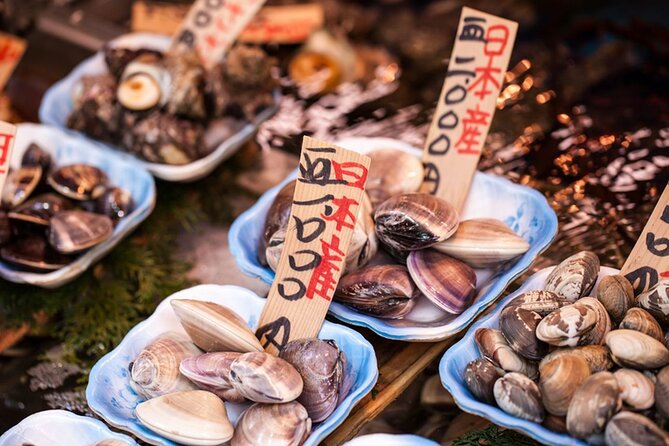
After the market, the tour ends at Namiyoke Inari Shrine and then you’ll have a short walk to the nearest station (about 10 minutes).
Namiyoke Inari Shrine offers the kind of quiet contrast that Tokyo does well. You get a brief reset after the sensory intensity of Tsukiji. The shrine visit is free and lasts about 10 minutes, but it’s more than a photo stop. It adds meaning to the morning’s theme of food culture and local tradition.
For logistics, finishing near Tsukiji Station (Hibiya Line) is a smart move. It means you can continue your day without spending your time backtracking across the city.
What’s included (and what’s not) when it comes to food
The tour includes tastings that focus on real Tokyo flavor: freshly made sushi, local snack bites, and wagashi sweets. It also includes shrine visits and a guided stroll through the market.
What’s not included is just as important:
- Drinks and any additional food beyond the included tastings
- Tips/gratuities for your guide
In practice, that means you should plan to drink water and maybe pick up something extra if you’re still hungry at the end. But you won’t arrive at Tsukiji needing to figure out everything yourself before you’ve even eaten.
Vegetarian and vegan notes
Vegetarian and vegan options are available, but the selection is limited. So if you have strict dietary needs, go in with flexible expectations about what you’ll be able to sample. A guided tour can help, but it can’t change the market’s core ingredients in every stall.
If you’re vegetarian (not vegan), you may find more options within the included tastings than if you require no animal products at all. Either way, it’s wise to be clear about your needs to your guide during the tour.
Comfort and timing tips that make the tour smoother
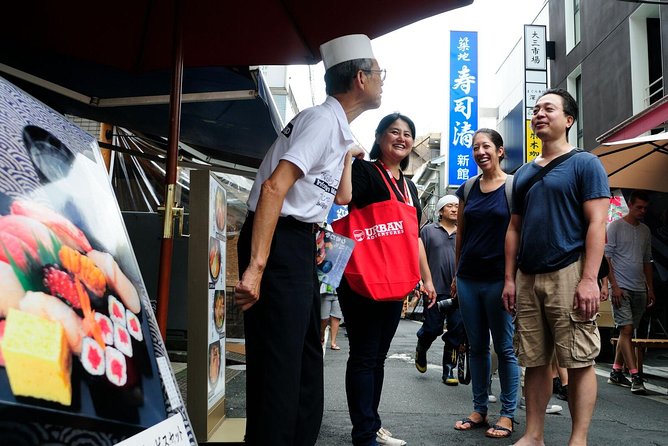
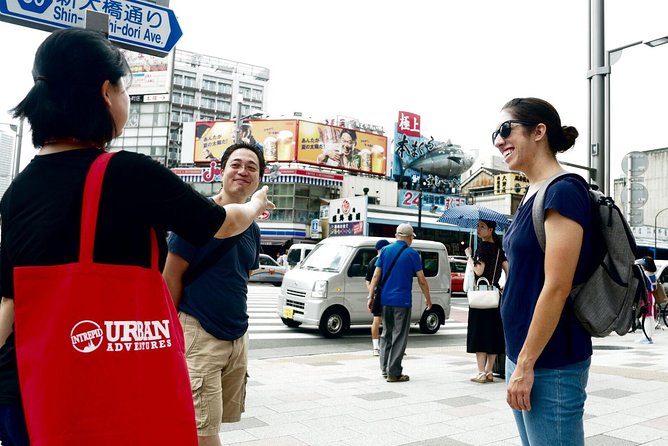
This kind of morning works best when you prepare for walking. The tour duration is about three hours, and you’ll be on your feet through crowded market streets.
A few practical points:
- Wear closed-toe shoes. The inner market floors can be wet, and you’ll feel better with sneakers you can trust
- Bring a light layer. Early mornings near the water and market areas can feel cooler than you expect
- Keep your phone charged. You’ll use your mobile ticket, and you’ll likely want maps for after the tour too
Also, start with an appetite. The included tastings are meant to keep you fed as you walk. People who are expecting a full meal sometimes leave surprised that the rest of the day still has room for more eating.
Who this Tsukiji tour fits best
This tour is ideal when you want:
- A guided introduction to Tsukiji without the stress of figuring it out alone
- A small-group experience where you can ask questions
- A mix of food and culture, not only sampling
It’s a great pick for first-timers who want a confidence boost fast. It also works for food lovers who aren’t only focused on fish—because you’ll taste snacks and wagashi sweets too.
It’s especially appealing if you like learning as you go: Kabuki context at the start, Inari shrines to frame the day, and explanations tied to what you’re tasting in the market.
Families can also do it. It’s child-friendly, and kids under 6 can join for free. Just remember that this is a walking-focused morning, so bring snacks and patience if you’re traveling with little ones.
Should you book this Tsukiji Market food and culture tour?
I’d book it if you want a guided Tsukiji morning that mixes fresh sushi tastings with real cultural stops and a manageable group size. The price makes sense for what you get: included sampling, translation help, and a plan that helps you avoid wasting time in a market that can easily eat up your morning.
I’d hesitate only if your vegetarian or vegan needs are strict and you’re worried the limited options won’t work for you. Also, if you hate crowds and fast pacing, you might find the market walk a bit intense even with a small group.
If your goal is to leave Tokyo’s Tsukiji area knowing what to look for and what to taste next time, this tour is built for that.
FAQ
Where does the tour start, and what time?
The tour starts at Kabuki Inari Shrine at 8:00am (meet near Kabukiza, Kabuki Theatre area).
How long is the tour?
It runs for about 3 hours.
How big is the group?
The tour is limited to a maximum of 6 travelers.
What’s included in the tastings?
You’ll savor freshly made sushi, local snacks, and wagashi sweets.
Is the tour good for vegetarians or vegans?
Vegetarian and vegan options are available, but the food selection is limited.
Are drinks included?
No. Drinks and additional food are not included.
What should I wear?
Wear closed-toe shoes since some market areas can have wet floors. Sneakers are recommended.
Where does the tour end?
It ends at Namiyoke Inari Shrine and then includes a short 10-minute walk to the nearest station. The area is accessible from Tsukiji Station (Hibiya Tokyo Metro Line).
Can I cancel for a full refund?
Yes, free cancellation is available if you cancel at least 24 hours before the experience’s start time.
Does the tour require language skills?
No. Your guide helps with translation, so you don’t need Japanese to enjoy the tastings and explanations.