REVIEW · TOKYO
Shinjuku Tokyo: Authentic Japanese Home-Style Culinary Class
Book on GetYourGuide →Operated by Wa No Kokoro Cooking Activity Class · Bookable on GetYourGuide
Tokyo does not need another food tour.
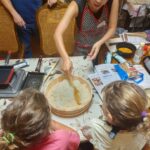
This Shinjuku-area cooking class turns you into the cook, not the spectator. You pick a menu, chop and stir, then sit down to eat what you made, guided in English by hosts like Kana and Lulu, often with lots of patient Q&A.
I especially like that the dishes are true crowd-pleasers you can recreate later at home, from okonomiyaki and yakisoba to gyoza and takoyaki. The class is also built to handle dietary needs, including vegetarians and vegans, if you plan ahead.
One possible drawback: the exact address is shared after booking, and if another group joins the same day, you might not always get the menu you chose.
In This Review
- Quick reasons this class earns a 4.9
- Why Shinjuku and a home kitchen setup feels special
- Choosing Your Menu: from okonomiyaki sets to a gozen feast
- Menu A: Okonomiyaki + Yakisoba set
- Menu B: Gyoza + Takoyaki set
- Menu C: Rolled sushi + Teriyaki set
- Menu D: Traditional gozen set
- Menu E: Request-based plan
- The 150-minute flow: what happens in your kitchen time
- The techniques you’ll actually use again at home
- Okonomiyaki skills (Menu A)
- Yakisoba skills (Menu A)
- Gyoza skills (Menu B)
- Takoyaki skills (Menu B)
- Sushi rolling and chop skills (Menu C)
- Teriyaki finishing (Menu C)
- Gozen assembly (Menu D)
- Dietary needs and allergy planning: what to tell them
- Instructor energy: why it feels personal even in a studio class
- Location near Shinjuku: finding the kitchen studio without wasting time
- Price and value: what $88 really buys you
- Who should book this Shinjuku cooking class
- Should you book?
- FAQ
- What is the duration of the Shinjuku home-style cooking class?
- How much does it cost per person?
- Where does the class meet?
- Can I choose what we cook?
- What menu options are available?
- Does the class accommodate dietary preferences like vegetarian or vegan?
- What about food allergies?
- Is instruction provided in English?
- What is included in the price?
Quick reasons this class earns a 4.9
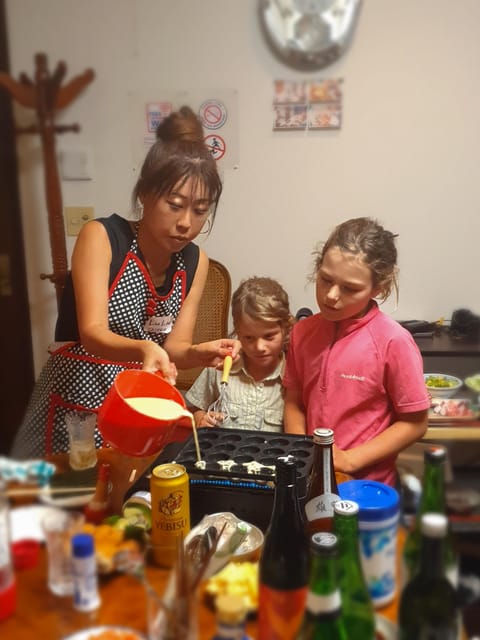
- Pick a menu from classic options (A to D), or request a custom plan
- Hands-on cooking of several dishes, not just a demo
- English instruction with friendly, practical technique explanations
- Dietary support including vegetarian and vegan preferences (plus allergy planning)
- Popular Japanese comfort foods you can actually cook again at home
- Real value: tools, ingredients, and cooking time are included, with recipes sent afterward in many cases
Why Shinjuku and a home kitchen setup feels special
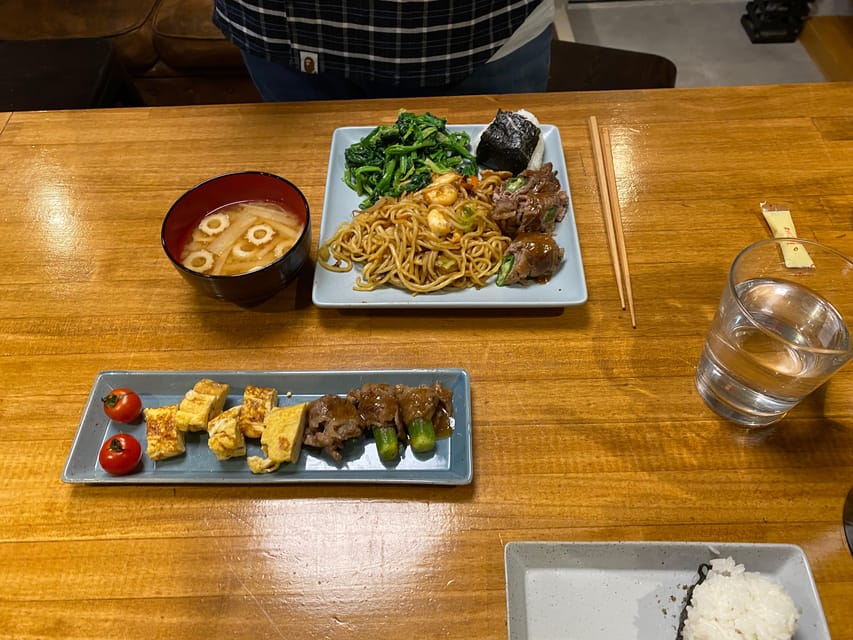
Shinjuku is loud, fast, and packed with choices. This class cuts through that. Instead of hopping from restaurant to restaurant, you get a real kitchen rhythm: prep, cook, taste, adjust, then eat as a group.
What makes it work is the format. You are not learning Japanese cooking theory from a book. You are learning it while the pan is hot and the sauce is changing. That is where technique sticks.
Also, the teaching style tends to be warm and practical. Names you may meet include Kana, Kayo, Lulu, Mika, Miyuki, and Chieko, and the general pattern is the same: they explain what matters in ingredients and steps, then keep you moving so you actually cook.
You can also read our reviews of more tours and experiences in Tokyo.
Choosing Your Menu: from okonomiyaki sets to a gozen feast
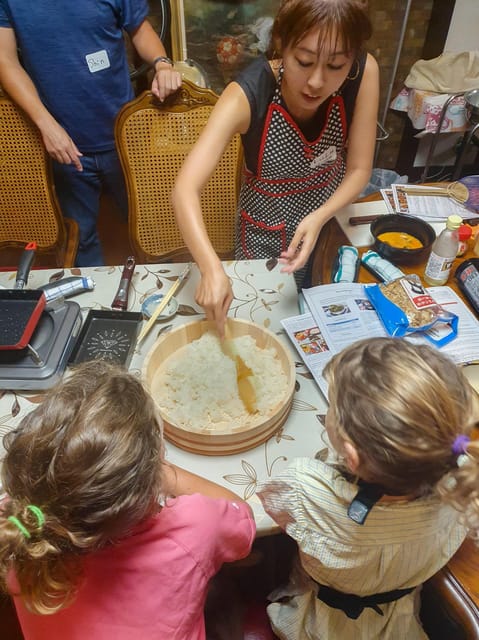
When you book, you can select one of several menu options. There are four main choices (A to D) plus an option to request something else (menu E). One more real-world note: if you are the only attendees on the day, you are more likely to lock in the menu you want. If another group is attending the same class time, menu selection may be limited.
Here is what each menu typically includes:
Menu A: Okonomiyaki + Yakisoba set
This is a great pick if you like savory comfort. You learn to make okonomiyaki, a batter-and-cabbage savory pancake cooked on a hot grill or griddle, then you make yakisoba, a stir-fried dish using ramen noodles with vegetables and that thick sweet-savory sauce people line up for.
The side dish is designed to round out the meal, so you leave feeling like you ate a proper Japanese home lunch, not just snacks.
Menu B: Gyoza + Takoyaki set
If you want something fun and hands-on, this is it. Gyoza are pan-fried dumplings with crisp bottoms. Takoyaki are the classic Osaka-style ball-shaped dumplings, and they are often associated with festival food, which makes this set feel playful but still very “Japanese kitchen.”
This menu is also a strong choice if you enjoy crunchy textures plus a sauce-driven finish.
Menu C: Rolled sushi + Teriyaki set
This option is about building confidence with sushi you can make at home. You roll and chop your own pieces instead of relying on store-bought sushi. You pair the rolls with a teriyaki option (often listed as yellowtail fish or chicken) plus miso soup.
If you have ever felt intimidated by sushi, this is a good place to learn the basics without the pressure of a restaurant kitchen.


Menu D: Traditional gozen set
A gozen set is the “little of everything” approach. You get a meat plate, a fish plate, a side dish, miso soup, and onigiri rice balls.
This is a solid choice if you want the most complete picture of a Japanese home-style meal and you like variety.
Menu E: Request-based plan
If none of the menu letters fit, you can request a menu and discuss options together. This is especially useful if you have preferences that matter to you, or if you want something slightly different while still staying in the home-cooking lane.
The 150-minute flow: what happens in your kitchen time
The class runs about 150 minutes. That is enough time to do real cooking without rushing your meal.
A typical flow looks like this:
- Welcome and setup
You meet the instructor team and get briefed on what you will make. Expect explanations in English and plenty of chances to ask questions.
- Ingredient prep
Some ingredients may be prepared beforehand. That helps the class run smoothly so you spend your energy cooking, tasting, and learning technique rather than cutting every single ingredient from scratch.
- Cooking in stages
Each dish has its own rhythm: heat level, timing, and texture targets matter. You’ll generally work through cooking steps in an order that builds toward the full meal.
- Eating together
After everything is ready, you sit down and enjoy what you cooked. Multiple reviews highlight that the portions feel filling enough to last the rest of the day, even if you arrived hungry.
- Takeaway support
Many classes include recipes you can use later, and in some cases photos are shared from the experience. That matters because it turns your class memory into a real cooking plan.
The techniques you’ll actually use again at home
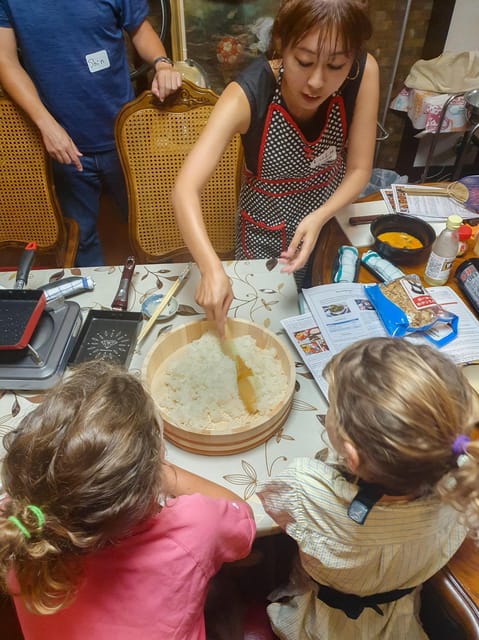
The reason this class is popular is simple: you practice the actions, not just the ideas.
Here are some of the practical skills tied to the menu choices:
Okonomiyaki skills (Menu A)
You learn how batter plus chopped cabbage turns into a cohesive pancake on the griddle. What you are really practicing is managing thickness, heat, and flipping so it stays together and cooks through.
You also get familiar with how Japanese sauces and toppings bring the final flavor balance.
Yakisoba skills (Menu A)
Yakisoba looks casual, but the sauce matters and the timing matters. You learn to stir-fry noodles with vegetables so the dish tastes like it came from a stall, not a pot of noodles.
Gyoza skills (Menu B)
Gyoza are where crisp texture happens. You get the pan-frying technique and the timing that keeps the dumpling base crisp while the inside becomes tender.
Takoyaki skills (Menu B)
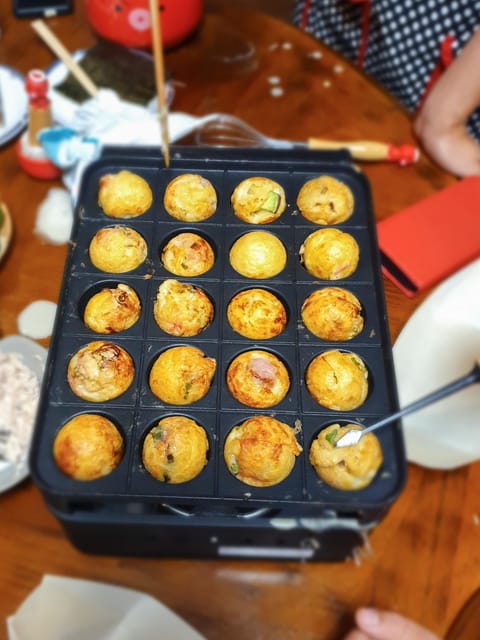
Takoyaki rewards attention. You learn how the mixture sets in the mold and how to manage flipping or turning so you get that classic ball shape and even browning.
Sushi rolling and chop skills (Menu C)
Rolling sushi sounds simple until you do it. In this class, you practice rolling and cutting so you can make pieces that look like what you ate. You also learn how to pair with miso soup and teriyaki to complete the meal.
Teriyaki finishing (Menu C)
Teriyaki is basically controlled sweetness and savory depth. The key is learning how to cook it until it clings and tastes right, not just warming up sauce.
Gozen assembly (Menu D)
Gozen is about balance. You’re practicing the idea of a meal that feels complete: rice (onigiri), soup (miso), and plated sides (meat and fish plus a side dish).
This menu is great if you like meals that feel “done” even when you are home cooking.
Dietary needs and allergy planning: what to tell them
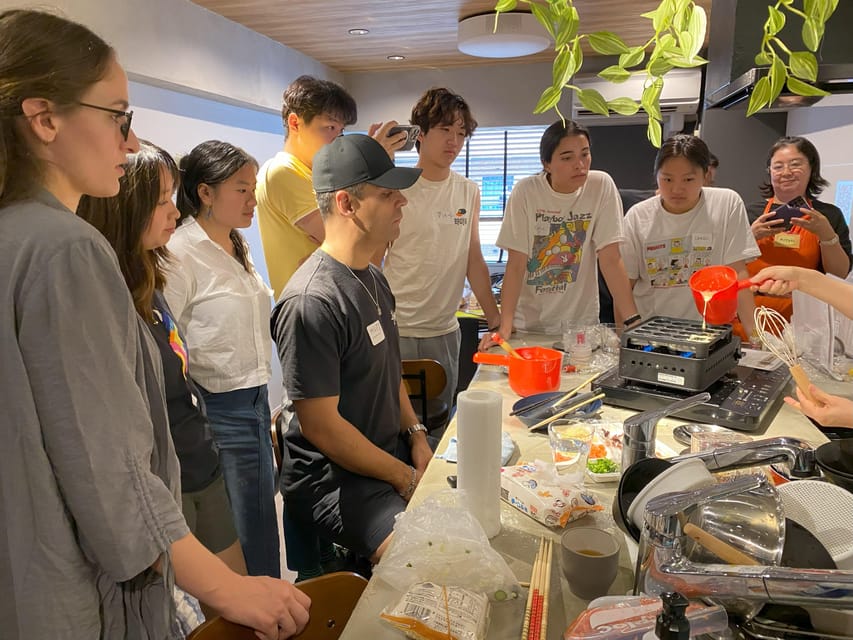
Food rules matter. This class is set up with that in mind.
They mention accommodating dietary preferences, including vegetarians and vegans, and they ask that you inform them ahead of time if you have food allergies. You can discuss menu options based on what is safe for you.
That advance communication is not a small detail. It often decides whether you get a meal that feels like yours, not a compromise plate of leftovers.
If you have gluten sensitivity, seafood allergies, or strict ingredient limits, you should send the details clearly when you book. The more specific you are, the easier it is for the instructor team to adjust the menu.
Instructor energy: why it feels personal even in a studio class
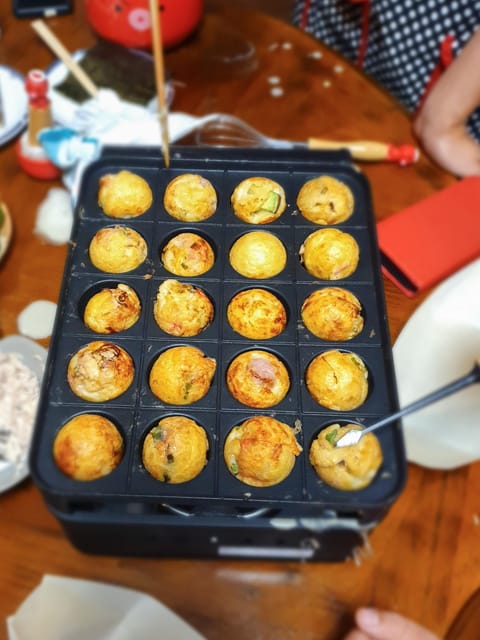
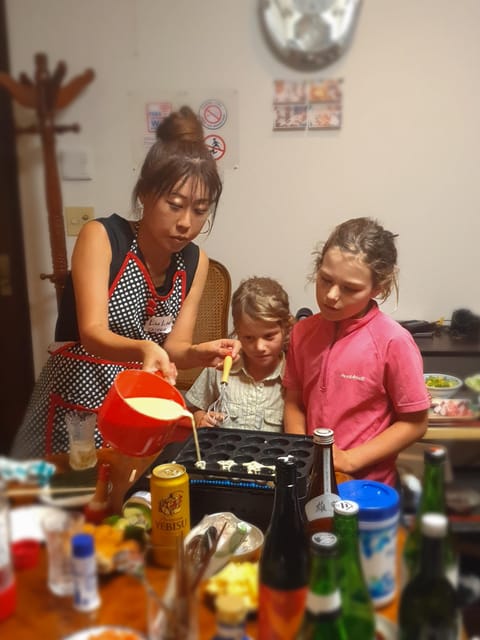
You are working with an instructor who teaches you through decisions: heat, texture, sauce timing, and what to fix if something goes off.
Names that appear in recent classes include Kana, Kayo, Lulu, Mika, Miyuki, and Chieko. The common thread is that they are not just cooking along. They explain ingredients, share context about the dishes, and keep you comfortable enough to ask follow-up questions.
One nice touch that shows up repeatedly: they help you feel proud of the result. That can be through plating guidance, technique coaching, and making sure you understand what you made so you can repeat it later.
Location near Shinjuku: finding the kitchen studio without wasting time
The class is in or around Shinjuku, and the exact address is provided after booking. That means you need to watch for the message and plan arrival time with a buffer.
One practical heads-up: studio buildings can be tricky to navigate if you end up at the wrong entrance or hallway. Build in extra minutes, especially the first time you go.
Also, private transportation is not included, so plan on using public transit or taxis if you are coming from farther out. If you are pairing the class with other Shinjuku plans, give yourself time to get settled before cooking starts.
Price and value: what $88 really buys you
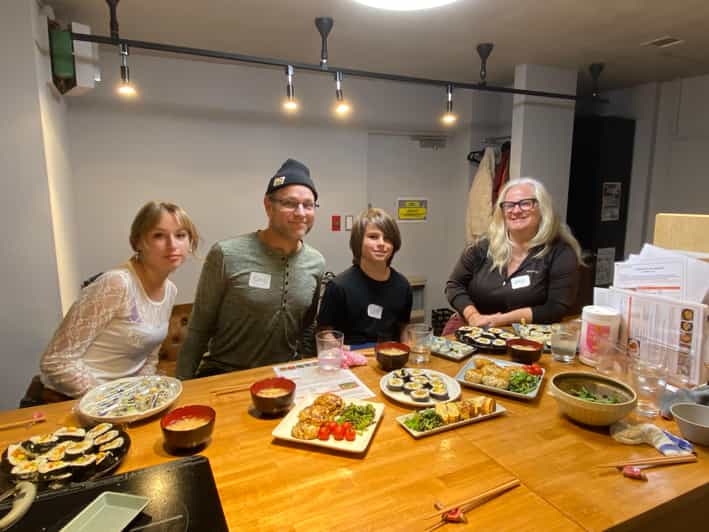
At $88 per person for about 150 minutes, you are paying for more than an activity. You are paying for:
- Ingredients for multiple dishes
- Cooking tools used in the class
- Drinking water
- An English-speaking instructor and assistants
- Time to cook, eat, and learn techniques you can repeat
A big part of the value is the “food you didn’t just taste.” You leave with skills tied to items like okonomiyaki, takoyaki, sushi rolling, gyoza frying, and gozen-style plating. That is hard to get from a meal at a restaurant.
You can also expect to want gear afterward. In at least one case, a participant bought a pan soon after so they could recreate the dishes.
The main situation where the value might feel less strong: if you already cook Japanese food at home and you want a more sightseeing-heavy day. If that is you, you may feel like this is a skills session more than a Tokyo experience.
Who should book this Shinjuku cooking class
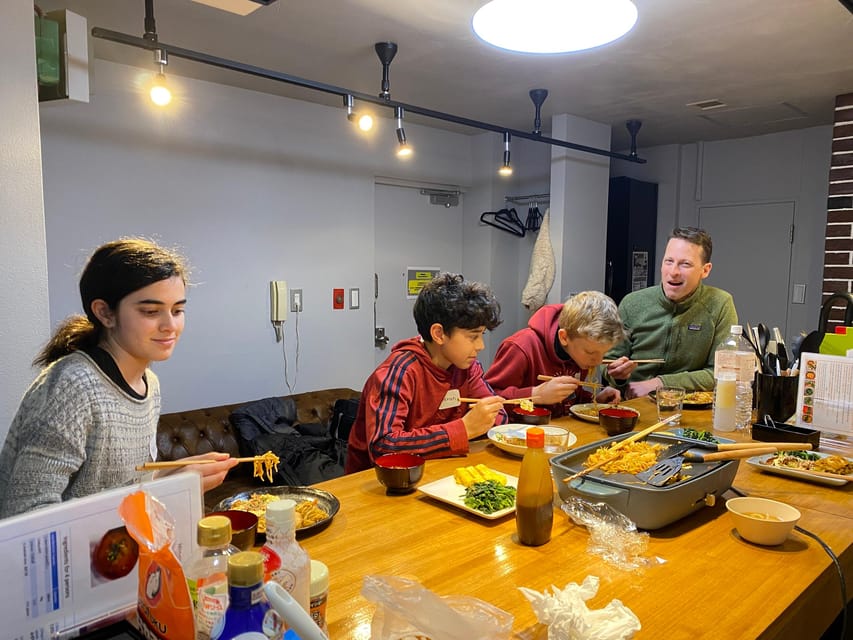
This is a great fit if you want:
- Hands-on Japanese cooking with clear steps
- Classic dishes you can reproduce later
- A cozy, small-kitchen setting near central Tokyo
- Diet-friendly planning with vegetarian/vegan options and allergy discussions
- English teaching plus cultural context around ingredients and dishes
It can also work well for families. Some classes mention kids in the group and highlight that the format is accessible when the instructor keeps steps clear.
If you dislike cooking during vacation, or if you only want to watch someone else work, you may find it less satisfying than a pure demonstration class.
Should you book?
If your Tokyo plan includes eating great Japanese food but you also want a skill you can take home, this is an easy yes. You get multiple home-style dishes, strong English instruction, and real guidance on technique—plus support for dietary needs if you communicate early.
Book it especially if you want Shinjuku to feel less like crowds and more like a calm kitchen session. Skip it only if you are short on time, don’t want to cook at all, or have very complex dietary requirements and haven’t planned to message them in advance.
FAQ
What is the duration of the Shinjuku home-style cooking class?
The class lasts about 150 minutes.
How much does it cost per person?
The price is listed at $88 per person.
Where does the class meet?
You meet at a kitchen studio in or around Shinjuku, Tokyo. The exact address is shared after you book.
Can I choose what we cook?
Yes. You can select one of four menu options when you book, and you can also request another menu. In some cases, menu choice may be limited if another group attends the same class day.
What menu options are available?
The main options include:
- Okonomiyaki and yakisoba set (with side dishes)
- Gyoza and takoyaki set (with side dishes)
- Rolled sushi and teriyaki set (with side dishes and miso soup)
- Traditional gozen set (miso soup, onigiri, plus meat and fish plates)
Does the class accommodate dietary preferences like vegetarian or vegan?
The class is designed to accommodate dietary preferences, including vegetarians or vegans.
What about food allergies?
If you have food allergies, you should tell them in advance. The team can discuss menu options based on your needs.
Is instruction provided in English?
Yes. The instructor teaches in English.
What is included in the price?
Included items are cooking tools, ingredients, drinking water, and all fees and taxes. Private transportation is not included.