REVIEW · HUATULCO
Street Food Cooking Class
Book on Viator →Operated by Chiles & Chocolate Cooking Classes · Bookable on Viator
Corn, chiles, and chocolate—taught like a village story. This small-group workshop in Zimatan (near Huatulco) turns regional Oaxacan cooking into a real-life lesson in how corn, chiles, and chocolate show up in everyday meals. You’ll cook, taste, and leave with a souvenir recipe book to recreate the dishes later.
I especially like that you’re not just watching—you get practical coaching while making things like handmade tortillas and fresh salsas. I also like the historical context from the instructor (Jane is often described as a food historian and storyteller), which helps the food click instead of feeling random.
One possible drawback: the trip to the village is a bit of a drive, and on hot days you’ll feel it. If you’re sensitive to heat, plan to take the shade and water breaks seriously.
In This Review
- Key highlights worth knowing
- A village-based Oaxacan cooking class in Zimatan
- What you’ll cook: tortillas, salsas, empanadas, and hibiscus margaritas
- Handmade tortillas: the skill you’ll actually use later
- Fresh salsas: learn flavor balance, not just chopping
- Empanadas and fillings: practical street-food comfort
- Hibiscus margaritas (and sometimes Jamaica)
- The 9:00 AM start: pickup, ride, and what to expect on the way
- Stop 1: the Chiles & Chocolate cooking session
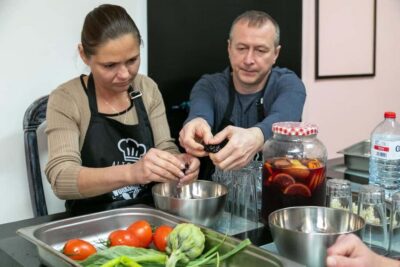
- Hands-on steps, not a stand-and-watch show
- Lunch is part of the class, not an afterthought
- Why the price can make sense for Huatulco
- Who this is best for (and who might want to skip it)
- Comfort and prep tips that actually help
- Should you book this Huatulco cooking class?
- FAQ
- What’s the duration of the Street Food Cooking Class?
- Where does the class take place?
- What’s the price per person?
- Does the tour include pickup and drop-off?
- Is the class offered in English?
- How many travelers are in the group?
- What’s included with the price?
- What time does the experience start?
- Are there any rules for children?
- What’s the cancellation policy?
Key highlights worth knowing
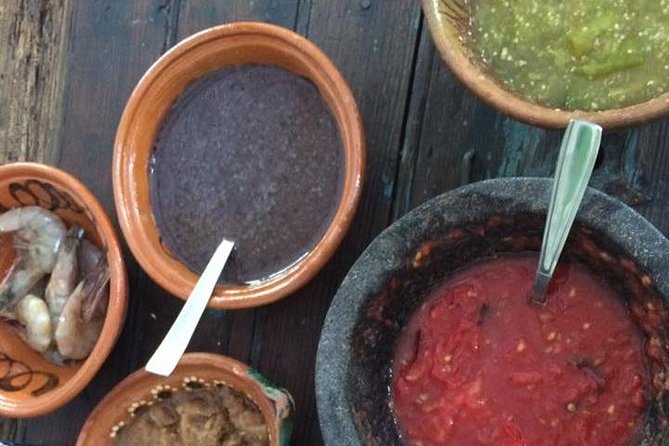
- Zimatan village setting with a calm, outside-the-city feel
- Max 16 travelers, so you actually get hands-on time
- Handmade tortillas + fresh salsas built with traditional methods
- Hibiscus margaritas paired with what you cook (some sessions note Jamaica/hibiscus)
- Souvenir recipe book for making the same dishes at home
- Hotel/port pickup and drop-off with a driver sign that reads Chiles&Chocolate Cooking Classes
A village-based Oaxacan cooking class in Zimatan
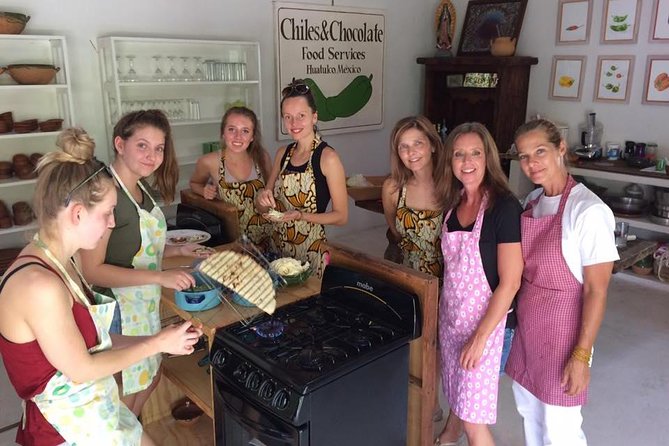
This isn’t a factory-style cooking demo. The experience is set in the village of Zimatan, where the whole morning has that “real people eat this” rhythm. The class starts with a big idea: corn isn’t a side dish—it’s the backbone. That matters because once you understand corn’s role, everything else you cook starts to make sense: the chiles, the sauces, the fillings, and how flavors balance.
The class also brings a cultural layer that feels practical, not academic. You’ll learn why certain ingredients are used and how village life shaped cooking routines. That’s part of what people love most—food as something living, not just something on a menu.
And you’ll appreciate the small group size. With up to 16 travelers, it stays active. You’re not waiting for your turn behind a camera-wielding crowd. Instead, you can jump into the steps—mixing, shaping, tasting, adjusting—while the instructor guides the process.
You can also read our reviews of more food & drink experiences in Huatulco
What you’ll cook: tortillas, salsas, empanadas, and hibiscus margaritas
The day is built around a street-food style menu, meaning a mix of handheld comfort and sauce-and-stuff classics. A sample menu includes:
- Tacos with handmade tortillas
- Fresh salsas
- Empanadas
- Hibiscus margaritas
- Plus: beverages and lunch built from what you make
Even if the exact dishes shift slightly from day to day, the focus stays consistent: tortillas and sauces are center stage. And from the way the class is described, the tortilla part isn’t just a final step—it’s the core skill. You’ll learn methods used in-country, which is exactly why this kind of class feels different from the “mix ingredients in bowls” version.
Handmade tortillas: the skill you’ll actually use later
If you want a takeaway you can repeat, tortillas are a smart bet. People leave excited because it’s both hands-on and tangible. You’ll see how dough texture and cooking timing change the result, not just the recipe. The goal is that you can reproduce it at home using the methods you practiced, not just an approximation.
Fresh salsas: learn flavor balance, not just chopping
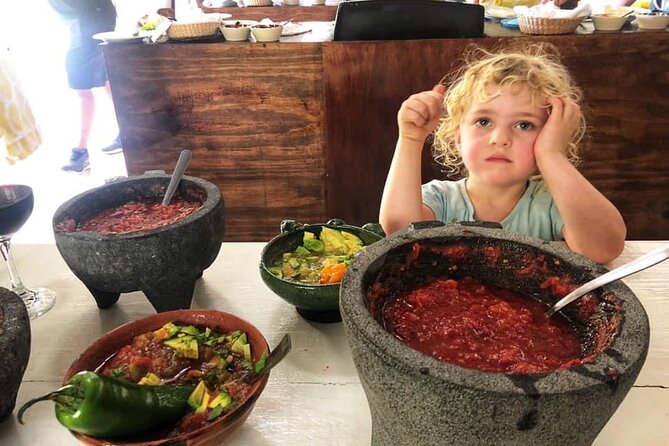
Salsa in Mexico isn’t one thing. It’s a way of combining heat, tang, and depth. In this class you build salsas as part of the meal, which makes your tasting more meaningful. You’re not just collecting recipes—you’re learning how to adjust flavors while you’re still in “test mode.”
Empanadas and fillings: practical street-food comfort
Empanadas are a classic reason to book a cooking class because they hit that sweet spot: fun to make, easy to share, and satisfying to eat. This class includes them on the sample menu, so you’ll likely get hands-on experience with shaping and filling as well as the sauce/condiment logic that goes with them.
Hibiscus margaritas (and sometimes Jamaica)
The drink is part of the flavor education. Hibiscus shows up as a bright, tangy partner to the food. In some sessions, you might hear the drink referred to as Jamaica/hibiscus, but the idea is the same: a colorful regional taste that feels made for the meal you just cooked.
The 9:00 AM start: pickup, ride, and what to expect on the way
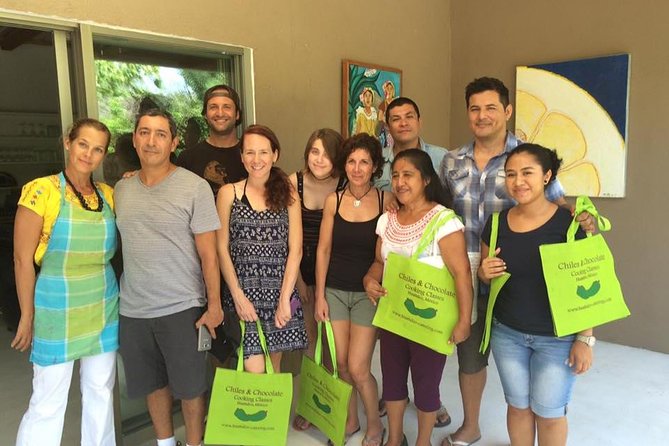
The class begins at 9:00 am and runs about 3 hours 30 minutes. That timing is one of the quiet reasons this works well for a trip: you get a full cultural food experience without losing your entire day to slow attractions.
Pickup is part of the deal. You get hotel/port pickup and drop-off, and the driver will have a sign that says Chiles&Chocolate Cooking Classes. So you’re not left trying to figure out the meeting point by guesswork.
One detail to plan for: getting to the village can involve some driving, and a couple of people noted the ride wasn’t the most comfortable part of the experience. It’s not a deal-breaker, but it is worth knowing so you can set expectations. If you’re prone to motion sickness, it’s smart to come prepared.
Also, the class can be hot. Several comments mention that heat was a real factor on the day they went. That means you’ll want practical comfort basics—sunscreen, a hat, and a light layer you can remove once you’re in shade.
Stop 1: the Chiles & Chocolate cooking session
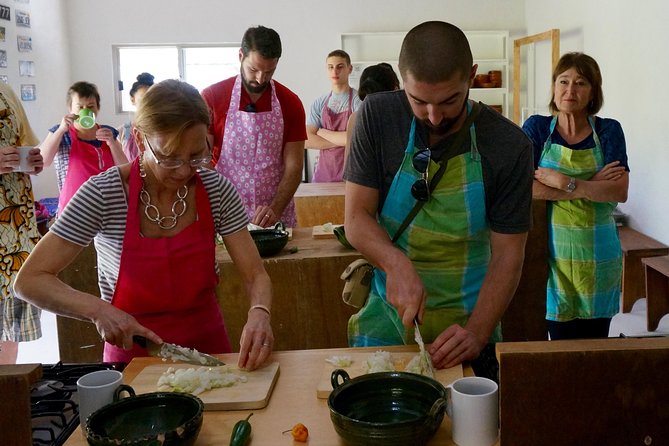
The cooking portion centers on Chiles&Chocolate Cooking Classes. That name isn’t marketing fluff—it reflects the flavor story of the region. Chiles drive heat and depth; chocolate (in Mexican cooking, especially) brings complexity that isn’t the same as dessert chocolate elsewhere.
What I like about this structure is that it gives you a cooking framework. You’re learning how ingredients behave together, not just following steps. Once you understand chiles and chocolate as part of the same flavor world, it becomes easier to adapt at home when you can’t find the exact product.
Hands-on steps, not a stand-and-watch show
This is the kind of class where you should expect to get involved. People consistently describe it as hands-on and engaging, with everyone able to participate. With a group capped at 16, the pace stays interactive enough for you to actually learn.
You’ll also get guidance while you work—so if something feels off, you can correct it immediately rather than finishing a “wrong” version. That’s how you leave with confidence instead of just a plate of food.
Lunch is part of the class, not an afterthought
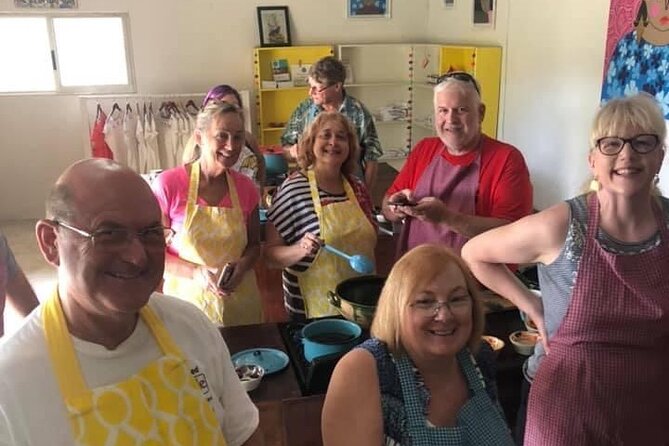
You don’t just cook and go. Lunch is included, and it’s built from what you prepare. That matters because it ties learning to results. You can taste what your choices do—how a salsa changes when it’s adjusted, how a tortilla tastes when it’s cooked with care, how fillings hold up.
It’s also a social part of the experience. Even if you go solo, you’ll likely end up chatting during the shared meal. Cooking classes that feel like a workshop instead of a performance are especially good for travelers who want conversation without forcing it.
Why the price can make sense for Huatulco
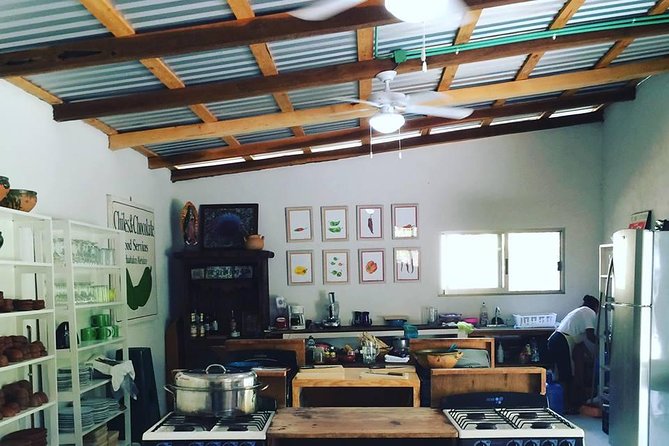
At $110 per person, the class isn’t the cheapest activity in town. But it does include a lot that adds up quickly:
- 3.5 hours of instruction and hands-on cooking
- Lunch plus beverages
- Hotel/port pickup and drop-off
- Small group size (max 16)
- A souvenir recipe book you can use at home
For me, the value comes down to this: you’re paying for an experience that gives you skills and context, not just a meal. The recipe book helps the meal last beyond the day. The hands-on parts—especially tortillas and salsa—are the type of cooking learning you’ll actually use again.
One more practical point: it’s often booked about 23 days in advance on average. That’s a sign it’s popular, likely because it combines food + culture + a manageable group size. If you’re set on going, booking earlier is a smart move.
Who this is best for (and who might want to skip it)
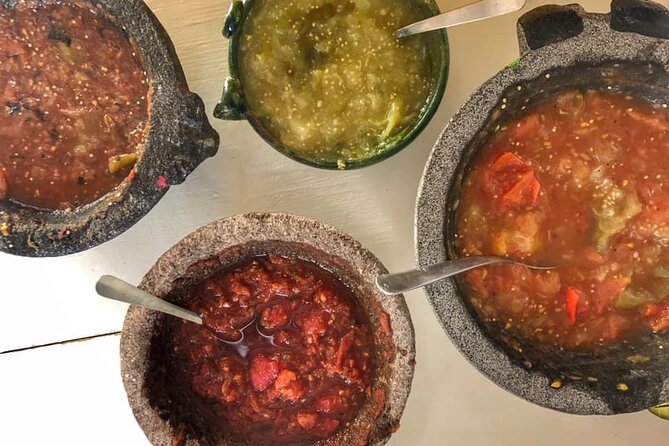
This fits especially well if you’re:
- Traveling solo and want a friendly, structured activity where you’ll be doing something the whole time
- Going as a couple or small group and want a shared, hands-on memory
- Interested in how food connects to local life—especially corn and Oaxacan-style flavors
- Looking for something more authentic than a typical restaurant meal
It may be less ideal if:
- You hate hands-on cooking and prefer pure sightseeing (this is fundamentally a cook-and-eat class)
- Heat makes you cranky or uncomfortable. The class is described as happening outdoors/shaded in a village setting, but on hot days it can still be warm.
Comfort and prep tips that actually help
Since heat and travel time can be factors, I’d pack for comfort first:
- Wear breathable clothes and shoes you can move in comfortably
- Bring sunscreen and a hat
- Use water breaks seriously if you tend to get dehydrated
- Expect a morning start at 9:00 am, so eat a light breakfast unless you prefer to wait until the class meals
If you have dietary restrictions, I’d still ask ahead when booking. The provided details list a sample menu, but the exact dishes might vary by session.
Should you book this Huatulco cooking class?
I’d book it if you want a morning with real food skills—handmade tortillas, fresh salsas, and empanadas—paired with a clear explanation of why ingredients matter. The small group size and the included lunch/beverages make the day feel complete, not rushed.
I’d think twice only if you’re uncomfortable with heat or you’d rather spend your limited time in Huatulco on beach-and-town wandering instead of cooking. If you’re deciding between “eat out” and “learn how to cook,” this one leans toward the second option in the best possible way.
FAQ
What’s the duration of the Street Food Cooking Class?
It runs about 3 hours 30 minutes (approx.).
Where does the class take place?
It’s held in the village of Zimatan in the Huatulco area.
What’s the price per person?
The price is $110.00 per person.
Does the tour include pickup and drop-off?
Yes. Hotel/port pickup and drop-off are included, and the driver will have a sign that says Chiles&Chocolate Cooking Classes.
Is the class offered in English?
Yes, it’s offered in English.
How many travelers are in the group?
The tour has a maximum of 16 travelers.
What’s included with the price?
You’ll get beverages and lunch, and transportation via hotel/port pickup and drop-off.
What time does the experience start?
The start time is 9:00 am.
Are there any rules for children?
Yes. Children must be accompanied by an adult.
What’s the cancellation policy?
You can cancel for a full refund up to 24 hours before the experience’s start time. Changes within 24 hours aren’t accepted.