REVIEW · TOKYO
Shinjuku: Food Tour – 15 Dishes & 3 Drinks at 4 Eateries
Book on Viator →Operated by Local Guide Stars · Bookable on Viator
Shinjuku at night tastes like a movie set. This Shinjuku Food Tour mixes guided wandering with real local eating: 15 dishes and 3 drinks across four different spots in Tokyo’s nightlife maze.
I especially love the variety built into the route—things like sushi, crispy kushikatsu, and juicy gyoza show up alongside Japanese sake. And I like the people side too; guides such as Ayaka and Naoto are repeatedly praised for steering groups through Shinjuku without losing the thread.
One thing to keep in mind: walking pace and crowding can be tight. If your group gets separated or falls behind, it can turn from fun intro to frustrating catch-up, especially between later stops where direction matters.
In This Review
- Quick hits
- Shinjuku After Dark: What This Food Tour Is Really For
- Price and Value: Why $112.75 Can Make Sense
- Meeting at Shinjuku Station: Your First Win Against Stress
- Omoide Yokocho: Izakaya Backstreets and the First Big Bite
- Kabukicho’s Local-Locked Izakaya: Food Meets Midnight Crowds
- Shinjuku Golden Gai: Tiny Bars, Big Social Energy
- The Fourth Eateries and the Full Menu Spread
- Drinking on the Tour: Beer and Sake Without the Guesswork
- Group Size, Pacing, and Comfort: How to Have a Smooth Night
- What Guides Get Right Here (Names You’ll See Mentioned)
- When It Can Go Wrong: A Realistic Caution
- Should You Book This Shinjuku Food Tour?
- FAQ
- What is included in the tour price?
- How long does the tour last?
- Where do we meet, and where does the tour end?
- How many people are in the group?
- Is there a mobile ticket?
- Is it near public transportation?
- What kinds of food should I expect?
- Are alcoholic drinks included?
- Will I need to remove my shoes at any point?
- Can I cancel for a full refund?
Quick hits
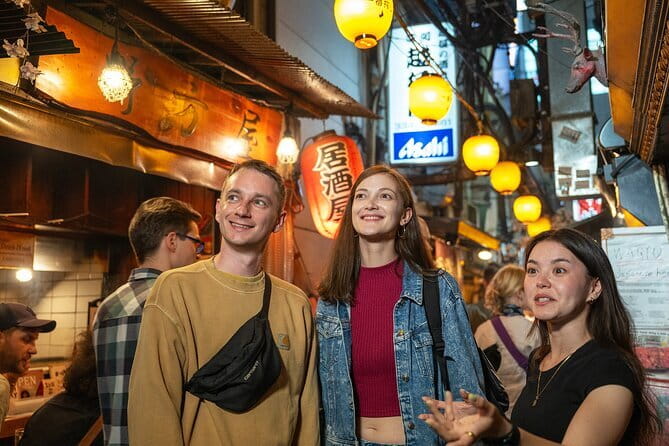
- 15 dishes + 3 drinks included, so you can plan your budget for a full night out
- 4 local eateries across Shinjuku, including Omoide Yokocho and Shinjuku Golden Gai
- Small group size (max 15) helps you actually hear what’s going on
- Mobile ticket makes day-of check-in easier
- Sake and beer are part of the experience, not an add-on
- Comfort tip: one stop may ask you to remove your shoes—watch your guide
Shinjuku After Dark: What This Food Tour Is Really For
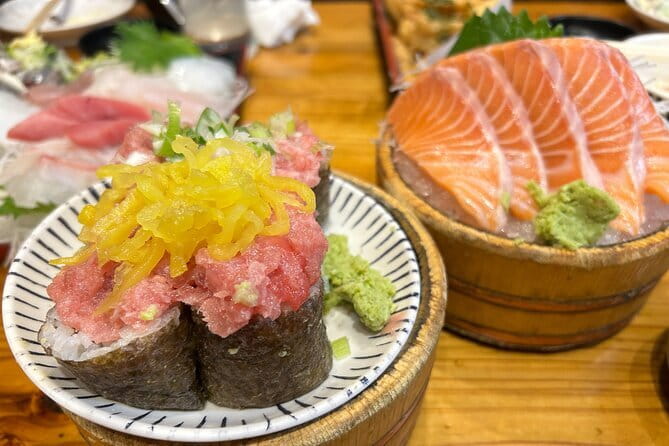
If you’re in Tokyo for a short time, Shinjuku can feel like a video game you can’t pause. Streets are crowded, alleys look similar, and the best places often don’t shout their presence.
This tour’s value is that it gives you a guided way to eat your way through the area. Instead of ordering one meal and hoping you picked the right izakaya, you’re moving through multiple neighborhoods within Shinjuku—each with its own vibe and serving style—while a guide helps you manage the practical stuff: where to go, what to try, and how to enjoy it without stress.
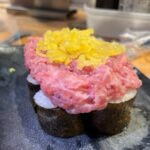
The other big draw is how packed the menu is. Fifteen dishes and three drinks is not a light snack crawl. It’s a real dinner-sized route, with a mix of textures—crispy, grilled, dumpling-style, and sushi—so you don’t get stuck eating only one type of thing all night.
You can also read our reviews of more food & drink experiences in Tokyo

Price and Value: Why $112.75 Can Make Sense
$112.75 per person looks like a “splurge” until you break it down. You’re not paying only for a walk and a guide. You’re paying for meals—multiple dishes—and drinks at four eateries.
If you try to recreate the plan on your own, you’d likely spend:
- at least one solid sit-down or bar meal,
- plus extra drinks,
- plus the time and confusion of finding places that are busy and hard to access without local knowledge.
Here, the structure handles that. You also get the benefit of eating at spots you’d probably skip if you only relied on instinct from the street. The tour is built around local recommendations and bars that can be crowded, which is exactly where a guide adds value.
The one “cost” you should factor is your energy level. It’s a night out with walking, standing, and the usual Tokyo crowd flow. Comfortable shoes are not optional.
Meeting at Shinjuku Station: Your First Win Against Stress
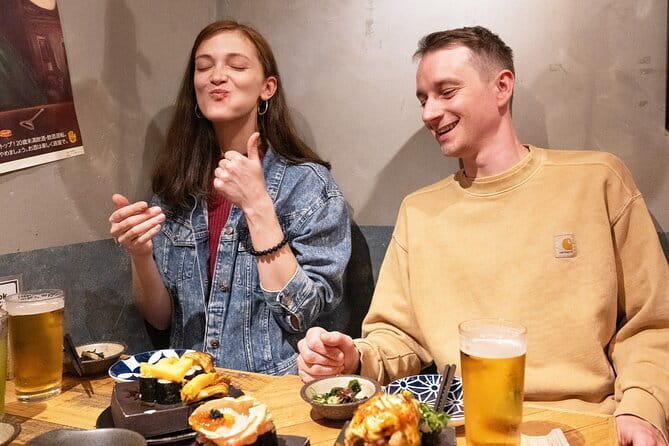
The meeting point is Shinjuku Station East Exit Police Box, in the 3-chōme-38-1 Shinjuku area. The tour ends back at the meeting point, which is helpful when you’re tired and ready to go back to your hotel.
Because the tour is near public transportation, you won’t need to plan a complicated route to get there. Still, I suggest arriving a few minutes early. Shinjuku Station is large, and getting everyone together is part of the process.
Also, keep an eye on your group size. This tour caps at 15 travelers. That’s small enough for a more personal pace, but it still means everyone needs to move together. When you’re close to the group, you’ll get more out of the commentary and food stops instead of spending the night as a spectator.
Omoide Yokocho: Izakaya Backstreets and the First Big Bite

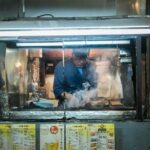
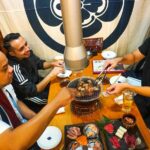
Stop one is Omoide Yokocho, a nostalgic lane of tightly packed izakayas. This is where the tour sets its tone: street-food energy, smoke-in-the-air atmosphere, and casual eating that feels like it’s been happening for decades.
You can expect a lineup typical of the area, including:
- yakitori,
- fried tofu,
- gyoza,
- grilled vegetables,
- plus craft beer and sake.
This is the best place to start for two reasons. First, it’s easier to find your footing early in the route—what the guide’s style is, how the tastings are served, and how you’ll manage ordering and eating on the fly. Second, the food mix hits multiple cravings fast: salty grilled things, dumplings, and tofu all before the night gets into the more maze-like bar areas.
A small practical note: in tight alleys, it can get loud and crowded. If you’re the type who needs every word explained, try to stay near the guide and pay attention when they brief you before each dish. That’s usually when the group is most focused.
Kabukicho’s Local-Locked Izakaya: Food Meets Midnight Crowds
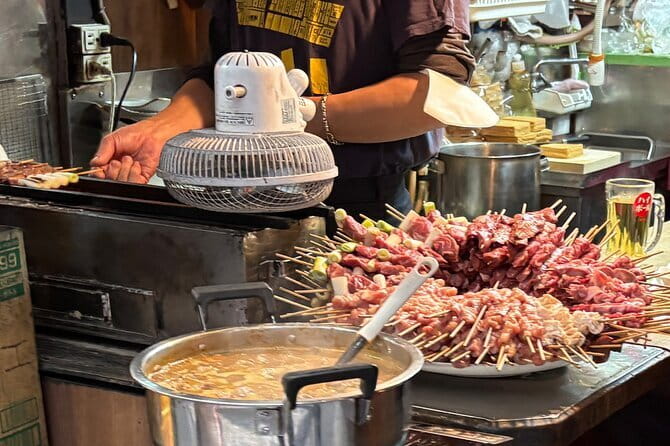
Next comes Kabukicho, Tokyo’s nightlife zone with more neon than you can count. This stop is positioned as a local bar you might not stumble into easily. The bars in this area can be hard to access without a reservation, and that’s part of why the guided part matters.
You’re going for an izakaya-style meal experience, where the fun is less about fancy presentation and more about eating comfortably in a place that’s built for regulars.
Why this stop works on a food tour:
- You get a shift from Omoide Yokocho’s backstreet feel to Kabukicho’s more high-energy nightlife scene.
- You’re still in the same broad “Japanese bar food” world, so the dishes feel connected rather than random.
What to watch: Kabukicho streets can be busy. If your group stretches out, it’s easy to lose the rhythm. Stay close, move when the guide moves, and don’t assume you’ll catch up later. This is exactly where a smooth tour turns into a long night for anyone who drifts.
A few more Tokyo tours and experiences worth a look
Shinjuku Golden Gai: Tiny Bars, Big Social Energy
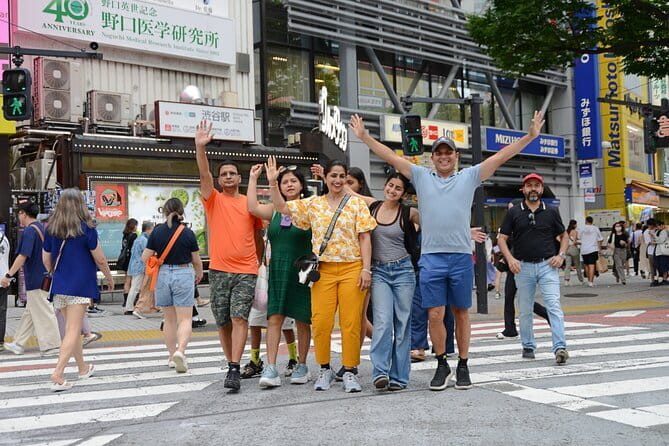
Stop three is Shinjuku Golden Gai, one of the most distinctive areas in Tokyo’s nightlife. It’s known for its tiny bar layout and for mixing. This part of the tour is explicitly about socializing—breaking through the language barrier and enjoying conversation with locals and other guests.
The layout matters. Golden Gai isn’t a single restaurant with a clear path. It’s many small spaces, and you’re basically moving through a collection of micro-bars. That means:
- you’ll spend time in short, changing atmospheres,
- the vibe is more about mingling than about a long meal,
- and the guide plays a big role in keeping the group flowing.
If you like meeting people and you don’t mind the “standing around, then popping into the next place” rhythm, this is the highlight kind of stop. If you’re hoping for a quiet sit-down dinner, temper expectations—Golden Gai is about the scene.
The Fourth Eateries and the Full Menu Spread
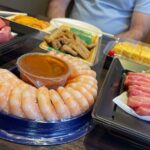
The tour includes four unique eateries, and across the night you’ll see a menu range that’s more varied than most single-bar tastings.
From the tour description, the likely standouts include:
- fresh sushi,
- crispy kushikatsu,
- juicy gyoza,
- and Japanese sake.
Because the fourth stop isn’t named in the information you have here, I won’t pretend I know its exact theme. But the structure is clear: you’re moving from one style of izakaya experience to another, while the dishes rotate so you keep getting different tastes and textures.
One review-based practical reminder: one of the stops may require you to remove your shoes. That’s not rare in Japan, especially in traditional dining setups. Your best strategy is simple—watch what others do, and follow your guide’s cues without making a big production of it.
Drinking on the Tour: Beer and Sake Without the Guesswork
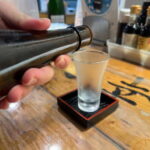
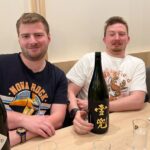
You’re getting three drinks total, and the tour description also points to a variety of Japanese sake. At Omoide Yokocho specifically, the plan calls out craft beer and sake, so you’re not stuck with only one type of beverage.
This is one reason the tour feels like “value.” If you tried to build the same evening yourself, you might end up buying drinks that don’t match the food, or spending extra time hunting for sake that fits what you’re eating. Here, the drinks are part of the pacing.
If you enjoy sake, go in curious rather than picky. The goal is to taste as part of the meal flow, not to win a tasting contest.
Group Size, Pacing, and Comfort: How to Have a Smooth Night
This tour is capped at 15 travelers, which is the sweet spot for a guided walking evening. Small groups usually mean:
- less waiting at the edges of crowds,
- more attention from the guide,
- and a better chance you hear explanations.
Still, Shinjuku at night is a busy place. The main risk isn’t safety—it’s staying together and not falling behind. Some guidance issues can happen if the group gets spread out, and you don’t want to be the person spending the night trying to catch up between stops.
My practical checklist:
- Wear shoes you can stand in for a while.
- Keep your phone charged, but don’t treat it like a replacement for staying with the guide.
- If you need to step aside, tell the guide or a nearby group member so they know where you are.
And yes, there can be loud moments. If you struggle with hearing in busy bars, choose a spot near the guide’s side of the group and keep your attention on their briefing before you eat.
What Guides Get Right Here (Names You’ll See Mentioned)
The guide quality is a major part of why this tour earns such strong ratings. Names that show up again and again include Ayaka, Naoto, Midori, Luna, and Shun.
The common thread in the praise is practical leadership:
- navigating you through places you might not find on your own,
- keeping things moving,
- and making sure you’re okay and not stuck.
That matters in Shinjuku because the difference between a great night and a frustrating one can be as simple as whether the guide can keep the group on track.
When It Can Go Wrong: A Realistic Caution
No food tour is perfect every night. The biggest downside to watch for is disorganization or navigation problems that cause delays between restaurants and make it hard to hear directions. If that happens, the tour can feel crowded and tiring instead of fun and easy.
You reduce your odds of that by doing your part:
- arrive early,
- stay close,
- and don’t lose the group.
If you’re someone who needs constant explanations to enjoy eating, positioning matters even more—stay near the guide at every stop.
Should You Book This Shinjuku Food Tour?
Book it if you want:
- a structured way to eat across multiple Shinjuku nightlife areas,
- a lineup heavy on real Japanese bar foods like gyoza and kushikatsu (plus sushi and sake),
- and a guide-led experience that’s designed for people who don’t know the lanes yet.
Skip it or choose another option if:
- you hate walking and standing,
- you need a quiet sit-down dinner style,
- or you’re very sensitive to crowd noise and pacing.
One quick decision tool: if your main goal is a local-feeling Shinjuku night with food and drinks handled for you, this is a strong pick. If your goal is a relaxed, slow dinner with lots of downtime, you’ll likely find it too fast.
If you do book, I’d treat it like a night plan: comfortable shoes, appetite on full, and a willingness to go with the flow.
FAQ
What is included in the tour price?
The tour includes up to 15 recommended Japanese dishes and 3 drinks across 4 unique eateries, plus a guided walking experience in the Shinjuku nightlife area.
How long does the tour last?
The tour lasts about 3 hours.
Where do we meet, and where does the tour end?
You meet at Shinjuku Station East Exit Police Box. The tour ends back at the same meeting point.
How many people are in the group?
The tour has a maximum of 15 travelers.
Is there a mobile ticket?
Yes, the tour uses a mobile ticket.
Is it near public transportation?
Yes, it’s listed as near public transportation.
What kinds of food should I expect?
You can expect foods such as fresh sushi, crispy kushikatsu, and juicy gyoza, along with other Japanese bar food items like yakitori, fried tofu, and grilled vegetables.
Are alcoholic drinks included?
Yes. The tour includes 3 drinks, and Japanese sake is part of the experience. At least one stop specifically mentions craft beer and sake.
Will I need to remove my shoes at any point?
One of the stops may require guests to remove their shoes, so follow your guide’s instruction.
Can I cancel for a full refund?
Yes. The tour offers free cancellation, with a full refund if you cancel up to 24 hours in advance. If you cancel within 24 hours, the amount paid is not refunded.