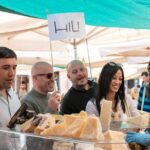
Rome changes at bike speed. This 4-hour e-bike tour lets you cover real ground fast, while still feeding you Roman street food and pointing out the parts of Rome most people miss. I especially like the Testaccio start with its market vibe and the iconic panino, and I’m a big fan of the Janiculum Hill panorama that makes the hills worth it. One consideration: this isn’t for you if you can’t confidently ride a bike, since you’ll be moving through city traffic for short stretches.
The small group limit of 8 keeps the pace human. Guides such as Elias and Duarte bring stories, humor, and a steady focus on staying together, which matters in Rome where cars, scooters, and buses don’t exactly wait politely.
Then there’s the food. You’ll get Roman street-food stops that feel like eating like locals rather than ticking boxes, plus a major gelato moment back near Campo de’ Fiori. If rain spoils the route, the tour may be rescheduled or refunded, so build in a flexible window.
In This Review
- Key highlights at a glance
- Why this Rome e-bike route works better than walking
- Starting point and what you’ll do in the first 60 minutes
- Testaccio and the panino ritual: the street-food kickoff
- Trastevere ride-by: pretty streets without the long slog
- Janiculum Hill panoramic moment: your climb with a view
- Campo de’ Fiori gelato stop: the sweet reset in the center
- Jewish Ghetto remnants: history you can walk up to
- Food and drinks: what’s included and what’s smart to expect
- Safety and traffic reality in Rome (without the drama)
- Price and value: is $105 for 4 hours fair?
- Who should book this e-bike tour (and who shouldn’t)
- Guides set the tone: humor, safety, and local sense
- Should you book this Rome e-bike food tour?
- FAQ
- How long is the Hidden Rome e-bike tour?
- What’s the group size?
- Where do we meet?
- What food is included?
- What languages are the guides?
- Is the tour suitable for children or mobility needs?
Key highlights at a glance
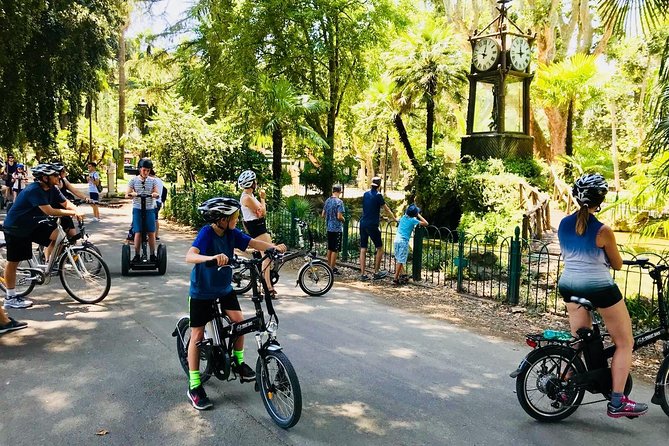
- Testaccio market and pyramid area with a first taste of classic Roman street food
- Trastevere streets en route so the ride feels like sightseeing, not commuting
- Janiculum Hill panoramic payoff after a climb that the e-bikes make realistic
- Campo de’ Fiori gelato stop in a lively central neighborhood
- Jewish Ghetto visit with the remnants that help history feel concrete
- Small-group pace with guides managing safety and traffic flow
Why this Rome e-bike route works better than walking
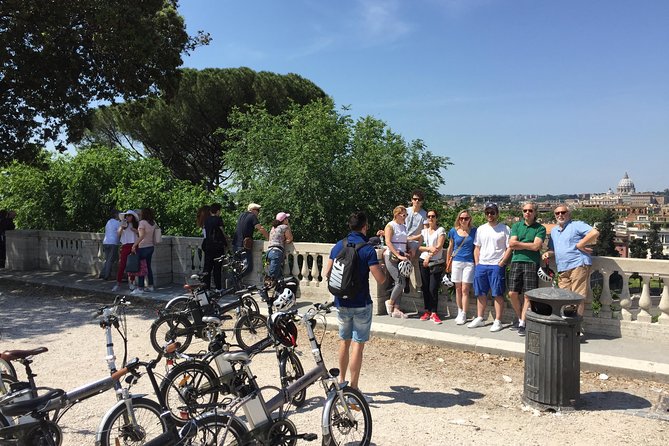
Rome is beautiful, but it’s also a lot. A walking day can turn into a blur of cobblestones, lines, and “how do we get there?” moments. A good e-bike tour fixes that by turning transit time into time you’re actually seeing the city.
This one is built around neighborhood rhythm. You pedal through places like Testaccio and Trastevere, not just around them, so you get context: where people shop, how streets are shaped, and why certain areas feel like they do. In a city of sudden turns, that’s a big quality-of-life upgrade.
And because it’s only 4 hours, it fits cleanly into a first week in Rome. It’s long enough to feel like you explored, but short enough that you’re not exhausted before you even start your dinner plans.
You can also read our reviews of more food & drink experiences in Rome



Starting point and what you’ll do in the first 60 minutes
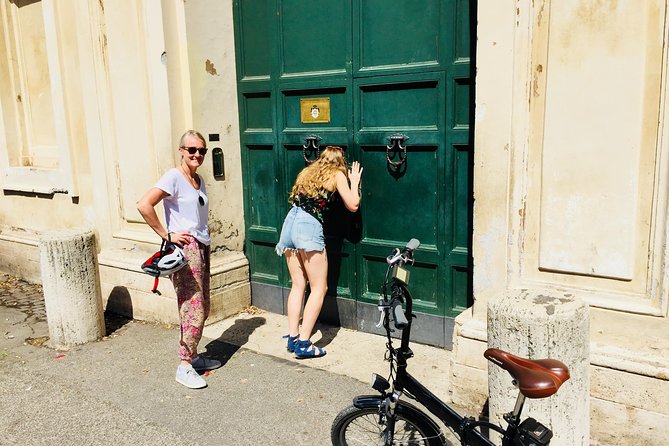
You meet at 22 Via Antonio Rosmini, 00184 Rome. Expect to get bike set-up and a quick safety check before you roll out. If you’ve never used an e-bike, don’t worry—multiple guides in the experience history emphasize how approachable the bikes are, including in hilly conditions.
The early focus is on getting you comfortable with the bike and learning the route logic: where you stop, when you ride, and how the guide manages the group. One review noted that riding in Rome traffic felt easier than expected because the guide kept the group together and handled the trickier moments.
Your first real “this is Rome” jolt comes in Testaccio.
Testaccio and the panino ritual: the street-food kickoff
Testaccio is one of those Roman neighborhoods that feels like it has its own energy. It’s known for everyday life—markets, snack breaks, and people who aren’t pretending to be tourists.
Here, you’ll pedal into the area around the famous pyramid and then head into the market zone. The payoff is simple and very Roman: a panino, the kind of street-food you see locals grab without making it a performance.
Why I like this stop for you: it’s not only about eating. It’s about learning what Roman street food actually means. A panino here isn’t a random sandwich; it’s part of how the neighborhood feeds itself, fast and casual.
One more practical benefit: starting with food early reduces decision fatigue later. After a climb or a busy morning, you’ll still have energy for the views that come next.
Trastevere ride-by: pretty streets without the long slog
After Testaccio, the route moves through Trastevere. The point isn’t to turn it into a museum visit. It’s to let you experience a different Rome texture: narrower lanes, a more storybook feel, and that sense of getting “sideways” from the main tourist lines.
On an e-bike, Trastevere works well because you can slide through at the neighborhood pace. You get the vibe without spending your whole evening searching for the next turn on foot.
A detail worth knowing: Rome roads can look chaotic from a distance. Still, the guide’s job is to manage timing and keep the group controlled. Reviews highlight that only short stretches feel busier, with the guide reducing stress and keeping everyone moving together.
Janiculum Hill panoramic moment: your climb with a view
Then comes the big payoff: Janiculum Hill. This is where the tour turns from “good sightseeing” into “I’ll remember this.”
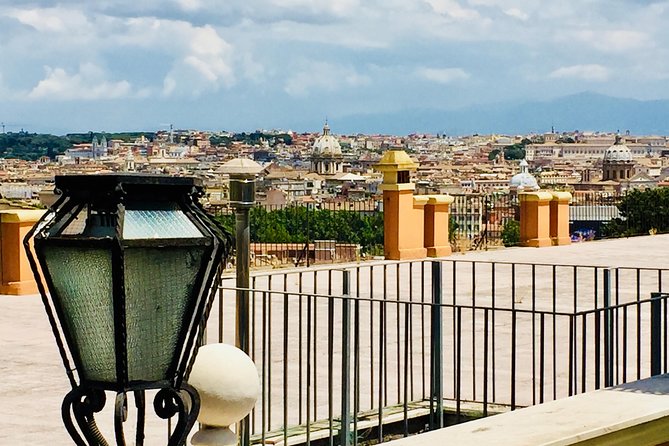
You’ll ride up to a viewpoint and admire a breathtaking panorama over the city. It’s the kind of overlook that helps your brain connect dots—where the river is, how neighborhoods spread, and why Rome’s layers feel endless.
Here’s why the e-bike matters: hills in Rome can shut down the day if you’re doing them on foot. On this tour, the assisted bikes make the climb doable for more people, including those who might get stuck if they had to pedal the whole way.
I’d treat Janiculum as the mental checkpoint. If you’ve felt “Rome overload” on earlier days, this view often resets you.
A few more Rome tours and experiences worth a look




Campo de’ Fiori gelato stop: the sweet reset in the center
After the hill, you head back toward Campo de’ Fiori. This is a classic central location, and you’ll use it for one very Roman reason: ice cream.
The tour includes a stop for what’s described as one of the best gelato moments in the Eternal City. It’s a smart choice after a climb. Sugar balances the day, and it also gives you a break where you can sit, talk, and compare what you noticed on the ride.
One thing to look for in your own experience: timing. After 4 hours of movement, people usually want a calmer finish. This stop does that without derailing the schedule.
Also, Campo de’ Fiori is a good place to transition into your own evening plans. If you want dinner nearby, you’ll already know where you are once the tour ends.
Jewish Ghetto remnants: history you can walk up to
Next you head to the Jewish Ghetto area, where you can see incredible remnants tied to the area’s history. This part of the tour matters because it keeps the day from becoming only about scenery and snacks.
Even if you’re not a deep-history person, seeing remnants in place helps you understand what you’re looking at. It’s different from reading about it in a book, because the streets and the layout are part of the meaning.
Also, this stop gives the tour a thoughtful balance. You get street-food energy and panoramic joy earlier, then history on the ground later. That mix is part of why the tour lands well for a wide range of visitors.
Food and drinks: what’s included and what’s smart to expect
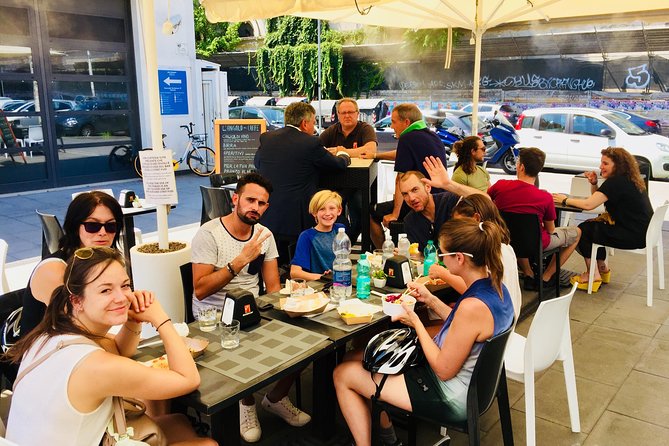
The tour includes Roman street food. The itinerary descriptions clearly point to key moments: a panino in Testaccio, and gelato near Campo de’ Fiori. That already sets you up for a satisfying, not-random, eating schedule.
Some departures have added touches at food stops. Reviews mention things like coffee experiences and even wine at certain bars. I wouldn’t plan your budget assuming wine is guaranteed, but it’s reasonable to expect that the guide will choose places where the meal experience feels authentically Roman rather than generic.
If you have dietary needs, look for how flexible your guide can be. One account notes a vegan option was handled for a guest during the street-food part of the tour. That’s a good sign, but you should still mention needs upfront when possible.
Safety and traffic reality in Rome (without the drama)
Let’s be honest: Rome traffic is not subtle. Even seasoned walkers can feel nervous near busy intersections.
What makes this experience work is how the guide runs the group. Multiple reviews mention guides explaining and managing road conditions, and keeping everyone together. One rider specifically said busy areas were only a small portion of the time, and the rest was controlled, making the whole ride feel safer than expected.
The e-bike itself also helps. Reviews describe the bikes as shifting well on hills, which matters because a stalled bike in traffic is stressful. With assistance, you can keep moving with a steady cadence.
If you’re an average cyclist with some city riding comfort, you’ll likely feel fine. If you can’t ride a bike confidently, this isn’t the right day to learn.
Price and value: is $105 for 4 hours fair?
At $105 per person for 4 hours, you’re paying for three things at once: transportation (the e-bike), a guide, and curated food stops. Compared to piecemeal tours—like paying for a guide separately and then buying snacks and gelato yourself—it can start to feel like value fast.
Here’s what makes the price feel justified:
- You’re covering multiple neighborhoods in a short time, which reduces wasted hours
- The route includes viewpoints and historic stops, not just riding in circles
- Food is built into the schedule, so you don’t have to plan every meal moment
The one caution is your comfort level. If you aren’t comfortable riding a bike, you may not get the full value of the experience, because the tour is built around movement.
Also remember: this is small-group. Smaller groups typically mean less waiting and more attention, which is part of why this experience scores so well.
Who should book this e-bike tour (and who shouldn’t)
This tour is a great fit if you want:
- A practical way to see Rome beyond the biggest postcard lanes
- A day that mixes food with neighborhoods and viewpoints
- A format that’s easier on your legs than nonstop walking
It’s especially useful for people who want to handle hills without turning sightseeing into a workout they didn’t ask for.
It’s not the right match if:
- You can’t ride a bike, need a wheelchair, or have significant mobility impairments
- You’re pregnant (the tour notes it isn’t suitable)
- You’re over the weight limit of 287 lbs (130 kg)
- You’re traveling with a baby under 1 year or a child under 2 years (not accepted under 2; kids under 12 ride in an electric cargo bike or with a seat with a parent)
If you’re bringing kids, this tour can work when they’re in the right bike setup, since the operation uses an electric cargo bike option for younger children.
Guides set the tone: humor, safety, and local sense
A huge part of the experience is how the guide makes it feel. Names that come up in the tour history include Elias, Gail, and Duarte, plus Mattia on earlier dates.
What stands out in the way these guides are described is a mix of practical road management and personality. One rider specifically praised a guide’s humor and attention to safety while weaving through city sights.
That matters because on a bike tour, you’re never totally hands-free. You need a guide who can keep you moving and explain what you’re seeing in a way that doesn’t turn into a lecture.
Should you book this Rome e-bike food tour?
Book it if you want a high-value Rome day that mixes neighborhoods, a serious viewpoint, and real Roman street food—without spending your whole trip inching between major landmarks on foot. The small group size and the guide-led pace make it a good option for people who feel overwhelmed by Rome’s scale.
Think twice if you’re not comfortable riding in any kind of city environment, even for short stretches. Also consider weather: the tour is subject to favorable conditions, and rain can trigger rescheduling or a refund.
If you can ride and you want a fun, focused day with built-in eating stops and views, this one is a strong choice. And if you’re wondering what to do on your first full day, this tour can help you get your bearings fast—then you can enjoy the rest of Rome on your own rhythm.
FAQ
How long is the Hidden Rome e-bike tour?
The tour lasts 4 hours.
What’s the group size?
It’s a small group with a maximum of 8 participants.
Where do we meet?
Meet at 22 Via Antonio Rosmini, 00184 Rome, Italy.
What food is included?
The tour includes Roman street food, including a panino in Testaccio and gelato near Campo de’ Fiori.
What languages are the guides?
The live tour guide is available in Italian, English, Spanish, and French.
Is the tour suitable for children or mobility needs?
No children under 2 years are accepted. Kids younger than 12 ride in an electric cargo bike or a seat with one parent. The tour is not suitable for people with mobility impairments, wheelchair users, or anyone who can’t ride a bike.