REVIEW · ROME
Rome: Private Food Tour with Local Guide
Book on GetYourGuide →Operated by Withlocals · Bookable on GetYourGuide
Food-first Rome beats museum-only days. 10 tastings with a private guide make it feel like Rome is teaching you how to eat. You’ll work your way through savory bites, sweets, and local drinks, with stops that also double as quick sightseeing—so you leave oriented and satisfied.
Two things I really like: you’ll hit the classic combo of buffalo mozzarella and gelato at authentic spots, and you’ll get context as you move through neighborhoods and landmarks like Farnese Palace. One drawback to plan for: you’re on your feet for about three hours, so comfy shoes matter, and it’s not suitable for wheelchair users.
In This Review
- Key Points You’ll Care About
- How a 3-Hour, 10-Tasting Walk Gets You Oriented
- Starting at the Giordano Bruno Statue: A Simple, Walkable Launch
- The Signature Move: Buffalo Mozzarella and Gelato Done the Roman Way
- Sisto Bridge, Piazza Trilussa, and Farnese Palace: Food with a Sightline
- Church of Santa Maria in Trastevere: Why This Neighborhood Matters
- Drinks, Sweet Spots, and How to Pace Yourself
- Vegetarian Option: How to Get the Same Roman Focus
- What the Best Guides Do Differently (Roberta, Gabriele, Eleonora, Yanira)
- The Pace and Suitability: Who This Tour Fits Best
- Price and Value: Why $206.18 Per Person Can Make Sense
- Should You Book This Rome Private Food Tour?
- FAQ
- How long is the Rome private food tour?
- Is this tour private?
- How many tastings are included?
- Is there a vegetarian option?
- What language is the guide?
- Where do we meet, and where does it end?
- Is hotel pickup included?
- How do I find available starting times?
- FAQ
- Is there free cancellation?
- What should I bring?
- Is the tour suitable for wheelchair users?
Key Points You’ll Care About
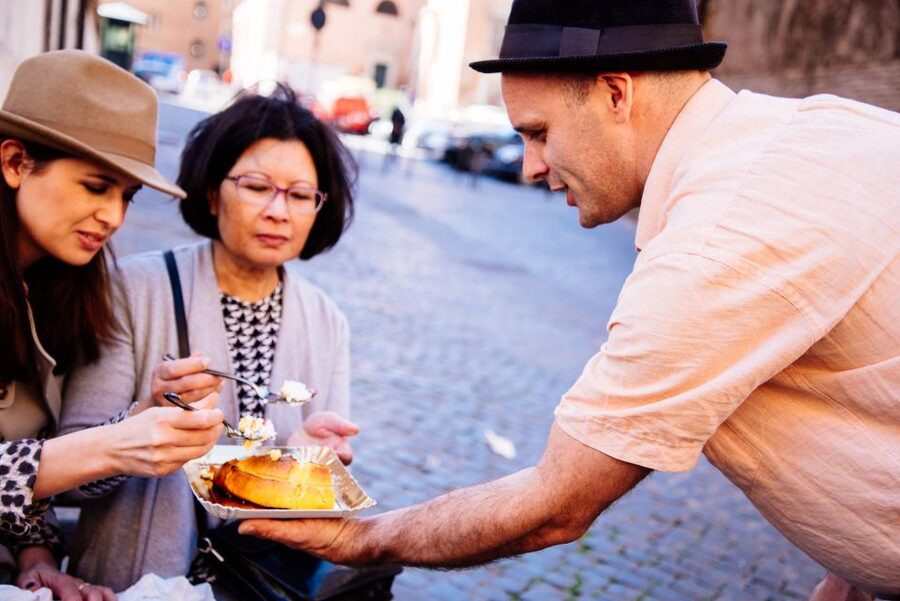
- 10 tastings in 3 hours means more variety than most sit-down meals
- Classic buffalo mozzarella + gelato are built into the route, not left to chance
- Sights fit between bites, including Farnese Palace and Trastevere landmarks
- English private guiding keeps the pace friendly and questions easy
- Vegetarian option available, adapted at the start of the tour
- Meeting at Giordano Bruno statue makes the start simple and walkable
How a 3-Hour, 10-Tasting Walk Gets You Oriented
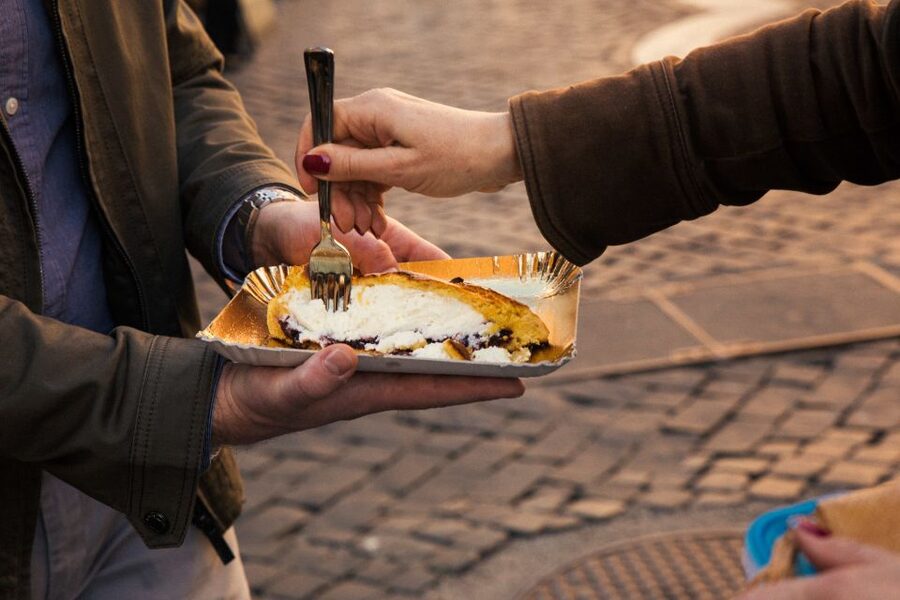
This is the kind of Rome tour that fixes two problems at once: what to eat and where to be. In just 3 hours, you go through enough tastings—10 food stops plus drink tastings—that you stop thinking in terms of single meals and start tasting Rome like a local routine.
The route also works as a fast “get your bearings” walk. You’re not just collecting snacks; you’re moving through parts of central Rome that make sense together, so later, when you’re wandering on your own, you can connect streets and squares to something you actually tasted. That makes your food memories stick, and it makes your days in Rome feel less random.
Because it’s a private group, the guide can keep the pace comfortable. You can ask questions, react to flavors, and adjust if you’re full sooner than expected. (Still, you’ll be eating a lot—so it’s not the right pick if you hate crowds, long walks, or standing.)
You can also read our reviews of more food & drink experiences in Rome

Starting at the Giordano Bruno Statue: A Simple, Walkable Launch

You meet at the Giordano Bruno statue, and the tour ends back at the same point. That round-trip structure matters more than you might think. It means you don’t need a plan for where to regroup afterward, and you can comfortably link this to the rest of your day—another neighborhood stroll, a museum, or a low-key dinner.
Also, starting at a clear landmark is a relief in Rome. You avoid the usual chaos of trying to figure out which street corner your group is supposed to be on. Once you’re walking, the guide takes over the work: you follow along, stop to eat, then move on to the next sight and tasting without needing to map it yourself.
If you’re doing Rome for the first time, this kind of “guided route + food stops” setup helps you relax. You don’t have to guess what’s worth your time. You just show up, wear comfortable shoes, and let the guide stitch together the day.
The Signature Move: Buffalo Mozzarella and Gelato Done the Roman Way
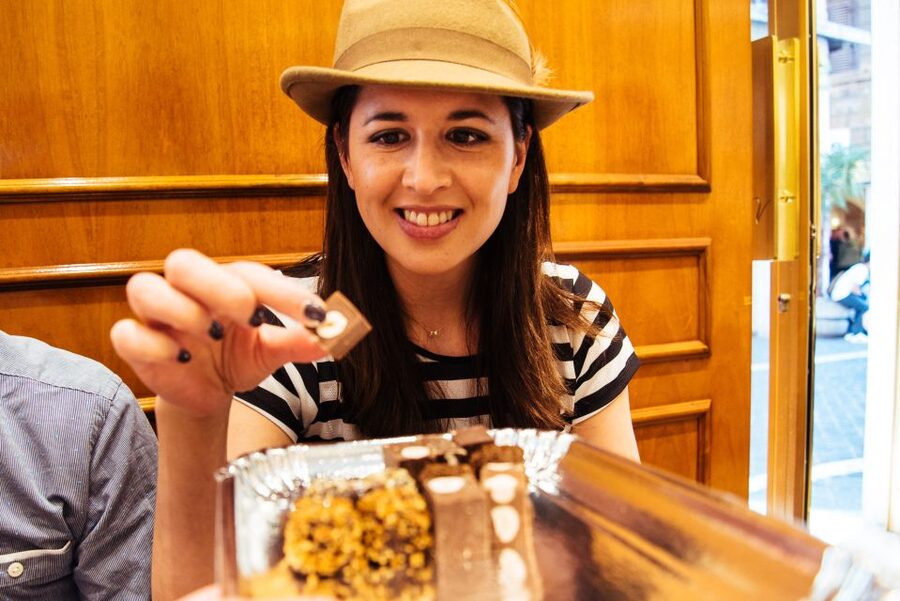
Let’s talk about the big draw: the classic flavors. This tour is built around real Roman staples, especially buffalo mozzarella and gelato, served at authentic local hotspots.
Why that’s smart: these two items are iconic, but they can be inconsistent if you order them blindly. A guided tasting approach gives you a reference point. You learn what good mozzarella should taste like beyond the label and what gelato should feel like in terms of texture and flavor. After that, when you try gelato again later on your own, you’ll have a better nose for what’s solid.
Mozzarella on this route isn’t a “random cheese stop.” It’s paired with the idea of Roman eating—simple ingredients, handled well, served in the right context. Same goes for gelato: it’s treated like part of the rhythm of the city, not just dessert afterthought.
If you’ve got a sweet tooth, you’ll also like the balance. This tour doesn’t only do one side of the palate. You get savory bites first, then move through the sweeter notes so your cravings don’t fight the route.
Sisto Bridge, Piazza Trilussa, and Farnese Palace: Food with a Sightline
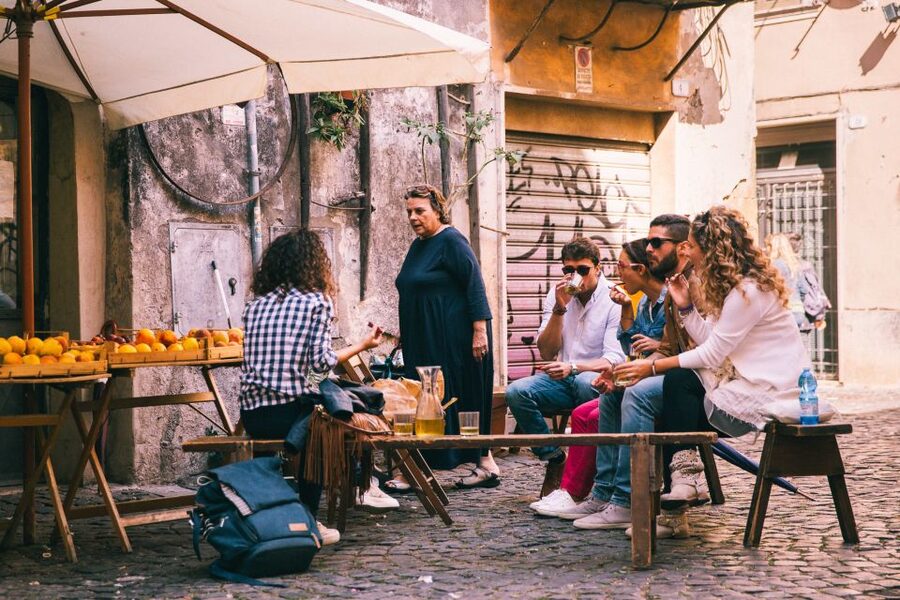
One of the best parts of this tour is how the guide threads sightseeing between tastings. You’re not stuck in a line the entire time. Instead, you get little visual breaks that make the walk feel purposeful.
Here are the anchor stops you’ll experience on the route:
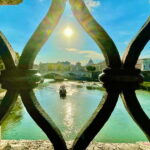
- Sisto Bridge: a natural “move-and-look” point. It helps you connect the food trail to the geography of the city instead of treating it like a list of eateries.
- Piazza Trilussa: a lively public space that gives you a sense of daily Rome life, the kind of square where food and people naturally mix.
- Farnese Palace: this is a big cultural moment mid-walk. Seeing something like Farnese Palace while you’re still in “local mode” makes the architecture feel less like a photo stop and more like a backdrop to the neighborhood story.
The value here is the guide’s role. You’re not just walking past landmarks; you’re learning why they matter in the city’s culture and how that connects to what you’re eating. That’s why this tour feels efficient. It turns travel time into information time.
If you’re the type who likes to understand why a place looks the way it does—especially when it’s paired with food—you’ll appreciate the pacing. You get short chunks of context, then you immediately test it with your taste buds.
Church of Santa Maria in Trastevere: Why This Neighborhood Matters
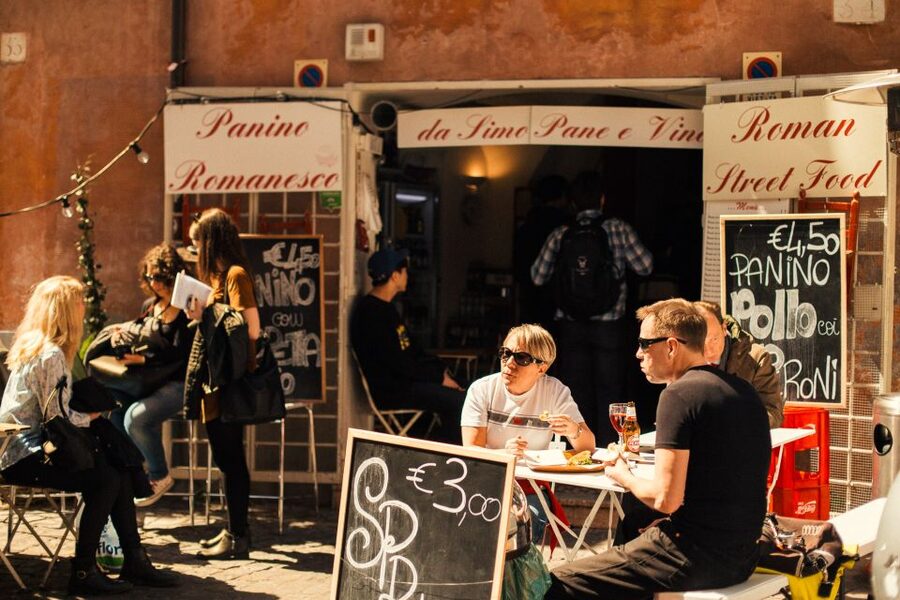
A major part of the route heads into Trastevere, and the tour includes the area’s famous church, S. Maria in Trastevere. This matters because Trastevere isn’t just a scenic district. It’s a food-and-community neighborhood where eating out has always been part of everyday life.
The way this tour uses the church stop is practical. It gives you a clear landmark that helps you remember where you are, while also grounding the tasting route in local identity. You’re not floating from place to place. You’re walking through a real neighborhood with a recognizable center.
And the energy shift between food stops is usually what people remember most. You’ll go from tasting to sight to streets again. Even if the exact food list varies by vegetarian needs and seasonal choices, the “Trastevere feeling” stays consistent: Rome as a lived-in city, not a theme park.
A few more Rome tours and experiences worth a look


Drinks, Sweet Spots, and How to Pace Yourself
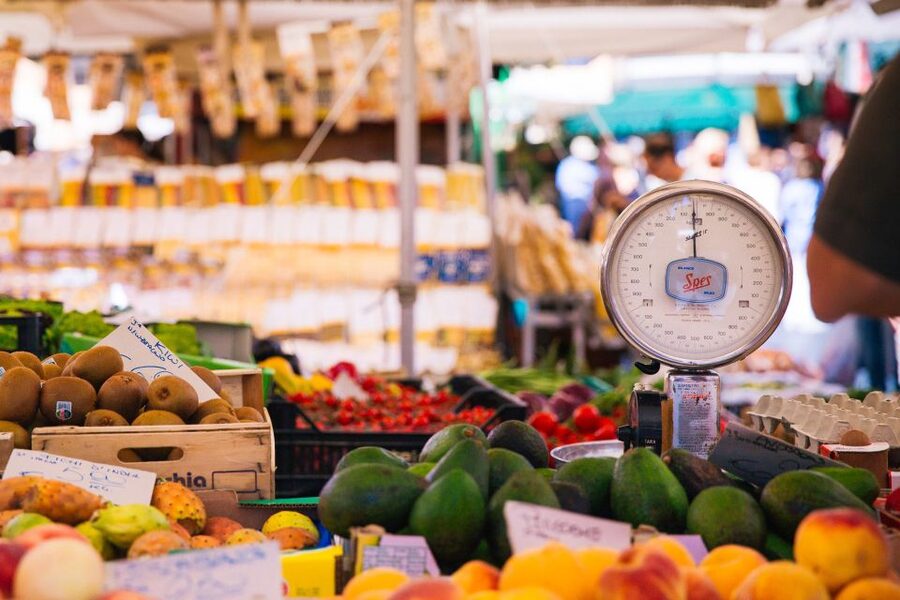
This tour includes drink tastings, not just food. That’s important for two reasons. First, Rome flavors aren’t one-dimensional—drinks help you reset your palate between bites. Second, the guide can steer the tasting toward what locals actually pair with meals and treats.
The pacing is also part of the experience. It’s only 3 hours, so the guide keeps things moving, but not so fast that you’re constantly rushing. Your job is simple: show up hungry enough to enjoy everything, but not so hungry that you feel sick after the first few stops.
A good strategy: take your time between tastings to actually taste and notice. If you eat like you’re power-walking, you’ll miss the differences between savory and sweet stops. If you slow down, you’ll start picking up patterns—how Rome balances salt, fat, and fruit-forward notes, and how the drinks fit the rhythm.
Also remember: you’re walking. Between stops you’re standing, moving, and getting in and out of places quickly. Comfortable shoes are non-negotiable. If your feet are unhappy, the tour becomes harder work than it should be.
Vegetarian Option: How to Get the Same Roman Focus
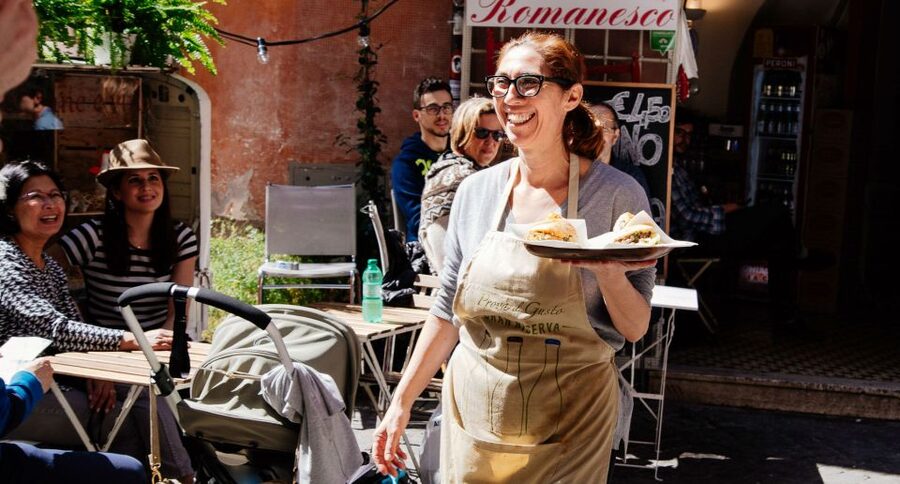
Good news if you’re vegetarian: the tour offers vegetarian alternatives, and the guide adapts the menu if you tell them at the beginning.
This is the kind of detail that can make or break a food tour. A lot of experiences claim to have an option, then deliver something that feels like an afterthought. Here, the wording is clear: the menu is adapted for you, which suggests your tastings will stay in the same overall style and variety.
Practical tip: start the tour with an honest view of what you eat and what you avoid. If you’re flexible, mention what you’re okay with. If you’re not, be direct early. That way your 10 tastings feel like a full Roman food walk rather than a compromise.
What the Best Guides Do Differently (Roberta, Gabriele, Eleonora, Yanira)
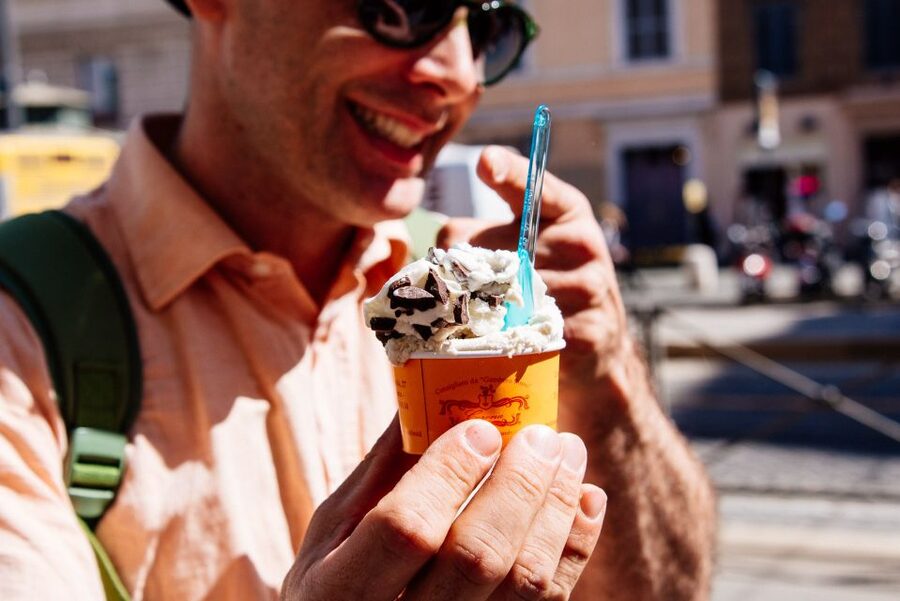
Private tours rise or fall on the guide. And on this one, the guide energy comes through strongly in multiple names you might encounter, including Roberta, Gabriele, Eleonora, and Yanira.
The standout themes are consistent:
- They’re fun and engaging, not robotic.
- They connect what you’re tasting to what you’re seeing.
- They choose places where you can sample without feeling packed in with the loudest crowds.
One detail that stood out in how people describe the experience: guides sometimes take you to spots locals know, including quieter places that aren’t always jammed. That can be a big deal in Rome, where “famous” can mean “hard to enjoy.” Here, the goal is a smoother food experience, with more time tasting and less time waiting.
The Pace and Suitability: Who This Tour Fits Best
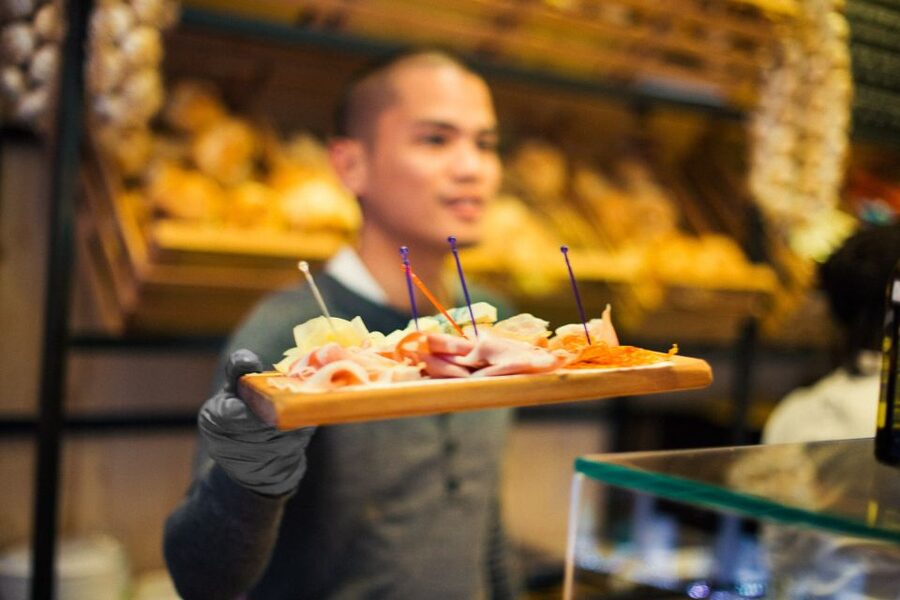
This tour suits you if:
- You want a food-led route that also gives you sights like Farnese Palace and S. Maria in Trastevere
- You like learning through real taste, not just through facts on a sign
- You’d rather pay for a guide to handle logistics than build your own tasting crawl
- You enjoy variety: savory, sweet, and drinks across 10 tastings
It may not fit you if:
- You need a fully seated experience. You’ll be walking and standing for the duration.
- You use a wheelchair. The tour is not suitable for wheelchair users.
- You prefer ultra-light eating. Even with vegetarian options, you’re still tasting a lot in one go.
If you’re coming to Rome for just a few days, I like booking this earlier rather than later. You get a food baseline fast, plus you learn how neighborhoods connect so you can plan your own meals afterward with more confidence.
Price and Value: Why $206.18 Per Person Can Make Sense
At $206.18 per person for 3 hours, this isn’t a bargain snack run. But it does include the two things that usually cost money in Rome: a guide and a structured set of tastings.
You’re paying for:
- A guided walking tour
- 10 food tastings
- Drink tastings
- A private group experience
- A route that links food stops to major landmarks
So the value question becomes simple: would you rather pay for a guide to make sure you hit multiple good spots efficiently, or would you rather DIY and risk wasting time (and money) on places that don’t hit the mark?
For many people, the price feels fair because it replaces hours of planning and searching. You also get the benefit of a local viewpoint while you eat, which turns a list of foods into an actual Rome experience.
Should You Book This Rome Private Food Tour?
I’d book this tour if you want an easy win: a guided walk that feeds you well, introduces you to classic Roman flavors like buffalo mozzarella and gelato, and shows you key sights like Farnese Palace and the Trastevere area along the way. The private format and the English guide also make it more comfortable if you like asking questions and setting a steady pace.
Skip it if you’re aiming for a slow, light stroll or you’re mobility-limited, since it’s not suitable for wheelchair users and you’ll be on your feet for about three hours. And if you hate eating a lot in one sitting, you might feel stuffed before the end.
FAQ
How long is the Rome private food tour?
The tour lasts 3 hours.
Is this tour private?
Yes. It’s listed as a private group tour.
How many tastings are included?
You’ll get 10 food tastings, plus drink tastings.
Is there a vegetarian option?
Yes. There are vegetarian alternatives. Tell the guide at the beginning and the menu will be adapted.
What language is the guide?
The live tour guide offers English.
Where do we meet, and where does it end?
You start at the Giordano Bruno statue, and the tour ends back at the same meeting point.
Is hotel pickup included?
No. Hotel pickup and drop-off are not included.
How do I find available starting times?
Starting times are shown as part of availability—check availability to see the options.
FAQ
Is there free cancellation?
Yes. You can cancel up to 24 hours in advance for a full refund.
What should I bring?
Wear comfortable shoes.
Is the tour suitable for wheelchair users?
No, it is not suitable for wheelchair users.