REVIEW · ROME
Rome: Trastevere street food and history tour – small group
Book on Viator →Operated by Rosy Smart City Tours · Bookable on Viator
Rome tastes better when you follow snacks. This 2.5-hour street food tour is built to connect the Jewish Ghetto with Trastevere’s side streets, all through real eating stops (fried artichoke, sliced pizza, supplì, gelato) and short history moments along the way. I love the small-group size because it keeps the walk lively and the guide’s attention close. One possible drawback: you’re on foot for a full stretch, with steps and uneven paving that can slow you down if you need lots of pause time.
What makes this outing work is the pairing of food with places you’d otherwise zip past. You start at Piazza Benedetto Cairoli and finish near Via dei Pettinari, and the route is designed so you can get your bearings fast. You’ll likely spend time with a guide who speaks easy English, and several guides have come through on this tour over time, including Chris, Christian, Serena, Virginia, Daniel, Daniele, Emanuel, Marco, Sabrina, Victoria, and Manuele.
In This Review
- Key reasons this Trastevere street food tour is worth your time
- How the Jewish Ghetto-to-Trastevere route makes Rome feel smaller
- Stop-by-stop: what you’ll see and what you’ll taste (and what to watch for)
- Jewish Ghetto: first taste of Rome’s food-and-community link
- Tiber Island: a quick scenic breather in the middle of the route
- Piazza in Piscinula: stepping into Trastevere’s medieval edge
- Chiesa di San Francesco a Ripa Grande: walking the alleys with food moments
- Via della Lungaretta: the street spine where Trastevere shows off
- Fontana della Botte: a tiny visual lesson in Roman craft
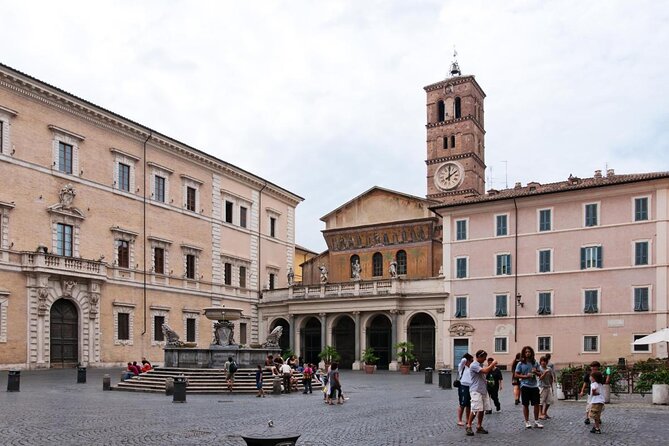
- Piazza di Santa Maria in Trastevere: see the square and visit inside
- Trastevere alleys: the off-the-beaten-path payoff
- Street food tastings: what’s included and how the bites are likely to feel
- Alcohol: optional, not included
- Small group size and pacing: why 12 people matters in Rome
- Choosing a guide: English quality and how guides handle questions
- Price value: does $66.38 feel fair for 2.5 hours?
- Best time to book it (and how to use what you learn)
- Who this tour fits best (and who should think twice)
- Should you book the Rome: Trastevere street food and history tour?
- FAQ
- What is the duration of the tour?
- How many people are in the group?
- Is the tour offered in English?
- Where does the tour start and end?
- What street food is included?
- Are alcoholic drinks included?
- Is the tour vegetarian-friendly?
- Can vegans or people with gluten or lactose intolerance participate?
- Does the tour run in rain?
- What if I have mobility needs?
Key reasons this Trastevere street food tour is worth your time
- Two neighborhood stories, one tasting plan: Jewish Ghetto first, then Trastevere alleyways and viewpoints
- Street-level food you can’t always find on your own: fried artichoke, Roman pizza slices, supplì, gelato, and more
- Practical “where to go next” value: you’ll leave with shop and bite ideas you can repeat later
- Max 12 people means less waiting: more questions, more flexibility, more conversation
- Good variety without turning it into a full-day food marathon: sweet after savory is the rhythm here
- You get architecture and atmosphere too: churches inside, Tiber Island views, and classic piazzas along the way
How the Jewish Ghetto-to-Trastevere route makes Rome feel smaller
This tour doesn’t try to cover every big sight. Instead, it helps you understand Rome through its everyday life: food vendors, neighborhood streets, and the way different communities shaped what people ate and where they gathered.
The logic is smart. You begin in the Jewish Ghetto area—an area strongly tied to Jewish community life and, by extension, traditional culinary culture. Then you shift toward the river and into Trastevere, where Roman street food becomes part of the neighborhood’s daily pulse. If you’ve already done a few classic monuments, this gives you something equally real, just at street level.
And the route shape helps. You get a clear beginning and an easy ending point, so you’re not stuck playing transportation Tetris afterward. You can map the walk mentally and then reuse what you learn when you’re hungry later the same day.
You can also read our reviews of more food & drink experiences in Rome


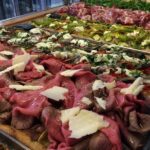
Stop-by-stop: what you’ll see and what you’ll taste (and what to watch for)
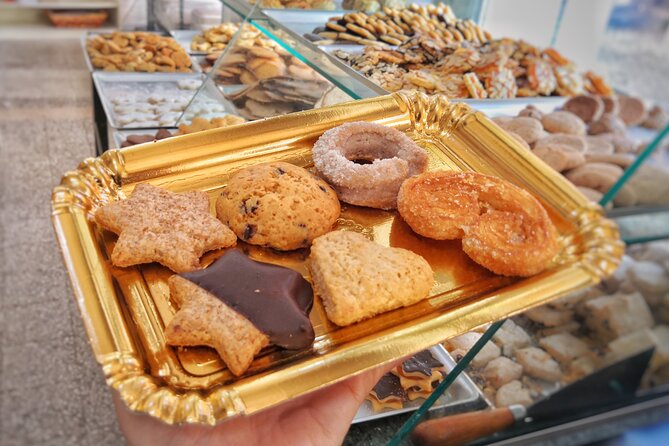
The tour is paced for a comfortable walk with multiple short stops. Expect mostly exterior sights plus a couple of moments where you step inside buildings. Tastings happen along the way, including a mix of savory and sweet.
Jewish Ghetto: first taste of Rome’s food-and-community link
You start in the Jewish Ghetto area. It’s a key reference point for Jewish Rome, including the neighborhood around the main synagogue, and it also has a reputation for traditional food spots. Even if you’re not going inside for a long visit, the guide’s context helps the area click.
Why it’s valuable: this is the kind of place where “what you see” and “what you eat” aren’t separate topics. Food here connects to identity, tradition, and local routines. If you care about how neighborhoods work, this opening gives you a framework for the rest of the day.
Practical note: it’s a walk-in city neighborhood, so keep expectations realistic. You’re there to orient and sample, not to tour like a museum.
Tiber Island: a quick scenic breather in the middle of the route
Next comes Tiber Island, the unusual island sitting between the two sides of the Tiber River. This isn’t a food stop. It’s a visual reset—water, bridges, and a reminder that Rome’s neighborhoods are shaped by the river.
Why it’s valuable: it breaks the walking monotony and gives you a reference point for your later self-guided exploring.
Piazza in Piscinula: stepping into Trastevere’s medieval edge
You then reach Piazza in Piscinula, which is your first approach to Trastevere from the medieval side. This is where the mood changes from “history district” to “neighborhood living room.”
Why it’s valuable: Trastevere works best when you start at the edge and let the alleys pull you inward. This stop sets that stage so the later side streets feel like a natural continuation instead of random turns.
A few more Rome tours and experiences worth a look


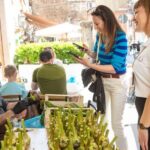



Chiesa di San Francesco a Ripa Grande: walking the alleys with food moments
From here, you move through smaller lanes and stop for food tasting near the Chiesa di San Francesco a Ripa Grande area. This is the part of the tour where the experience really becomes sensory: street sounds, narrow passages, and the guide guiding you toward what to try.
Why it’s valuable: guides don’t just point out food. They explain what makes it local—why it’s popular, and what people typically order or snack on.
What to watch for: since streets are uneven and you may be climbing steps, wear shoes you’d happily walk several miles in. This is not the time for slick soles.
Via della Lungaretta: the street spine where Trastevere shows off
Via della Lungaretta is described as the spine street crossing the district, and you’ll see it with climbing plants and colorful window views linked to handcraft shops. It’s a solid “walk-and-look” stretch without feeling rushed.
Why it’s valuable: it gives you an easy mental line across Trastevere. Later, when you’re trying to return to places you liked, this kind of orientation helps.
Fontana della Botte: a tiny visual lesson in Roman craft
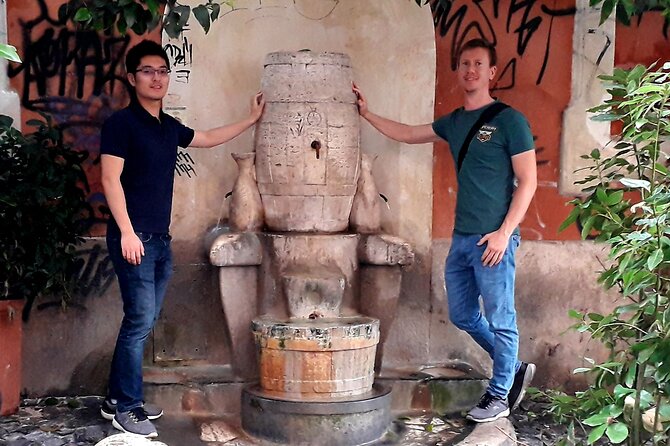
You also visit Fontana della Botte, a fountain shaped around wine measures. It’s short, but memorable—an example of how Roman street art and function mix.
Why it’s valuable: even quick stops like this make the walk feel connected, not like a checklist.
Piazza di Santa Maria in Trastevere: see the square and visit inside
This is one of the more “Roman piazza plus church” moments. You’ll see the square and visit the church from inside.
Why it’s valuable: the interior stop adds weight to the neighborhood experience. Rome’s churches can feel like they belong to the street life around them, not separate from it.
Timing note: church stops can change your pace depending on crowd levels, so expect to move with the group while the guide handles timing.
Trastevere alleys: the off-the-beaten-path payoff
The tour ends with walking through Trastevere alleys and side streets, focusing on glimpses and quieter corners rather than only the obvious lanes.
Why it’s valuable: this is where your own exploration starts. The guide’s choices often include spots you’d never try just by following a map pin.
One practical consideration: the closer you get to the end, the more you’ll want to remember what you liked. I recommend keeping your phone handy for photos and note-taking during tastings, not afterward.
Street food tastings: what’s included and how the bites are likely to feel
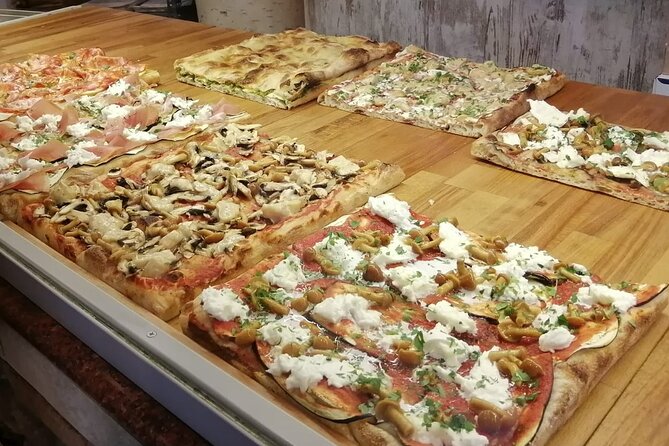
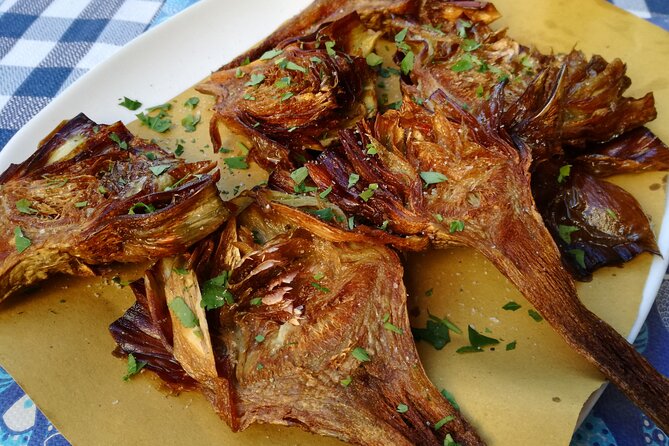
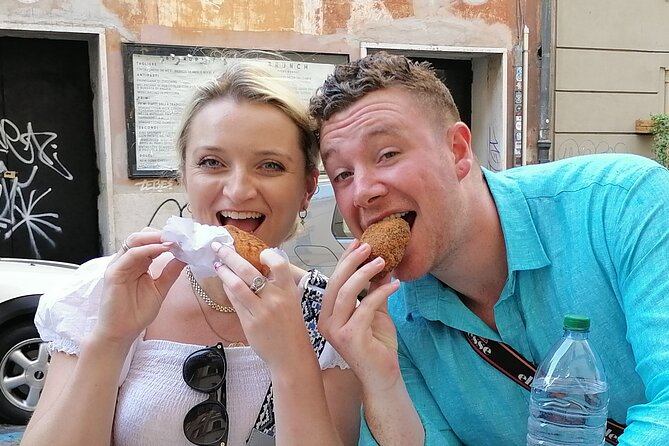
You’re not just snacking on random things. The included street food list is fairly clear: artichoke, sliced pizza, supplì, gelato, and more.
Here’s what that mix usually accomplishes:
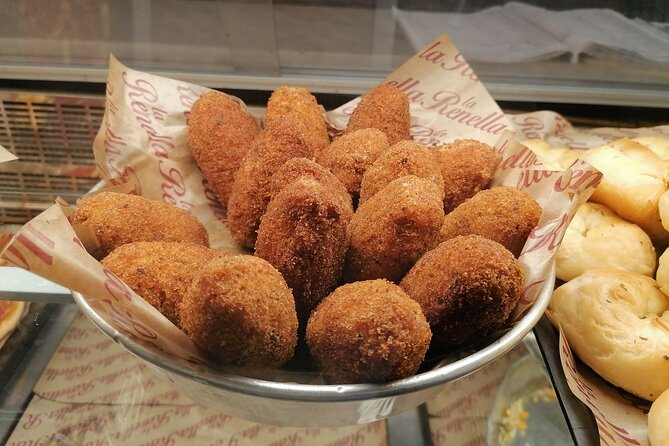
- Fried and savory comfort: fried artichoke and supplì are classic Rome street hits. Expect crunchy textures, hot centers, and that snackable “one more bite” effect.
- A Roman bread-and-cheese rhythm: sliced pizza keeps the tour grounded in everyday Roman food culture.
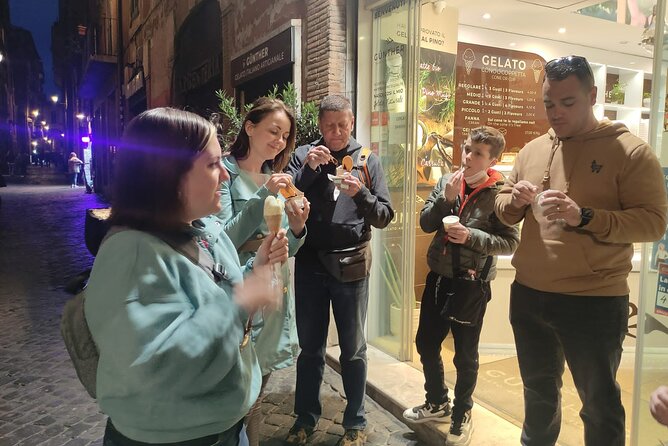
- Sweet finish energy: gelato gives the tour a cleaner end and helps reset your palate before you keep walking or grab dinner.
Some guides also include other local bakery moments, and the tour has been described as showing specific recognizable shops such as Artigiano Biscottificio in at least some cases. Still, don’t count on any one bakery always appearing on your exact day. The reliable part is the included list and the overall bite variety.
Alcohol: optional, not included
Alcoholic beverages aren’t included. If you want wine or beer, you can buy it separately.
Small group size and pacing: why 12 people matters in Rome
With a maximum of 12 travelers, the tour avoids the usual food-tour problem: long lines and rushed stops. Smaller groups mean fewer people crowding shop entrances, and it’s easier for your guide to keep everyone together.
You’ll also feel the walking reality. Reviews and the route itself point to steps and uneven roads. Most people can handle it, but this is still a walking tour. If you have reduced mobility, the tour provider invites you to book a private tour instead so your pace doesn’t slow everyone down.
If you’re the type who likes to shop while you walk, you’ll likely appreciate that some guides have been described as accommodating for quick shopping stops. Still, keep it tight. This tour is short enough that wandering too long can throw off the food rhythm.
Choosing a guide: English quality and how guides handle questions
The tour is offered in English, and the guides vary by date. From past groups, English proficiency has been praised for guides like Chris, Christian, Serena, Virginia, Daniel, Daniele, Emanuel, Marco, Sabrina, Victoria, and Manuele.
What matters for you: on this kind of tour, the best guides do two things. They explain what you’re eating and they explain what you’re seeing. That’s the difference between tasting snacks and learning how to order and explore on your own.
If you care about learning, this route has plenty to talk about: Jewish Ghetto references, Tiber Island scenery, Trastevere’s street layout, and church context in the middle of neighborhood life.
Price value: does $66.38 feel fair for 2.5 hours?
At $66.38 per person for about 2 hours 30 minutes, you’re paying for three things:
- Access to multiple food stops without the guesswork of finding the best line or best bite.
- Guided context that turns streets and churches into something you can remember.
- A group size that stays manageable, so you’re not lost in a crowd at every corner.
Is it a bargain? It can be, especially compared to paying for a couple of separate food experiences plus figuring out the route. But balance it against the fact that some people wished for more food. If you’re a big eater, you might end up wanting dinner right after.
My practical take: this tour is a great way to start (or restart) your Rome food habits. It’s less ideal if you only want a heavy all-out feast.
Best time to book it (and how to use what you learn)
Book this early in your trip if you can. The route is designed to give you a set of favorites you can circle back to on your own. In practical terms, it helps you answer two Rome questions fast:
- Where should I eat tonight?
- What should I order so it’s not a tourist trap?
If you do it later, you still win. But you may have fewer remaining nights to use your new list of recommended shops and bites.
Also consider doing it on a day when you can stay flexible. The tour runs in sun or rain except extreme weather. In rain, you’ll still walk. Wear shoes and bring a compact rain layer if you expect wet weather.
Who this tour fits best (and who should think twice)
You’ll probably love this tour if:
- you enjoy street food more than formal tastings
- you want a neighborhood walk that mixes history context with food
- you like small groups and clear guidance on where to go next
- you’re vegetarian (the tour is planned to suit vegetarians)
You should think twice if:
- you struggle with steps and uneven paving
- you need guaranteed vegan or allergy-level substitutes (the tour allows vegans and people with gluten or lactose intolerance who are not allergic, but not every tasting can be guaranteed, and you must communicate your needs at booking)
Should you book the Rome: Trastevere street food and history tour?
I’d book it if you want an efficient, fun, small-group way to get your Rome bearings through food. The big strength is the pairing: Jewish Ghetto references in the first half, then Trastevere atmosphere and church-and-alleys in the second. Add in the included bites like artichoke, Roman pizza slices, supplì, and gelato, and you get a tour that feels both practical and memorable.
Skip it only if walking uneven cobblestones and stairs is a problem for you, or if you’re expecting a long, heavy feast with alcohol included. Otherwise, this is a strong way to taste neighborhoods and leave with a short list of places to return to.
FAQ
What is the duration of the tour?
It runs for about 2 hours 30 minutes.
How many people are in the group?
The tour has a maximum of 12 travelers.
Is the tour offered in English?
Yes, it is offered in English.
Where does the tour start and end?
It starts at Piazza Benedetto Cairoli, 118, 00186 Roma RM, and ends at Via dei Pettinari, 45, 00186 Roma RM.
What street food is included?
Included tastings include artichoke, sliced pizza, supplì, gelato, and more.
Are alcoholic drinks included?
No. Alcoholic beverages are not included, but you can buy them separately.
Is the tour vegetarian-friendly?
Yes. The tour is planned to suit vegetarians. Let the operator know at booking.
Can vegans or people with gluten or lactose intolerance participate?
Yes, but not all tastings can be guaranteed for these restrictions. You need to communicate your needs at booking, and last-minute requests may not be considered.
Does the tour run in rain?
It goes with sun or rain except extreme weather conditions. For rain, there is no refund for last-minute cancellation requests.
What if I have mobility needs?
Reduced mobility guests are invited to book a private tour so the duration works better for your pace and doesn’t impact others.