Testaccio street food tells a better Rome story. This 3.5-hour walk with Streaty Food Tours mixes a Testaccio market morning with a century-old trattoria pasta lunch, plus wines and dessert. What I liked most was how the food is tied to place, not just plates, with Giulia guiding the day.
One thing to consider: it is a food-first route, so you won’t get a classic monuments sweep. You’ll be walking most of the time, and the tour depends on good weather.
In This Review
- Key highlights worth marking on your map
- Start at Piazza Flavio Biondo and get your bearings fast
- Stazione Trastevere to Ponte Testaccio: why this area feels different
- Mattatoio: from the slaughterhouse to exhibitions and studies
- Testaccio district walk: the neighborhood story behind the menu
- Mercato di Testaccio: street food tastings you can actually plan around
- Monte Testaccio: quiet angles and why the “mount” matters
- Rome War Cemetery: a brief WWII lesson that lands
- The food plan: breakfast, market bites, and a sit-down lunch
- Price and value: why $119.48 can be a smart buy
- Getting the most out of the route (and avoiding common mistakes)
- Who should book this Rome street food and Testaccio tour?
- Should you book this tour or skip it?
- FAQ
- How long is the tour?
- What time does the tour start?
- Where do we meet the guide?
- Where does the tour end?
- What language is the tour offered in?
- How many people are in the group?
- What food and drinks are included?
- Is the tour suitable for vegetarians and pescatarians?
- Are admission tickets included for the stops?
- What if I cancel or the weather is bad?
Key highlights worth marking on your map
- Small group (max 10) for more back-and-forth with your guide and easier pacing while you eat
- Market street bites + sit-down pasta lunch so you get variety without overthinking what to order
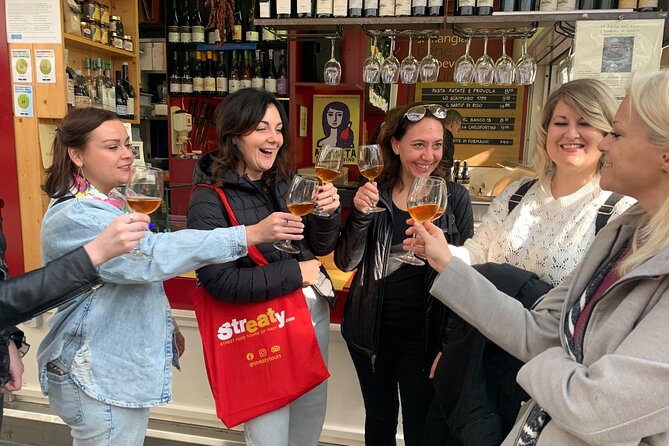
- Three wines included alongside tastings like suppli, polpette, and cacio e pepe
- Monte Testaccio time to see a quieter side of the neighborhood and learn what makes it special
- War history at Rome War Cemetery for a quick but meaningful WWII stop
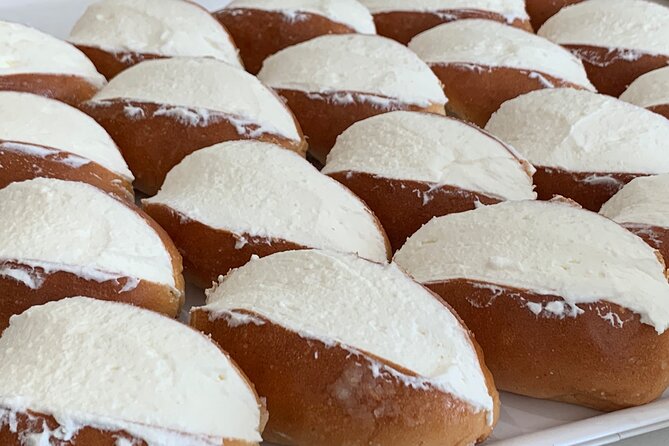
- All set up for tasting with a traditional breakfast start (maritozzi included) before the lunch segment
Start at Piazza Flavio Biondo and get your bearings fast
Your tour kicks off at Piazza Flavio Biondo, 7 at 10:30 am, meeting your local guide and the rest of the small group. The meeting spot is near public transportation, which matters in Rome where you can waste a lot of time if you rely on taxis alone. You’ll also get a mobile ticket, so you’re not hunting for paper confirmations.
Because the group is capped at 10, the start feels calm. You can ask questions right away, and the guide can help you match what you’re about to eat with what you’re about to see.
If you show up slightly early, it helps you settle in before the tasting rhythm begins. That first stretch sets the tone: less rushing, more learning at walking speed.
You can also read our reviews of more food & drink experiences in Rome

Stazione Trastevere to Ponte Testaccio: why this area feels different
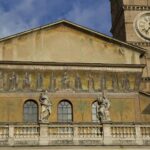
Stop 1 is Stazione Trastevere. This isn’t a “stand and pose” moment. It’s where you meet the guide, get brief context, and begin moving like locals do through the Trastevere-Testaccio corridor.
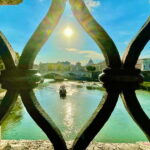
Then comes Ponte Testaccio, where you cross the bridge and learn about Roman urban development. You’ll hear how the city grew in layers, and how these neighborhoods became tied to industry and food long before they turned into today’s dining destinations. It’s the kind of information that makes later stops click. Food isn’t random here. It has a geography.
Stop 2 is short, but it’s an important setup. If you usually skip the “in-between” history, this bridge segment is still worth your time because it makes the Testaccio story feel connected, not like a list of facts.
Mattatoio: from the slaughterhouse to exhibitions and studies
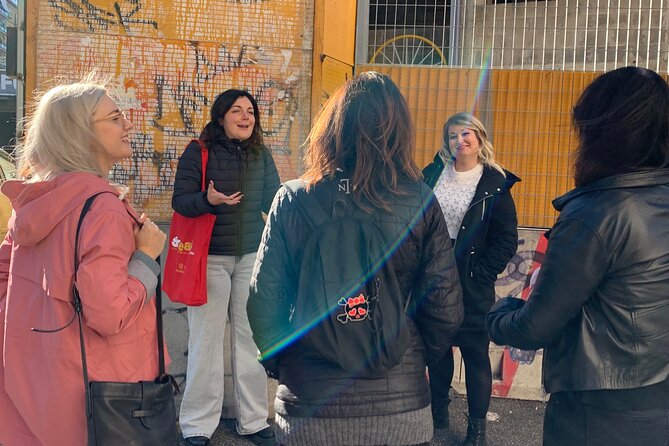
Next is Mattatoio, where the former slaughterhouse of Rome now functions as a cultural center for exhibitions and academic studies. This stop is a reminder that Rome repeatedly changes roles. Buildings shift purpose, but the area’s identity keeps showing up in surprising ways.
In practical terms, this stop helps you understand why Testaccio’s food culture isn’t just about restaurants. It comes from the historic functions of the neighborhood—where supply chains, daily labor, and food logistics once shaped what people ate and how they bought it.
One small drawback: it’s a “look and learn” stop more than a long hang-out. If you prefer fully guided museum-style pacing, you may wish there were more time here. Still, it’s a good way to keep the day moving while staying meaningful.
Testaccio district walk: the neighborhood story behind the menu
Stop 4 is Testaccio, and you’ll spend about 1 hour 10 minutes here with your guide. This is where the day shifts into deeper context: the district’s history, how people used to live and work, and the connections to what you’ll later taste at the market.
This segment also tends to be where your guide’s personality shows. Giulia, for example, is described as someone who grew up in the area, which helps explain the tone. The information doesn’t sound like memorized facts. It sounds like lived experience translated into walking tour form.
Expect the walk to include both old and modern points of interest. That mix matters because Rome’s food culture isn’t stuck in one era. You’re seeing how the neighborhood keeps evolving while still holding onto traditions.
If you’re the type who wants both facts and flavor, this is the section that will feel like your “why” moment.
Mercato di Testaccio: street food tastings you can actually plan around
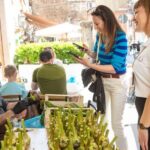
Stop 5 is Mercato di Testaccio, and this is the centerpiece of the eating portion—about 1 hour devoted to walking the food benches with your guide.
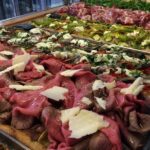
This is where you sample several traditional street foods, with tastings that include things like:
- suppli
- polpette
- country-style cheese and other old-school dishes
- cacio e pepe
- plus wine tastings as part of the included program
You’ll also taste 3 wines total. That’s a big value point: wine in Rome can add up fast if you’re choosing on your own. Here, you’re given a structured path so you can compare flavors without the guesswork.
The market time is also practical for your next day in Rome. After this, you’ll start recognizing what you actually want to hunt for on your own—because you’ve already learned how locals frame these dishes.
If you’re sensitive to alcohol, note that wine is included. You can still enjoy the tastings, but pace yourself, especially since you’re continuing to walk after the market.
A few more Rome tours and experiences worth a look
Monte Testaccio: quiet angles and why the “mount” matters
After the market, you head to Monte Testaccio for about 40 minutes. The tour calls it a chance to discover secret spots on the Mount, and that description fits the experience. This is less about eating and more about place—looking, absorbing, and understanding what makes this neighborhood’s landmark distinctive.
Monte Testaccio is famous for its identity as a man-made mound tied to the area’s historic relationship with goods and food distribution. Even if you’ve seen photos, being there in person helps you grasp the scale and the urban logic behind it.
This stop also gives your legs a short reset. You’re still walking and viewing, but it’s not as tasting-heavy as the market segment. It’s a nice balance point in a tour that otherwise centers on food calories.
Rome War Cemetery: a brief WWII lesson that lands
The final stop is Rome War Cemetery, lasting around 5 minutes. It’s a short add-on, but it gives the day a respectful historical note—learning about the disembark of the Allies in WWII.
This isn’t the kind of stop you spend hours on. But in a tour built around everyday culture and food logistics, it offers a reminder that Rome’s streets have layers of global history too.
If you want your day to stay strictly cheerful and food-focused, keep in mind this is heavier in tone than the market. If you’re okay with a quick reality check between tastings, it works well as a closing moment.
The food plan: breakfast, market bites, and a sit-down lunch
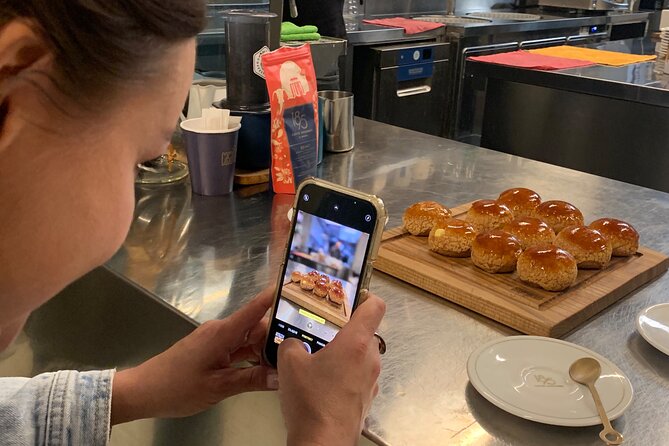
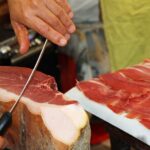
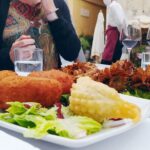
What makes this tour feel like good value is that it’s not just “try a few snacks and leave.” You start with a traditional Roman breakfast with maritozzo. Then you continue with street food tastings at the market, followed by a sit-down pasta lunch in a traditional trattoria, plus seasonal dessert.
On top of that, you get 3 wines as part of the included package.
From a planning perspective, that means you don’t have to solve lunch and snack math mid-trip. You also don’t have to guess which dishes are truly Roman versus “Rome-themed.” Your guide keeps the flow tight, so you’re eating in a sequence that makes sense.
And because the group stays small, it’s easier to handle dietary needs. The tour information states it is suitable to vegetarians and pescatarians, so you shouldn’t be stuck searching for alternatives while everyone else is eating.
One practical note: the tour doesn’t include seconds or extra items beyond what the guide orders. That’s normal for a structured tasting. It also means you’ll want to pay attention during tastings, because what you sample is the main show.
Price and value: why $119.48 can be a smart buy
At $119.48 per person for roughly 3 hours 30 minutes, this isn’t a budget-only option. But it also isn’t priced like a generic walk.
Here’s the value logic: you’re paying for a local guide, a guided walk through Testaccio with multiple themed stops, and a full eating plan that includes:
- breakfast with maritozzo
- market street food tastings
- sit-down pasta lunch
- seasonal dessert
- 3 wines
If you were to recreate this day on your own, the cost would likely creep up quickly once you add up lunch, multiple snacks, and wine. The other hidden value is time: you don’t have to research vendors, figure out what to order, or negotiate for tastings at a busy market while hungry.
Also, it’s an experienced-focused tour with a maximum of 10 travelers, which usually translates into better pacing and more attention. If you’re someone who hates feeling like a number on a big group food tour, that small-group structure matters.
One timing tip: this tour is often booked about 63 days in advance. That doesn’t mean it will sell out instantly, but it does suggest it’s popular enough that you shouldn’t wait until the last minute.
Getting the most out of the route (and avoiding common mistakes)
This tour ends near the Metro Station of Piramide, so you’ll have an easy exit once you’re done.
To enjoy the day without friction:
- Wear comfortable shoes for a walking-heavy route.
- Eat the tastings even if you’re not sure you’ll like a specific dish. Part of the point is learning how locals think about it.
- Pace yourself with the included wine, especially on the market portion when sampling stacks up.
If you’re visiting with friends and you’re the “planner,” this tour is a good compromise: you get structure and tastings, but you’re still walking through real neighborhoods where life is happening.
If, on the other hand, you want the big monument highlights only, this may feel too niche. It’s a food and culture tour, not a Rome greatest-hits tour.
Who should book this Rome street food and Testaccio tour?
I’d book it if you want:
- a local-market experience with guided tastings
- a full meal plan (breakfast + street food + pasta lunch)
- a small group format with time for questions
- a mix of food culture and neighborhood context
I’d think twice if you’re:
- chasing only famous monuments and want minimal walking
- traveling on a tight schedule where a 10-stops-in-the-sense-of-a-day route feels too much
Should you book this tour or skip it?
If you like the idea of eating your way through Testaccio with a guide who can explain what you’re tasting while you walk, this is an easy yes. The pricing works because you’re not just paying for information—you’re paying for meals, tastings, dessert, and wine in one controlled plan.
Book it especially if you’re the kind of traveler who wants less guesswork and more “just do it” Rome days.
If you want a classic sightseeing crawl instead of a food-and-neighborhood day, look for a monument-based tour. But for most first-timers who also love markets, this one hits the sweet spot.
FAQ
How long is the tour?
It runs for about 3 hours 30 minutes.
What time does the tour start?
The start time is 10:30 am.
Where do we meet the guide?
You meet at Piazza Flavio Biondo, 7, 00152 Roma RM, Italy.
Where does the tour end?
The tour ends a few steps from the Metro Station of Piramide, in Piramide area, 00154 Rome.
What language is the tour offered in?
The tour is offered in English.
How many people are in the group?
The tour has a maximum of 10 travelers.
What food and drinks are included?
Included are Roman breakfast with maritozzo, street food tastings, a sit-down pasta lunch at a traditional trattoria, seasonal dessert, and 3 wines.
Is the tour suitable for vegetarians and pescatarians?
Yes, the tour information says it is suitable to vegetarians and pescatarians.
Are admission tickets included for the stops?
Admission tickets are listed as free for each stop on the route.
What if I cancel or the weather is bad?
Cancellation is free if you cancel up to 24 hours in advance for a full refund. The tour requires good weather, and if it’s canceled due to poor weather, you’ll be offered a different date or a full refund.