REVIEW · BOSTON
Boston: Guided Seafood Tasting and History Tour
Book on GetYourGuide →Operated by Intrepid Urban Adventures · Bookable on GetYourGuide
Seafood and Boston history, side by side. I like how the tour gives you behind-the-scenes access to a working lobster facility, plus time at Boston’s oldest continuously operating fish pier. The food portion is built to be a full meal’s worth, but there’s one big catch: it centers on shellfish, and a shellfish allergy means they can’t offer substitutions.
In a small group of up to 12 people, I also like the way the guide turns the Seaport District into a living classroom. Guides such as Nabil and Olivia are repeatedly praised for enthusiasm and for making the work behind the docks feel real, not like a museum exhibit. Plan on a solid walk too—around 2 miles—so wear comfortable shoes.
In This Review
- Key highlights that make this tour worth your time
- Seaport seafood, but with real dockyard context
- Where the tour starts at South Boston Maritime Park
- Harborwalk stroll: scenery plus working-port storytelling
- Boston Fish Pier: oldest continuously operating, and you can feel it
- Behind the scenes at a working lobster facility
- South Boston Waterfront: where history meets the present job
- Fort Point Channel and the century-old seafood shack finish
- The tastings: lobster roll, chowder, and seasonal shellfish
- Sustainability lessons that connect to what’s on your plate
- Price and value for 150 minutes in Boston’s Seaport
- Who this tour suits best (and who should skip it)
- Booking checklist and what to bring
- Should you book this Boston seafood tasting and history tour?
- FAQ
- Where does the tour start?
- How long is the tour, and how much walking is involved?
- What food is included in the tasting?
- Is the tour suitable for people with shellfish allergies?
- What group size should I expect?
- Does it run in bad weather?
Key highlights that make this tour worth your time
- Working lobster facility access: you don’t just hear about the industry; you see how it operates.
- Oldest operating fish pier: a rare look at Boston’s long-running seafood engine.
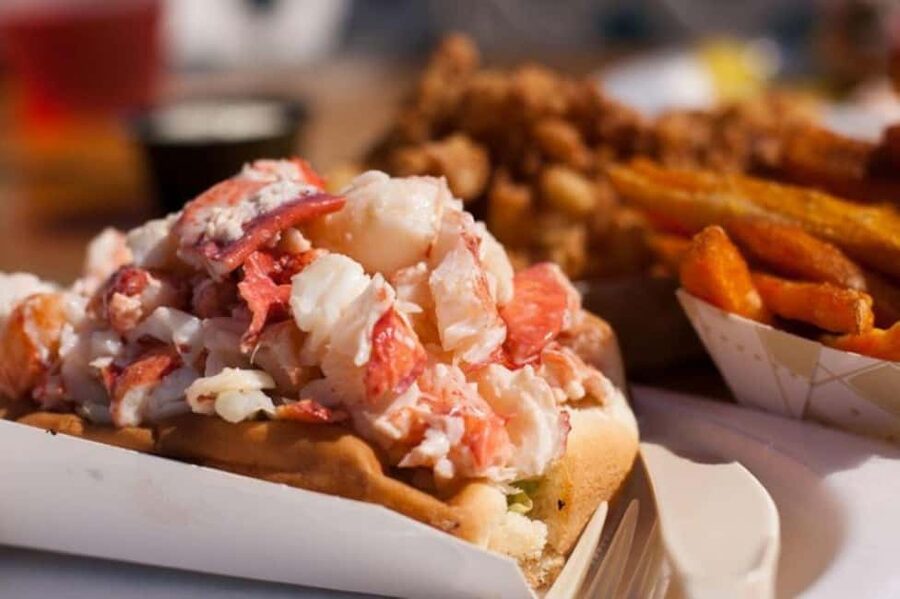
- Food that adds up to a full meal: lobster roll, clam chowder, and seasonal shellfish specialties.
- Harborwalk and Fort Point Channel: waterfront scenery plus practical history as you move along.
- Sustainability in plain language: conservation talk tied directly to what ends up on your plate.
- Small group pace: up to 12 people means more questions and fewer time-wasted logistics.
Seaport seafood, but with real dockyard context
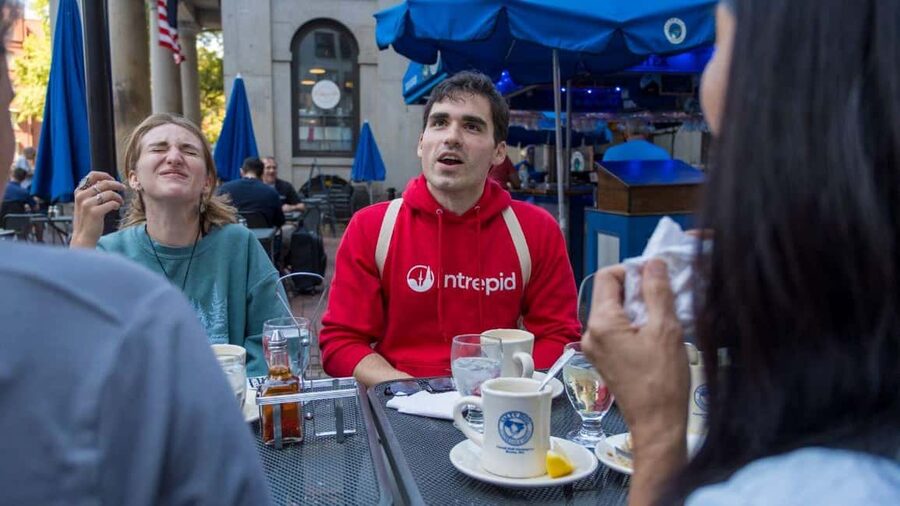
Boston does seafood well, but this tour is different because it connects the plate to the people and routines behind it. You’re walking through the Seaport area with a local guide who’s focused on how the working waterfront supports the city—and how Boston Harbor’s cleanup and conservation efforts affect what’s available now.
I especially like tours where the food isn’t random. Here, the tasting order is meant to build into a progression: briny classics, hot comfort food, then the next seasonal favorites, all while you’re learning what makes this harbor cycle work.
And yes, the point is tasting. You’ll leave full—more than full—without needing to stop at extra restaurants afterward.
You can also read our reviews of more food & drink experiences in Boston


Where the tour starts at South Boston Maritime Park
You meet at South Boston Maritime Park (600 D Street, Boston), in the center of the park near the outdoor seating and under the tall, shady roof structures. The location matters because you’re starting right where the waterfront energy starts—not across town where you then have to rush into “doing tourist things.”
From the start, you’ll get the basic rhythm: short walks, guided stops, and tastings timed to keep you moving without feeling rushed. The tour lasts about 150 minutes, so it’s long enough to feel substantial, but not so long that you lose the story thread.
Harborwalk stroll: scenery plus working-port storytelling
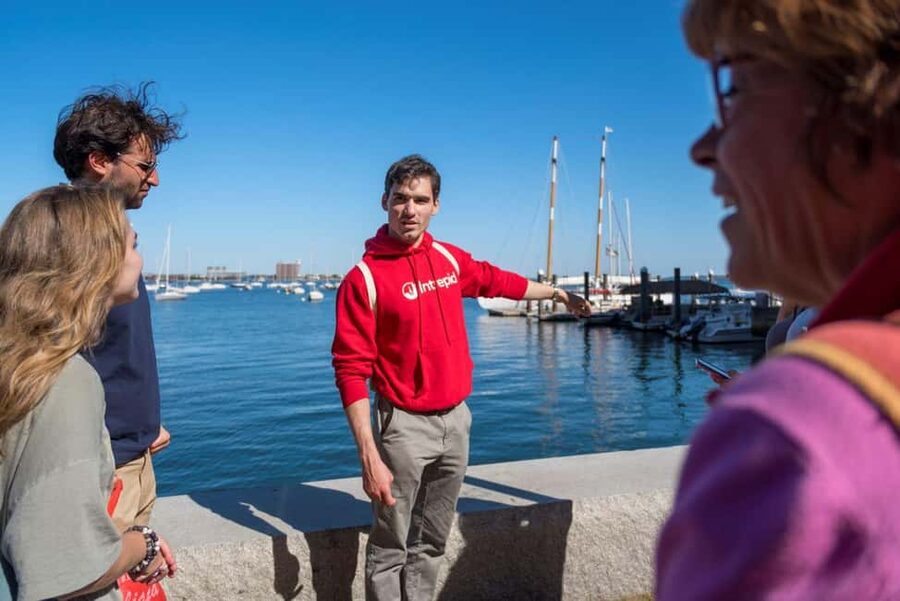
Next you head onto the Boston Harborwalk. This is one of those “easy walking, good views” stretches where the guide can point out what you’re actually looking at: the harbor edge, the working-waterfront vibe, and the places tied to fishing and seafood operations.
Why I like this section for you: it’s not just pretty water. It’s an orientation to the waterfront geography so later stops (like the fish pier) feel connected instead of random.
You’ll likely notice how the tour keeps pairing the landscape with the job. You’re learning how the harbor works, not just seeing it.
Boston Fish Pier: oldest continuously operating, and you can feel it
One of the standout pieces is the exclusive visit to the Boston Fish Pier, described as the oldest continuously operating fish pier in the U.S. That “oldest” detail is more than trivia. It signals that this is still a functioning part of the city’s seafood system, not a recreated set.
This stop tends to stick with people because it reframes seafood from a menu item into a supply chain. You’ll be walking through a place with ongoing operations, and the guide’s explanations help you understand what kinds of decisions and practices keep seafood moving from harbor to plate.
Practical note: this is a working area, so expect an active environment and wear shoes that can handle uneven spots.
Behind the scenes at a working lobster facility
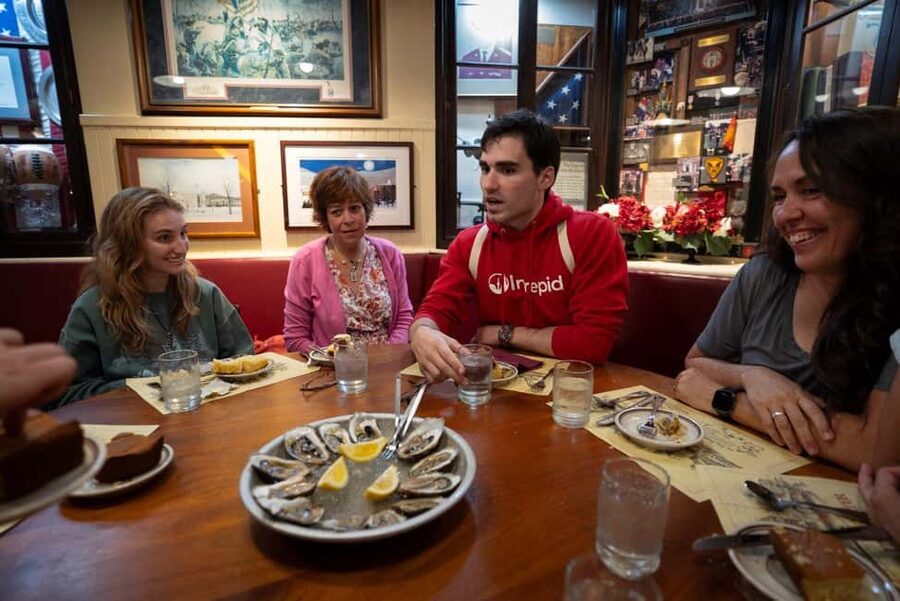
The tour’s most hands-on moment is the behind-the-scenes access at a working lobster facility. This is where the tour earns its “history and tasting” label in a very literal way: you see how lobster gets handled as part of day-to-day operations.
Why this matters: lobster rolls are easy to romanticize. The tour pushes past the fantasy and shows the real workflow—so when you eat later, you’ll understand why certain textures, freshness, and timing matter.
This is also where the guide’s tone helps a lot. Names like Nabil and Conner show up in people’s feedback for a reason: the best versions of this tour are guide-led in the most practical sense—clear explanations, real enthusiasm, and answers to the questions you didn’t know you had.
You can also read our reviews of more guided tours in Boston

South Boston Waterfront: where history meets the present job
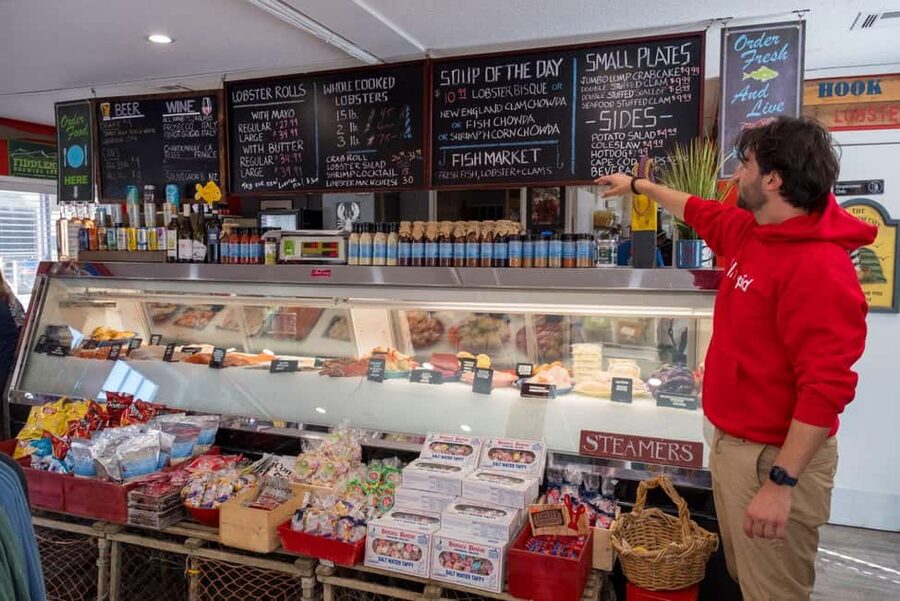
After the pier segment, you move along the South Boston waterfront. This stretch is guided, which helps because it turns “walking between places” into a story of how Boston’s waterfront has evolved.
You’ll get insight into how Boston Harbor became one of the cleanest urban waterfronts in the world. The key is that it’s not delivered as a brochure. The guide connects those conservation steps to seafood sustainability—how responsible fishing supports the ability to enjoy shellfish and other seafood over time.
For you, this section is the payoff. It makes the earlier access feel relevant instead of just cool. You’ll start to see the harbor as an ecosystem with rules, not just scenery.
Fort Point Channel and the century-old seafood shack finish
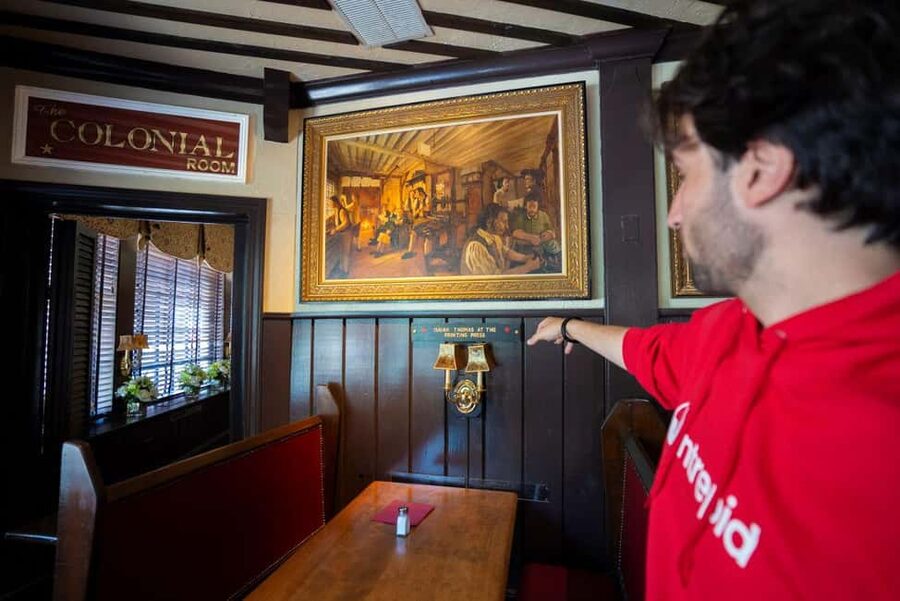
Near the end, you spend time around Fort Point Channel and then get one more memorable bite from a century-old seafood shack along the water. This matters because it gives you a final taste in a setting that feels tied to Boston’s long seafood rhythm.
The finish at Rose Kennedy Greenway is a nice reset. You’re walking off the water, getting a breather, and ending in a space built for people—art, greenery, and a chance to ask your guide for “what to do next” food and sightseeing ideas.
If you’ve ever finished a food tour and felt weirdly still hungry or strangely unmoored, this end point helps. You finish with a digestible pace, then have a calm public space for the next step of your day.
The tastings: lobster roll, chowder, and seasonal shellfish
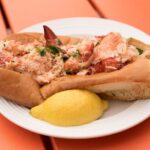
The tour is structured so the variety adds up to a full meal. Samples can include, but aren’t limited to:
- lobster roll
- New England clam chowder
- Atlantic bluefin tuna handrolls (when offered)
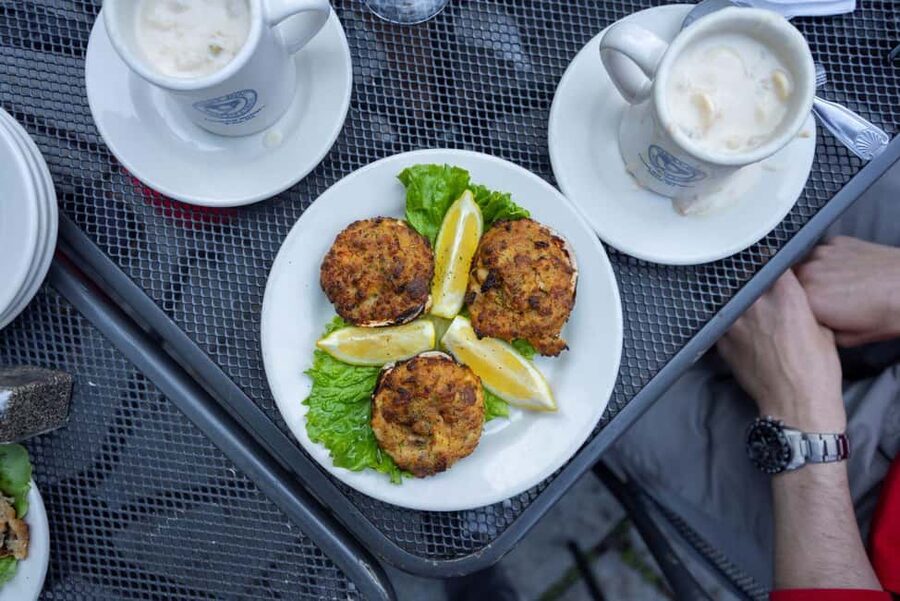
- stuffed clams, quahogs
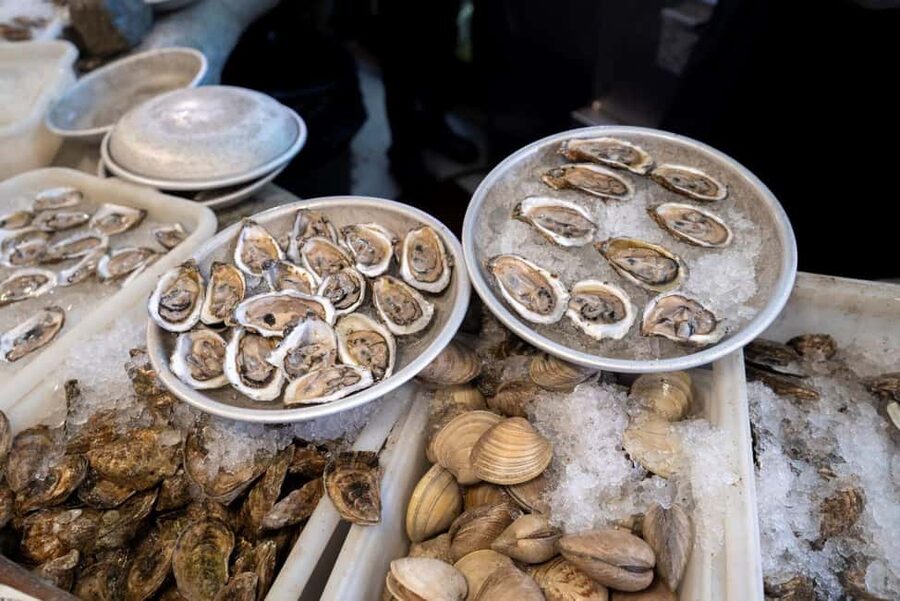
- oysters or fried clams as seasonal specialties
- sometimes raw oysters, depending on the day
What I like about this approach is the balance between iconic and flexible. A lobster roll and clam chowder are core New England anchors. Then you get seasonal picks—often oysters or fried clams—so the tour feels tied to what the harbor and season can realistically provide.
You’ll also understand why “order” matters. The tastes build from buttery and comforting into more briny and ocean-forward flavors. It’s a better way to eat than just sampling randomly at stop after stop.
One more practical point: because it’s shellfish-centered, you should go into it expecting that flavor profile. If you like that style of eating, this tour feels like a win. If you’re unsure about shellfish, it’s best to think twice.
Sustainability lessons that connect to what’s on your plate
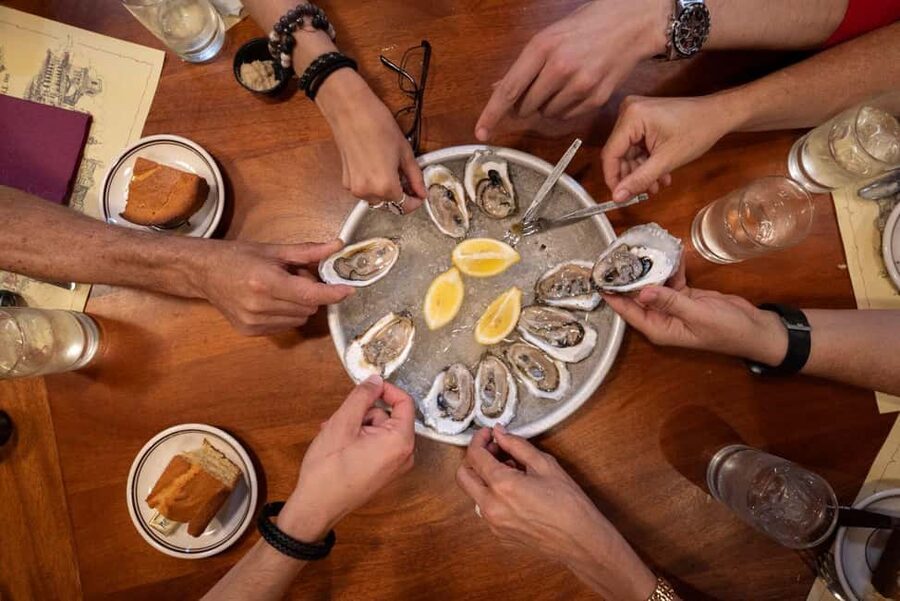
A lot of tours say sustainability. This one tries to tie it to your actual tasting experience. You’ll hear about Boston Harbor’s conservation efforts and how sustainable fishing supports future access to seafood.
I like this focus because it changes the question from What’s tasty? to Why does this stay available? The guide’s job is to make it understandable, not preachy. The best feedback on the tour highlights how the guide keeps the whole story human by talking about the people who work the harbor and why their practices matter.
Even if you don’t eat seafood every day, you’ll probably walk away with a clearer sense of cause-and-effect: conservation work changes the waterfront; responsible industry practices change what arrives fresh; those choices shape what ends up on your plate.
Price and value for 150 minutes in Boston’s Seaport
At $79 per person for about 150 minutes, this is priced like a quality food experience plus expert guiding plus access you usually can’t get on your own. The value comes from three things working together:
- Multiple tastings that add up to a full meal.
- Access beyond the public streets, including the oldest continuously operating fish pier and the working lobster facility.
- A guide who connects seafood to the waterfront story and sustainability.
If you tried to replicate this independently, you’d likely spend more time coordinating stops—and you’d still miss the working-facility and pier access part. For the money, you’re paying for convenience plus credibility plus that behind-the-scenes component.
If you’re the type who prefers to “just eat” with zero education, you might feel the tour is more than you need. But if you like eating with context—like I do—this price tends to feel fair.
Who this tour suits best (and who should skip it)
This tour fits best if you:
- love seafood and want a structured tasting without decision fatigue
- enjoy waterfront history tied to current industry
- want a small-group experience with room to ask questions
- care about sustainability and want it explained in plain terms
It’s not a good match if you:
- have a shellfish allergy (no substitutions are available)
- want a tour that’s mainly museum-style history with minimal food emphasis
It’s also a solid option if you’re visiting Boston for the first time and want a focused slice of the city—Seaport, working docks, and a practical finale at Rose Kennedy Greenway.
Booking checklist and what to bring
Before you go, I’d plan like this:
- wear comfortable shoes (you’ll walk about 2 miles / 3.2 km)
- dress for weather; the tour runs year-round and generally proceeds rain or shine unless conditions become dangerous
- if you have any food allergies besides shellfish, tell the operator at least 24 hours before departure so they can’t promise alternatives
One extra plus: the tour is described as carbon neutral and run by a B Corp certified company committed to using travel as a force for good. You’ll also pick up responsible travel tips during the experience.
Should you book this Boston seafood tasting and history tour?
My take: book it if you want the Seaport area to make sense and taste even better. The combination of working-access stops, a small-group pace, and a tasting list that truly hits comfort-food favorites like lobster roll and clam chowder makes it a strong value.
I’d skip it only if shellfish is off-limits for you or if you’re hoping for a mostly academic history walkthrough. If you’re there for flavor, stories, and the real dockyard side of Boston, this is the kind of tour that leaves you satisfied and a little more informed than when you arrived.
FAQ
Where does the tour start?
You meet at South Boston Maritime Park at 600 D Street, Boston, MA 02210. Look for the center of the park near the outdoor seating and under the tall, shady roof structures.
How long is the tour, and how much walking is involved?
The tour lasts 150 minutes. It includes about 3.2 km (2 miles) of walking.
What food is included in the tasting?
The tour includes a variety of seafood samples that add up to a full meal. Items can include lobster roll and New England clam chowder, plus seasonal specialties like oysters or fried clams. Depending on the day, it may also include options such as Atlantic bluefin tuna handrolls, stuffed clams, quahogs, or raw oysters.
Is the tour suitable for people with shellfish allergies?
No. The tour centers on shellfish and is not suitable for anyone with a shellfish allergy because substitutions aren’t available. For other food allergies, you must advise the operator at least 24 hours prior to departure.
What group size should I expect?
It’s a small-group walking tour with up to 12 people. A private group option is also available.
Does it run in bad weather?
The tour runs year-round and generally proceeds rain or shine unless weather creates a dangerous situation.