REVIEW · ROME
Trastevere Like a Local Food Tour with 7+ Food Tastings & Wines
Book on Viator →Operated by Secret Food Tours · Bookable on Viator
Trastevere tastes better when you have a guide. This 3.5-hour walk links classic sights to real Roman plates, served as progressive tastings with wine in aperitivo style. I like how the group stays small and relaxed, and I also like the food mix: fried street bites, Roman pasta stops, and a sweet finish like gelato. One possible drawback: the wine portions can feel lighter if you’re expecting big, standalone pours.
You’ll start near Via di Monte Savello, then work your way through Ponte Fabricio, Piazza in Piscinula, Vicolo del Moro, and end at Piazza Giuseppe Gioachino Belli. It’s adults-only (18+), and the pace includes real walking, so comfy shoes matter.
In This Review
- The Big Idea: Food Stops Built Around Trastevere’s Real Neighborhood Flow
- Quick Key Points Before You Go
- Your 3.5-Hour Walk: Ponte Fabricio to Piazza Belli
- Stop 1: Ponte Fabricio and the Temple of Aesculapius on Tiber Island
- Stop 2: Piazza in Piscinula and the Mattei Houses
- Stop 3: House of Dante Area—A Research Stop in the Same Square World
- Stop 4: Vicolo del Moro and That Bread-Smell Moment
- Stop 5: Piazza di Santa Maria in Trastevere and the Oldest Fountain Feeling
- What You Actually Eat and Drink: 7+ Tastings, Prosecco, and Roman Wine Pairings
- Sit-Down Stops vs Street Bites: How the Pacing Affects Your Belly
- Small Group Size: Why Up to 12 People Changes the Experience
- Comfortable Shoes, Adult-Only Pace, and Food Rules That Matter
- Price and Value: Is $130.66 a Good Deal for Trastevere?
- Who Should Book This Tour (and Who Might Want Something Different)
- FAQ
- FAQ
- How long is the Trastevere Like a Local Food Tour?
- How many stops and tastings are included?
- Is this tour adults-only?
- What’s included in the tasting menu?
- Is gluten-free possible?
- Are pets allowed on the tour?
- Where do I meet the guide, and where does the tour end?
- Is transportation provided?
- What if the weather changes the itinerary?
- Should You Book This Trastevere Like a Local Food Tour?
The Big Idea: Food Stops Built Around Trastevere’s Real Neighborhood Flow
This isn’t just a list of dishes. The route is designed to move with how Trastevere actually feels in the evening—small streets, tight squares, and lots of places where locals grab a quick bite and a glass.
What you get for the money is a guided “order smart” lesson. Instead of guessing what to eat (and where to eat it), you’re handed a sequence: vegetables, fried favorites, meat, two Roman pasta tastings, and desserts—plus Prosecco and local wine along the way. Reviews also repeatedly praise guides by name—people mention Claudia G, Rocio/Rosie/Rocci, and Roberto—which suggests the best part isn’t only the food. It’s the person steering the evening.
The flip side is expectation-setting. This tour is built around aperitivo culture, so wine shows up as a pairing with the tastings rather than a heavy-duty wine tasting with huge refills. Some diners love that style. Others leave wanting more alcohol or a fuller meal at the end.
Quick Key Points Before You Go
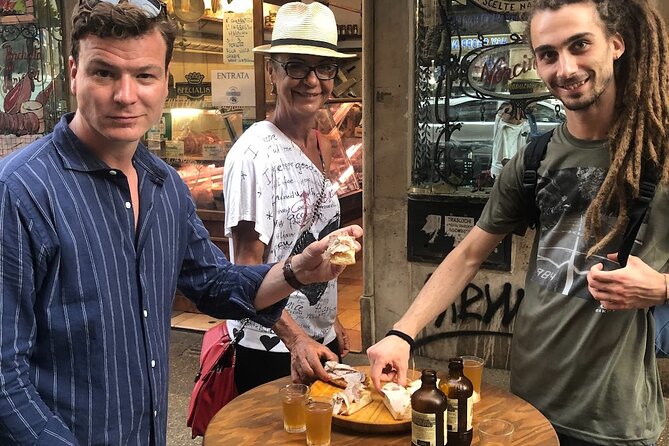
- Up to 12 people means you get attention and fewer bottlenecks in tiny streets.
- 7+ tastings include iconic Roman items like supplí and stuffed zucchini flowers.
- Prosecco DOP + local Roman wine fit an aperitivo-style flow rather than giant pours.
- Landmarks with bite-size context: you’re not just walking to eat—you’re walking to understand.
- A gelato finish keeps the evening classic and satisfying.
- Not gluten-free friendly: they can’t accommodate gluten-free allergies or intolerances.
You can also read our reviews of more food & drink experiences in Rome

Your 3.5-Hour Walk: Ponte Fabricio to Piazza Belli
The tour is about 3 hours 30 minutes and follows a sequence of meeting points and sights, with stops paced at roughly 40 minutes each. You’ll spend time on Tiber Island viewpoints and then shift into Trastevere’s older streets and squares.
The ending is at Piazza Giuseppe Gioachino Belli. That matters because you’ll naturally be in the heart of where people continue the night—so it’s easier to plan what comes next (dinner after, a stroll, or just wandering home).
If you hate hunting for start points, take note of a theme in feedback: some folks found the meeting location tricky. Your best move is to use the exact address on your map (Via di Monte Savello, 26) and arrive a few minutes early.
Stop 1: Ponte Fabricio and the Temple of Aesculapius on Tiber Island
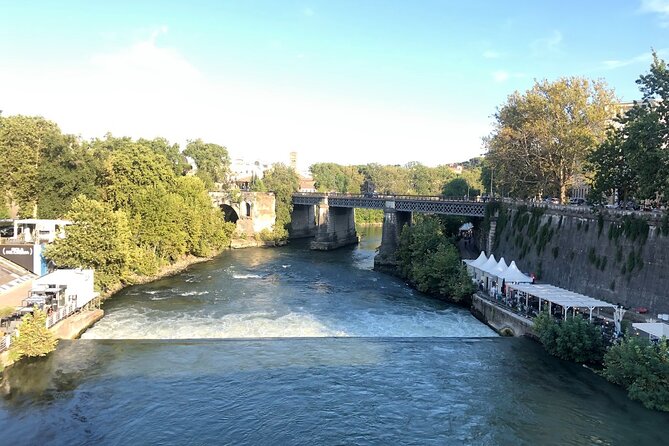
You start at Ponte Fabricio, the oldest bridge in Rome still keeping its original structure. It dates to 62 BC, and that age is the point: you’ll feel Rome the way it really is—layered, compact, and quietly ancient.
From there, the walk connects to the story on Tiber Island. In Roman times, a Temple of Aesculapius stood here—dedicated to the god of medicine (Asclepius in Greek, Aesculapius in Latin). The legend links the temple to a severe plague in 293 BC, when the Senate reportedly responded by building a place for healing and worship.
Why this stop works on a food tour: it sets the mindset. Rome’s food culture didn’t appear out of nowhere. It developed in the same city that cared deeply about medicine, public life, and repeatable routines. You’re basically getting a “Rome first” warm-up before the tasting picks up.
Practical note: this is an early anchor point, so don’t rush. Give yourself a minute to look at the river and bridge angles—Rome’s viewpoints often make the walking feel shorter.
Stop 2: Piazza in Piscinula and the Mattei Houses
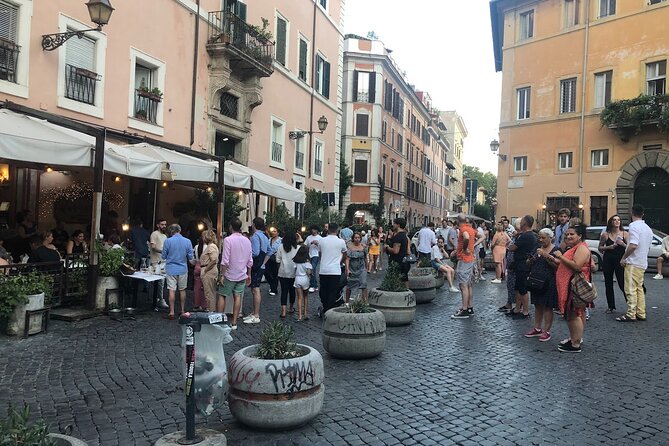
Next you’ll reach Piazza in Piscinula. The name hints at what used to be here: ancient thermal baths. “Piscinula” is a diminutive form tied to small pools, and Rome’s neighborhoods often took names from places like this.
This square has a medieval charm, and what surrounds it is part of the fun. You’ll look toward the Mattei Houses, built in the 15th century by incorporating older buildings that belonged to the Mattei family from the 14th century. Translation: Rome loves reusing the past, not replacing it.
This stop is a breather before more street-walking. It’s also a good moment to reset your appetite. The tastings are coming progressively, and this square helps you shift from “landmark viewing” to “food neighborhood mode.”
One thing to consider: the tour pacing means you won’t linger for an hour like you would at a museum. It’s more about seeing, learning a few strong facts, then moving on.
Stop 3: House of Dante Area—A Research Stop in the Same Square World
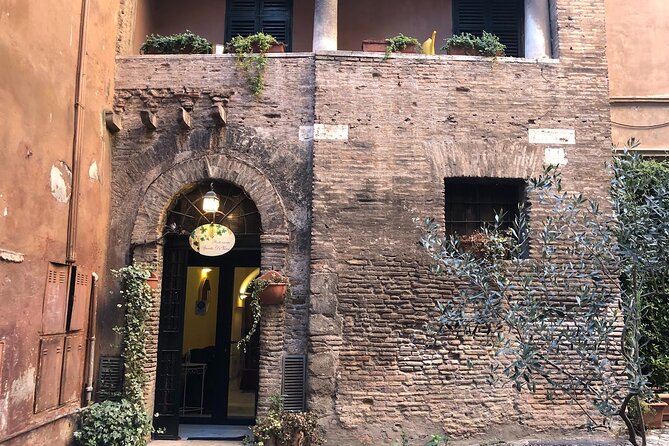
From Piazza in Piscinula, the route connects you toward the House of Dante area, which has become an active Dante research center for more than a hundred years, both in Italy and abroad.
Even if you’re not a literature superfan, the value here is practical. It places you in a part of Rome where the streets and squares still carry names and roles that matter today. This is Rome as a living system: old spaces still function.
On a night like this, it also helps the group keep moving. You’re not stuck only in “look up at architecture” mode. You get quick, focused context, and then the route bends toward Trastevere’s food rhythm.
A few more Rome tours and experiences worth a look



Stop 4: Vicolo del Moro and That Bread-Smell Moment
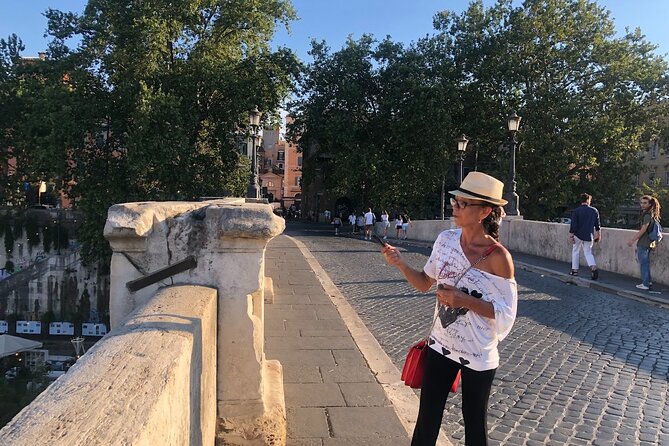
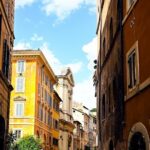
Then it’s Vicolo del Moro, a narrow street sometimes described like a chameleon. It changes mood between day and night—exactly what you want on an evening tasting tour.
As you walk, you’ll pass local shops and artisans. And then comes the sensory cue: near the area you’ll catch the aroma of freshly baked bread from La Renella Bakery, one of the oldest in Rome.
This is where the tour feels most “local” in the way food tours should. You’re walking through the kind of street where people stop without thinking. The smells do half the marketing for you.
A practical drawback: since this is a working neighborhood, you may hit tighter sidewalk moments than you’d expect on a wide boulevard. That’s where the small group size helps. In a big group, these streets feel stressful. In a small one, it’s more like wandering with friends.
Stop 5: Piazza di Santa Maria in Trastevere and the Oldest Fountain Feeling
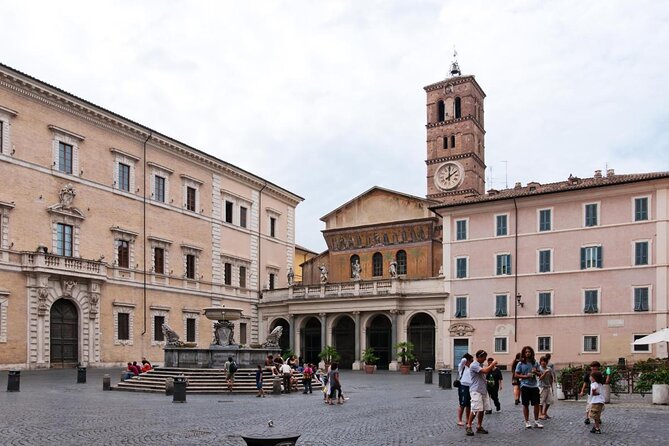
Your final landmark anchor is Piazza di Santa Maria in Trastevere, the ancient heart of the neighborhood. The centerpiece is the Basilica of Santa Maria in Trastevere, founded in 217 AD by Pope Callixtus.
Look for the church façade mosaics from the 13th century. They’re a major visual payoff and also a reminder that Trastevere’s “food hub” identity rests on top of centuries of daily life.
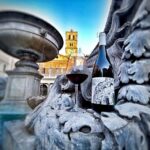
The square also has a fountain considered the oldest in Rome, built on the same location where a fountain already stood during Emperor Augustus’ era. That’s an amazing detail for a food tour ending, because it makes the finish feel like more than a casual stroll. You’re literally closing the loop in one of the area’s most time-rich spaces.
Around the basilica you’ll see major buildings like the Palazzo San Callisto and the Palazzo Cavalieri (16th century), plus the Palazzo Pizzirani (17th century). You don’t need to memorize dates. Just notice the density: Trastevere grew up in layers, not in a straight line.
What You Actually Eat and Drink: 7+ Tastings, Prosecco, and Roman Wine Pairings
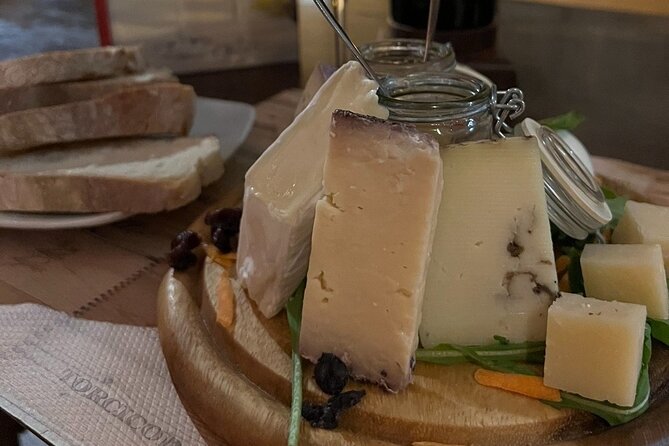
This tour includes a set lineup that leans hard into Roman comfort classics. Here’s what’s listed as included:
- Fiori di Zucca (stuffed zucchini flowers)
- Roman-style artichoke
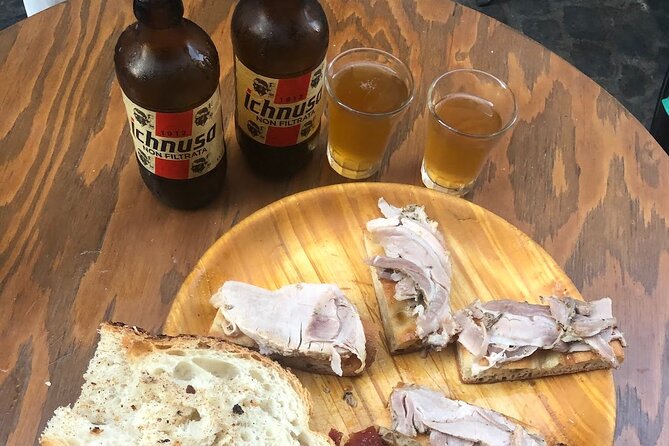
- Porchetta
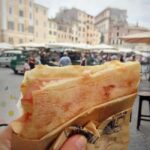
- Supplí (iconic fried street food)
- 2 Roman pastas
- Gelato
- Our Secret Dish!
- DOP Prosecco
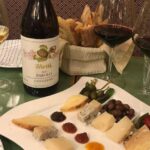
- Local Roman wine
You can taste the story of Rome in that list. You get:
- Fried vegetable bites (zucchini flowers, artichoke)
- Crispy street food (supplí)
- The roast-meat culture (porchetta)
- Starch satisfaction (two Roman pastas)
- A sweet ending (gelato), plus a mystery dish that usually signals the tour’s personality
Now, the wine. Some people love the aperitivo-style approach because it keeps the night lighter and more food-first. Other people expected more alcohol and felt underwhelmed. If you’re the type who thinks a wine tour means steady pours, you should know this is more about pairing wine with tastings than replacing a bar crawl.
There’s also mention in feedback of limoncello-like vibes and wine/beer choices depending on the stop flow. Since the exact menu can change based on availability and weather, treat the plan as a framework, not a rigid script.
Sit-Down Stops vs Street Bites: How the Pacing Affects Your Belly
A strong pattern in feedback is that people leave either comfortably full or still hungry enough to want dinner afterward. The difference often comes down to how your body reacts to multiple small tastings. If you’re used to big meals, you might not feel “fed” by small portions alone.
My take: plan for this tour to be your evening meal or the first half of it. You’ll likely get enough variety that it feels like a real culinary arc. But if your goal is to be totally done with food by the end, don’t rely on that being guaranteed.
If you want a simple strategy: go into the tour with a normal appetite, not with an empty stomach. That makes every bite feel like part of the sequence, not like you’re chasing calories later.
Small Group Size: Why Up to 12 People Changes the Experience
One reason this tour gets such high marks is the capped size: only 12 participants. In Rome, that’s huge. The streets are narrow. The kitchens are small. The seating at local spots is limited. A smaller group keeps the evening from turning into a slow-motion obstacle course.
It also makes guides easier to trust. Names that come up in reviews include Claudia G and Rocio/Rosie/Rocci, plus Roberto. The common thread is that the guides handle pacing well and keep the group engaged without turning it into a lecture.
If you want a tour where you can ask a quick question, get a suggestion for what to order later, or just share your preferences without feeling lost in a crowd, this size helps.
Comfortable Shoes, Adult-Only Pace, and Food Rules That Matter
This is adult-only (18+). It’s walking-focused, so bring comfortable shoes. The itinerary involves enough time on your feet that you’ll feel it by the end—especially if you’re also doing other Rome sightseeing the same day.
Dietary note: the tour data says they can’t accommodate gluten-free allergies or intolerances. They do ask you to contact them in advance for dietary requirements so they can cater as best they can. If gluten is a hard no for you, you’ll need to choose carefully.
Also: no pets on the food tour.
Price and Value: Is $130.66 a Good Deal for Trastevere?
At $130.66 per person, you’re paying for three things at once:
- A guided route through Trastevere’s key squares and streets (not just food stops).
- A set tasting lineup: fried bites, meat, two pastas, gelato, plus a secret dish.
- Drinks included: DOP Prosecco and local Roman wine, in an aperitivo flow.
For Rome, that can be good value if you like structure and you don’t want to spend hours comparing restaurants or hunting down the right items. The cost also reflects the small group cap, the number of stops, and the fact that you’re using multiple locations rather than doing one meal.
When it may not feel like value: if you expect a heavy wine experience, or if you need large portions to feel satisfied. Some reviews describe limited wine or smaller samples. If that sounds like your biggest priority, you might want to look for a more wine-forward option instead.
Who Should Book This Tour (and Who Might Want Something Different)
This tour is a great fit if you:
- Want a first introduction to Trastevere’s food scene
- Like a guided evening walk where landmarks and meals connect
- Enjoy progressive tastings rather than one big restaurant meal
- Appreciate aperitivo culture, even if you don’t need heavy alcohol
You might want a different style of tour if you:
- Are gluten-free or have gluten intolerance that can’t be accommodated
- Need a lot more wine than what’s typically paired with tastings
- Prefer fewer stops with larger portions
FAQ
FAQ
How long is the Trastevere Like a Local Food Tour?
It’s about 3 hours 30 minutes.
How many stops and tastings are included?
The walk includes 5 named stops, and the experience includes 7+ food tastings along with wines.
Is this tour adults-only?
Yes. It’s strictly for adults over 18 years old.
What’s included in the tasting menu?
Included items listed are: Fiori di Zucca (stuffed zucchini flowers), Roman-style artichoke, porchetta, supplí, 2 Roman pastas, gelato, a secret dish, DOP Prosecco, and local Roman wine.
Is gluten-free possible?
No. The tour cannot accommodate gluten-free allergies or intolerances.
Are pets allowed on the tour?
No. Pets can’t be accommodated on the food tour.
Where do I meet the guide, and where does the tour end?
The start is Via di Monte Savello, 26, 00186 Roma RM, Italy. The tour ends at Piazza Giuseppe Gioachino Belli, 00153 Roma RM.
Is transportation provided?
Hotel pickup and drop-off are not included.
What if the weather changes the itinerary?
The itinerary and menu can change based on location availability, weather, and other circumstances.
Should You Book This Trastevere Like a Local Food Tour?
Yes—if you want an evening that teaches you what to order in Trastevere and you’re happy with tastings that build from savory to sweet. The small group size (capped at 12) is a real quality signal in a neighborhood that can get tight fast, and the mix of Roman classics—supplí, porchetta, two pastas, gelato—gives you breadth without feeling like you’re eating the same thing five times.
Book with care if your top priority is big wine pours or if you need gluten-free options (those won’t be reliably covered). Also give yourself extra time to find the meeting point using the exact address; that’s the one practical gripe that shows up.
If your goal is to leave Trastevere full, a bit tipsy, and with better instincts for where to eat next, this tour is a strong choice.