REVIEW · ROME
Rome Private Wine & Food Tour Trastevere, Ghetto, Campo de Fiori
Book on Viator →Operated by GOURMETALY FOOD TOURS OF ROME · Bookable on Viator
A great Rome meal is built from stops like this. This private 3.5-hour walking tour threads together Rome’s best food neighborhoods—Campo de’ Fiori, the Jewish Ghetto, and Trastevere—with market time, tastings, and seated wine. I love how the itinerary mixes practical eating (pizza bianca, mozzarella, cured meats) with place-based stories, and I also love the steady rhythm of tastings instead of one rushed plate. One thing to consider: you’re walking for much of the tour, and on Sunday the plan shifts because many independent shops close.
You’ll start in an elegant square near the French Embassy, then head toward some of the most Roman “everyday” ingredients and dishes—cheeses, cured meats, fried seasonal bites, and housemade pizza. The best part is that you’re not stuck following a script in front of crowds; you get a local guide’s eye for what to notice and what to taste next, and you can choose a morning or afternoon slot. If you’re watching allergies, it’s smart to plan ahead since the tastings can include milk, eggs, soy, mustard, nuts, and gluten (with cross-contact possible).
In This Review
- Key highlights worth planning around
- Why this Campo de’ Fiori–Ghetto–Trastevere route feels worth the time
- Price and value: what $217.69 buys you in real eating
- Morning vs. afternoon: choosing the right market mood at Campo de’ Fiori
- Morning tours
- Afternoon tours
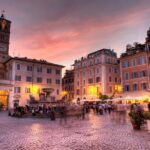
- Piazza Farnese start: a calm, elegant launch point
- Campo de’ Fiori tastings and the Giordano Bruno pause
- The Roman Jewish Ghetto: Piazza delle Cinque Scole and food with context
- Historic pizza and bread stops: Antico Quartiere favorites
- Antico Quartiere Ebraico to pizza al taglio energy
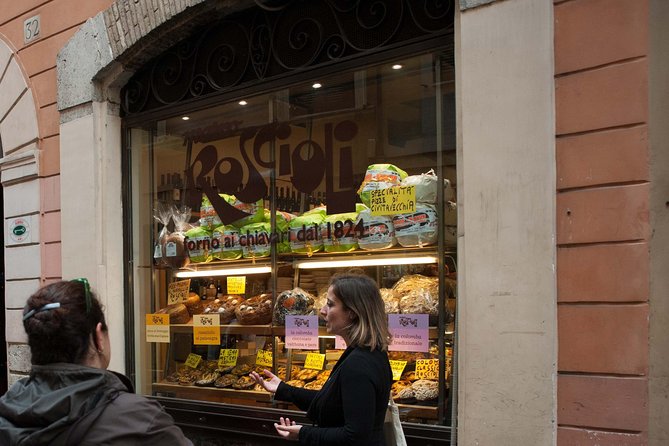
- Antico Forno Roscioli: the pizza al taglio moment
- Crossing to Isola Tiberina: a short scenic break with a Roman twist
- Seated pasta and wine: cacio e pepe and amatriciana with a slower pace
- Gelato at Fiordiluna: the sweet finish with a name attached
- Trastevere finale near Santa Maria in Trastevere
- Sunday schedule changes: how the tour adapts when shops close
- What to watch for: walking time, allergens, and the wine rhythm
- Who should book this private Rome food and wine tour
- FAQ
- How long is the Rome Private Wine & Food Tour?
- Where do we meet and where does the tour end?
- Is this a private tour?
- What food and wine tastings are included?
- Do you offer vegetarian or dietary options?
- Does the itinerary change on Sundays?
- Should you book this tour?
Key highlights worth planning around
- Private guide attention for your group, not a crowded group tour vibe
- Campo de’ Fiori market time in the morning, plus a more relaxed square feel in the afternoon
- Jewish Ghetto food stops tied to cultural context around Piazza delle Cinque Scole
- Seated wine tastings across the route, not just sips on the move
- Trastevere finish near Santa Maria in Trastevere, so you end in a classic dining zone
- Sunday route adapts to the fact that many shops close that day
Why this Campo de’ Fiori–Ghetto–Trastevere route feels worth the time
Rome’s food tours often go for one thing: name-brand sights or food “hits.” This one tries to do both without turning the meal into a checklist. You start near Piazza Farnese—a beautiful, orderly square with the Farnese building, the French Embassy, and two fountains—then move through neighborhoods where the food culture is part of the daily rhythm.
What you’re really buying with a tour like this is ordering clarity. Your guide helps you taste like a local: cheeses and cured meats first, then pizza and pasta styles that actually make sense for the places you’re in, then the sweet finish. It’s also practical because it groups a lot of eating into a single walk. In about 3.5 hours, you cover major food zones that would take you much longer to piece together solo.
The private format matters, too. When it’s just your group, questions don’t get cut off, and the guide can keep the pacing aligned with your speed—especially helpful if you’d rather linger over a market stall than march past it.
You can also read our reviews of more food & drink experiences in Rome
Price and value: what $217.69 buys you in real eating
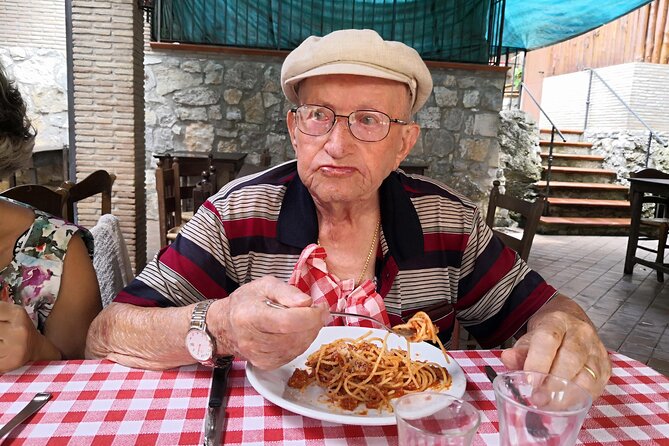
At $217.69 per person, this is not the cheapest thing in Rome. But the price lands better when you look at what’s included: multiple tastings across several historic food stops, three wine tastings (served at seated portions), and a gelato finale.
Instead of paying for one big meal, you’re paying for:
- tastings at different types of places (grocery counters, bakeries, restaurants, gelato shops)
- several rounds of Roman favorites and neighborhood specialties
- wine that’s served as part of the tasting plan, not as an afterthought
That’s the big value. You end up with a “greatest hits” sample of Roman food—like pizza bianca with mortadella, cacio e pepe, amatriciana, supplì al telefono, and seasonal fried vegetables—plus you learn what makes each one Roman and where it fits in the local food story.
Morning vs. afternoon: choosing the right market mood at Campo de’ Fiori
This tour comes in both morning and afternoon versions, and that choice changes the feel of your first major food stop.
Morning tours
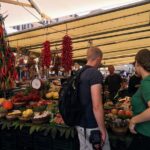
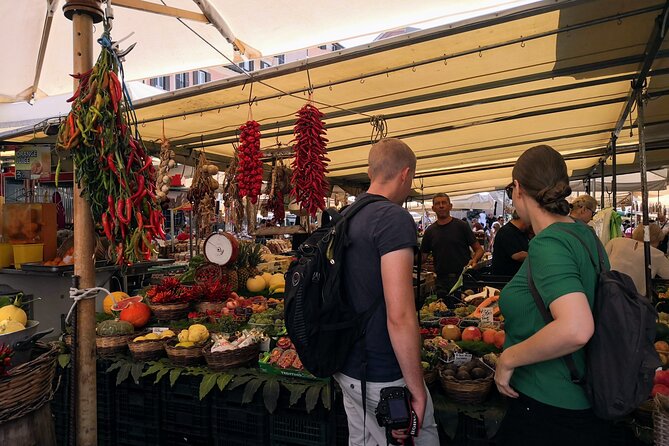
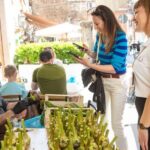
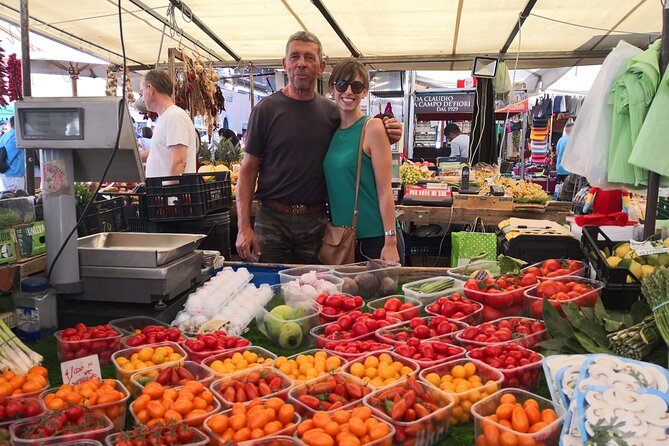
Morning is when Campo de’ Fiori is at its peak: you’ll browse seasonal produce and chat with vendors, seeing how residents shop for everyday ingredients. It’s lively, busy, and you’ll get a better sense of what’s actually in season. You also visit the square’s landmark moment, including the statue of Giordano Bruno, tied to the themes of freedom of speech and thinking.
Afternoon tours
Afternoon is more about atmosphere than the full market frenzy. Even when the market isn’t running at peak intensity, Campo de’ Fiori still works well because it’s a strong neighborhood hub. You can taste the Roman classics without the scramble of peak morning shopping.
If you want the market energy, pick morning. If you’re more interested in the food-and-walk flow (and you sleep in), pick afternoon.
A few more Rome tours and experiences worth a look

Piazza Farnese start: a calm, elegant launch point
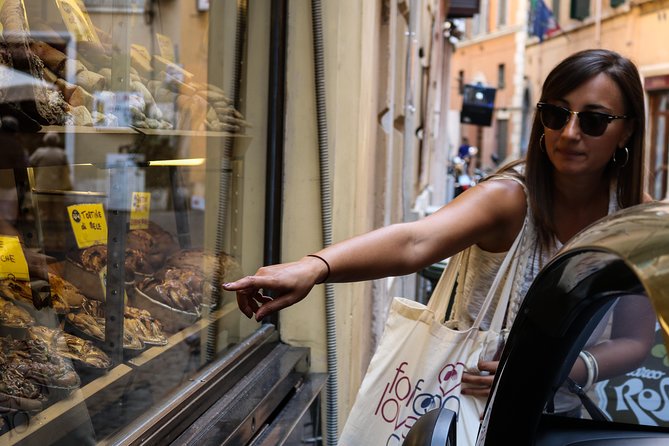
You meet at Piazza Farnese, 106 (near the French Embassy), and this is a smart start. Before you hit the busier food neighborhoods, you get a “reset square” with room to gather, meet your guide, and get your bearings.
Piazza Farnese is also an easy visual marker. You’re not starting in a random alley. You’re starting in a place with symmetry and structure—two fountains, grand façades—so the rest of the tour feels even more like a shift from formal Rome to everyday Rome.
Campo de’ Fiori tastings and the Giordano Bruno pause
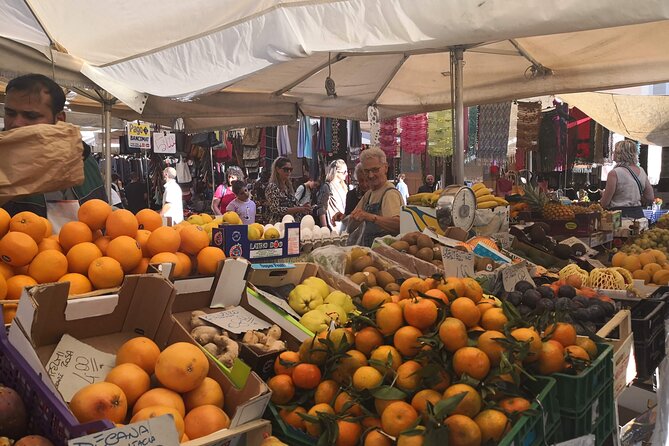
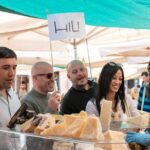
Campo de’ Fiori is one of those places where Rome’s food culture shows up in plain sight: produce, vendors, and the quick conversations of people buying what they need. During your market time, your guide helps you notice what to look for and what the season means for what ends up on Roman plates.
And yes, there’s a story beat here: the Giordano Bruno statue. You’ll see it as part of the square’s identity, not as a random stop. It’s a reminder of the bigger cultural currents that shaped Rome, not just the food.
Food-wise, this is where Roman staples start to line up for you. You’ll be sampling items like:
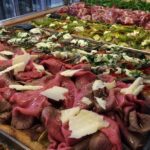
- pizza bianca with mortadella
- pizza rossa (EVO oil and tomato)
- pecorino romano with spianata romana
- mozzarella di bufala (water buffalo mozzarella)
That combo sets the table for what comes next: fried bites, pasta styles, and gelato.
The Roman Jewish Ghetto: Piazza delle Cinque Scole and food with context
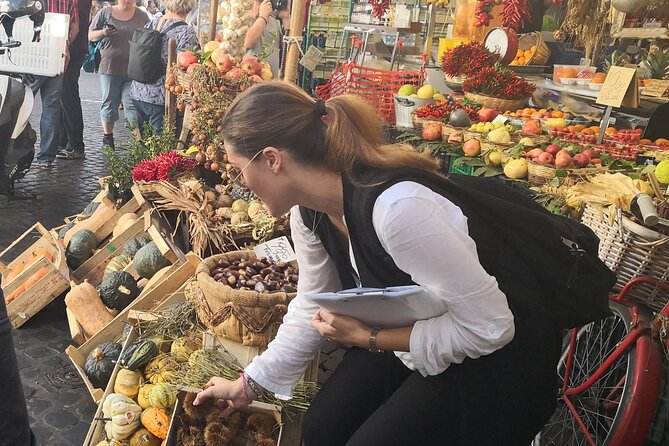
This is one of the most meaningful parts of the tour. You’ll walk through the historic Jewish quarter and hear how the area’s cultural and culinary heritage shaped what you eat.
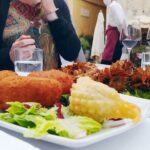
You stop at Piazza delle Cinque Scole, then move through traditional shops and tasting moments that reflect Jewish-Roman food traditions. Expect the kinds of bites that show up when you look for “comfort food” that’s also tied to history—like fried artichokes and supplì.
A few menu items that fit this part of the route:
- Jewish-style fried artichoke (winter only): double-fried, Roman classic, often referenced in the context of artichoke seasons
- supplì al telefono: rice balls filled with mozzarella and tomato sauce, fried to order
- You might also see other Ghetto-linked specialties like fried seasonal vegetables (and codfish is listed as one of the options you could taste in this section)
This stop isn’t just about eating. It’s about understanding why the flavors are the way they are. That makes the later pasta and wine tastings feel more connected, instead of random food sampling.
Practical note: the streets here are tight. That’s part of the charm, but you’ll want comfortable shoes.
Historic pizza and bread stops: Antico Quartiere favorites
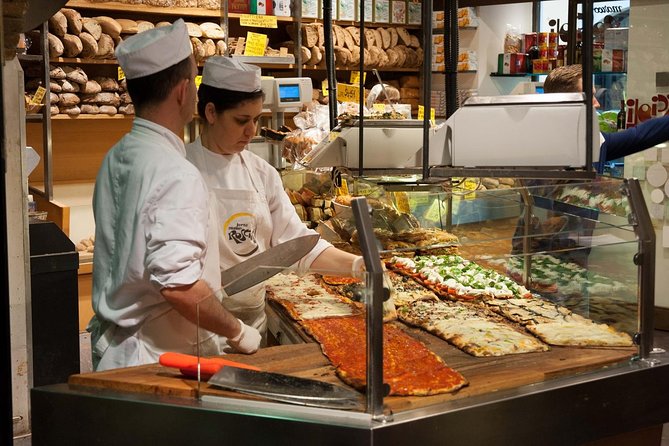
After the market and ghetto storytelling, the tour shifts from “what’s sold” to “how it’s made and why it matters.” Two standout stops are built around Roman bread culture and pizza styles.
Antico Quartiere Ebraico to pizza al taglio energy
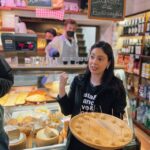
You’ll visit Ancient Pizzicheria Ruggeri, a long-running shop where the focus is on Roman tradition and the habits behind the recipes. The tasting plan here includes Roman favorites paired with your guide’s explanations and the shop’s working rhythm.
Antico Forno Roscioli: the pizza al taglio moment
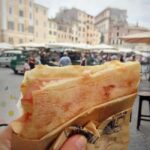
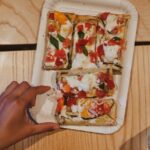
Then comes Antico Forno Roscioli, where you’ll tackle the “king” of pizza al taglio. This is for bread lovers and for people who want Rome’s casual-but-serious pizza style. The tasting is designed to make you taste the difference instead of just hearing about it.
Even if you think you already know pizza, this is the part that changes your mind. You get a Roman version of pizza logic: crunchy edges, simple toppings done well, and the way salt, oil, and texture come through.
Crossing to Isola Tiberina: a short scenic break with a Roman twist
One of the most pleasant breaks in the middle of the walk is the crossing to Isola Tiberina via the oldest bridge in town.
It’s a small detour that pays off. The island is home to a church, a convent, and two hospitals, and it carries a unique sense of place. The tour notes music at night—especially in summer—so if your timing lands in warm evenings, this area can feel extra lively.
Even when it’s not music time, it’s still a useful breathing space. You’re not just moving from food stop to food stop; you get a real pause on a meaningful stretch of the river.
Seated pasta and wine: cacio e pepe and amatriciana with a slower pace
Mid-to-late in the tour, you shift into a more seated, food-forward mode at Ristorante Sette Oche in Altalena.
This is where you’ll taste:
- cacio e pepe
- amatriciana
It’s a smart pairing because both are built around Roman staples you’ve already started encountering—especially pecorino romano and pork-based flavors. When your mouth tastes those notes again in pasta form, it clicks. You stop thinking of Roman food as “random dishes” and start seeing the pattern.
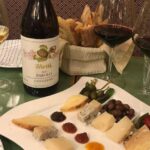
Then there’s the wine: your plan includes three wine tastings at seated moments. You’re not just sipping; you’re tasting as part of the course flow, which makes the wine feel like another ingredient in the story.
Gelato at Fiordiluna: the sweet finish with a name attached
No Rome food tour ending is complete without gelato, and this one handles it with style. You’ll finish with Fiordiluna, hosted by Eugenio Morrone, listed as gelato world champion in 2020.
This is also a “hidden shop” kind of stop, which means you’re likely to feel the calmer, local side of gelato rather than a tourist counter line. You’ll get a gelato tasting—often described as a 2-flavors cup with extras—so you can compare textures and flavors instead of locking into one choice.
If you usually skip dessert on tours, don’t. This is the part where your food day finally ties together.
Trastevere finale near Santa Maria in Trastevere
Your end zone is Trastevere, famous for narrow streets, artisan shops, cafés, and a lived-in feeling. The tour’s final stretch is designed to land you in the neighborhood that’s fun to wander after you eat—especially if you want a good dinner plan after your tour ends.
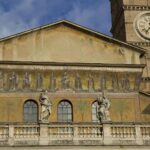
You finish at Piazza Giuseppe Gioachino Belli and near Basilica di Santa Maria in Trastevere. That matters because it gives you a landmark anchor. When you’re done, you’re not standing in an unknown pocket of Rome—you’re in the exact kind of place where you can keep walking and still find good food nearby.
Sunday schedule changes: how the tour adapts when shops close
On Sundays, the route changes because many independent shops and food vendors close. Instead, you start at a farmer-managed organic market, where producers sell directly to visitors. You’ll sample fresh products and learn how ingredients are sourced and used in Roman cooking.
Then you continue through lesser-known streets toward the Jewish Ghetto and on to Trastevere, with tastings planned around what’s open. The practical takeaway: Sunday won’t give you the same storefront-shopping feel as a weekday. But it does offer a clean alternative built around open markets and still connects you to the same neighborhood food story.
What to watch for: walking time, allergens, and the wine rhythm
This tour is weather-aware: it runs in all weather conditions, so dress appropriately. Rain in Rome can be light but still annoying on cobblestones, and footwear matters.
Also, allergies require attention. The tour notes that allergens can be present in tastings, including milk, eggs, soy, mustard, nuts, and gluten. There are options noted—vegetarian available if you advise when booking, plus gluten-free or dairy-free options available—but you’ll want to flag your needs clearly.
Finally, the wine tastings shape the pace. It’s not a party tour, but plan on a leisurely step rhythm, especially at the seated stops.
Who should book this private Rome food and wine tour
This works best if you:
- want a private guide who keeps the route focused on neighborhoods, not just monuments
- love Roman staples (pizza al taglio, pecorino-based pasta, cured meats, supplì)
- enjoy learning food context, not just collecting bites
- want a classic Trastevere finish for after-tour wandering
It’s also a solid choice for first-time Rome visitors who feel overwhelmed. Instead of trying to manage multiple locations on your own, you get a planned walk that naturally builds toward a satisfying meal arc.
FAQ
How long is the Rome Private Wine & Food Tour?
It lasts about 3 hours 30 minutes.
Where do we meet and where does the tour end?
You meet at Piazza Farnese, 106, 00186 Roma RM, Italy. The tour ends at Piazza Giuseppe Gioachino Belli, 00153 Roma RM, Italy.
Is this a private tour?
Yes. It’s a private tour/activity, and only your group participates.
What food and wine tastings are included?
Included tastings cover cheeses and hams, 2/3 pizza tastings, fried seasonal specialties, 2 pasta tastings in Trastevere, 3 wine tastings with 3 seated wine stops, and a gelato tasting. Specific items include things like pizza bianca, mozzarella di bufala, cacio e pepe, amatriciana, and gelato.
Do you offer vegetarian or dietary options?
A vegetarian option is available if you advise at booking. The tour also notes gluten-free or dairy-free options. Allergens can still be present in tastings (milk, eggs, soy, mustard, nuts, and gluten).
Does the itinerary change on Sundays?
Yes. On Sundays, the tour starts at a farmer-managed organic market and the plan adapts because many independent shops and food vendors close.
Should you book this tour?
If you want Rome food that feels grounded in neighborhoods—market-to-pasta-to-gelato with real wine stops—this is an easy yes. The standout value is the mix of private guidance plus multiple tastings, including seated wine and key Roman dishes like cacio e pepe and amatriciana.
Skip it only if you hate walking, need to avoid wine entirely, or you’re dealing with strict allergies and don’t want the added responsibility of communicating them clearly. Otherwise, this is a strong way to eat well, learn fast, and end in Trastevere with the kind of energy that leads to a great dinner.