REVIEW · ROME
Private Rome Food Tour in the Historic Centre with 8+Tastings
Book on Viator →Operated by Secret Food Tours · Bookable on Viator
Eight bites, and Rome starts making sense.
This private food tour threads classic sights with real local eating, running about 3 hours 30 minutes from Piazza Navona toward Largo di Torre Argentina. You get 8+ tastings (not just one snack), plus a guide who ties each stop to what you’re tasting and seeing, so the city feels connected instead of random.
I like two things most. First, you avoid the ordering stress: your guide chooses what you’ll eat, so you don’t have to translate what you want while you’re hungry. Second, the food is paired with the sights you actually want to remember—Campo de’ Fiori, the Jewish ghetto area, and the Campus Martius zone near Pompey’s Theatre. One consideration: plan for steady walking. The tour runs a bit over 3 hours, and you’ll be on your feet most of the time, so comfortable shoes matter.
In This Review
- Key things that make this tour a strong pick
- Your private Rome route: Piazza Navona start to Largo di Torre Argentina finish
- What’s actually on the menu: pizza, supplí, pasta, cannoli, gelato, and more
- Campo de’ Fiori: the flower-named start near Piazza Navona
- Inside a High Renaissance palace now serving as the French embassy
- The Jewish ghetto founded in 1555: Rione Sant’Angelo as a food-and-culture pocket
- The Four Rivers fountain: a dove-topped obelisk moment
- Ancient walkway remains from the 2nd century B.C.: reading Rome on foot
- Largo di Torre Argentina: four Republican temples and Pompey’s Theatre
- Your guide’s job: help you order, and help you understand what you’re eating
- Price and value: what $405.14 buys you in real terms
- Timing, weather, and what to expect when plans shift
- Should you book this Rome food tour?
- FAQ
- How long is the Private Rome Food Tour in the Historic Centre?
- Where does the tour start and end?
- What’s included in the 8+ tastings?
- Is this a private tour?
- What language is the tour offered in?
- Can the tour accommodate dietary requirements?
Key things that make this tour a strong pick
- 8+ tastings included: homemade pizza, supplí, cold cuts and cheeses, Roman pastas, cannoli, gelato, and a secret dish
- Your guide handles ordering: easier if your Italian is basic or you just want to eat
- Historic stops are built into the route: from Piazza Navona’s area to ancient walkway remains and Campus Martius
- Small-group feel with private setup: only your group participates
- Guides bring humor and local detail: multiple guide names show up in feedback (Rocio, Robbie, Ludovica, Edoardo, Massi)
Your private Rome route: Piazza Navona start to Largo di Torre Argentina finish
This is a private tour, so it’s just you and your group. That matters in Rome, where you may want to ask quick questions (what to order, what to skip, what’s worth a return visit) without feeling rushed or drowned out.
Timing is also solid. The tour clocks in around 3 hours 30 minutes, and you’re near public transportation at the start area. You’ll begin at Sant’Agnese in Agone, Piazza Navona 14 and end at Largo di Torre Argentina. That finish location is convenient because you’re right in the ancient Rome pocket—handy if you plan to keep exploring after the last bite.
The other practical point: you’re walking through dense central Rome streets and plazas. You don’t just “stop by a restaurant,” then stop again. You’re moving between landmarks while eating along the way. If you’re sensitive to pace, start with the mindset that this is a walking food tour, not a sit-and-stroll lesson.
You can also read our reviews of more food & drink experiences in Rome
What’s actually on the menu: pizza, supplí, pasta, cannoli, gelato, and more
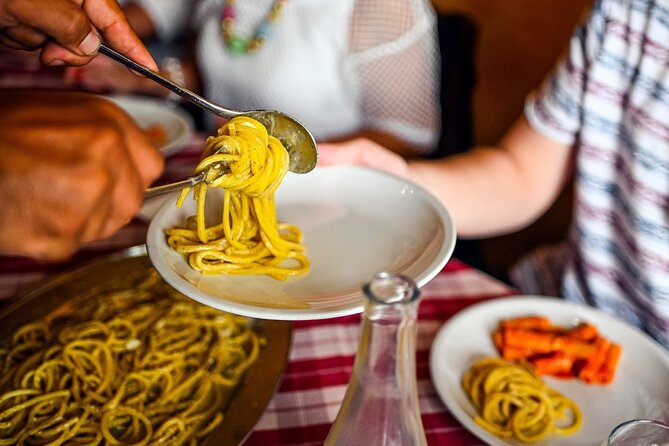
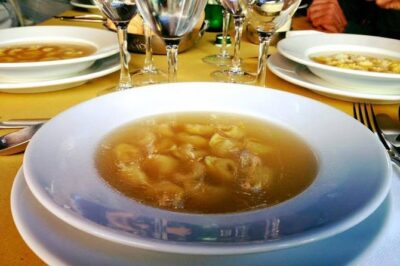
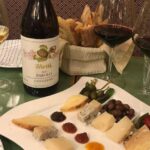
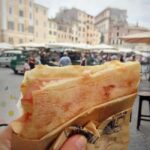
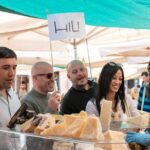
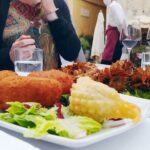
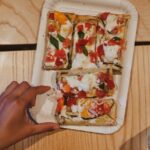
The value here is the volume and variety. You get two different types of homemade pizza, supplí (fried risotto balls), Italian cold cuts and cheeses, two Roman pastas, cannoli, and artisanal gelato—plus a secret dish. That’s a lot of food for one afternoon, especially when it’s spread across multiple tasting moments rather than crammed into one restaurant table.
Here’s how I think about these choices as a traveler:
- Pizza: having two styles is useful because Rome’s pizza scene isn’t one-note. You’ll compare textures and flavors instead of just ticking the box.
- Supplí: this is the kind of snack you usually see mentioned and then forget to seek out. Getting it here turns a “maybe later” item into part of your core tasting list.
- Cold cuts and cheeses: this gives you a break from the hot, fried, and saucy rhythm. It also helps you sample Italian staples without needing a full meal.
- Two Roman pastas: pasta tasting is where the tour can feel most “Roman.” You’re not just eating carbs—you’re sampling dishes designed for Rome’s local comfort-food style.
- Cannoli and gelato: sweet at the end is a good trick. It keeps your stomach in the game during the earlier, heavier tastings.
One small drawback to keep in mind: dietary accommodations aren’t guaranteed for every restriction. The tour advises contacting them in advance for dietary needs, and it also notes that many tours can’t accommodate certain restrictions due to how the tastings are planned. If you have a serious allergy or strict diet, message before booking so you can avoid surprises.
Campo de’ Fiori: the flower-named start near Piazza Navona
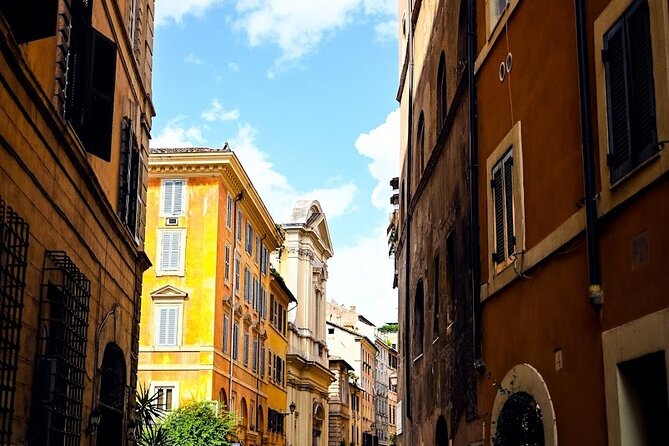
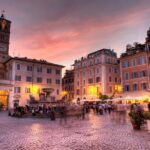
Your first highlighted area is a rectangular square just south of Piazza Navona—the Campo de’ Fiori zone. The name is literally translated as field of flowers, which is a fun detail because it hints at a place that historically shifted between market life and civic life.
Why this stop works: it sets the tone immediately. You’re in an area that’s central, walkable, and full of street energy. Even if you’ve been to Piazza Navona before, Campo de’ Fiori gives you a different feel—less “stage set” and more like Rome as a working city. It’s also a practical starting point. It’s easy to meet there, easy to orient yourself, and you’ll spend the early part of the tour gearing up for food rather than fighting jet-lag confusion.
What to watch for: this is a place to slow down for a minute. Look at the street geometry, the way the buildings frame open space, and the flow of foot traffic. Your guide will connect that movement to where people shop and eat in the neighborhood.
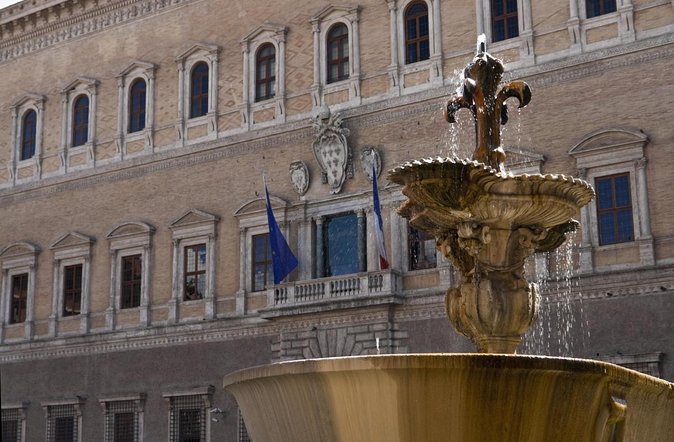
Inside a High Renaissance palace now serving as the French embassy
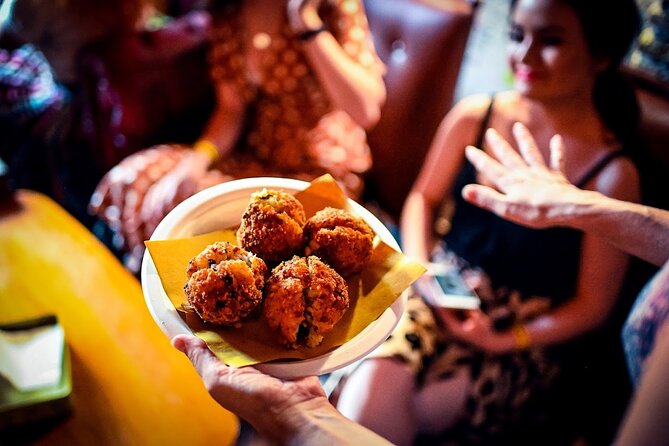
One stop takes you to a major High Renaissance palace that now serves as the French embassy in Italy. This is one of those Rome details that can slip by if you’re only hunting for obvious “must-see” monuments.
Here’s what I like about weaving an embassy palace into a food tour: it reminds you that Rome isn’t only ancient columns and ruins. It’s also layered 15th- and 16th-century power, design, and art. That mix is part of why food tours can feel more grounded than museum tickets. You’re tasting while reading the city around you.
If you’re the type who likes architecture notes, this stop should click. The exterior alone gives you plenty to look at, and your guide can explain how the area’s importance shifted over time (from civic and elite residences to today’s official use).
The Jewish ghetto founded in 1555: Rione Sant’Angelo as a food-and-culture pocket
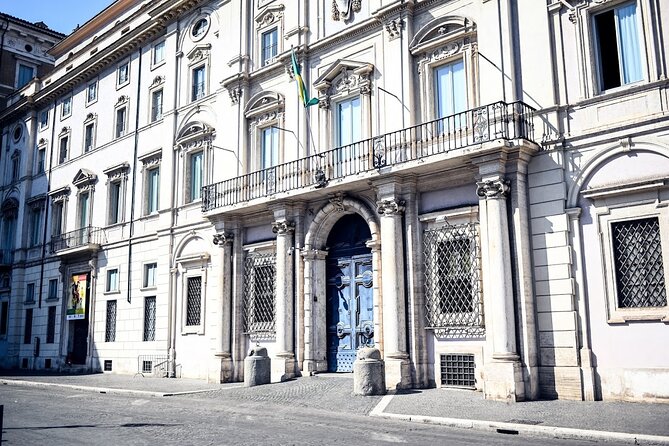
One of the most meaningful stops is the Jewish ghetto established in 1555, in Rome’s Rione Sant’Angelo area. Your route here isn’t just “walk around an old neighborhood.” It’s positioned as a district with its own history, culture, and strong food identity.
Why this matters: when food tours include a neighborhood with a specific community story, the eating feels less generic. Dishes aren’t floating in space; they’re connected to real places where people lived, traded, adapted, and built traditions.
Practical mindset: treat this as a cultural visit as well as a snack run. Keep your voice low in residential-feeling corners. Take the time to notice street life without forcing photo angles every ten steps.
Also, pay attention to how your guide frames the area. The best guides connect the “when” and “why” to what you’ll taste, so you understand not only what you ate but what the neighborhood represents.
A few more Rome tours and experiences worth a look


The Four Rivers fountain: a dove-topped obelisk moment
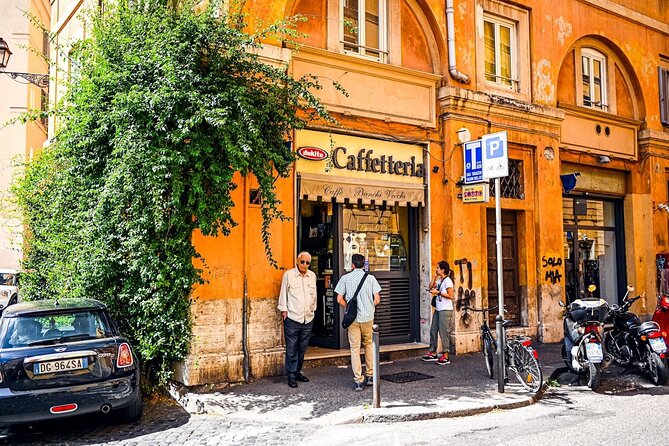
You’ll also see a classic 17th-century fountain: a homage to 4 rivers, featuring a Roman obelisk topped by a dove. This kind of landmark is perfect on a food tour because it gives your body a breather. You get a visual anchor, a quick reset, and then you’re back on the move.
What you can do here: stand back for a moment and take in the composition. The obelisk is the focal point, and the fountain’s river theme gives you something to look for even if you don’t know every symbol. If you like simple “spot-the-feature” travel, this stop is easy to enjoy.
The best part is timing. After walking through busier squares and neighborhoods, a moment like this makes the day feel less rushed and more memorable.
Ancient walkway remains from the 2nd century B.C.: reading Rome on foot
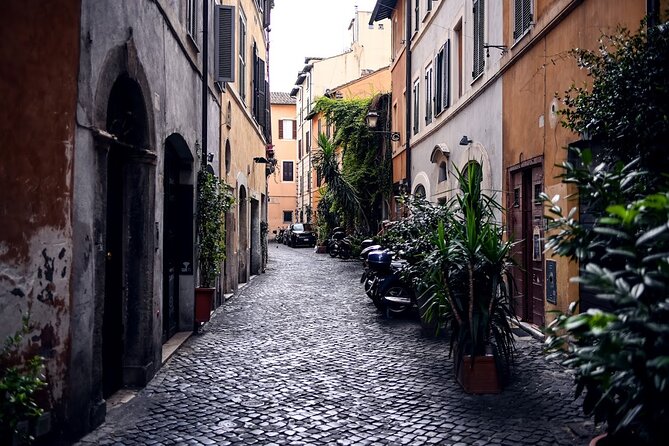
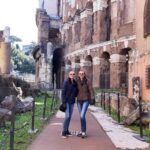
Next up are the remains of an ancient walkway, originally built in the 2nd century B.C. to link two Roman temples. This is an excellent example of Rome doing what Rome does best: making history visible at street level.
Why it works on this particular tour: the walkway stop bridges “food and life” to “ancient systems.” You’re learning about movement—how people and sacred spaces were connected long before modern streets existed.
The only caution: remains can be subtle. If you’re trying to spot what’s left on your own, you might miss details that a guide notices instantly. So don’t rush your gaze here. Give it a full minute. Look where the structure would have connected, and notice how the present-day street lines relate to ancient routing.
Largo di Torre Argentina: four Republican temples and Pompey’s Theatre
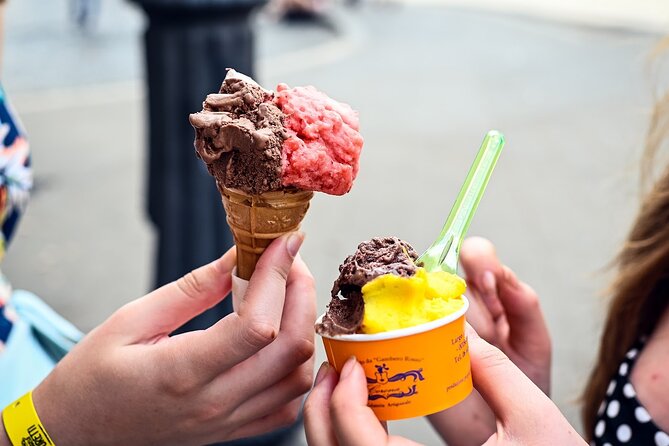
Your tour ends at Largo di Torre Argentina, a square with four Roman Republican temples and the remains of Pompey’s Theatre. This is a strong ending point because it’s dramatic without being as “traffic-heavy” as some other central landmarks. You finish with something that feels ancient and real.
If you want to make the last part count, do this: walk a slow circle around the square at the end of the tour. You’ll probably see more structure and angles that way, and you’ll also have the energy for it because you’ve built momentum from multiple tastings.
This stop also gives the day a satisfying arc. You started near Piazza Navona’s lively center. You ended in an ancient theatre-and-temples zone. In between, your guide’s route tied neighborhoods to dishes and dishes back to the city.
Your guide’s job: help you order, and help you understand what you’re eating
One of the biggest practical selling points is that language barrier issue. Your guide selects the dishes for you, so you aren’t playing menu translation roulette mid-tour.
That’s a big deal for a few reasons:
- You’ll eat what the tour wants you to eat, not whatever you can successfully pronounce.
- You get context, because the guide isn’t just handing over food; they’re explaining what you’re tasting and why those stops matter.
- You can ask for recommendations after the tasting, which is the real payoff if you want to eat well on the rest of your trip.
In the feedback for this experience, guides like Rocio, Ludovica, Edoardo, Massi, and Robbie come up by name. A common theme is guides who mix humor and local detail with the food and the sights. If you like a lively guide who keeps the pace light, this tour type usually fits that personality well.
Also, because it’s private, you’re more likely to get answers tailored to your tastes. If you love pizza, you can steer the conversation toward pizza places afterward. If you’re more into sweets, you can ask where to go next for cannoli-style treats.
Price and value: what $405.14 buys you in real terms
At $405.14 per person, the price isn’t cheap. But it can still feel fair if you treat it like a guided eating experience, not like a quick snack stop.
Here’s what you’re paying for, based on what’s included:
- 8+ tastings that span hot and cold foods, plus sweets
- Multiple rounds of food, including two homemade pizzas, supplí, two Roman pastas, cannoli, and artisanal gelato
- A private format where your group gets the guide’s attention
- Historic context tied directly to where you’re walking
If you tried to recreate this yourself, you’d likely spend time bouncing between spots while trying to translate, decide, and then find places that match the exact range of dishes. That time can add up in Rome. Paying for a guide is partly about buying convenience—and partly about buying better odds that you’ll eat dishes you might otherwise miss.
Is it the best deal for everyone? If you’re a solo traveler on a tight budget, you might compare against lower-cost group tours. But if you want a private, story-driven format with lots of included food in central Rome, this price starts to make sense.
Timing, weather, and what to expect when plans shift
The tour runs a little over 3 hours, and it’s best with good weather. The itinerary and menu are also subject to change due to availability and weather conditions.
What that means for you:
- Don’t treat it like a strict “exact dishes at exact minutes” schedule.
- Keep your expectations flexible. The tour is designed for a balanced gastronomy experience, which can mean substitutions when streets or restaurants change.
Because the tour also advises contacting them for dietary requirements, you should plan ahead. If you’re unsure, send your dietary question early enough to get a real answer before you commit.
Finally, wear comfortable walking shoes. You’ll be walking between plazas and landmark areas, and this isn’t the kind of tour where you want to discover blisters halfway through.
Should you book this Rome food tour?
If you want Rome that makes sense—food paired with neighborhoods and monuments—and you like the idea of someone else choosing what you eat, this is a strong match. The included spread is generous, and the private format keeps it relaxed. I especially like it for first-timers who don’t want to waste time figuring out where to go for specific Roman classics like supplí and Roman pastas.
Skip it (or at least ask lots of questions first) if you have strict dietary restrictions, because accommodations aren’t guaranteed. Also think twice if you dislike walking tours; you’re out for about 3.5 hours on foot.
If you fall in the sweet spot—hungry, curious, and willing to walk a bit—this one is an easy yes.
FAQ
How long is the Private Rome Food Tour in the Historic Centre?
It lasts about 3 hours 30 minutes.
Where does the tour start and end?
It starts at Sant’Agnese in Agone, Piazza Navona 14, 00186 Roma and ends at Largo di Torre Argentina, 00186 Roma.
What’s included in the 8+ tastings?
Included tastings cover two homemade pizzas, supplí, Italian cold cuts and cheeses, two Roman pastas, cannoli, artisanal gelato, and a secret dish.
Is this a private tour?
Yes. Only your group will participate.
What language is the tour offered in?
The tour is offered in English.
Can the tour accommodate dietary requirements?
They advise you to contact them in advance for dietary needs. They also note that many tours are unable to accommodate certain dietary restrictions, so it’s best to ask before booking.