REVIEW · LONDON
Eating London: The Heart of ‘The City’ Food Tour
Book on Viator →Operated by London Food Tours by Eating Europe · Bookable on Viator
London has a lot of food tours. The City has a lot of stories. This one ties both together with a relaxed pace, small group size (max 12), and real stops that Londoners actually talk about.
I especially like the way the route mixes classic City institutions with quick, useful context—so Ye Olde Watling, Sweetings, the Royal Exchange area, and George and Vulture all feel more meaningful than just a meal break. I also like that it ends at Leadenhall Market, where the buzz of the market makes a clean landing after walking through centuries of London. One drawback to plan around: tastings vary by day and season, so if you’re chasing a specific dish, expect a selection rather than a guaranteed menu.
In This Review
- Key points before you go
- Why this City food tour feels different from the usual London crawl
- What you actually do: a stop-by-stop walk through the City
- Opening moment: Captain Smith at the start point
- Stop 1: Ye Olde Watling and pub food with City roots
- Stop 2: Sweetings, London’s old fish institution
- The story stop: City of London vs the City of London
- Stop 3: Royal Exchange area and Buns From Home
- Stop 4: The Counting House, EC3 and that bank-to-bar feeling
- Stop 5: George and Vulture, Dickens-era chophouse in a back alley
- Final story beats: Shakespeare, Roman soldiers, and Harry Potter filming
- Food and drinks: what’s included, and how to plan your appetite
- The guide makes the difference: small-group energy that actually lands
- Timing and logistics you should care about
- Dietary needs and allergy reality check
- So, is it worth $131.95 for 3 hours in the City?
- Should you book Eating London: The Heart of the City food tour?
- FAQ
- How long is Eating London: The Heart of The City food tour?
- Where does the tour start and end?
- What time does the tour begin?
- How much does the tour cost?
- How many people are in the group?
- What’s included in the price?
- Are extra drinks included?
- Can the tour accommodate dietary requirements?
Key points before you go
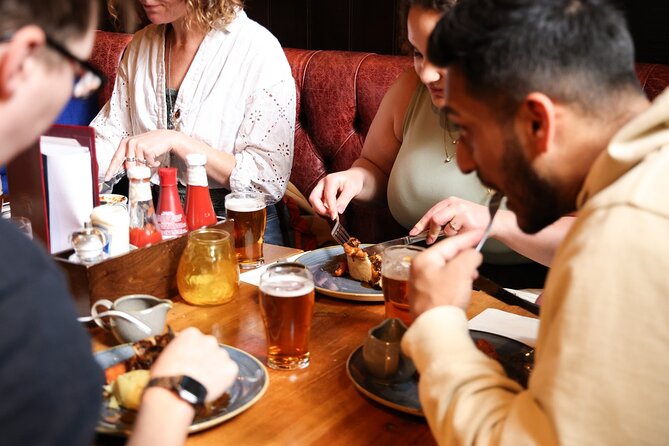
- Small group cap (12 travelers) keeps the guide able to slow down when questions pop up
- Two City food institutions anchor the tour: Ye Olde Watling and Sweetings (historic fish restaurant)
- Dickens + Shakespeare + Roman soldier vibes are built into the walk, not tacked on
- Historic pubs plus a modern success story (Buns From Home at the Royal Exchange)
- Free admission on key stops helps you avoid surprise fees during the tour
Why this City food tour feels different from the usual London crawl
This tour focuses on London’s business heart—the City—rather than the postcard center. That matters. The streets here can look similar at first glance, but the guide’s job is to point out what changed, what survived, and why locals care.
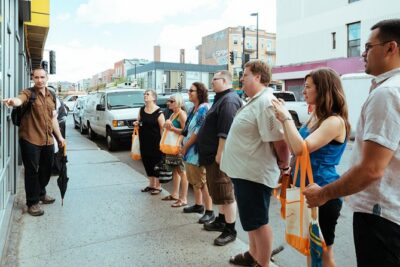
You’ll walk with a local English-speaking guide and cover a tight set of highlights over about 3 hours. The pace is designed for conversation, not marching. With a capped group size, it stays friendly and you’re more likely to hear details at the level you can remember.
The food part is a mix of classics and “only in London” stops. You’re not stuck with generic British bites. The route includes seafood from a long-running City name, pub food in an old coaching-road pub, and a chophouse tied to Dickens, plus a couple of non-food story stops that make the whole thing click.
You can also read our reviews of more food & drink experiences in London



What you actually do: a stop-by-stop walk through the City
You start near the Captain John Smith area (London EC4M 9DQ) and end at Leadenhall Market (London EC3V 1LR). The listed start time is 1:15 pm, so you get through the afternoon without needing an early-morning wake-up. You should also plan to be on your feet for a good portion of those three hours.
This is one of those tours where the “walk” is part of the show. You’ll move through medieval streets and City landmarks while the guide ties together food, trade, and culture. Think: where people ate, what they sold, and how the City shaped London.
Opening moment: Captain Smith at the start point
The tour begins at the Captain John Smith monument. It’s a fitting mood-setter for this part of London, because the City isn’t just about architecture—it’s about exploration, trade, and the reach of empire.
This opening stop also helps you understand the tour theme: you’ll see how the City’s past shows up in unexpected ways, including what people ate and what ingredients arrived through global routes.
Stop 1: Ye Olde Watling and pub food with City roots
Next up is Ye Olde Watling, a historic pub on one of Britain’s oldest roads. What makes this stop click is the building’s connection to the people who helped shape the city in a major way: the pub historically housed builders of St Paul’s Cathedral.
For you, the big value is that you get pub atmosphere without it feeling like a tourist pit stop. It’s also the kind of place where the guide can talk about the City’s working life—who passed through, who drank, and how food fit into the day.
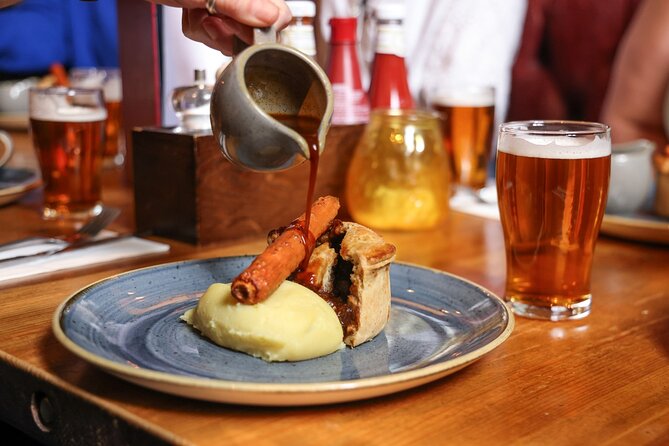
You may get a pub-food tasting that tends to land well, and people often highlight the steak and ale pie from here. If you’re a pie fan, this is a good stop to show up hungry for.
Stop 2: Sweetings, London’s old fish institution
Then comes Sweetings, described as London’s oldest fish restaurant, dating back to the 1800s. That’s not a vague claim either. This is a City institution with a reputation that reached famous food writers and chefs.
You’ll learn why fish became such a big City food, and why a place like Sweetings stuck around when tastes shifted. The guide also connects this to the wider theme of trade routes and supplies—because seafood doesn’t stay local in a city like London.
If you like restaurants with history that still feel like restaurants, this is the kind of stop that makes the tour worth it. It’s not just a photo-op, and it’s not an excuse to eat something bland.
A few more London tours and experiences worth a look



The story stop: City of London vs the City of London
Between food stops, you’ll get a short but important explanation of the difference between the City of London and what people mean when they say London more broadly. You’ll also hear how to spot what makes a real Londoner—along with stories that point your eyes toward medieval buildings, historic markets, and Roman ruins.
This is a high-value pause because it changes how you see everything you’re about to walk past. Instead of seeing random old walls, you’ll start noticing layers: the Roman presence, medieval power, and the trading world that powered it all.
Stop 3: Royal Exchange area and Buns From Home
At the Royal Exchange Building, you’ll hear about Buns From Home, a pandemic lockdown success story that’s now housed in this iconic area. The stop also ties to the City’s spice and sugar trade legacies.
This is a clever mix for your trip: it gives you a taste of modern London energy in a space tied to centuries of global commerce. For many visitors, the food part of London is fun, but the trade part is what makes you understand why London’s food culture looks the way it does.
If you’re the type who likes explanation with your bites, you’ll appreciate this stop.
Stop 4: The Counting House, EC3 and that bank-to-bar feeling
Next is The Counting House (EC3), a 19th-century bank now used as a hotel, bar, and restaurant. The guide points out the atmosphere: tall ceilings, a polished look, and the visual contrast between “banking” and “bar”—including a real-life safe behind the bar that can feel a bit like a movie set.
This stop works even if you’re not an interior-architecture person. It’s a fun way to show how City spaces were repurposed, and why London can be both ancient and very functional at the same time.
Stop 5: George and Vulture, Dickens-era chophouse in a back alley
Then you’ll find George and Vulture, tucked down a back alley. It’s the oldest chophouse in London with origins from the 1700s, and it has a tight link to Charles Dickens.
This is where the tour really leans into literary London. Dickens loved the place, and it’s connected to the supper in A Christmas Carol. You’ll also get to see Dickens-related items tied to a party bill—one of those details that makes the whole thing feel oddly personal, like you’re standing in a scene from a book.
And yes, people tend to leave this stop talking about how good the food is when it’s paired with that story context.
Final story beats: Shakespeare, Roman soldiers, and Harry Potter filming
Toward the end of the walk, you’ll cover a few “in the footsteps” style moments. Expect Shakespeare and Roman soldiers to show up in the storytelling, plus a nod to Harry Potter.
You’ll also see a filming location from the first Harry Potter film. It’s a short hit, but it’s the kind of moment that makes the whole afternoon feel lighter after the more serious trade and architecture talk.
The tour finishes at Leadenhall Market, which is a satisfying end point: a real market setting with energy, right where the City’s old-world feel becomes fun-and-social again.
Food and drinks: what’s included, and how to plan your appetite
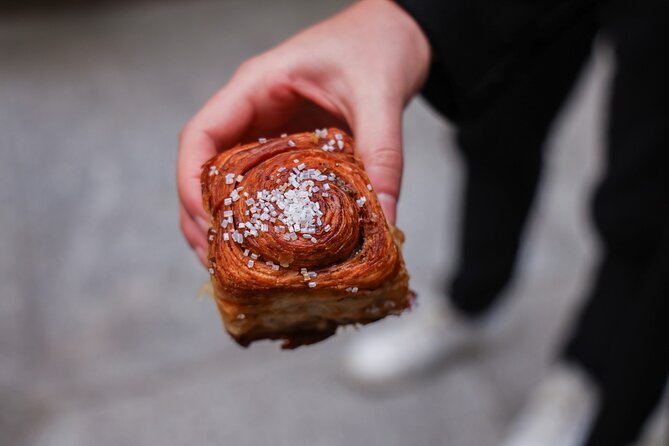
The tour includes your tastings as part of the experience, plus Food & the City insider tips. You’ll dine in a tavern tied to London’s most famous author and hear the trade and food context behind what you’re eating.
A key practical note: extra drinks are not included. So if you want beer, wine, or cocktails in addition to whatever’s served with your tastings, budget for it.
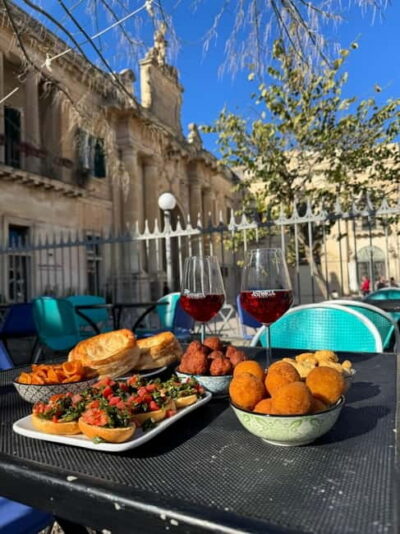
Also, tastings are described as a selection and may vary by day or season. That’s normal for tours like this, and it’s usually a good thing. It keeps stops flexible and helps the guide work with what the venues can serve reliably.
The best advice is simple: come hungry. This is not a “one bite per stop” tour. People often end up surprised by how filling it feels.
The guide makes the difference: small-group energy that actually lands
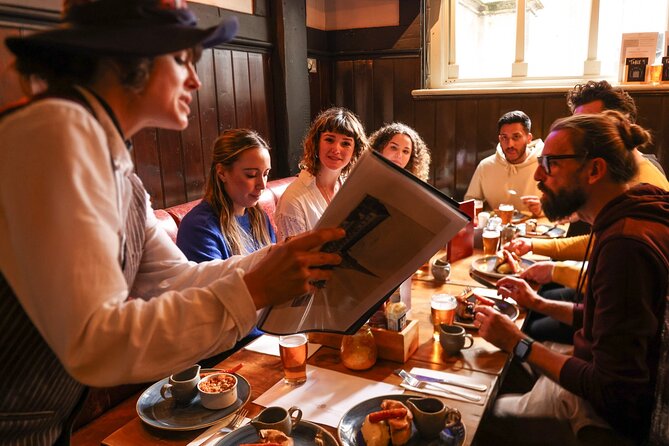
This tour is built around the guide doing more than reciting facts. You’ll get real storytelling and route context, and the small-group cap helps keep the energy conversational.
Across the many guides who have led this route—names like Max, Chris, Jordana, Leigh, Dave, and Pip—the pattern is the same: energetic delivery, humor, and enough City context to make the food stops meaningful.
You’ll also sometimes travel with an assistant guide (Pip is mentioned as an assistant in one of the experiences). If you end up with a guide like that, the tour feels less like a checklist and more like a walk with someone who knows the streets.
Timing and logistics you should care about
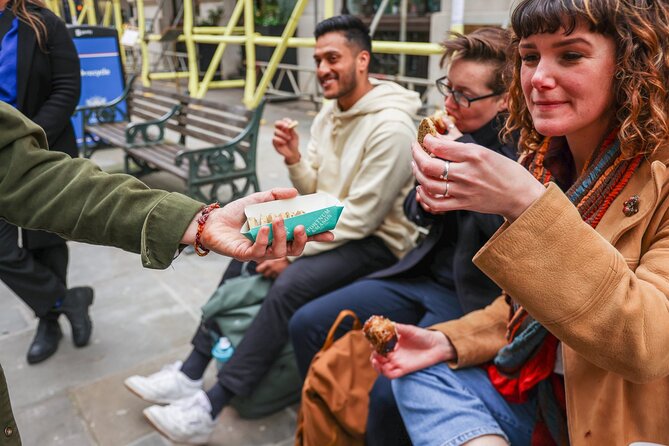
Three hours is a sweet spot. It’s long enough to get through multiple historic stops and still feel relaxed. It’s short enough that you can still do other things that evening.
The meeting point is near public transport, and you’ll use a mobile ticket. That reduces hassle on the day. Service animals are allowed, which is helpful to know.
One more timing detail: this tour is commonly booked about 49 days in advance on average. If your trip dates are tight, don’t wait until the last minute.
Dietary needs and allergy reality check
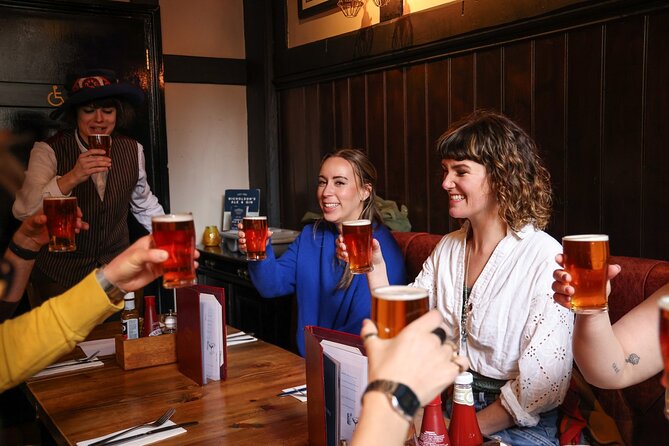
If you have dietary requirements, the tour says you can email ahead or add a note at booking, and they’ll do their best to accommodate vegetarians, gluten-free guests, or other dietary needs.
But for safety, it’s not suitable for those with severe or life-threatening food allergies to ingredients found on the tour. So if allergies are part of your life on the travel front, treat this as a hard stop and ask questions directly when you book.
For kids: children under 4 join free, but food is not included. Paid tickets with food included are available for ages 4 and up.
So, is it worth $131.95 for 3 hours in the City?
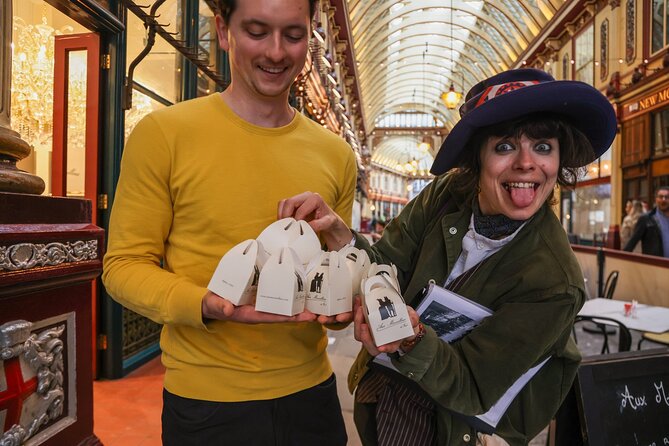
At $131.95 per person, you’re paying for four things at once: access to several well-known food venues, a curated walk through City landmarks, the guide’s storytelling, and the convenience of getting all tastings organized for you.
You’re not just paying for food. You’re paying for context—how the City’s trade history connects to what’s on the plate, why some places survived for centuries, and how architecture ties into everyday life.
The value gets even stronger because many key stops list free admission tickets, so you’re less likely to hit add-on entry fees mid-walk.
If you want a food tour that mainly checks boxes, this may feel like too much walking and too many stories. But if you like food with a sense of place—then the price starts to make sense quickly.
Should you book Eating London: The Heart of the City food tour?
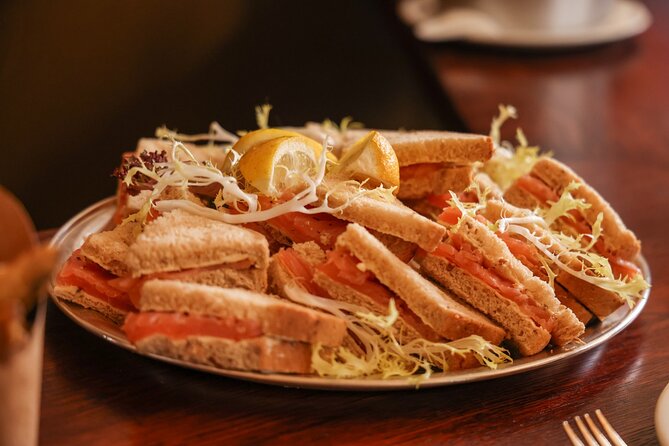
Book it if you want a City-focused afternoon that pairs proper historic food stops with stories that make London feel less like a museum and more like a lived-in place.
It’s a great fit for you if you:
- enjoy pub and classic British food, especially when it comes with local context
- like history that explains why the city eats the way it does
- want a small group experience that doesn’t feel rushed
Skip it if you’re traveling with severe allergies (the tour says it isn’t suitable), or if you dislike walking and want only a simple tasting session with minimal stops.
If you’re on the fence, here’s the deciding question: do you want your food tour to teach you something while you eat? If yes, this one is built for that.
FAQ
How long is Eating London: The Heart of The City food tour?
It runs about 3 hours.
Where does the tour start and end?
It starts at Captain John Smith London EC4M 9DQ and ends at Leadenhall Market London EC3V 1LR.
What time does the tour begin?
The listed start time is 1:15 pm.
How much does the tour cost?
The price is $131.95 per person.
How many people are in the group?
The tour has a maximum of 12 travelers.
What’s included in the price?
The tour includes local English-speaking guide service, Food & the City insider tips, and tastings at the stops along the route.
Are extra drinks included?
No. Extra drinks are not included.
Can the tour accommodate dietary requirements?
They say they will do their best to accommodate vegetarians and gluten-free guests if you email ahead or add a note at booking. It is not suitable for severe or life-threatening food allergies to ingredients found on the tour.