REVIEW · ROME
Eternal Rome Food Tour: Campo de Fiori, Jewish Ghetto, Trastevere
Book on Viator →Operated by Eating Europe Food Tours Rome · Bookable on Viator
Wine, food, and three Rome neighborhoods in four hours. This small-group walking tour (max 12) strings together tastings and meaningful stops, starting at Campo de’ Fiori and working through the Jewish Ghetto to Trastevere.
What I like most is the focus on real eating, not just sightseeing. You get a sequence of specific Roman favorites—like porchetta on pizza bianca with red wine, fried cod with supplì and white wine, Jewish-style fried artichokes to go, and gelato—with the flavors changing as the streets change. I also appreciate that the tour adds value beyond meals: you get access to a 2000+ year-old wine cellar and a complimentary digital guide to Rome’s food scene.
One thing to consider: it’s a walking tour with multiple wine moments and several food stops. If you’re not into lots of walking or you want to keep drinking very light, you’ll need to pace yourself and plan your expectations for a full 4-hour outing.
In This Review
- Key takeaways (what makes this tour worth it)
- Campo de’ Fiori to Trastevere: why this route feels smart
- Price and what you actually get for $143.97
- Norcineria Viola dal 1890: porchetta on pizza bianca with red wine
- Passetto del Biscione: the short walk that adds story
- Jewish Ghetto sweet stop: Pasticceria Boccione and the ricotta + sour cherry combo
- Taverna del Ghetto: fried cod, supplì, and white wine
- The 1st-century BC Roman structure: a historical palate cleanser
- Tiber Island (in the river within city limits): mythology and a view break
- Spirito di Vino: the older-than-the-Colosseum cellar + beef ragu pasta
- Trattoria Da Enzo in Trastevere: Jewish-style fried artichokes to go
- Fatamorgana gelato: quality cues, then gelato you can taste
- Tour pacing, guide vibe, and what to expect from the group
- Who this tour is best for
- When you should skip it (or adjust your expectations)
- Should you book the Eternal Rome Food Tour?
- FAQ
- How many people are on the tour?
- What foods and drinks are included?
- Does the tour include a wine cellar visit?
- Is hotel pickup included?
- Can the tour accommodate vegetarian or gluten-free needs?
- Are tips included in the price?
- Should you book the Eternal Rome Food Tour?
Key takeaways (what makes this tour worth it)
- Small group size (12 max) keeps the pace human and the questions coming
- Three neighborhoods in one route means less backtracking and more variety
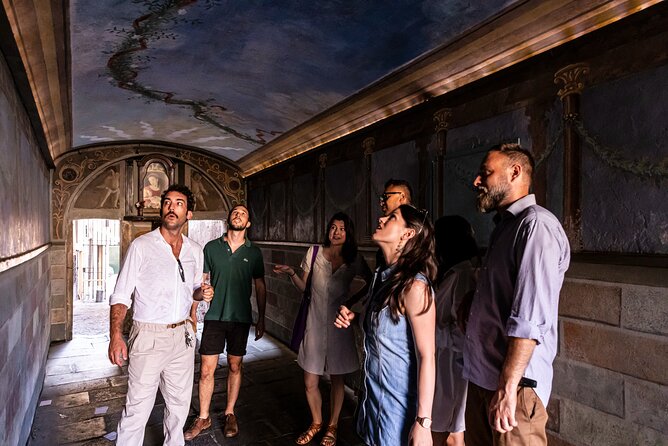
- Wine cellar access gives you a history-forward upgrade, not just a quick sip
- Jewish Ghetto food stops focus on distinct Roman Jewish specialties like artichokes and fried cod
- Gelato lesson plus tasting helps you spot quality, not just eat sugar
Campo de’ Fiori to Trastevere: why this route feels smart
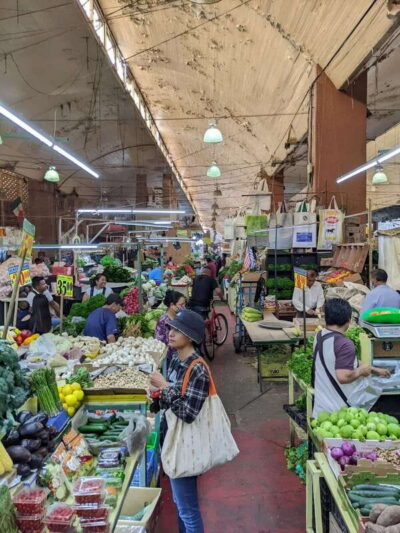
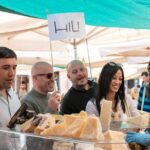
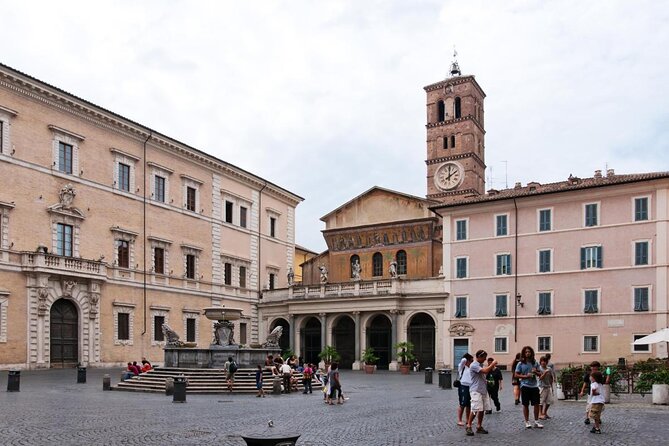
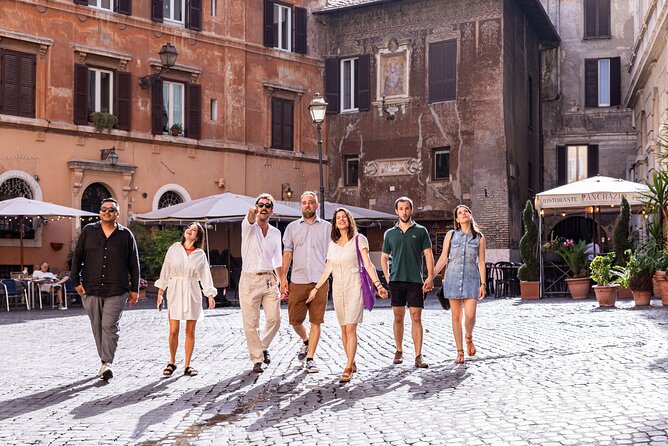
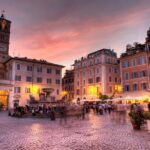
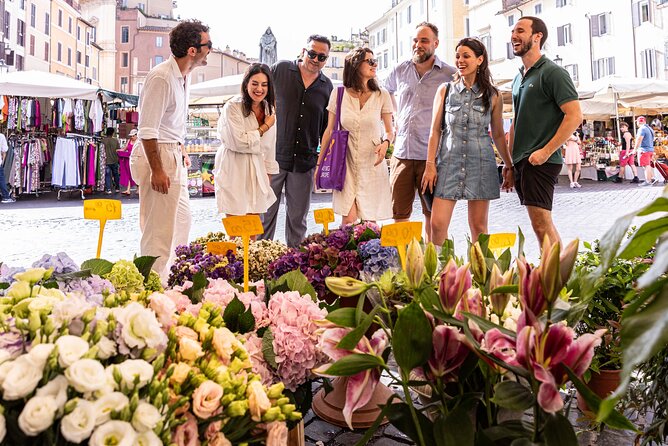
I like Rome food tours when they make you walk like a local, not march like a tour group. This one works because it connects three areas that each have a different food mood, and you don’t jump around with long transfers. You start at Piazza Campo de’ Fiori, right where people shop, snack, and stroll.
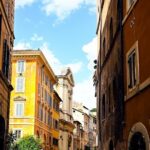
Campo de’ Fiori is also a strong warm-up. You’re meeting the day in the open air, then moving from market energy into older, tighter streets in the Jewish Ghetto. By the time you reach Trastevere, you’ve built the appetite you need for the final stretch of tastings.
You can also read our reviews of more food & drink experiences in Rome

Price and what you actually get for $143.97
At $143.97 per person for about 4 hours, the value depends on one thing: whether you want a planned sequence of tastings rather than piecing meals together yourself. If you’re the type who hates guessing which places are reliable, this kind of structured food-and-wine walk can save time and stress.
Here’s what the tour data clearly includes: multiple food tastings at top-rated spots, wine in several stops (red, white, Prosecco), and gelato. It also includes “Food & the City” insider tips plus a complimentary digital guide. And there’s a rare add-on that helps justify the price: a wine experience in a cellar described as older than the Colosseum.
The main costs that are not included are practical ones: gratuities for the guide and any extra drinks beyond the tastings. So if you’re hoping for a full open-bar night, you’ll need to budget separately.
Norcineria Viola dal 1890: porchetta on pizza bianca with red wine
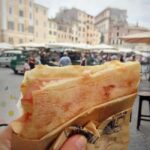
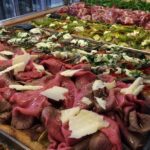
Your first real taste comes early, which is exactly how I like it. At Norcineria Viola dal 1890, you start with a porchetta sandwich on pizza bianca. It’s paired with a glass of red wine, so you get both the comfort-food hit and the Roman wine kick right away.
Why this works: porchetta is easy to recognize, but the pizza bianca format keeps it Roman-in-the-moment. You’re not stuck with a single heavy dish. You’re getting something portable that sets you up for the rest of the route.
A small practical tip: since this is your first stop, it’s a good time to decide how fast you want to walk and how you’ll pace wine later.
Passetto del Biscione: the short walk that adds story
Between tastings, you get the Passetto del Biscione passage. The tour describes it as a hidden gem and focuses on it as a place to see a less obvious side of Rome.
Even if you’re mostly there for the food, these short “in-between” moments matter. They break up the walking, and they help you connect what you’re eating to where you are. Rome feels more like a city when you understand the layers under your feet.
This stop is brief, so don’t expect it to replace a museum visit. Think of it as a quick change in scenery that adds texture.
Jewish Ghetto sweet stop: Pasticceria Boccione and the ricotta + sour cherry combo
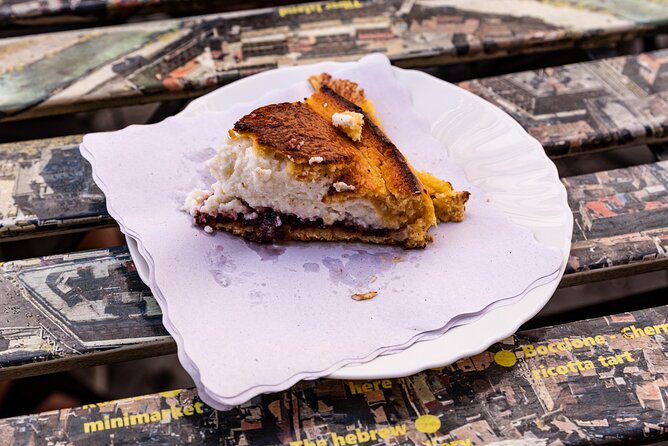
Next you step into the Jewish Ghetto area, and the tour shifts from savory to something memorable and classic. At Pasticceria Boccione, the highlight is a traditional ricotta and sour cherry pie.
One detail worth noting: the tour says you’ll have that ricotta and sour cherry pastry, and you’ll enjoy it later alongside a glass of Prosecco. That means you’re not just handed a single item and moved on. There’s a small rhythm to the tasting—save room, then come back for the pairing moment.
This is also a good point in the day to pay attention to how different communities shaped Roman food. The flavors here don’t feel like generic dessert. They feel like a specific tradition living inside Rome’s broader dining culture.
A few more Rome tours and experiences worth a look



Taverna del Ghetto: fried cod, supplì, and white wine
Then comes a proper savory stop at Taverna del Ghetto, where you try a classic tasting: crispy fried cod fillet, a savory supplì, and a glass of white wine.
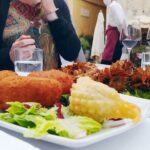
This is the kind of meal that explains why Roman street food hits so hard. Fried cod gives you crunch and salt-forward flavor, while supplì brings the familiar comfort of a rice-and-filling bite. Together, they cover texture and taste in a way that feels complete, not random.
If you’re the type who wants your tour to feel like it’s feeding you a real dinner in pieces, this is one of the most satisfying moments.
The 1st-century BC Roman structure: a historical palate cleanser
In the Jewish Ghetto, the route also includes a stop at a striking ancient Roman archaeological site. The tour describes it as originally built in the 1st century BC.
I like these moments because they stop the tour from becoming only food consumption. When you learn that the area holds Roman architecture tied to the ancient city, your tastings start to feel connected instead of disconnected.
Also, since this is an outdoor walking environment, you get a breather that doesn’t rely on museum time.
Tiber Island (in the river within city limits): mythology and a view break
After that, you move to the Tiber River area for a stop at the island described as the only island in the river within Rome’s city limits. The tour frames it as holding a special place in Roman mythology.
Even with limited specifics, this makes practical sense. You shift from narrow neighborhood lanes to open water views, which helps reset your energy before the next wine-focused stop.
If your phone camera battery runs low, this is a good place to use it. You’ll have something to aim at besides doorways.
Spirito di Vino: the older-than-the-Colosseum cellar + beef ragu pasta
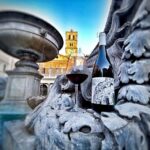
Now you hit one of the biggest “why this tour” moments. At Spirito di Vino, you experience a wine cellar described as older than the Colosseum. Then you taste pasta with beef ragu and a fine selection of wines.
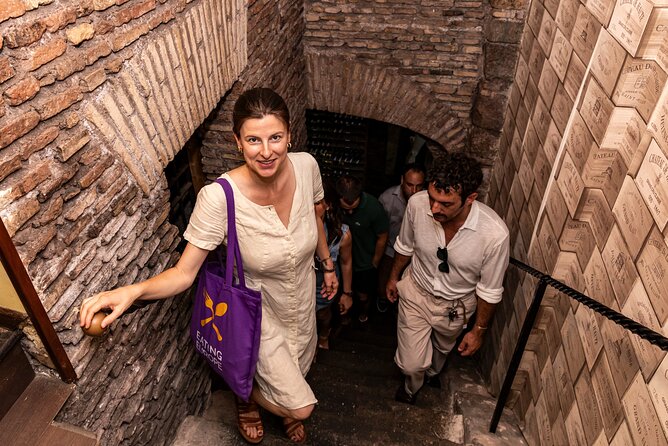
Why this stop feels like value instead of a gimmick: it’s not just wine in a modern tasting room. The tour is setting the scene with a cellar that’s meant to feel ancient, and that context makes the tasting more memorable.
The pasta choice matters too. Beef ragu is deeply Roman-feeling comfort, so you get a hearty base for the wines. It’s a smart pairing, especially after you’ve already eaten multiple bites earlier.
Trattoria Da Enzo in Trastevere: Jewish-style fried artichokes to go
Trastevere is where the tour leans into street-food energy again. At Trattoria Da Enzo, you try Jewish-style fried artichokes to go—crispy, flavorful, and described as a popular Roman Jewish specialty.
This is one of my favorite kinds of tour stops: something you can eat fast, but that still feels specific to the area. If you love the idea of tasting a tradition rather than a generic menu item, this artichoke moment does the job.
Because the food is portable, you’re also more likely to enjoy it on the move rather than sitting through a long plated service.
Fatamorgana gelato: quality cues, then gelato you can taste
To close out the day, the tour stops at Fatamorgana, an artisan gelato shop. You get both tasting and a short lesson on how to spot real, high-quality gelato with authentic Italian flavors.
I like this part because it turns the tour from a one-time treat into a skill you can use later. After this, you’re better equipped to avoid the obvious tourist traps and spot shops that focus on product quality, not just sweetness.
Gelato is also a smart final course. It cools you down after walking and gives you that “we’re done” satisfaction without sending you into a food coma.
Tour pacing, guide vibe, and what to expect from the group
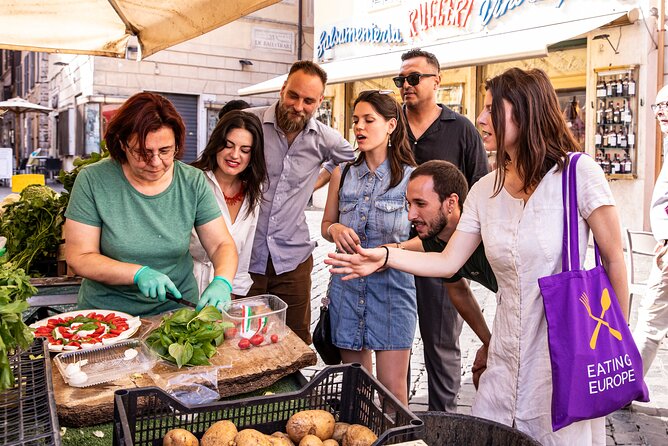
The tour runs about 4 hours and keeps group size to 12 travelers max, which usually means you’re not lost in a crowd. You’ll be walking between stops, and the schedule is packed with short, purposeful pauses.
A major part of the experience is the local English-speaking guide. Some guides named in past departures include Edma, Gianluca (Gian Luca), Yanira, and Catherine. The consistent theme from their style is clear: they connect food to place, and they make sure you actually get served rather than just wait near a door.
One practical note from how the tour operates: at popular spots, the guide can arrange ahead so your timing feels smoother. That’s worth something when Rome lines can eat up your whole afternoon.
Who this tour is best for
This experience fits well if:
- You want Rome food and wine without building the plan yourself.
- You like the idea of seeing the Jewish Ghetto and Trastevere as more than photo locations.
- You enjoy small-group conversations while you eat.
It’s also a nice first-trip move if you’re landing in Rome and want an efficient way to get oriented fast—Campo de’ Fiori gives you a clear start point, and then the route pulls you into neighborhoods you might otherwise skip.
When you should skip it (or adjust your expectations)
You might not love this tour if you:
- Don’t want wine included in multiple stops (it’s part of the tastings).
- Have severe or life-threatening food allergies, since the tour can’t take responsibility for allergies or intolerances.
- Prefer long restaurant sit-down meals over walking.
If you have dietary needs like vegetarian or gluten-free, the tour says accommodations are possible with advance notice. You’ll just want to email or add the note at booking so the team can plan.
Should you book the Eternal Rome Food Tour?
If you want a Rome day that feels like a real eating plan—porchetta, fried cod and supplì, Jewish-style artichokes, a wine-cellar visit, plus gelato—this is a strong choice. The price makes sense for the combination of tastings, wine inclusions, and that 2000+ year-old cellar setting.
I’d book it if you’re excited by flavors that change by neighborhood and you’re comfortable walking for around 4 hours. If you’re more cautious about alcohol or you need strict allergy handling, you’ll need to think carefully and verify your situation in advance.
FAQ
How many people are on the tour?
The tour has a maximum of 12 travelers, with a small-group format designed to keep the experience personal.
What foods and drinks are included?
Included tastings include items like porchetta on pizza bianca with red wine, ricotta and sour cherry pie with Prosecco later, fried cod fillet with supplì and white wine, Jewish-style fried artichokes to go, pasta with beef ragu with a selection of wines, and gelato.
Does the tour include a wine cellar visit?
Yes. You get an exclusive wine experience in a cellar described as 2000+ years old, and the tour notes it is older than the Colosseum.
Is hotel pickup included?
No. Hotel pickup and drop-off are not included.
Can the tour accommodate vegetarian or gluten-free needs?
The tour says you can request dietary accommodations by emailing or adding a note at booking, including for vegetarians and gluten-free guests, where possible. Severe or life-threatening food allergies are not considered suitable for this experience.
Are tips included in the price?
No. Gratuities for the guide are not included.
Should you book the Eternal Rome Food Tour?
Book it if you want a true Rome food-and-wine route across Campo de’ Fiori, the Jewish Ghetto, and Trastevere without planning each stop. The small group size, multiple tastings, and the older-than-the-Colosseum wine cellar make the cost feel more like a package than a random snack crawl.