REVIEW · OAHU
Hawaii Off The Beaten Path Food Tour
Book on Viator →Operated by Hawaii Free Tours · Bookable on Viator
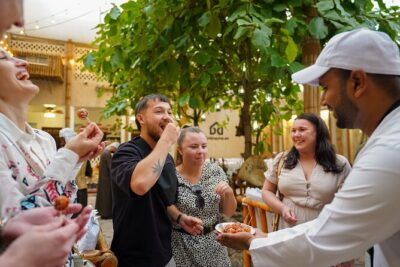
Hungry on Oahu? This is how you sample Hawaii’s multicultural food without guessing where to go. I like the small-group pace because you actually get time for explanations with guides like Victor and TJ, and you also meet the people behind the stalls. I also like the sheer food volume—it is built as a true morning meal route, not snack-sized bites. The main drawback is that you will be standing for much of the tour, and some stops are eat-while-standing.
If you are staying in Waikiki or Honolulu, the included hotel pickup makes it easy to start your day in the right place (no hunting for parking). You’ll also be drinking local juice options like lilikoi, lychee, guava, or pineapple while you walk, which helps you stay comfortable as you move shop to shop.
In This Review
- Key things that make this food tour work
- Why this Oahu food walk feels more local than a typical tasting tour
- Price: what $150 buys you, and why it is usually worth it
- Getting there: meeting point, pickup limits, and how the morning flows
- Start stop: Izumo Taishakyo Mission next to Nuuanu Stream
- Downtown Honolulu: manapua that tastes like a real local habit
- Chinatown sweets and savory Filipino hits: turon and chicken adobo
- Seafood stop: Kauai wild caught deep-water prawns (ama ebi / boton shrimp)
- Fresh fruit stop: locally grown exotic fruit tastings
- Oahu Fish Market + Japanese-style seafood tastings: chutoro, tako poke, and more
- Chinatown roast meats and pork belly: the savory comfort section
- Vietnamese pandan cake: sweet, green, and a different kind of dessert
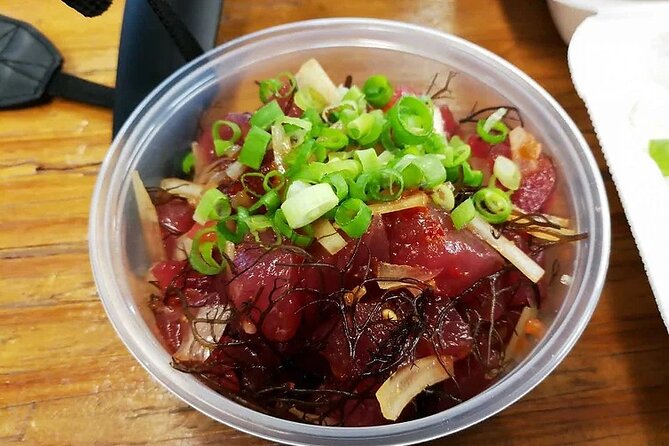
- Hawaiian-style poke plus another tuna option: local seasoning choices
- What I’d tell you to do before you go: eat-light, then show up ready
- How good guides change the whole day
- Who this tour is best for (and who should skip it)
- Should you book this Hawaii Off The Beaten Path Food Tour?
- FAQ
- FAQ
- How long is the Hawaii Off The Beaten Path Food Tour?
- What time does the tour start?
- Where is the meeting point?
- Do you offer hotel pickup?
- What language is the tour offered in?
- Is this a small group tour?
- What drinks are included?
- What kinds of food will I try?
- Will I have to eat while standing?
- What about allergies?
- How far in advance should I book?
- What if the weather is bad?
Key things that make this food tour work
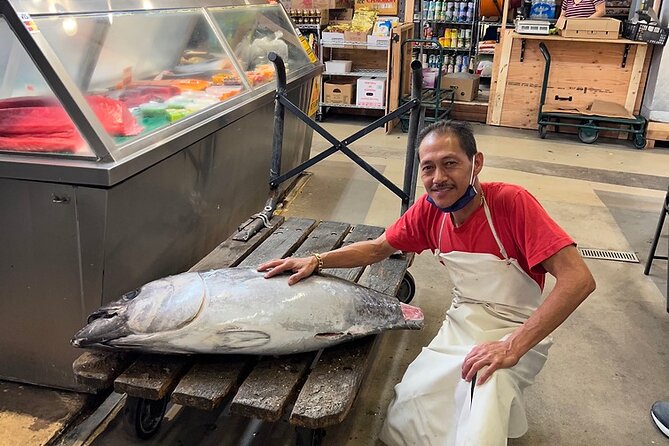
- A small-group morning with room to ask questions and chat with vendors
- Route planning that hits multiple food cultures in one walk: Japanese, Filipino, Chinese, Vietnamese, Korean-seasoned, plus Hawaiian poke
- A lot of tastings across fruit, seafood, pork, sweets, and raw fish options
- Honolulu Chinatown market energy plus side-street stops many people skip
- Breakfast-ready timing: start at 9:30 am so you can go from first bite to full meal fast
Why this Oahu food walk feels more local than a typical tasting tour
Oahu’s food scene is great, but it is easy to get stuck in the same loops: the places with long menus for tourists and the restaurants where you cannot tell if locals actually eat. This tour is built around a different idea. You start with a cultural stop, then move into downtown Honolulu and Chinatown, where the mix of Japanese, Filipino, Chinese, Vietnamese, and Hawaiian influences is visible in what people buy every day.
I like that the route does not just point at food. It connects dishes to everyday neighborhoods and the people who run the shops. Victor and TJ are called out repeatedly for being friendly and for sharing context while you are walking, including cultural and food-history connections you probably would not find just by scanning a restaurant list.
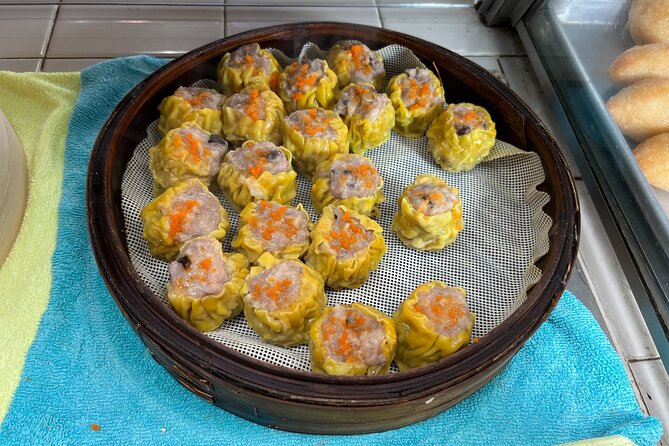
The other big reason it works is volume. You are not paying $150 for a handful of bites. The included lineup can feel like a full meal circuit: buns and fried desserts, adobo chicken, shrimp, sashimi, poke variations, roast duck and pork belly, plus pandan cake and multiple fruit tastings.
You can also read our reviews of more food & drink experiences in Oahu

Price: what $150 buys you, and why it is usually worth it
At $150 per person for about 3 hours, this is not a cheap impulse tour. But when you look at what is included, it starts to make sense:
- Multiple included tastings across seafood, pork, chicken, raw fish, and sweets
- Local drinks (juice options or bottled water)
- Hotel pickup and drop-off within the Waikiki/Honolulu area
What you are really paying for is access and pacing. You get help finding the right stalls, plus guidance on what you are eating and why it matters. And because the tour includes enough food that you will likely feel done for the day after, it can replace one or two meals later.
If you like exploring on your own, you can still use this as a shortcut: you will taste the flavors first, then know what you want to repeat later when you are hungry again.
Getting there: meeting point, pickup limits, and how the morning flows
The tour starts at 9:30 am. If you qualify for pickup, you are picked up from your hotel lobby or Airbnb residence between 9:00 and 9:30 am, depending on traffic. Pickup is only offered within Honolulu and Waikiki areas.
If you are staying farther out—on the east side (like Kailua or Kaneohe) or west side areas such as Aulani, Ko Olina, or Four Seasons—you will need to meet at the first stop. The start location is 201 N Kukui St, Honolulu, HI 96817, and the activity ends back at the meeting point.
Practical tip: plan for a bit of walking before you even begin eating. You are starting in a busy part of town, so I recommend arriving with time to get settled and ready to move.
Start stop: Izumo Taishakyo Mission next to Nuuanu Stream
You begin at Izumo Taishakyo Mission of Hawaii, an active Japanese Shinto temple by Nuuanu Stream. This first stop is about a 15-minute visit, and admission is free.
Why it is a smart opener: it sets the tone for the day. Before you reach Chinatown food counters, you already understand that Hawaii’s food story is tangled up with migration and community, not just island-grown produce. It also gives you a moment to slow down and reset before the eating starts.
What to watch: it is an active place, so keep your movements respectful and be mindful of how others are visiting.
Downtown Honolulu: manapua that tastes like a real local habit
Next you head into downtown Honolulu for Local Manapua—sweet bread buns with savory fillings (often pork) that are both smoky and rich. This stop is about 15 minutes, and admission is listed as free.
Manapua is a great dish for this tour because it is satisfying without being complicated. It also shows up in many Hawaiian communities, so it is a quick lesson in how comfort food travels and then becomes home-grown.
The drawback: these are filling. If you typically skip breakfast, start with a slow first bite so you do not get too full too early.
Chinatown sweets and savory Filipino hits: turon and chicken adobo
In Chinatown, you get two classics from the Filipino food world:
1) Turon (Banana Lumpia)
A fried banana dessert, often with a contrast of crisp shell and soft filling. The stop is around 15 minutes.
2) Chicken Adobo
Another 15-minute tasting: chicken marinated and simmered in adobo-style sauce.
Adobo is one of those dishes that teaches you how seasonings become identity. It is not just salty or sour; it is a balance that shows up across Filipino cooking and then adapts through local tastes.
Practical note: since the day continues with more seafood and pork, treat these as part of a sequence. You want enough space to enjoy the later plates, not to chase a sugar high or crash early.
Seafood stop: Kauai wild caught deep-water prawns (ama ebi / boton shrimp)
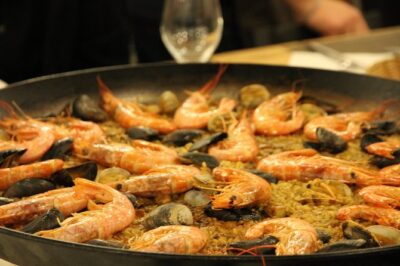
You shift from Chinatown sweetness and chicken into a seafood tasting: Kauai wild caught deep water prawns, also called ama ebi or boton shrimp. This stop is about 15 minutes.
Why this matters: prawn tastings are not common in most walking tours, and deep-water shrimp tends to taste cleaner and sweeter than you might expect from mass-market versions. It is also a good pivot from meat-forward flavors.
Watch your pace: shrimp can be surprisingly filling, especially when you are already working through buns and fried desserts.
Fresh fruit stop: locally grown exotic fruit tastings
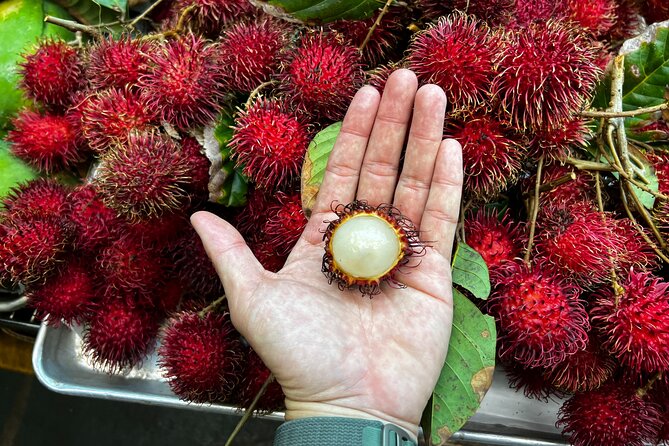
Then comes one of the most fun parts of the route: Fresh Local Fruits. This stop runs about 20 minutes and the specific fruits depend on seasons and what looks best that day.
The tour notes you should expect exotic locally grown fruits and you will likely get multiple tastings. In past tour experiences, people have talked about trying many fruits, including favorites like durian when it is available.
Tip for first-timers: do not overthink it. Take small bites of anything you have never seen before. The flavors are part of the point, and guides can help you understand what you are tasting.
Oahu Fish Market + Japanese-style seafood tastings: chutoro, tako poke, and more
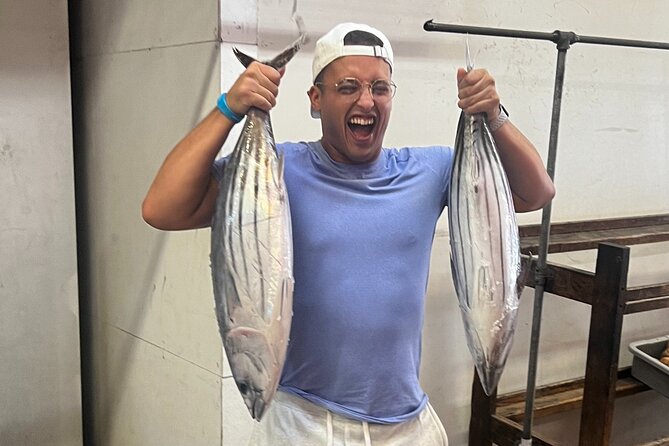
One of the biggest selling points is the move to the Oahu Fish Market area for fresh seafood. This part of the tour is around 20 minutes, and the tastings are highly availability-dependent.
You may try:
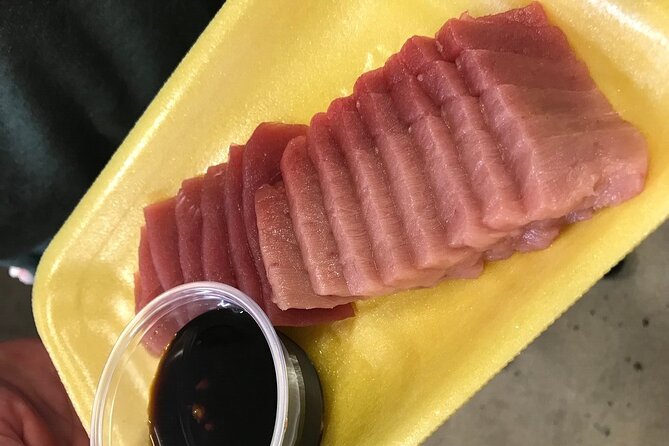
- Chutoro sashimi: raw fatty tuna served Japanese style
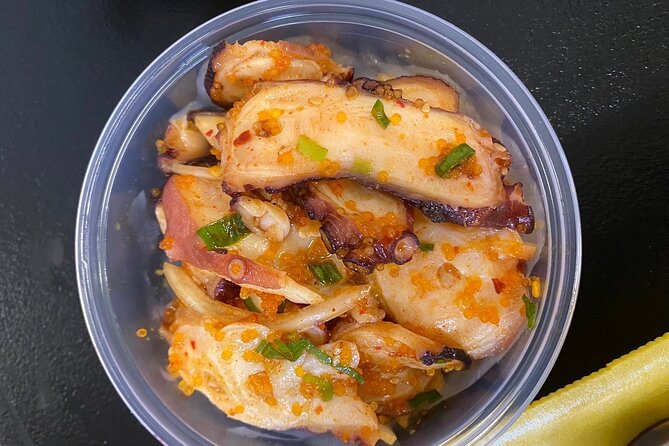
- Tako poke: cooked Japanese octopus seasoned in a Korean spicy sauce, finished with flying fish eggs
- Potentially other market items depending on what is available
This is the part of the day that can make or break the experience for some people, depending on how you feel about raw fish.
How I’d frame it: even if you do not love raw fish, chutoro is described as fresh and fatty tuna, and the other market item (tako poke) is not the same experience as straight sashimi. You get variety, not one forced option.
Consideration: if you have strong raw fish aversions, still show up. You may end up loving the poke-style flavors even if sashimi is not your thing.
Chinatown roast meats and pork belly: the savory comfort section
Back in Chinatown, you hit Roast Meats with options depending on availability, such as:
- Duck
- Roast pork
This stop is about 15 minutes.
Then you also get multiple pork-belly-style tastings through the broader included menu, including:
- Roast Pork Belly with Crispy Skin
- Sweet Honey BBQ Pork Belly (Char Siu)
Why this section hits: roast meats are where you taste the skill of Chinatown kitchens and stalls—crisp skin, deep salt and fat balance, and sauce that clings instead of running.
Small caution: if you already went heavy on sweets and fruits earlier, this is where you will feel it. Take it slow and pace yourself with water.
Vietnamese pandan cake: sweet, green, and a different kind of dessert
A later Chinatown stop includes Vietnamese Pandan Cake, around 15 minutes.
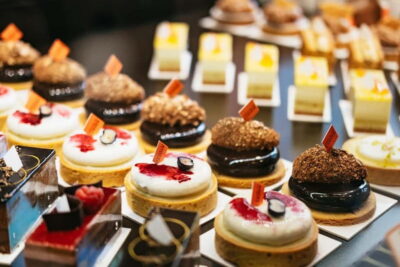
Pandan desserts tend to taste like vanilla-mint meets toasted nut notes, and it is a nice break from banana desserts and honey sauces. It also gives you another flavor cue for what to order later when you are back on your own.
Hawaiian-style poke plus another tuna option: local seasoning choices
You finish with Hawaiian-focused poke tastings:
- Hawaiian Style Poke (seasoned raw fish)
- Hawaiian Style Ahi Limu Poke (raw big eye tuna cubed, seasoned locally)
There is also an included option earlier that overlaps with raw seafood flavor profiles:
- Spicy Ahi/Tuna Poke
- Japanese Octopus in Korean dressing
Poke is the Hawaii food that most people recognize. What you learn on a tour like this is that poke is not one thing. Spices, textures, and sauces change the whole experience.
If you are nervous about raw fish: start with smaller bites. The tastings are set up so you can try more than one style, and you can decide what you like by taste, not by theory.
What I’d tell you to do before you go: eat-light, then show up ready
This is a “come hungry” kind of tour. The food list is long, and the tour format is designed so you keep moving and tasting instead of sitting down for one big meal.
I recommend:
- Eat a light breakfast or none at all, depending on your tolerance for raw seafood.
- Bring water (you’ll get drinks, but extra hydration helps when you are walking).
- Wear comfortable shoes. The route is a walking experience, and you will be on your feet for much of it.
Also: the tour notes some stops may require eating while standing. That is normal here. If you need full table seating, plan around the fact that seating is arranged when possible, but standing is expected.
How good guides change the whole day
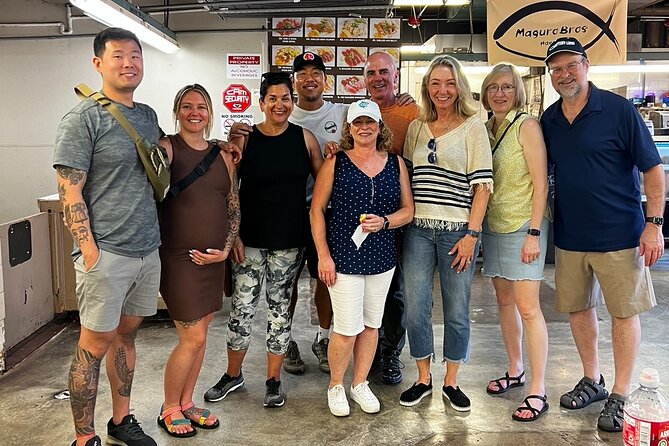
A recurring theme in the experience is the guides. Victor and TJ come up again and again for being friendly, fun, and for connecting the food to people and places. You also get that sense that they know the vendors, since part of what makes this type of tour feel authentic is how vendors explain their own products.
The cultural walk matters too. You are learning about Hawaii’s multicultural culinary heritage while you eat, not after you are full and bored.
Who this tour is best for (and who should skip it)
This fits best if you:
- Want a high-effort food morning without doing research all day
- Like Asian-inspired flavors across Filipino, Chinese, Japanese, and Vietnamese influences
- Enjoy seafood and you are open to trying poke and possibly sashimi
It might not be ideal if you:
- Strongly avoid raw fish and cannot be flexible
- Need mostly seated experiences the whole time
- Have serious allergies (you are asked to contact before booking)
Should you book this Hawaii Off The Beaten Path Food Tour?
I think it is a great booking for a first visit to Oahu’s food neighborhoods, especially if you are staying around Waikiki or Honolulu. The value is strongest when you want more than a restaurant meal: you want the market side of food, the history context, and a steady sequence of tastings that add up to a full experience.
Skip it if raw fish is a hard no, or if standing most of the time would ruin your day. Otherwise, bring a big appetite and a curious mindset. This tour is built for people who want to eat their way through Honolulu’s food cultures in a few focused hours.
FAQ
FAQ
How long is the Hawaii Off The Beaten Path Food Tour?
It runs about 3 hours (approx.).
What time does the tour start?
The start time is 9:30 am.
Where is the meeting point?
You meet at 201 N Kukui St, Honolulu, HI 96817, USA, and the tour ends back at the meeting point.
Do you offer hotel pickup?
Yes, pickup is offered within the Honolulu and Waikiki areas. If your hotel is not listed or you are outside the pickup zone, you will meet at the first stop.
What language is the tour offered in?
The tour is offered in English.
Is this a small group tour?
Yes, it is a small group tour with a maximum number of travelers listed as 16.
What drinks are included?
The tour includes drinks such as local juice (including lilikoi, lychee, guava, or pineapple) or bottled water.
What kinds of food will I try?
The tastings include items such as manapua, chicken adobo, turon (banana lumpia), tropical fruits, wild-caught deep-water prawns, fresh Japanese-style seafood tastings, roast duck or roast pork, Vietnamese pandan cake, and Hawaiian style poke (including ahi limu poke).
Will I have to eat while standing?
Seating is arranged whenever possible, but the tour notes you should anticipate standing for most of the tour and some stops may require eating while standing.
What about allergies?
Serious food allergies require you to contact the tour before booking.
How far in advance should I book?
On average, this tour is booked about 44 days in advance.
What if the weather is bad?
The experience requires good weather. If it is canceled due to poor weather, you will be offered a different date or a full refund.