REVIEW · SINGAPORE
UNESCO Hawker Culture: Chinatown Food Tasting Tour
Book on GetYourGuide →Operated by LC Travel Planners · Bookable on GetYourGuide
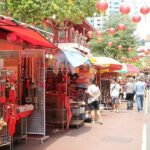
Chinatown eats with a story attached. This 3-hour walk pairs hawker snacks with the immigrant threads that made Singapore’s Chinatown what it is today. You’ll also hit standout photo moments, from alley murals to classic streets around Ann Siang Hill.
I like two things most: the storytelling at every stop, and the fact you’re not just sampling food—you’re tasting enough to understand the flavors and why people order them. Guides I’ve seen praised, including Ronnie and Kent, keep the mood light while explaining what you’re eating and how stalls fit into daily life. The one possible drawback is practical: hawker centers can mean waiting for tables, and the tour doesn’t promise special dietary handling unless it’s a private tour.
The route also focuses on the details—hidden alleys and specific mural work by Yip Yew Chong. You’ll get a mix of temples, heritage streets, and Singapore’s “where do locals eat?” energy, with stops that feel more like a guided walk through the neighborhood than a checklist.
In This Review
- Key things to know before you go
- A food walk that explains why the meals matter
- Price and value: $69 for 3 hours, guide-led tastings, and landmarks
- How the 3-hour walking pace works (and what to wear)
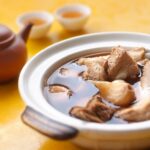
- Start with Bak Kwah on Pagoda Street: the story behind the first bite
- Chinatown Heritage Centre and side streets: murals, coffee stops, and photo control
- Ann Siang Hill and Crazy Rich Asians-style photo stops
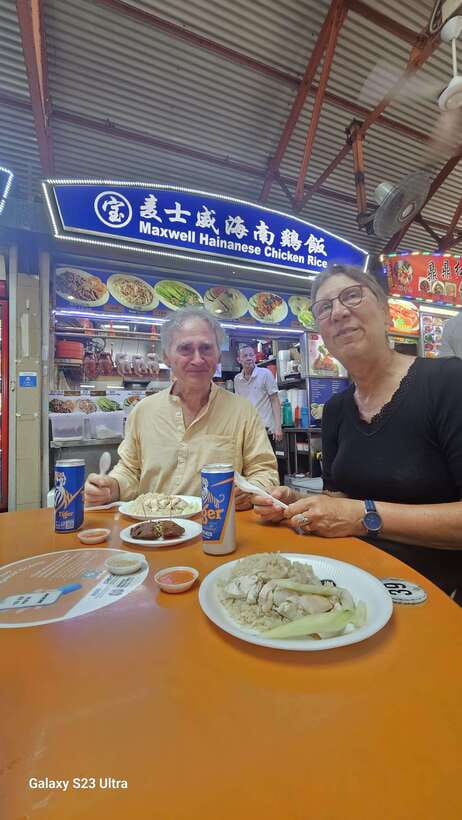
- Maxwell Food Centre: chicken rice and Fuzhou oyster pancakes
- Buddha Tooth Relic Temple and Sago Lane: culture with a darker edge
- Chinatown Complex: architecture plus a working food scene
- What the best guides do differently (Ronnie, Kent, and more)
- Dietary needs and the reality of hawker centers
- Hidden alleys and Instagram-worthy murals: the photo value is real
- Who should book this Chinatown hawker tasting tour
- Should you book it?
- FAQ
- How long is the Singapore UNESCO Hawker Culture: Chinatown Food Tasting Tour?
- What is the price per person?
- Where does the tour start?
- What’s included in the tour price?
- Do you reserve tables or pre-order food?
- Is the tour wheelchair-accessible?
- What languages are available for the live guide?
- Can children join the tour?
- Can the guide accommodate dietary needs like vegan?
- Is free cancellation available?
Key things to know before you go
- Bak Kwah kick-off: you start with a local treat, then move into the immigrant story of Chinatown.
- Chinatown Heritage Centre + Pagoda Street: guided history stops that explain how communities formed and lived.
- Yip Yew Chong murals: planned photo moments in side lanes, plus traditional coffee stops.
- Maxwell Food Centre tastings: famous chicken rice and Fuzhou oyster pancakes included in the food set.
- Buddha Tooth Relic Temple + Sago Lane: culture stops that add context beyond food.
- Chinatown Complex architecture: a look at how modern Singapore puts food and community in one place.
A food walk that explains why the meals matter
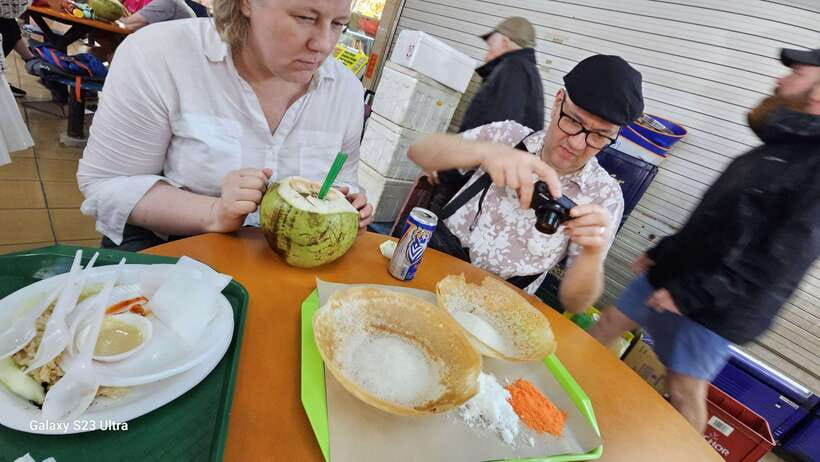
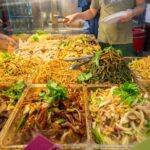
Singapore’s hawker culture can look like simple street food from far away. On this tour, you get the “why” behind the taste—how immigrant groups brought ingredients, cooking styles, and habits that still show up in stall menus today. That’s what makes the experience feel more meaningful than just eating while walking.
You’ll cover both sides of Chinatown: heritage streets with guided sights and the food-heavy areas where people actually come to eat. The result is a tour that helps you read the neighborhood in real time, with your guide pointing out what most first-timers miss.
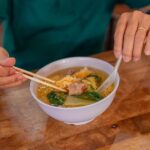
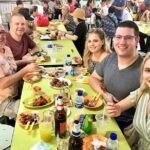
And yes, you’ll eat. The tour includes 9–10 handpicked food and drinks, which is a real meal’s worth of tasting when you add in the pacing.
You can also read our reviews of more food & drink experiences in Singapore

Price and value: $69 for 3 hours, guide-led tastings, and landmarks
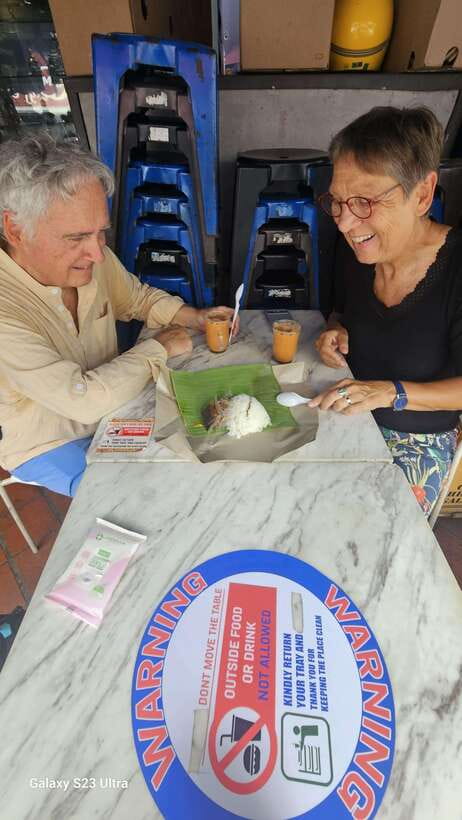
$69 can sound like a lot until you break down what you get. You’re paying for a licensed tour guide (not just a map), plus a structured walk that includes guided sights and multiple food stops. In practical terms, that usually saves you time and guesswork—especially when you’re trying to pick stalls at hawker centers without a local guide.
The “value” piece is also about volume and variety. The tour is built around multiple handpicked hawker stores and a set of tastings rather than one big meal. You’re also provided one bottle of mineral water, which helps on a hot Singapore day.
Balanced view: you’re not paying for luxury. This is street-level Singapore—hot pavement, busy stalls, and the possibility of waiting for tables. If you want guaranteed, sit-down comfort everywhere, you’ll probably feel the difference.
How the 3-hour walking pace works (and what to wear)
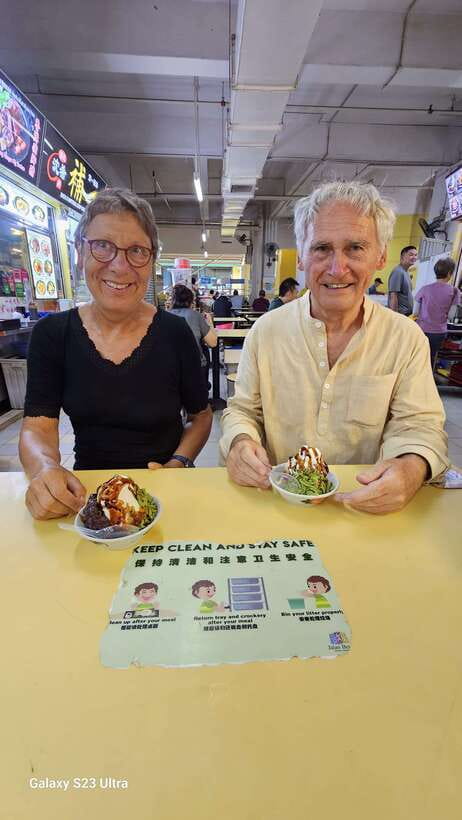
The tour is designed around short, guided stops—mostly walk-and-taste segments. Typical time blocks range from about 20 to 35 minutes per stop, with a longer break at Maxwell Food Centre for food and local snacks.
That pacing matters because it keeps you from feeling stuck in one place too long. It also means you should plan to move. Comfortable footwear is a must, and I’d bring something for rain since the tour notes that you may want an umbrella or poncho.
Also note: the activity isn’t wheelchair-accessible. If mobility is a concern, choose accordingly.
Start with Bak Kwah on Pagoda Street: the story behind the first bite
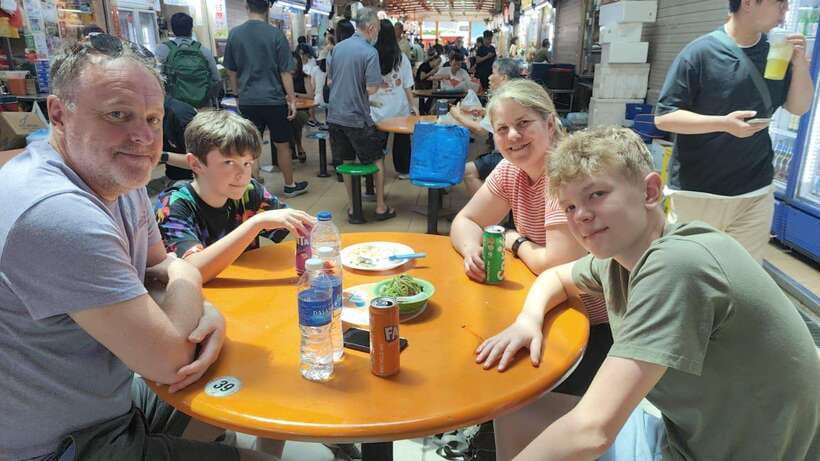
The tour kicks off with Bak Kwah, a simple start that sets the tone: local snacks first, history immediately after. Right away, you’ll shift from “what am I eating?” to “why does this style exist here?”—with the guide connecting food choices to the immigrant history that shaped Chinatown.
Then the walk moves to the area around Pagoda Street and the Chinatown Heritage Centre. This is where the tour earns its “more than just food” label. Instead of treating history like background, the guide ties it to places you can see and streets you can walk.
What makes this a good first stretch: it’s not overwhelming. You’re still getting your bearings, and the guide is setting expectations for how the neighborhood works.
Chinatown Heritage Centre and side streets: murals, coffee stops, and photo control
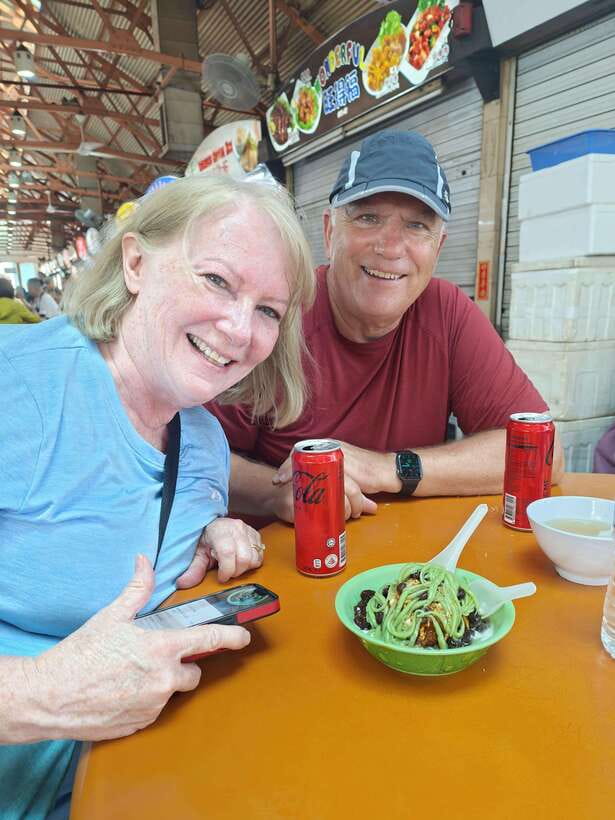
From the Heritage Centre, you continue on foot into Chinatown’s lanes and street-life areas. You’ll have guided sightseeing, photo moments, and structured time that helps you actually capture what you came for—without wandering off and losing the food plan.
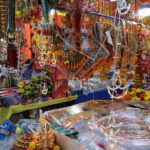
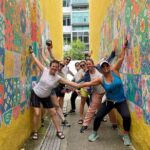
One standout is the planned route for Yip Yew Chong murals. These are the kinds of visuals that make people stop and point their cameras, but on the tour you’ll also learn how the area’s stories connect to what you see.
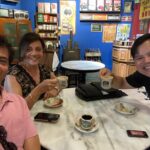
The tour also includes traditional coffee shops along the way. That’s smart because in Chinatown, coffee stops aren’t just breaks—they’re part of the culture of lingering, chatting, and passing time while you watch daily life go by.
A few more Singapore tours and experiences worth a look
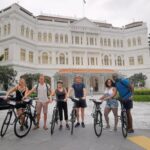
Ann Siang Hill and Crazy Rich Asians-style photo stops
After the heritage and mural lanes, you shift to the more photogenic stretch around Ann Siang Hill. This part of the walk is less about hawker shopping and more about atmosphere: street charm, historic vibe, and iconic angles that many visitors associate with Singapore’s film-and-photo imagination.
You’ll get photo stops and guided context here, with time to walk and see the neighborhood rhythm. It’s also where the tour balance shows: history isn’t only in museums; it’s also in street corners and the way buildings line up.
Practical tip: if you’re traveling with a camera, this is the time to slow down and take a few shots, because later you’ll be focused on eating and moving.
Maxwell Food Centre: chicken rice and Fuzhou oyster pancakes
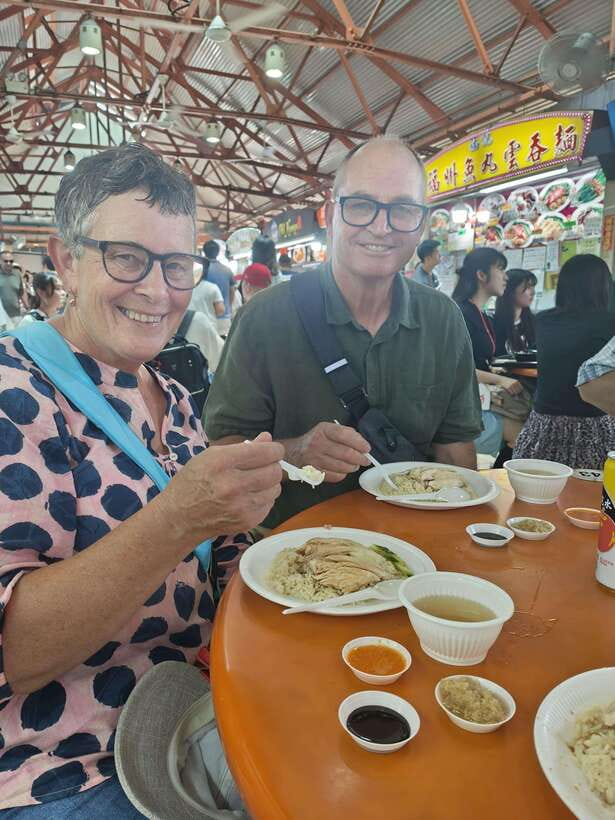
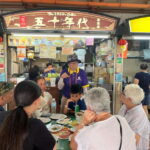
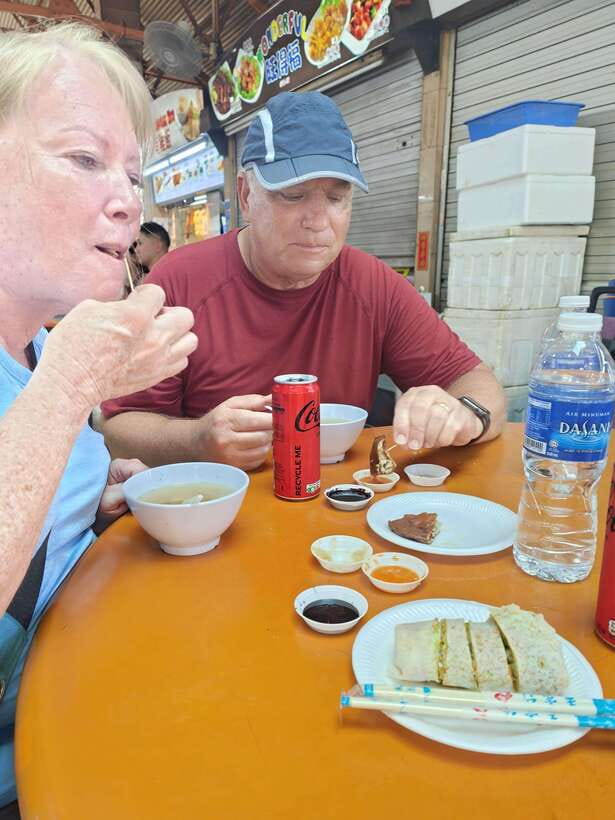
Now comes the big one: Maxwell Food Centre. This is where the tour turns your history lessons into flavor you can taste and remember.
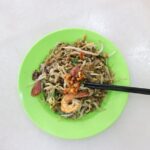
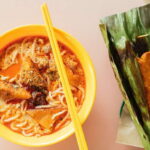
The tour includes a break here (about 35 minutes) with local snacks and food tasting. Among the famous items you’re likely to try are chicken rice and Fuzhou oyster pancakes—two dishes that represent hawker style at full volume.
If you’re the type who likes to eat with confidence, this is the stop. You’re not choosing randomly. The guide orders and keeps the flow moving so you can try multiple items without getting stuck in the ordering chaos.
A nice bonus from feedback I’ve seen: one guide, Ronnie, was praised for getting the pacing right and for ordering so guests didn’t end up guessing. That matters at Maxwell, where you can spend time figuring out what’s best if you don’t have help.
Buddha Tooth Relic Temple and Sago Lane: culture with a darker edge
Next, you’ll visit Buddha Tooth Relic Temple and Museum for a guided look (about 20 minutes). Even if you’re not a museum person, this stop works because it’s not only architecture—it’s also a chance to see how religious spaces fit into Chinatown’s daily flow.
Then comes Sago Lane, described in the tour as the street of the dead. That’s a heavy phrase, but the point for you is the contrast: you’ll move from a sacred temple environment to a lane with a darker reputation, with your guide explaining what that means in local storytelling.
This section is valuable because it prevents Chinatown from feeling like a purely food-and-photos neighborhood. You get culture, names, and meaning—so when you look back later, you understand how the place got its layers.
Chinatown Complex: architecture plus a working food scene
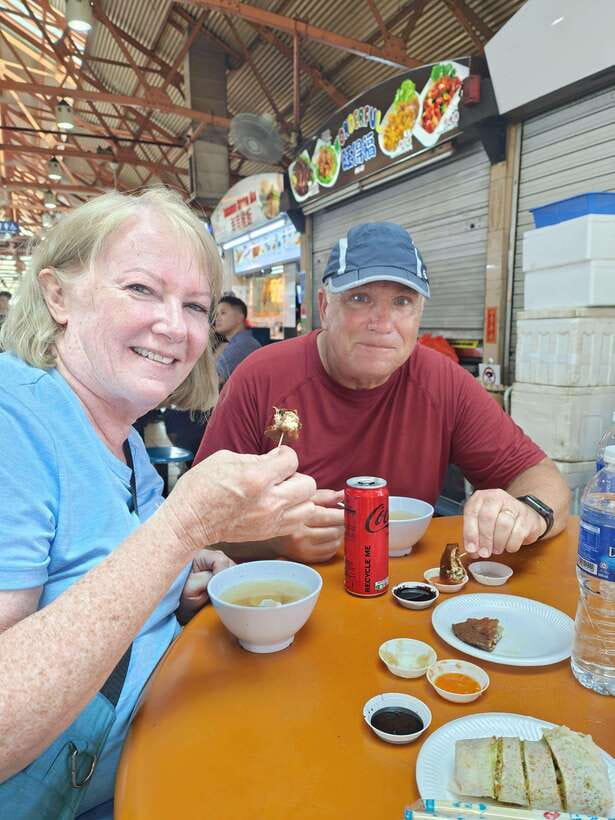
The final food-world stop is Chinatown Complex, paired with guided touring and sightseeing (about 20 minutes). You’ll look at the area’s unique layout and then take in the atmosphere around the food scene.
This is a good ending point because it feels modern and practical. It shows you that hawker culture isn’t only about old heritage streets—it lives in everyday places where people shop, eat, and move through their routines.
From there, the tour finishes at drop-off locations listed as Chinatown Complex / Chinatown complex, depending on which starting option you choose.
What the best guides do differently (Ronnie, Kent, and more)
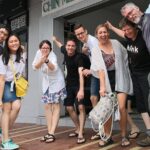
The tour’s biggest strength is the guide experience. Feedback shows a consistent pattern: guides keep humor in the mix, pace the group well, and explain each choice instead of repeating generic facts.
For example, Ronnie earned praise for a balanced style—jokes plus real storytelling—plus the ability to order efficiently and time each stop so the food plan stays on track. Kent was praised for friendliness, professionalism, strong knowledge, and even a good sense of humor.
You’ll also benefit if you’re someone who asks questions. A guide can take your curiosity and turn it into better ordering decisions—like steering you toward chicken rice flavors and how locals judge a dish, not just what to order because it’s famous.
There’s another practical win: guides have been praised for personal help, including support getting the right MRT station when someone was traveling solo. That’s not written into the food menu, but it’s the kind of real-world help that makes a city walk smoother.
Dietary needs and the reality of hawker centers
Here’s the honest part: the tour revolves around hawker centers, and the data for the experience is clear that you can’t pre-order or book tables in advance. That means you may wait for tables while the guide secures ordering and seating.
Dietary needs are also limited. The tour notes that special dietary needs may not be catered to unless it’s a private tour. In one feedback example, a vegan participant said the guide did their best to accommodate.
So how do you play it safe? If you have dietary restrictions, contact the operator before booking and ask what’s possible for your needs. If you book private, your odds usually improve because the guide can tailor the food set.
Hidden alleys and Instagram-worthy murals: the photo value is real
The tour isn’t only about food. The planning includes photo stops in side streets and mural areas, including Yip Yew Chong murals. You’ll also get iconic photo spots around Ann Siang Hill, described with the kind of recognition many people associate with Singapore pop culture.
The “why this matters” angle: it keeps the walk interesting even when you’re between meals. You’re not standing around waiting for the next bite with nothing to do. You’re capturing Chinatown’s look and learning what you’re seeing at the same time.
Who should book this Chinatown hawker tasting tour
This tour is a strong fit if you want:
- A structured way to eat in hawker centers, with guided ordering and tastings
- A walk that mixes food and Chinatown landmarks, not just one or the other
- A guide who can explain immigrant history in plain language while keeping the pace manageable
It’s also a good option if you’re short on time. The tour lasts 3 hours, so it can work on an arrival day or before a dinner plan.
You might choose another option if:
- You need full wheelchair access (this one isn’t wheelchair-accessible)
- You require strict dietary customization and don’t want to risk limited choices
- You hate waiting in crowded food halls
Should you book it?
I think this is worth booking if you like your Singapore with context and you want to leave with both full hands and a clearer sense of how Chinatown formed. The combination of 9–10 tastings, guided stops at Chinatown Heritage Centre, Maxwell Food Centre, and Buddha Tooth Relic Temple, plus mural and alley photo moments makes the $69 feel closer to a well-led local day than a random food crawl.
Book it if you can handle hawker-center logistics—standing, ordering, and possible table waits. Skip it if dietary needs are highly specific and you can’t do a private tour, or if walking comfort is a dealbreaker.
If you’re flexible, bring your empty stomach mindset and good shoes, and you’ll get the kind of Chinatown experience that feels like it sticks.
FAQ
How long is the Singapore UNESCO Hawker Culture: Chinatown Food Tasting Tour?
It runs for 3 hours.
What is the price per person?
The price is $69 per person.
Where does the tour start?
The meeting point can vary depending on the option booked. One listed option is Chinatown, Chinatown MRT Exit A.
What’s included in the tour price?
You get a licensed tour guide, 1 bottle of mineral water, and 9–10 handpicked food and drinks at famous or Michelin Bid local hawker stores. The tour lasts 3 hours.
Do you reserve tables or pre-order food?
No. Table booking and food pre-ordering are not possible. You may need to wait for the guide to secure tables and order food.
Is the tour wheelchair-accessible?
No, the activity isn’t wheelchair-accessible.
What languages are available for the live guide?
The tour guides are available in Chinese, English, and Japanese.
Can children join the tour?
Yes. Children aged 0–2 can join free. There are ticket limits for children relative to adult tickets, and additional children may need full adult price.
Can the guide accommodate dietary needs like vegan?
Special dietary needs may not be catered to, unless it’s a private tour. If you have dietary needs, contact the operator before booking.
Is free cancellation available?
Yes. You can cancel up to 24 hours in advance for a full refund.