REVIEW · ROME
Rome Food Tasting with Wine Paring in Trastevere Experience
Book on GetYourGuide →Operated by TVR di Stefano Donghi · Bookable on GetYourGuide
Romane cistern + wine tasting in Trastevere? Yes. This 75-minute session at Cantina Fabullus takes you underground to a restored 1st-century A.D. cistern, then pairs classic foods with Italian wines guided by the staff. I love the way the menu stays rooted in real Italian regions, and I love the focused pairing logic that makes each bite make sense.
One heads-up: this experience is not suitable for vegans and it also isn’t set up for people with food allergies. If that’s you, check carefully before booking, even if alternatives are sometimes available by request.
In This Review
- Key things I’d watch for
- Under Trastevere: a Roman cistern cellar makes the tasting feel real
- The 75-minute flow: Prosecco first, then a paced sequence of bites
- What’s actually on the table: DOP/IGP classics, not generic plates
- Cheese and cured meat: the part that often feels most memorable
- Olives, bread, and olive oil: the small steps that change everything
- The surprise main course and Roman pizza that keep it from feeling like a snack
- Wine pairing: what the sommelier guidance actually does for you
- Where to start if you want the best fit: choosing your tasting level
- Practical tips for planning your evening in Trastevere
- Who this is best for (and who should think twice)
- Should you book Cantina Fabullus in Trastevere?
- FAQ
- How long is the Rome Food Tasting with Wine Paring in Trastevere Experience?
- How much does it cost?
- Where do I meet the group?
- What food and wine are included?
- What wine options can I choose?
- Are alternatives available for dietary needs or intolerances?
- Is it suitable for vegans or people with food allergies?
- What languages are offered?
Key things I’d watch for
- 1st-century Roman cistern setting under an 18th-century building in Trastevere.
- Wine + food pairing you can actually follow, with staff explaining what you’re tasting.
- Slow Food Presidium and DOP/IGP ingredients, so you’re not eating random samples.
- Multiple food moments: bread, olive oil, olives, cured meats, cheeses, plus Roman pizza and dessert (depending on your tasting).
- Small, private feel, and guides such as Carlotta, Lorenzo, and Ginevra are repeatedly praised for their teaching and attention.
Under Trastevere: a Roman cistern cellar makes the tasting feel real
The meeting point is in Trastevere, at the entrance of Hotel Residenza San Calisto, Via dell’Arco di San Calisto 19/20 (look for the red canopy). Once you ring the bell, you’re set up for something a lot more interesting than the usual “wine shop with a few samples.”
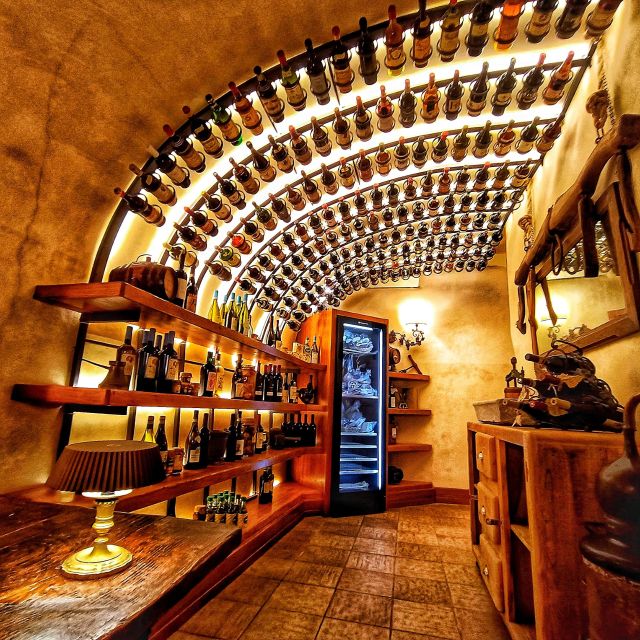
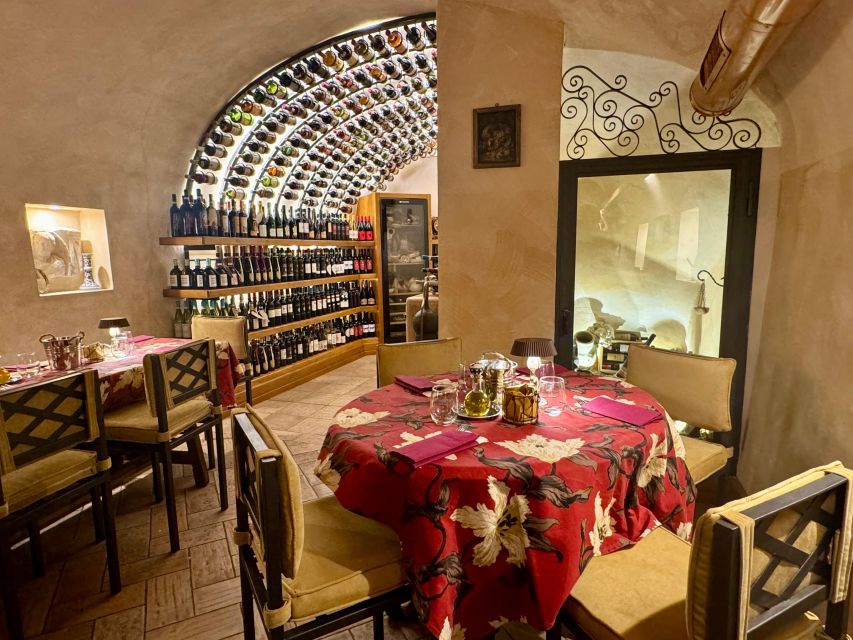
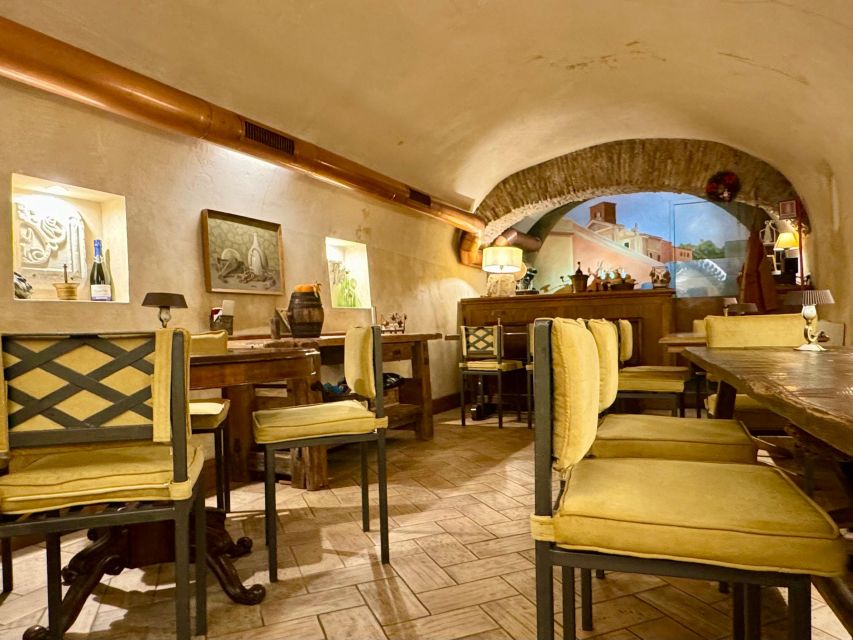
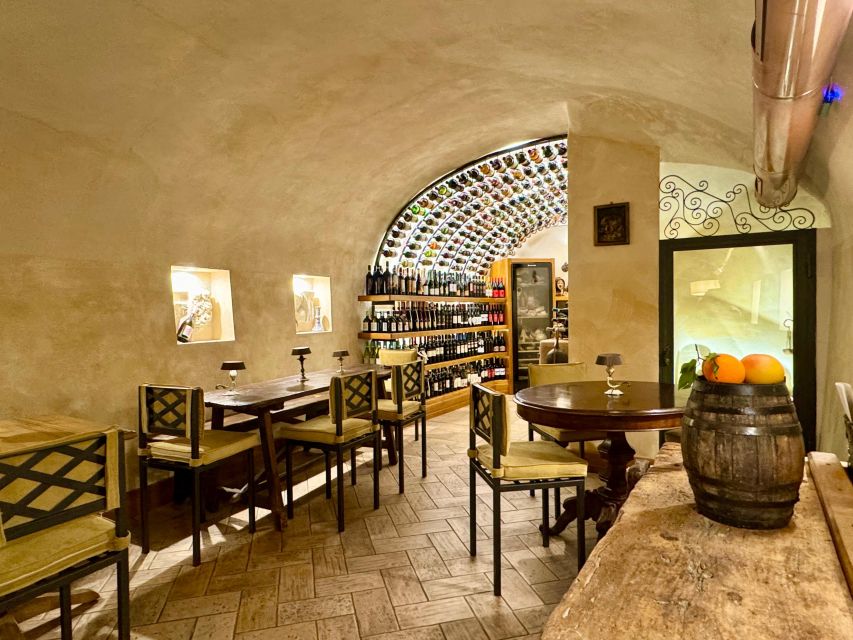
Cantina Fabullus is an underground cellar beneath an 18th-century building, restored from a Roman cistern dating to the 1st century A.D. That matters because it changes the mood. It’s intimate and atmospheric, with antique pieces that give the place a lived-in feel instead of a staged tasting room. Even before you eat, you’re already in an environment that feels tied to how people actually stored and drank wine in old Rome.
And that setting pairs well with the style of the experience. You’re not just sampling. You’re learning how Italian food and wine fit together by region, ingredient, and tradition.
You can also read our reviews of more food & drink experiences in Rome


The 75-minute flow: Prosecco first, then a paced sequence of bites
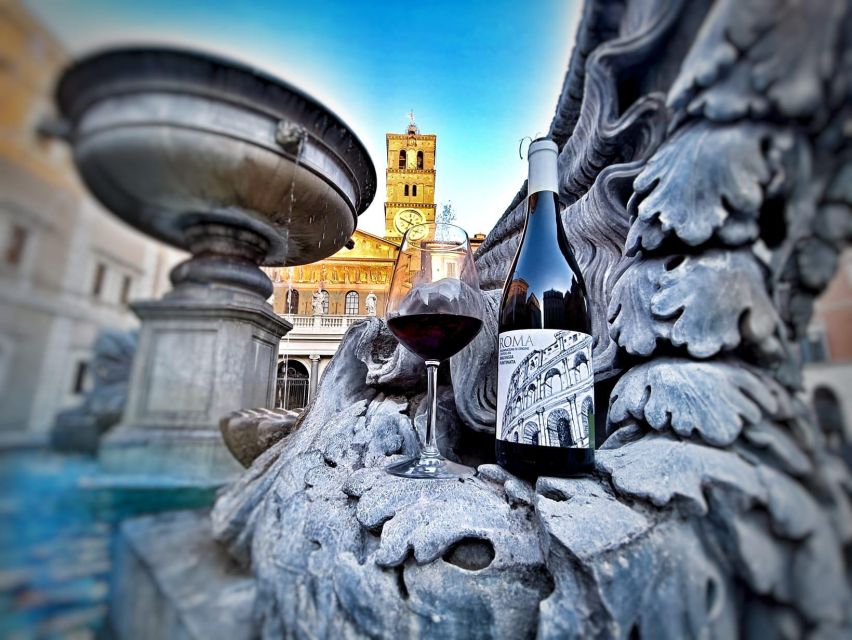
This experience runs about 75 minutes. That time shape is a big plus if you’re trying to fit Roman food into a busy day without committing to a long dinner. You’ll start at the cellar and then move through a structured series of tastings.
A Prosecco aperitif typically kicks things off, followed by wines matched to what you’ll be eating. The pacing is designed so you taste, then understand, then taste again. The staff explain what you’re getting and why the pairing works, so the meal doesn’t feel like a blur of flavors.
By the end, you get the kind of finish that makes you stop thinking like a visitor and start thinking like someone who actually snacks this way: cheese, cured meats, breads and oils, plus something warm (like Roman pizza) and then dessert. Some bookings are set up so you may not feel the need for dinner afterward.
What’s actually on the table: DOP/IGP classics, not generic plates
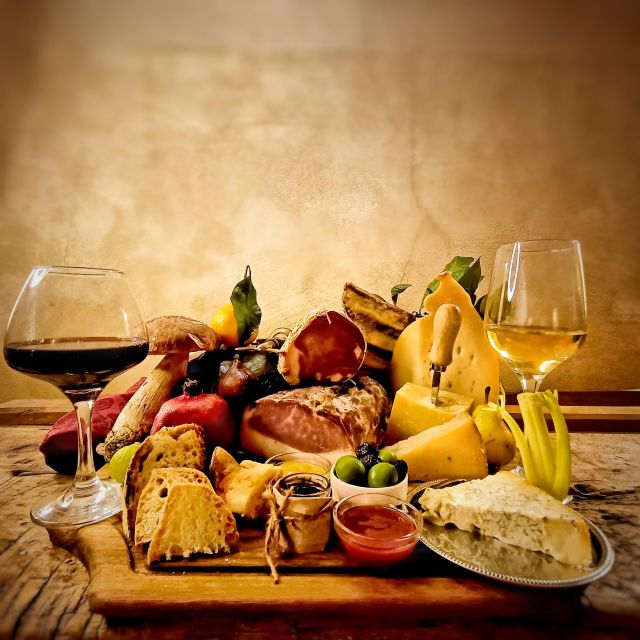
This tasting is built around Italian ingredients with serious labeling behind them—especially DOP and IGP products. You’ll also see items connected to the Slow Food Presidium, which is a good clue that the focus is on craft and identity, not just name-brand popularity.
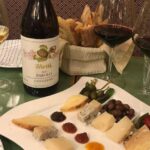
The cheeses and cured meats can include (among others):
- Gorgonzola DOP
- Parmigiano Reggiano
- Mozzarella di Bufala Campana DOP
- Pecorino di Moliterno PGI
- plus a lineup of cured meats like Parma Ham DOP, Mortadella Bologna PGI, and Guanciale di Amatrice
On top of that, you’ll likely encounter Taggiasca olives and multiple types of olives, along with extra virgin olive oil.
What I like about this approach: it keeps the tasting grounded. Instead of mixing random flavors, the menu highlights what Italian tables do every day—salty cured meats, creamy cheeses, fruit and nuts used as balance, and olive oil as a flavor base.
Cheese and cured meat: the part that often feels most memorable
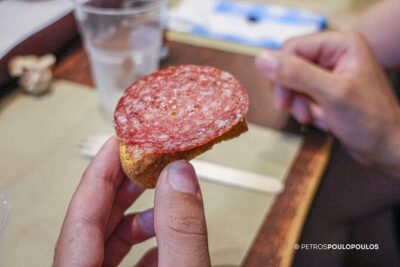
If you care about Italian food, this is where the tasting gets real fast. The experience often includes a selection of fresh and mature cheeses, plus cured meats and ham. The staff don’t just drop a board in front of you—they walk you through what the ingredient is, where it comes from, and how it’s traditionally enjoyed.
That teaching matters because cheese in Italy is not one thing. It’s a whole map. Gorgonzola behaves differently than Parmigiano Reggiano. Buffalo mozzarella tastes like cream and milk freshness; aged pecorino leans sharper and saltier. When the wine and food are paired well, you start noticing structure: acidity, fat, salt, and how each wine handles those traits.
From recent experiences, people repeatedly mention the presentation and the way the boards are explained step by step. If you want your tasting to feel thoughtful instead of rushed, this is the section that usually delivers.
Olives, bread, and olive oil: the small steps that change everything
A lot of tastings talk big about wine. This one gives the boring stuff—the foundation—real attention. You may get:
- 4 types of olives
- 3 types of bread
- extra virgin olive oil
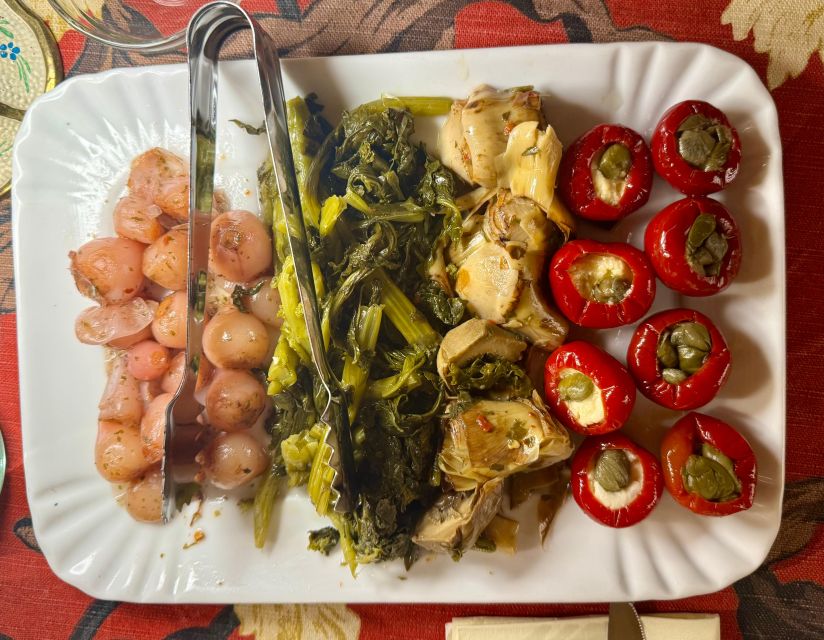
- plus items like vegetables in oil or vinegar (depending on your tasting option)
Why this matters: in Roman and broader Italian eating, olive oil and bread aren’t just side items. They’re a system. The oil carries aroma and fat. The olives bring brine and bitterness. Bread gives you texture and a neutral base so the wine can show more detail.
This is also where you’ll get a more practical lesson you can use later. After tasting, you’ll know what flavors to look for at markets: specific olive types, the right bread for cheese, and how oil can soften or sharpen a pairing.
A few more Rome tours and experiences worth a look



The surprise main course and Roman pizza that keep it from feeling like a snack
This experience includes a surprise main course meal in addition to the tasting components. It also includes Roman pizza as part of the food set.
That’s a nice value feature because it turns the session from a light sampling into something closer to a meal. You’ll still be tasting, but you won’t leave hungry. And because this happens in a 75-minute window, it’s a smart option when you want Roman flavors without committing to a full dinner program.
Wine pairing: what the sommelier guidance actually does for you
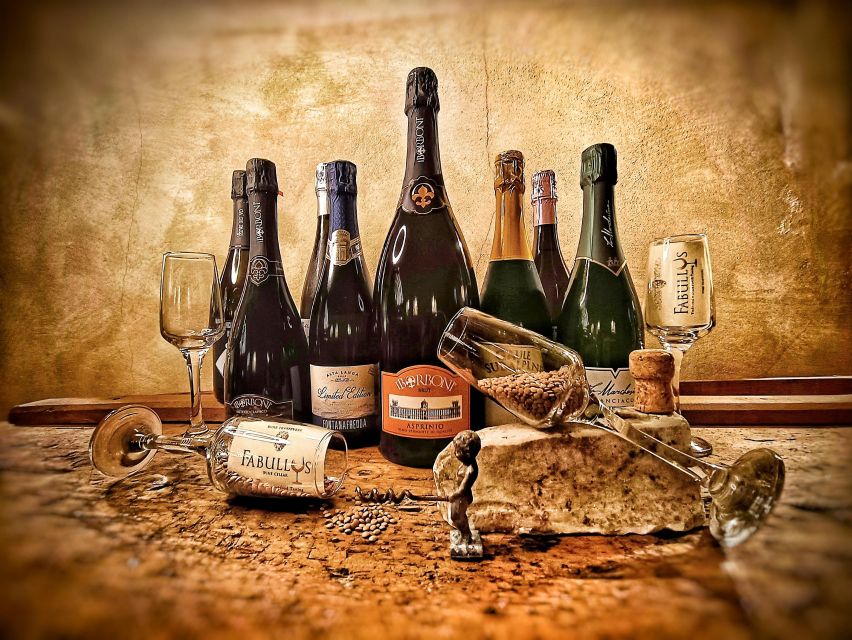
Wine can be intimidating in Rome, especially if you’re not the type who wants to memorize grapes. The best part here is that the sommelier guidance is practical: the staff match wines to specific foods and explain the reasoning.
Depending on the tasting option, the wine includes Prosecco plus a mix of white and red glasses. Some options include more wine types than others, but across the board, the goal is balance.
In plain terms, the staff are teaching you how to taste. You start to connect:
- creamy cheeses with wines that handle fat
- salt-cured meats with wines that bring acidity or structure
- olives and oils with wines that don’t get overwhelmed
If you’re the type who likes to ask questions, this is the part where you get answers. Recent bookings also highlight how friendly and attentive guides were, including named hosts like Lorenzo, Ginevra, and Carlotta.
Where to start if you want the best fit: choosing your tasting level
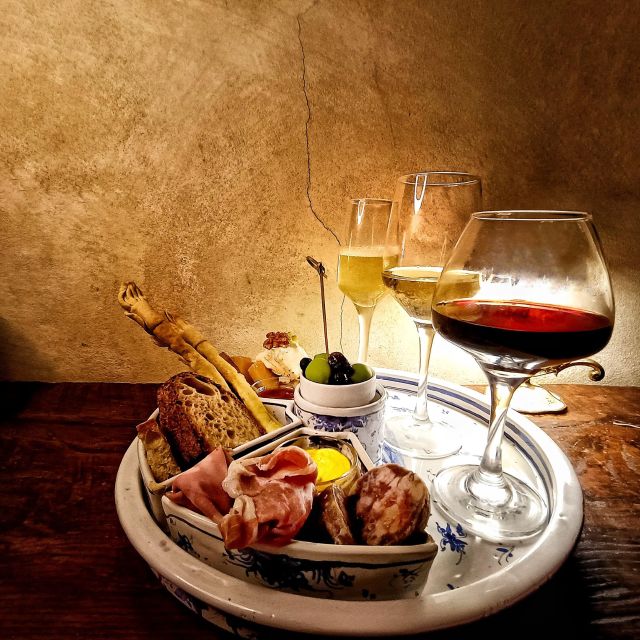
Your tasting depends on which option you pick. The general idea stays the same (wine + Italian foods, explained by staff), but the amount and variety shift.
- If you choose a Classic or Fabullus style option, you’ll get Prosecco plus a set number of whites/reds and a defined food sequence.
- If you choose a De Luxe style option, you’ll typically get more wine variety (including 3 reds and 1 white plus Prosecco).
- A 3-course tasting format can include multiple cheeses, cured meats, mortadella with pistachio, buffalo mozzarella and buffalo ricotta, plus vegetables in oil or vinegar, finishing with dessert.
My advice: if you’re a serious wine person, pick the option with more wine types. If you mostly want the food experience and a comfortable pace, the Classic or Fabullus style can be a better match.
Either way, you should expect a guided walkthrough that connects each item to its region and traditional use.
Practical tips for planning your evening in Trastevere
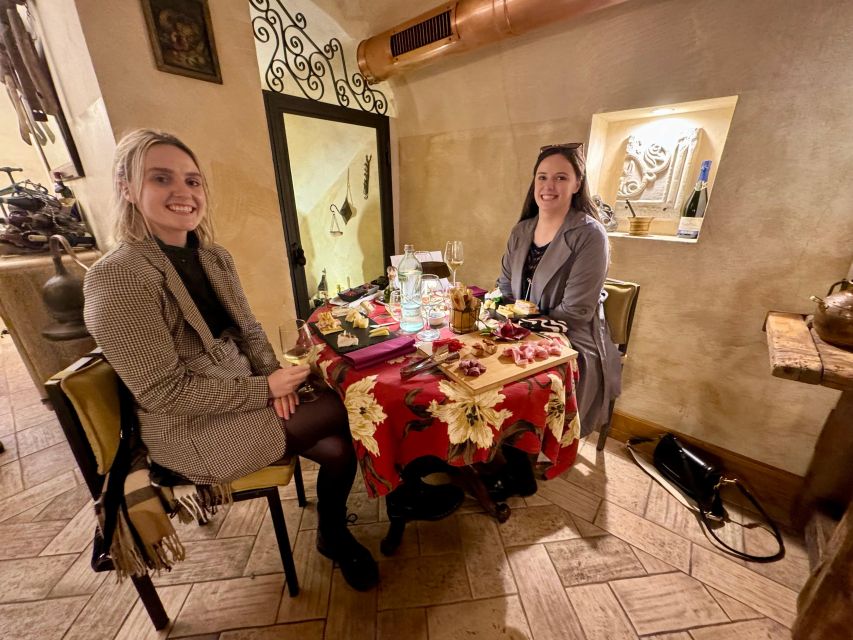
Trastevere is one of Rome’s most photogenic neighborhoods, but it can also mean you’re deciding between wandering streets and locking in a food plan. This tasting is a great middle option. It gives you a strong Roman meal experience without needing hours.
Timing tip: pick an early evening slot if you want to treat this as your main meal. Some bookings report not needing dinner afterward, which makes sense when the menu includes Roman pizza, cheeses, cured meats, bread, oils, and dessert.
Also, come with a normal appetite. The tasting is paced, but it’s not a token snack. Between the cheeses and cured meats alone, you’ll feel like you ate.
One more practical note: the meeting point can be tricky to find using an app at first. If you’re running late or the address feels confusing, it helps to ask for direction quickly instead of spiraling.
Who this is best for (and who should think twice)
This experience is a strong fit if you:
- want Italian food and wine paired with clear explanations
- like DOP/IGP products and Slow Food Presidia-driven sourcing
- enjoy a small, private group atmosphere where you can ask questions
- want an atmospheric setting beyond a typical restaurant tasting room
It’s not suitable for:
- wheelchair users
- children under 7
- vegans
- people with diabetes
- people with food allergies
And on the rules side, pets are not allowed, and the staff can refuse service if someone is intoxicated. So keep it relaxed and respectful, and you’ll get the most out of the session.
Should you book Cantina Fabullus in Trastevere?
Yes, I’d book it if you want a high-value Roman food-and-wine night that’s both educational and satisfying. The combination of a 1st-century Roman cistern setting, real regional ingredients (DOP/IGP), and structured wine pairings makes this more than a casual tasting.
Skip it if you’re vegan, have food allergies, or you need wheelchair access. Also, if you’re only looking for a quick sip-and-snack, the sequence is more meal-like than that.
If your goal is to leave with a clearer sense of Italian taste—what to look for, how pairings work, and why the flavors make sense—this is one of the better bets in Trastevere.
FAQ
How long is the Rome Food Tasting with Wine Paring in Trastevere Experience?
It lasts about 75 minutes.
How much does it cost?
The price is $85 per person.
Where do I meet the group?
Meet at the entrance of Hotel Residenza San Calisto, Via dell’Arco di San Calisto 19/20. Ring the bell at the entrance.
What food and wine are included?
Included tastings include superior Italian wines chosen by the sommelier, Slow Food* presidium products (small scale), water or soft drinks, and a surprise main course meal. Depending on your tasting option, you may also get items like olives, bread, extra virgin olive oil, Roman pizza, and dessert, along with specific cheeses and cured meats.
What wine options can I choose?
Depending on the chosen option, the tasting includes different numbers and types of glasses, such as Prosecco plus a mix of white and red wines.
Are alternatives available for dietary needs or intolerances?
Alternatives are available upon request and can be adapted according to tastes or food intolerances, but you must communicate allergies or intolerances at the time of booking.
Is it suitable for vegans or people with food allergies?
No. It is not suitable for vegans and it is not suitable for people with food allergies.
What languages are offered?
The activity is offered in Italian, English, Spanish, and French.