REVIEW · ROME
Rome: Eat Like a Roman Ghetto & Campo de’ Fiori Food Tour
Book on GetYourGuide →Operated by Hili srl · Bookable on GetYourGuide
Food + history in Rome, in 2.5 hours. This walking tour strings together the Jewish Ghetto and the Campo de’ Fiori market with Roman street staples and real stories behind the streets you walk. Guides like Leonardo, Daniele, and Arianna often mix laughs with context, so the places stop feeling like a checklist.
I especially love the variety of tastings for the price, from supplì to Roman pizza to fried artichokes, and I love how the guide turns snacks into a lesson you’ll actually remember. You don’t just eat, you learn why Romans eat what they eat, and how those foods show up in daily life, not just tourist menus.
One consideration: this tour is not suitable for vegans and it’s not suitable for people with gluten intolerance, so plan accordingly if you have strict dietary needs.
In This Review
- Key things I’d highlight before you book
- The smart combo: Campo de’ Fiori + the Jewish Ghetto
- Pace, group size, and how 2.5 hours really works
- Your Roman starter set: supplì, porchetta panini, and pizza
- Supplì: the crispy rice-ball you’ll want to hunt later
- Porchetta panini: savory pork done simply
- Roman-style pizza slices
- The one stop that gives this tour its signature: fried artichokes in the Ghetto
- Campo de’ Fiori morning: market energy plus extra tastings
- The walking route: big Roman landmarks without the museum-feel
- The gelato finale at Gunther Gelateria
- Vegetarian options, but not vegan or gluten-free
- Price and value: what $50 buys you in Rome
- The guide can make or break it, and this one is built around personality
- Practical tips that help you enjoy it more
- Should you book this Rome Jewish Ghetto and Campo de’ Fiori food tour?
- FAQ
- How long is the Rome Eat Like a Roman Ghetto & Campo de’ Fiori Food Tour?
- What’s included in the tour price?
- Where do I meet the guide?
- Are drinks included?
- What food tastings should I expect?
- Is the tour vegetarian friendly?
- Is it suitable for vegans?
- Is the tour gluten-free?
- What areas and landmarks are part of the tour?
- Which languages are the guides speaking?
- Is wheelchair access available?
Key things I’d highlight before you book
- Supplì and Roman pizza: classic Rome, portioned so you keep moving (and keep liking what you’re eating)
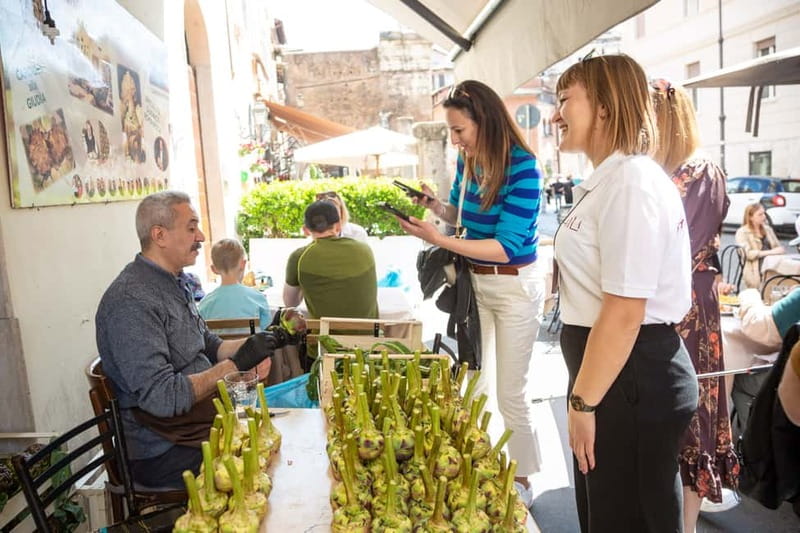
- Carciofo alla Giudia: the Jewish Ghetto specialty that makes this tour feel different from any other food crawl
- Campo de’ Fiori (morning only): market time plus added tastings like olive oil, truffle, and vinegars
- A short, efficient route: you hit big-name landmarks like Largo di Torre Argentina and the Pantheon area without feeling rushed
- Gelato as the finale: artisanal scoop stop near iconic Rome
- Guide energy matters: many guests rave about lively guides who connect food history to everyday Rome
The smart combo: Campo de’ Fiori + the Jewish Ghetto
Rome food tours can go one of two ways. Some are just a string of bites. Others are history-only walks with occasional food. This one blends both, and the pairing makes sense.
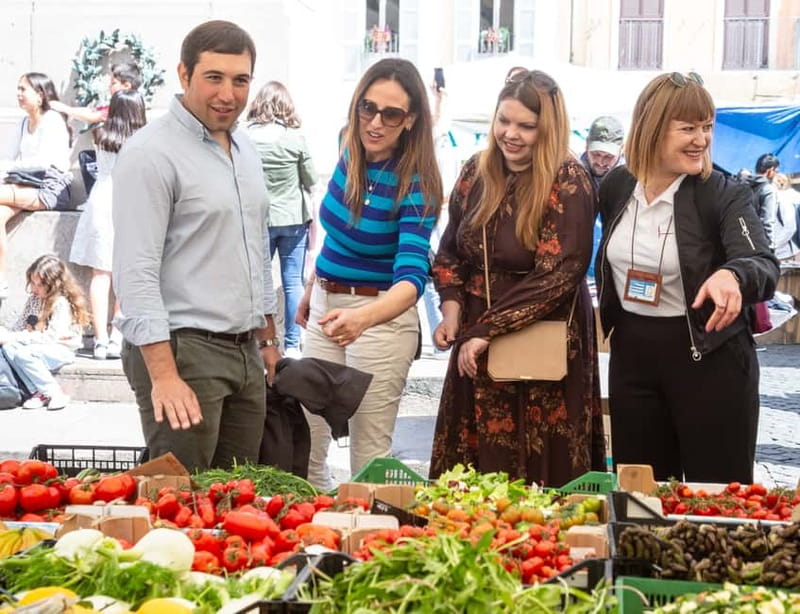
Campo de’ Fiori is all about ingredients and noise and people doing daily business. Then you shift into the Jewish Ghetto area, where the food story is tied to identity, community, and tradition. When you taste Carciofo alla Giudia (fried artichokes) in that setting, it lands differently than if you ate it anywhere else.
And that’s the trick here: the tour uses the city as a flavor map. You walk from street to street, and each stop has a reason.
You can also read our reviews of more food & drink experiences in Rome


Pace, group size, and how 2.5 hours really works
This is a 2.5-hour guided walking tour. That means you’ll be on your feet, but it won’t feel like a full-day hike through Rome. Most of your time goes toward eating at a handful of stops and getting guided context between them.
A practical note: the tour packs multiple tastings, and several guests mention they weren’t hungry for dinner afterward. That’s rare for a short tour. So you’ll want to keep your earlier meals light.
Group size is listed as private or small groups available, and the overall vibe tends to be friendly and interactive. If your guide takes questions (and many do), this is a great first-night plan because you’ll get food tips that go beyond the tour.
Your Roman starter set: supplì, porchetta panini, and pizza
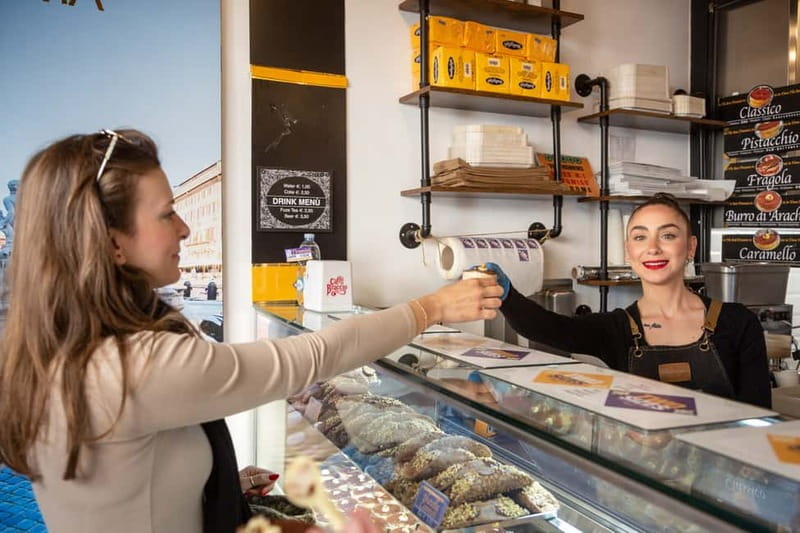
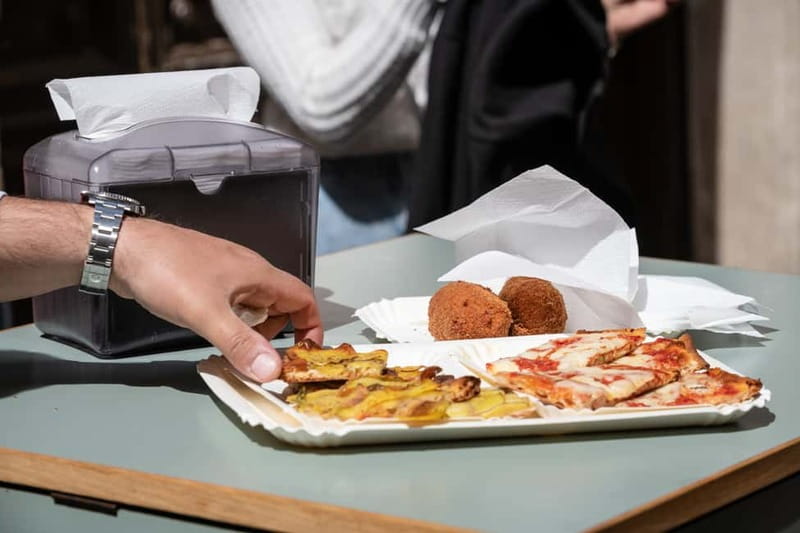
The tour’s food base is pure Rome street food. Expect a sequence built around crunch, comfort, and classic flavors.
Supplì: the crispy rice-ball you’ll want to hunt later
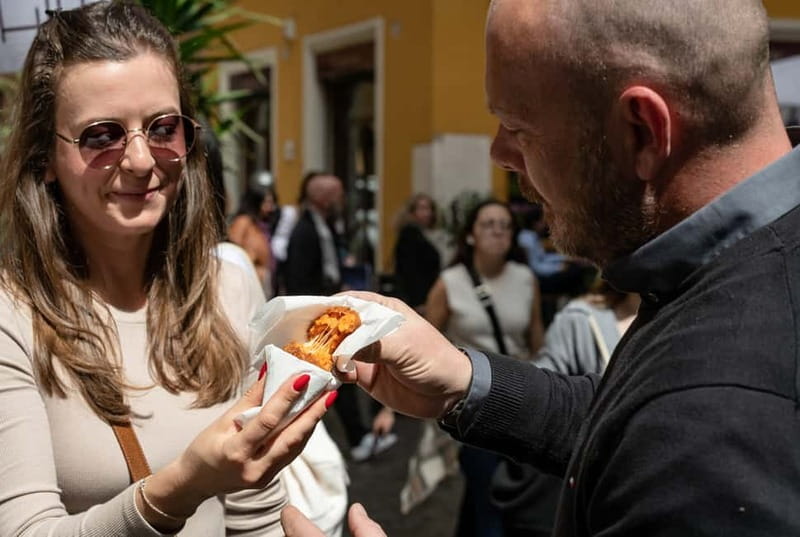
You’ll start with supplì, those fried rice balls with melty goodness inside. The best part is the texture contrast: outside crunch, inside warmth. It’s the kind of bite that makes you pause mid-walk to figure out why it tastes so good.
If you’re someone who thinks fried street food is all the same, supplì will change your mind. And if you already love it, you’ll understand why Romans treat it like a go-to.
Porchetta panini: savory pork done simply
Next comes a panini with porchetta. This is one of those foods that doesn’t need fancy presentation. It’s about good pork, good seasoning, and a bun that holds up while you keep walking.
Vegetarian options are available, which matters because pork-heavy tours can get awkward fast. You’ll still get a proper stop and proper food, not just a token replacement.
A few more Rome tours and experiences worth a look


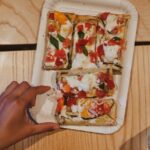

Roman-style pizza slices
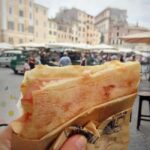
After that, you’ll get Roman-style pizza. This is not the thin-crust Neapolitan story. Roman pizza has its own shape and character, and it’s meant for eating on the go.
The tour’s goal isn’t to turn you into a pizza expert. It’s to introduce you to how locals actually snack: fast, hot, and portable.
The one stop that gives this tour its signature: fried artichokes in the Ghetto
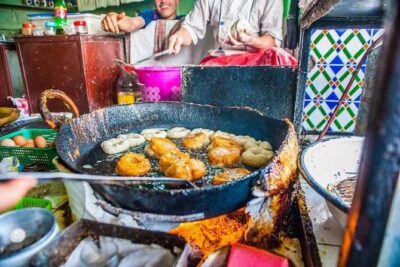
The headline tasting is fried artichokes, Carciofo alla Giudia.
Artichokes might sound seasonal and “vegetable-ish,” but in this form they’re all about flavor and crunch. In the Ghetto setting, it also becomes a cultural marker. This isn’t a modern influencer dish. It’s tied to long-standing tradition and the way communities preserved culinary identity.
If you like trying something you can’t easily recreate at home, this is your moment. And if you don’t think you’ll like artichokes, you might still. The frying changes everything: the outside turns crisp and the artichoke becomes almost nutty in flavor.
Campo de’ Fiori morning: market energy plus extra tastings
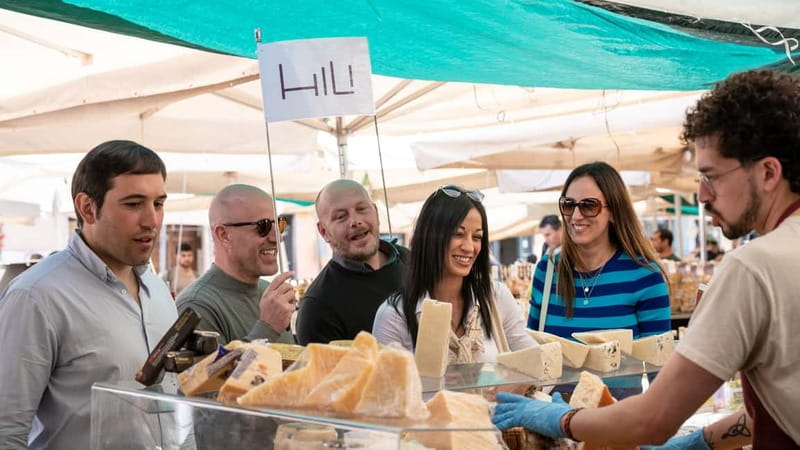
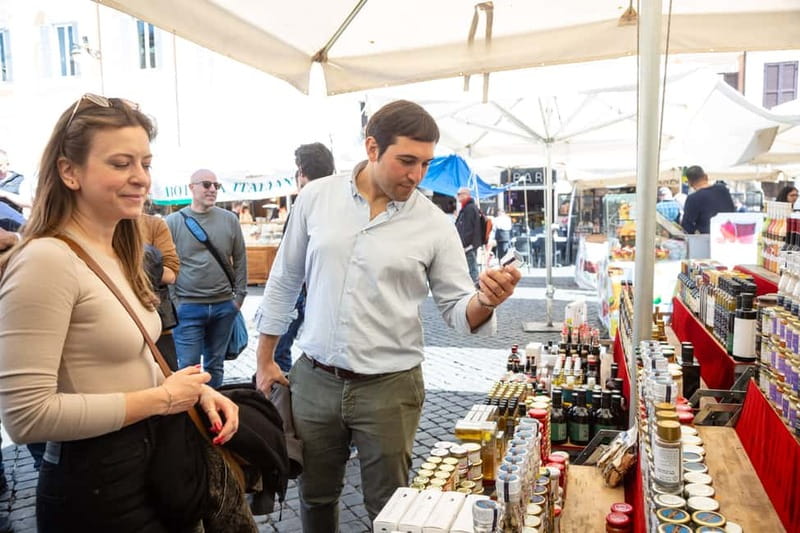
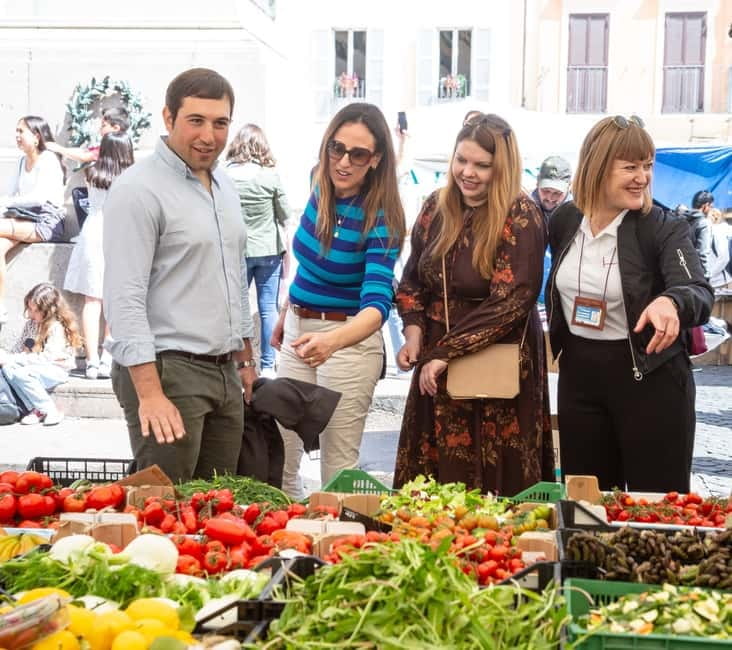
If you’re booked on a morning tour, you get one of the best add-ons: time in and around Campo de’ Fiori, including a market visit.
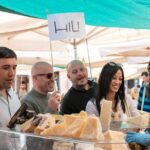
You’ll see the fruit market area and sample local products. On morning departures, the tour also adds tastings you don’t see on every food crawl: olive oil, truffle, and vinegar tastings (plus other small samples). That’s a big deal for value because it turns the experience from eat-and-walk into learn-what-flavors-are-made-of.
This is also where you pick up shopping confidence. You’ll taste differences that make you more picky later—in a good way. One guest mentioned tasting truffle products and balsamic vinegar variations that were a real surprise compared to what they expected from home.
And yes, you’ll pass through a square scene that feels like Rome in real time: people buying, vendors calling, and you standing there with your guide guiding the senses.
The walking route: big Roman landmarks without the museum-feel
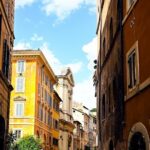
The tour mixes food stops with short, purposeful walks past major sites. You’re not stuck in a bus. You’re moving between neighborhoods and picking up context as you go.
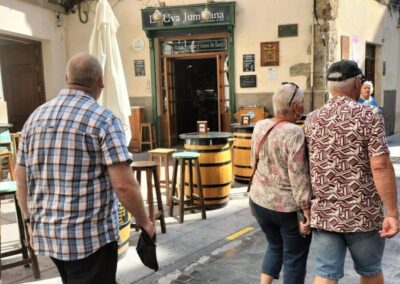
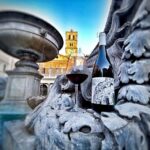
You’ll start near Piazza di San Simeone (meet by the fountain). From there the route ties into iconic Rome points you can recognize later on your own.
Along the way, expect passes near:
- Chiostro del Bramante (a beautiful visual pause)
- Piazza and Passetto del Biscione
- Portico d’Ottavia and the Turtle Fountain
- Teatro Marcello
- Largo di Torre Argentina, tied to the assassination of Julius Caesar
- Area around the Pantheon as you get closer to the finale
Even if you’re not a history buff, the guide’s job is to give you a spine of context. The stories are the kind you can recall later when you see the same places on your own route.
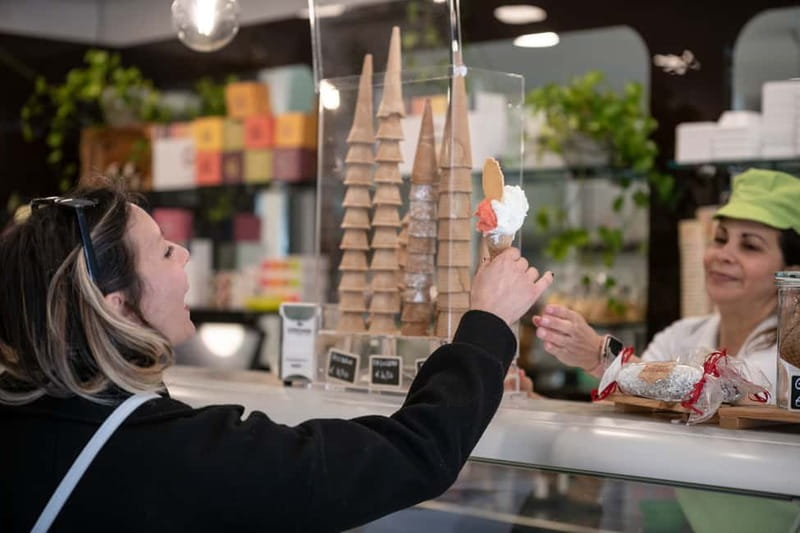
The gelato finale at Gunther Gelateria
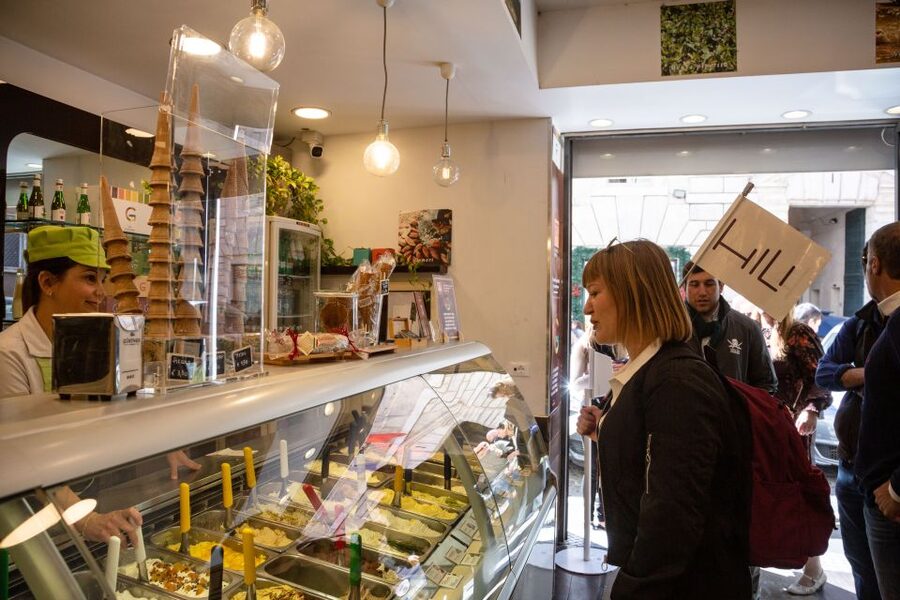
Most food tours end with a cookie or a quick stop for something sweet. Here, the finish is artisanal gelato at Gunther Gelateria.
The timing matters. By the time you reach the dessert stop, you’ve already eaten enough savory food to appreciate a cool, creamy palate reset. And because it’s near major landmarks, you’ll likely keep walking afterward with a satisfied plan in your head: where to go next, what to see nearby, what to avoid.
If you have any sort of gelato habit in Italy, this stop will feed it.
Vegetarian options, but not vegan or gluten-free
The tour supports vegetarian options, and guides should be able to work with that if you mention needs when booking.
But the limitations are important:
- Not suitable for vegans
- Not suitable for people with gluten intolerance
So if you avoid gluten due to medical reasons, you should not treat this as a flexible “we’ll see” situation. It’s explicitly not suited for gluten intolerance.
If you’re vegetarian, though, this is one of the better short tours to choose because you still get multiple real Roman-style tastings, not just one side dish.
Price and value: what $50 buys you in Rome
At $50 per person for 2.5 hours, the value comes from how much food you get and how much guidance you’re paying for.
Included items are:
- a guided walking tour
- 5 food tastings
- Campo de’ Fiori and Ghetto area visit
- a local tour guide
Not included: drinks.
Here’s how that value usually breaks down in real life. Many guests describe the tastings as enough to skip dinner. You’re not paying extra to “shop for your meal.” You’re buying a guided sequence of Roman bites plus the context that makes those bites more satisfying.
Also, the morning-only added tastings (olive oil, truffle, vinegar) expand what you learn and what you taste. Even if you don’t end up shopping afterward, you’ll leave with better taste memory.
The guide can make or break it, and this one is built around personality
One of the most praised parts is the guide.
Names like Leonardo, Daniele, Arianna, Sylvia, Alessandra, Matteo/Matteo, and Tiziana show up again and again. The common thread: guides who make history conversational, and who keep the pace steady so nobody feels dragged from one bite to the next.
Some guides also add fun details and Q-and-A moments, even tying personal interests into the route. That’s not just entertainment. It helps you remember what you ate and why.
If you like guides who talk like a friend with an excellent playlist of facts, you’ll probably enjoy this tour.
Practical tips that help you enjoy it more
A few things I’d do before you go:
- Eat lightly beforehand. Multiple guests say the tour feeds you well.
- Wear comfy shoes. Rome floors are not forgiving.
- If you’re on a morning departure, take the extra market tastings seriously. They’re part of the tour’s value.
- If you have allergies or dietary restrictions, tell the provider when booking. The tour notes that you should share any allergy and/or restrictions ahead of time.
Also, since drinks aren’t included, plan to cover your hydration needs on your own during the walk.
Should you book this Rome Jewish Ghetto and Campo de’ Fiori food tour?
If you want one early, high-impact experience that mixes Roman street food with neighborhood history, this is a strong pick. You’ll get the signature tastes—supplì, porchetta panini, Roman pizza, Carciofo alla Giudia, and gelato—plus a route that takes you past major sights without turning into a museum day.
I’d skip it if you’re vegan or need to avoid gluten. I’d also think twice if you hate walking and want a fully sit-down experience.
But if you’re food-first and enjoy learning as you go, book it. It’s the kind of tour that leaves you stuffed, informed, and ready to eat the right things on the rest of your trip.
FAQ
How long is the Rome Eat Like a Roman Ghetto & Campo de’ Fiori Food Tour?
It lasts 2.5 hours.
What’s included in the tour price?
The tour includes a guided walking tour, 5 delicious food tastings, a visit to the Campo de’ Fiori and Ghetto area, and a local tour guide.
Where do I meet the guide?
Meet the guide by the fountain in the middle of the square at Piazza di San Simeone.
Are drinks included?
No. Drinks are not included.
What food tastings should I expect?
You’ll taste items such as panini with porchetta, supplì, Roman-style pizza, fried artichokes (Carciofo alla Giudia), artisanal gelato, plus olive oil, truffle, and vinegar tasting on morning tours.
Is the tour vegetarian friendly?
Vegetarian options are available. You should inform the provider of dietary needs when booking.
Is it suitable for vegans?
No, it’s not suitable for vegans.
Is the tour gluten-free?
No. It’s not suitable for people with gluten intolerance.
What areas and landmarks are part of the tour?
You’ll walk through Campo de’ Fiori and the Jewish Ghetto area, and you’ll pass by landmarks such as Portico d’Ottavia, Teatro Marcello, and Largo di Torre Argentina. You’ll also pass near the Pantheon area on the way to gelato.
Which languages are the guides speaking?
The live guide offers Portuguese and English.
Is wheelchair access available?
Yes, the tour is wheelchair accessible.