REVIEW · HONG KONG
Hong Kong: Street Food Tour with Locals – Dim Sum and Wonton
Book on GetYourGuide →Operated by Hong Kong Free Tours · Bookable on GetYourGuide
Dim sum and history in one walk. This tour pairs 10+ tastings with real Hong Kong context, from dried seafood alleys to tea stalls and noodle shops. I like that the guide explains how classics like silk-stocking milk tea and dim sum became everyday habits.
The best part is the flavor variety—barbecue pork, har gow, wontons, egg tarts, and tea—served at places that feel built for locals, not show. And I appreciate the human touch: guides such as Hody, Michael, Jasmine, Stephen, and Alice bring personal stories and practical dining know-how that makes the food easier to understand.
One thing to plan around: this experience is not suitable for vegetarians, and halal food won’t be provided, so don’t book if you need those options.
In This Review
- Key things you’ll notice on this tour
- Starting in Sheung Wan: Open Piazza and finding MTR Exit E2
- Wing Lok Street dried seafood: shark fin, bird’s nest, and cordyceps
- Sheung Wan Cultural Square: how Hong Kong shifted from trade to finance
- The missing middle stop: another local tasting and quick history fix
- Sun Yuen Restaurant: where Hong Kong comfort food does the talking
- Tea lessons in motion: silk-stocking straining and herbal flavor names
- Cha Chaan Teng classics: milk tea, crispy toast, and the Hong Kong twist
- Wonton and noodle master moments: shrimp-stuffed fold and flounder broth
- Dim sum hideouts: har gow and why “fancy snacks” went mainstream
- Queen’s Road Central and Central Market finish: sweet stops and one last big taste
- Dining customs you’ll actually use at home
- Price and value: $51 for 3 hours of snacks, tea, and context
- Who this tour suits best (and who should skip it)
- Should you book this street food tour?
- FAQ
- How long is the tour?
- About how many food tastings will I get?
- What’s included in the price?
- Is the tour suitable for vegetarians?
- Is halal food provided?
- Where do I meet the guide?
Key things you’ll notice on this tour
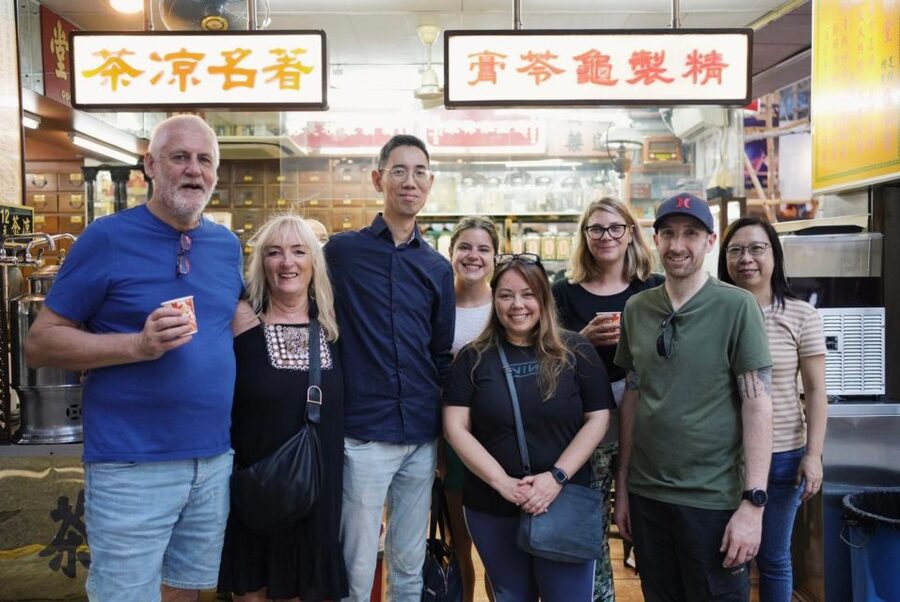
- 10+ bite-sized tastings across savory and sweet, so you can skip a heavy lunch
- Sheung Wan’s trade-food connections, tying opium-era commerce to modern Hong Kong
- Wing Lok Street dried seafood culture, including rare ingredients like cordyceps
- Tea tricks you actually remember, including the silk-stocking straining story (my favorite kind of myth-busting)
- Guides with city-in-their-bones stories, including names like Michael, Jasmine, and Stephen from past tours
Starting in Sheung Wan: Open Piazza and finding MTR Exit E2
You’ll begin near Open Piazza and meet at Sheung Wan MTR Station Exit E2. The practical tip is simple: when you’re on the platform, look for the exit to Exit E. The note here matters—once you move into the concourse toward exits A–D, you can’t count on getting to Exit E.
Wear comfortable shoes. This is a street-food walk with a moderate pace, and Hong Kong sidewalks can be fast, crowded, and very real. If you’re the type who hates feeling rushed, you’ll still do fine because the tour is designed as a paced snack route.
Wing Lok Street dried seafood: shark fin, bird’s nest, and cordyceps
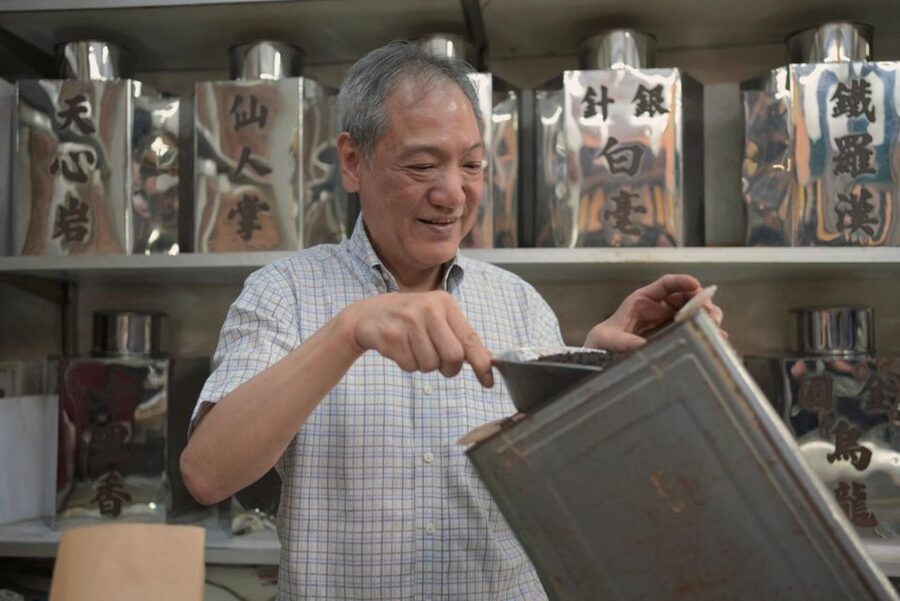
If you’ve only seen Hong Kong through skyline photos, this stop recalibrates your idea of what the city sells—and why. Wing Lok Street is known for dried seafood, and you’ll see why it once mattered to global trade networks.
Expect to hear the stories behind so-called luxury ingredients such as shark fin, bird’s nest, and rare cordyceps. Even if you don’t eat everything offered (and the tour is about tasting small portions), the context helps you understand how food goods moved across borders and how those patterns shaped the city.
There’s also a lesson here that’s more useful than it sounds: the guide explains how luxury commodities weren’t just about eating. They were about status, relationships, and long-distance commerce—and Hong Kong built skills around all of that.
Sheung Wan Cultural Square: how Hong Kong shifted from trade to finance
From the street stalls, you move into the broader story of the area. This is where the tour ties the neighborhood’s food world to the bigger arc of Hong Kong’s past.
You’ll learn the timeline in a way that sticks: Hong Kong was shaped by opium trade, then a role as a labor hub, and later a shift toward a financial center. The point isn’t to turn your snack walk into a textbook. It’s to show how people, money, and demand changed what showed up at markets—and how dining habits followed.
I like this approach because it keeps the food from feeling random. After this, when you taste something like a dumpling or tea, you get a sense of why it survived and spread.
The missing middle stop: another local tasting and quick history fix
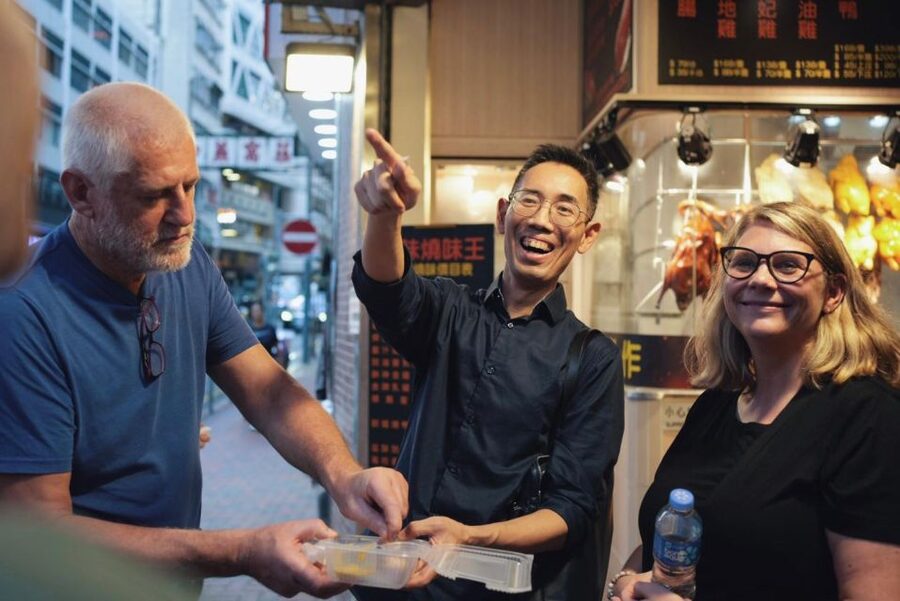
Your route includes another short guided tasting stop in the same central old-town flow. Even though the exact vendor details can vary based on availability, the role of this part is consistent: it keeps the pacing moving and adds another small piece to the puzzle.
Think of it as the tour’s rhythm section. You’ll get more flavor, more local explanation, and a breather from the longer stretches of walking. If you’re the kind of eater who likes structure, this stop helps you avoid that all-too-common street tour problem—either too much walking or too much waiting.
Sun Yuen Restaurant: where Hong Kong comfort food does the talking
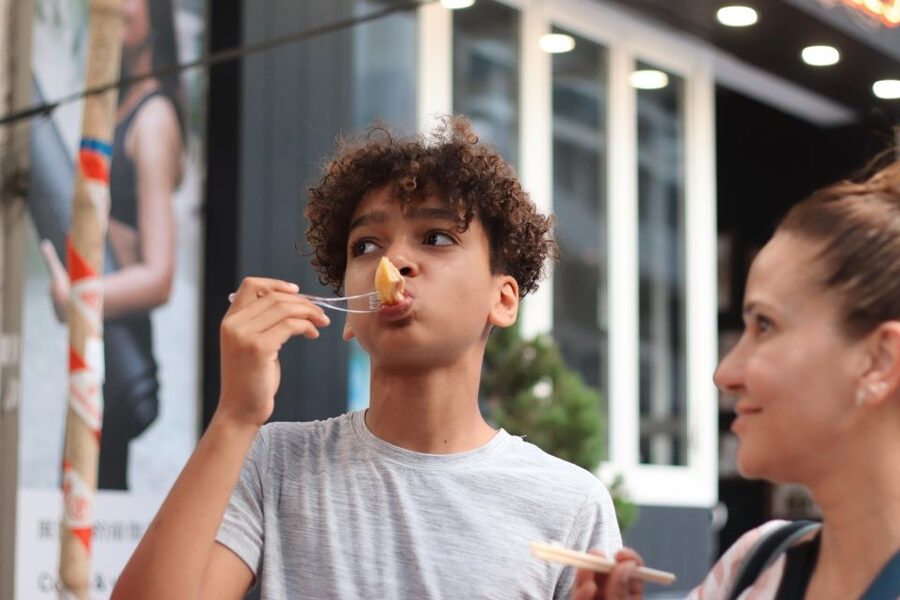
One of the scheduled sit-and-sip moments happens at Sun Yuen Restaurant. This is a useful stop for two reasons.
First, it gives you a clear snapshot of local Hong Kong eating culture, not just take-a-number snacks. Second, it’s part of the tour’s overall strategy: you taste a range of textures and styles, from steamed and crisp to sweet-baked.
In practice, this is where many people start to realize they’re going to be full later. More than one guide has reportedly paced the meal so you don’t feel stuffed too early, but you still end up ready to skip dinner. If you’re hungry when you arrive, bring that energy.
Tea lessons in motion: silk-stocking straining and herbal flavor names
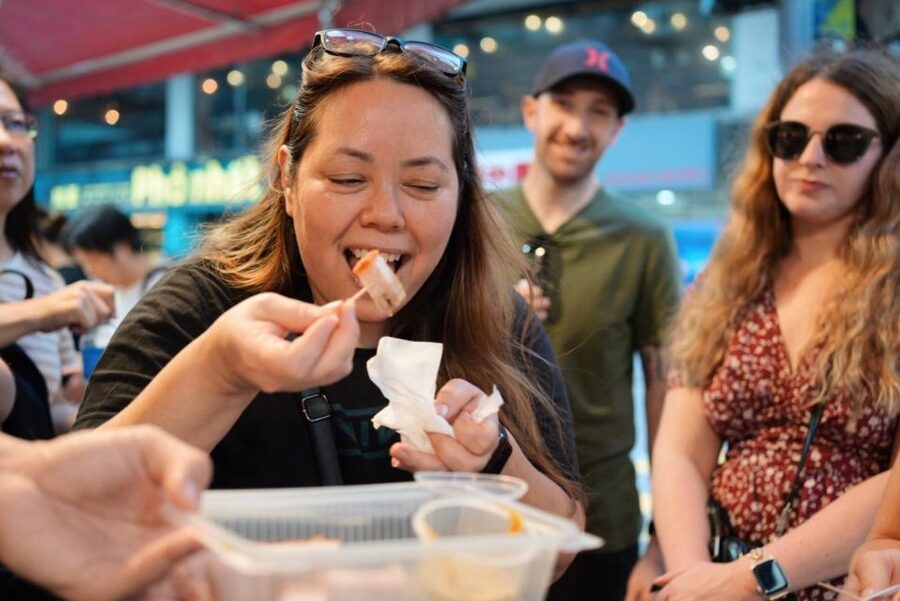
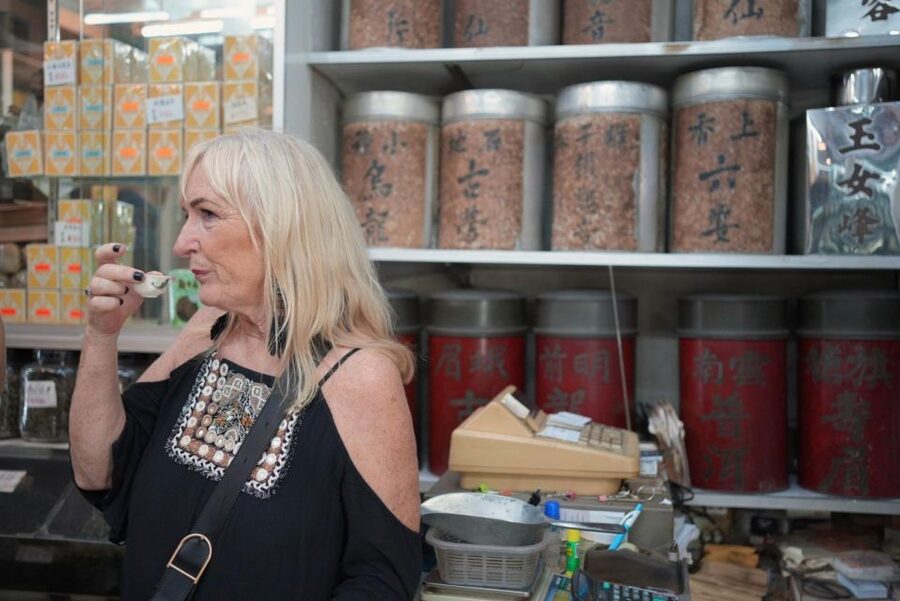
Then comes the tea stop, and it’s the kind of segment that makes the whole tour feel more “Hong Kong” and less like a generic food crawl. Tea here isn’t just a beverage. It’s a craft, a ritual, and a language locals use.
You’ll hear the story behind silk-stocking tea—yes, the myth about stockings. The guide’s job is to sort the legend from what actually happens. Either way, you’ll walk away with a clearer sense of how tea is prepared and why the method matters for taste.
You may also try herbal tea styles with names like Five Flowers or bitter 24 Flavors. If you’ve never had Hong Kong herbal tea, don’t expect it to be sweet like dessert drinks. It’s more like a concentrated flavor conversation—earthy, medicinal-leaning, and oddly addictive once you accept the profile.
Cha Chaan Teng classics: milk tea, crispy toast, and the Hong Kong twist
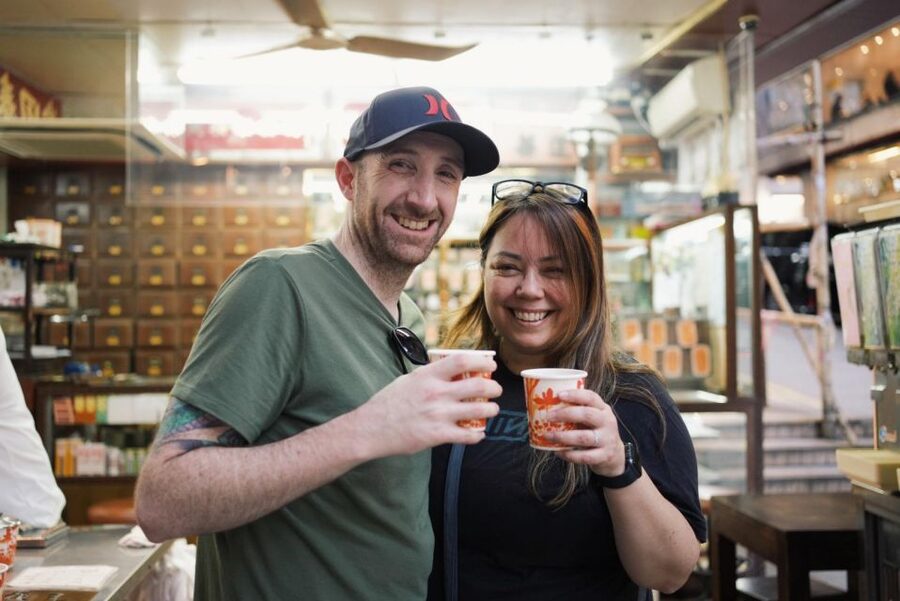
This tour leans into Hong Kong’s signature comfort-food world: the cha chaan teng tradition. You’ll get the chance to try things like milk tea served the local way—often described with the silk-stocking straining detail—and crispy French toast, which is more local habit than French import.
That contrast matters. Hong Kong dining has a talent for borrowing and adapting. You’re tasting a version of Cantonese-West fusion culture that grew out of daily life, not fine-dining branding.
If you like watching a dish become a story, this is one of your best sections. The guide explains what locals look for—textures, tea strength, and how sweet or “milk-forward” the drink should be. You’ll also learn how this comfort food culture helped fill daily needs after major economic shifts.
Wonton and noodle master moments: shrimp-stuffed fold and flounder broth
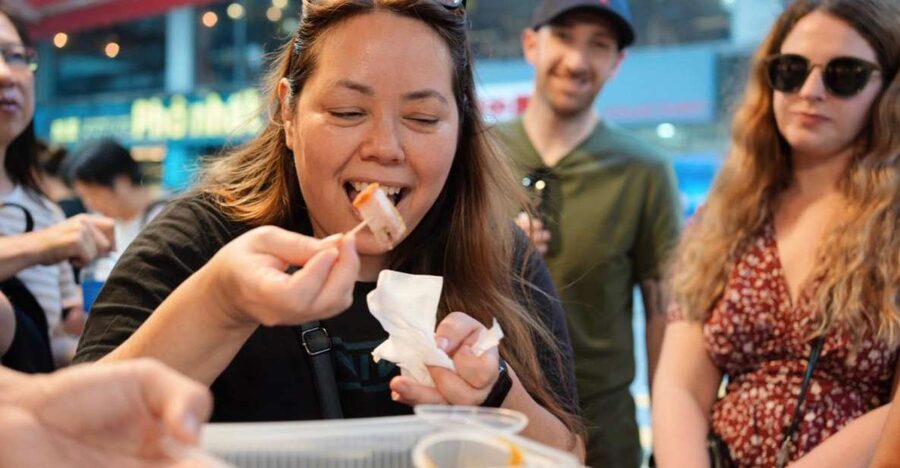
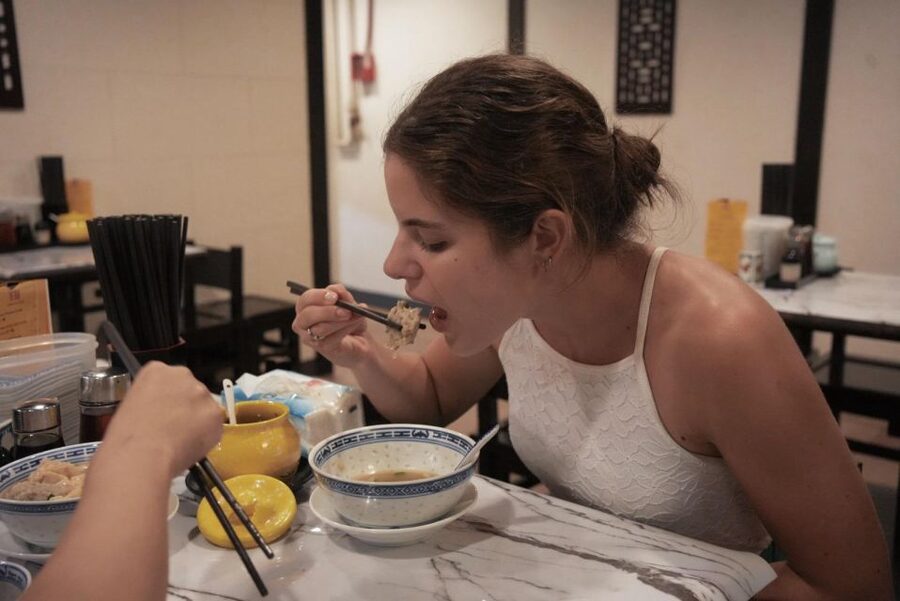
You’ll also hit the noodle world, where the tour spotlights the craft behind the food. Expect to see Chiu Chow-style handiwork, including shrimp-stuffed wontons and the kind of broth that’s built for slow sipping.
One of the smart things the guide does is connect taste to technique. You’re not just eating; you’re learning why a wonton feels different from a generic dumpling. It’s the filling consistency, the wrapping style, and the way broth is simmered that changes the whole experience.
This stop is great if you want savory structure. Hong Kong street food can be chaos on your own, so having someone point out what to notice makes it less overwhelming.
Dim sum hideouts: har gow and why “fancy snacks” went mainstream
Dim sum is the tour’s heart, and you’ll get to taste classics like bamboo-steamed har gow. The tour doesn’t just treat dim sum like a checklist. It explains the social context—how higher-status “snacks” became everyday staples.
That’s a big deal, because it changes how you think while eating. You’ll understand dim sum as a system: small portions built for sharing, tea paired for rhythm, and variety designed so you can sample without overcommitting.
I also like that you’ll hear how dim sum became tied to merchant life and later everyday routines in post-war poverty. When the guide connects the dots, you stop thinking of dim sum as only weekend brunch and start seeing it as a cultural engine.
Queen’s Road Central and Central Market finish: sweet stops and one last big taste
The route winds through Queen’s Road Central for a longer tasting stretch, often where the group slows down and focuses on finishing favorites. Then you end at Central Market.
This finale is built to keep your sweet cravings from feeling left out. You’ll likely taste egg tarts and other local sweets like egg waffles, plus more snack-style bites along the way. If you like dessert, this is your moment.
It also gives you a practical win: you’ll finish in a place that’s easier to explore afterward. Even if you don’t buy anything, you can use the last stop to orient yourself for the rest of your day in Central.
Dining customs you’ll actually use at home
One reason this tour gets repeated praise is the guide’s focus on how people eat, not just what they eat. You’ll learn basics of local dining customs—things like how to handle shared food and what to pay attention to when ordering tea and snacks.
The guide also keeps explanations grounded. Instead of lecturing, they teach you by pairing each dish with a short story: where it came from, how it changed, and why locals treat it as normal. Past guides have also reportedly been attentive to the group dynamic, helping people feel comfortable in crowded food streets.
There’s a small but real takeaway here: after a tour like this, you’ll feel less lost in a dim sum spot. You’ll know what to order and what to ask about in a way that doesn’t feel awkward.
Price and value: $51 for 3 hours of snacks, tea, and context
At $51 per person for 3 hours, you’re paying for more than food. The value comes from the combination of (1) multiple tastings—10+ bites, (2) a live English-speaking guide, and (3) the way history and craft are explained on the spot.
Street food in Hong Kong adds up fast if you’re buying everything individually, especially when you want a range. This tour solves the “what do I eat?” problem. It’s not one dish and a photo. It’s a sequence of small meals designed to build a full picture of the city’s eating culture.
If you’re short on time and want your first taste of Hong Kong to feel guided and meaningful, it’s strong value.
Who this tour suits best (and who should skip it)
This is an excellent fit if you:
- Want a first-timer-friendly introduction to Hong Kong street food
- Like both savory and sweet, including tea-focused stops
- Enjoy history that connects directly to what you’re eating
- Prefer walking in neighborhoods like Sheung Wan rather than staying in shopping districts
It’s not the best choice if you need:
- Vegetarian meals (this tour is not suitable for vegetarians)
- Halal options (halal food won’t be provided)
- A totally no-walking plan (there’s moderate walking)
If you’re traveling with limited dietary options, you’ll need to be careful. This one is designed around authentic local flavors, not substitutions.
Should you book this street food tour?
Yes—if you’re hungry for variety and you want your Hong Kong meals to come with real-world context. The biggest draw is the pairing of 10+ authentic tastings with stories about trade, labor, and how tea-and-snacks culture formed.
I’d hold off only if your diet is vegetarian or you require halal food. Otherwise, arrive with an empty stomach, wear good shoes, and bring curiosity. You’ll leave full, and you’ll understand more than just the taste.
FAQ
How long is the tour?
The tour lasts 3 hours.
About how many food tastings will I get?
You’ll taste 10+ authentic bites, including items like dim sum, barbecue pork, egg tarts, and local snacks.
What’s included in the price?
It includes a walking tour, a local guide, and street food tastings.
Is the tour suitable for vegetarians?
No. The tour is not suitable for vegetarians.
Is halal food provided?
No. Halal food will not be provided.
Where do I meet the guide?
Meet at Sheung Wan MTR Station Exit E2. A helpful note: when you’re on the platform, look for Exit E, because you can’t go to exit E after going into the concourse for exits A–D.