REVIEW · BANGKOK
Local Life, Culture & Food Walking Tour at Chinatown
Book on GetYourGuide →Operated by Plan Vacation Asia Co.,Ltd · Bookable on GetYourGuide
Chinatown hits different when a local leads. I like this walk because it mixes Thai-Chinese street food tastings with side-street detours that take you past the usual photo stops. It also helps that the guides, like Sunee and JoJo, tell stories you can actually connect to what you’re seeing—old shophouses, incense-filled shrines, and local markets. One watch-out: it’s a proper walking tour, so wear shoes you can trust on uneven pavement.
If you want Bangkok to feel personal instead of scripted, this is a good fit. You start at MRT Wat Mangkon and head straight into the neighborhood’s older rhythm, then spend the afternoon in temples, shrines, markets, and back alleys where daily life still matters. Just note it’s not set up for wheelchair users, and luggage or large bags aren’t allowed.
In This Review
- Key highlights
- Where the Walk Really Begins: Wat Mangkon to Odeon Circle
- The Pace and Shape of the Afternoon (Small Group, Big Questions)
- Markets, Herbal Teas, and Thai-Chinese Street Food You Can Smell
- Shrines, Incense, and Old Shophouses: What to Look For
- Talad Noi and the Chao Phraya Connection You Can Feel
- “Not Just Food and Photos”: How the Best Guides Make It Personal
- Price and Value: Why $75 Can Be Fair in Chinatown
- Getting Ready: Shoes, Rain, and What to Ask
- Should You Book This Chinatown Walking Tour?
- FAQ
- What is the starting meeting point?
- Where does the tour end?
- How much does the Chinatown walking tour cost?
- What’s included in the tour?
- What food is included?
- Are dietary restrictions handled?
- Is the tour affected by rain?
- What should I bring?
- Are luggage or large bags allowed?
- What languages are the guides speaking?
Key highlights
- Start at MRT Wat Mangkon and walk in from Plaeng Nam, right into the neighborhood flow
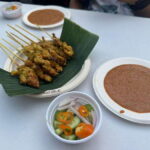
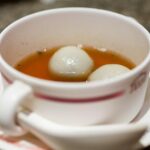
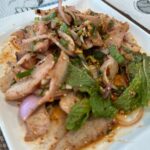
- Thai-Chinese tastings like crispy pork belly, handmade dumplings, and herbal teas
- Shrines and incense stops where locals pay respects and you learn the customs
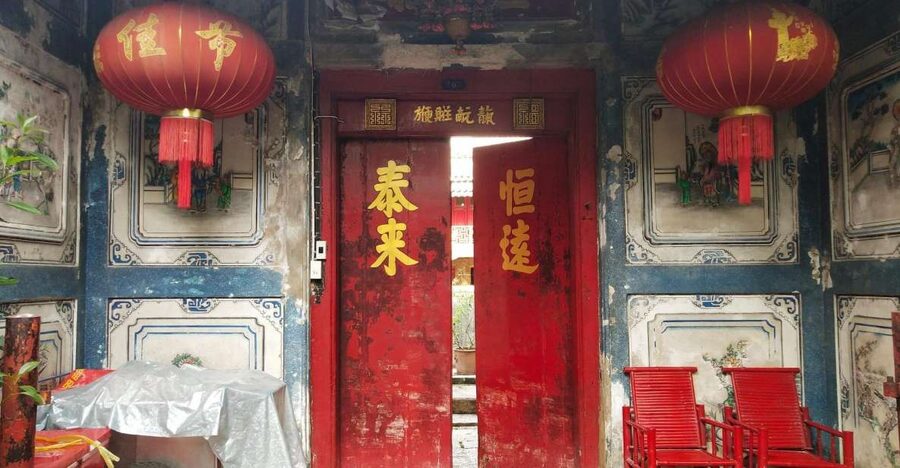
- Old shophouse architecture plus hidden temples and community spaces few people find
- Talad Noi and Chao Phraya connections that explain why this area feels the way it does
- Small group sizes so you get time for questions and personal adjustments
Where the Walk Really Begins: Wat Mangkon to Odeon Circle
The easiest way to understand this tour is to think of it as walking with someone who already knows the shortcuts. You meet at MRT Wat Mangkon Station, Exit 1, near the Plaeng Nam intersection (3 Plaeng Nam Rd, Samphanthawong). The plan is simple: show up about 10 minutes early, then start moving almost immediately.
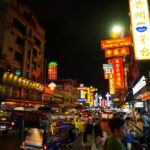
From there, you go toward Odeon Circle, the grand entrance that signals you’ve reached Chinatown’s core. This opening matters more than it sounds. It gives you a mental map right away—where the district starts, how people approach it, and why the Chinese-Thai community shaped what you see today.
You’ll also get the first layer of context from your guide, usually in a story-driven way. Guides like Ms. Kaew (also listed as Khun Kaew in some write-ups) are repeatedly praised for making history feel practical—linking migration, trade, and family traditions to the spots you’re standing in.
You can also read our reviews of more walking tours in Bangkok

The Pace and Shape of the Afternoon (Small Group, Big Questions)
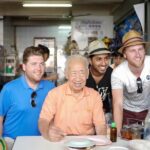
This isn’t a long bus-and-photo stop. It’s a mini group walking tour, designed so the guide can talk to you, not just at you. That small size shows up in the flow: you can ask questions as they come up, and you’re not forced to sprint from one landmark to the next.
Expect a mix of:
- short explanations at each key site
- time to eat and slow down
- side passages that feel like you found them, not that you were herded through them
A good day here feels like walking through layers. One minute you’re looking at the front of a shop building; the next minute you’re in a narrow lane where you can see daily routines. That structure is exactly what makes the tour valuable. You’re not only collecting sights—you’re learning how to read the neighborhood.
Markets, Herbal Teas, and Thai-Chinese Street Food You Can Smell
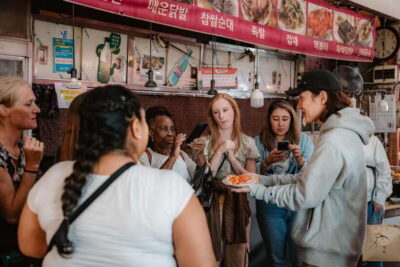
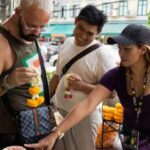
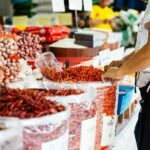
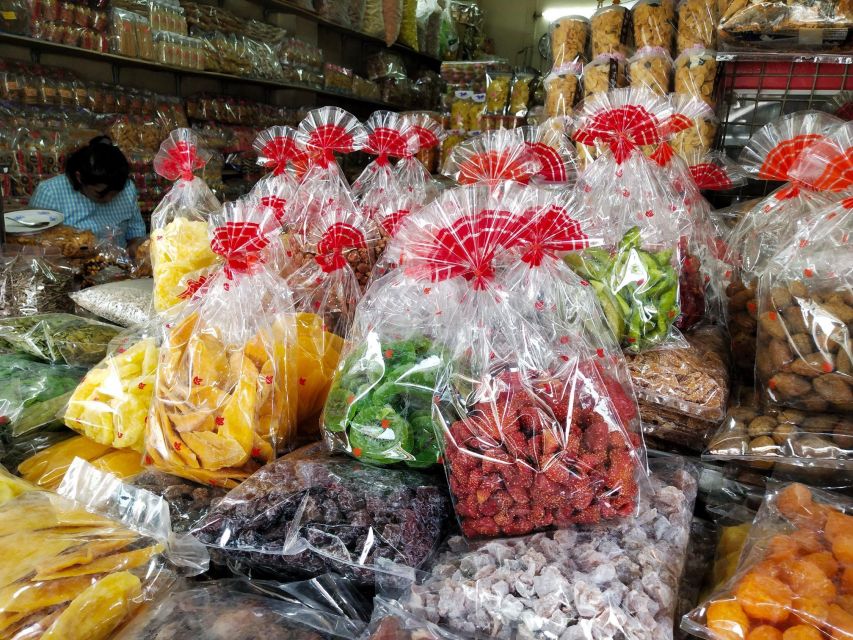
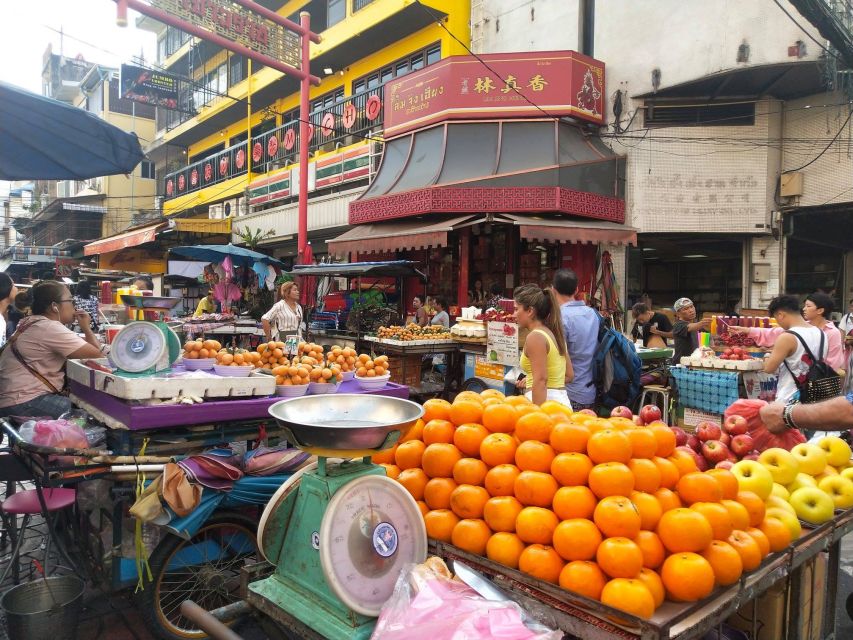
Food is a core part of this experience, not an afterthought. You’ll run into markets and backstreet stalls where everything from herbal items to colorful trinkets appears. Even if you don’t buy anything, the sensory hit is the point: smells, textures, the sound of people bargaining and ordering, and the quick energy of vendors who’ve been doing this for decades.
The tastings are the best way to understand Thai-Chinese fusion without turning the day into a full restaurant crawl. The tour includes samples such as:
- crispy pork belly
- handmade dumplings
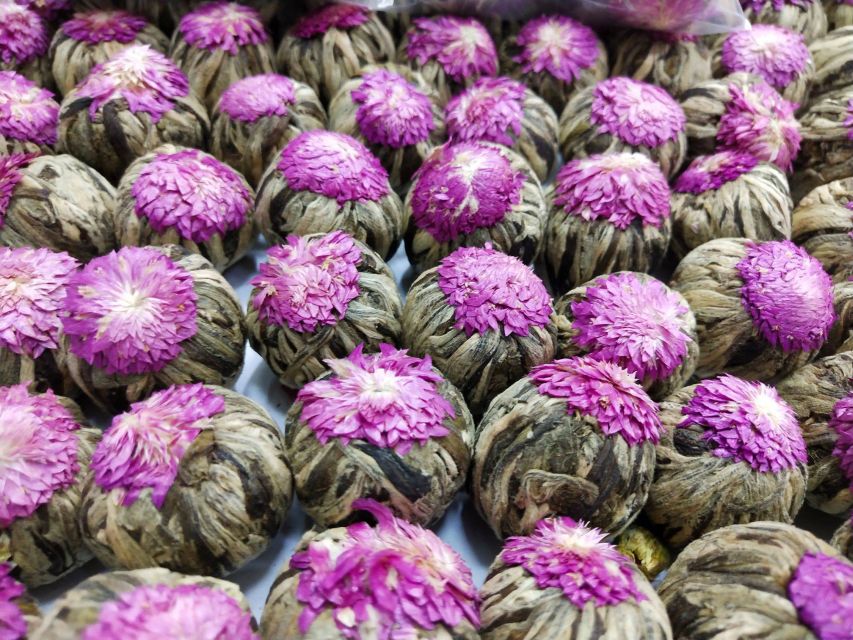
- herbal teas
What I like about this approach is that it teaches you how to taste the culture. Crispy pork belly gives you the savory backbone. Dumplings help you notice technique and shape—how ingredients and heritage come together on the street. Herbal tea then ties the whole meal to the market world, where people don’t separate food from wellness.
One practical note: the tour includes food tastings, but extra snacks or drinks aren’t included beyond what’s part of the tasting plan. If you know you’ll want more, bring a little extra cash so you don’t feel stuck.
Shrines, Incense, and Old Shophouses: What to Look For
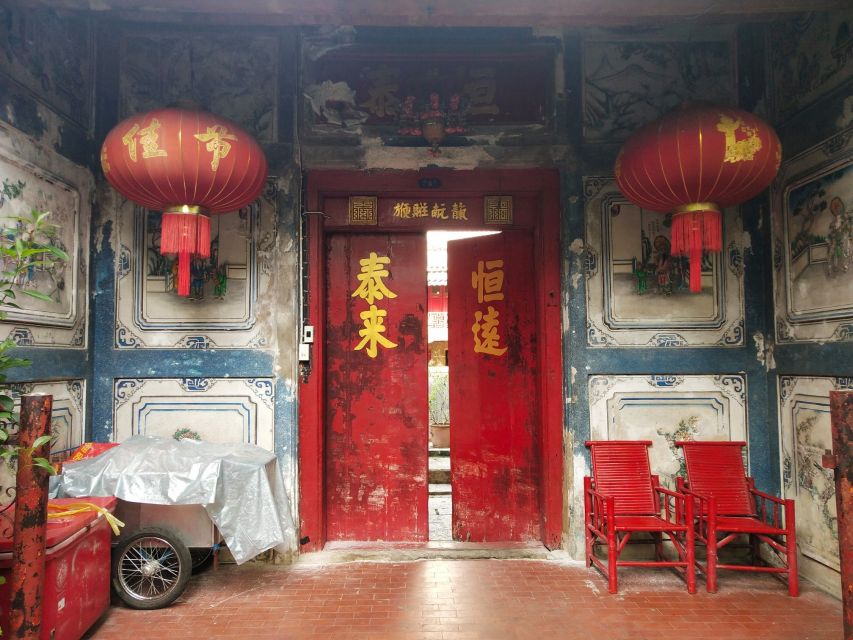
The religious and architectural stops are where the neighborhood turns from scenes to meaning.
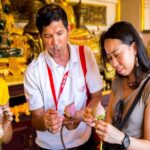
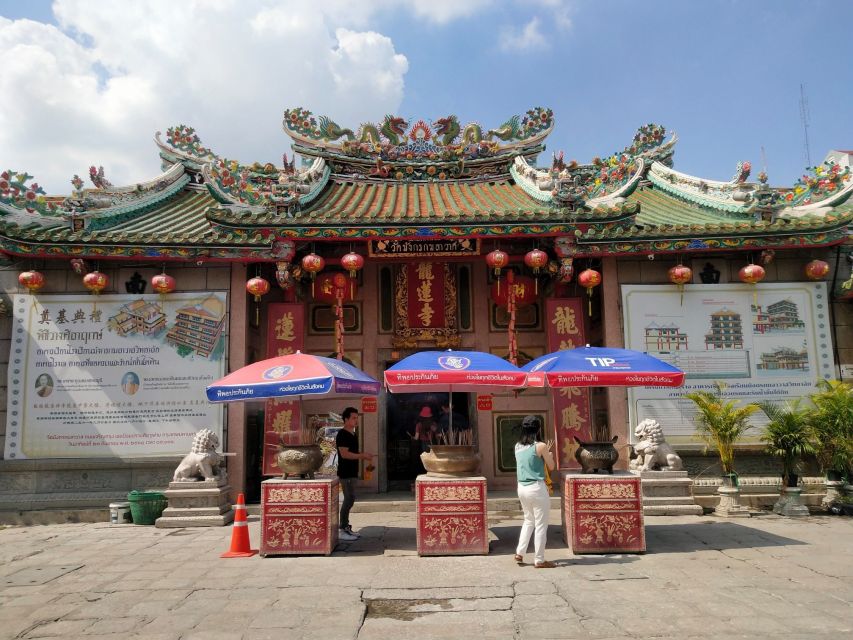
You’ll visit historic temples and shrines, with incense and gold details that locals use during daily practice. Your guide will explain the customs—what people are doing, what they believe they’re asking for, and how those traditions stayed alive through generations.
Two things to watch for as you go:
- How people behave at the shrine (quiet, focused moments, not a show for tourists).
- The little design choices—incense holders, altars, and the way decorations sit at human scale.
You’ll also spend time admiring old Chinese-style shophouses. The value here is that you learn to see architecture as a record. Facades aren’t just pretty. They reflect old trade routes, family business patterns, and how commerce blended with community space.
Even the alley walking connects to this. Narrow lanes aren’t random; they’re part of how Chinatown functions—where people live, cook, pray, and sell within walking distance of each other.
Talad Noi and the Chao Phraya Connection You Can Feel
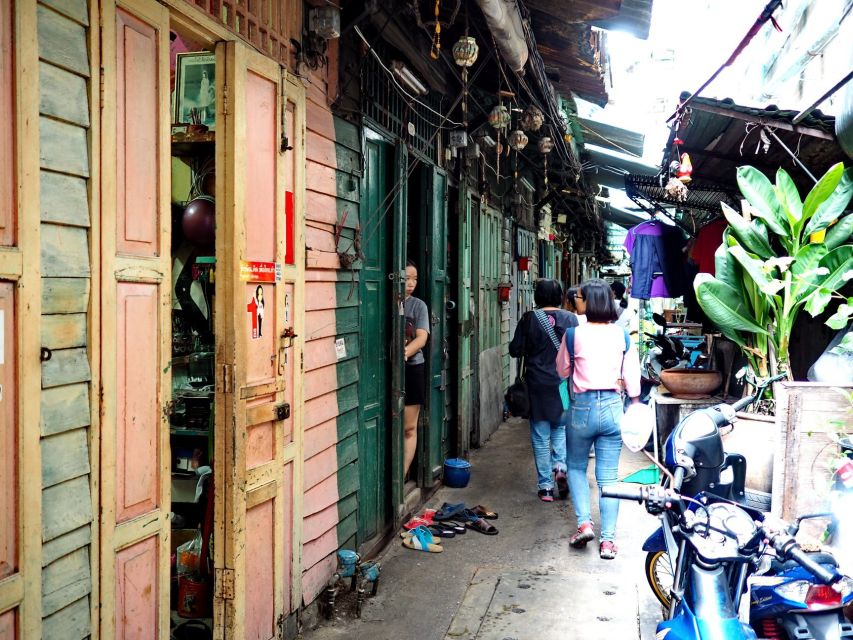
A major payoff comes when the tour moves into Talad Noi, described as the oldest Chinese-Thai community in Bangkok. This is the part of the walk where the stories start to stack up.
You’ll hear about early settlers who made homes along the Chao Phraya River, and how that shaped the district’s cultural identity. When you’re walking those streets, it’s easier to understand the why behind the details you saw earlier—markets, shrines, community spaces, and the blend of Chinese and Thai influences.
If you like travel that changes how you see a place after you leave, this section does that. Talad Noi turns Chinatown from a destination into a continuing community. You get the sense that the district didn’t just get built—it got lived in.
You can also read our reviews of more food & drink experiences in Bangkok



“Not Just Food and Photos”: How the Best Guides Make It Personal
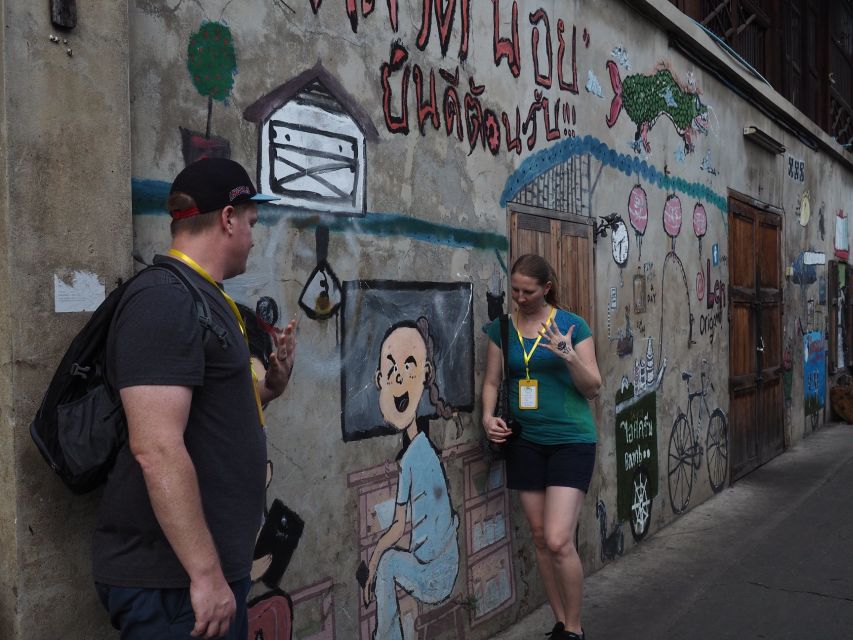
A walking tour like this lives and dies by the guide, and the comments about guide quality here are strong. Names that come up often include Sunee, JoJo, and Ms. Kaew/Khun Kaew, with multiple people praising guides for being funny and for answering even small questions.
Here’s what that looks like in real terms:
- The tour can feel customized to your interests, especially on smaller bookings.
- Guides may add extra conversation time in a coffee shop stop type of setting, so you can keep learning in a calmer place.
- In some cases, guides have gone further to help you try specific things (one write-up even mentions tracking down durian).
- You might get small practical kindnesses too, like help with comfort items.
You shouldn’t expect every extra to happen every time. But the consistent message is that guides treat you like you’re walking with a friend who wants you to understand what you’re seeing.
Price and Value: Why $75 Can Be Fair in Chinatown
At $75 per person, this tour isn’t the cheapest way to see Bangkok. But it can be good value if you treat it as three things at once:
- a guided walk through historic areas that many people miss
- temples/shrines access through a local lens
- Thai-Chinese food tastings that save you from guessing where to start
If you were to try this on your own, you’d still spend time figuring out the right lanes and the right questions. Here, your guide does that work for you, plus you get a structured way to taste and learn without planning every stop. That matters when you’re in a district where the streets can feel like a maze.
Also, small groups reduce wasted time. You’re not stuck behind a crowd or waiting for everyone else to catch up while your curiosity fades.
Getting Ready: Shoes, Rain, and What to Ask
Logistics are simple, but a few practical choices make a big difference.
Wear comfortable shoes. You’ll be on foot for a long stretch, and Chinatown sidewalks can be uneven. This is one tour where “pretty shoes” often become “regret shoes.”
The tour runs rain or shine. If the weather’s wet, bring an umbrella or raincoat and keep your plans flexible. You don’t want to spend the afternoon thinking about getting dry instead of paying attention to the food and shrines.
Because tastings include Thai-Chinese dishes, you should flag dietary restrictions or allergies in advance. That’s not a small detail. It’s the difference between enjoying the walk and spending the day anxious about what you’re eating.
If you want better results from the guide, ask questions that connect to what you see:
- Why this shrine style here?
- How did Chinese-Thai traditions shape the market culture?
- What’s the story behind this shopfront and alley layout?
Your guide will usually answer with examples tied to daily life, not just facts.
Should You Book This Chinatown Walking Tour?
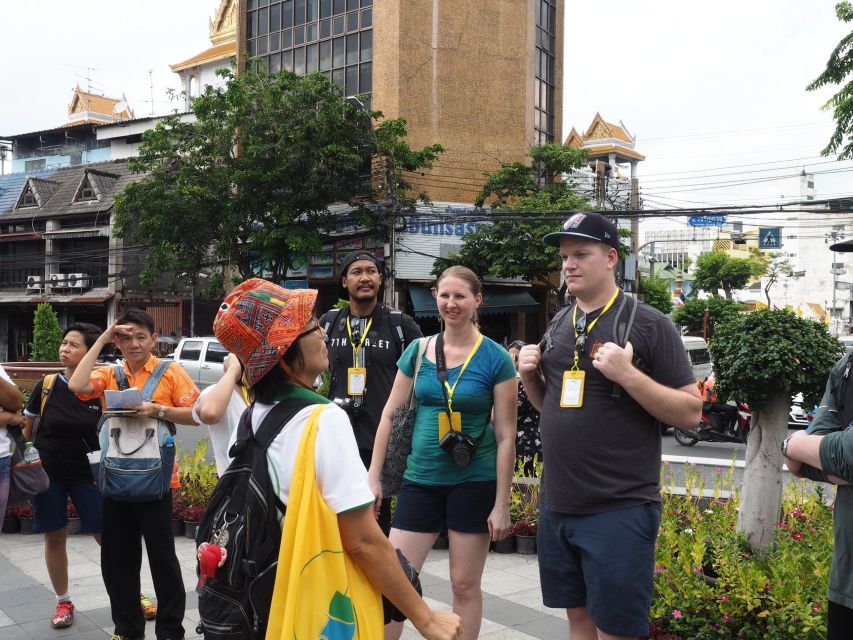
Yes—if you want a local-feeling walk with real food tastings, shrine and temple context, and enough time to ask questions. This works especially well for first-time visitors who feel overwhelmed by the sheer number of streets and smells. It also fits solo travelers who want conversation and direction, and couples who like learning together without being rushed.
Skip it (or at least plan differently) if you can’t do steady walking, if you need wheelchair access, or if you’re traveling with luggage or large bags. This is designed for light feet and a curious mind.
If your goal is to understand Chinatown as a living community—starting at MRT Wat Mangkon and ending back at the meeting point—this is a smart use of your afternoon.
FAQ
What is the starting meeting point?
The tour starts at MRT Wat Mangkon Station, Exit 1, near the Plaeng Nam intersection at 3 Plaeng Nam Rd, Samphanthawong, Khet Samphanthawong, Bangkok.
Where does the tour end?
The activity ends back at the same meeting point.
How much does the Chinatown walking tour cost?
The price is $75 per person.
What’s included in the tour?
You get a guided walking tour with a local expert, visits to historic temples and shrines, market and backstreet exploration, insider cultural stories, small group time, and photo opportunities.
What food is included?
The tour includes tastings of Thai-Chinese street food and drinks such as crispy pork belly, handmade dumplings, and herbal teas.
Are dietary restrictions handled?
You should let the organizer know in advance about dietary restrictions or allergies.
Is the tour affected by rain?
The tour runs in rain or shine, so bring an umbrella or raincoat if needed.
What should I bring?
Bring comfortable shoes and wear casual clothing suitable for walking.
Are luggage or large bags allowed?
No. Luggage or large bags are not allowed.
What languages are the guides speaking?
The tour is offered in English and German.