Streets here feed you fast. This Talad Noi–Chinatown walk mixes Thai and Chinese street food with two big cultural stops: the Holy Rosary Church and the Chow Sue Kong shrine. You get an up-close look at how Bangkok’s old Chinese community still shapes the neighborhood—right beside modern shopfronts.
I love that the tastings are real, not just token bites. You’ll try classics like turnip cake and chwee kueh, plus dishes such as duck noodles soup and Phad Thai made famous by a local stall. I also like the small-group feel, with guides such as Nana, Pam, Gof, Joe, Dong, and Nop known for friendly English and for keeping everyone fed and moving.
The main consideration is simple: you walk about 2 km through crowded streets. If you’re not comfortable on your feet in the afternoon heat (and sometimes rain), you may want to keep expectations realistic.
In This Review
- Key Things I’d Prioritize Before You Go
- Talad Noi and Chinatown: Why This Pair Works in Bangkok
- The 4:00 pm Rhythm and How the Route Feels on Your Feet
- River City to Talad Noi Lanes: Getting Oriented Fast
- Holy Rosary Church: Gothic Revival in a Thai-Costal City Moment
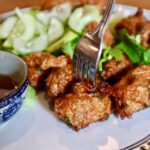
- Street Food Tastings: The Real Reason People Do This Tour
- What about vegetarians?
- How the tastings feel in practice
- Chow Sue Kong Shrine: A Calm Stop for Blessings and Bearings
- Sol Heng Tai Mansion and the River-Side Coffee Stop
- Crossing Into Chinatown: Old Markets Meet Modern Life
- Ending Near Wat Mangkon Kamalawat: A Clean Break Back to the City
- Price and Value: Is $42.48 Worth It?
- Who Should Book This Walk (and Who Should Think Twice)
- Should You Book This Talad Noi and Chinatown Street-Food Tour?
- FAQ
- How long is the Talad Noi and Chinatown street food tour?
- What time does the tour start?
- Where is the meeting point?
- How much walking is involved?
- What food is included on the tour?
- Can the tour accommodate vegetarians?
- What group size should I expect?
- Are admission fees charged for the stops?
- What is the cancellation policy?
Key Things I’d Prioritize Before You Go
- A food-first route that still includes church and shrine, so you get context, not just snacks
- Named, friendly English-speaking guides who focus on pacing and making sure everyone gets tastings
- Church + Hokkien shrine stops (Holy Rosary founded in 1787; Chow Sue Kong is 200+ years old)
- Classic Chinese-Thai comfort foods like turnip cake, chwee kueh, and duck noodles soup
- A small group size (up to 12) that makes navigating narrow lanes easier
- River City as a practical starting point near the Chao Phraya Express Pier
Talad Noi and Chinatown: Why This Pair Works in Bangkok
Talad Noi sits in Bangkok’s shadow, but it’s one of the best areas to understand the city’s Chinese roots without the theme-park feeling. This neighborhood has hosted Chinese communities for more than 300 years, and you can see the influence in shop styles, shrines, and the pace of daily life.
Chinatown (Yaowarat area) then brings the volume up. You’ll notice how old rituals and architecture sit beside newer signs, louder markets, and modern-day mixing. The best part is that the change doesn’t feel like a switch you have to explain—it just happens as you walk.
This matters because first-time visitors often “collect sights” in Bangkok. Here, you’re collecting meaning through food and places that locals actually use.
You can also read our reviews of more food & drink experiences in Bangkok

The 4:00 pm Rhythm and How the Route Feels on Your Feet
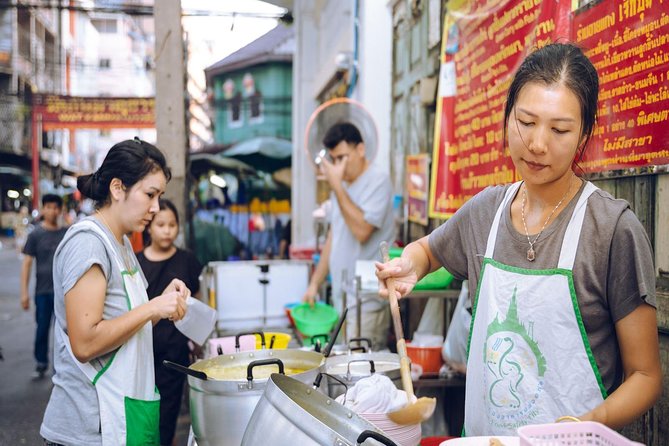
This tour starts at 4:00 pm at River City Bangkok, at the Si Phraya pier area. The pickup details are specific, and you’ll want to arrive a few minutes early, especially since this area is tied to the Chao Phraya Express boat system.
The timing is also smart. Late afternoon in these neighborhoods is often when shops are active, people are out, and street food becomes the main event. By the time you finish, it’s easier to roll directly into dinner plans or return to your hotel.
Duration is about 2 hours 30 minutes, and the route includes roughly 2 km (1.2 miles) of walking. It’s not a mountain trek, but it’s a lot of city walking in close quarters. If you’re someone who struggles with standing in crowds, wear supportive shoes and plan on taking the stops at your guide’s pace.
River City to Talad Noi Lanes: Getting Oriented Fast
You begin at River City Bangkok, which is a handy reference point if you’re using the river or nearby transport. From there, the guide leads you into the narrow streets of Talad Noi.
This is where a guide pays off. Without one, you can wander for an hour and still miss the small storefronts, back-lane food counters, and the quieter corners where the neighborhood actually breathes. With a group, you move efficiently, and the guide points out what to notice—signs, old building remnants, and street art that you’d likely gloss over.
Expect your first stretch of the walk to be more about settling into the area than sightseeing. That’s a good thing. Bangkok’s Chinatown zones can feel like sensory overload at first, and this gives you a ramp-up instead of a hit.
Holy Rosary Church: Gothic Revival in a Thai-Costal City Moment
The Holy Rosary Church stop is a sharp contrast to the food lanes. This is a European-style Roman Catholic church built in Gothic Revival style by Portuguese settlers, and it traces back to 1787.
Even if churches aren’t your thing, it’s worth treating this as a “context checkpoint.” You’re seeing how multiple cultures layered into old Bangkok—not just one community in isolation. The free admission also keeps it practical, so you’re not burning your schedule on ticket lines.
Look around slowly. This stop works best when you switch gears from street noise to details—doors, facades, and the quiet pause that comes when you step out of the market lane traffic.
Street Food Tastings: The Real Reason People Do This Tour
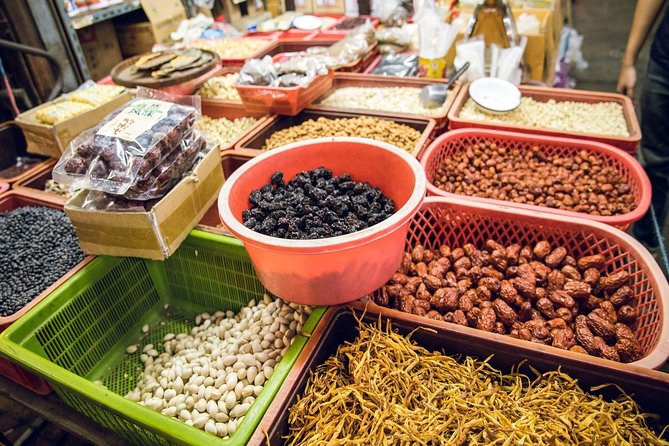
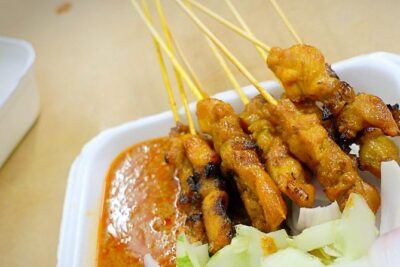
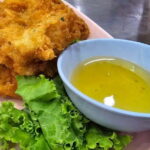
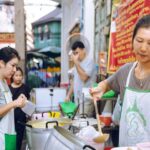
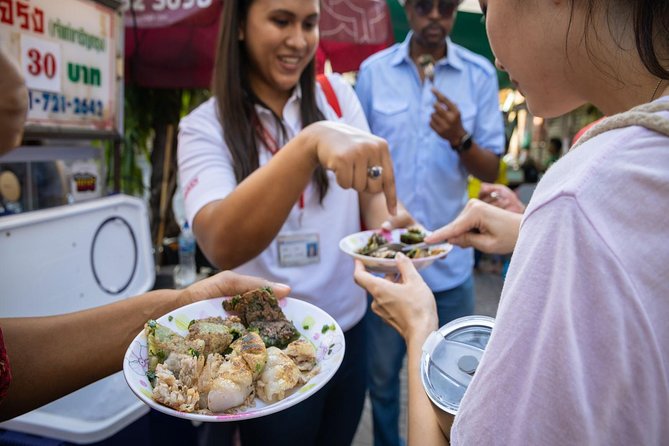
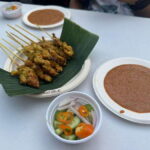
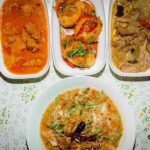
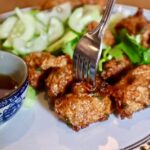
If you came for food, you’re in luck. The tastings are a major focus, and they’re included. The goal isn’t to make you eat one super-heavy meal—it’s to sample several classic items across Thai and Chinese traditions.
Here are the specific foods you should expect during the walk:
- Turnip cake (a Chinese dim sum-style dish)
- Chwee kueh (steamed rice cake served with preserved radish)
- Chao Tha (duck noodles soup)
- Phad Thai Uncle Pom
You’ll also stop for coffee or tea at a local café, which helps break up the walking rhythm and cool you down. That pause matters in late afternoon heat.
A few more Bangkok tours and experiences worth a look



What about vegetarians?
You can request vegetarian tastings, but only that dietary option is listed. If that’s you, tell the operator at least 24 hours before. For anyone else with dietary needs, this tour doesn’t claim alternatives beyond what’s specified, so plan to double-check before you book.
How the tastings feel in practice
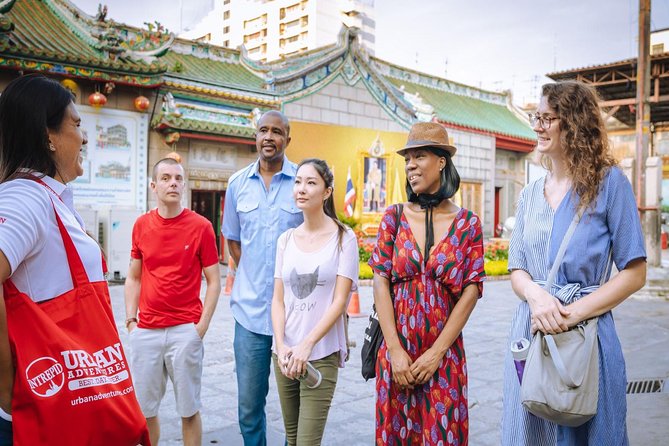
The small-group size helps here. The guide can steer you toward the right stalls and keep the flow moving, so you don’t end up standing around while others eat. Guides known from this tour—like Nana and Pam—are especially praised for making sure everyone gets options they can handle.
Also, expect a menu that’s more local than “internationally trendy.” That’s part of the value. You leave with a better sense of what Thai-Chinese street food tastes like when it’s made for regular customers, not for photos.
Chow Sue Kong Shrine: A Calm Stop for Blessings and Bearings
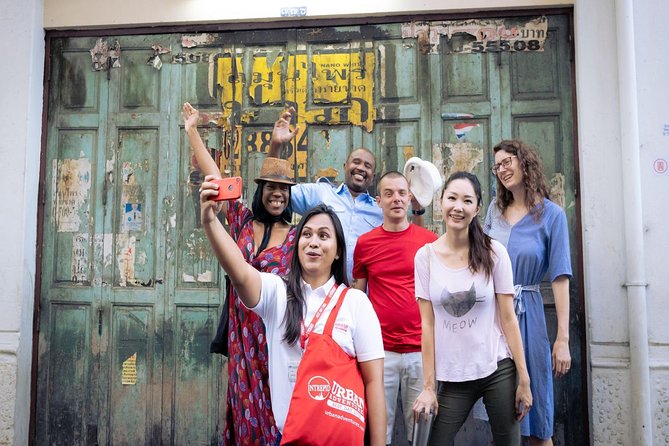
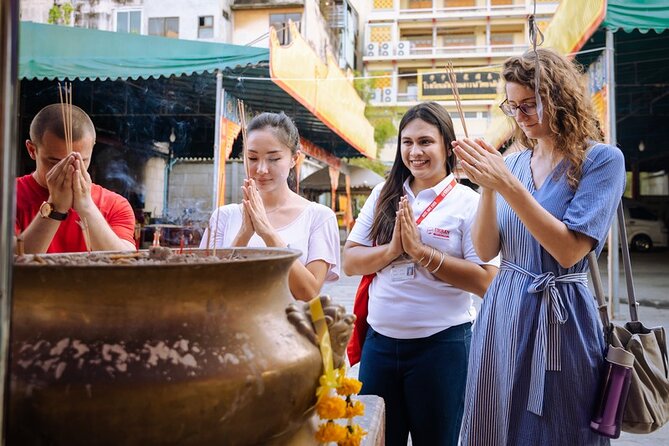
Next comes the Chow Sue Kong Shrine, which is more than 200 years old and tied to a Hokkien community. This is a place of devotion, and the tour includes time to ask for blessings related to well-being, protection, and guidance.
The practical reason this stop fits into a food tour: it slows everything down. You go from eating and walking to a small moment of stillness. Even if you don’t plan a formal blessing, it’s a good chance to observe how devotion shows up in daily neighborhood life.
Entry is free on this route, and the time here is short enough that you won’t feel stuck. Think of it as a reset before you head back into the busiest streets.
Sol Heng Tai Mansion and the River-Side Coffee Stop
Between shrine time and deeper Chinatown, you’ll pass by another historic building area: Sol Heng Tai Mansion, described as one of the last remaining traditional Chinese houses in Bangkok.
It’s another reminder that Talad Noi isn’t just food and signage. Buildings tell stories too, and this one is a visual anchor for the neighborhood’s older architecture.
Then you shift to Hong Sieng Kong, paired with a café by the Chao Phraya River. The venue is housed in a building dating to the reign of King Rama II and the Rattanakosin era. You’ll also have a chance to see a local artist gallery stop as part of the route.
This is a nice contrast point: you’re not only tasting food, you’re seeing creative work and history tied to the river’s role in Bangkok life.
Crossing Into Chinatown: Old Markets Meet Modern Life
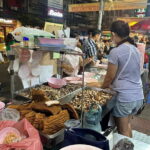
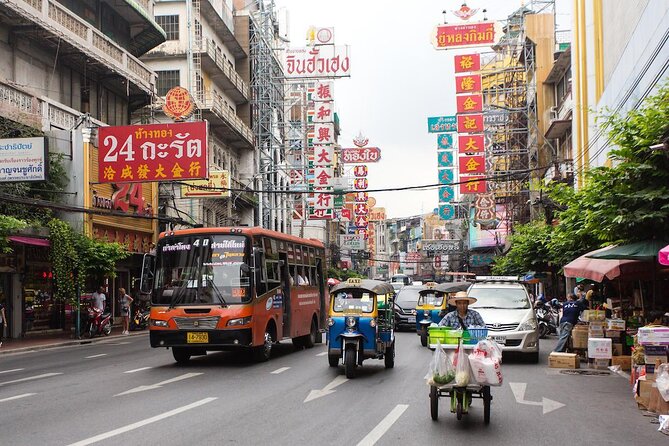
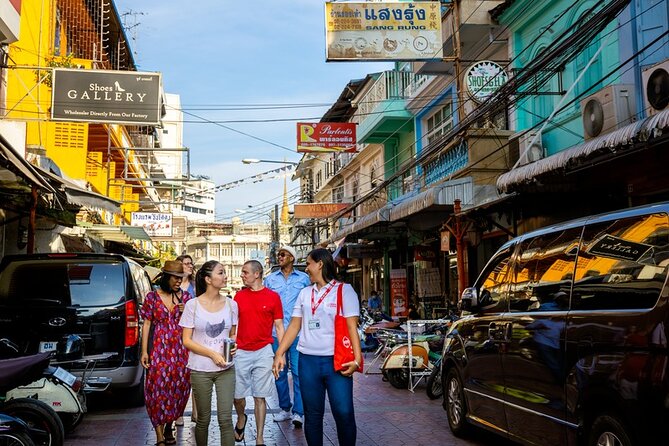
When you enter Chinatown proper, the streets feel louder and tighter. This is where you’ll notice modern-day influences woven into the historical fabric—new commerce alongside old neighborhood patterns.
It can get crowded, and that’s where the small-group structure is a big plus. With guides like Gof or Joe, the focus is on keeping you together and pointing out what to look for instead of letting you get swallowed by the chaos.
Also, this stop is short enough to keep energy high. You get a taste of the area’s intensity without turning the whole evening into endless walking through similar lanes.
Ending Near Wat Mangkon Kamalawat: A Clean Break Back to the City
Your route finishes near Wat Mangkon Kamalawat. The idea is to give you an easy endpoint so you can return toward the city center instead of feeling stranded in the thickest part of Chinatown.
Admission at the stops on this route is listed as free, so you’re not left juggling ticket windows or extra fees right at the end. This matters when you’re trying to plan a whole evening in Bangkok.
Price and Value: Is $42.48 Worth It?
At $42.48 per person, this tour isn’t a bargain-basement street-food crawl. But it’s also not priced like a private guide and a sit-down dinner. The value is in the combination: multiple food tastings included, guided navigation through Talad Noi and Chinatown, and cultural stops that would otherwise be easy to skip or miss.
You’re paying for:
- A guide who knows where to send you for tastings
- Time-saving routing through narrow areas
- Visits to Holy Rosary Church and Chow Sue Kong Shrine
- A structured sampling approach (not just random eating)
Given the small group size (max 12), it’s the kind of tour where your guide can actually manage the flow. That matters more than it sounds. When you’re eating street food, the difference between a good stall and a mediocre one is often just a few doors down.
Who Should Book This Walk (and Who Should Think Twice)
This tour is a strong fit if you:
- Want a first serious introduction to Talad Noi + Chinatown
- Like street food but don’t want to guess at the best places
- Prefer a small group and a guide who can explain what you’re eating
- Appreciate quick culture stops that don’t hijack your schedule
I’d think twice if you:
- Hate walking in crowds
- Need a very slow pace with lots of time at each shop
- Are looking for a deep shopping-focused itinerary (this route is more about guided food sampling than long browsing)
Also note that in special public moments, some streets can change access. On certain days, you may find the route shifts to keep the food component strong. If that happens, don’t panic. It usually just means you’ll eat more and sightsee slightly less along the way.
Should You Book This Talad Noi and Chinatown Street-Food Tour?
Book it if you want a reliable afternoon plan that mixes Thai-Chinese food with real neighborhood context. The included tastings, the free church and shrine stops, and the small-group pacing make it a practical way to understand Bangkok beyond the main tourist postcard routes.
Skip it only if you’re fragile on your feet or you’re hoping for a super slow, stall-by-stall shopping marathon. Otherwise, this is a smart value for an evening that ends with you fed, oriented, and more confident wandering on your own next day.
FAQ
How long is the Talad Noi and Chinatown street food tour?
It’s about 2 hours 30 minutes.
What time does the tour start?
The start time is 4:00 pm.
Where is the meeting point?
You meet at River City Bangkok at Soi Charoen Krung 24 (by the Si Phraya Express boat pier area).
How much walking is involved?
The tour covers about 2 km (1.2 miles) of walking.
What food is included on the tour?
Food samples include turnip cake, chwee kueh, chao tha (duck noodles soup), and Phad Thai Uncle Pom, plus coffee or tea at a café.
Can the tour accommodate vegetarians?
Yes, vegetarian dietary requirements can be accommodated. You need to provide this information at least 24 hours in advance.
What group size should I expect?
This tour has a maximum of 12 travelers.
Are admission fees charged for the stops?
Admissions for listed stops are marked free on this route.
What is the cancellation policy?
You can cancel for a full refund up to 24 hours before the experience’s start time.
—
If you tell me your travel dates and whether you’re vegetarian, I can help you decide if the 4:00 pm timing fits your Bangkok schedule and energy level.