REVIEW · BANGKOK
Bangkok by Night Food Tour with 10+ Tastings in Chinatown
Book on Viator →Operated by Secret Food Tours · Bookable on Viator
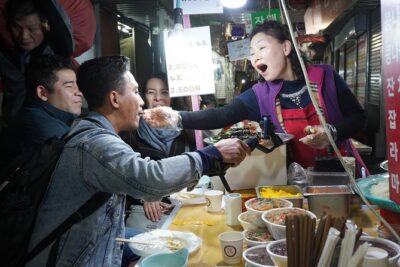
Chinatown tastes better after dark. This small-group night walk is built around 10+ tastings in the lanes of Bangkok’s Chinatown, with a guide who also points out the culture behind the food. You’re not just eating; you’re learning how locals decide what to order and when.
I especially like the value per bite. For $46.99, you’re getting a full run of savory dishes plus sweets, and the portions add up fast. I also like the group size, capped at 12, which makes it easier to move through crowds without losing the flow.
One possible drawback: this tour is billed as about 3 hours, but the real pace can stretch—some people finish later in the night. If you want a strictly street-food-only mission, be aware the route includes non-street stops and sit-down moments.
In This Review
- Key things I’d plan around
- Bangkok by Night: Why Chinatown Food Works So Well After Dark
- Price and Value: What $46.99 Buys You in Real Food
- Meeting Near Hua Lamphong: Where the Walk Starts and How to Handle It
- Stop-by-Stop Route: What Each Area Adds to the Food Story
- MBK Center: A Quick City Snapshot Between Tastings
- Asiatique The Riverfront: A River-Edge Change of Pace
- Chinatown (Bangkok): The Main Course of the Evening
- Siam Paragon: A Contrast Stop That Makes Chinatown Make Sense
- Bang Rak: District Meaning and a Change in Mood
- Jim Thompson House: Culture Stop Without the Museum Marathon
- The Tastings That Matter: What You’ll Actually Be Eating
- How the Guide Turns Food Into Culture (and Not a Script)
- Walking Comfort, Timing, and Street-Food Safety
- Who Should Book This Night Chinatown Tour
- Should You Book This Bangkok by Night Chinatown Food Tour?
- FAQ
- How long is the Bangkok by Night Food Tour?
- How many people are in the group?
- Where does the tour start and end?
- Is hotel pickup included?
- What kinds of food tastings are included?
- Can the tour accommodate dietary requirements?
Key things I’d plan around
- 10+ tastings across savory and sweet, with a mix of familiar and unfamiliar Thai-Chinese favorites
- Small group (max 12) so you’re not stuck waiting for the whole herd
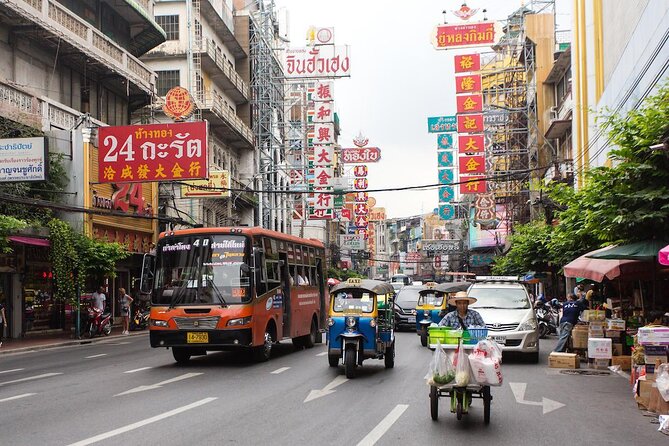
- Chinatown focus, with temple and neighborhood context tied into the food choices
- Menu changes by day, so the exact dishes shift depending on when you go
- Short hops outside Chinatown (malls and landmarks) that help you understand the city layout
- Diet requests can be handled if you contact the team in advance
Bangkok by Night: Why Chinatown Food Works So Well After Dark
Bangkok has two moods: daytime heat and nighttime momentum. This tour leans into the second one. You get the best street-food energy when stalls are fully set up, people are done commuting, and the streets feel more social than frantic.
Chinatown is the star here. The area has a strong Chinese influence, and that shows up in the kind of snacks you’ll be served: dumplings, buns, noodle soups, and sauces that feel both Thai and Chinese at once. The guide’s job is to translate that for you—what to look for, what to expect, and how to eat it like a regular.
The other big reason this style of tour works: you’re walking with a plan. Bangkok street food is everywhere, which is exactly the problem. On your own, you can end up guessing. On this tour, you’re led from one stop to the next so you can actually enjoy the experience instead of spinning your wheels.
You can also read our reviews of more food & drink experiences in Bangkok

Price and Value: What $46.99 Buys You in Real Food
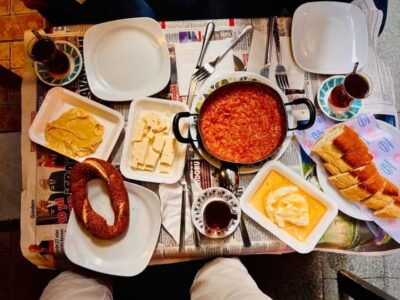
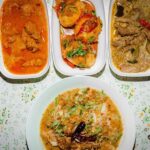
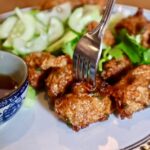
At $46.99 per person, the best way to judge this tour is by meal math. The tour includes a long list of tastings—shrimp dumplings, papaya salad, multiple types of buns, satay, duck noodle soup, black sesame dumplings in ginger tea, seasonal fruit, and an exclusive Secret Dish. That’s not a few sample bites. It’s a full evening of eating.
You’re also paying for decision help. Street food can be intimidating when you don’t speak the language or can’t tell what’s popular. The tour removes the guesswork and helps you avoid the common problem of leaving hungry because you didn’t know where to start.
There’s one more value angle that doesn’t show up on the menu list: crowd navigation. Several reviews mention guides like Jan and Ton leading the group through busy streets and side routes. That matters in Bangkok, where traffic and pedestrian flow can change by the block.
Meeting Near Hua Lamphong: Where the Walk Starts and How to Handle It
The tour starts at Hua Lamphong Rong Mueang, Pathum Wan, Bangkok 10330, Thailand, and it ends back at the same meeting point. The good news: the start is described as near public transportation, so you’re not forced into a complicated route just to get there.
Plan for walking. Reviews repeatedly mention comfort and steps—this is not a sit-and-snack tour. Comfortable shoes are a must, because the evening rhythm is built around short hops and quick tastings, not long transit breaks.
Also, bring a little flexibility to your schedule. The itinerary is described as about 3 hours, but at least one review notes the tour ran longer than expected. If you’re eating on this tour and then heading to a late show or a hard reservation, give yourself a buffer.
Stop-by-Stop Route: What Each Area Adds to the Food Story
This tour mixes Chinatown eating with short city stops that help you understand how Bangkok is organized. Some are malls and landmarks; the time you spend at them is brief, but they set context.
MBK Center: A Quick City Snapshot Between Tastings
One of the first stops is MBK Center, a multi-story mall area with thousands of shops and places to eat. You don’t go to MBK for food sampling on this stop; it’s more like a navigation checkpoint and a reminder that Bangkok’s food scene isn’t only on street corners. Even in a huge mall, there’s an endless food universe.
Why it matters: it can help you feel the scale of the city. Bangkok isn’t compact like some capitals. It’s spread out, and this kind of stop helps you understand that before you go deeper into Chinatown lanes.
A few more Bangkok tours and experiences worth a look
Asiatique The Riverfront: A River-Edge Change of Pace
Asiatique The Riverfront sits along the Chao Phraya River and around the old docks area. This is another brief orientation stop. It gives you a sense of the river’s role in trade and movement—big picture thinking that connects back to why Chinatown foods are what they are.
Practical note: depending on weather, open-air areas can feel warmer or breezier than you expect. Wear something comfortable enough for quick shifts in conditions.
Chinatown (Bangkok): The Main Course of the Evening
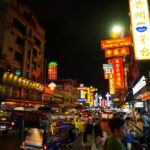
Chinatown is where you’ll spend your tasting energy. This is described as one of the largest Chinatowns in the world and strongly tied to food. The streets here are your classroom: you see the neighborhood layout and learn what locals gravitate toward.
This is also where the guide’s timing matters most. One review highlights the way the guide used side streets to keep the group moving. That’s the difference between a food tour that feels fun and one that feels stuck in line.
Siam Paragon: A Contrast Stop That Makes Chinatown Make Sense
Siam Paragon is one of Thailand’s largest malls, and the tour includes a stop there. This might sound like a random detour until you realize what it’s doing: it sets up contrast. You go from high-end mall scale to street-level Chinatown intensity, then back again through tastings that are deeply local.
If you hate shopping-mall vibes, don’t worry—you’re not there for retail therapy. It’s a short waypoint.
Bang Rak: District Meaning and a Change in Mood
Bang Rak can be tied to love and marriage traditions, including popular registration activity around Valentine’s Day. In the tour context, this stop is more about place than strict sightseeing.
Why it’s useful: it anchors you to Bangkok’s living districts, not just landmarks. When you understand neighborhoods, you understand why certain foods feel common in certain streets.
Jim Thompson House: Culture Stop Without the Museum Marathon
Jim Thompson House is a museum showcasing the art collection of Jim Thompson, an American businessman and architect. Again, this isn’t the core of your meal plan. It’s a cultural breather that gives you a wider Bangkok picture.
Potential drawback: if you’re on a mission to maximize street food time, museum-style stops might feel like detours. One review specifically wished for less time at temple and sit-down moments and more time on strictly street-focused eating.
The Tastings That Matter: What You’ll Actually Be Eating
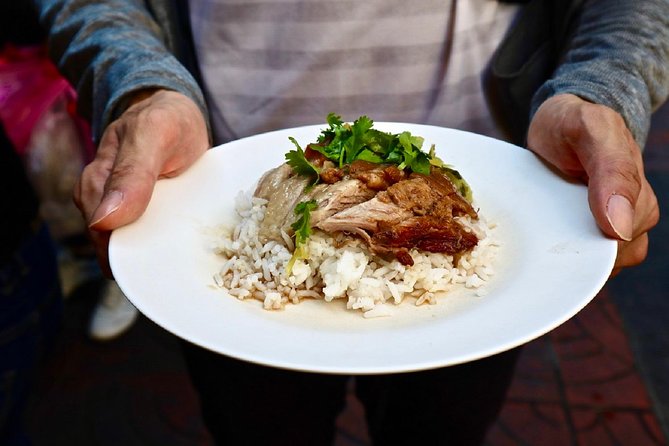
This is a tasting tour with a serious menu. The included dishes list is long, and that’s exactly why this tour feels like good value.
Here are the standout items you should expect to see in the rotation, depending on the day (the tour notes that the menu varies by day):
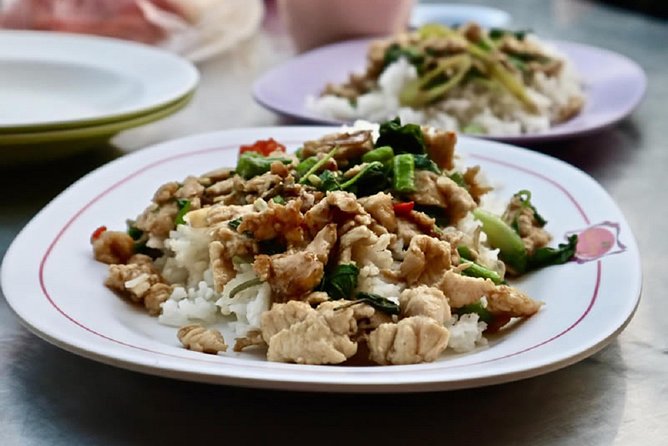
- Spicy basil chicken with fragrant jasmine rice: aromatic, salty-sweet, and a good introduction to Thai basil flavor
- Shrimp dumplings: bite-sized, easy to eat while walking, and a reliable crowd-pleaser
- Steamed buns filled with red pork: soft, savory, and comforting—great when the night air turns cool
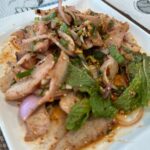
- Papaya salad: fresh and sharp; if you’re spice-sensitive, tell your guide early so you get the right heat level
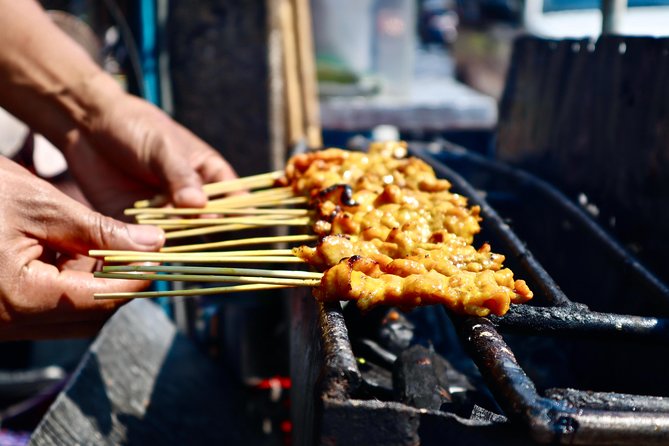
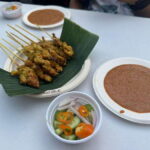
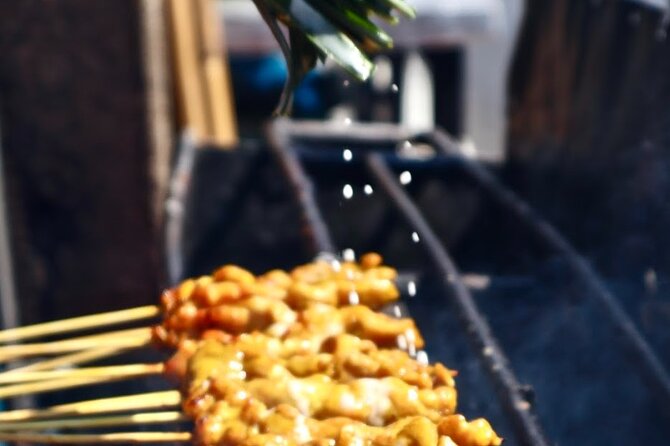
- Pork or chicken satay with creamy peanut sauce: smoky-sweet with the classic peanut finish
- Duck noodle soup: deep, warming, and a nice pivot from lighter snacks
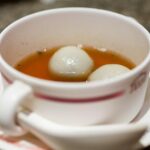
- Black sesame dumplings in warming ginger tea: dessert that feels more Thai than typical Western sweets
- Thai-style stir-fry and noodle options (varies by day): includes classic spicy basil stir-fry and noodle soups like roll noodle with pork belly
- Seasonal fresh fruit: a palate reset between richer bites
- An exclusive Secret Dish: the kind of item you’d struggle to find on your own because it’s part of the tour plan
If you’re worried about getting too full too fast, don’t. The tour is designed so you eat enough to learn the flavors, then keep going. Reviews mention people being stuffed by the end, so come hungry, not snack-started.
How the Guide Turns Food Into Culture (and Not a Script)
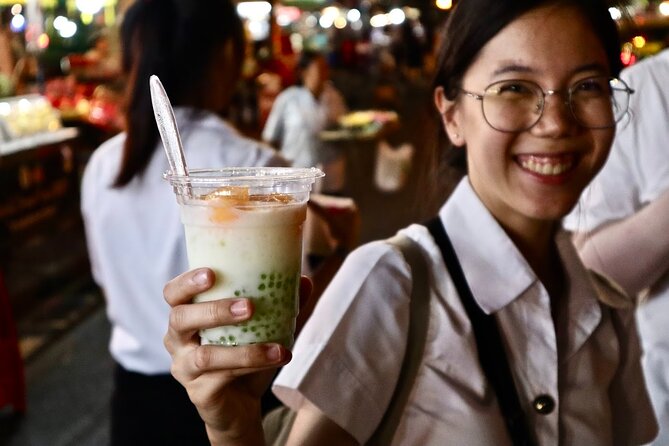
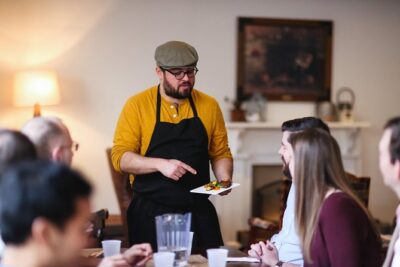
The best part of this tour isn’t only food. It’s the way guides explain what you’re eating and where it fits.
Guides mentioned in reviews include Jan and Ton. Jan gets praised for moving the group through side streets and for being fun and communicative, with a strong respect for the area. Ton gets praised in a different way: one review describes Ton as a former monk who could connect the stops to Buddhism, plus he helped with group photos.
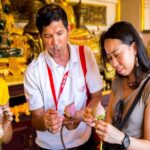
Some temple-related activities may appear depending on the route and availability. One review describes a guide taking the group to a Chinese temple, including hands-on moments like fortune sticks and a lotus-flower folding ritual, plus info shared about monks and temple life.
That can be awesome if you like culture with your dinner. If you don’t, keep your mindset flexible. A tour like this tries to balance food with context, not just hit stall after stall.
Also: you might get help with small practical needs. One review credits the guide with helping coordinate taxis at the end when rain started. That’s the kind of support that turns a good tour into a smooth one.
Walking Comfort, Timing, and Street-Food Safety
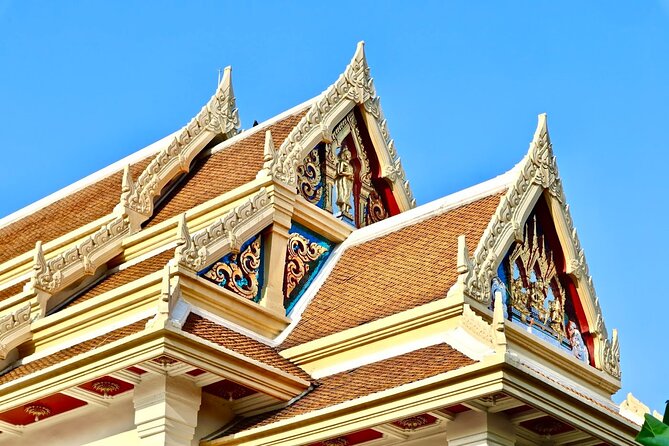
Street food is one of Bangkok’s great pleasures, but it comes with a question you can’t always answer on your own: is this the right stall, and will I be okay eating it?
This tour is built to reduce that stress. Reviews praise the way the guide helps you navigate the food scene with confidence and without hesitation. That usually means you’re not picking randomly off a sign in the dark—you’re following a guide who knows where the best options are and how to guide a group through ordering.
Timing can be another factor. Some reviews say the tour lasted longer than expected and that sit-down moments can slow the pace. If you’re sensitive to schedules, plan an easy night after.
For comfort:
- Wear comfortable shoes since the tour is walk-heavy
- Eat before the tour only lightly; you’ll likely want to be properly hungry by the first tasting
- If you have spice or seafood limits, message the team in advance so they can cater for you as best they can
Who Should Book This Night Chinatown Tour
This works especially well if you want:
- A street-food introduction that you can trust, without doing your own stall research
- A mix of Thai flavors and Thai-Chinese staples like dumplings, buns, and noodle soups
- A guided walk that includes food plus city context in a short timeframe
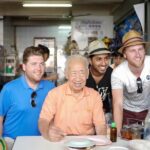
- A small group experience where you can actually talk with the guide while eating
It may not be ideal if:
- You only want strict street stalls and hate any temple or sit-down time
- You have a hard deadline later in the night and can’t tolerate possible longer pacing
Should You Book This Bangkok by Night Chinatown Food Tour?
Yes, you should book it if your priority is eating your way through Chinatown with minimal guesswork. The combination of 10+ tastings, a small group cap, and guides like Jan or Ton guiding you through both food and neighborhood context is exactly the kind of tour that gives you a Bangkok feeling fast.
If you’re the type who wants zero detours and maximum street-stall time, message your preference in advance and be mentally ready for cultural stops. Otherwise, plan for an evening that turns you into a person who can order confidently the next time you’re standing in Chinatown food chaos.
FAQ
How long is the Bangkok by Night Food Tour?
The tour is listed as about 3 hours.
How many people are in the group?
The tour has a maximum of 12 travelers.
Where does the tour start and end?
It starts at Hua Lamphong Rong Mueang, Pathum Wan, Bangkok 10330, Thailand, and ends back at the same meeting point.
Is hotel pickup included?
No, hotel pickup and drop-off are not included.
What kinds of food tastings are included?
The tour includes multiple dishes such as spicy basil chicken with jasmine rice, shrimp dumplings, steamed buns with red pork, papaya salad, satay with peanut sauce, duck noodle soup, black sesame dumplings in ginger tea, seasonal fresh fruit, and an exclusive Secret Dish. The exact selection can vary by day.
Can the tour accommodate dietary requirements?
You’re asked to contact the tour in advance for any dietary requirements so they can cater for them as best as possible.