REVIEW · BANGKOK
Bangkok: Backstreets Food Tour with 15+ Tastings
Book on GetYourGuide →Operated by A Chef's Tour · Bookable on GetYourGuide
Chinatown tastes better on foot. This 4-hour walk through Yaowarat Road and its side alleys turns street food into a guided feast, with 15+ tastings and a small group that keeps things relaxed even when the crowd gets loud. You end back where the neon hits, with plenty of ideas for what to order next.
I especially like the sheer variety here: you’re not just doing one type of dish over and over. Expect everything from crispy chive dumplings with nam jim jaew to charcoal-grilled satay, slow-braised pork handled with chopsticks, shrimp dumplings, and poh taek seafood soup, plus the highlight many people rave about: soy sauce ice cream. I also like the small-group setup (max 8) and the two-person team, which helps you eat more and wait less.
One drawback to plan around: this tour is not for vegetarians, vegans, or strict allergy cases. Thai-Chinese street food in this area leans on meat and seafood, and there’s also cross-contamination risk, plus a note that celiac disease is not advised due to trace gluten in sauces like soy sauce.
In This Review
- Key points that make this food tour worth your time
- Getting your bearings at Shanghai Mansion Bangkok
- Yaowarat backstreets: the reason this tour feels local
- The 15+ tastings: what you actually eat (and what to watch for)
- Yaowarat Night Market stop: how the pacing keeps you fed
- Michelin-listed street food: why the “extra staff” is a big deal
- Pace, group size, and the “you won’t get lost in the crowd” factor
- Diet reality check: who can eat fully and who should choose another plan
- Price and value: what $62 buys you in real Bangkok food time
- Ending back on Yaowarat Road: turn this into repeat meals
- Should you book this Bangkok backstreets food tour?
- FAQ
- Where does the tour start and end?
- How long is the tour?
- How many tastings should I expect?
- How big is the group?
- What’s included in the price?
- Is alcohol included?
- Are pescatarians able to join?
- Is it suitable for vegetarians or vegans?
- Will this work for gluten intolerance or celiac disease?
Key points that make this food tour worth your time
- Max 8 people means you can actually talk through what you’re eating and why it matters
- 15+ tastings in 3.5 to 4 hours for serious variety, not a few bites and done
- 8-9 stops with 2 Michelin-listed street food venues along the route
- Two staff members (a guide plus an assistant/runner) help with table prep and keeping the pace tight
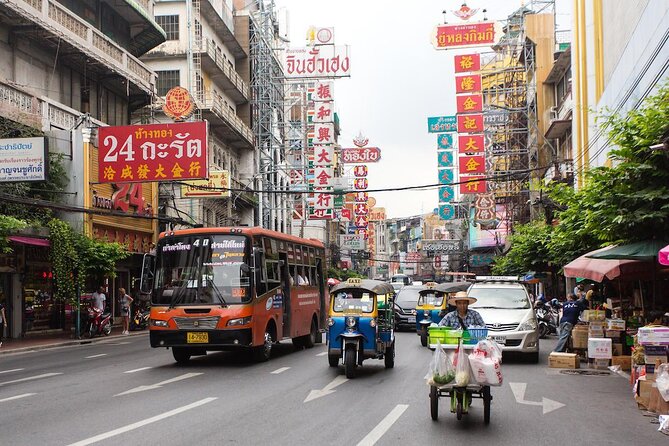
- Yaowarat backstreets go where tuk-tuks can’t, so you avoid the easiest tourist traps
- Diet notes are clear: pescatarians can join with fewer tastings; vegans/vegetarians can’t be accommodated
Getting your bearings at Shanghai Mansion Bangkok
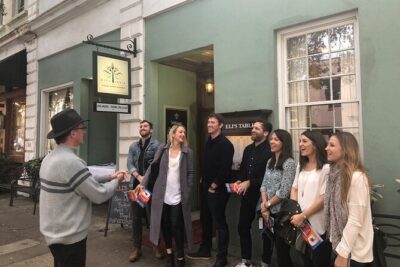
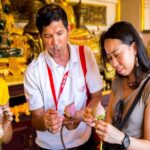
You meet outside Shanghai Mansion Bangkok in Chinatown, where a staff member in a black A Chef’s Tour polo shirt finds the group. Before you set off, you’re taken to a nearby café or bar on a sidestreet so you can use the restroom and regroup without the whole operation happening in the open street.
That “quick reset” matters. Chinatown can feel like sensory overload the moment you arrive, and a five-minute pause helps you start the tour ready to eat, not already stressed. I also like that you’re told what to wear: comfortable shoes, and bring an umbrella if the weather might turn.
You can also read our reviews of more food & drink experiences in Bangkok

Yaowarat backstreets: the reason this tour feels local
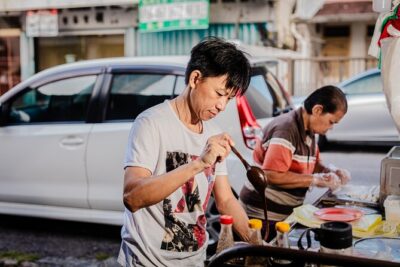
The core of this experience is simple: you walk the side alleys of Yaowarat, where the good food isn’t labeled for tourists and tuk-tuks don’t really fit. That means you see the neighborhood the way locals move through it, not just a main road with a few obvious stalls.
Yaowarat is famous for street food, and this tour leans into the Chinese influence on Thai cuisine that shapes a lot of what you’ll taste. You’ll hear how noodles and stir-fries connect to centuries of culinary mixing between China and Thailand, and you’ll start recognizing patterns in flavors and textures as you go.
This is also a smart way to “learn the map” fast. If you’re staying near Chinatown, you can use the route as your mental shortcut for where to return on your own later.
The 15+ tastings: what you actually eat (and what to watch for)
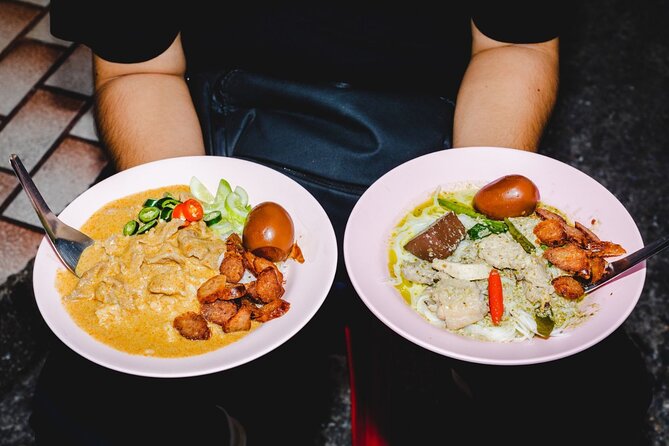
This isn’t a light snack tour. It’s built as a moveable feast with enough tastings that you’ll want to pace yourself from the start.
Here’s what the food focuses on, based on the dishes you’re guided toward:
- Crispy chive dumplings with nam jim jaew sauce
This is where you’ll notice how sauce changes the entire bite. When you’re tasting, slow down and separate the dumpling texture from the dipping sauce flavor.
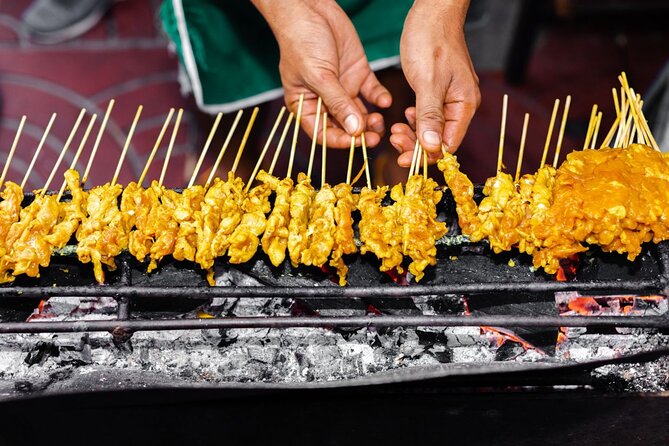
- Charcoal-grilled satay with rich, smoky meat
You’ll get that classic street-food aroma that makes other stalls smell like smoke before you even reach them.
- Slow-braised pork you work with chopsticks
This is the “comfort” stop. It also helps you see how Chinese-style braises show up in Thai street food as something hearty and filling.
- Steamy shrimp dumplings
Expect delicate flavors and a texture that’s more about steam and handling than heavy seasoning.
- Poh taek seafood soup
This is the one that can go from wow to surprisingly comforting. Soup like this is a good lesson in how Thai street flavors can be both bold and gentle.
And then there’s the sweet finale people remember:
- Soy sauce ice cream
It sounds strange until you taste it. This stops the tour from feeling like only savory comfort food, and it’s memorable enough that you’ll talk about it later.
A subtle but useful technique: the tour is set up so you taste components and flavors thoughtfully, not just eat everything at maximum intensity. One diner noted a “taste first, then add spices/sauces” approach, which is exactly what helps your brain learn flavors instead of rushing past them.
Yaowarat Night Market stop: how the pacing keeps you fed
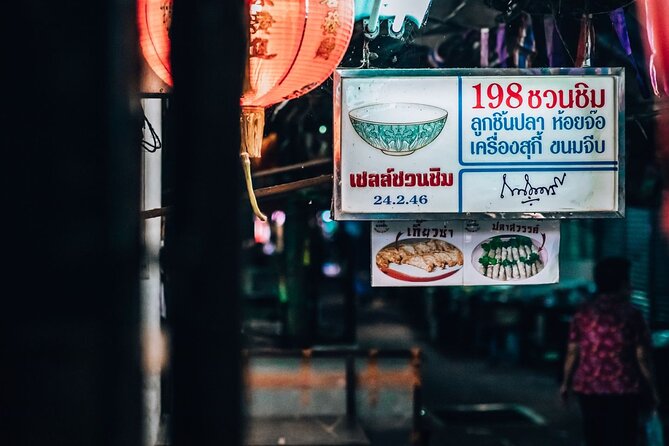
The tour stays in motion for about 3.5 to 4 hours, hitting 8-9 stops along the way and including Yaowarat Night Market as a major part of the experience. Night markets can be chaotic, and if you go in without a plan, you spend energy deciding what to try instead of actually eating.
What I like about the pacing here is that it’s designed around short walking connections plus frequent tastings. That balance matters because Chinatown’s best food often comes from small sellers with limited seating, and you don’t want to miss your chance waiting in the wrong place.
Also, you’re not stuck with only one type of stall. You get a mix of noodle-and-dumpling moments, grilled snacks, soup, and a dessert stop, so your belly doesn’t just feel like one long round of the same flavors.
Michelin-listed street food: why the “extra staff” is a big deal
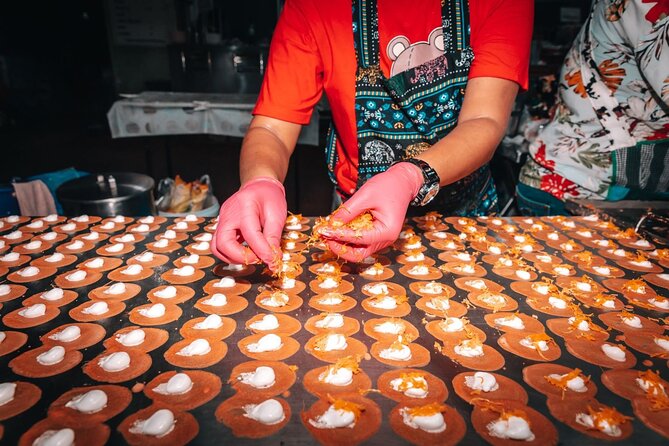
Two of the stops are described as Michelin-listed street food venues. Even if you don’t care about labels, this matters because these stalls tend to be packed. That’s where the tour’s setup earns its keep.
This tour includes a licensed guide and an assistant. Multiple diners specifically mentioned the assistant running ahead to secure spots and help with table readiness, which is a practical advantage in tight, high-demand places. Instead of arriving and hoping you’ll squeeze in, you arrive as part of a plan.
You’ll also benefit from someone translating more than just the words. The guide’s job is to explain what you’re eating and how the flavors fit the Thai-Chinese blend happening in the neighborhood. If you’re new to Thai food, this is the fastest way to learn what to seek out again later.
One more plus: the guides often guide tasting order and emphasize how to experience the food as a combination of dish + sauce + texture. It makes the Michelin-listed stops feel less like a ticketed attraction and more like real street food you can repeat.
A few more Bangkok tours and experiences worth a look

Pace, group size, and the “you won’t get lost in the crowd” factor
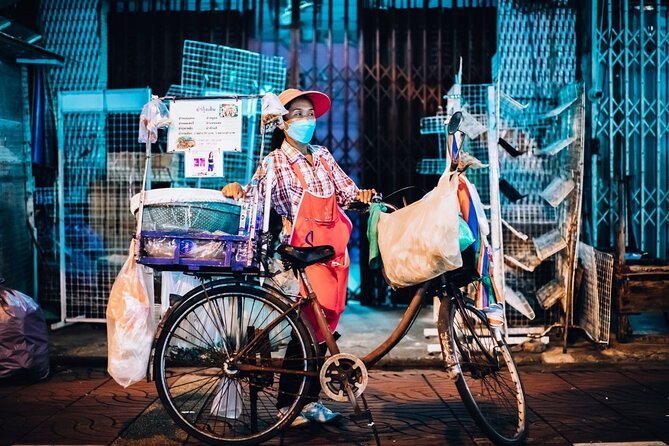
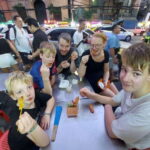
The group size is capped at 8 participants (max 8 exclusive guests). That’s not just a comfort perk. In Chinatown, a big group becomes a moving wall that slows down the whole experience. A small group lets you step into alleyways and still hear the guide, ask questions, and reset your appetite between stops.
The tour is also set up with a short loop feel, and it ends back at Shanghai Mansion Bangkok along Yaowarat Road. In practice, that loop gives you a satisfying arc: start with orientation, walk through the alleys with frequent tastings, hit the night market energy, then finish back near the main road so you can keep exploring afterward.
There are two watch-outs worth mentioning:
- Some diners noted that certain guides talk a lot, which can stretch time at each stop. If you prefer ultra-fast food turns, just know you might get more story time than you expected.
- A few mentioned audio challenges if the guide is soft-spoken on busy streets. If you’re hard of hearing in crowds, bring your best listening focus and don’t be afraid to ask for a repeat.
Diet reality check: who can eat fully and who should choose another plan
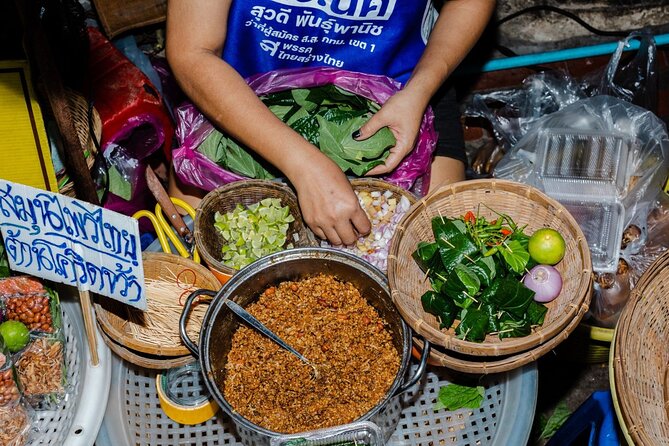
This tour supports dietary options, but only within clear limits.
Here’s the straight guidance you should plan around:
- Unsuitable for strict vegetarians or vegans
Most Thai-Chinese street food here uses meat or seafood-based ingredients you can’t avoid reliably.
- Pescatarians can join, but you may end up with 2-3 fewer tastings since some vendors don’t have pescatarian options.
- People with severe allergies should skip it due to risk of traces and cross-contamination.
- Mild gluten intolerance can work, but celiac disease is not advised because soy sauce may contain trace gluten.
If any of those apply, take it seriously. Street food is delicious precisely because it’s handled fast and shared in small spaces. That also means controlling ingredients perfectly is hard.
Price and value: what $62 buys you in real Bangkok food time
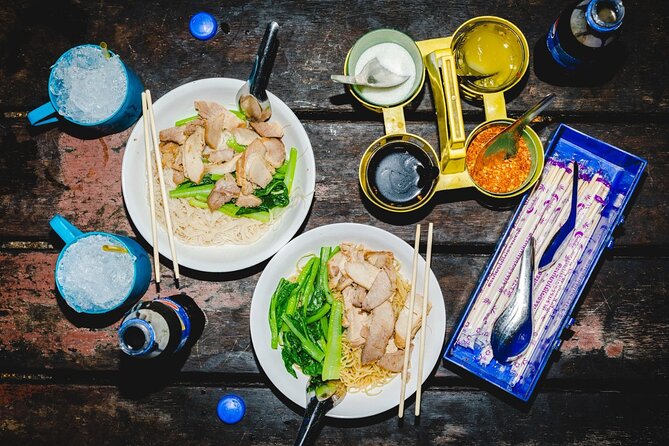
At $62 per person for about 4 hours, you’re paying for more than the food. You’re paying for:
- 15+ tastings so your money turns into volume and variety, not just a few bites
- 8-9 stops, which means you get multiple styles of food instead of repeating one stall type
- A two-person team (guide + assistant), which reduces waiting and increases your odds of getting seated at crowded places
- Route expertise into backstreets where you’d struggle to know what’s worth trying on your own
If you were to recreate this independently, you’d spend time figuring out stalls, lining up, and making seating decisions without a local who knows what’s best and what’s worth skipping. The tour compresses all that work into a single evening, and most importantly, it helps you leave with an eating strategy for the rest of your trip.
Alcohol isn’t included, so plan on water and soft drinks if you want to keep the pace comfortable. Bottled water is included, which is exactly what you want when you’re sampling repeatedly.
Ending back on Yaowarat Road: turn this into repeat meals
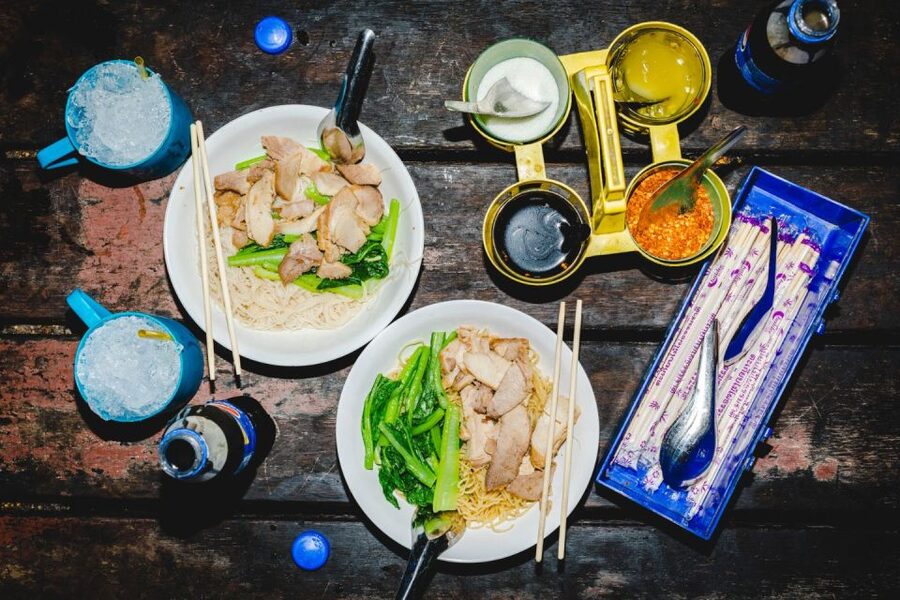
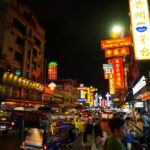
The tour concludes back at Yaowarat Road near where you started, along with the neon energy that makes Chinatown at night feel like a different city. That ending location is useful. You’re not dropped somewhere far away where you need to figure everything out again.
By the end, you should know what kinds of dishes you liked most and what to look for when you return on your own. Many diners said the tour helped them identify where to find markets that might be closed later, and that’s the real hidden value: you’re not just eating, you’re learning how this neighborhood runs.
If you want to do this as a first or second night activity, it helps. You’ll come back more confident when choosing your next street-food orders, and you’ll recognize which flavors belong together.
Should you book this Bangkok backstreets food tour?
Book it if you want a serious street-food sampler in Chinatown, and you like the idea of learning while you eat. The small group size (max 8), the two-staff team, and the mix of dishes plus the soy sauce ice cream stop make this feel like a complete food night, not a rushed snack circuit.
Skip it if you’re vegan/vegetarian, have severe allergies, or you need strict ingredient control for medical reasons. Also skip if you hate walking in crowded areas and prefer very quiet, slow meals.
If you’re new to Thai food, this tour is a smart starter. If you already know what you like, it still earns its value because it helps you find stalls you likely wouldn’t spot or trust on your own.
FAQ
Where does the tour start and end?
You start outside Shanghai Mansion Bangkok in Chinatown. The tour also ends back at Shanghai Mansion Bangkok.
How long is the tour?
The tour runs about 4 hours (with a range of 3.5 to 4 hours).
How many tastings should I expect?
You should expect 15+ tastings over the course of the walk.
How big is the group?
The group is small, limited to up to 8 participants.
What’s included in the price?
Included: 15+ tastings, 8-9 stops including 2 to 3 Michelin-listed street food venues, a licensed guide and assistant, and bottled water.
Is alcohol included?
No. Alcoholic drinks are not included.
Are pescatarians able to join?
Yes, pescatarians are supported, but you may have 2-3 fewer tastings because some vendors may not have alternatives.
Is it suitable for vegetarians or vegans?
No. It’s unsuitable for strict vegetarians or vegans, and also not suitable for vegans or vegetarians.
Will this work for gluten intolerance or celiac disease?
It’s suitable for mild gluten intolerances, but not advised for celiac disease due to trace gluten risk in sauces like soy sauce.