REVIEW · BANGKOK
Bangkok: Street Food Tasting Tour at Night
Book on GetYourGuide →Operated by KIJSIRAVEJ COMPANY LIMITED · Bookable on GetYourGuide
Night eats in Chinatown are a real shortcut. On this 150-minute night street food tasting tour, you get guided access to six popular food stops in Bangkok’s Chinatown, with Thai-Chinese dishes that locals actually order, not just menu photos. I especially like that the guide connects each plate to the area’s food culture, so you eat with understanding, not guesswork. The one drawback to weigh is that it is not a good fit if you need vegetarian, vegan, gluten-free, or specific allergen-safe options, and the lanes can feel tight if you have claustrophobia.
You’ll start near MRT Wat Mangkon, then follow a walking route through Chinatown streets where the food rhythm is the main event. I also like the tour’s pace: it’s long enough to try a real set of bites, but short enough that you’re not trapped out after your energy fades. Just know this is a hands-on street experience, with rules like no alcohol and no electronic devices, so come ready to focus on eating and walking.
In This Review
- Key things to know before you go
- Enter Chinatown after dark, the practical way
- Price and value: what $49 is really buying
- Your 150-minute route: how the night walk is paced
- Stop types you’ll likely eat: Thai-Chinese style across the spectrum
- The Thai-Chinese angle (why it matters)
- The homemade menu with a secret ingredient
- The guide’s role: where the tour earns its star rating
- What could trip you up: dietary limits and restricted participation
- How to make the most of six tastings
- Where this tour shines (and where it doesn’t)
- Getting there and getting your bearings fast
- Should you book this Bangkok Chinatown street food tour?
- FAQ
- How long is the Bangkok Chinatown street food tasting tour?
- How much does the tour cost?
- Where do I meet the group?
- Do I get hotel pick-up and drop-off?
- What’s included in the tour price?
- Is alcohol included?
- What languages are available for the tour?
- Is the tour suitable for vegetarians or vegans?
- Are electronic devices allowed?
Key things to know before you go
- Six tastings in 150 minutes: enough variety without turning into an all-night marathon
- Thai-Chinese favorites: think Chinese-influenced Thai street menus you see on repeat
- A homemade stop with a secret ingredient: one meal-style tasting that’s meant to be memorable
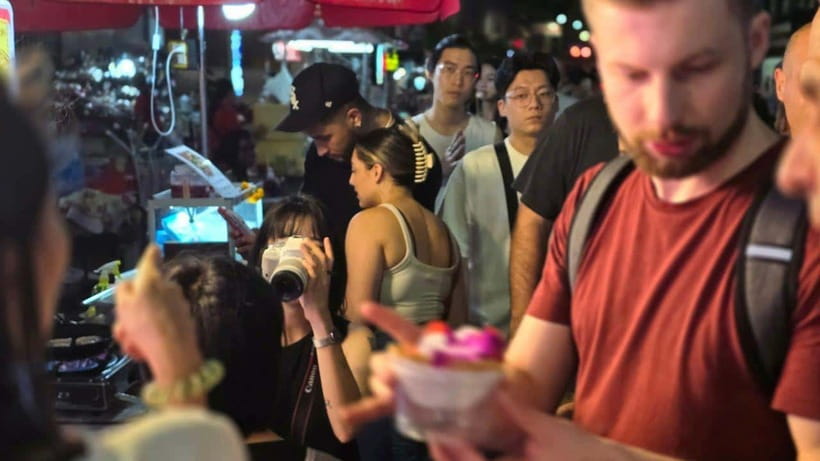
- Chinatown at night: the route is built for evening energy and busy street food culture
- Tight walking lanes: this is not ideal for mobility issues or claustrophobia
Enter Chinatown after dark, the practical way
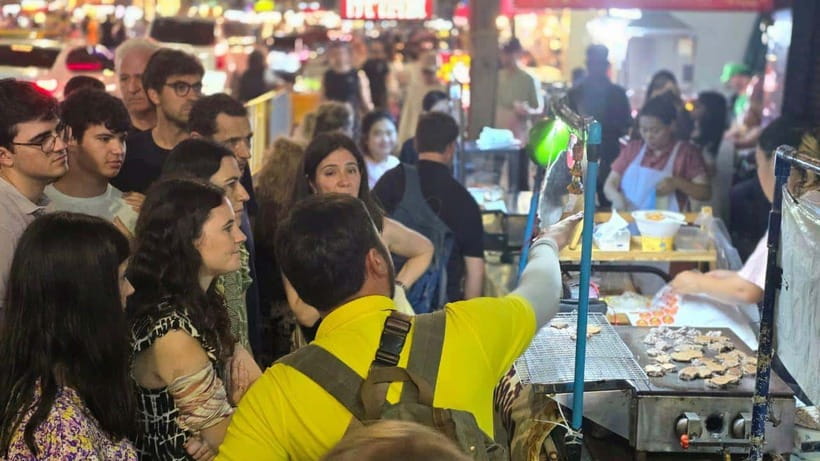
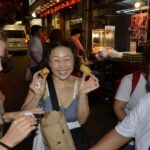
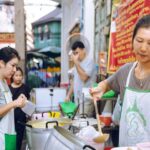
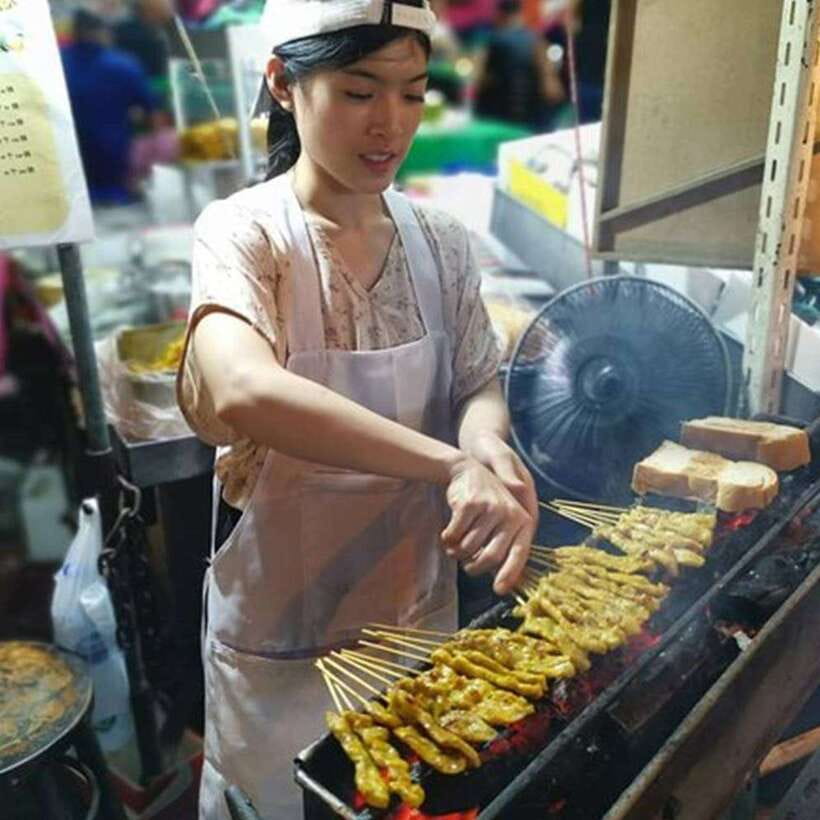
Bangkok’s Chinatown changes its mood after sunset. Daytime is for sightseeing. Nighttime is for eating. This tour leans into that reality, so you’re not just wandering and hoping you pick the right stalls. You’re walking a planned route and tasting at six different spots, guided in English, which matters when the food scene is crowded and fast.
The meeting point is outside the MRT station Wat Mangkon, exit 3. The guidance is simple: skip taxis here. Traffic around Chinatown can be brutal, and the walk can be faster than you’d expect once you’re on foot. You also start at 449 Charoen Krung Road, which is a solid orientation point before you get pulled into the alley maze.
One small but important detail: wear comfortable shoes. You’ll be standing, walking, and shifting around other people in narrow streets. The tour also says no bare feet, and that’s fair. Street food nights are not the time for flip-flops and regrets.
You can also read our reviews of more food & drink experiences in Bangkok

Price and value: what $49 is really buying
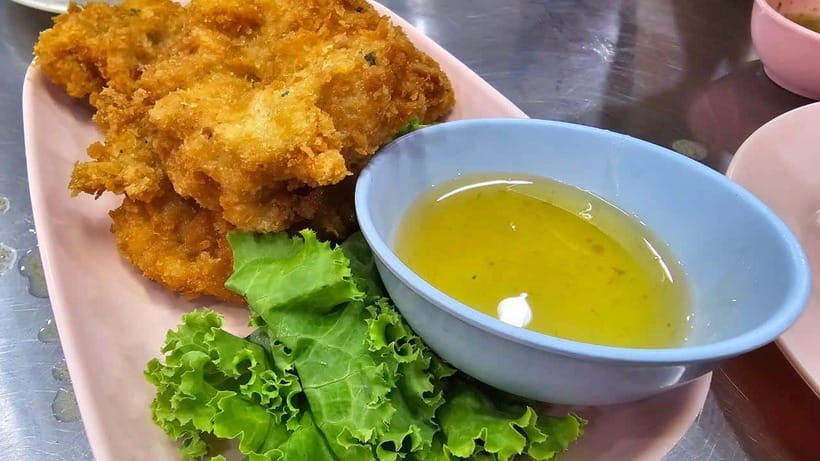
At $49 per person for about 150 minutes, you’re paying for three things: a guide who knows where to take you, multiple tastings across different stalls, and time saved versus eating randomly. If you try to DIY Chinatown street food, you can certainly eat well, but you’ll often waste time asking the same questions, hunting for what’s popular, and mentally sorting through “is this actually good?” when you’re tired and hungry.
Here you’re getting six food stops included, and the tour highlights that you’ll sample “#1 ranking” local dishes in town and best-selling Thai-Chinese style menus. You’re also not paying extra for the tour guide. That’s the value piece that matters most: local expertise plus access to a sequence of good bites.
Also, the pricing setup is straightforward in your budget. Food tastings are included. Alcoholic beverages are not included, so if you want drinks, you’ll need to plan that separately. Given the food pace, I usually prefer staying clear-headed anyway, so you can taste properly and keep your footing.
Your 150-minute route: how the night walk is paced
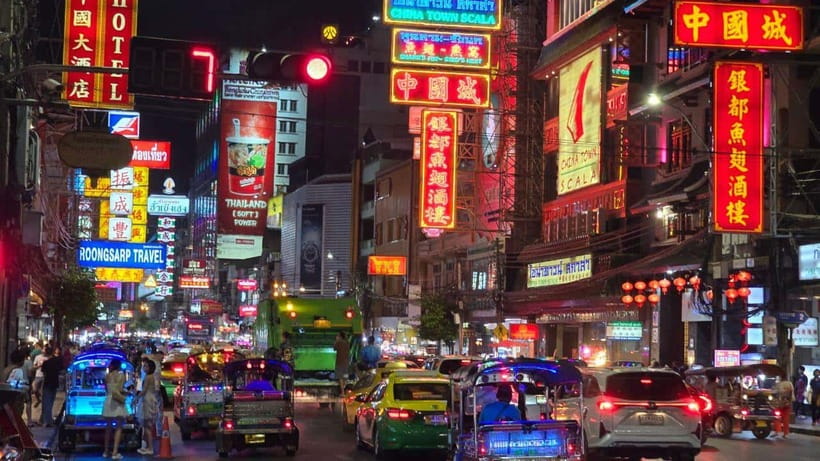
This tour is built like a sequence, not a single meal. You’ll start at the main road area, then move into Chinatown streets for multiple tasting stops, and finish near 491–493 Yaowarat Road (ถ.เยาวราช) in the Samphanthawong area.
The pacing is what keeps it from feeling like a rushed food parade. You’re walking, tasting, and regrouping enough times to reset your senses. It’s also long enough to cover variety, which is key for Chinatown: if you only hit one or two spots, you miss how the area’s Chinese-influenced Thai food switches flavors and textures as you move.
A practical note: the tour mentions that some menus might not be available during public holidays and season ends. That’s normal for street food. The upside is that the tour is designed around top local picks, so you’re not locked into one exact dish that might disappear.
Stop types you’ll likely eat: Thai-Chinese style across the spectrum
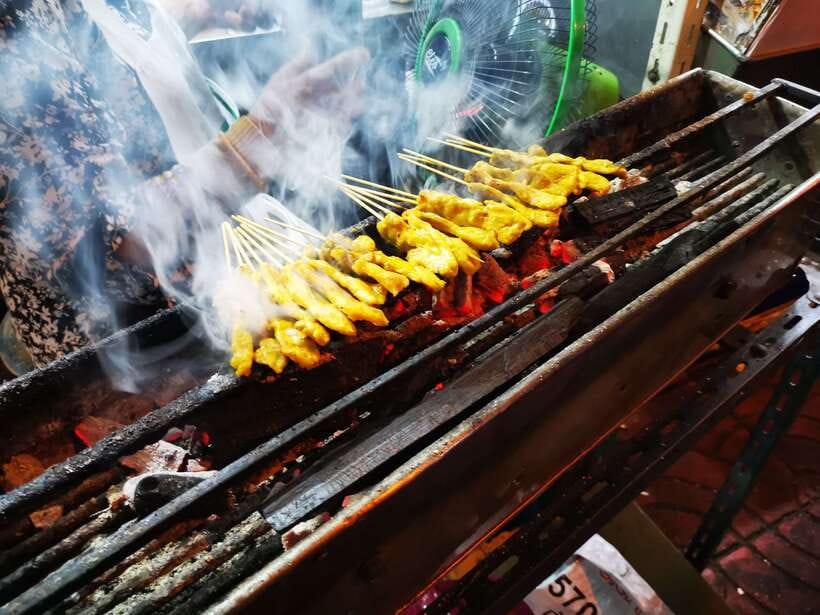
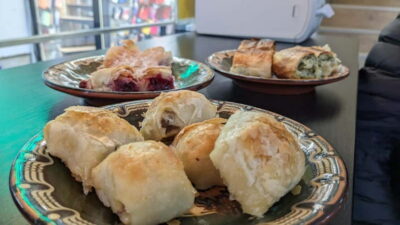
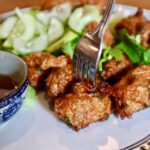
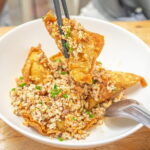
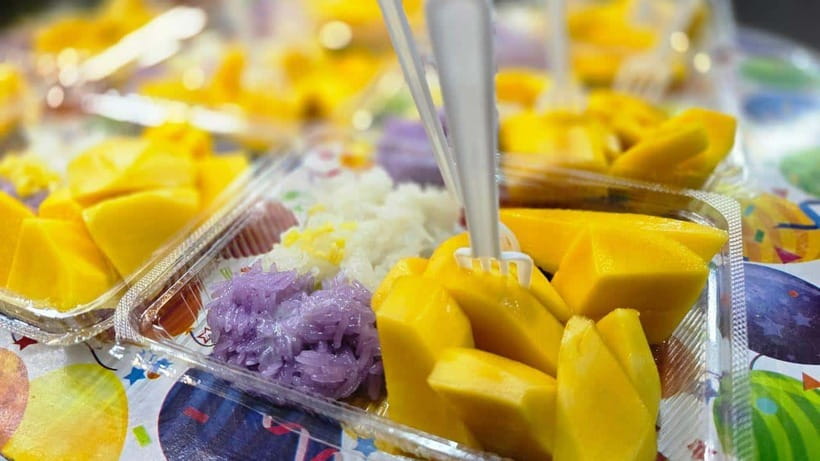
You’re told to expect a spread that goes beyond one category. In plain terms, your taste set is likely to include things like dumplings and sweet pastries, plus savory dishes tied to the Thai-Chinese street food tradition. This is exactly why the tour format works: Chinatown food is a mix of Chinese heritage and Thai street culture, and the best tastings show that blend.
The Thai-Chinese angle (why it matters)
Thai-Chinese cuisine isn’t just “Chinese food with Thai spices.” It’s a whole ecosystem of flavors that local families and small shops have been serving for a long time. On a street tour like this, the value is that you’re not stuck translating menus. You’re being led to what locals keep coming back for, and that usually means you’ll get a better balance of sauce, texture, and spice level than if you just order random items.
A few more Bangkok tours and experiences worth a look


The homemade menu with a secret ingredient
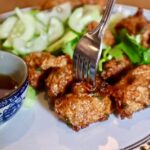
One of the highlights is a homemade menu tasting with a secret ingredient. You don’t need to know the ingredient to get why this is a good stop: street food is often about fast consistency, but a homemade item usually adds a different flavor “signature.” It’s the kind of stop that makes the tour feel less like a buffet line and more like a story you can taste.
The guide’s role: where the tour earns its star rating
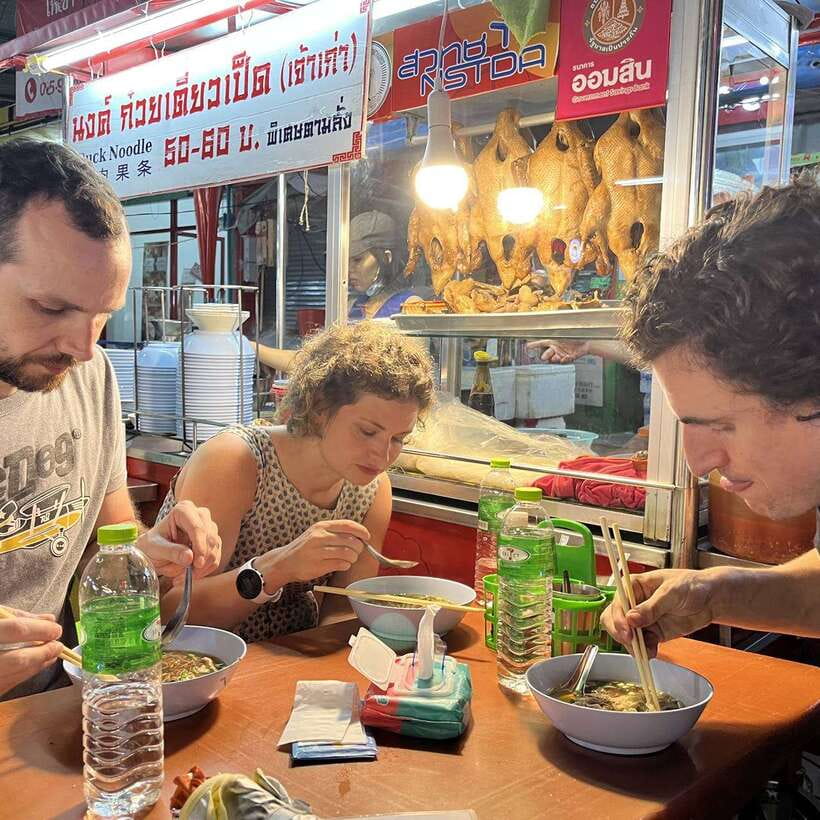
Street food tours live or die by the guide. Here, the tour emphasizes that you’ll learn about the history and culture behind what you’re eating. That sounds like marketing until you realize what it does for you as a diner. When you understand what a dish is supposed to taste like, you taste more. You catch the reason for the seasoning, the contrast in textures, and the cultural context without needing a cookbook.
English-speaking guides also get highlighted by name in the provided info. Sophie (sometimes written as Sofie) is praised for explaining Bangkok and Chinatown food context in a way that makes the walk feel personal, not just transactional. The best part of this kind of guiding is when the explanations are quick and practical. You’re still eating. You’re not sitting through a lecture while your food gets cold.
That said, there’s one caution worth taking seriously. One low rating points to an hygiene concern during food assembly, like handling items directly. Street food will always involve human touch and fast prep. Your takeaway is not to panic, but to trust your instincts: if you’re very sensitive about cleanliness, consider whether you want this style of street food service.
What could trip you up: dietary limits and restricted participation
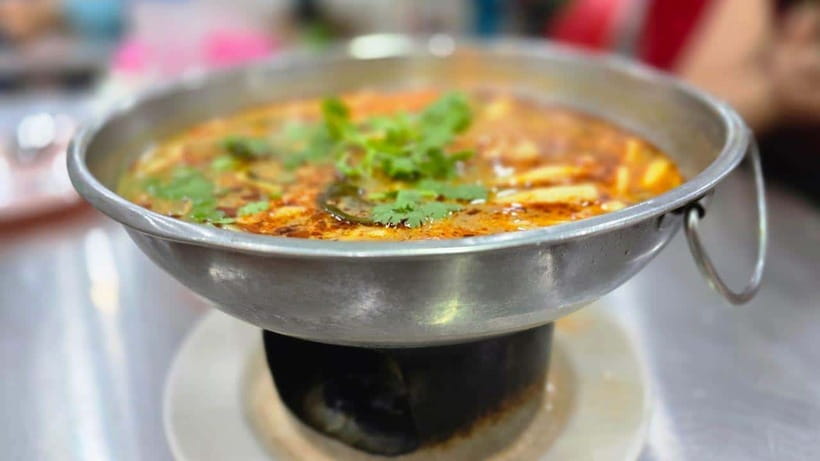
This tour is not positioned as allergy-safe or diet-friendly. The guidance is clear that it may not suit vegetarian, vegan, or gluten-free diets. It also warns against booking if you have allergies to shrimp, peanuts, pork, or dairy.
That’s a big deal. Chinatown food often mixes seafood, pork, nuts, and dairy in ways you might not expect from the English description. Even if a dish seems meat-free, sauces and shared prep can be the issue. If you have strong dietary needs, you should treat this as a hard stop.
You also need to be comfortable with the environment:
- Not suitable for people with mobility impairments, wheelchair users, or severe claustrophobia
- You’ll be walking through narrow alleys and crowded streets
- Electronic devices are not allowed on the tour
- Alcohol and drugs are not allowed
- Bare feet are not allowed
That last set might sound fussy, but it’s also practical. No phones means fewer distractions and less time stopping for photos. It also helps the group stay together.
How to make the most of six tastings
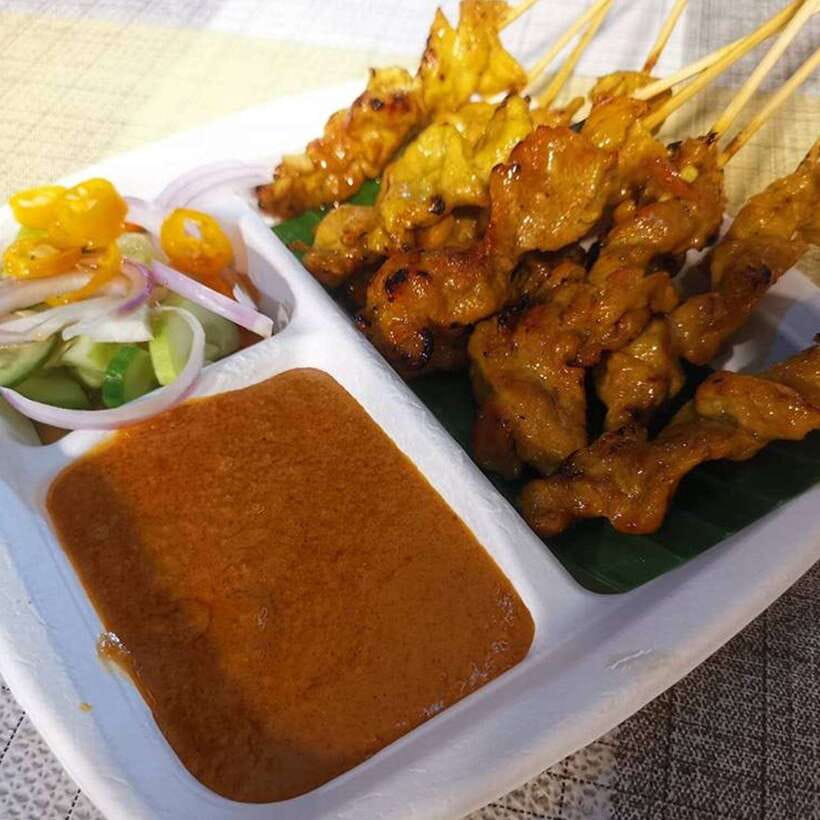
Here’s how to approach the food like a pro, so you don’t feel stuffed or disappointed.
First, show up hungry but not starving. Six tastings in 150 minutes can add up fast, especially with dumplings and sweets. If you arrive with a big late lunch, you’ll miss the texture differences between savory and sweet.
Second, plan to pace yourself. The guide is moving the group between stops, and street food timing can be “eat now” rather than “sit and think.” Take a bite, pause, and then move. You’ll enjoy it more than trying to analyze every ingredient mid-walk.
Third, accept that you’re eating local winners. The tour claims you’ll get tasting picks like top-ranking local dishes. That usually means less risk than random ordering. Still, you might find flavors more intense than you expect. Chinatown spices and sauces can be bold, and Thai-Chinese menus often rely on strong umami flavors.
Finally, if you have allergies or dietary restrictions, don’t gamble. The tour’s own guidance asks you to refrain from booking if you have certain allergens or specific diets. That’s not just a policy. It’s a safety issue.
Where this tour shines (and where it doesn’t)
This is a strong choice if you want:
- A guided way to eat across Chinatown’s best Thai-Chinese street food
- A night plan that doesn’t require you to research every stall
- A guide who explains the context behind what you’re tasting
- A route that includes variety rather than one long meal
It’s not a great choice if you:
- Need a vegetarian, vegan, gluten-free, or allergen-safe experience
- Have mobility limitations or rely on wheelchair access
- Have claustrophobia and feel uncomfortable in tight alleys
- Want to drink alcohol as part of the tour (alcohol isn’t included)
- Prefer to use your phone constantly during outings (electronic devices aren’t allowed)
Getting there and getting your bearings fast
Start simple: use the MRT. The tour explicitly recommends avoiding taxis due to heavy traffic. Getting to Wat Mangkon on the metro is the easiest way to reduce stress before you even start eating.
Once you’re at exit 3, you’ll link up with the group near the stated start area on Charoen Krung Road. From there, you’re in Chinatown. Expect lots of foot traffic and narrow lanes. This is also why comfortable shoes matter so much. If you feel your feet halfway through, you’ll start rushing, and rushing is how you miss the best moments.
Should you book this Bangkok Chinatown street food tour?
Book it if you want an organized night in Chinatown that feeds you across six tastings, with a guide who explains what you’re eating and why it matters. It’s also a good value play if you’d otherwise spend time hunting stalls on your own.
Skip it if you have serious dietary restrictions, allergies to common ingredients like shrimp or peanuts, or if the idea of tight crowded lanes makes you uneasy. Also skip if you need gadgets in your hand during the walk. This tour asks you to be present, and it enforces that.
If your goal is to eat well in the time you have, and you’re comfortable with the street-food style (including sauces, seafood and pork presence unless you’re avoiding them), this tour is the kind of plan that turns Chinatown from a place you visit into a place you actually taste.
FAQ
How long is the Bangkok Chinatown street food tasting tour?
It runs for about 150 minutes.
How much does the tour cost?
The price is $49 per person.
Where do I meet the group?
You meet outside the MRT Wat Mangkon station at exit number 3 in Chinatown.
Do I get hotel pick-up and drop-off?
No. Hotel pick-up and drop-off services are not included.
What’s included in the tour price?
You get a tour guide and 6 different places for food tastings.
Is alcohol included?
No. Alcoholic beverages are not included.
What languages are available for the tour?
The tour is offered with a live English tour guide.
Is the tour suitable for vegetarians or vegans?
The tour may not be suitable for people following a vegetarian or vegan diet.
Are electronic devices allowed?
No. Electronic devices are not allowed during the tour.