REVIEW · BELGRADE
Belgrade: Street Food and Drinks Tour with 20+Tastings
Book on GetYourGuide →Operated by Belgrade Get To know The City · Bookable on GetYourGuide
Street food is the fastest way into Belgrade. This 3.5-hour walk turns Serbian bites into city stories, led by guides like Yair and Davor. You’ll taste your way through a cuisine shaped by Austrian, Turkish, Hungarian, and Bulgarian influences.
I like two things most: the 20+ tastings (you won’t leave hungry), and the way the guide connects each food to place and people. Even the tour’s ending feels useful, with a short list of places in Old Town to keep eating.
One thing to consider: the food volume is real. Go empty, or you’ll end up politely waving at dishes you’d rather finish.
In This Review
- Key points worth noting before you go
- Street food as Belgrade’s best language
- Meeting at Hotel Moskva and getting your timing right
- How the guide turns food into real stories
- The 20+ tastings: what you should expect to eat
- Savory pastries and classic Belgrade snacks
- Cured meats, čvarci, and the meat-forward side
- Cheese, spreads, and honey products
- Goulash with a twist, and some fish
- Fruit, sweets, and the dessert finish
- Rakia: why the drink is more than a signature pour
- Off-the-beaten-path stops and street art scenery
- What you’ll do after: Old Town and restaurant ideas
- Price and value for $69 per person
- Who this tour suits best (and who might not)
- Should you book the Belgrade Street Food and Drinks Tour?
- FAQ
- How long is the tour?
- How many tastings are included?
- Is Rakia included?
- Where do we meet?
- How big is the group?
- What’s included in the price?
- What language is the tour guide?
- What types of food are included?
- What is the cancellation policy?
- Is there a reserve now, pay later option?
Key points worth noting before you go
- 20+ tastings across pastries, meats, cheeses, sweets, and fruit drinks
- Rakia is part of the experience, not an afterthought
- Small group (max 10) makes it easier to ask questions and get food help
- Off-the-beaten-path stops with street art and neighborhood flavor
- Allergy and dislike-friendly alternatives are something the guide aims to manage
Street food as Belgrade’s best language
Belgrade can feel layered fast, and eating is one of the easiest ways to read the city. Serbian food isn’t stuck in one lane. You’ll notice outside influences in the dough, the spices, and the way people build a meal—then you’ll see what’s uniquely Serbian about it.
This tour is a good fit for a first visit because it gives you context while you’re still figuring out the city. By the time you reach Old Town, you’re not just full—you understand what you’re eating and why it shows up in different forms across Serbia and the Balkans.
I also like that the tour focuses on street-level culture, not museum talk. You’re moving through everyday food spots: stands, bakeries, and market-style stops where locals actually buy snacks and plan meals.
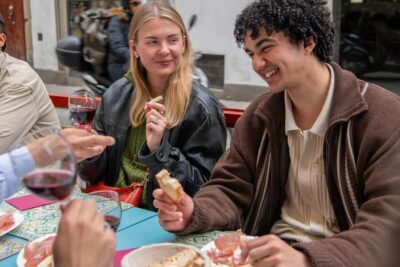
The vibe is friendly, too. With a small group, you get a more personal pace. And you’ll be walking, tasting, and listening rather than sitting through long explanations.
You can also read our reviews of more food & drink experiences in Belgrade
Meeting at Hotel Moskva and getting your timing right
You’ll meet at the entrance of Hotel Moskva. That’s helpful because you can anchor your day around a clear starting spot in central Belgrade.
Plan to wear comfortable shoes. This is a walking tour, and it runs about 3.5 hours. You’re tasting multiple items, so your stomach will be busy even if your legs are just doing city steps.
One smart move: don’t eat a big meal beforehand. Several people highlight that the tour is heavy on portions, and you’ll enjoy more if you start with an empty slate. Bring water if you tend to get thirsty while walking. You’ll get drinks included, but you might still want a little extra between tastings.
How the guide turns food into real stories
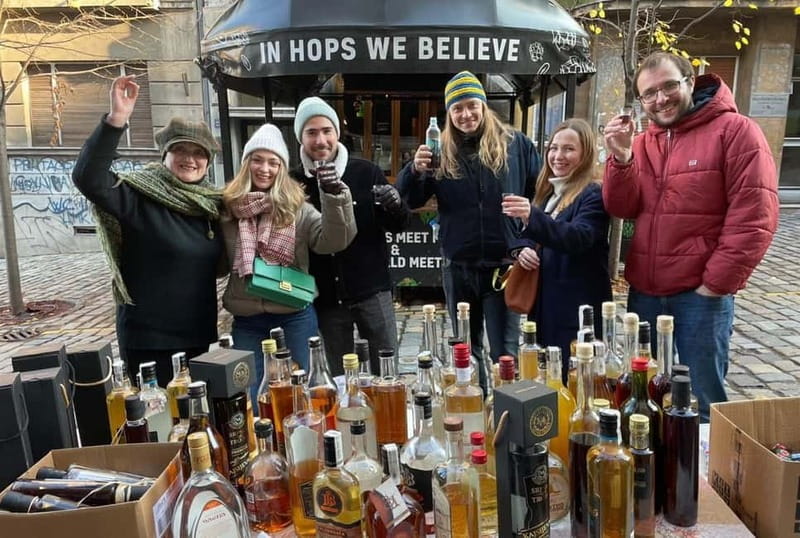
This is the kind of tour where the guide matters a lot. In the experience, names like Yair and Davor come up for a reason: they connect what you taste to the wider Balkans and to everyday Belgrade life.
Davor’s approach, for example, leans into history and connections between countries, with food treated like a living map. That’s not just trivia. When you hear how different empires and neighbors shaped ingredients and techniques, you start spotting patterns for yourself later at restaurants.
Yair is described as warm and accommodating, with lots of clear explanation. People also point out that you get frequent chances to ask questions and that the group stays fun and social without turning chaotic.
A big practical win: the guide is mindful about allergies and food dislikes. If you tell them up front, you’re more likely to get an alternative instead of being stuck with nothing to eat. Still, you’ll want to communicate clearly before the first stop.
The 20+ tastings: what you should expect to eat
The heart of the tour is the sampling. You’re looking at 20+ tastings over 3.5 hours, moving through a mix of bakery items, savory bites, and drinks. Here’s the kind of spread you should expect.
Savory pastries and classic Belgrade snacks
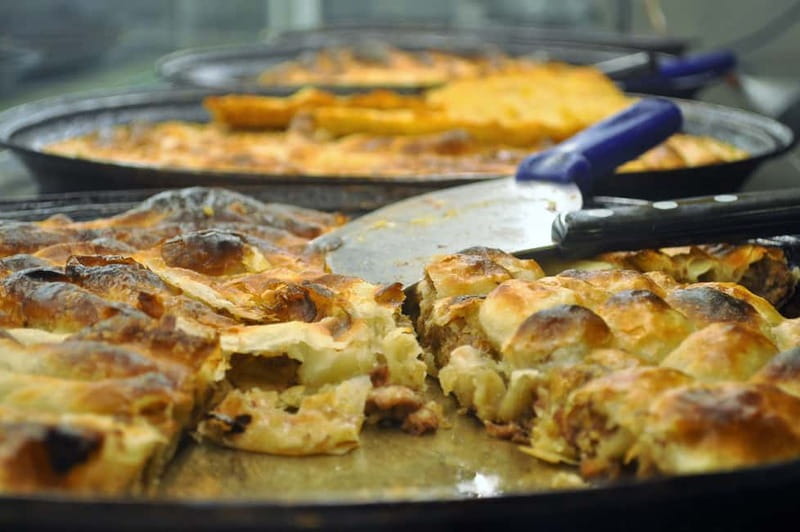
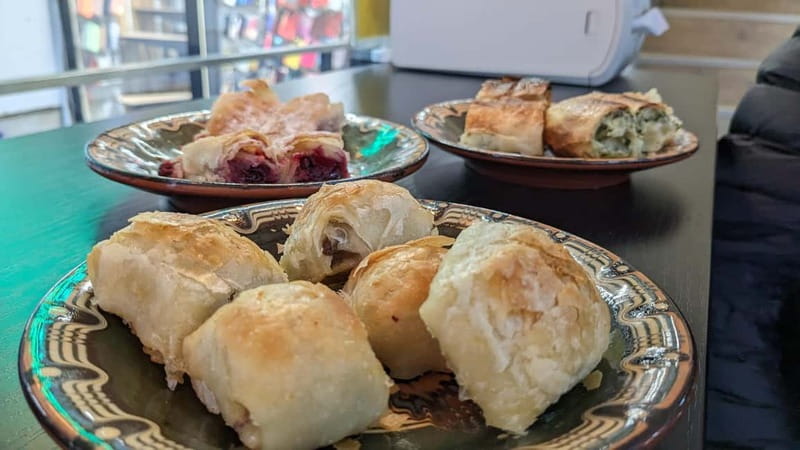
You can expect Serbian-style pastries and baked treats. One standout mentioned is burek, including a cherry version. That’s a great example of how Serbian bakery culture handles both savory and sweet in the same comfort-zone dough world.
Expect flaky textures, filled centers, and snacks that feel like they belong in a quick street stop rather than a plated restaurant dish.
Cured meats, čvarci, and the meat-forward side
Serbia loves cured flavors, and you’ll try things in that direction. You should anticipate cured meats, plus čvarci (pork rind). If you’ve never tried pork rind before, think of it as a crunchy, savory snack that sounds strange until you’re chewing it.
You may also taste sausages and a meat-and-cheese style platter. These are good “anchor” bites because they show you the foundation of how Belgrade builds simple, satisfying meals.
Cheese, spreads, and honey products
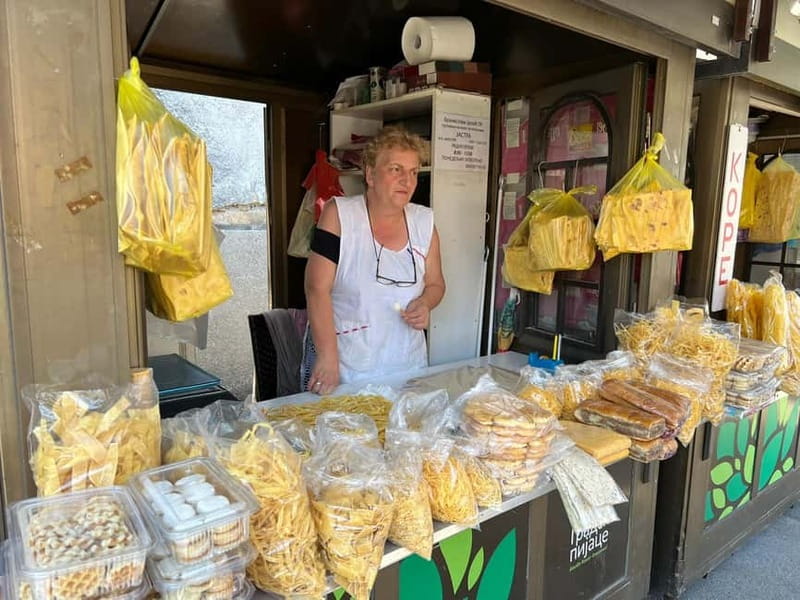
Cheese shows up in different forms—people mention village cheeses and rich, creamy additions like kajmak. You might also see truffles spread, plus sweet items like honey products.
This section matters because it shows the range of Serbian flavor beyond meat-heavy plates. You’ll get salty, creamy, and sweet notes, often in quick succession, so your palate gets trained fast.
Goulash with a twist, and some fish
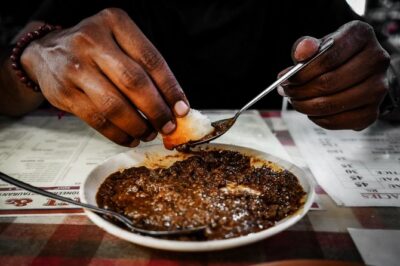
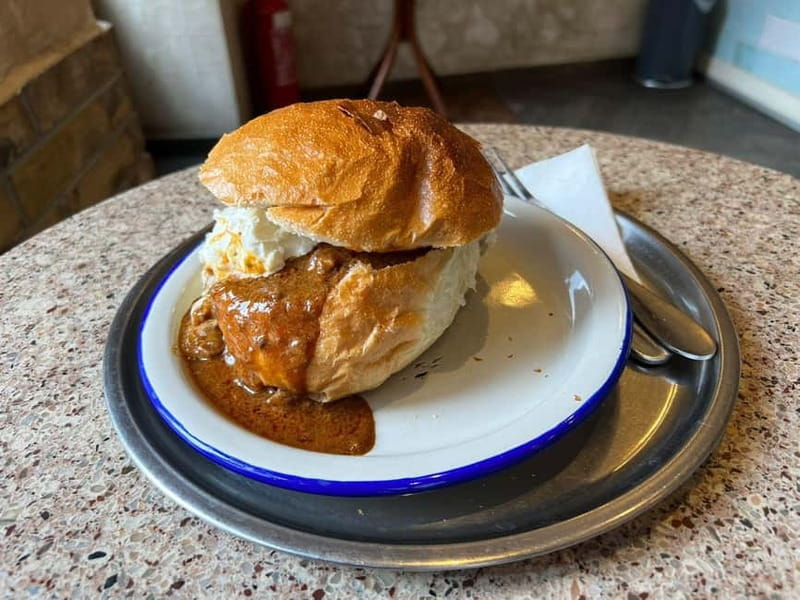
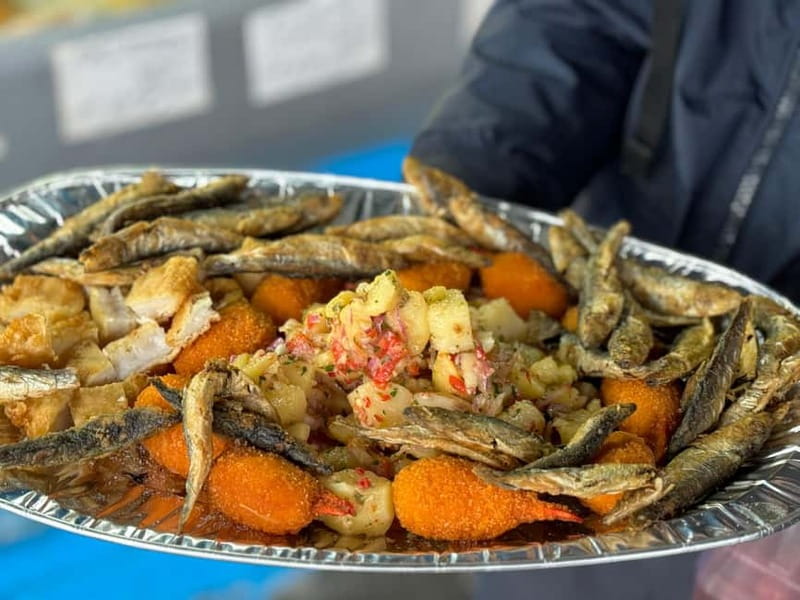
The tour includes a savory hot-food element described as goulash with a twist. You’ll also see fish on the tasting list. That balance helps the tour avoid feeling like it’s only bread-and-snack foods.
Even if you don’t normally order goulash, the twist is likely there to show how recipes adapt by region or by what’s freshest.
Fruit, sweets, and the dessert finish
Expect fresh fruits and tempting sweets near the end. Some tours overstuff the savory side. This one remembers that Serbian eating culture also includes sweet treats and fruit-based drinks.
If you like tasting small amounts of many things, this tour’s structure is built for you.
Rakia: why the drink is more than a signature pour
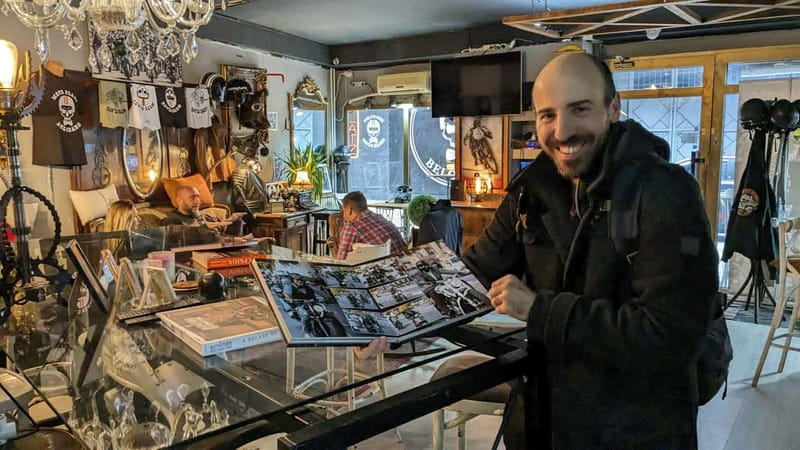
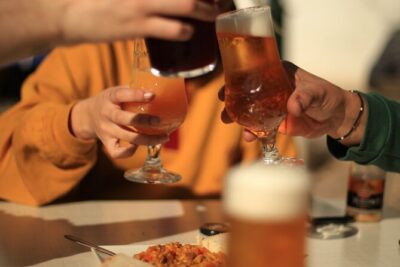
Rakia is included, and it’s the one tasting that can change how you experience the whole meal. It’s a fruit brandy, and you should expect it to hit with aroma first, then warmth.
A couple reasons this matters: rakia plays a role in social eating. People drink it alongside snacks, and it can “reset” your palate between heavier items like cured meats and čvarci.
Some tours treat alcohol like a checkbox. This one uses it as part of the story, with the guide tying the drink to local food culture. You’ll also likely taste other fruit-based items, since fruit flavors show up again in the list of foods.
If you don’t drink alcohol, tell the guide in advance. The data you were given emphasizes alternatives for allergies and dislikes, and you can use that same communication to ask what’s possible for non-drinkers.
Off-the-beaten-path stops and street art scenery
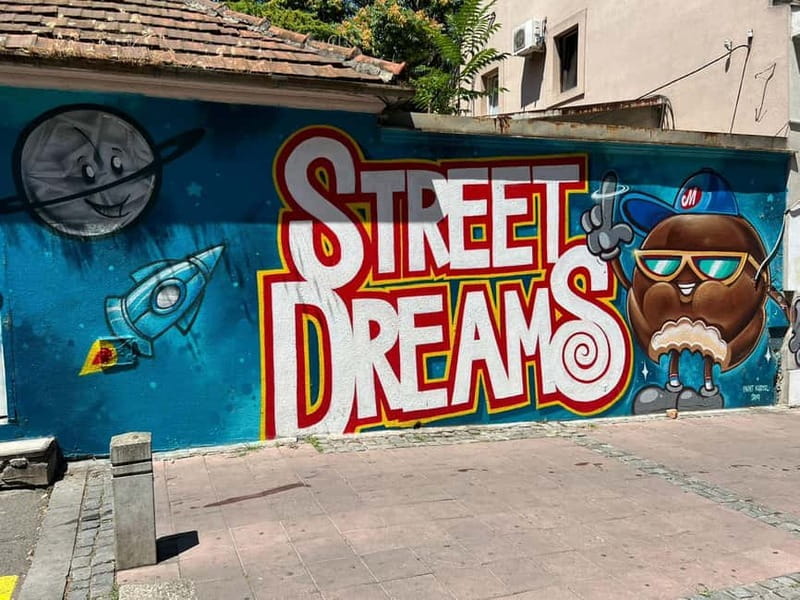
This tour doesn’t just follow the most obvious restaurant strip. You’ll go to off-the-beaten-path locations with street art, which helps Belgrade feel more real and less like a checklist.
That matters for value. If you only stop at big, well-known tourist places, you miss how Belgrade actually eats day to day. Here, the “where” connects to the “what.” The same neighborhoods you’re walking through are the ones where people grab pastries, quick bites, and drink-and-snack combinations.
Also, the small group pace makes the walk feel manageable. You’re not stuck waiting behind a long line of other tours.
What you’ll do after: Old Town and restaurant ideas
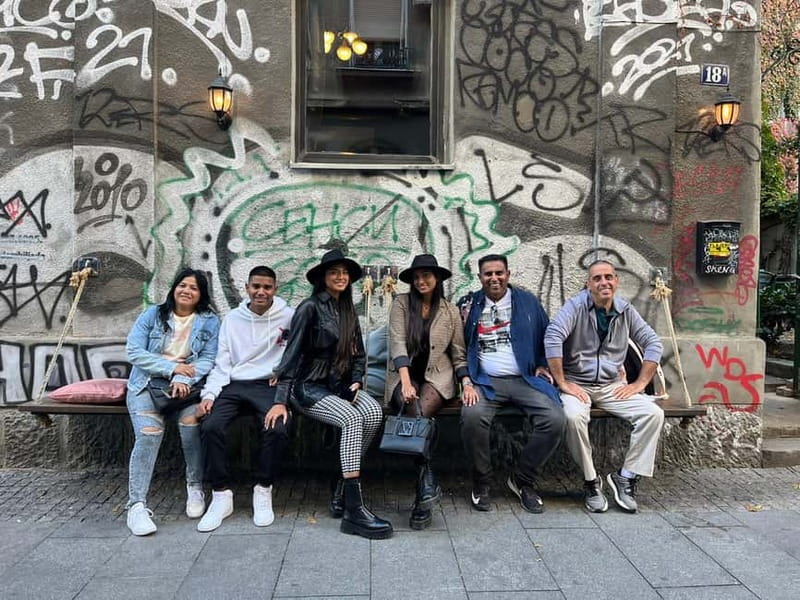
The tour ends in Belgrade Old Town, close to the pedestrian zone. That’s a smart finish point because it’s easy to continue on your own without needing transportation.
You’ll also receive a list of local restaurants to extend your culinary adventure. Use that list like a menu of directions: pick one based on what you liked most during the tastings. If you leaned meat-heavy, choose somewhere that matches that comfort zone. If pastries and sweets were your favorite, aim for the bakeries and casual spots first.
My advice: don’t try to eat another full meal right away. If you still feel hungry, order something lighter—something you didn’t already taste on the tour—so you build knowledge without repeating the same flavors.
Price and value for $69 per person
At $69 per person for about 3.5 hours, this is priced like a “food-and-guide experience,” not just a casual bite tour. The value is the combination: the guide, the walking context, and the high volume of included food and drinks.
If you’ve spent a day in cities where food tours are mostly guided sightseeing with a few samples, this one is built differently. With 20+ tastings, you’re effectively paying for a guided route that gives you multiple meals’ worth of variety in a single afternoon.
You’re also getting the benefit of a local who can explain what you’re tasting, plus restaurant suggestions at the end. That part matters because it helps you avoid wasting your first hours hunting blindly for good spots.
This tour is also a good deal if you’re traveling with people who can’t agree on what to eat. You’ll all try many different styles of food, and you’ll likely leave with shared favorites.
Who this tour suits best (and who might not)
This tour is a great match if you want:
- a structured way to try Serbian street food without doing research
- lots of small tastings instead of one big restaurant meal
- history-and-food context from a real guide, not just a script
It’s also ideal for an early start to eating your way through Belgrade, especially if you value walking routes that feel local.
Who might skip it: if you hate alcohol or you know you have dietary restrictions that you can’t communicate clearly, you’ll need extra caution. The guide is said to offer alternatives for allergies/dislikes, but the tour still includes a wide range of items. Also, if you prefer very quiet, long sit-down meals, you may find the pacing too active.
Should you book the Belgrade Street Food and Drinks Tour?
Yes, if you want a high-impact food introduction with Rakia, 20+ tastings, and a guide who explains what you’re eating. It’s also a strong first-day plan because the Old Town finish and restaurant list help you keep going.
Book it if you like trying foods you might not pick on your own, like čvarci or a cherry burek. The tour is designed to make those choices easier, with guidance and alternatives when needed.
Skip it if you know you want only light snacking, or if you can’t handle alcohol at all. Otherwise, grab a spot, show up with an empty stomach, and treat the walk like your Belgrade starter kit. You’ll leave with better instincts for what to order next.
FAQ
How long is the tour?
The duration is 3.5 hours.
How many tastings are included?
The tour includes 20+ tastings.
Is Rakia included?
Yes. Rakia is included as part of the drinks tastings.
Where do we meet?
Meet at the entrance of Hotel Moskva.
How big is the group?
It’s a small group limited to 10 participants.
What’s included in the price?
The tour includes a guide and food and drinks.
What language is the tour guide?
The live tour guide speaks English.
What types of food are included?
You can expect a mix of Serbian street food and regional items such as pastries, cured meats, čvarci (pork rind), sausages, village cheeses, truffles spread, goulash with a twist, honey products, fruits, fish, and sweets.
What is the cancellation policy?
Free cancellation is available up to 24 hours in advance for a full refund.
Is there a reserve now, pay later option?
Yes. You can reserve now & pay later, keeping your travel plans flexible.