REVIEW · BANGKOK
Bangkok: Street Art and Street Food Walking Tour
Book on GetYourGuide →Operated by TripGuru Thailand · Bookable on GetYourGuide
Bangkok tastes better on foot. This street art and street food walking tour mixes smoky market plates with colorful wall murals, then slows down in older neighborhoods with temples and Western-style church architecture. Two things I especially like: the 9-dish food tastings that start strong at a well-known roasted duck stop, and the long walk along Charoenkrung Road where you can actually see the city’s art on display, not just hear about it.
The main thing to watch is that real life can change the plan. On at least one recent run, food markets and the exact number of tastings felt different than expected, and the pace was slower with more frequent stops—so you’ll want flexibility and patience.
In This Review
- Key Points Worth Your Time
- Why This Bangkok Street Food and Street Art Tour Works
- Meeting at Saphan Taksin BTS: A 4-Hour Walk You Can Plan Around
- Klong San Market: Roasted Duck With Rice Starts the Right Way
- Charoenkrung Road Murals: 150 Years of Bangkok on One Street
- Side Streets, Temples, and Street Art You See Only at Walking Speed
- Holy Rosary Church (Kalawar Church): Western Architecture in an Old Area
- Talad Noi: Chinese Communities, Urban Art, and a Historic Neighborhood Feel
- River City Ending: Riverside Views for Art Lovers
- Food Tasting Reality Check: 9 Dishes, But Stay Flexible
- Pacing, Hearing, and How to Get the Best From Your Guide
- Price and Value: Where the $61 Fits (and Where It Might Feel Tight)
- Low-Impact Touches That Actually Matter
- Who Should Book This Street Art and Street Food Walk?
- FAQ
- How long is the Bangkok Street Art and Street Food walking tour?
- Where do I meet the guide?
- How many food tastings are included?
- Is the tour guide English-speaking?
- Is hotel pickup included?
- What’s included in the price besides the food?
- What should I bring?
- Can I cancel for a refund?
- Should You Book This Tour?
Key Points Worth Your Time
- 9 food tastings with a mix of sweet, savory, and tangy favorites
- Charoenkrung Road murals on a long 150-year-old stretch of wall art
- Kalawar Church (Holy Rosary Church) for striking architecture in an old area
- Talad Noi street scene with Chinese communities and street art you can spot as you walk
- Small group (up to 9) and an English-speaking guide
- Low-impact extras like a glass bottle of drinking water and carbon offset credits
Why This Bangkok Street Food and Street Art Tour Works
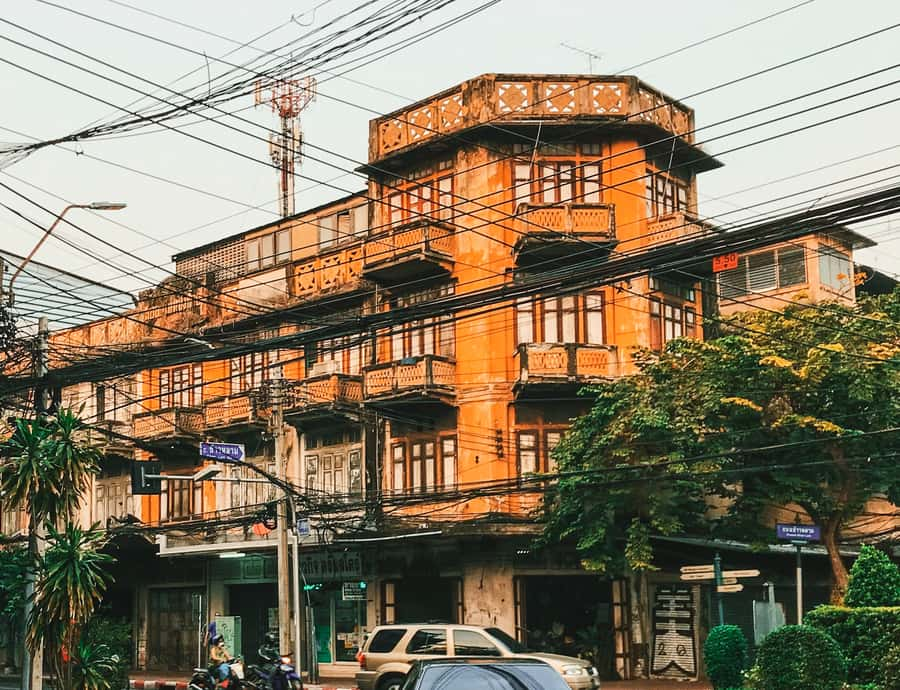
Bangkok can be overwhelming fast. Too many streets. Too many smells. Too many options that all look like the place you should eat. This tour helps because it gives you a route with built-in choices, so you’re not guessing where to start or what to order.
I like that the tour isn’t only about food. You also walk long enough to notice street art, not just point-and-shoot at a couple of murals. The route ties food to neighborhoods, which makes it feel like you’re learning how Bangkok functions day to day: eat here, worship there, talk here, shop by the river, repeat.
You should also know what kind of experience this is. It’s a guided “try and taste” style tour, not a museum-style street art lecture. Your guide does explain things, but the focus stays practical. You’ll leave with ideas of what to look for on your own afterward, like what makes a stall worth stopping at and what murals you can spot from the sidewalk.
You can also read our reviews of more walking tours in Bangkok

Meeting at Saphan Taksin BTS: A 4-Hour Walk You Can Plan Around
You’ll meet at Saphan Taksin BTS station, Exit 1. The tour says you’ll get an email the evening before with your pickup time, and the guide will be holding a TripGuru sign. They ask you to show up about 10 minutes early, which is smart in Bangkok. The city runs on time until it doesn’t.
The good news: since there’s no hotel pickup, you can build this into your schedule with less hassle. It’s also a small group of up to 9, so you’re less likely to be lost in a crowd. That matters when you’re trying to hear your guide over street noise.
What you’ll want from this timing is reasonable expectations. It’s about 4 hours, and the route includes multiple short stops. If you hate walking, this might feel long. If you like a steady pace and you can handle heat, you’ll be fine. Bring sunscreen and a camera, and carry some cash since personal expenses aren’t included.
Klong San Market: Roasted Duck With Rice Starts the Right Way
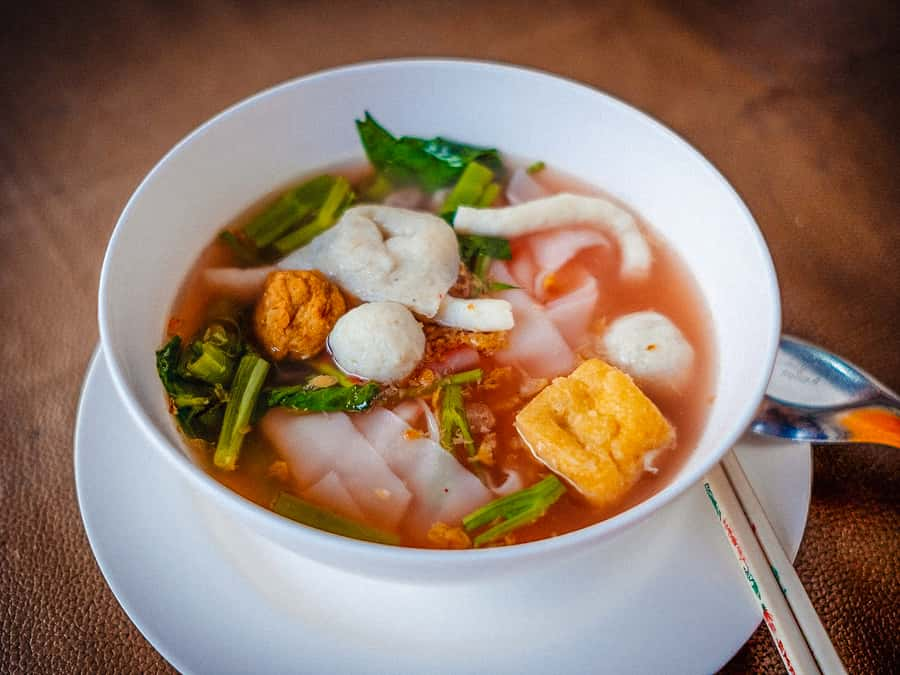
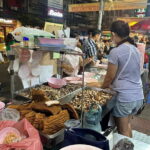
The tour begins with a market stop at Klong San Market (about 50 minutes). This is where the experience earns its keep: you start with food that anchors the rest of the walk. From what the tour describes, you’ll try roasted duck with rice at a famous local restaurant that’s more than 100 years old.
That kind of start does two things. First, it gets you eating something classic before your palate gets distracted by a hundred other smells. Second, it gives you context. When your guide points out how the city eats, you can taste the ideas immediately instead of waiting for later.
If you’re picky about timing, keep this in mind: markets and vendors operate on their own rhythm. Bangkok street food is not a theme park. Some days might feel smoother than others, but the best approach is to stay flexible and let your guide lead you to what’s working right now.
Charoenkrung Road Murals: 150 Years of Bangkok on One Street
Then comes the long walk: Charoenkrung Road for around 1.5 hours. The tour highlights this as a 150-year-old street, and that age matters, because the murals aren’t random. You’re walking through a corridor where Bangkok’s newer visual culture has grown alongside older streets.
This is also where the tour turns into something you can share. Murals are photo-friendly, yes, but the real value is in what you learn while you’re walking. Your guide points out colorful street art details along the way, and because you’re moving continuously, you start to see patterns—how different styles sit next to daily life.
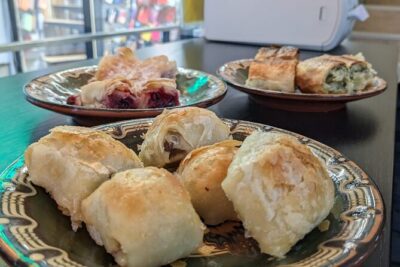
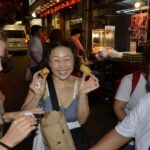
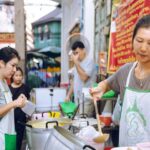
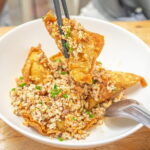
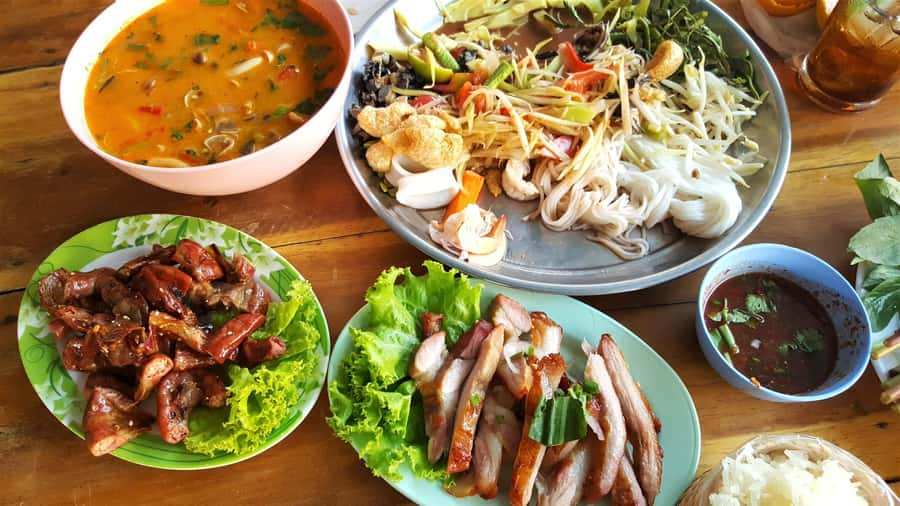
Food keeps coming here too. Expect beloved picks such as Thai milk tea, mataba (stuffed pancakes), Thai BBQ snacks, fresh fruit, papaya salad, and sticky rice. It’s not one big meal. It’s a string of tastes that cover sweet, sour, and savory, so you get a fuller picture of what street food means in Bangkok.
One practical tip: don’t overthink what you’re tasting. After the roasted duck and rice, most people find it easier to enjoy the smaller snacks. If you save your appetite for the last stop, you’ll enjoy the whole walk more.
Side Streets, Temples, and Street Art You See Only at Walking Speed
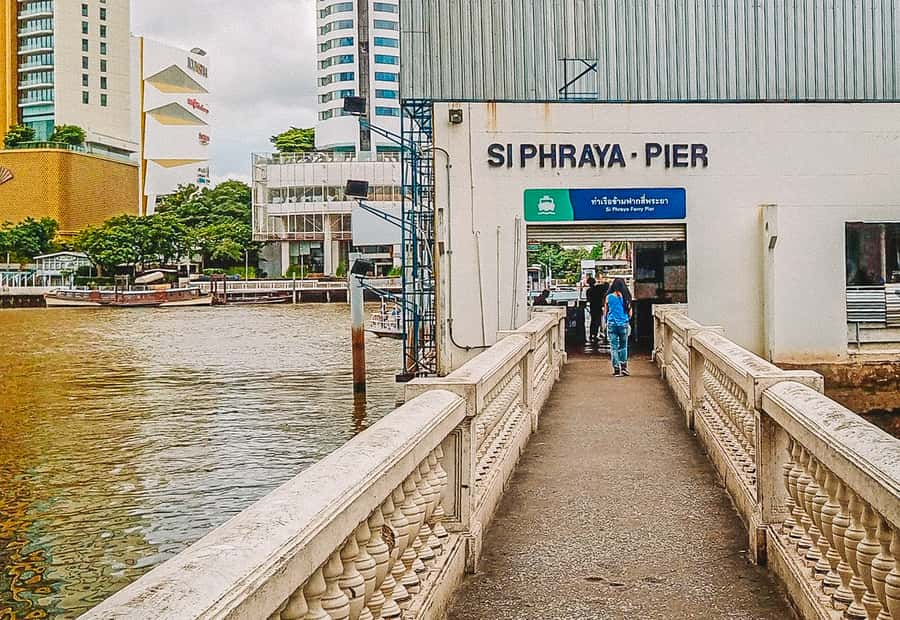
After you eat enough to feel like you’ve made a good decision (you know the feeling), you head into nearby side streets. This is where Bangkok stops being a list of highlights and starts feeling like a real neighborhood.
The tour includes weaving between hidden Buddhist temples and small local communities, with your guide pointing out street art along the way. This part is valuable because street art changes fast in Bangkok. Some murals disappear, some pop up. If you only do “big mural” routes on your own, you’ll miss the smaller visual stories that sit just off the main road.
You’ll also notice how guides manage noise and traffic. They keep the group moving and guide you around the most active areas. Still, based on one recent experience, pacing can vary. One review described a slower walk with more frequent rests and difficulty hearing because of how the guide positioned themselves while walking. That doesn’t mean it’s always like that, but it’s a good reminder: if you want to catch every explanation, try to stay close and speak up if you can’t hear.
If you have food restrictions, this tour may be manageable. One past booking specifically mentioned that food restrictions were handled without trouble and the guide still managed to find good options. That’s a big plus if you need swaps rather than skipping.
You can also read our reviews of more food & drink experiences in Bangkok

Holy Rosary Church (Kalawar Church): Western Architecture in an Old Area
Midway through the walk, you’ll stop at Holy Rosary Church, also called Kalawar Church. This stop is different from the temples earlier. It brings Western-style architecture into the mix, and it’s a nice pause from the street-level chaos.
The point here isn’t to “check off” a landmark. It’s to understand Bangkok’s blend of influences. You’re seeing how faith and architecture show up in different forms depending on the neighborhood. If you like contrast—Thai street life next to older church buildings—this is a strong part of the route.
A practical note: churches usually expect respectful behavior. Wear something that covers shoulders and avoid loud behavior while you’re inside or near religious areas. Even if you’re only stopping briefly, a little respect goes a long way.
Talad Noi: Chinese Communities, Urban Art, and a Historic Neighborhood Feel
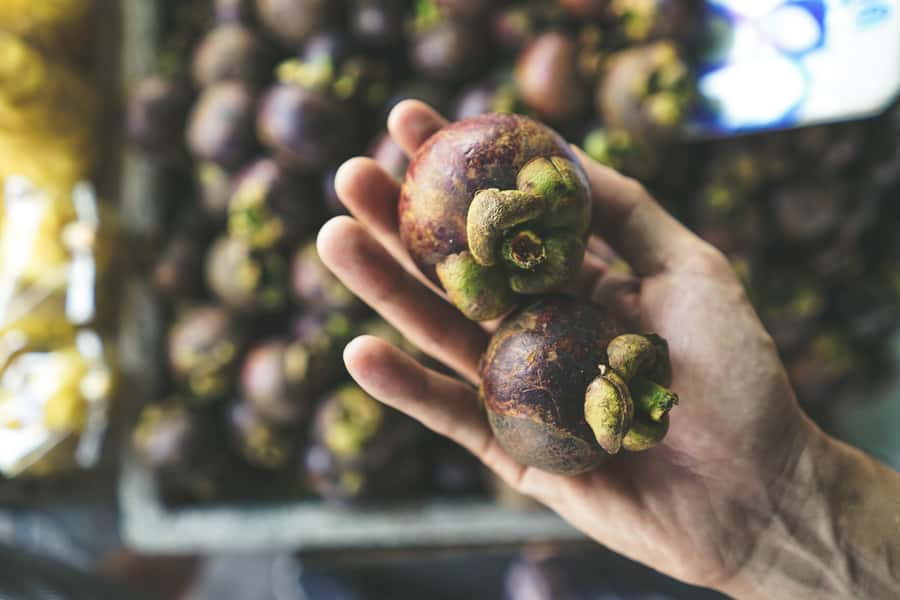
From there, you head into Talad Noi, a historic neighborhood for about 30 minutes. The tour emphasizes ethnic Chinese communities and local urban artwork, and that combination matters.
Talad Noi is the kind of place where you can feel how food, families, and business fit together. You’re not just looking at murals on a wall—you’re watching how the street supports daily life. Street art here tends to feel more “part of the block” than “placed for tourists,” even if you’re there on a guided route.
This is also a good moment to slow down mentally. After multiple tastings, you’ll probably want to take in the vibe: what people are buying, how the streets flow, and what kinds of signs and textures you keep seeing. The tour gives you that pause without turning it into a long lecture.
River City Ending: Riverside Views for Art Lovers
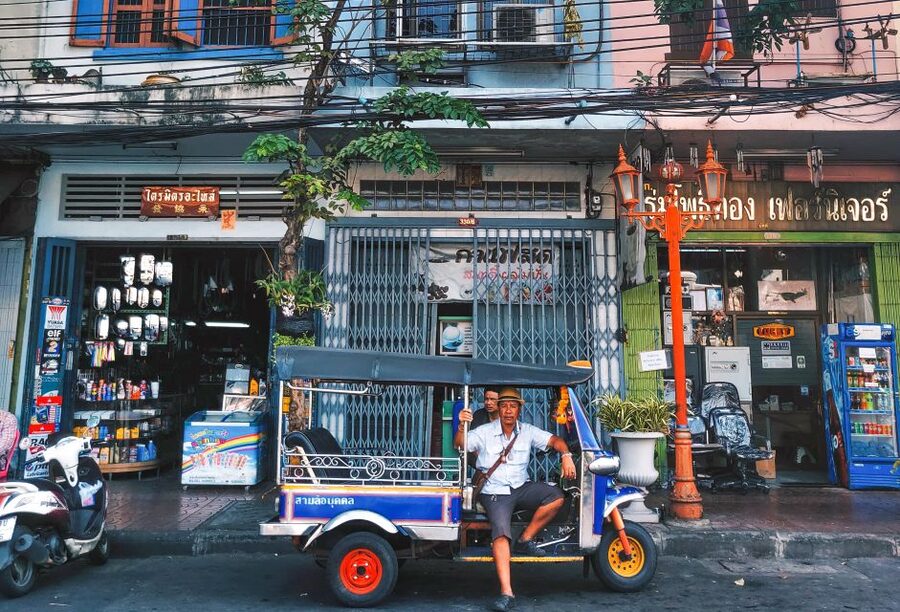
The tour ends in River City, a riverside shopping center known for art lovers. The description frames it as a photo-friendly finish with a cityscape view before you wrap up.
Even when a stop is short, I like ending at water. Bangkok heat can wear you down, and river views give you a clean visual reset. It also gives you an option after the tour: you can keep browsing art shops or just head out with a clearer sense of where you are in relation to the river.
One caution from an experience: in one case, the group walked past River City rather than going inside. So if you care about entry time, don’t assume you’ll spend much time indoors. Treat River City as a finish point and plan your post-tour fun nearby, just in case.
Food Tasting Reality Check: 9 Dishes, But Stay Flexible
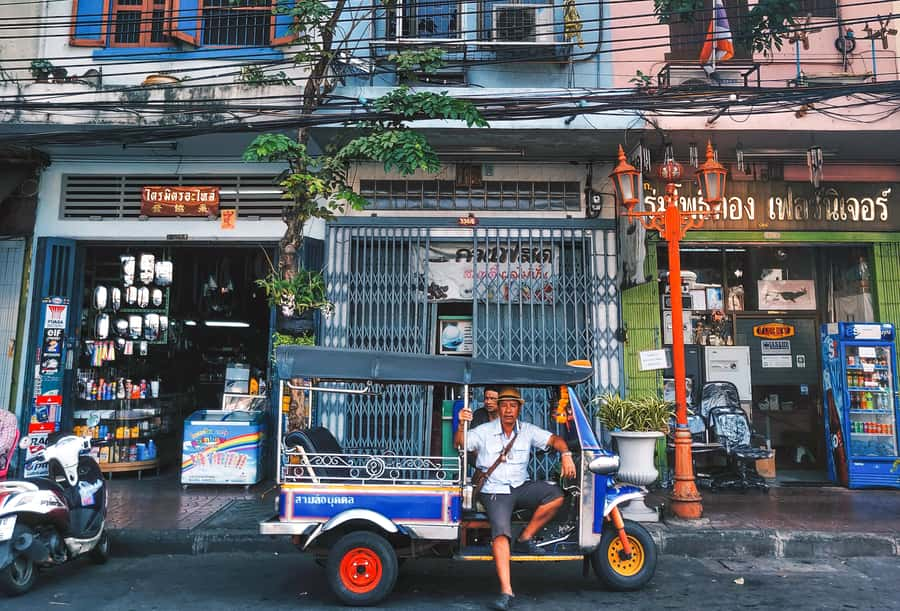
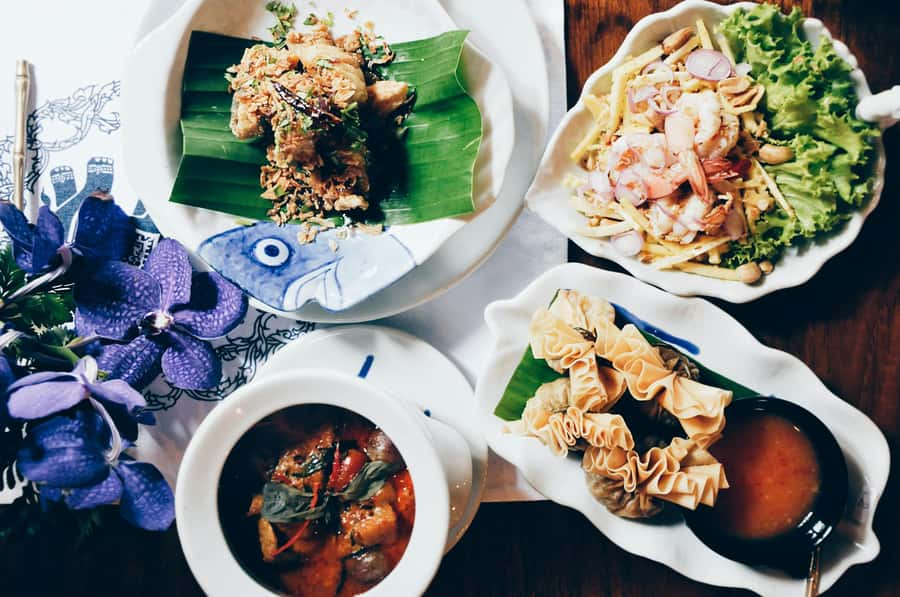
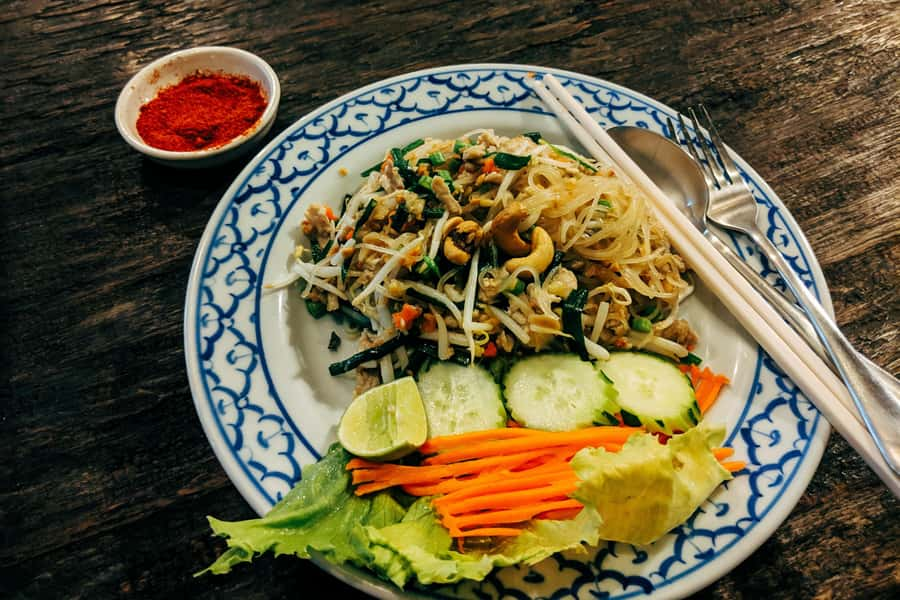
The tour advertises 9 dishes, and it typically includes items like roasted duck with rice, Thai milk tea, mataba, Thai BBQ snacks, fruit, papaya salad, and sticky rice. That’s a solid lineup. You’ll taste different textures and flavors, and it’s enough variety to feel like you experienced multiple styles of street food, not just one type.
That said, street-food routes can change for practical reasons. One review described fewer tastings than advertised and food stalls chosen on the fly. That’s not something you can fully control from your side, but you can protect your experience by going in with the right mindset.
My advice: expect snacks to vary slightly by day, but expect the overall food-and-art mix to stay the same. If your priority is eating exactly nine specific items, you’ll need flexibility. If your priority is learning how Bangkok street food and street art connect in real neighborhoods, you’ll likely enjoy the tour even if a dish changes.
Pacing, Hearing, and How to Get the Best From Your Guide
Most reviews praise the guide approach—friendly, helpful, and full of context. One review singled out a guide named MR Thai for sharing knowledge about history, politics, culture, and food. That kind of framing is gold because it helps you understand why certain neighborhoods look the way they do and why street food feels so tied to identity.
Still, pacing can affect your enjoyment. On one recent run, the tour was described as slower than expected, with frequent breaks and the guide walking ahead under an umbrella, making it harder to hear. The takeaway is simple: position yourself well. Don’t lag too far behind, and if you’re struggling to hear, adjust your spot so you’re closer to the group’s center.
Also, remember this is a walking tour. Plan for sun and short pauses. If you’re the type who needs every explanation to be audible to enjoy a tour, bring a little extra patience and give yourself permission to enjoy the visuals even when the narration is harder.
Price and Value: Where the $61 Fits (and Where It Might Feel Tight)
At $61 per person for 4 hours, the value depends on what you measure.
Here’s the value logic:
- You get an English-speaking guide.
- You get food tastings (9 dishes).
- You get insurance.
- You get a glass bottle of drinking water included.
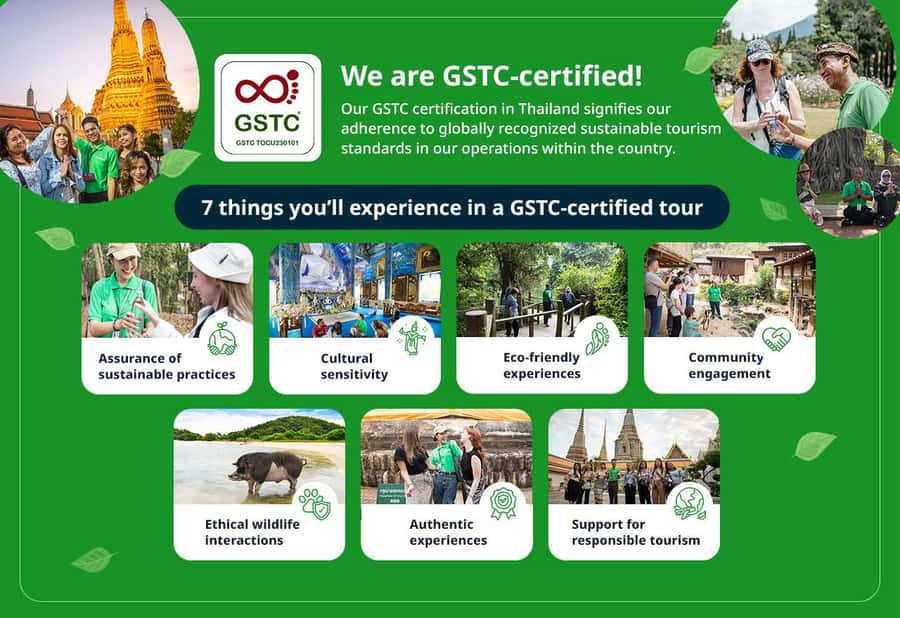
- You also get carbon emissions offset credits, and the tour is described as GSTC-certified.
For many visitors, paying for guidance in Bangkok is worth it because street food is messy to decode. A guide reduces the guesswork. A small group reduces the chaos. And the art walk isn’t just a “see murals” route—it’s paired with neighborhood context.
Where it can feel less fair is when the day doesn’t match the plan cleanly—like if fewer items are available or if the walk ends earlier. You can’t predict that perfectly, but you can decide whether the experience is worth it for you based on your flexibility level. If you’re easygoing and enjoy spontaneous street moments, the price will feel fair. If you have a tight schedule and want a very exact checklist, you may feel the squeeze.
Low-Impact Touches That Actually Matter
The tour includes environmental steps that are easy to miss in the middle of street life:
- Water in glass bottles
- Carbon emissions offset credits
- A responsible exploration approach noted as GSTC-certified
This matters because Bangkok is hot and can feel waste-heavy. Glass bottles are a small comfort, and the offsets show you’re not just consuming without thinking. It won’t fix the world in four hours, but it’s a better habit than ignoring the problem while you tour.
Who Should Book This Street Art and Street Food Walk?
This tour is a good match if you:
- Want street food guidance without meal planning
- Like seeing street art on foot through real neighborhoods
- Prefer a small group experience
- Enjoy learning context, especially when a guide connects food to culture and politics
You might skip it (or book with extra flexibility) if you:
- Need a strict, timed itinerary with zero variability
- Get frustrated by slow walking, frequent stops, or noisy narration
- Expect guaranteed entry time into River City
FAQ
How long is the Bangkok Street Art and Street Food walking tour?
It lasts about 4 hours.
Where do I meet the guide?
You meet at Saphan Taksin BTS station, Exit 1. The guide will hold a TripGuru sign.
How many food tastings are included?
The tour includes food tasting of 9 dishes.
Is the tour guide English-speaking?
Yes, the tour includes an English-speaking guide.
Is hotel pickup included?
No, hotel pickup and drop off are not included.
What’s included in the price besides the food?
In addition to food tastings, the tour includes a glass bottle of drinking water, insurance, and carbon emissions offset credits.
What should I bring?
Bring a camera, sunscreen, and cash.
Can I cancel for a refund?
Yes, there is free cancellation up to 24 hours in advance for a full refund.
Should You Book This Tour?
If you want a smart way to eat and walk through Bangkok’s street art areas, I’d book it—especially if you like guided food tastings and you’re curious about how neighborhoods shape what you see and eat. The biggest upside is the mix: roasted duck start, then a full route of Thai snacks plus mural time, then older neighborhoods and church architecture, ending with river views.
Just go in with the right mindset: Bangkok street life can shift, and a few past experiences suggest pacing and exact tastings can vary. If you’re flexible and you enjoy street-level exploration, this tour can be one of the most satisfying ways to spend a half-day in Bangkok.