REVIEW · ROME
Devour Rome Testaccio Market Food Tour
Book on Viator →Operated by Devour Italy Food Tours · Bookable on Viator
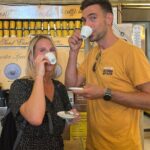
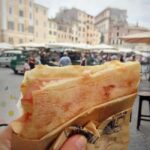
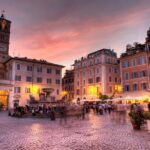
Freshly baked coffee in a local piazza.
This Devour Rome Testaccio Market Food Tour turns a working-class neighborhood into your personal food guide, with a small group (max 12), a relaxed pace, and enough bites to cover breakfast and lunch plus wine. I like how it starts in real neighborhood rhythm at Pasticceria Linari, then quickly gets you into the Testaccio Market where vendors and regulars run the show. I also like that the tour is guided in English and built around family-run spots, not chains.
The main thing to consider is simple: you’ll be eating a lot for about 3 hours 30 minutes, so go in hungry and plan your next meal around it. Also, it is not adaptable for celiac disease due to gluten cross-contamination, and it is not suitable for vegans.
In This Review
- Key points you’ll feel right away
- Why Testaccio feels like real Rome at breakfast time
- Starting at Pasticeria Linari for coffee and pastries
- Testaccio Market: the heart of the day’s eating
- The neighborhood story behind the slaughterhouse
- Lunch at a family-run trattoria with wine and real mealtimes
- The ancient pottery mound you’ll learn to spot
- Ending at Brivido Gelateria for a fresh-made finish
- What’s actually on the menu: 14 tastings, not just a couple samples
- Price and value: what you get for $95.58
- Who this tour suits best (and who should rethink it)
- Practical tips to get the most out of your morning
- Should you book the Devour Rome Testaccio Market Food Tour?
- FAQ
- What time does the tour start, and how long does it last?
- Where does the tour start and end?
- Is the tour offered in English?
- Is hotel pick-up or drop-off included?
- How big is the group?
- Can people with celiac disease join?
- Is this tour suitable for vegans?
Key points you’ll feel right away
- Testaccio Market time that feels practical, not photo-stop rushed
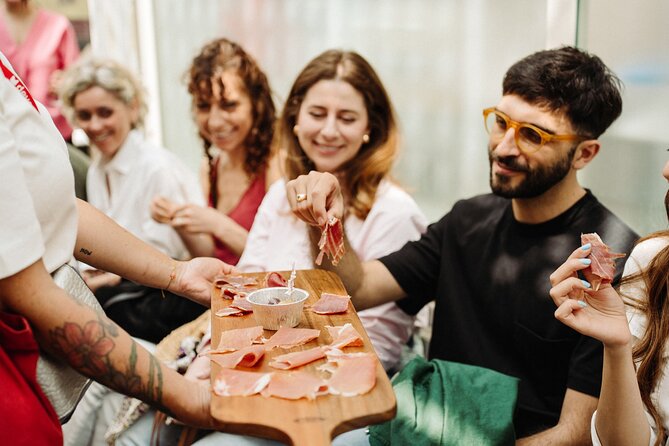
- 14 tastings across 8 family-run places, including wine with lunch
- Real neighborhood context, including the area’s industrial past
- Guides named in feedback like Mattio, Fernanda, Chiara, Aurelio, Silvia, and Manuela—with lots of story and a steady pace
- Finish with gelato at Brivido Gelateria, made on site every morning
Why Testaccio feels like real Rome at breakfast time
Testaccio is where Rome goes about its business. You won’t spend your morning dodging tourist crowds or playing guess-the-menu. Instead, you follow a local pattern: pastry first, then market browsing, then a sit-down lunch with wine, and finally gelato to keep the momentum going.
That structure matters. It means you’re not just collecting food samples—you’re learning what people actually buy, how they talk about it, and why the neighborhood keeps its own pace. And because the group is small, you get time to ask questions without the guide constantly trying to herd everyone along.
The tour also leans into the kind of Rome that doesn’t need a big monument to be interesting. The setting is a working neighborhood, so the food feels tied to daily life, not staged for visitors.
You can also read our reviews of more food & drink experiences in Rome

Starting at Pasticeria Linari for coffee and pastries
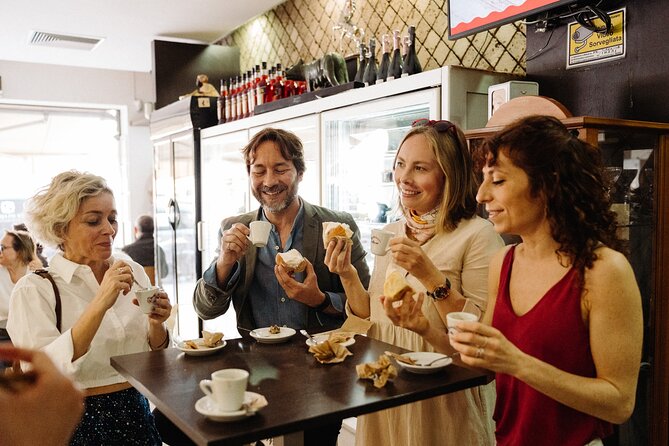
The tour begins at Piazza di S Maria Liberatrice (near public transport) at 10:30 am, meeting at Pasticceria Linari. This first stop is short—about 30 minutes—but it sets the tone. You start with coffee and pastries the way locals do: quick, warm, and readying you for a long stretch of tasting.
Pasticceria Linari being the meeting point is a smart move because it’s already part of the neighborhood. You’re not hunting for a restaurant that exists mainly for tours. You’re walking into a bakery that serves people who live nearby.
One practical tip: use this time to settle in and ask your guide what to watch for later at the market. It pays off when you see how the day’s eating connects to the area’s food culture.
Testaccio Market: the heart of the day’s eating
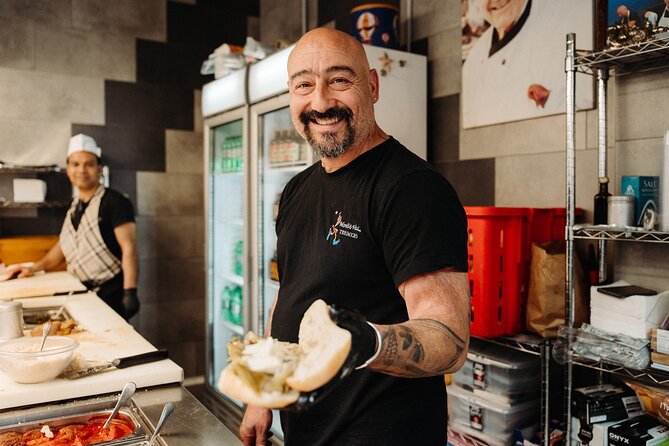
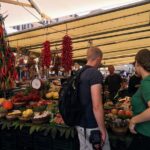
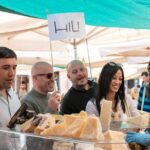
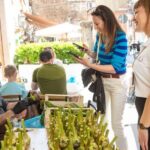
Next comes Testaccio Market, where you’ll spend about 1 hour 30 minutes exploring and sampling. This is the stop that shapes the entire tour. It’s where you meet passionate vendors, and you get a chance to see the rhythm of a real public market: fresh produce, counters full of cured meats and cheeses, and stalls built on repeat business.
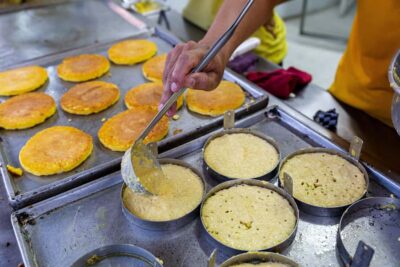
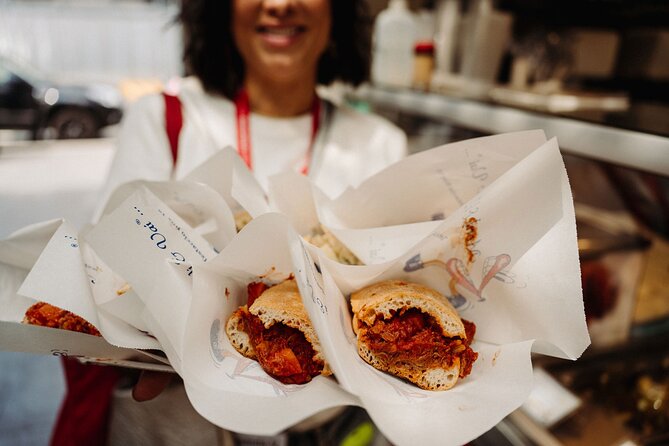
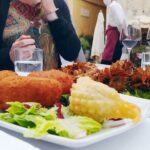
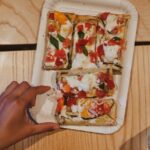
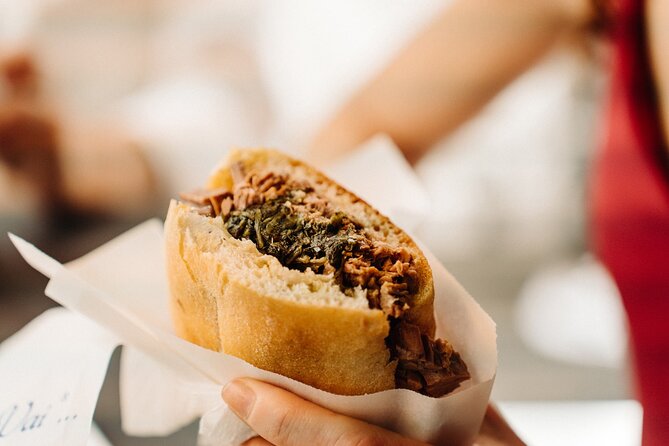
The food focus here is very Roman. You’ll try things like local pizza, farm-fresh vegetables, artisanal cheeses and cured meats. And you’ll also get a sandwich from a stall locals can’t stop talking about—the kind of detail that makes a food tour feel grounded instead of generic.
What to watch for: your guide’s explanations about what’s seasonal and what pairs well with the rest of the tastings. Market eating is about making choices fast. When you understand the logic, you end up enjoying the food more—not just tasting it.
A small-group tour also makes a difference at a market. With up to 12 people, there’s more breathing room to move, taste, and compare. You’re less likely to miss the best-looking stall while you’re still figuring out where to stand.
The neighborhood story behind the slaughterhouse
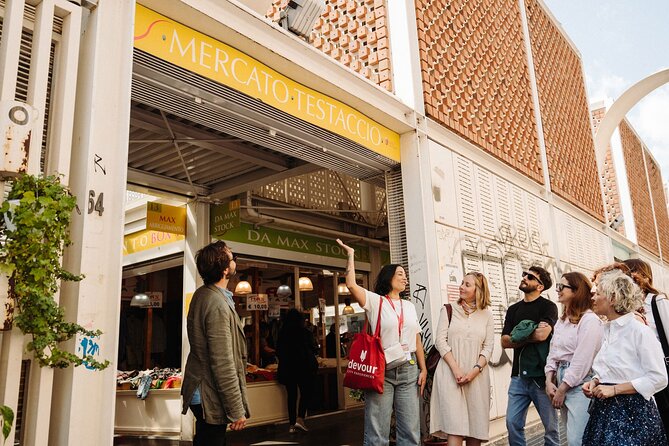
Between the main food stops, the guide points out landmarks as you walk—this is where Testaccio stops being only about food and becomes about place. One highlight built into the route is the 19th-century slaughterhouse site, which employed many Romans and helped shape the modern neighborhood.
Why does that matter for you as a visitor? Because it changes how you read the neighborhood. You start noticing the industrial backbone behind the everyday life. You also get a better understanding of why the market and food traditions fit so naturally here.
Rome can feel overly monumental if you only chase ancient ruins and big-name sights. This tour gives you something different: the working side of history. It’s still Roman history, just told through commerce, jobs, and daily consumption instead of just marble and emperors.
Lunch at a family-run trattoria with wine and real mealtimes
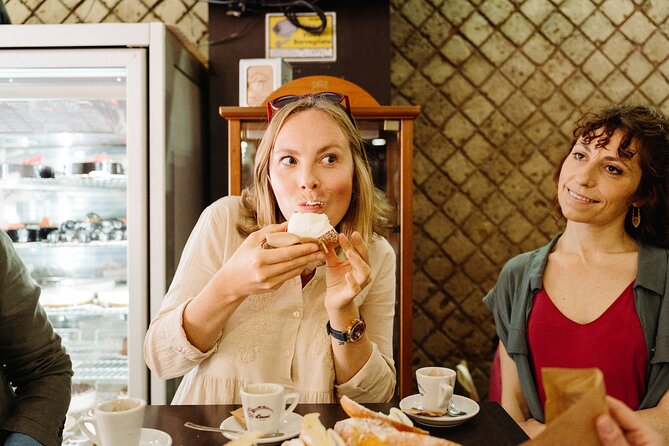
After the market, you head for lunch at a family-run trattoria. This is about 1 hour, and it’s the heavier meal on the menu.
The tour includes a pasta dish with local roots—paired with Italian red wine—and as you eat, your guide gives you a crash course in Italian mealtimes. That sounds abstract, but it’s useful. It helps you understand why lunch pacing is different from what you’re used to, why Italians take their order in a certain order, and how the day’s schedule affects what you’ll find open and ready.
Food included at lunch aligns with what you’d expect in Rome’s everyday tables. The sample menu notes pasta options like oxtail sauce, along with a glass of red wine. You’ll also see classics worked into the tasting plan, including panini with traditional Roman dishes.
And yes—you should be ready for the fact that you’re still eating more even after lunch. This tour is built around steady rounds of tastings, not one big meal that ends the story.
A few more Rome tours and experiences worth a look

The ancient pottery mound you’ll learn to spot
As you move between foodie stops, you’ll also be pointed toward an ancient Roman archaeological site. You’ll hear about the famous “mountain of broken pottery,” tied to the neighborhood’s commercial roots.
This is the kind of detail that makes walking tours worthwhile. The area isn’t only modern market life; it has a past that literally shows up in the ground. Learning what that pottery pile represents helps you connect the dots between trade, storage, and everyday food supply chains that supported the city.
It’s also a nice break from only focusing on eating. When your guide explains what you’re looking at, the walk becomes part of the experience. You end up paying attention to the city rather than just to the next stop.
Ending at Brivido Gelateria for a fresh-made finish
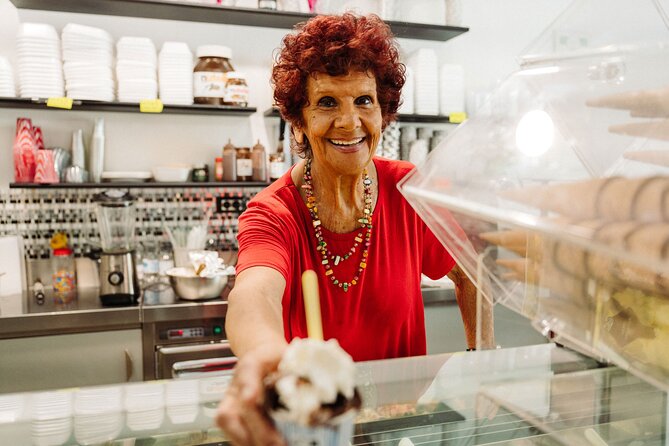
The last stop is Brivido Gelateria for gelato, with time set aside for about 15 minutes. This is a quick finish, but it’s placed perfectly. By the time you reach gelato, you’re satisfied, not stuffed. You also have the mental energy to enjoy flavors instead of just chasing sugar.
The gelateria is described as serving gelato made on site every morning. You’ll have a cup or cone and choose from the flavors available during your visit. The tour also includes espresso and maritozzo as part of the overall dessert plan, so you’ll likely get a sweet, coffee finish even before the gelato moment.
Gelato at the end is a practical choice too. It’s a small portion that helps you close the day without turning the tour into a full-day sugar crash.
What’s actually on the menu: 14 tastings, not just a couple samples
A big part of the value here is volume and variety. The tour includes 14 food tastings across 8 family-run establishments. That’s a lot of variety for a half-day outing, and it’s why you can treat this tour as your main meal plan for the day.
The sample menu includes a mix of Roman staples and classic Italian café treats, including:
- Pizza
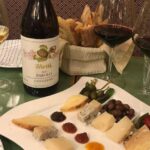
- Two types of prosciutto, plus ricotta, mozzarella, and pecorino (with 1 glass of wine)
- A panino with traditional Roman dishes
- Pasta with oxtail sauce, plus 1 glass of wine
- Espresso and maritozzo
- Coffee and pastries at the start
In other words, you’re not just tasting bread and a random bite of cheese. You’re getting multiple food types—savory, creamy, cured, pastry, pasta, and gelato—paired with wine at the points where it makes sense.
This also explains why the reviews are so consistent on one message: come hungry. When you expect a true breakfast-and-lunch set of tastings, the day feels satisfying instead of chaotic.
Price and value: what you get for $95.58
At $95.58 per person for about 3 hours 30 minutes, the cost only makes sense if you’re hungry and you want a guided food plan. If you’re planning to snack casually, you could probably do markets on your own. But if you want someone to steer you to the right stalls, explain what matters, and keep the pace flowing, the value gets much clearer.
Here’s the math that matters: 14 tastings plus wine, spread across multiple stops, with a small group and an English-speaking local guide. You’re paying for access and guidance as much as you’re paying for food. Market browsing is fun, but it’s faster when you know what to look for and which vendors are worth your time.
Also, this is not a huge bus-tour machine. The cap of 12 travelers means you get more attention at tastings and more chances to ask questions about food culture and neighborhood history.
Who this tour suits best (and who should rethink it)
This tour is built for people who want to eat like a Roman and learn as they go. It’s especially good if you’re staying in Rome for a short time and want one reliable way to get a high-quality taste of local food in a real neighborhood.
It also fits well if you like structure. The schedule moves from coffee and pastry to market sampling, then trattoria lunch with wine, then gelato. That order helps you avoid empty waiting time and keeps your energy steady.
Now the important limitations, based on the tour info:
- Celiac disease: not adaptable due to gluten cross-contamination risk.
- Vegan diets: not suitable for vegans.
- Serious food allergies: you’ll need an allergy waiver at the start, and you should contact the operator at booking if you have restrictions.
So if your needs are complicated, double-check first. This tour is designed around standard tasting experiences, not special menu swaps.
Practical tips to get the most out of your morning
This tour runs as a walking route, so plan on being on your feet for most of the 3.5 hours. Wear comfortable shoes and go in with an empty stomach, not a full stomach with a heavy breakfast.
Because the meeting point is Piazza di S Maria Liberatrice and the tour ends at Piazza Testaccio, think about your next plan after the tour. You’ll be in the Testaccio area when you finish, which is great if you want to keep exploring right away.
If you have dietary restrictions or allergies, don’t wait until you’re on site. The tour states that you should contact them at booking, and serious allergies require a waiver at the start.
Finally, bring your curiosity. The tour includes story and context about the neighborhood’s food scene and landmarks, like the industrial slaughterhouse past and that ancient pottery clue. If you engage with the guide’s explanations, the whole route becomes more memorable.
Should you book the Devour Rome Testaccio Market Food Tour?
I’d book this if you want an authentic-feeling Rome morning in a neighborhood that’s not built just for postcards. You’ll get a tight route, a small group, 14 tastings, and wine, with real context about how Testaccio became what it is today.
Skip it (or at least rethink) if you’re vegan, have celiac disease, or have serious allergies that require strict control beyond what this tasting-style tour can provide. And if you’re not a person who eats multiple rounds of food, the quantity may feel like too much.
If those limits don’t apply to you, this is a smart, high-value way to spend half a day: you leave with full belly confidence and a much better understanding of how food and neighborhood life connect in Rome.
FAQ
What time does the tour start, and how long does it last?
The tour starts at 10:30 am and lasts about 3 hours 30 minutes.
Where does the tour start and end?
It starts at Piazza di S Maria Liberatrice, 00153 Roma RM, Italy and ends at Piazza Testaccio, 00153 Roma RM, Italy.
Is the tour offered in English?
Yes, the tour is offered in English.
Is hotel pick-up or drop-off included?
No, hotel pick-up/drop-off is not included.
How big is the group?
The tour has a maximum of 12 travelers, and it runs as a small-group walking tour.
Can people with celiac disease join?
No. The tour is not adaptable for those with celiac disease due to the risk of gluten cross-contamination.
Is this tour suitable for vegans?
No. The tour is not suitable for vegans. If you have dietary restrictions or allergies, contact the operator at booking, and serious food allergies require a waiver at the start.