REVIEW · MADRID
Madrid: Paella & Sangria Classes- Seafood, Chicken & Vegan option
Book on Viator →Operated by The king of Paella · Bookable on Viator
Want paella and sangria skills in one night? This hands-on Madrid class walks you through making sangria and paella from start to finish, with lunch included. One heads-up: the evening includes alcohol tastings and shots, so if you skip drinking, plan accordingly.
I like that you don’t just watch. You chop, cook, taste, and eat in a real meal rhythm. And you get recipes so you can recreate it later, even if your first try looks more like rice soup than paella.
This is also a great value for a 3-hour food lesson with ingredients handled for you. It’s not a museum lecture. It’s a working kitchen experience with a social table, taught in English, for groups up to 25.
In This Review
- Key things that make this class worth your time
- Madrid Paella and Sangria: a hands-on meal lesson
- First step: traditional sangria from scratch
- Tapas stop: tortilla de patatas and ham toast with tomato
- Paella cooking in the kitchen: seafood, chicken, or vegan
- Lunch time in an air-conditioned dining room
- The sangria finish: shots and a three-liquor tasting
- English instruction, group size, and who you might cook with
- Price and value: why $87.41 can work out well
- Logistics that actually matter: meeting point and timing
- Tips so your paella turns out better than your first attempt
- Should you book this Madrid paella and sangria class?
- FAQ
- What dishes are included in the class?
- Are seafood and chicken paella the only options?
- Do I get recipes to recreate the food at home?
- How long does the experience last, and how large is the group?
- Is alcohol included in the price?
- Can they accommodate allergies or intolerances?
Key things that make this class worth your time
- You cook the main dishes, not just watch them: sangria and paella are hands-on from early steps to the final plate.
- Ingredients are provided so you arrive ready, not worried about shopping lists.
- Multiple paella choices: seafood, chicken, and a vegan option if you need it.
- A full meal plan: tapas starters, paella lunch, and dessert with coffee or herbal tea.
- Alcohol is built into the experience: sangria plus end-of-meal Spanish shots and a three-liquor tasting.
- Recipes are included so you’re not stuck with memory and a blurry photo.
Madrid Paella and Sangria: a hands-on meal lesson
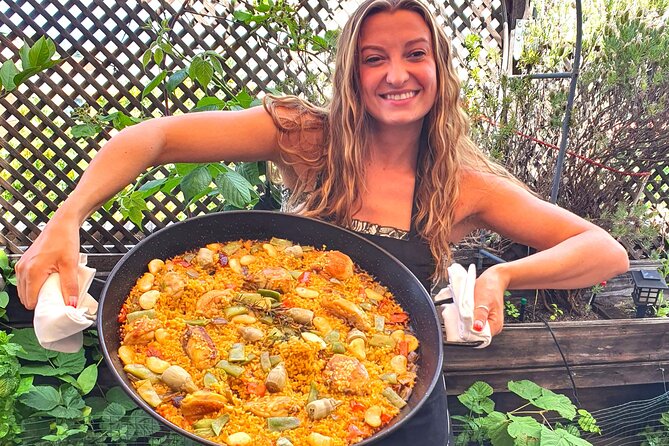
This is one of those Madrid activities that works even if your Spanish is limited. You’ll learn the flow of a Spanish meal, starting with sangria and working toward paella, with plenty of time to participate.
You’ll also get the real-life version of cooking techniques: timing, chopping, stirring, and knowing when to stop. The payoff is that you eat what you helped make in an air-conditioned dining room, which matters in Madrid when the temperature is doing its own thing.
A few more Madrid tours and experiences worth a look



First step: traditional sangria from scratch
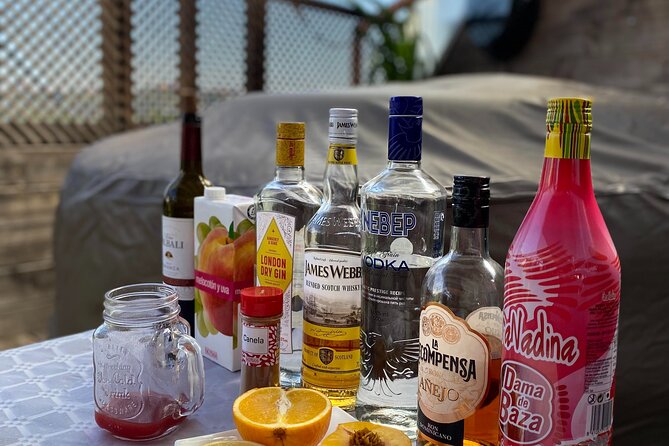
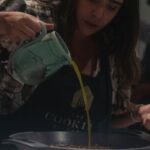
Sangria usually sounds simple until you make it. Here, you start by preparing it the traditional way, so you understand how the flavors are built.
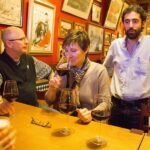
Your sangria includes wine, peach juice, and a mix of spirits (rum, whiskey, gin, vodka) plus grenadine syrup, cinnamon, fruit, and ice. It’s sweet, spiced, and designed to be drinkable. Even if you’re not a big cocktail person, this is a friendly introduction to Spanish bar culture.
Practical tip: keep a steady pace. The class later includes more alcohol in the form of shots and liquor tastings. If you want to remember how your paella tastes, slow down early.
Tapas stop: tortilla de patatas and ham toast with tomato
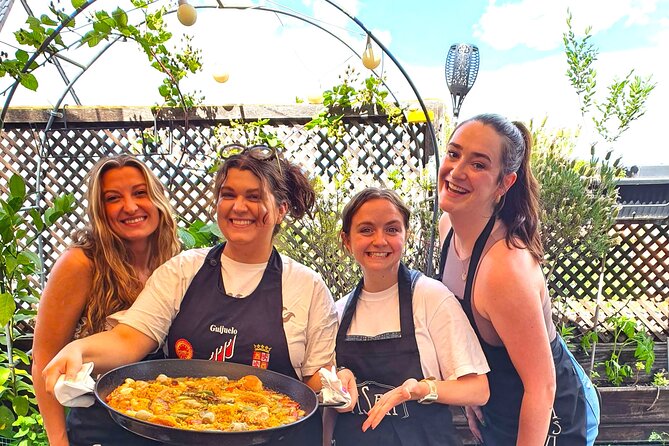
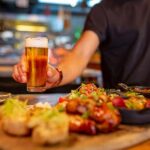
Before the big pan, you taste two starters that set you up for paella-thinking. You’ll sample tortilla de patatas (Spanish potato omelette) and a bruschetta-style ham and tomato toast.
Tortilla here is the classic combo of potatoes, eggs, onion, and olive oil. Ham toast leans into pantumaca-style flavors, meaning tomato gets turned into a simple, savory base that lets the ham shine.
This tapas portion is smart for two reasons:
1) it gives you a break from cooking while you learn what you’ll be aiming for in flavor balance, and
2) it primes your palate so your paella doesn’t taste like the first meal you’ve had all day.
Paella cooking in the kitchen: seafood, chicken, or vegan
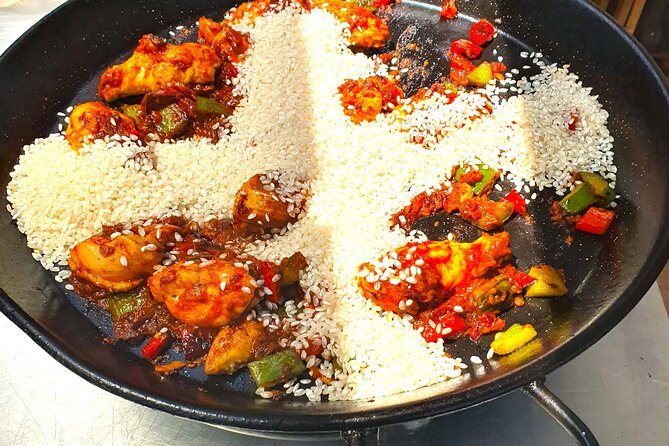
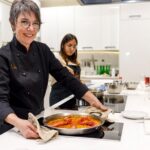
Paella is where the class becomes a true skill lesson. You’ll move from chopping and prepping to cooking, and you’ll finish by sitting down to enjoy the signature dish you helped make.
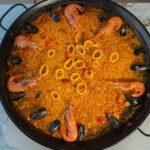
Your main paella option is seafood or chicken, and there’s also a vegan choice available. The seafood ingredient list includes rice, fish fumet, mussels, clams, squid, peppers, garlic, tomato, and saffron. Expect the instructor to keep the steps clear so you don’t feel lost.
A quick reality check: paella texture is personal. One person noted their rice came out more al dente than expected, and another mentioned seafood not cooking quite how they prefer. That doesn’t mean the class is wrong, but it does mean your expectations matter. If you like very soft rice, ask questions about doneness during the cooking time.
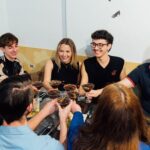
Also, everyone works together. Several people loved that the pace is group-based, not each person doing a totally separate tiny pot. It’s social cooking, and it helps you learn the method rather than just the motion.
Lunch time in an air-conditioned dining room
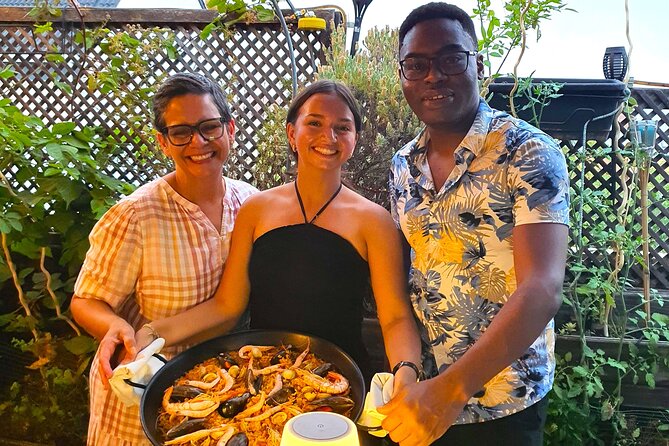
Once the paella is ready, the class shifts from kitchen mode to dining mode. You’ll sit in an air-conditioned dining room and enjoy the paella as a shared meal.
This is more than a comfort perk. Air-conditioning changes the experience. When you’re not fighting heat, you cook better, you taste more accurately, and you actually enjoy the process instead of clock-watching.
After lunch, you’ll have coffee or herbal tea. It’s a simple finish that makes the meal feel complete without dragging on.
A few more Madrid tours and experiences worth a look


The sangria finish: shots and a three-liquor tasting
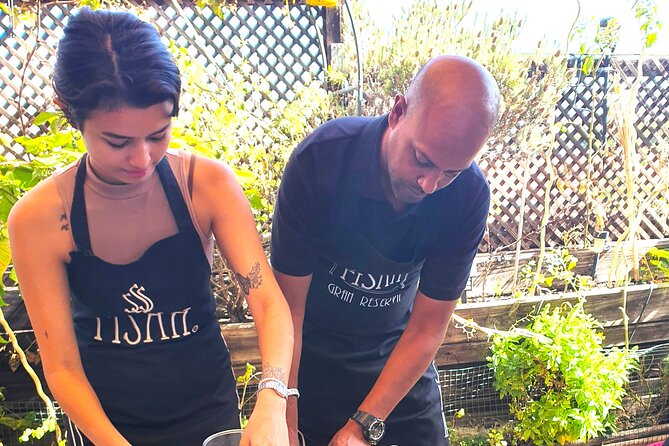
Alcohol is not a side detail here. It’s part of the structure, and it shows up after the meal.
You’ll get sangria, then traditional Spanish shots, and you’ll also do a tasting of three national liquors. If you’re a light drinker, you can still enjoy the flavors, but you’ll want to sip rather than sprint.
There’s also a practical warning from experience: sangria and end-of-meal pours can add up fast. People have described it as plentiful, and the vibe turns celebratory. If you’re planning to walk around Madrid afterward, consider taking it easy and bringing water into the plan.
English instruction, group size, and who you might cook with
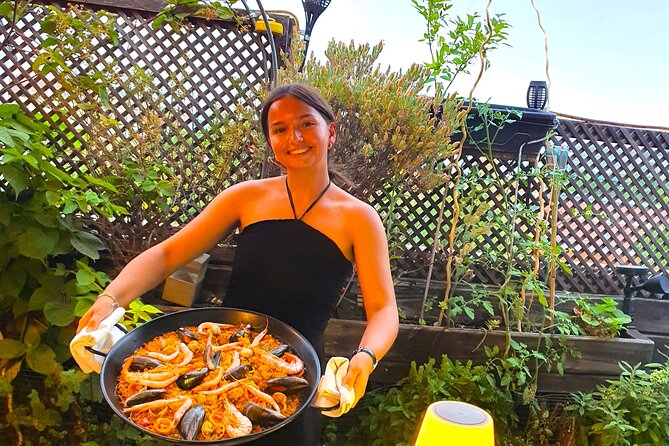
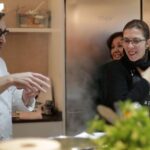
The class is offered in English, which is a major plus if you want food knowledge without translation headaches. Group size is capped at 25, and several people reported comfortable class sizes around the mid-teens.
This matters because the best part of the experience is participation. When the group isn’t too large, you actually get hands on time instead of being stuck to the edges.
You may be taught by instructors with names that have come up repeatedly in past groups, such as Pedro and Tony, with team members including Yireles, Anthony, Carlos, Juan, Paulo, and Aurora. The common thread is that they keep things lively and explain what you’re doing, not just that you should do it.
Price and value: why $87.41 can work out well
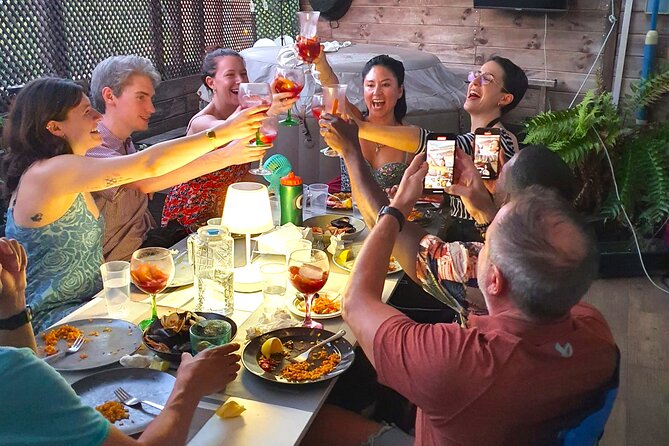
At $87.41 per person for about 3 hours, this isn’t the cheapest bite in Madrid. But it’s also not paying mainly for entertainment. You’re paying for:
- ingredients for sangria and paella
- multiple courses of food (sangria plus tapas, paella lunch, and dessert tea/coffee)
- alcoholic beverages included (sangria plus shots and a three-liquor tasting)
- English instruction and a cooking workflow you can repeat later
- recipes provided so you’re not guessing at home
So the value depends on what you want. If your goal is a quick snack and you hate alcohol, you might feel the price doesn’t match your preferences. If you want a proper “learn and eat” experience with everything handled for you, the math starts to make sense.
Also, this is booked about 21 days in advance on average. That’s a signal that people plan it as a dependable evening plan rather than a last-minute gamble.
Logistics that actually matter: meeting point and timing
The meeting point is at Paurora Experiences, C. de Carretas, 14, 2a, Centro, 28012 Madrid. The activity ends back at the meeting point, which makes it easier to plan the rest of your evening.
It’s near public transportation, so you won’t need a complicated plan just to get there. If you want pickup, private transportation is not included, but pickup is possible for an extra 50€ up to a maximum of 4 people. For larger groups, prices vary, so you’d want to check directly.
Timing-wise, it’s about 3 hours. Build in buffer time before and after, especially if you’re pairing it with a theater show or a late dinner plan.
Tips so your paella turns out better than your first attempt
Here are a few practical things that help you get the most from this class.
1) Pay attention to paella rice timing.
If you’re the type who likes very soft rice, don’t assume Spanish paella will match your home default. Ask about doneness and when to stop cooking.
2) Chop carefully and don’t overthink it.
You’ll be doing real prep work, so focus on consistent pieces rather than speed.
3) Taste along the way.
Sangria flavors and tapas saltiness will steer what you think paella should taste like. Use that as feedback, not just as food.
4) Plan for alcohol.
Sangria, shots, and liquor tasting mean you may feel it later. If you’re pairing this with walking, consider pacing and water.
5) Ask for the recipe details at the end.
You’ll be given recipes to recreate the dishes. Still, if anything feels confusing during cooking, ask while your hands are still working. That’s when instructors can correct you fast.
6) If you have dietary needs, say so early.
The class notes that if you have allergies or intolerances, you should let them know in advance so they can adjust. Vegetarian accommodations have worked well for people in the past, but the key is giving the info ahead of time.
Should you book this Madrid paella and sangria class?
Book it if you want a structured, social, hands-on food experience in Madrid. You’ll learn sangria and paella from start to finish, eat a full meal, and leave with recipes. The instructors are active and the format is interactive, so it’s a good choice if you’re traveling solo or with family and want something more meaningful than another dinner.
Skip it or think twice if alcohol is a hard no for you. This class includes sangria and ends with shots and a three-liquor tasting, so your enjoyment will depend on whether you’re comfortable with that.
Also keep your expectations grounded about paella texture. Rice doneness can land more al dente than you might prefer, and seafood doneness depends on how you like it.
If you’re excited to cook, eat well, and go home with a recipe you can actually use, this is the kind of night you’ll be happy you booked.
FAQ
What dishes are included in the class?
You’ll make traditional sangria, taste tapas like Spanish omelette and ham with tomato toast, and cook paella as the main course. Coffee or herbal tea is included for dessert, plus bottled water.
Are seafood and chicken paella the only options?
No. The experience offers paella choices including seafood and chicken, and it also has a vegan option. If you have dietary restrictions, you should let the team know in advance.
Do I get recipes to recreate the food at home?
Yes. Recipes are provided so you can recreate the paella and sangria after your trip.
How long does the experience last, and how large is the group?
It runs about 3 hours and has a maximum group size of 25 people. The activity is offered in English.
Is alcohol included in the price?
Yes. Alcoholic beverages are included, including sangria, plus traditional Spanish shots and a tasting of three national liquors.
Can they accommodate allergies or intolerances?
They ask you to notify them in advance if you have allergies or intolerances, so they can adjust the food accordingly.