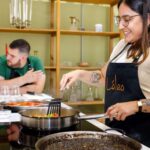
Vermouth on tap in Madrid sounds right. This private 2.5-hour walk through Chueca pairs vermouth and Spanish wine with classic tavern food, led by Jimena, a certified wine expert. You’re tasting, learning the logic behind pairings, and getting the kind of local context that makes the neighborhood feel personal fast.
I especially like the smart structure: three taverns with short walks, so the evening stays easy and focused. I also like the human touch Jimena brings, including generous pours and adjusting the food to your tastes when possible.
One consideration: at $245 per person, this is a wine-and-tapas experience where the alcohol is part of the point. If you want a mostly-food night or you’re not into tasting wines/vermouth, you’ll want to think twice.
In This Review
- Key highlights to look for
- Why this Chueca wine-and-tapas format makes sense
- Stop 1: Vermouth on tap in a classic Madrid tavern
- Stop 2: Modern vermouth cocktail style with Gordal olives
- Stop 3: Cava and still wines, plus label-reading tips
- What you eat: tapas that match the drinks (and sample dishes you may get)
- The guide factor: why Jimena’s sommelier-led approach matters
- Price and value: what $245 buys you in Madrid
- Practical logistics you’ll care about on the night
- Who should book this, and who might pass
- Should you book this Chueca wine and tapas tour?
- FAQ
- Where does the tour start?
- How long is the tour?
- Is this a private tour?
- What’s included in the tasting?
- Does the tour run in English?
- Is tips for the guide included in the price?
- Is free cancellation available?
Key highlights to look for
- Plaza de Chueca starting point: central, easy to reach, and a fun neighborhood to explore on foot
- Two styles of vermouth: traditional vermouth on tap, plus a modern cocktail-style version
- Cava plus Spanish still wines: your flight includes Spanish sparkling and then white/red wine choices
- Wine-tasting skills you can use at home: tasting stages, how to read labels, and aging basics
- Five tapas built for pairing: the food isn’t random, it’s matched to what you’re drinking
Why this Chueca wine-and-tapas format makes sense
Madrid can be noisy, busy, and full of menus. This tour avoids the chaos by giving you a clear path: meet at Plaza de Chueca, then walk to three taverns with very short distances between stops. That matters, because you spend less time figuring out logistics and more time actually tasting and learning.
The other smart move is pairing. You’re not just drinking for the sake of drinking. You’ll hear how vermouth and wines are made, how tasting works (the stages of a wine tasting), and what to look for before you buy anything later. If you’ve ever tasted wine and thought, I liked it but I can’t explain why, this is built for that exact problem.
And because it’s private, Jimena can tailor the pace. In the feedback for this tour, people consistently highlight that Jimena listens and adjusts when food preferences come up. That’s not a small detail. It turns a standard tasting into something that feels more like a guided night out than a rushed checklist.
You can also read our reviews of more private tours in Madrid

Stop 1: Vermouth on tap in a classic Madrid tavern
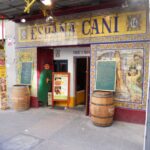
The evening starts with a traditional vermouth tasting at the first historic tavern. You’re looking at a style of vermouth that fits Madrid’s long relationship with this aperitif, and you’ll learn what vermouth is and how it’s made. You’ll also get a guide to the different kinds of vermouth, which helps you understand why one pour can taste lighter and herbal while another feels richer and spiced.
Then there’s the practical part: the vermouth here is poured on tap. That small format detail changes the experience. Instead of opening a bottle and treating it like a one-off drink, this is served like something the bar expects you to order—part of local routine.
For the pairing, you’ll have tapas matched to what you’re tasting. Vermouth typically loves salty, savory food, and that’s exactly where Madrid tavern culture shines. If you’re new to vermouth, this is a strong first step because it teaches the baseline before the tour moves on to more modern styles.
What to pay attention to: how the vermouth’s flavor comes through alongside the first bites. This is where you start learning the “why” behind pairing, not just the “what.”
Stop 2: Modern vermouth cocktail style with Gordal olives
Next up is the second tavern, and the tour changes gears. This is modern vermouth in the way Spain has been leaning lately—served like a cocktail rather than only a straight pour. You’ll still be in vermouth country, but the experience feels more mixed, more current, and more social.
A standout detail here is the Gordal olives. Gordal are from Andalusia and are known as big, meaty olives. They’re also the kind of ingredient that makes a pairing feel deliberate. They add texture and salt, which helps cut through sweetness or herbal bitterness depending on the vermouth style.
You’ll also hear about bottled vermouths and what different wineries are making in Spain today. That lesson is useful because it turns your tasting into a shopping skill. After a stop like this, you’re more likely to know what kind of vermouth you actually want at home—rather than just picking based on label graphics.
Possible drawback here: if you’re expecting only classic, old-school vermouth, the modern cocktail presentation may feel like a different category. The flip side is that it’s the easiest way to understand how vermouth trends in Spain have evolved.
Stop 3: Cava and still wines, plus label-reading tips
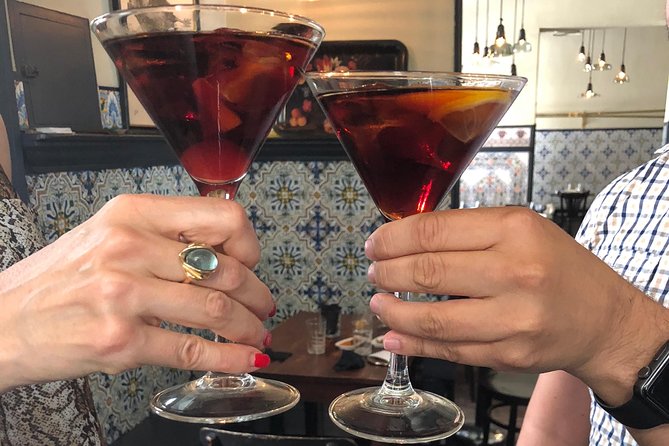
The third tavern is where the wine flight comes in. You start with Cava, a Spanish sparkling wine made using the traditional method. From there you’ll taste still wines—a white and a red choice, or two red wines, depending on the selection.
This part of the tour is more than “try three wines.” You’ll learn practical wine-tasting ideas: how to taste, what stages to follow, and how to interpret what you see on labels. You’ll also get explanation about wineries behind what you’re drinking and the characteristics of the Designations of Origin, plus the terroir where the grapes grow.
If you’ve ever found Spanish wine confusing because there are so many regions, this is where the fog clears. By connecting each wine to where it comes from and how it’s made, you stop tasting as a guessing game. You start tasting as a pattern.
What I like about this wine lesson: it’s not abstract. The “how to taste” teaching is timed to your pours, so the learning lands while the flavors are still in your mind.
What you eat: tapas that match the drinks (and sample dishes you may get)
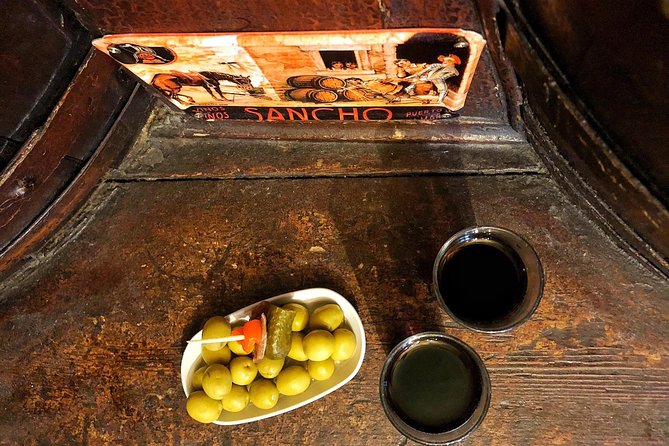
A tapas tour can fall into one of two traps: either the food feels like side snacks, or you’re eating so much that the pairing lesson gets drowned out. This one is built around five tapas matched to what you drink, so you get enough food to make the flavors meaningful without turning the night into a food marathon.
Based on the menu examples, you may run into:
- Spanish croquettes as a starter
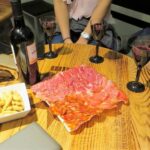
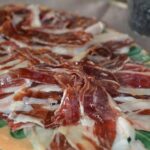
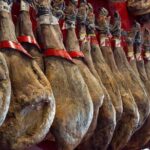
- Acorn-fed Iberian ham (the classic salty-sweet meat that works well with many aperitifs)
- A cheese board, including cured Manchego, plus sheep cheese with truffles and goat cheeses
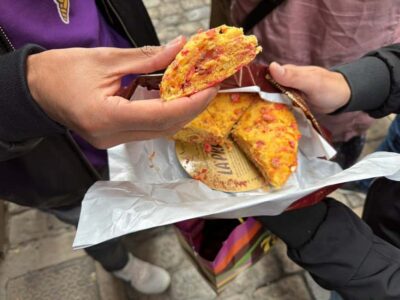
- Spanish tortilla with toppings like grilled prawns, boquerones (sardines), and red peppers
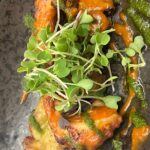
- Fried calamari, grilled octopus, and bravas potatoes
Even if the exact order varies, the selection is telling. It mixes pork, cheese, seafood, and fried bites—so you taste across textures: creamy, salty, briny, crispy, and tender. That variety helps you notice what each wine or vermouth is doing in your mouth.
One detail that stands out from the feedback about the guide: Jimena has adjusted food choices based on preferences. One example shared is swapping toward a tortilla-style option rather than bravas when that fit what someone wanted. That’s great for you because it means the tour is not stuck on a single rigid menu that ignores real tastes.
You can also read our reviews of more wine tours in Madrid



The guide factor: why Jimena’s sommelier-led approach matters
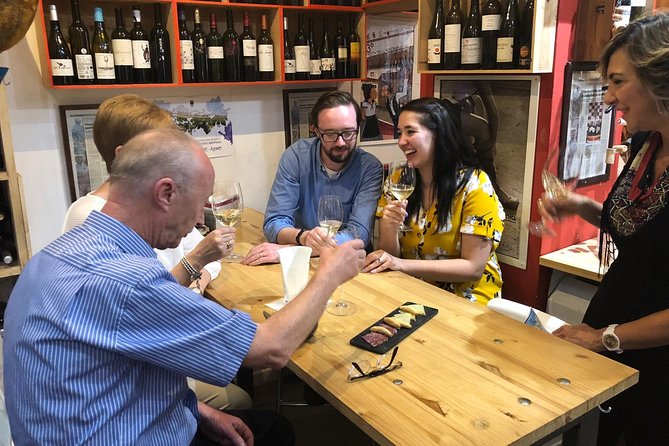
You’re guided by Jimena, a passionate and certified wine expert. What makes the experience work isn’t just credentials. It’s her ability to translate wine into something you can actually use.
From the information provided, you’ll cover:
- key facts about Spanish wine regions and Spanish wines
- stories behind each wine and vermouth
- food and wine pairing principles
- wine tasting techniques and the stages of tasting
- tips for reading labels and understanding aging
So when you leave, you’re not only thinking, That was good. You’re thinking in categories: style, grape behavior, region cues, and what changes when a wine is aged.
The feedback also points to another practical strength: local connections. People note Jimena’s relationship with the places visited, which often means you’re not just getting a generic tasting room experience. You’re seeing taverns like locals actually use, and you get history and context that make the stops feel anchored in Madrid.
And yes, this tour is still fun. The best kind of wine education doesn’t feel like homework.
Price and value: what $245 buys you in Madrid
At $245 per person, this isn’t the cheapest way to taste wine in Madrid. But it’s also not a random “two glasses and a walk” deal.
Here’s what you’re paying for, based on what’s included:
- A private walking tour format with a certified expert
- Tastings that include vermouth and a flight of Spanish wines with Cava and still options
- Five tapas paired for the pours
- Explanation of wine tasting stages, labeling, and aging system basics
- Stories tied to the wineries and regions you’re drinking
The real value question is: do you want guidance, or do you just want alcohol and snacks? If you’re the type who cares about ordering better bottles later—especially in Spain—this kind of lesson can pay off fast. You’ll likely spend less time guessing in shops and more time buying with intent.
Also, private format can matter if you’re traveling as a couple or small group. Even if the per-person price feels high, sharing it with fewer people than a large-group tour can make the experience feel more personal and less rushed.
Practical logistics you’ll care about on the night
This is a 2 hours 30 minutes experience and the route has very short walking distances. That’s important in Madrid, where walking between neighborhoods can add up fast.
You meet at Plaza de Chueca and the tour ends back at the meeting point. It also runs in English, and you’ll receive a mobile ticket. It’s near public transportation, so you can plan dinner before or after without needing a complicated schedule.
One more practical note: most people can participate. Still, it is a tasting tour, so you should plan accordingly if you’re sensitive to alcohol or expect to do lots of heavy drinking.
Who should book this, and who might pass
This tour fits you best if you want:
- a Madrid food-and-wine evening focused on Spanish flavors
- a route that stays in central, walkable Chueca
- vermouth education plus wine education that connects to real buying choices
- a guide who listens and adjusts, instead of sticking to a rigid script
You might consider passing if:
- you’re not interested in tasting multiple wines/vermouths
- you want a purely food-focused experience with minimal alcohol
- you’re hoping for a long museum-style stop list rather than three tavern-centered tastings
Should you book this Chueca wine and tapas tour?
I’d book it if you like the idea of learning while you taste—especially if vermouth is new to you or if you want to understand Spanish wine labels and aging in a way you’ll remember. The mix of vermouth (classic and modern) plus Cava and still wines, paired with five tapas, makes the evening feel intentional rather than random.
The main reason not to book is simple: it’s priced as a private expert-led tasting. If your goal is mainly cheap food, you’ll find easier options. But if your goal is a guided, wine-first night in a central Madrid neighborhood, this one is built for that.
FAQ
Where does the tour start?
The tour starts at Plaza de Chueca (Pl. de Chueca, Centro, 28004 Madrid, Spain).
How long is the tour?
It lasts about 2 hours 30 minutes.
Is this a private tour?
Yes. Only your group participates.
What’s included in the tasting?
The tour includes tastings at three taverns, including vermouth and wine (including Cava) and five tapas paired with the drinks.
Does the tour run in English?
Yes, it’s offered in English.
Is tips for the guide included in the price?
No, tips are not included.
Is free cancellation available?
Yes, free cancellation is available up to 24 hours in advance for a full refund.