REVIEW · MADRID
Old Madrid Tapas and Fine Wine Small Group Tour
Book on Viator →Operated by Walks of Spain · Bookable on Viator
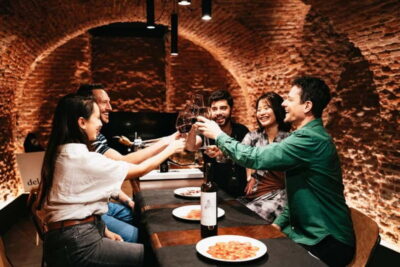
Old Madrid tastes different than the glossy tourist stuff. This is a focused La Latina night of vermut, cod fritters, and standout wines, guided by a Spanish wine-tasting–certified pro (often Andrés/Andre). I like that the group stays small (up to 8), which means you get real attention and more time in the bars you actually want to return to. One consideration: the walking is on narrow cobblestones, so it’s not a great fit if you have mobility limits.
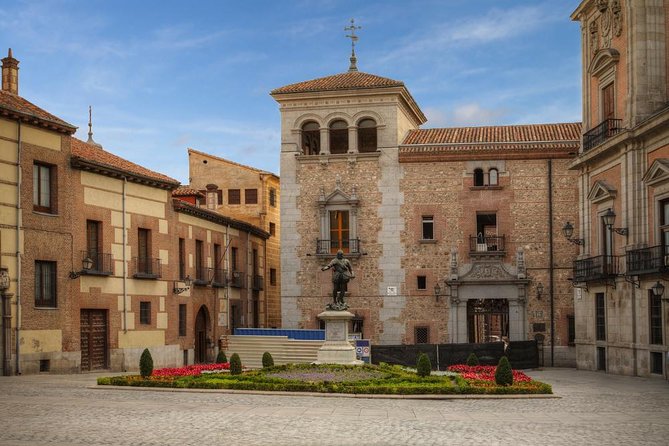
You start at Plaza de la Villa and move bar to bar for about 3–4 hours. It’s in English, with a mobile ticket, and there’s no hotel pickup. I also like the way the stops are built around pairing: each bite is meant to meet the glass, not just fill you up.
If you love wine culture in Madrid more than beer-and-banter drinking, you’re in the right place. The downside for some people is that the night is wine-forward, so if you don’t drink wine at all, plan to ask for swaps early (the guide has offered alternatives like beer in the past).
In This Review
- Key things that make this La Latina wine-and-tapas tour worth your time
- Why La Latina is the perfect neighborhood for wine and tapas
- The guide: certified wine focus, plus that great host energy
- Stop-by-stop: what you’ll actually taste in Old Madrid
- First bar: La Latina vermut on tap + verdial olives
- Second bar: a 19th-century style wine moment + cod fritters
- Third bar: Albariño 2022 winner + tostas
- Fourth “deeper Old Madrid” sit-down moment: Michelin-star ibérico tenderloin
- Fifth bar: reds from the guide’s cellar (Matas Altas / Platón)
- Final stop: Pedro Ximénez dessert wine + magic with ice cream
- Price and value: what $101.63 buys you in practice
- Pace, walking, and comfort on Old Madrid cobblestones
- Who this tour fits best (and who might want a different plan)
- Should you book Old Madrid Tapas and Fine Wine?
- FAQ
- How long is the Old Madrid tapas and wine tour?
- What’s the group size?
- Is the tour in English?
- Where do we meet, and is hotel pickup included?
- Who can participate, and is it suitable for mobility issues?
- What’s included in the price?
Key things that make this La Latina wine-and-tapas tour worth your time
- A small group of up to 8 keeps the vibe personal and lets the guide tailor questions and pacing to the crowd
- La Latina’s oldest-street feel, including clues to a 12th-century wall, gives context for every bar stop
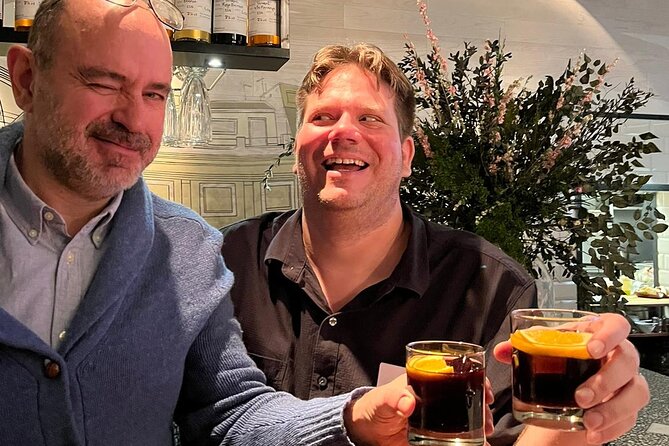
- Vermut on tap + verdial olives kicks things off with a classic Madrid ritual
- A 19th-century style wine tasting stop, paired with cod fritters (and yes, it’s as good as it sounds)
- Albariño 2022 (International Wine Challenge winner) with tostas, so you taste beyond the usual red-wine script
- A Michelin-star ibérico tenderloin dinner-style stop, plus a dessert-wine finale with Pedro Ximénez
Why La Latina is the perfect neighborhood for wine and tapas
La Latina isn’t just “old Madrid.” It’s where the neighborhood rhythm still feels physical: tight streets, small courtyards, and bars that seem to have outlasted every trend. On this tour, you’re not only eating. You’re learning how the area shaped Spanish drinking culture—right down to what you can still spot from the area’s medieval past, including fragments linked to a 12th-century wall.
That matters because tapas aren’t random snacks. In Madrid, tapas are a reason to slow down. They work best when you’re in a setting where people actually take time—where the bar is the living room and the next round isn’t a production.
I like that the tour leans into that atmosphere. You’re not stuck in one food court. You’re walking from place to place the way locals actually do: short hops, quick introductions, and then full focus on what you’re tasting.
You can also read our reviews of more wine tours in Madrid


The guide: certified wine focus, plus that great host energy
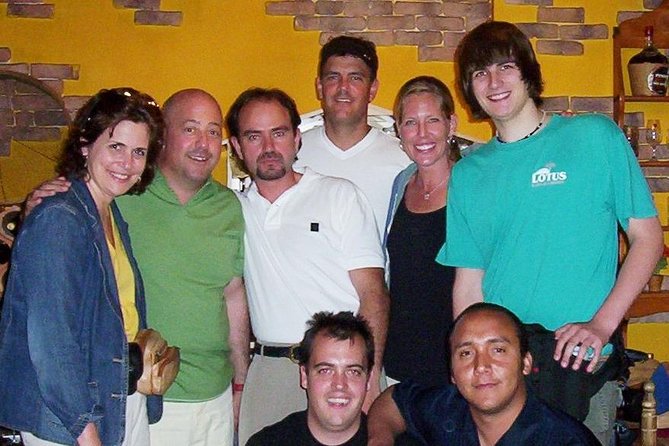
A big part of the value here is the guide. You’re with someone who’s Spanish Wine Tasting Association–certified, and the difference shows up in the details: why a wine works with a specific bite, how vermut fits into the Madrid routine, and what to look for when you’re tasting.
One name you’ll hear again and again is Andrés/Andre. In practice, what that usually means is a guide who remembers people’s preferences, watches what others are eating, and then nudges the group toward the right choices without making it feel pushy.
A few review-powered habits (the good kind) show up consistently:
- The guide pays attention early, then makes adjustments so nobody gets left behind.
- The conversation doesn’t feel like a lecture. It’s history + food + wine, with room for group chatting.
- If you don’t drink wine, you’re not automatically forced into a glass-only experience. Alternatives like beer have been offered.
Also, there’s a nice extra layer: the guide may pour from personal cellar selections at one of the later stops. That’s the kind of touch that turns a standard tasting into something more memorable.
Stop-by-stop: what you’ll actually taste in Old Madrid
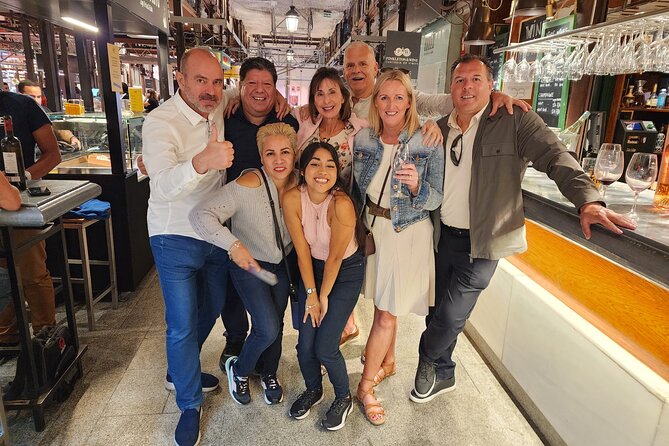
This tour is built as a sequence, and each stop has a job. The first one sets the tone. The middle stops give you contrast. The final stops chase the sweet spot—literally, in the Pedro Ximénez finale.
First bar: La Latina vermut on tap + verdial olives
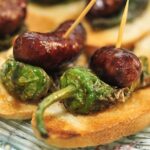
You begin with a vermut on tap—classic Madrid style—and pair it with Chupadedos olives from the verdial variety. These are seasoned with pepper, garlic, oregano, and olive oil, so they land as salty, aromatic, and punchy rather than just briny.
Why I like this start: it doesn’t assume you already know Spanish drinks. Vermut is central here, and starting with something aromatic helps you calibrate your palate fast.
Second bar: a 19th-century style wine moment + cod fritters
Next you move into a bar setup where the wine experience is framed like it was done in the 1800s—more traditional pacing, less “tour bus sampling.” You’ll taste wine alongside cod fritters, and this combo is one of the reasons the tour gets so many high scores: cod fritters are comfort food, but paired with wine, they become something you’ll actually remember later.
Small note: this is a stop that tends to be heavy on flavor and texture. If you’re sensitive to fried foods, it’s still worth going, but you’ll want to pace yourself.



Third bar: Albariño 2022 winner + tostas
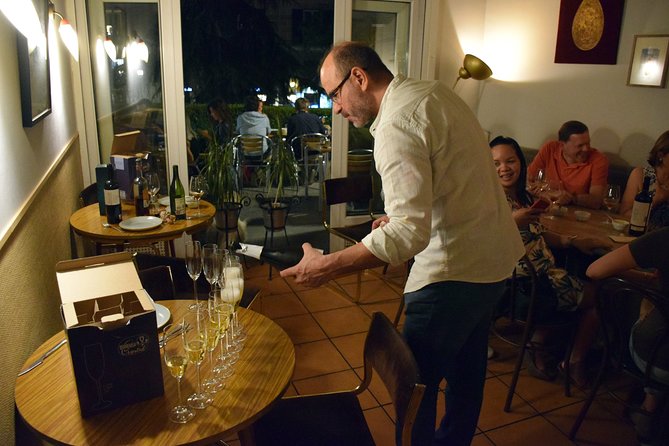
Then you hit a beautiful wine bar atmosphere—exactly the kind of place that makes you slow down before you even order. Here, you taste Altos de Torona Albariño (2022), noted as an International Wine Challenge winner, and it’s paired with a tapas format called tostas.
One pairing mentioned often is chipirón (baby squid) with tosta-style bites, sometimes with mushrooms. The point is balance: Albariño is bright and refreshing, so it plays well against savory seafood and toast-y textures.
Fourth “deeper Old Madrid” sit-down moment: Michelin-star ibérico tenderloin
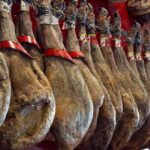
After wandering narrow cobblestone lanes, you reach a top-rated restaurant stop in the neighborhood. This is where you sit down to taste ibérico tenderloin described as from the only 3 Michelin Star butcher in Madrid.
This is the meal anchor of the evening. Up to this point, you’re tasting a lot of smaller bites. At this stage, the experience shifts into a more substantial, restaurant-style tasting where the wine pairing and the meat quality both matter.
Practical tip: eat enough earlier so you can enjoy this stop fully. If you’re the type who saves room, you’ll still get there, but you may feel the walk more than you expect.
Fifth bar: reds from the guide’s cellar (Matas Altas / Platón)
Now the tour switches toward reds. The guide uncorks different bottles from personal cellar selections, with examples like Matas Altas and Platón. You’re tasting more of the Spanish wine personality—structure, fruit, and acidity—rather than just sipping something “pleasant.”
If you like learning through taste, this is a great moment to ask about what you’re noticing. The guided explanations are where the tasting becomes educational without killing the fun.
Final stop: Pedro Ximénez dessert wine + magic with ice cream
You end with Pedro Ximénez (PX), described as Spain’s king of dessert wines. PX is known for its deep sweetness and raisin-like character, and here it’s paired in a way that turns vanilla ice cream into a rum-and-raisins style flavor.
This finale is a classic Spanish move: end with something concentrated and warm-sweet, so the last bite feels like a reward rather than an afterthought.
Price and value: what $101.63 buys you in practice
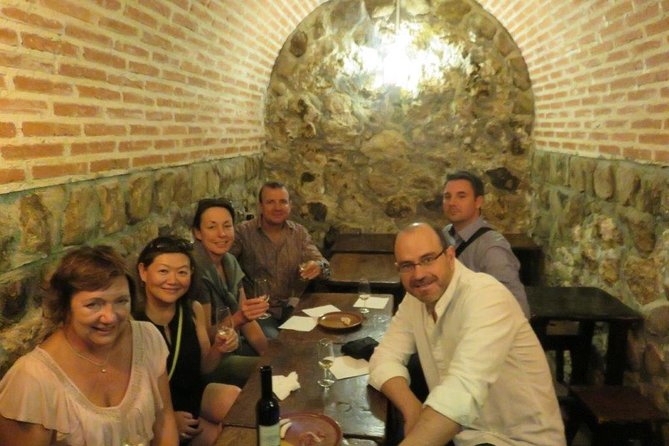
$101.63 sounds like a lot until you picture the actual flow: multiple tastings across several bars, plus a sit-down meat stop tied to top-tier ibérico quality. You’re not paying just for “a few bites.” You’re paying for:
- Time in multiple venues without having to plan it yourself
- Wine pairings that are meant to be understood, not randomly poured
- A certified guide who gives context for how Madrid drinks and eats
- A Michelin-star butcher-linked ibérico tenderloin stop
- Dessert wine with PX, which alone is often priced like a treat
In cities with lots of tapas tours, the difference between “worth it” and “meh” usually comes down to effort. Here, the bar selection and the food quality are doing real work. And because the group caps at 8, you’re more likely to get attention and smooth service at each stop instead of getting shoved through.
For most people, the best value shows up if you want a curated-night feeling without feeling trapped. You’ll leave with better taste instincts—and a short list of places you might want to revisit on your own.
Pace, walking, and comfort on Old Madrid cobblestones
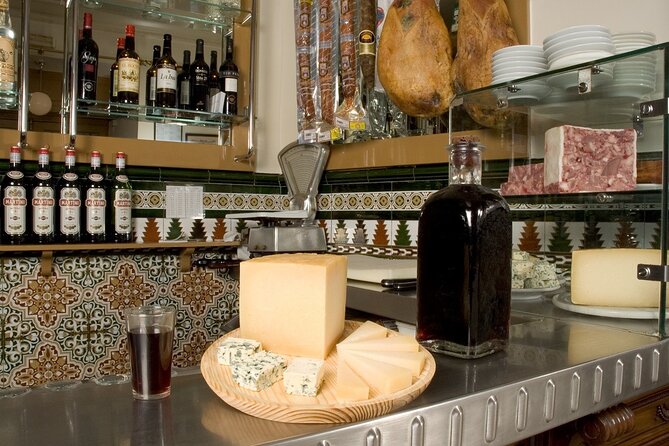
This is a walking tour, but it’s not a 10-mile hike. Still, the streets are narrow and cobbled. Expect uneven footing and some steps. The tour also isn’t recommended for travelers with mobility issues.
What I suggest:
- Wear shoes you can trust on stone streets.
- Bring a light layer. Bars can swing from cool streets to warmer interiors quickly.
- If you’re sensitive to standing for long stretches, plan to pace breaks by paying attention to the guide’s timing at each stop.
On the plus side, the small group size helps. It’s easier to move together, and the guide can slow down when someone needs a moment.
Who this tour fits best (and who might want a different plan)
This tour is a strong match for:
- Adults who like wine culture, even if you don’t consider yourself a sommelier
- People who want Old Madrid atmosphere plus serious food quality
- Travelers who like small-group energy over large tour herd life
- Anyone planning to revisit their favorite bars later in the trip (this tour sets you up well)
It may feel less ideal if:
- You have mobility limitations due to cobblestones
- You want a purely food-heavy experience with minimal wine talk
- You’re allergic to wine ingredients or have specific dietary constraints not mentioned in the tour details (in that case, confirm directly)
If you’re not a wine drinker, don’t assume it’s wine-only. The guide has made swaps like beer in the past, but you’ll get the best results if you tell the guide your preferences at the start.
Should you book Old Madrid Tapas and Fine Wine?
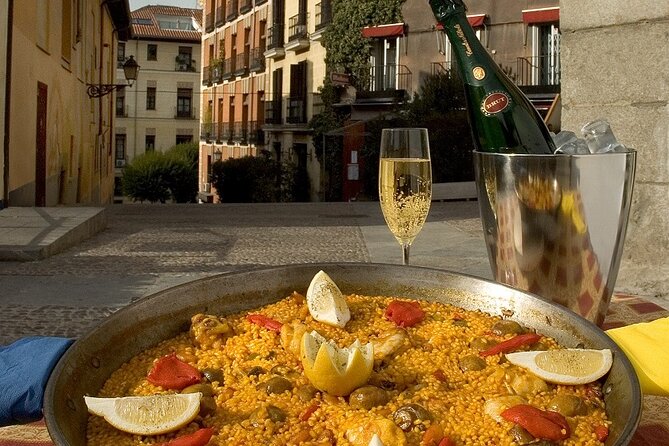
Yes, if you want a small-group evening that actually tastes like Madrid—not just an efficient sampling. The biggest reasons to book are the combination of small size, a certified wine guide, and the lineup that includes both everyday classics (vermut, olives, cod fritters) and higher-end anchors (Michelin-linked ibérico tenderloin and a Pedro Ximénez finish).
Skip it or look at another option if you can’t manage cobblestone walking or if you’re looking for a low-key, mostly soft-drinks tour. This one is built around wine and Spanish pairings, and that’s the whole point.
FAQ
How long is the Old Madrid tapas and wine tour?
It runs about 3 to 4 hours.
What’s the group size?
The tour is capped at a maximum of 8 travelers.
Is the tour in English?
Yes. It’s offered in English.
Where do we meet, and is hotel pickup included?
The meeting point is Plaza de la Villa (Pl. de la Villa, Centro, Madrid, Spain). Hotel pickup and drop-off are not included, and the tour ends back at the meeting point.
Who can participate, and is it suitable for mobility issues?
Most travelers can participate. The minimum age is 21. It’s not recommended for travelers with mobility issues.
What’s included in the price?
You get a small-group tour with a professional guide, mobile ticket access, and multiple tastings including vermut on tap, wines, and tapas, plus ibérico tenderloin and Pedro Ximénez dessert wine. Admission ticket(s) are included for the stops listed.