REVIEW · MADRID
Madrid: Paella & Tapas Cooking Class and Market Visit
Book on GetYourGuide →Operated by Devour Tours · Bookable on GetYourGuide
Paella tastes better when you buy the ingredients first. This Madrid market-to-kitchen experience walks you from a traditional food stall world straight into Valencia paella mode, with hands-on cooking and real dish know-how. You’ll also get the kind of “why this works” explanations that make Spanish food feel less mysterious and more doable.
I especially like the small group setup (12 people or fewer). You’re not shouting over a crowd, and the chefs named in recent sessions like Dan, Benny, Danny, and Arantxa can actually check how your croquettes and sauce are going.
One consideration: the class isn’t suitable for vegans or people with lactose intolerance, and it avoids certain gluten issues too. So if your diet is strict, I’d check first before you book.
In This Review
- Key things I’d circle in your notes
- Market Visit to Market-to-Kitchen: Why This Class Works
- Entering the Market: What to Look For (and What It Teaches You)
- Huertas Behind the Scenes: Vermouth, Cheese Plates, and First Bites
- Croquetas and Patatas Bravas: The Tapas That Teach Core Skills
- The Paella Moment: How to Get Paella Valenciana Right
- Lunch at the Table: Dessert, Fruit, and Why the Group Size Matters
- Price and Value: Is $112 Worth It?
- Who This Class Fits Best (and Who Should Skip It)
- Should You Book This Madrid Paella & Tapas Class?
- FAQ
- How long is the Madrid paella and tapas class?
- How many people are in the group?
- Where does it start?
- What’s included in the price?
- Is hotel pickup included?
- Are there options for dietary restrictions?
- Is the tour suitable for vegans, lactose intolerance, or gluten intolerance?
- Can I have non-alcoholic drinks?
- Is it family-friendly for children?
- What’s the cancellation policy?
Key things I’d circle in your notes
- Historic market ingredients that actually drive the menu, not just a quick photo stop
- Small group cooking (12 or fewer) with active help at the stove
- Vermouth aperitivo in the kitchen, plus a locals-style way to order and drink
- Huertas-area restaurant behind-the-scenes energy, using a reserved private cooking space
- Valencia paella guidance you can use at home, including how to spot true paella Valenciana
Market Visit to Market-to-Kitchen: Why This Class Works
This is the kind of Madrid food experience that makes sense fast. Instead of arriving at a kitchen already “finished,” you start where Spaniards actually shop: a traditional neighborhood market that’s been serving locals for over a century. That matters because paella and tapas aren’t just recipes. They’re choices—what you buy, what’s in season, and what you can reliably find again later.
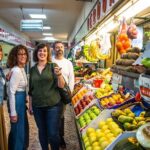
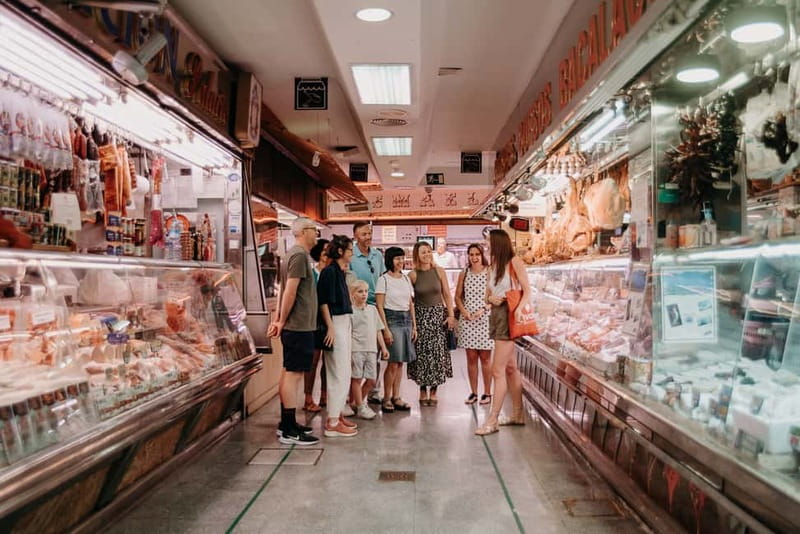
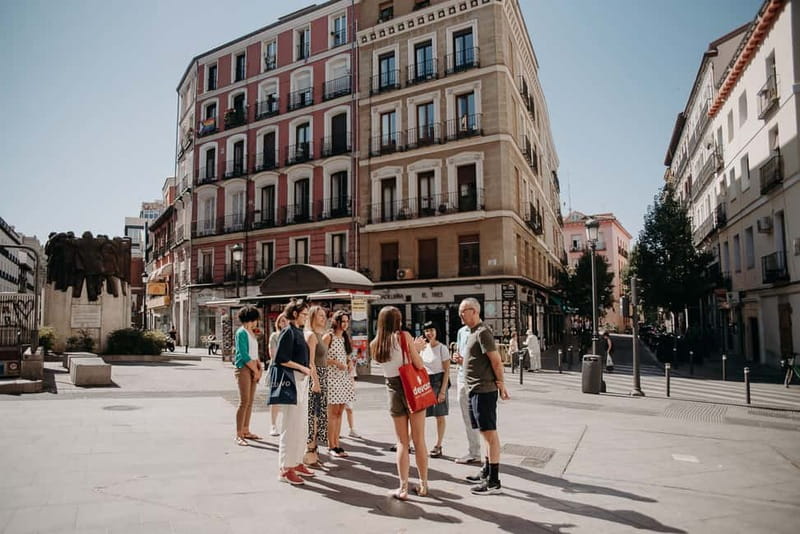
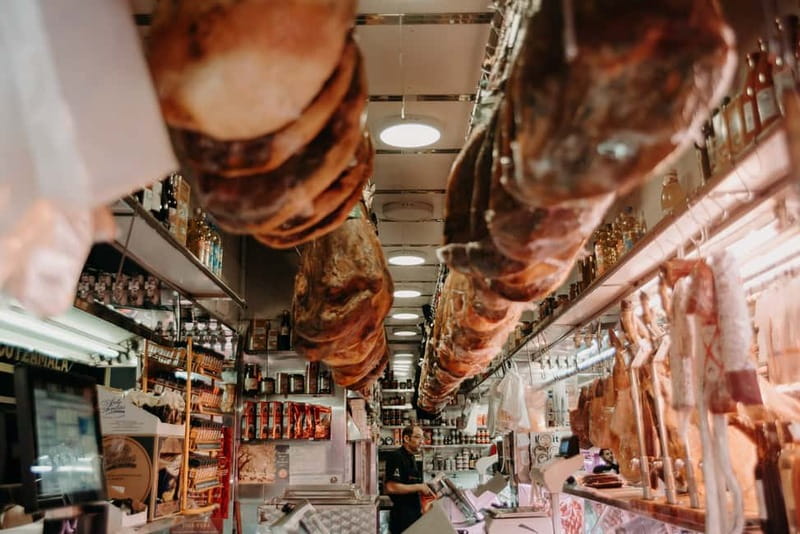
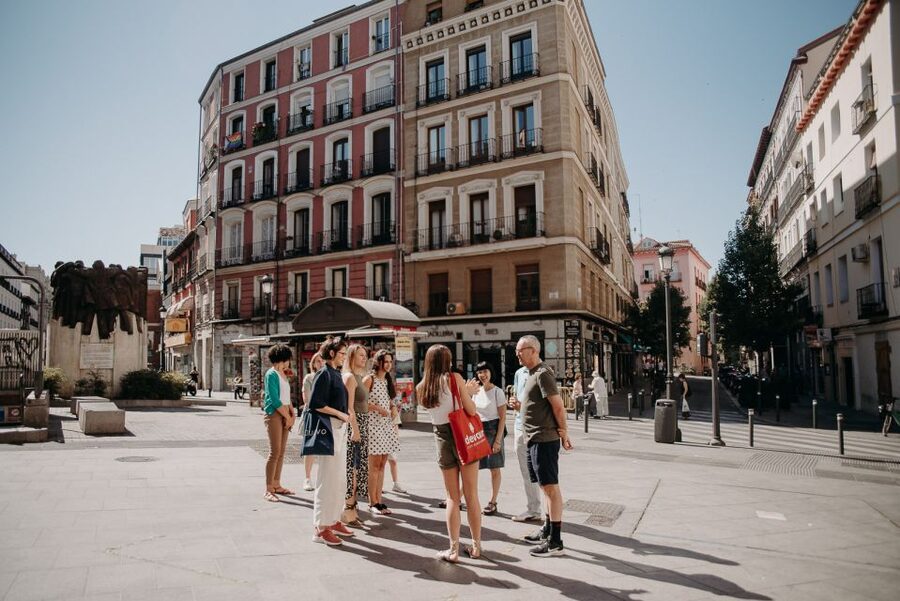
Your guide meets you near one of Madrid’s most historic markets. You’ll go inside, talk with vendors, and pick up fresh ingredients that become your cooking “library” for the day. Even if you think you already know Spanish food, the market part often flips on a new level of attention: you start noticing quality, texture, and what labels mean in real kitchens.
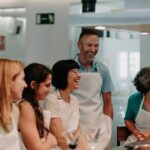
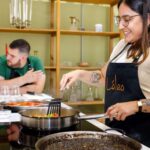
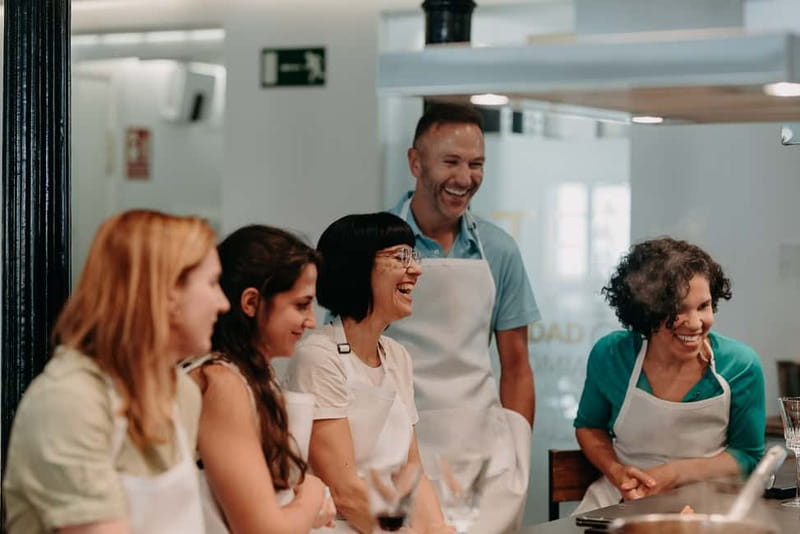
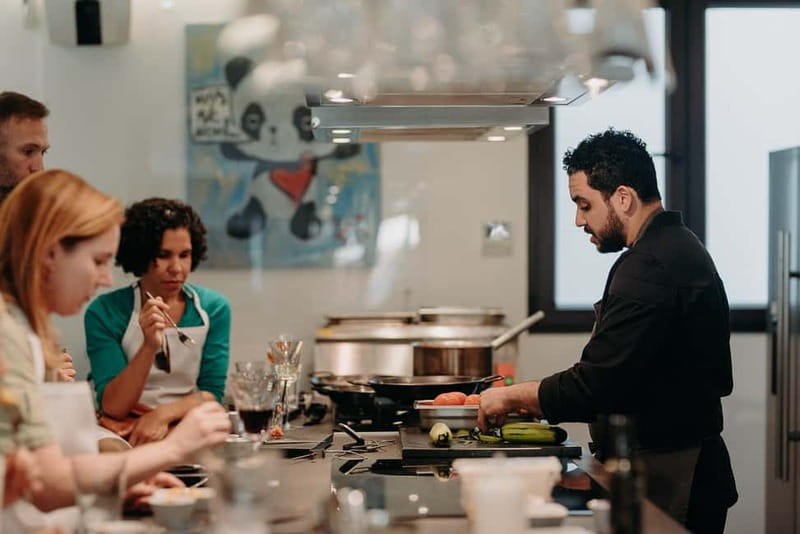
Then the class moves to a reserved cooking space in the heart of Madrid, with the feeling of a backroom lesson—except it’s upscale and comfortable. You’ll work elbow to elbow with your group, and that’s the sweet spot for learning. You’ll taste, touch ingredients, and get coaching while you cook, not after.
You can also read our reviews of more shopping tours in Madrid
Entering the Market: What to Look For (and What It Teaches You)
The market visit isn’t a performance. It’s practical. You’ll shop for the building blocks of local cuisine, and you’ll likely hear the kind of small guidance that never shows up in restaurant meals—what makes one ingredient better than another, and how Spanish cooking thinks about flavor.
Here’s how to get the most out of it:
- Ask what’s “for cooking” vs. “for eating as-is.” Market vendors and guides tend to think in uses, not just types.
- Notice freshness cues like aroma and texture. For tapas, those details show up in the final bite.
- Focus on what you can source at home. The point isn’t to buy 20 rare things. It’s to understand which flavors define Spanish classics.
After you pick up ingredients, you’ll head to the kitchen and use them right away. That’s what makes this worth more than a standard walking tour. You’re not memorizing names. You’re building a meal in your hands.
One thing I like about the pacing: you don’t rush through the market. You get time to chat with vendors and pick ingredients with intention, so when you start cooking you feel oriented instead of lost.
Huertas Behind the Scenes: Vermouth, Cheese Plates, and First Bites
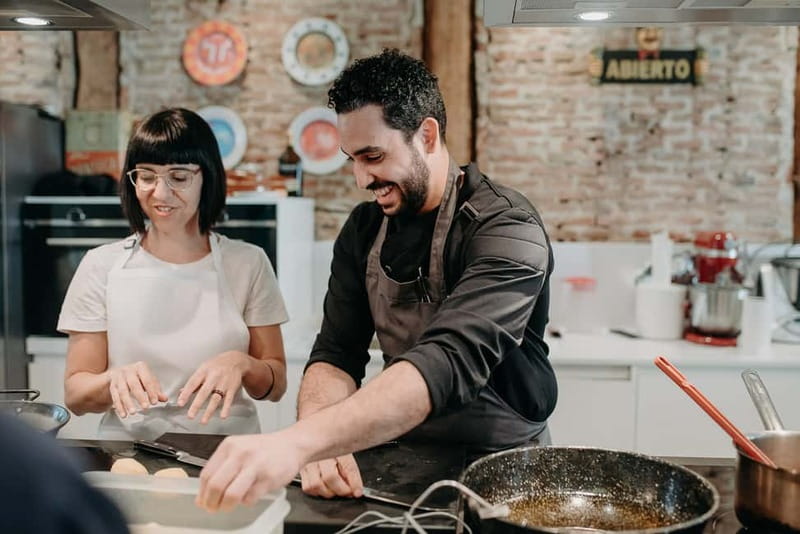
Next you step into the heart of Madrid’s Huertas neighborhood, with a behind-the-scenes setup that feels tied to a real restaurant culture. You’ll enter a beautiful private cooking space reserved for your small group, where a local chef is ready for you.
Before you cook, there’s an aperitivo: sweet vermouth served in the kitchen. This isn’t just a drink you chug. The experience is built around learning how locals treat vermouth as part of the rhythm of the day—how it fits between shopping and eating, and how you should sip it while the conversation and prep start.
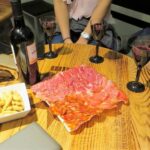
You’ll also assemble a cheese plate and a traditional tapa from the Basque region before your main work begins. That matters because it sets context: Spanish tapas aren’t one style. They range by region and tradition, and the guide uses those examples to teach you how “tapas logic” works—balanced flavors, practical textures, and food that’s meant to be shared.
Recent chef names appearing in real bookings—Dan, Benny, Danny, and Arantxa—suggest a consistent approach: friendly teaching, active support, and a focus on both food and culture. If you like to learn by doing, this part helps you switch from sightseeing mode to chef mode quickly.
Croquetas and Patatas Bravas: The Tapas That Teach Core Skills
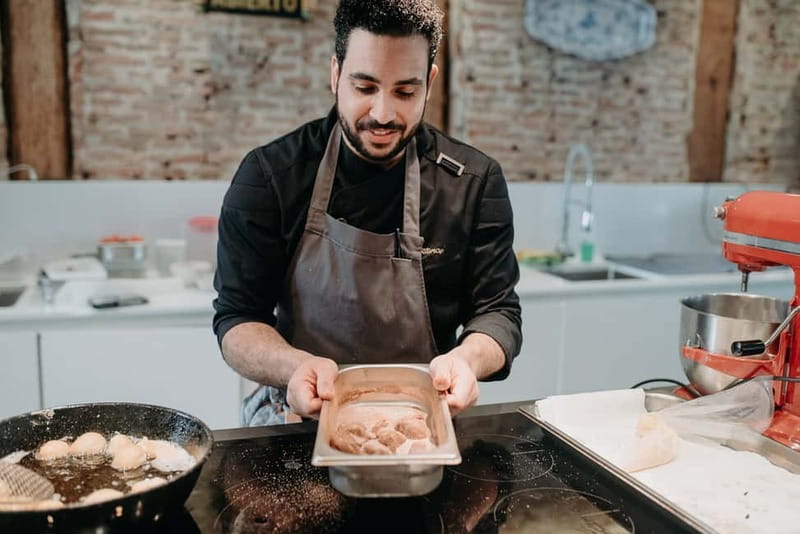
Now you move from prep to actual cooking. In the kitchen, you’ll tackle homemade croquetas and patatas bravas with two homemade sauces. This is where the class becomes more than a meal. It turns into a set of skills you can reuse.
Croquetas are a great learning dish because they demand patience and technique. You’re not just frying something. You’re working with texture and consistency—getting the filling right before it ever hits the pan. When a chef walks you through it and corrects your approach early, the payoff is huge later, when you try to recreate it at home.
Patatas bravas gives you another layer: you’re learning how Spanish sauces act like “flavor engines.” The class includes two homemade sauces, so you don’t end up with one-note bravas. You learn how different sauce profiles change the whole plate.
Here are the practical benefits for you:
- You’ll understand what “good consistency” looks like before you commit to cooking time.
- You’ll learn that tapas sauces aren’t just condiments; they’re part of the core recipe.
- You’ll get real direction on timing so your croquetas aren’t underdone or your potatoes don’t get cold before eating.
Also, the class tends to be generous with drinks. One recent participant specifically noted plenty of white wine and vermouth, which is great for the vibe—but do keep your pace. Cooking while a glass is refilled is fun, not wise if you plan to rush off afterward.
The Paella Moment: How to Get Paella Valenciana Right
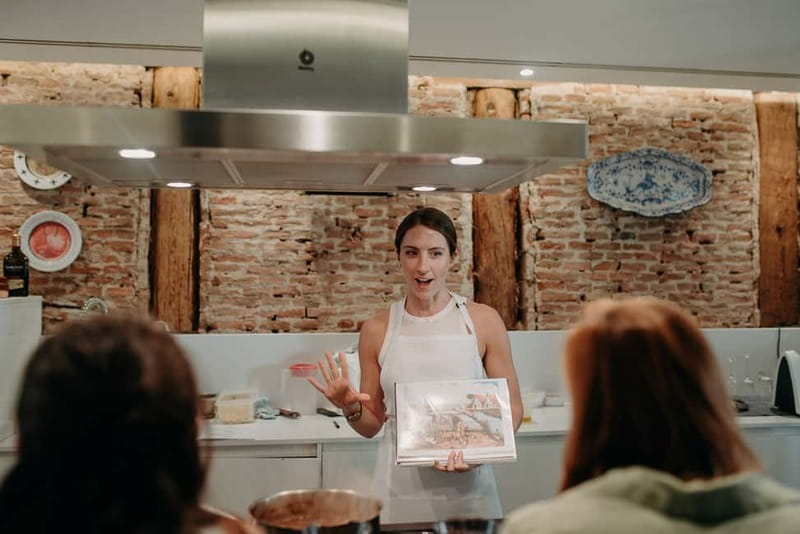
The main course is an authentic paella from Valencia. This is the part that most people hope will be amazing—and it’s also the part where the class goes beyond “stir and hope.”
You’ll smell, taste, and handle ingredients tied to Spanish cuisine. Along the way, your local guide shares insight into the dish, including the history of paella and how to spot true paella Valenciana. That last bit is important. Lots of places call something paella without matching the classic expectations. Here, you learn what to look for so your “paella radar” improves.
While you cook, you’ll be learning more than the recipe steps. You’ll be learning decisions:
- Which flavors matter most
- What the ingredient mix is trying to achieve
- How the dish’s identity holds together
And because you’ve already visited the market, you’re not treating ingredients like random items. They’re connected to the dish you’re cooking now.
One review also mentioned variations like gazpacho paella and sangria in a session context. That suggests menus can shift, but the core structure—market, tapas, paella, dessert—stays consistent. So expect a “Spanish paella class” experience even if the exact drink or paella style changes with the day.



Lunch at the Table: Dessert, Fruit, and Why the Group Size Matters
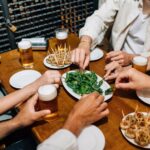
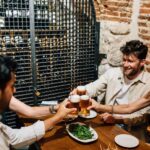
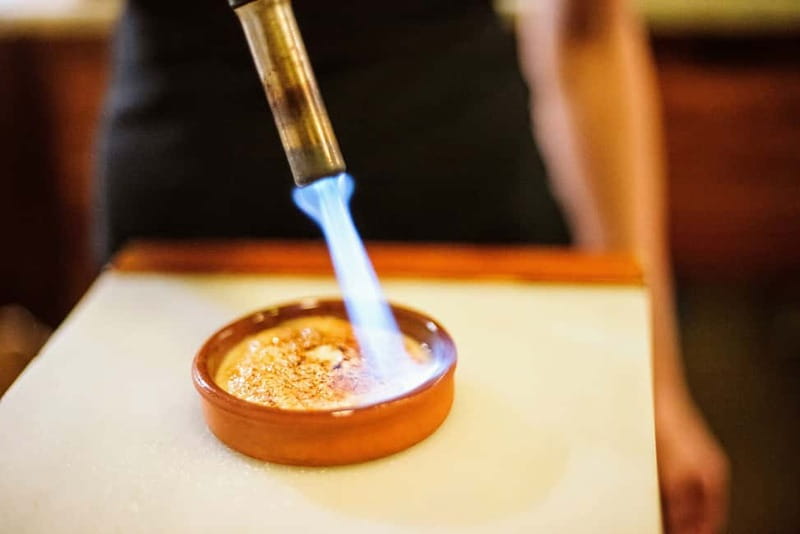
After cooking, you sit down to enjoy what you made: your homemade lunch plus seasonal fruit for dessert. You can choose beer or wine to go with the meal, which makes this feel like a full experience rather than a quick class that ends with a few bites.
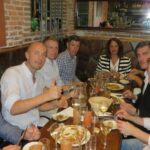
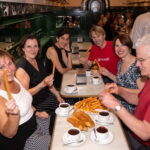
Then there’s the social side. With a group of 12 or fewer, you actually talk with the people you’re cooking beside. You swap tips, compare how your croquetas turned out, and share what surprised you at the market. In this format, the group doesn’t feel like a crowd. It feels like a temporary team.
If you like learning with humor, this part often lands well too. You’ve spent a few hours near hot stoves and sharp knives (more on that in a moment), so when you finally eat, it feels earned.
Also, many people value that you leave with recipes and guidance. One participant highlighted a PDF cookbook with detailed cooking instructions. Even if you don’t get a printed take-home recipe in every situation, expect to get useful notes you can use later.
Price and Value: Is $112 Worth It?
At $112 per person, you’re paying for a full food day, not just a cooking demo. You’re getting:
- a guided market visit with fresh ingredient shopping
- a cooking class limited to a small group
- lunch (the dishes you cook)
- an aperitivo plus drinks (including choices like beer or wine)
Let’s be real about value. If you booked a market tour and then separately paid for a paella class, the total usually climbs fast. Here, the day is packaged so the market feeds the cooking, and the cooking feeds the lunch. That flow reduces wasted time and increases learning.
You’re also paying for quality instruction. Recent feedback points again and again to chef-hosts who teach with support and kindness—stopping by often enough that you don’t feel abandoned at the stove. In a small-group class, that kind of attention is where the money shows up.
When this is especially good value:
- you want hands-on cooking, not a lecture
- you want to learn Spanish flavors you can recreate
- you like a structured experience that still feels local
When it’s less of a slam dunk:
- if you’re only looking for sightseeing photos and don’t care about cooking technique
- if you have dietary needs that don’t match the class limitations
Who This Class Fits Best (and Who Should Skip It)
This experience fits best if you want more than food sampling. It’s designed for people who like learning by doing—market browsing, prepping ingredients, and cooking real tapas and paella with a chef.
It’s also a strong fit for:
- couples and small groups who want a shared activity
- food lovers who want to understand what makes paella Valenciana real
- travelers who enjoy vermouth culture and Spanish aperitivo timing
It’s less suitable if:
- you need vegan options (not suitable for vegans)
- you have lactose intolerance (not suitable for lactose intolerance)
- you have gluten intolerance (not suitable), though gluten free is noted as adaptable for non-celiacs
- you’re bringing kids under 12 (not suitable due to sharp knives, hot stoves, and high surfaces)
- you have mobility impairments and need wheelchair access or strollers (the tour is not suitable for that)
One more practical tip: wear comfortable shoes. You’ll be on your feet during the market portion and moving around a kitchen setup.
Should You Book This Madrid Paella & Tapas Class?
I think you should book it if you want a Madrid experience that’s genuinely hands-on. The market-to-kitchen flow makes the cooking feel grounded in real ingredients, and the small-group format makes the instruction practical. If you love paella, you’ll come away with more than a meal—you’ll leave with a better sense of how to recognize the real deal, especially paella Valenciana.
Skip it if your diet doesn’t match the limitations (especially vegan or lactose intolerance), or if you need kid-friendly safety accommodations. Also, if you hate kitchens or prefer purely observational tours, this class may feel like work.
If you’re the type of traveler who enjoys learning to cook as part of your trip, this one is an easy yes.
FAQ
How long is the Madrid paella and tapas class?
The experience runs for about 3.5 hours.
How many people are in the group?
It’s a small group class with 12 people or fewer.
Where does it start?
You meet near one of Madrid’s most historic markets. The exact meeting point may vary depending on the option you book.
What’s included in the price?
The price includes an aperitivo (drink and snack), the market visit with fresh ingredients, the cooking class, lunch made from what you cook, and drinks.
Is hotel pickup included?
No, hotel pickup and drop-off are not included.
Are there options for dietary restrictions?
The class is adaptable for vegetarians, pescatarians, gluten free (not celiacs), non-alcoholic options, and pregnant women. Those with food allergies or restrictions should contact the provider so ingredients can be arranged.
Is the tour suitable for vegans, lactose intolerance, or gluten intolerance?
No. It is not suitable for vegans, people with lactose intolerance, or people with gluten intolerance.
Can I have non-alcoholic drinks?
Yes, non-alcoholic options are available.
Is it family-friendly for children?
No. It’s not suitable for children under 12 due to sharp knives, hot stoves, and high surfaces.
What’s the cancellation policy?
You can cancel up to 24 hours in advance for a full refund.