REVIEW · MADRID
Madrid: 10 Tapas 2.5-Hour Cooking Class
Book on GetYourGuide →Operated by A Punto Cooking School · Bookable on GetYourGuide
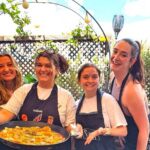
One good night in Madrid can start with a skillet. This small-group 10-tapas cooking class turns regional Spanish flavors into something you make, not just watch. You learn techniques and local ingredients while working in a fully equipped kitchen with a professional chef, and you finish by eating your own spread with sangría.
What I like most is the way the class mixes practical cooking with context. The chef team (often led by Gustavo or other instructors like Homer and Diego) keeps it organized, teaches as you go, and makes room for questions while you’re actively cooking. The second big plus: you leave with a real meal and plenty of food, not a token tasting.
The main consideration is that you cook in small crews of 3–4 people, so you won’t personally do every single step for all 10 tapas. If you want total solo control over each dish, you may find it a bit more team-based than you expect.
In This Review
- Key things to know before you go
- Why this 10-tapas format works well in Madrid
- Where to meet and how to show up without stress
- 2.5 hours of hands-on cooking: what the kitchen time feels like
- The tapas you learn: regional flavors you can recreate later
- The social part: why the group setup feels different
- Your meal and sangría: what you actually get at the end
- What you take home: apron, recipe copy, and useful reminders
- Price and value: is $80 fair for 10 tapas and dinner?
- Who should book this class, and who might not love it
- Practical tips to make your night go smoothly
- Should you book the Madrid 10 Tapas 2.5-Hour Cooking Class?
- FAQ
- What is the duration of the Madrid 10 Tapas cooking class?
- Where do I meet for the class?
- Is the cooking class taught in English?
- What’s included in the price?
- Is there a vegetarian option?
- Do I need cooking experience?
- Are children allowed?
Key things to know before you go
- 10 tapas, one regional theme at a time, so you connect flavors to place
- Small cooking crews (3–4 people) mean you’re busy and not stuck watching
- English instruction with a chef who explains techniques and cultural details
- You eat what you cook, paired with Spanish sangría
- Vegetarian option exists, but the vegetarian plates can’t be swapped
- You get a keepsake: an apron plus a copy of the recipes
Why this 10-tapas format works well in Madrid
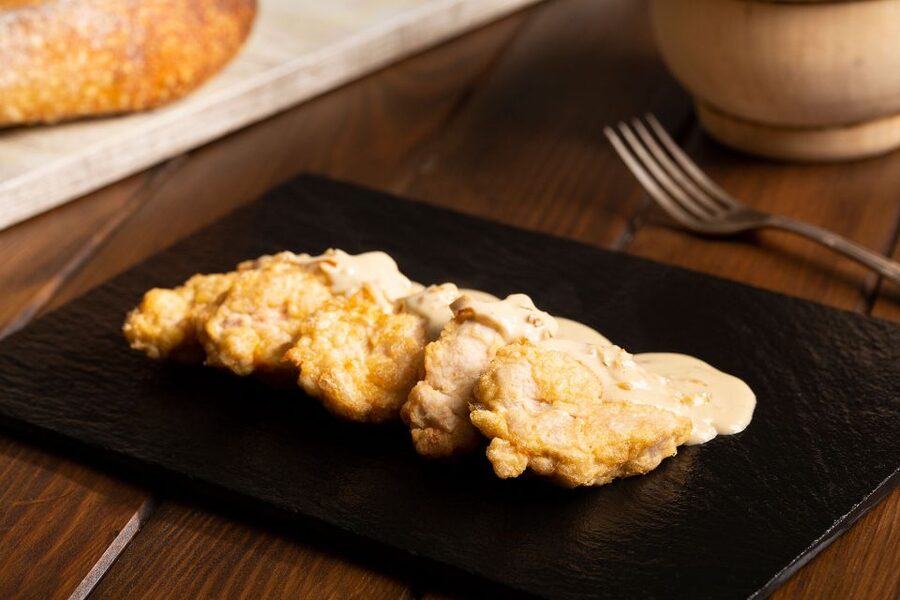
Tapas in Madrid are fun because they’re social, shareable, and flexible. This class follows that same logic, but it gives you something extra: a fast route to learning how Spanish recipes actually come together. In 2.5 hours, you’re not just tasting Spanish food. You’re practicing core methods, like balancing salt and acidity, building flavor in quick components, and assembling small plates that work as part of a bigger meal.
The other smart angle is the regional approach. Tapas can look similar on the surface, but the details matter. You’ll cook dishes tied to different corners of Spain, which makes it easier to remember what you learned once you’re back home staring at your grocery shelf.
And because the chef runs things in a structured, hands-on way, you’re likely to finish the evening feeling you earned your meal. That’s a big difference from casual food tours where you mostly snack while someone else does the work.
You can also read our reviews of more cooking classes in Madrid
Where to meet and how to show up without stress
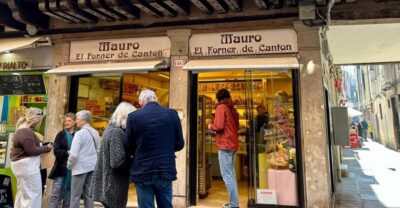
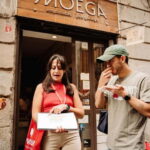
You’ll meet outside the shop at Calle de la Farmacia, 6, street level. It’s not inside the building. Look for A PUNTO SHOP and stay on the sidewalk until the team finds you.
That detail matters because the location is a shopfront setup, and the class starts promptly. If you arrive late, you can easily miss the initial instructions that help you cook confidently once your crew gets assigned tasks.
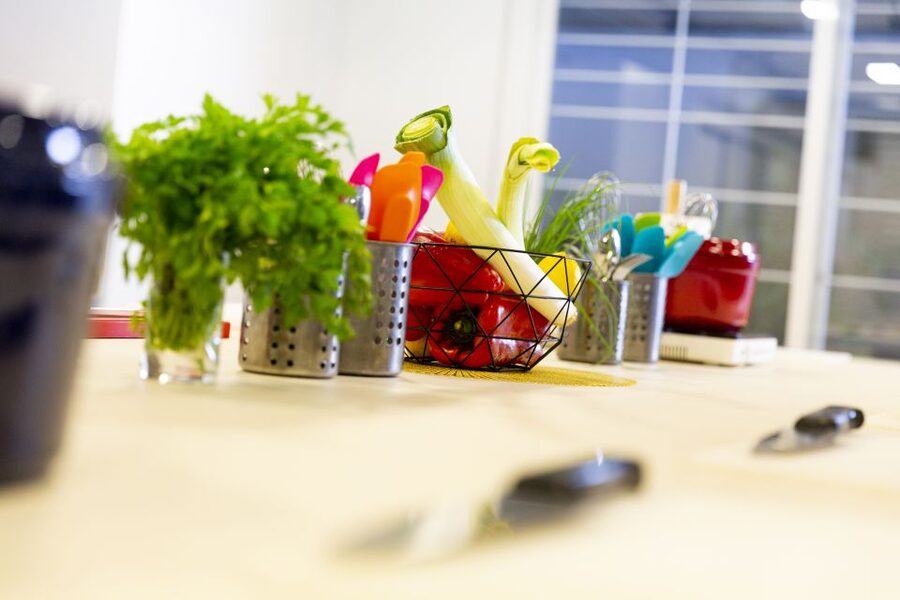
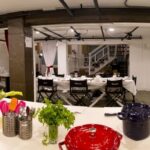
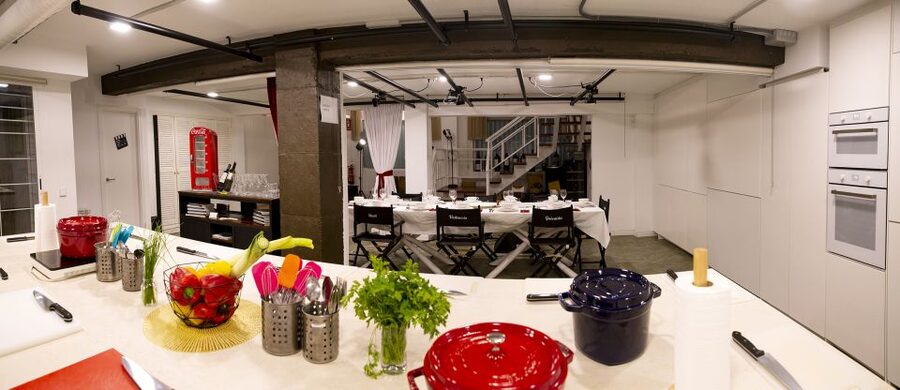
Quick practical note: the class is in a fully equipped kitchen, so you don’t need to bring gear. Just bring yourself, wear something you don’t mind getting close to kitchen splatters, and be ready to cook.
2.5 hours of hands-on cooking: what the kitchen time feels like
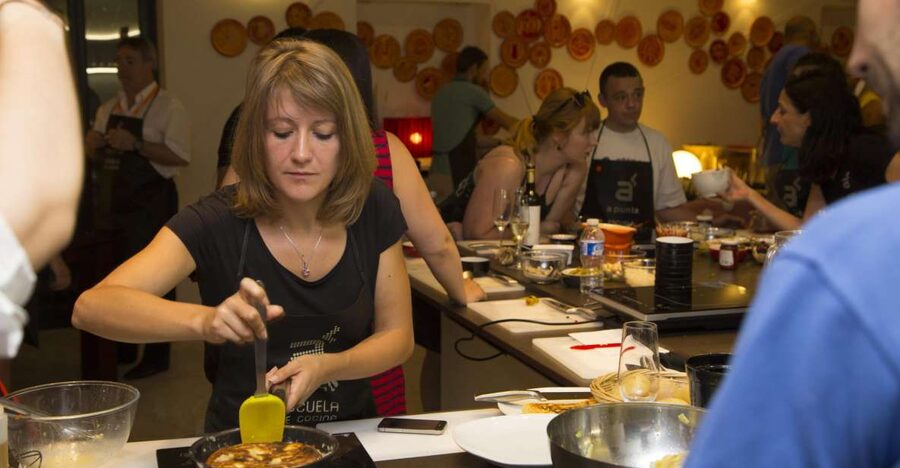
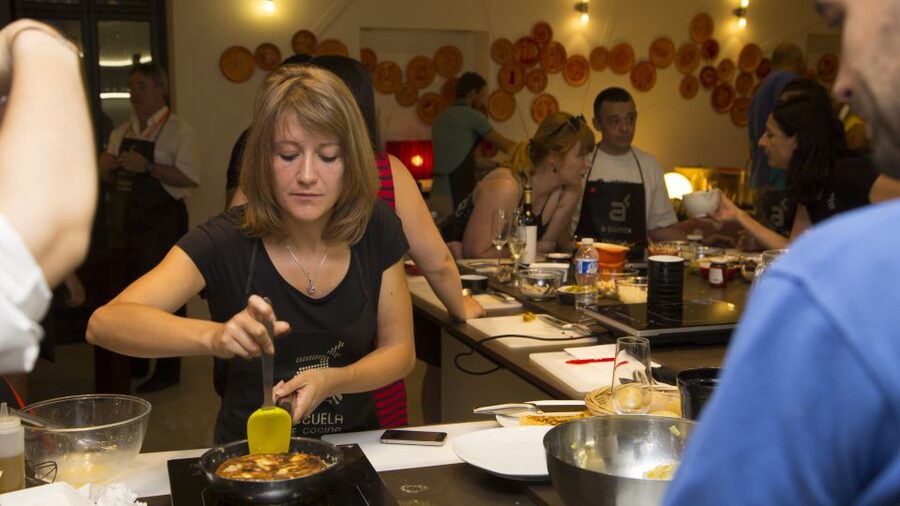
This is not a lecture with samples. It’s a working kitchen lesson.
Here’s how the time typically breaks down based on how the class is structured:
- The chef explains the dish goals, key ingredients, and technique
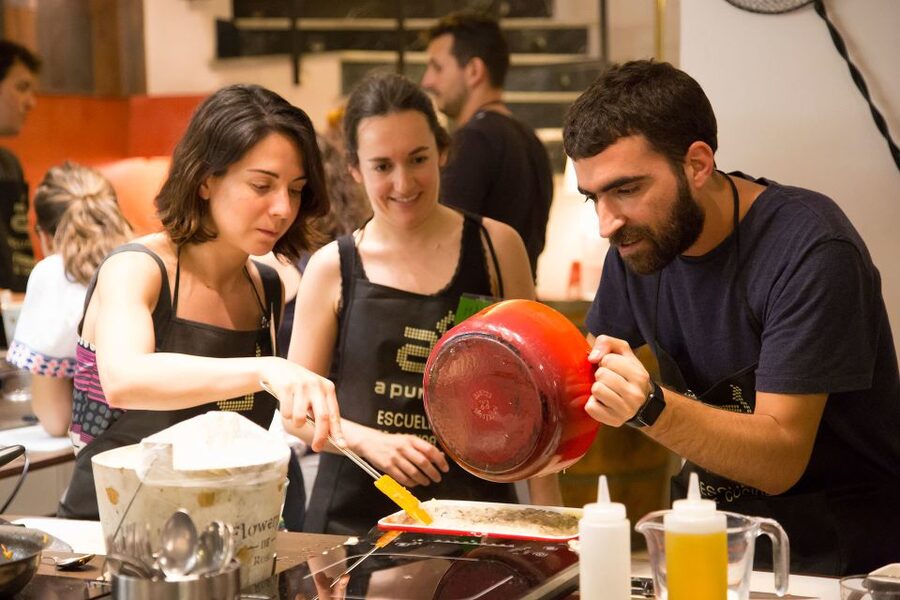
- You get assigned tasks within a group of 3–4 people
- Multiple tapas get prepared at once, so you rotate tasks by timing and cooking stages
- At the end, you sit down and eat the meal of what your group cooked (paired with sangría)
No previous experience is required. You’re not expected to already know Spanish omelette technique or how gilda skewers should be assembled. You’re expected to follow steps, taste as you go, and ask questions in the moment.
One more reality check: while the class name is 10 tapas, the cooking is teamwork. So you’ll be hands-on, but you won’t necessarily be the one person who does every single action on every dish. That’s usually a good tradeoff because it keeps the class moving and helps everyone finish with a full plate.
Also, there’s a clear “no distraction” setup. No audio recording is allowed, and the environment is meant to stay focused on cooking.
The tapas you learn: regional flavors you can recreate later
The class is built around teaching you a set of tapas tied to Spain’s regions. You’ll learn to make a mix of classic dishes, including examples like:
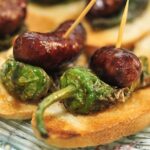
- Gilda: pepper and anchovy skewers from the Basque Country
- Pan tumaca: Catalan-style tomato bread (bruschetta-style)
These two are a perfect pairing to teach how Spanish regions differ. Basque flavors often lean into bold, salty, fermented notes (think anchovy). Catalonia-style bread dishes show how tomatoes and olive oil can carry the dish even with minimal ingredients.
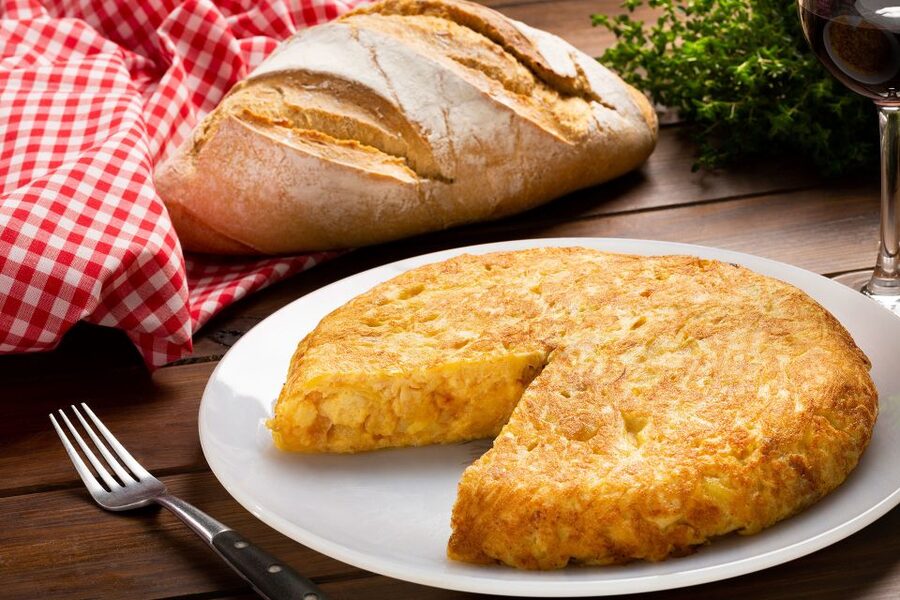
You’ll also learn how to execute staple methods that you can use outside the class. One common highlight mentioned in the class experience is getting the right approach for a Spanish tortilla/Spanish omelette. That’s huge value because it’s one of those recipes people attempt at home and often get wrong. When you learn the technique clearly, it stops being mysterious.
Because the menu is split, you’ll also likely see vegetarian items in the lineup. The key rule is that a vegetarian option is available because half the menu is vegetarian, but the plates can’t be changed. So if you’re vegetarian, plan on what’s on the menu rather than expecting substitutions.
The social part: why the group setup feels different
Tapas are about people, not just food. This class uses that idea on purpose.
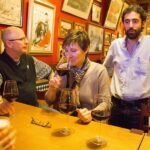
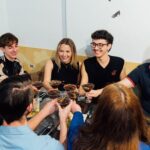
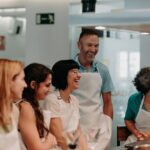
In practice, you cook in small crews, then you all come together to eat. That structure makes it easier to talk without forcing it. Since the chef team tends to run things like a real kitchen shift, it’s not awkward waiting around. You get pulled into the work, which naturally leads to conversation when you’re tasting, checking seasoning, or asking for clarification.
Several instructors are mentioned across different sessions, including Gustavo, plus others like Homer and Diego. Regardless of who’s teaching, the vibe is usually part teaching, part fun. Expect the chef to guide you through steps and keep the atmosphere lively without turning it into chaos.
If you’re traveling solo, this format can help you leave with more than just recipes. You also leave with people to share food stories with back at your hotel.
A few more Madrid tours and experiences worth a look
Your meal and sangría: what you actually get at the end
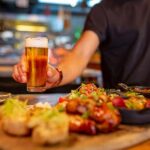
The payoff is that you sit down and eat the meal of your creations, and it comes with Spanish sangría.
This matters more than it sounds. A cooking class can be satisfying even when you don’t eat everything, but here the class is designed so your work becomes dinner. That gives you a clear sense of portioning and balance, and it helps you remember how each tapas component is meant to taste together.
One note on drinks: wine isn’t included, but sangría is. If you’re the type who wants a second round, you may need to plan for extra drinks separately.
And yes, you should plan to be full. Many people highlight leaving with plenty of food, so this can work as a main dinner plan on a night when you’d otherwise be searching for an actual meal.
What you take home: apron, recipe copy, and useful reminders
You get two real keepsakes:
- A souvenir apron
- A copy of the recipes you made in class
The recipe handout is the part that matters for future you. It gives you a reminder of ingredient lists and basic steps you might forget once you get home. The apron is mostly fun, but it also helps you signal to yourself that you cooked these tapas, not just ate them.
If your goal is to impress friends later, this is where the class earns its keep. Ten tapas means you’ll have enough variety to make a full tapas night, not just one dish.
Price and value: is $80 fair for 10 tapas and dinner?
At $80 per person for a 2.5-hour class, the value depends on what you compare it to. If you compare it to a simple walking food tour, this costs more. But this isn’t just tasting. You’re paying for:
- A professional chef’s guidance
- A hands-on setup in a fully equipped kitchen
- Ingredients and cooking instruction for 10 tapas
- Your meal plus Spanish sangría
- The recipe copy and apron
That’s a lot of “teacher time plus meal cost” for one evening. And since the class ends as a full meal experience, you’re less likely to tack on expensive dinner afterward.
The two things to keep in mind: transportation isn’t included, and wine isn’t included. Still, sangría is part of the ticket, and the main cost is mostly the cooking instruction plus ingredients plus dinner.
Bottom line: if you like cooking, want a structured food education, and enjoy eating what you make, this price is in the right zone for Madrid.
Who should book this class, and who might not love it
This is a great fit if you:
- Want an English-language cooking class in Madrid
- Like hands-on activities and learning by doing
- Want a structured way to explore Spanish tapas regions
- Are comfortable cooking without previous experience
It may be less ideal if you:
- Want every tapa to be fully made by you alone (you cook in small groups)
- Need specific plate substitutions beyond what’s offered (vegetarian plates can’t be swapped)
It’s also not suitable for children under 14, and strollers and baby carriages aren’t allowed. Also, smoking is not allowed, and audio recording isn’t.
If you’re traveling with friends, the group format can be a plus. If you’re coming with a partner and want quiet bonding, this is still lively and kitchen-focused, not a slow romantic dinner.
Practical tips to make your night go smoothly
- Arrive a few minutes early for the street-level meeting point at Calle de la Farmacia, 6.
- Plan to be busy: you’ll be cooking in a small crew, so you should expect to stand, chop, assemble, and taste.
- If you’re vegetarian, know that half the menu is vegetarian and the vegetarian plates can’t be changed.
- Don’t bring your own recording setup. No audio recording is allowed.
- Wear comfortable shoes. Kitchen floors and standing time add up over 2.5 hours.
If you like tasting as you cook, you’ll probably enjoy this more than a class where you only follow steps and wait.
Should you book the Madrid 10 Tapas 2.5-Hour Cooking Class?
If you want one night in Madrid that mixes food education, teamwork, and an actual meal you helped create, I’d say yes, book it. The class hits a sweet spot: enough structure to make you feel capable, enough regional variety to keep it interesting, and enough outcome at the end to feel like dinner, not just an activity.
The main reason to think twice is the teamwork setup. You’ll be hands-on, but you won’t be the solo maker of every tapa. If that’s a dealbreaker for your personal cooking goals, you may prefer a more individualized class format.
But for most travelers who want value and a memorable, authentic-feeling Spanish cooking night, this one is hard to beat.
FAQ
What is the duration of the Madrid 10 Tapas cooking class?
The class lasts 2.5 hours.
Where do I meet for the class?
Meet outside the shop at Calle de la Farmacia, 6 (street level) at A PUNTO SHOP. Do not meet inside the building.
Is the cooking class taught in English?
Yes, the instructor teaches in English.
What’s included in the price?
The price includes your meal, Spanish sangría, and you’ll receive a souvenir apron and a copy of the recipes.
Is there a vegetarian option?
Yes. A vegetarian meal option is available because half of the menu is vegetarian, but the plates cannot be changed.
Do I need cooking experience?
No. No previous experience is required.
Are children allowed?
No. No children under 14 are allowed.