REVIEW · CRETE
Heraklion: Food Tastings Walking Tour
Book on GetYourGuide →Operated by Crete Local Adventures · Bookable on GetYourGuide
Heraklion gets way more fun at food-walk pace. This 4-hour tour is built around local neighborhoods and classic Cretan flavors, with enough stops to feel like a proper education, not a snack run. With guides like Eva, Mya, or Margarita, the vibe is friendly and personal, and the history never feels like a lecture.
I really like that you get eight local-favorite tasting moments away from the heavy tourist squeeze. You’ll move from coffee to pastries, then cheeses, market bites, and wine and raki, with plenty of variety. I also love how the tour teaches you what you’re tasting—especially around cheese and olive oil—so it sticks after the walk ends.
One thing to consider: you’ll be on your feet for about 4 hours, and there’s alcohol tasting included for adults 18+, so come ready to walk, sample, and take your time.
In This Review
- Quick hits from this Heraklion food tour
- Why this Heraklion food tour feels like real local life
- Meeting at Eleftherias Square and getting your bearings fast
- Ellinikós kafés: sand-brew coffee and cup reading
- The bougatsa stop: family tradition from 1922
- Cheese tasting like a Cretan: how to choose the good stuff
- Market time for real ingredients: olives, rusks, and more
- Agios Minas Cathedral tea break: history without heavy lectures
- Wine, raki, and meze-style tastings at the end of the route
- Why the pacing works: more than just “tasting everything”
- Price and value: is $114 worth it?
- Who should book this walking food tour in Heraklion
- Should you book it or skip it?
- FAQ
- FAQ
- How long is the Heraklion food tastings walking tour?
- Where does the tour start and where does it end?
- What’s included in the price?
- Are vegetarian options available?
- Is alcohol included, and is there an age limit?
- What should I bring or wear?
Quick hits from this Heraklion food tour
- Greek coffee ellinikós kafés with sand-brew ritual and cup reading
- Bougatsa at a family shop running the technique since 1922
- A hands-on Cretan cheese tasting with tips for choosing the best
- Cretan olive oil tasting and practical reasons it’s so highly rated
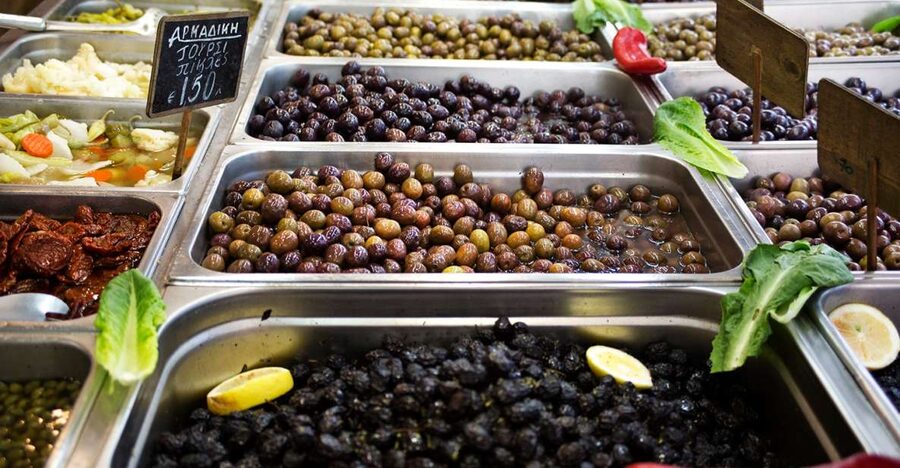
- Market stop with vendors and basic staples like olives and rusks
- Wine and raki plus optional fried snails for the brave among you
Why this Heraklion food tour feels like real local life
Heraklion’s food culture isn’t just about eating. It’s about rhythm: coffee first, conversations second, and ingredients you can point to—cheese, olives, bread, wine—right there in the city. That’s why this tour works: it layers tastings with small city moments, so you end the walk with both full hands and a better sense of place.
The tour’s best asset is the guide. Reviews repeatedly name Eva as a standout for warmth, humor, and cultural storytelling. Other guides like Mya and Margarita show up too, and the pattern stays the same: you get straight talk about what you’re eating and why Cretans care about it.
You also get variety. This isn’t one long line of bite-sized samples. It’s a structured progression from breakfast-ish flavors into savory plates and then wine and raki to round it out.
You can also read our reviews of more tours and experiences in Crete.

Meeting at Eleftherias Square and getting your bearings fast
You start at Eleftherias Square at 11:00 AM, near the statue of a soldier in the middle of the square. It’s the main hub by the Archaeological Museum, and the guide holds a Crete Local Adventures sign so you can spot them.
This matters more than it sounds. Heraklion’s center can feel crowded, and construction or renovation can shift landmarks people use to meet. Build in a little buffer so you’re not stressed at the start—because the whole tour flows better once you’re relaxed.
Wear comfortable shoes. The route is designed for walking between neighborhood stops and food counters, so good footwear pays off.
Ellinikós kafés: sand-brew coffee and cup reading
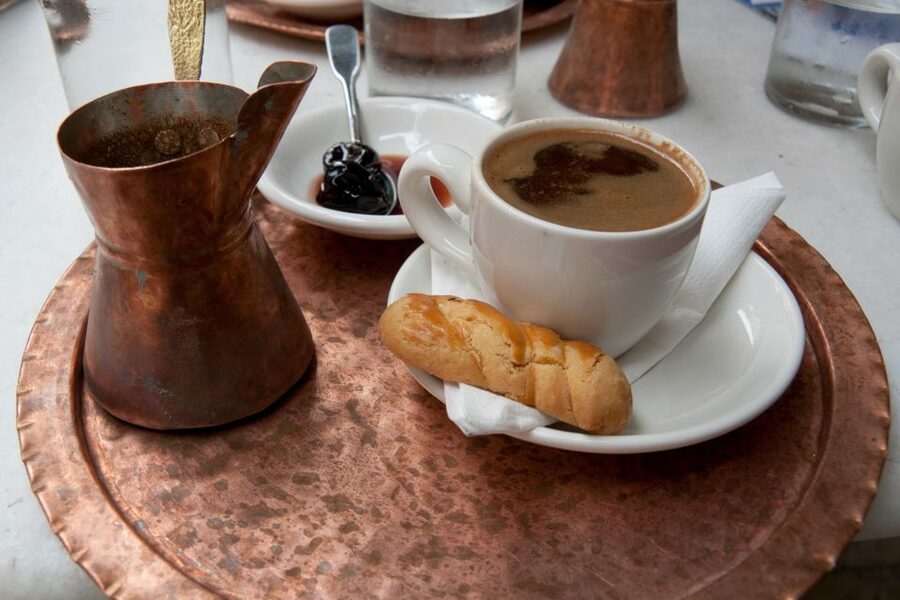
The first tasting is traditional Greek coffee, also called ellinikós kafés. You’ll see it brewed in the old way using sand, which is part science and part ceremony—slow, controlled, and built around watching the cup.
Then comes the fun cultural piece: cup reading. You won’t get a magic trick; you’ll get a tradition. Greeks treat this like a friendly way to start the day’s story with a bit of prediction and personality, not a hard promise. Even if you’re skeptical, it’s a great way to loosen up and learn a local custom in a low-pressure setting.
Plan to take a few sips and actually taste the coffee. It’s strong, and that matters because the rest of the stops build off that first bold flavor.
The bougatsa stop: family tradition from 1922
Bougatsa is one of those foods that sounds simple until you taste it right. The tour takes you to a family-owned shop that has been perfecting the technique since 1922, and you’ll learn what makes it bougatsa and why people argue about the best version.
Bougatsa is typically semolina custard layered with phyllo, with options like cheese or minced meat filling. That’s the heart of it: crispy layers outside, creamy interior inside, with the filling doing the flavor work. When you taste it on a tour like this, you start to notice texture and balance more than just sweetness.
Practical note: pastries plus coffee is a strong start. Pace yourself so you’re still excited later when cheeses, olives, and olive oil come out.
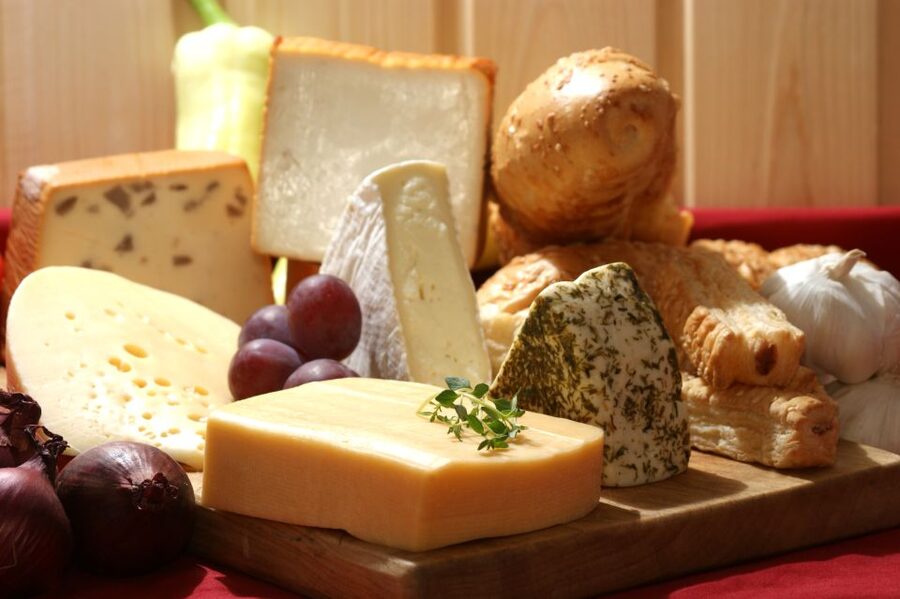
Cheese tasting like a Cretan: how to choose the good stuff
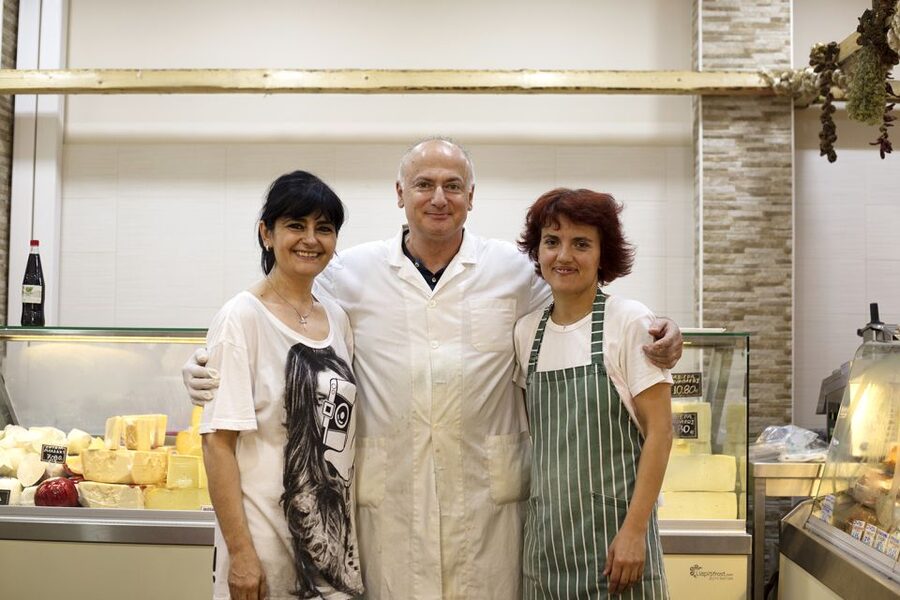
Next you shift into Cretan cheese territory, and this is where the tour turns from eating to learning. You get tasting guidance that helps you spot standout cheeses, and the goal is simple: help you become a cheese-expert in the way locals actually think about selection.
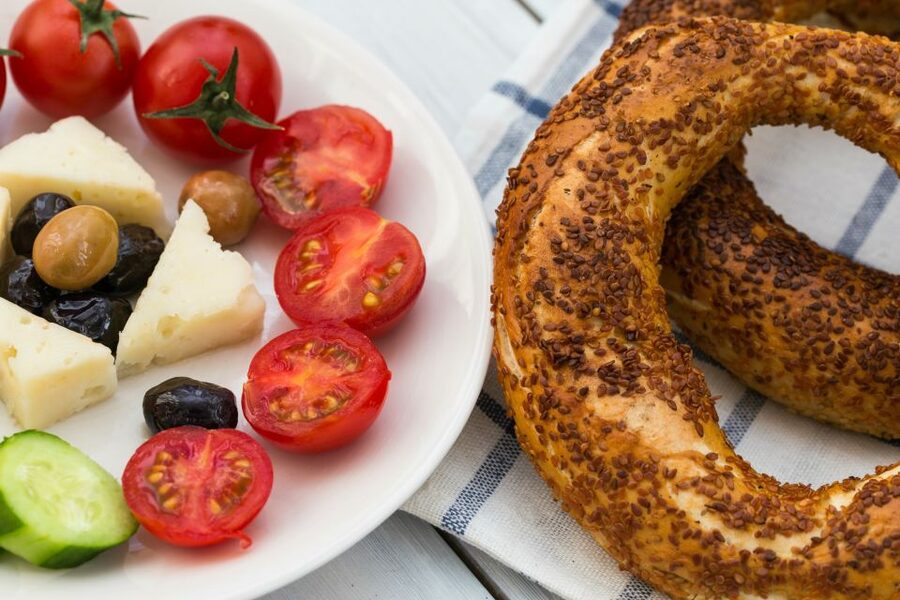
Cretan cheese isn’t just one flavor. It’s a spectrum based on type, aging, and how it’s produced, and the tour’s tastings are designed to teach you what to look for with your own senses. You’ll also get hints you can use again later in shops—how to talk to vendors, what to ask, and what characteristics signal quality.
If you care about food beyond the tourist standard, this stop is worth it. You leave with a better ability to judge what you’re buying, not just what you’re sampling.
Market time for real ingredients: olives, rusks, and more
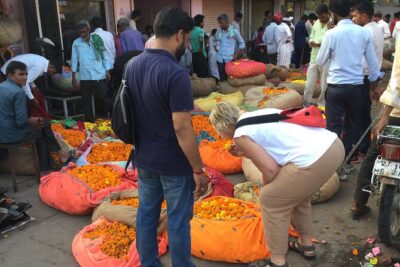
After the cheese stop, you go to a local market where you meet vendors and learn about their products. This is one of my favorite segments because it connects what you tasted to where it comes from and who handles it day to day.
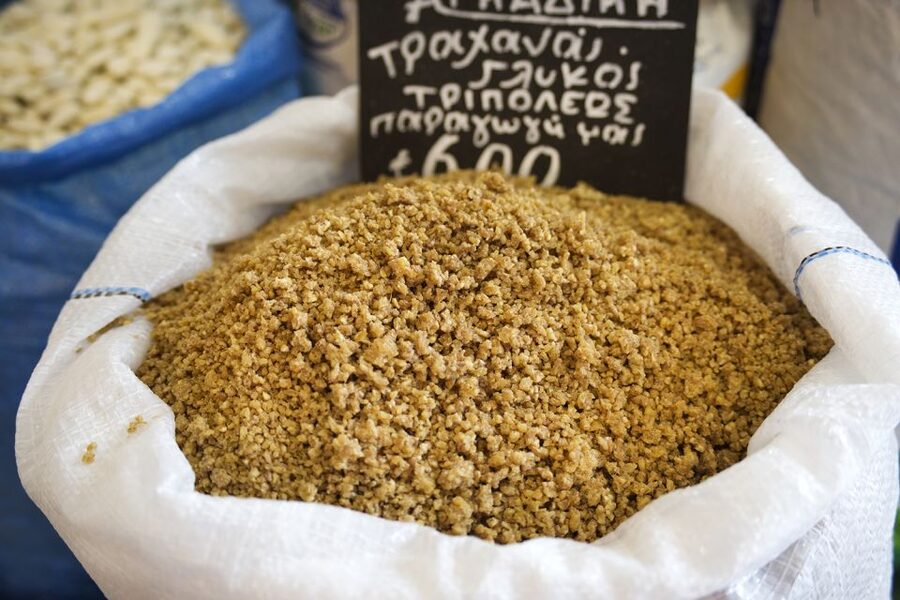
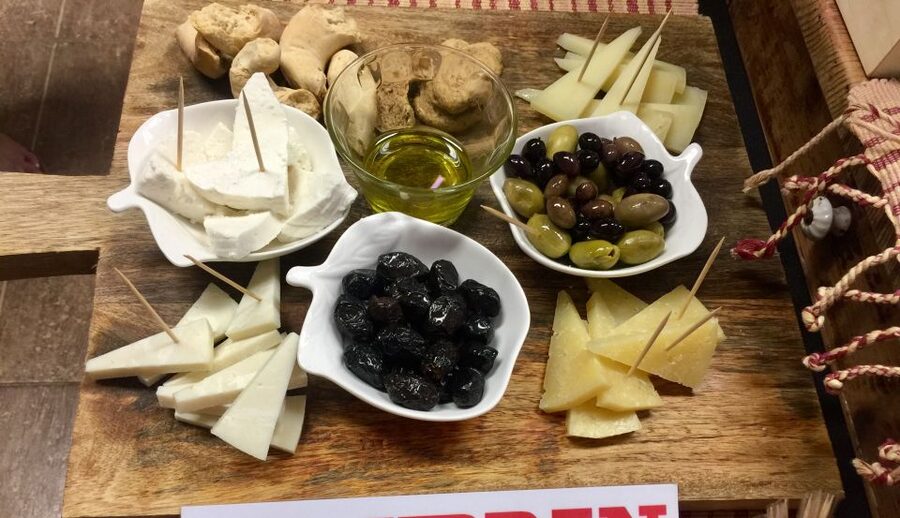
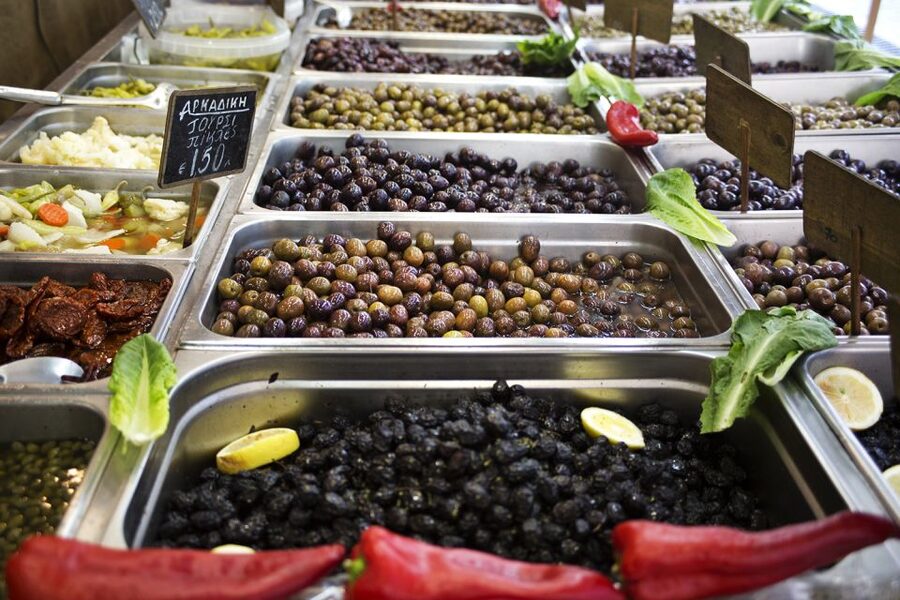
You’ll sample core Cretan items like olives, rusks, and cheese components that show up in everyday eating. Market tastings also help you understand the logic of Cretan cuisine: simple ingredients, prepared well, eaten often, and treated with respect.
Here’s where olive oil gets highlighted. You’ll taste world-famous Cretan olive oil and hear why it’s considered among the best in the world. The tour doesn’t just point at hype; it explains what makes the oil special and why organic growing matters to the final product.
Agios Minas Cathedral tea break: history without heavy lectures
Between tastings, the tour includes city stops that slow you down and give context. One highlight is visiting Agios Minas Cathedral with a tea pause that keeps the energy steady without turning the afternoon into constant eating.
This is a smart break in the route. After pastries, cheese, and market bites, tea resets your palate and gives you a chance to process what you’ve just learned. It also adds a layer of local sight-seeing so the tour feels like a true city walk, not a food circuit.
You’ll get enough background about the areas you pass to understand why Heraklion looks the way it does, and how food habits connect to daily life in Crete.
Wine, raki, and meze-style tastings at the end of the route
The final stretch is built around wine tasting and tapas-style bites, with time for a glass of local wine and often raki as well. The shop is family-run, and the guide ties the flavors to long wine-making traditions in Crete, including history that dates back to the Bronze Age.
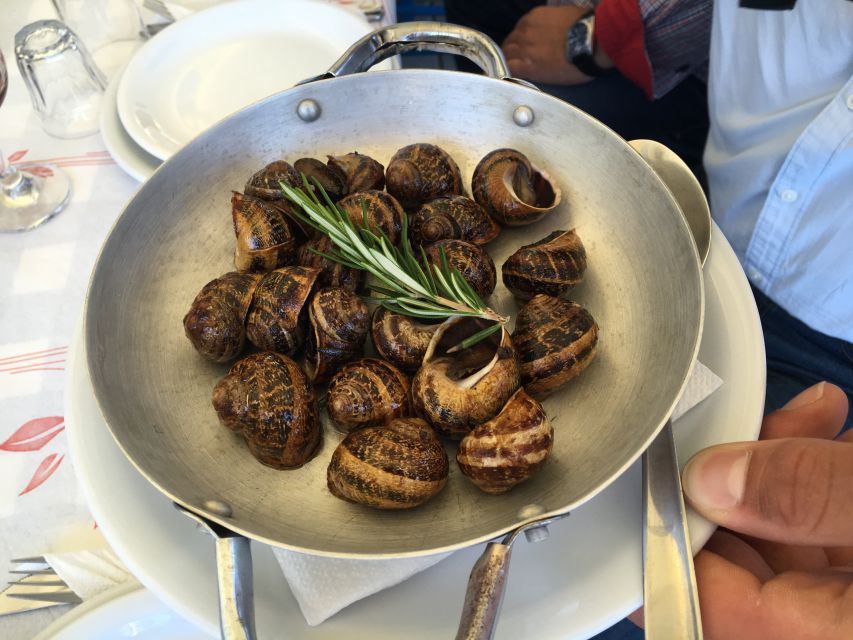
You’ll also get a mix of local savory tastes. One is a local organic meat dish, and another is an optional tasting for the brave: fried snails. If you want to test your comfort zone, this is the moment—if not, you can focus on the other savory samples and keep moving.
And yes, you’ll likely feel properly full by the time you reach the finish point. Reviews commonly describe leaving stuffed with lots of small bites rather than just a few token samples, so plan on skipping a big late lunch.
Why the pacing works: more than just “tasting everything”
Some food tours feel like a conveyor belt: one stop after another with little space to notice what you’re eating. This one spreads tastings out and includes short cultural checkpoints, so you actually absorb the differences.
The best part is that tastings are paired with guidance. The coffee ritual, the cheese selection tips, the olive oil tasting, and the wine history all point to a theme: Cretan food is tied to local pride, growing practices, and everyday customs.
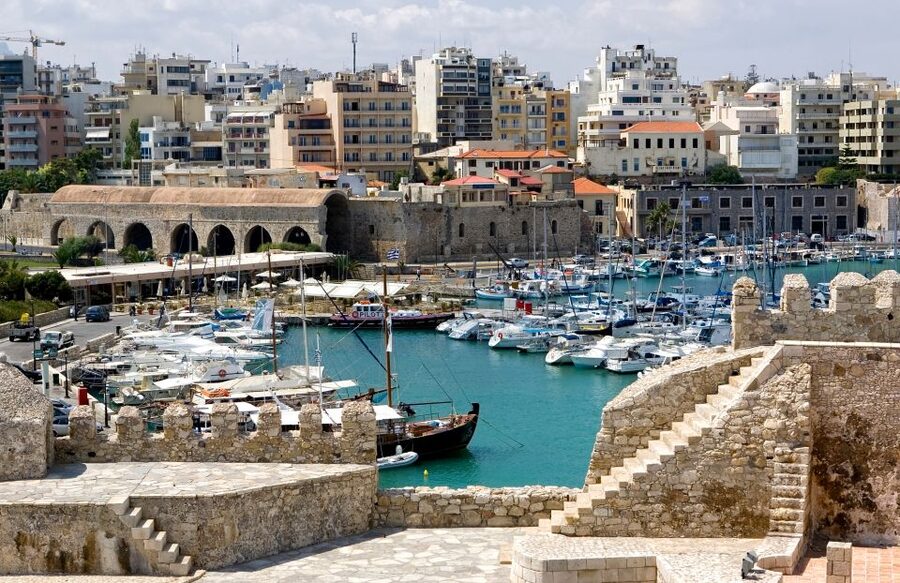
Also, you end with a meaningful stroll. The tour finishes at Rocca a Mare Fortress, which gives you a final sense of place as the afternoon winds down.
Price and value: is $114 worth it?
At $114 per person for about 4 hours, you’re paying for more than food. You’re paying for a guided route through local neighborhoods, plus guided tastings that include coffee, pastries, sweets, olives, rusks, cheese, olive oil, and local wine and spirits (with adult-only alcohol tastings).
If you tried to recreate the day on your own, you’d likely spend similar money just on multiple high-quality tastings—then add the cost of figuring out where to go and what to ask for. Here, the value is the instruction and the sequencing. You’re not only eating; you’re learning how to choose, compare, and talk about what you’re tasting.
For me, that’s the key value equation. This is a guided food education with enough variety to feel like a full meal’s worth of samples.
Who should book this walking food tour in Heraklion
This tour is a strong fit if you want a fast start to eating well in Heraklion without hunting for places alone. It’s also great if you care about understanding ingredients—especially cheeses and olive oil—so you can shop smarter later.
You’ll enjoy it if you like walking at a comfortable pace and you want some culture alongside the food. The route includes a cathedral visit and city context, and guides are praised for mixing food and history in a way that stays friendly.
It can also work for groups who want a shared activity. The tour tends to feel intimate, and reviews describe small group dynamics that make conversation easier.
Vegetarians do have options, but you should specify at booking so the guide can plan substitutions.
Should you book it or skip it?
Book it if you want a structured introduction to Cretan food culture in Heraklion, with real tastings and a guide who explains what matters. The combination of coffee ritual, bougatsa from a long-running family shop, cheese selection tips, market staples, and wine and raki makes it a solid half-day plan for first-timers and repeat visitors alike.
Skip it only if you hate walking in the heat or you want a tour with very light tasting. This one is built to fill you up, and it includes alcohol tastings for adults.
FAQ
FAQ
How long is the Heraklion food tastings walking tour?
It lasts about 4 hours.
Where does the tour start and where does it end?
It starts at Eleftherias Square (meet next to the statue of a soldier) and finishes at Rocca a Mare Fortress.
What’s included in the price?
The tour includes an English-speaking local guide and food and beverage samples such as Greek coffee, rusks, olives, cheese, pastries and sweets, and local wine/spirit tastings, plus meat tastings.
Are vegetarian options available?
Yes. Vegetarian options are available if you specify this at booking.
Is alcohol included, and is there an age limit?
Alcoholic beverages are allowed only for participants age 18 or older. Participants under 18 are provided non-alcoholic beverages.
What should I bring or wear?
Wear comfortable shoes for walking around the city.
If you want a half-day plan that feeds you and teaches you at the same time, this is one of the best ways to do it in Heraklion.