REVIEW · DENPASAR
Bali: Bites Food Tour with over 15 Tastings
Book on GetYourGuide →Operated by A Chef's Tour · Bookable on GetYourGuide
Food tour with real Bali street tastes. This small-group night outing sends you off the beach strip and into old Denpasar, where you’ll eat your way through Balinese flavors, market ingredients, and street-vendor traditions.
I like that you’re guaranteed 15+ tastings, starting with easy crowd-pleasers like pisang goreng and moving into deeper, slow-cooked dishes like ayam betutu. I also like the guide style—people repeatedly mention hosts such as Rasyid, Ras, and Russ—who connect what you’re eating to how Denpasar feels.
One thing to plan for: this is street food. If you’re dealing with severe allergies, celiac disease, or strict dietary limits, the tour warns against it, and even vegetarian options can be reduced.
In This Review
- Key things you’ll notice right away
- Starting at Inna Bali Heritage Hotel, then sliding into old Denpasar
- Why small groups (8 max) change the whole experience
- The first bites: pisang goreng, sate with sambal, and noodles that keep you moving
- Ayam betutu and soto babat: the “don’t order this elsewhere” moment
- Warungs, old-school eateries, and the kind of places you’d miss alone
- Market walking in Denpasar: watching ingredients before you eat them
- The arak and blessing moment: optional spice in the story, not the stomach
- Food safety and hygiene: what to expect and what to do
- Price and portion reality: where the $45 value comes from
- What this tour is best for (and who should skip it)
- Should you book Bali Bites in old Denpasar?
- FAQ
- How many food tastings do I get?
- Where do I meet the guide?
- How long is the tour?
- Are drinks included?
- Is this tour vegetarian-friendly?
- Can I do this if I have celiac or gluten intolerance?
- What should I bring for the walking tour?
Key things you’ll notice right away
- 15+ tastings across 7–8 stops: it’s built like a progressive dinner, not a quick snack tour
- Old Denpasar street focus: you’ll spend the evening in backstreets and warungs, not beach restaurants
- Max 8 people: small enough to hear your guide without shouting over traffic
- Market time matters: you’ll walk through a local produce market and end at Badung night market
- Lots of variety: noodles, soups, tofu, satay with sambal, and a sweet finish
- Real talk about food limits: vegetarian diets may lose 3–4 tastings; severe allergies and celiac aren’t a fit
Starting at Inna Bali Heritage Hotel, then sliding into old Denpasar
This tour begins at the Inna Bali Heritage Hotel in Denpasar. The meeting point is the terrace bar/restaurant on the far side of the road from the hotel sign with the white letters. It’s an easy taxi ride from beach areas like Kuta, Seminyak, Canggu, and Sanur, which matters when you’re planning a night out without wasting time.
Once you meet your guide, the rhythm kicks in fast: you’ll walk, stop, eat, and keep moving. That’s one reason this tour feels different from dining at a single restaurant. You get the “how locals eat” flow—ordering where you see the food, not where a menu in English tells you what to order.
Denpasar at night has its own pace. You’ll notice the smaller streets, the steady movement of families and vendors, and the way warungs operate like local hubs. The tour gives you a guided route so you’re not just passing by; you’re tasting your way through the neighborhood.
Why small groups (8 max) change the whole experience
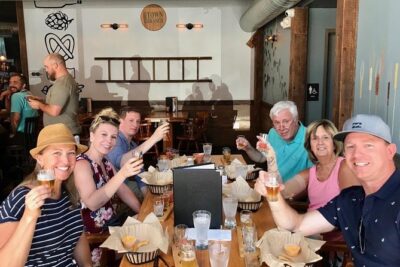
At 8 participants maximum, you avoid the classic food-tour problem: big groups turn into fast line-waiting. Here, you can actually hear the guide and ask quick questions at stops. Reviews point out that small group size makes it easier to stay engaged, and it also helps the guide manage the timing around multiple eateries.
This also affects how you taste. When you’re not sprinting from place to place, you get time to notice flavors—spice levels, sour notes, nutty peanut sauces, and the difference between crispy fried snacks and slow-cooked mains. It’s still a walking tour, but it doesn’t feel chaotic.
Value-wise, you’re paying for access: a guided route through spots you’d likely skip on your own because they’re not on the main restaurant drags. In a city where the best food often lives in side streets, “small and guided” is the whole point.
The first bites: pisang goreng, sate with sambal, and noodles that keep you moving
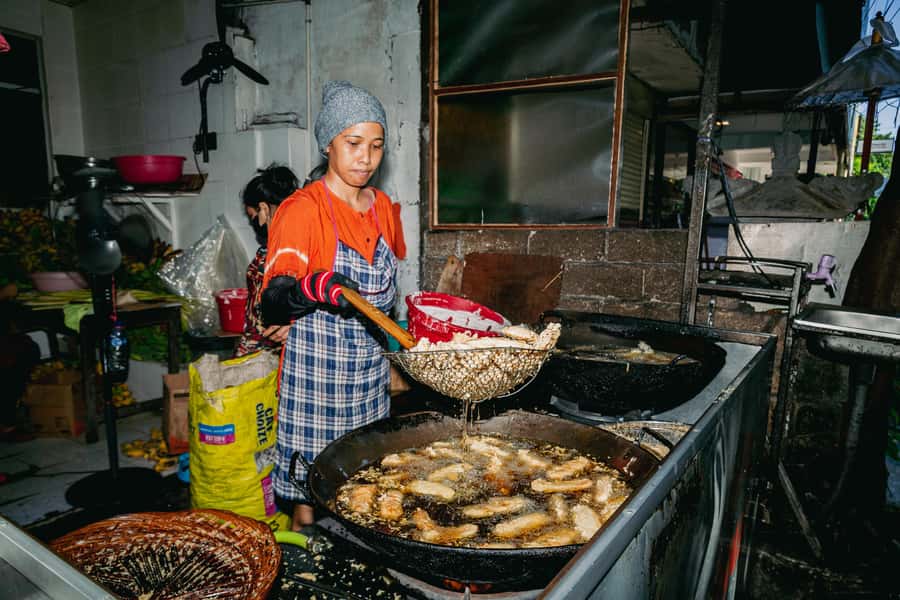
You start with snacks that are made for street-eating. Pisang goreng—crispy bananas—works as a warm-up. You’ll get that crunchy exterior and soft inside that’s common in Indonesian snack culture. It’s a smart start because it’s easy, filling enough to settle your stomach, and not overwhelming.
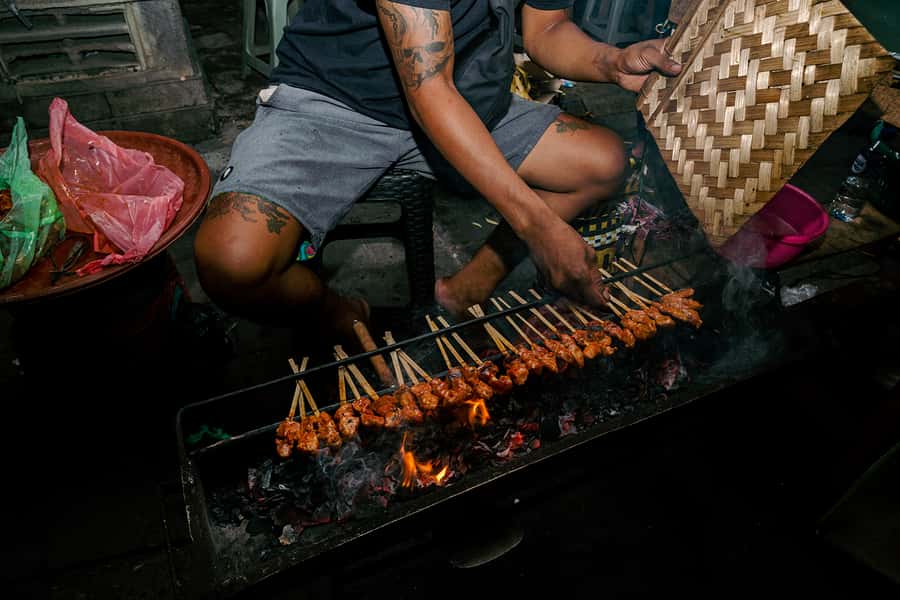
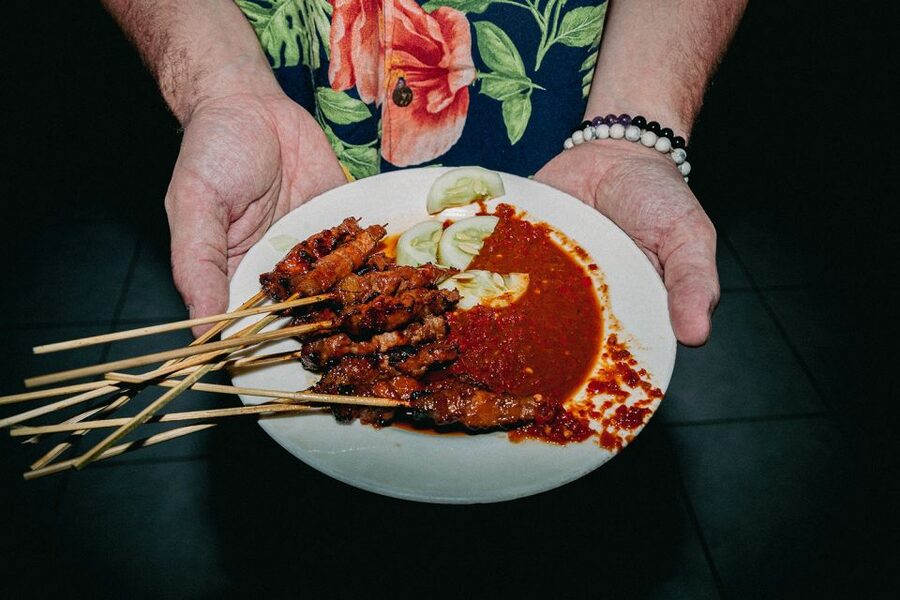
Next comes sate with sambal. Satay is one of those foods that can be basic or unforgettable depending on the sauce. The sambal part matters. You’ll taste heat plus depth—often from chili, salt, and acidity—so you start learning how Bali balances bold spice with comfort.
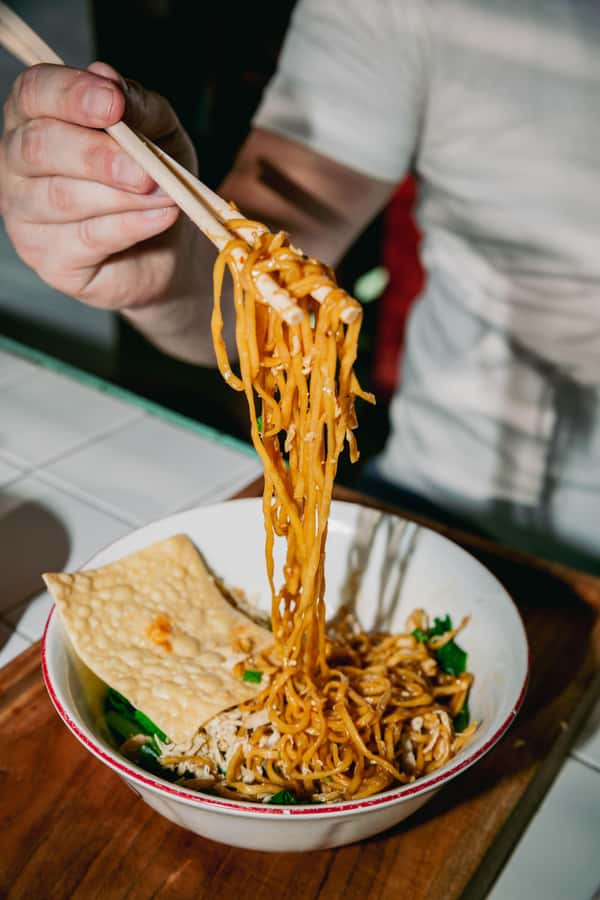
Then the tour shifts to noodles, with wok-fried yamien mentioned as part of the evening. Noodle stops are a practical choice on a food tour: they move quickly, they’re share-friendly, and they help you pace your appetite. You’ll also notice how street versions can taste lighter or more fragrant than the heavier tourist options.
If you get hungry earlier than planned, that’s normal. The tour nudges you to come with an empty stomach. If you show up full from a big late lunch, you might end up enjoying the walk more than you enjoy the food—because the tastings add up.
Ayam betutu and soto babat: the “don’t order this elsewhere” moment
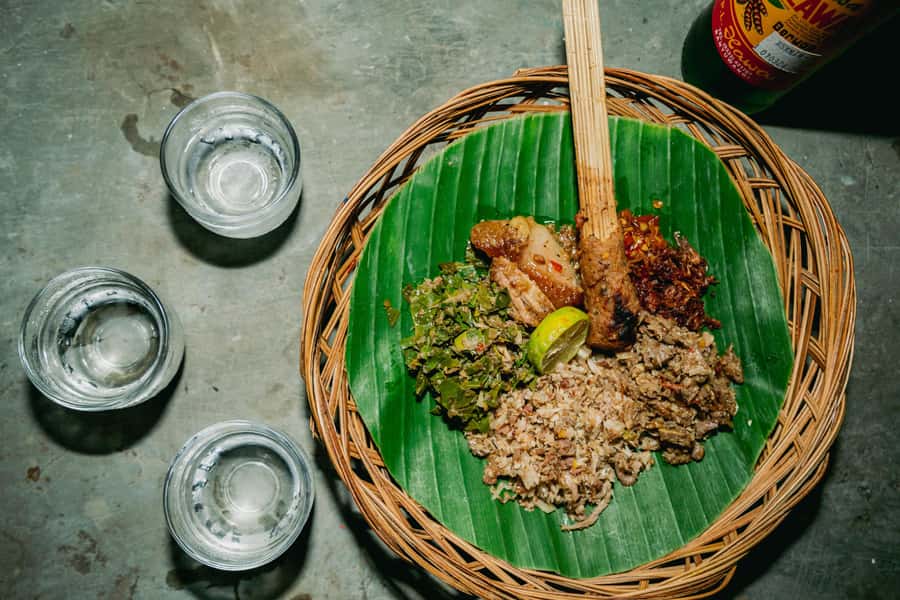
This is where the tour earns its keep: you move from familiar street favorites into dishes tied to Balinese and Javanese influence. Ayam betutu (Balinese chicken) is often the kind of food you only truly understand after you try it. It’s slow-cooked and fragrant, with flavors that feel deeper than quick grilled satay.
You’ll also try soto babat, a beef soup tied to Javanese cuisine. Even if you’re not a soup person, don’t skip this tasting. Soup on a food tour is more than liquid. It’s a chance to taste how spices dissolve and mellow. In other words, it’s where the tour shows you that “street food” can be serious cooking.
A popular theme in the experience is that you’re not just eating. You’re learning why the dishes work together. Crispy snack, spicy bite, fried noodle, then slow-cooked chicken or beef soup—each stop prepares your palate for the next.
Warungs, old-school eateries, and the kind of places you’d miss alone

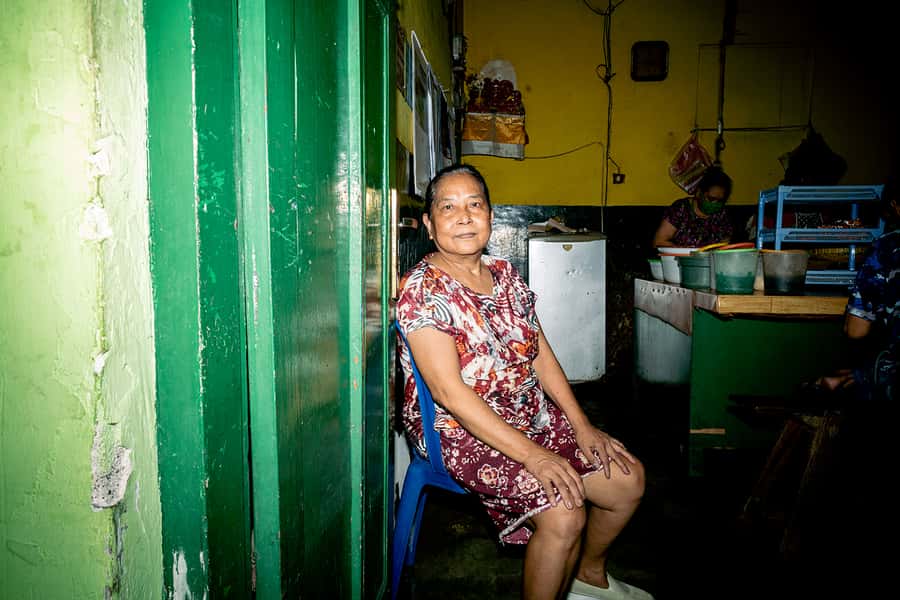
One of the most praised aspects is the setting: beloved local warungs and street vendors. People mention that the places don’t feel like random street stands tossed in for novelty. Instead, they feel like long-running favorites, with some eateries operating for decades.
You’ll also see a mix of textures and ingredients. Tipat tahu (fried tofu with peanut sauce) is one example: creamy peanut flavor plus the crisp from fried tofu. It’s not just tasty; it’s educational, because peanut sauces show up in multiple Indonesian dishes in different forms.
You might also encounter other favorites depending on the night. Reviews mention banana pancakes, dumpling soup, and jackfruit ice cream. That’s a useful thing to know before you book: while the tour has set ideas and core dishes, your exact lineup can shift slightly from one group to the next.
Market walking in Denpasar: watching ingredients before you eat them
A produce market stop is part of the experience, and it’s a big deal. Food tours often only show you the final dish. This one tries to connect the dots between ingredient and flavor—so you can understand what you’re tasting instead of just sampling it.
As you stroll, you’ll learn how market ingredients fit into Balinese cooking styles. You’re also getting a real sense of how locals shop and how the market supports the evening food scene you’re about to eat.
Then you keep moving toward a night-market finish at Badung Market. The sweet ending is designed to close the loop: you eat local savory dishes all night, then end with dessert so you don’t feel like you’re just full—you feel satisfied.
The arak and blessing moment: optional spice in the story, not the stomach
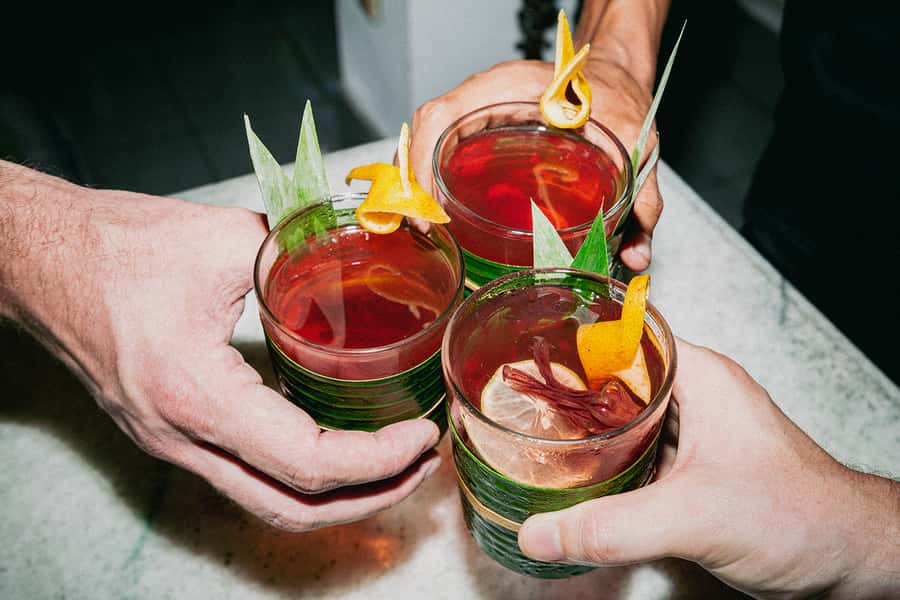
The tour includes a cultural moment described as a Balinese blessing and the possibility of a shot or two of arak, local firewater. If you don’t drink alcohol, you can still enjoy the cultural part without forcing yourself to take anything.
Think of it as a “context stop.” It’s one of those moments that reminds you food and culture are tied together here. Even if your taste focus stays on the food, this kind of small ritual makes the evening feel more grounded.
If you’re the type who hates surprises, don’t panic. You’re told what to expect, and this is a food tour first. Just be ready for a brief cultural moment that’s part of how locals view shared meals.
Food safety and hygiene: what to expect and what to do
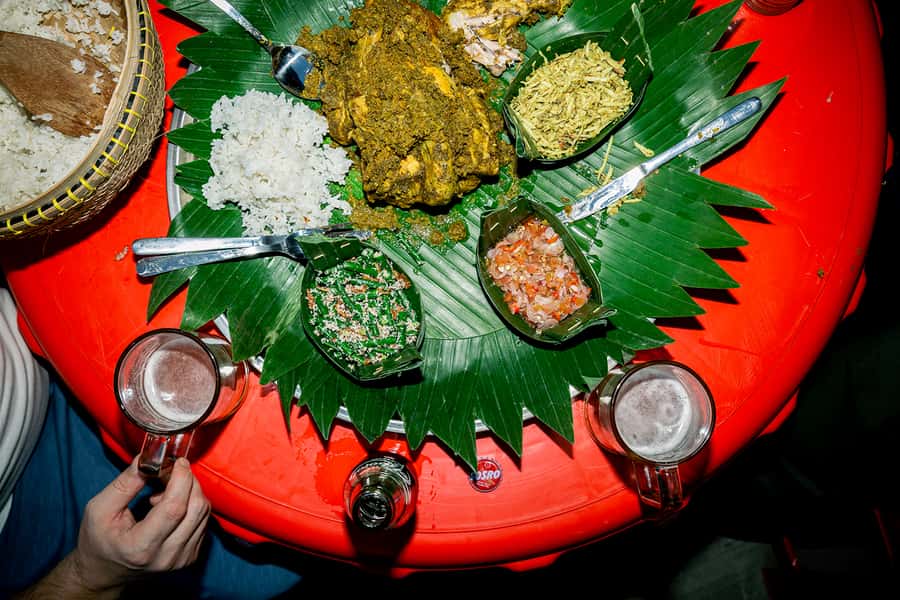
Street food can be a concern, especially if you’re worried about stomach problems. The good news is that reviews repeatedly note clean prep practices—people specifically mention food being prepared with gloves and clean utensils, and that they didn’t end up with Bali belly.
Still, be realistic. You’re eating multiple street-food tastings in one night. You can reduce risk by following simple rules:
- Stay calm and eat what’s being served fresh.
- Don’t share utensils or drinks.
- If something looks questionable, ask your guide rather than guessing.
Also remember: this tour is not built for severe allergies or celiac disease. Cross-contamination risk is specifically called out, and even when something is gluten-friendly in theory, soy sauce traces in multiple tastings can matter.
Price and portion reality: where the $45 value comes from
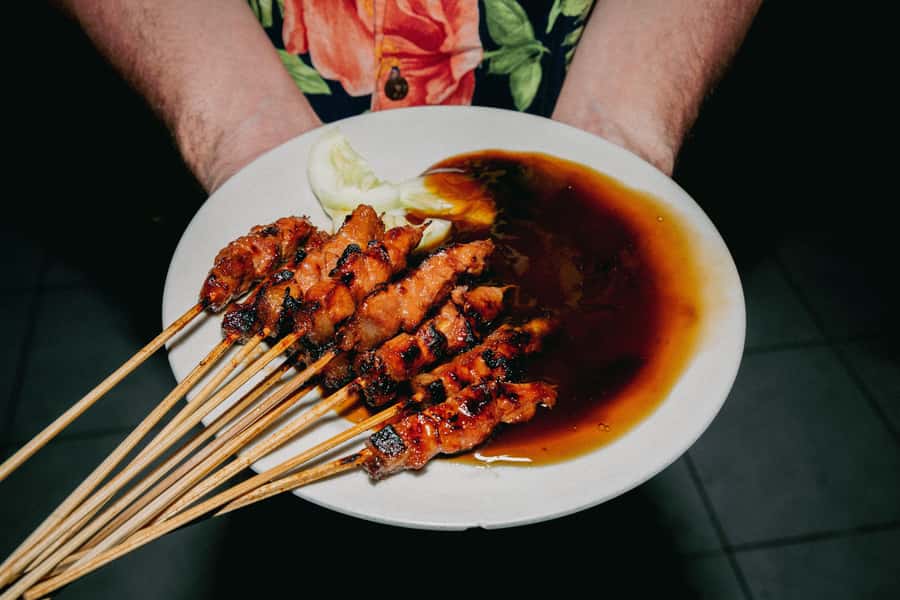
At $45 per person for around 3–4 hours and 15+ tastings, the price makes sense if you treat it like a full meal experience. This isn’t one small snack and a nice walk. It’s a progressive dinner format with 7–8 stops.
The value is strongest if you:
- Want a guided route through old Denpasar streets and warungs
- Prefer to eat multiple small plates instead of paying for a single restaurant meal
- Like learning how dishes connect to local life
What’s not included is also part of the value equation. Alcoholic drinks aren’t included, but bottled water and local drinks are. That keeps the base price focused on food rather than turning it into a bar crawl.
If you arrive with a light breakfast, you’ll likely enjoy every stop. If you eat heavy earlier, you might hit that point where the walking keeps going but your stomach taps out.
What this tour is best for (and who should skip it)
This tour is perfect for food lovers who want more than beachside dining. It’s also ideal if you like being outside in the evening and you don’t mind a steady walking pace.
You’ll enjoy it most if you:
- Want Balinese and Indonesian street-food variety in one night
- Like markets and don’t mind that street vendors may limit certain options
- Appreciate a guide who connects cooking to city life (people often highlight this storytelling angle)
Skip it if you’re:
- Pregnant (listed as not suitable)
- Vegan or vegetarian (listed as not suitable)
- Dealing with severe allergies or celiac disease (not suitable)
If you’re dealing with mild gluten intolerance, the tour says it can be suitable, but it also advises against celiac due to trace gluten risk in several tastings.
Should you book Bali Bites in old Denpasar?
I’d book this tour if you want a real Denpasar street-food evening, and you’re ready to eat a lot. The combination of 15+ tastings, a market stop, and a small group route through local warungs is exactly what you pay for here.
If your diet is highly restrictive or you have serious allergy concerns, look for a different option. And if you tend to eat a heavy meal early, plan for a lighter day so you can actually enjoy the full progression.
FAQ
How many food tastings do I get?
You get 15+ food tastings across 7–8 stops.
Where do I meet the guide?
Meet at the terrace bar/restaurant of the Inna Bali Heritage Hotel in Denpasar. It’s the outdoor bar on the opposite side of the road from the hotel sign with white letters.
How long is the tour?
It runs about 3–4 hours, depending on group pace.
Are drinks included?
Bottled water and local drinks are included. Alcoholic drinks are not included.
Is this tour vegetarian-friendly?
The tour states that vegans and vegetarians are not suitable. It also notes that vegetarian diets have 3–4 fewer tastings due to limited alternatives at some vendors, so you should confirm before booking.
Can I do this if I have celiac or gluten intolerance?
It says it is unsuitable for celiac disease, because there are traces of gluten in several tastings (soy sauce can be involved). It does say it can be suitable for mild gluten intolerances, but it advises against celiac.
What should I bring for the walking tour?
Bring comfortable shoes and a weather-appropriate outfit. An umbrella is recommended since the tour operates come rain or shine.