REVIEW · CRETE
Crete: Full-Day Cretan Wines, Olive Oil, Raki and Food Tour
Book on GetYourGuide →Operated by Cretan Vioma · Bookable on GetYourGuide
Raki plus olive oil equals a great Crete day. This full-day tour strings together olive groves, a working olive mill, a family winery, and a raki distillery, then finishes with pottery in a traditional village. You get the story behind the island’s best products, not just a quick sip-and-run.
I love how the stops are built around process: you tour the olive mill and grove, taste fresh oil, then walk through vineyards and sample wines. I also like the way the tastings are paired with real people and real routines, with small-group energy guided by Antonis or George.
One consideration: it’s a packed 8 hours, and the raki can be surprisingly strong, so pacing and water matter. Also, the pottery workshop isn’t available on Sundays.
In This Review
- Key things to know before you go
- A Day Built Around Crete’s Best Bottles (and Big Flavor)
- Pickup, Van Time, and Why the Small Group Changes Everything
- Skalani Olive Mill: Brunch, Olive Groves, and Fresh Oil Taste Tests
- The Family Winery With Organic Methods and 5 Wines
- Rakokazano Raki Distillery: The Ancient Wine-Press Twist
- Lunch in a Traditional Village: Eat Like the Locals Between Sips
- Thrapsano Pottery Workshop: Hands-On Clay Time
- What You’ll Actually Learn From the Tastings
- Price and Logistics: Is $141 Worth It?
- Who Should Book This Tour (and Who Might Skip It)
- Should You Book Cretan Vioma’s Cretan Wines and Food Tour?
- FAQ
- How long is the tour?
- How many people are in the group?
- What tastings are included?
- Do you visit an olive mill and olive grove?
- Is pottery included?
- What is the language of the tour?
- Does the tour include pickup and drop-off?
- Is lunch included?
Key things to know before you go
- Small group (up to 8) means more conversation with the families behind the food and drinks.
- Olive mill + grove tour gives you a clear picture of how Cretan olive oil actually gets made.
- Family-owned winery with organic methods and a structured 5-wine tasting.
- Rakokazano distillery includes raki tastings and an ancient wine-press story.
- Pottery in Thrapsano is hands-on, but the studio isn’t available on Sundays.
A Day Built Around Crete’s Best Bottles (and Big Flavor)
If Crete has a power trio, it’s olive oil, wine, and raki. This tour treats all three like they deserve equal time. You start with the island’s olive heritage, then move into vineyards and winery production, and finally close with distillery culture and a traditional meal.
What makes it more than a tasting crawl is the balance of hands-on and sit-down moments. You’re not only sampling. You’re learning what to notice: aroma, texture, bitterness, sweetness, and the way local agriculture shapes the taste. It’s a full day, but the stops keep switching gears, which helps the time feel fly-by fast.
The guides also matter. Many days you’ll be with Antonis or George, and both bring the same vibe: friendly, a bit funny, and serious about showing how Cretan families make a living. You’ll likely find yourself asking questions like a curious neighbor rather than a spectator with a clipboard.
You can also read our reviews of more food & drink experiences in Crete

Pickup, Van Time, and Why the Small Group Changes Everything
This is an 8-hour experience that includes pickup and drop-off at your accommodation. You’ll ride in a vehicle (with multiple short drives between rural stops), so expect some time in transit. That’s not a downside here; it’s part of the plan because the best producers are spread out.
The big quality jump is the small group size—limited to 8 participants. In practice, that means:
- fewer awkward pauses during tastings
- easier back-and-forth with your guide
- more personal interaction at olive mills, wineries, and family restaurants
The tour is offered with guides in English and Greek, so you won’t be left guessing what you’re looking at. And because the group is small, your guide can manage the day’s rhythm—keeping the pace lively without rushing every stop.
Skalani Olive Mill: Brunch, Olive Groves, and Fresh Oil Taste Tests
Your first main stop centers on olive oil, the backbone of Cretan life. At Skalani, you’ll visit an olive mill and also tour an olive grove. That combination is key. The grove teaches you where the product starts—tree health, cultivation style, and how olives are grown—while the mill shows the conversion from fruit to oil.
You’ll also get brunch and local snacks around this area. The food aspect matters because olive oil isn’t just something you pour over salads. It shows up with bread, cheese, tomatoes, and other simple staples that let you taste oil the way locals do.
Then comes the tasting. The goal isn’t to memorize fancy jargon. It’s to train your palate:
- fresh olive oil typically feels more lively and can have a gentle peppery bite
- the taste changes with harvest timing and production choices
- smelling matters as much as sipping or tasting with food
If you’re an oil fan, this is where the day starts scoring points quickly. If you’re new to olive oil tastings, this is still the right entry point because the tour gives you context before you taste.
The Family Winery With Organic Methods and 5 Wines
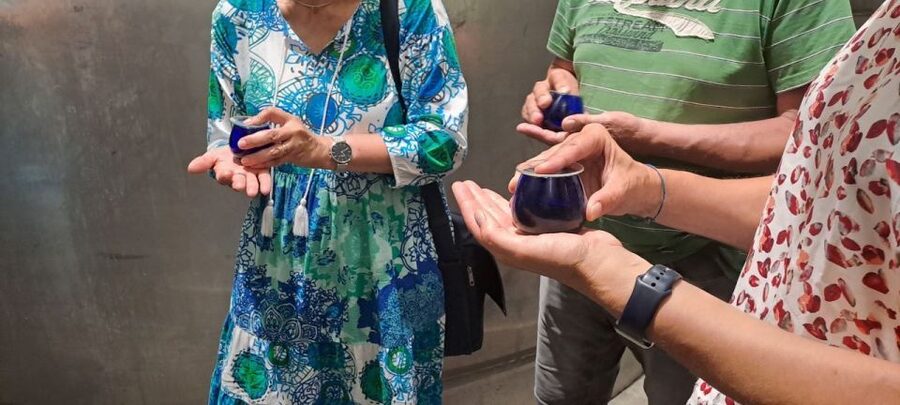
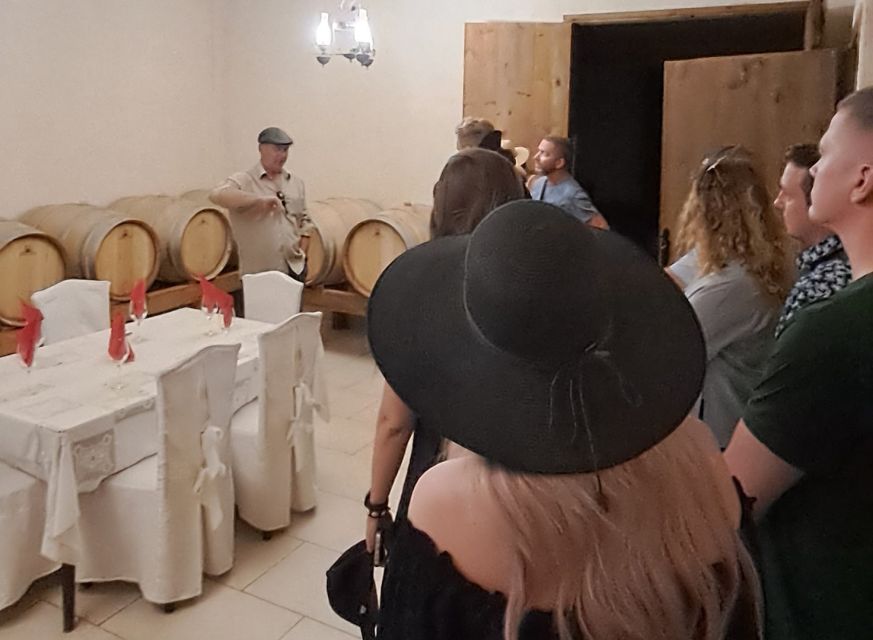
Next is a family-owned winery visit. The day’s structure here is clear: you’ll get a guided tour, walk through vineyards, and sample 5 wines. There’s also scenic viewing on the way, so you aren’t stuck facing walls between tastings.
The winery stands out because it uses organic methods for cultivating. That doesn’t automatically mean better wine for every palate, but it does give you a credible reason to pay attention to how the vines are managed. Organic cultivation often changes how growers handle soil health and pest control—both of which can shape flavor in the final glass.
The tasting itself is the practical part. You get five wines, which is enough variety to feel the range without burning out. And your guide can steer you toward what to notice—fruit versus structure, dryness levels, and how the wines feel from aroma to finish.
A small caution: wine tastings can sneak up on you. By this point, you’ve already done olive oil and food, and then you add five pours. I’d keep drinking water between wines and eat slowly during the breaks.
Rakokazano Raki Distillery: The Ancient Wine-Press Twist
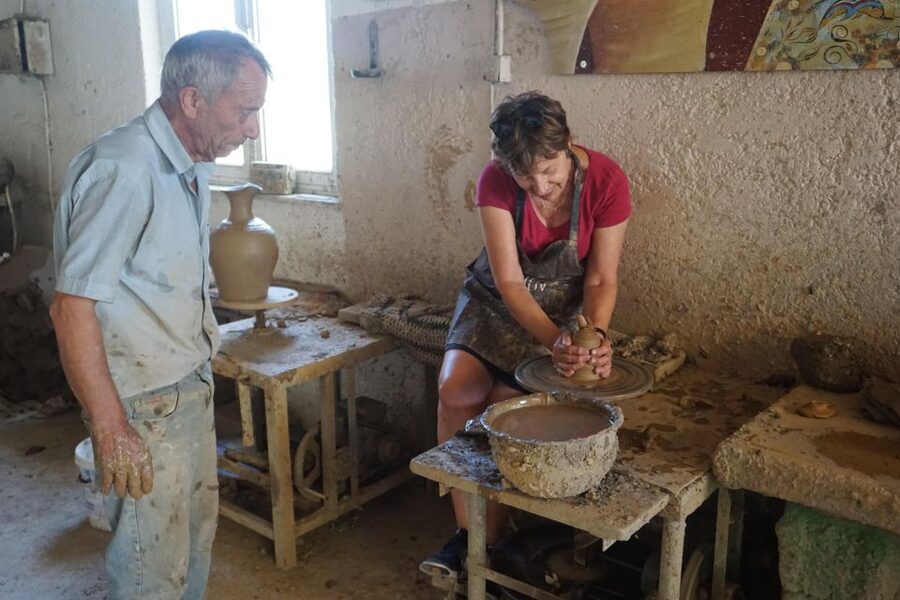
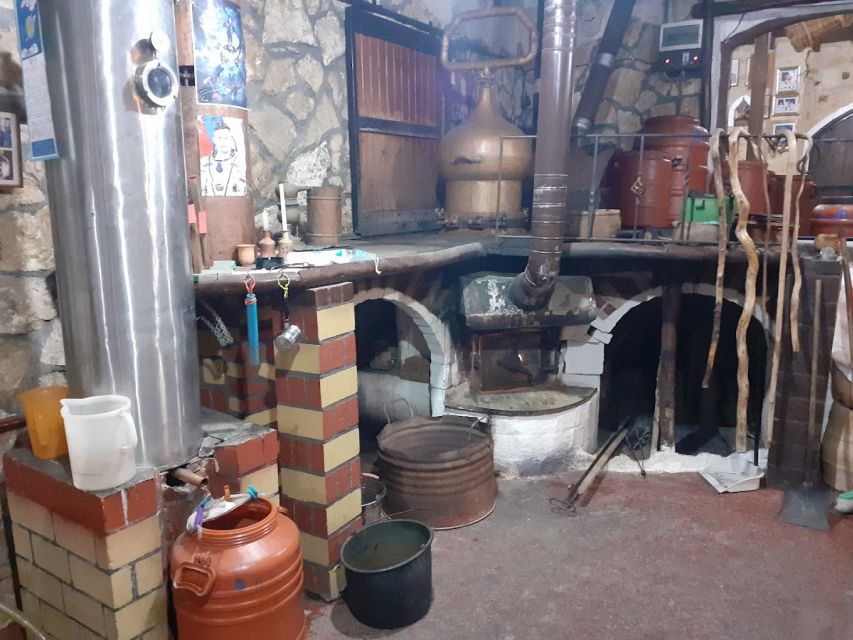
Then you head to a distillery where raki takes center stage. Raki is one of the most recognizable Cretan spirits, and this stop has a memorable angle: you’ll see an ancient wine press as part of the distillery experience.
You’ll get a guided tour first, then enjoy wine and raki tasting in the rakokazano setting. This part is often the favorite for people who like spirits, but it’s also valuable even if you don’t normally order raki. Why? You’ll learn what makes the distilling culture distinct on Crete.
One real-world detail: some raki tastings may include flavored versions. In a few cases, lemons and other playful profiles show up. That can make raki easier to enjoy if you find the plain spirit too intense.
Yes, it’s strong. The best move is simple: treat raki like a tasting experience, not a mission. Take small sips, watch your pace, and lean on the friendliness of your hosts—many will bring extra bread and nibbles as you go.
Lunch in a Traditional Village: Eat Like the Locals Between Sips
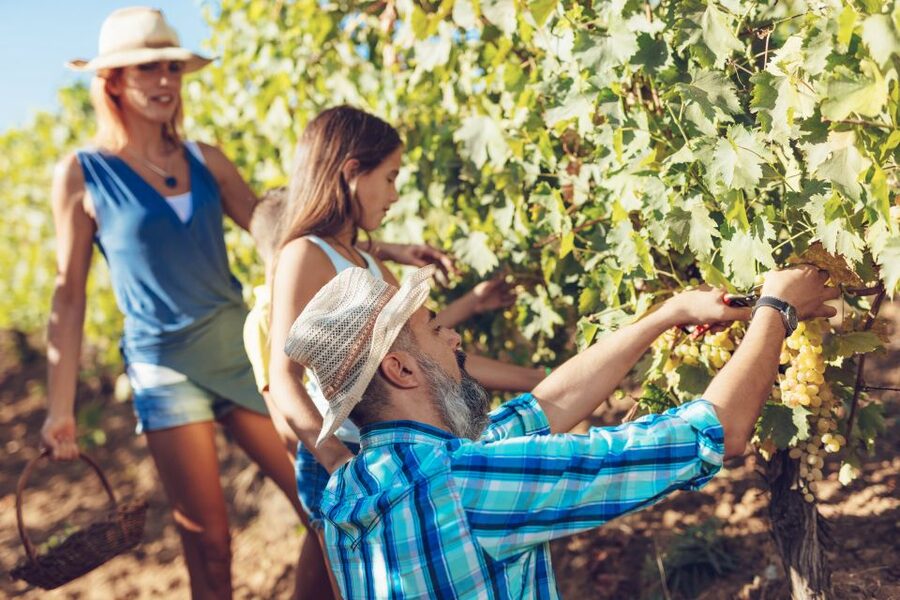
After the distillery, you’ll head for lunch at a local tavern in a traditional village. This is more than a scheduled meal—it’s where the flavors of Crete tie together. You’ll likely see classic combinations that match what you tasted earlier: olive oil on bread, grilled or slow-cooked dishes, and other hearty staples that can handle strong spirits.
Lunch is also a reset point in a busy day. By now you’ve moved from olives to wine to spirits, and your body will thank you for sitting down for an hour and eating properly.
One tip: if you’re planning to buy bottles or oil later, consider saving room (and cash or card options) for that. Some producers will offer purchases on-site, and the best bottles are usually the ones you taste and then decide you want at home.
Thrapsano Pottery Workshop: Hands-On Clay Time
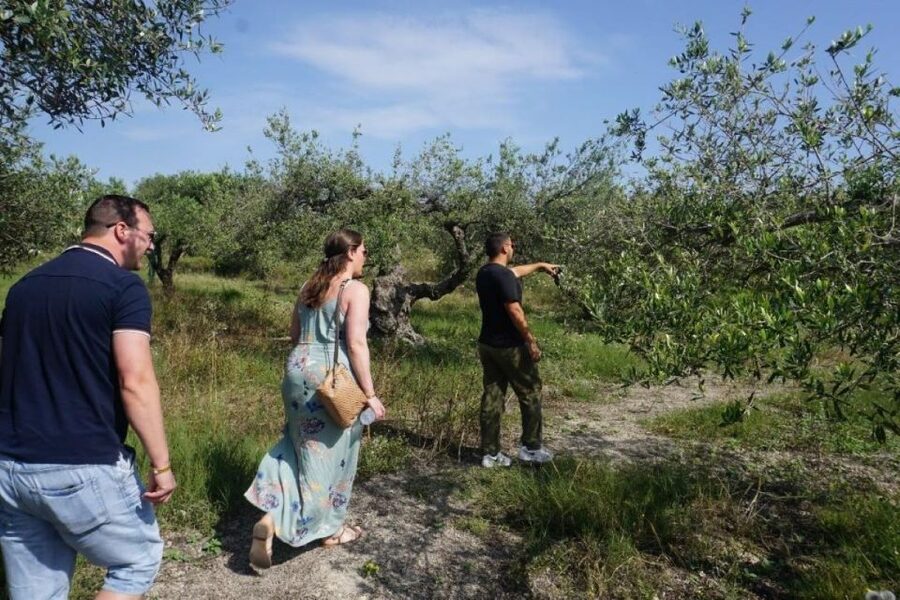
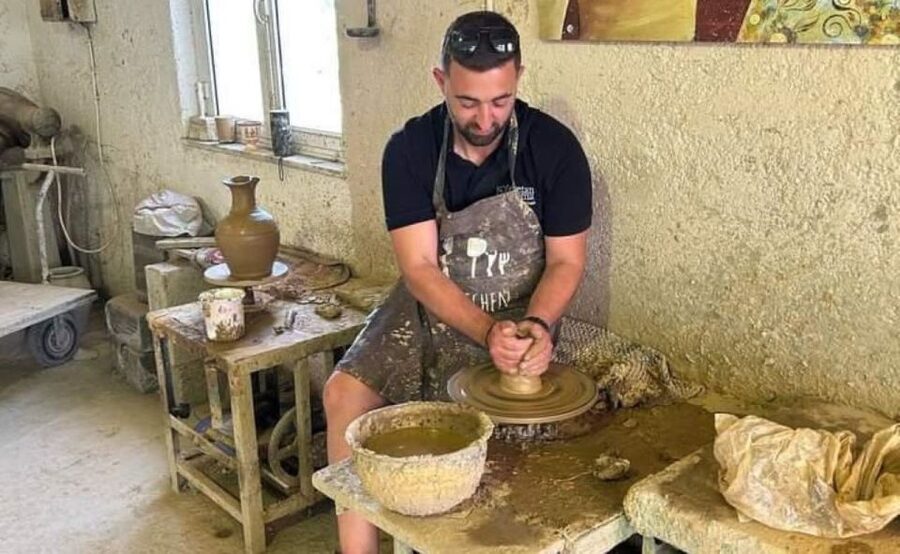
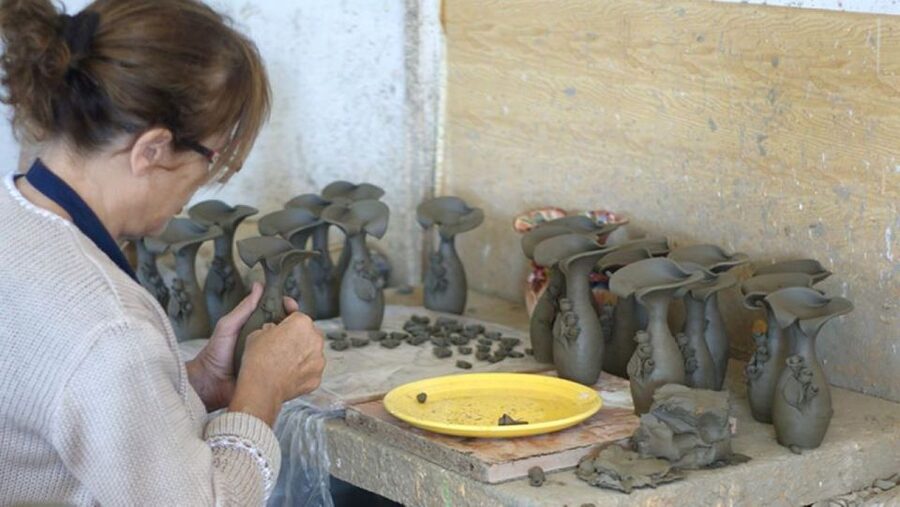
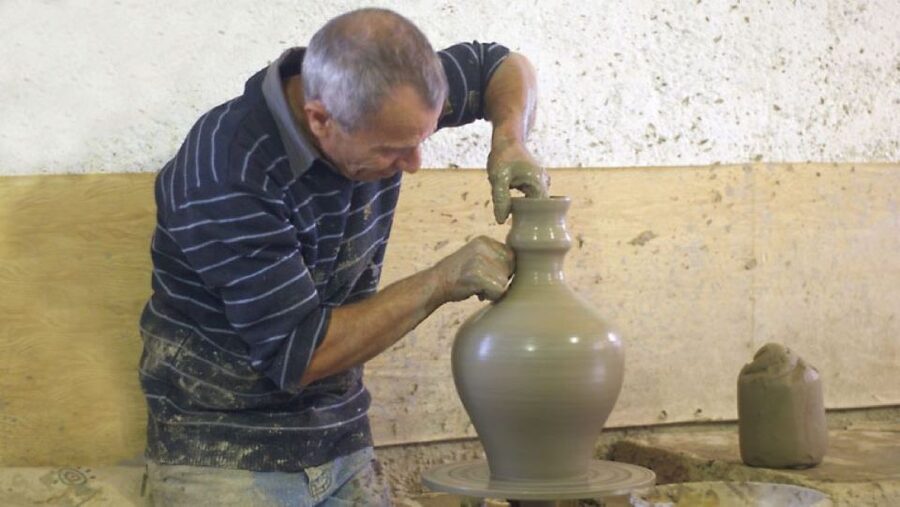
The last big highlight is pottery in Thrapsano, in a traditional village known for its pottery. You’ll get a guided workshop experience along with an arts-and-crafts market visit.
This is the part that turns the day from mostly tasting into something you can bring home in a different way. You’ll have the chance to try pottery making yourself—wheel throwing in the hands-on format. Even if you’re not artistic, it’s fun because it’s tactile and immediate. And it gives you a new respect for the time and skill behind a craft that locals have kept alive.
Important timing note: the pottery lab isn’t available on Sundays. If your trip falls on a Sunday, you may want to confirm whether the pottery component changes or if you’ll just get market time instead.
What You’ll Actually Learn From the Tastings
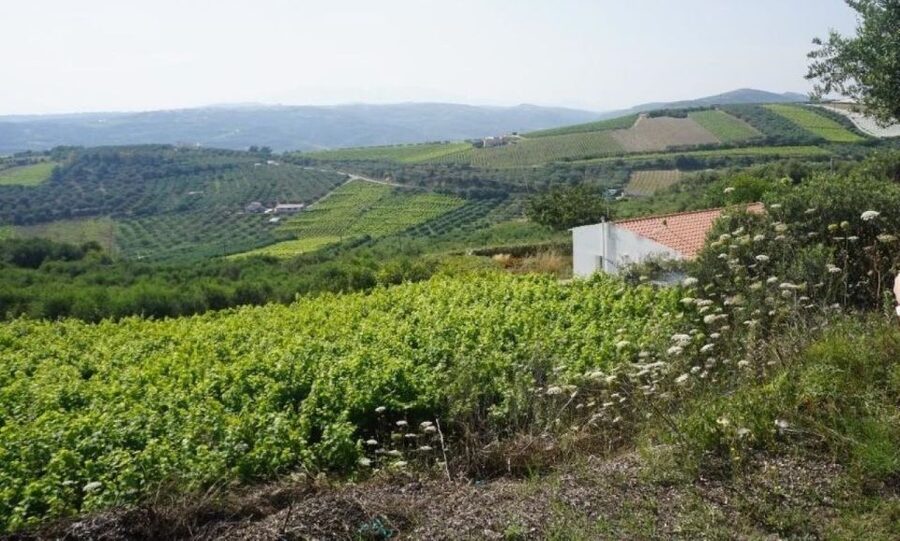
A day like this can be educational without turning into a lecture. Here’s the kind of learning that sticks, based on how the stops are set up:
- Olive oil tasting teaches texture. You’ll start noticing viscosity and bitterness-pepper balance, not just “good or bad.”
- Wine tasting teaches contrast. With multiple wines, you start recognizing differences in dryness, body, and aroma structure.
- Raki tasting teaches context. The spirit becomes less random when you understand the production culture and the distillery setup, including the ancient press element.
- Food teaches pairing logic. Cretan meals often use simple ingredients that let oil, wine, and spirit flavors show up clearly.
If you like food and drink as a window into culture, this tour does a solid job. It doesn’t stop at tasting. It connects agriculture to craft to daily meals.
Price and Logistics: Is $141 Worth It?
At $141 per person for an 8-hour, small-group day, you’re paying for more than transportation. You’re paying for access: guided tours at an olive mill and grove, a winery tour with a structured tasting of 5 wines, a distillery tour plus raki tastings, a traditional lunch, and a pottery workshop element.
Where the value really lands:
- multiple producer visits in one day (not just one “main” stop)
- tastings that are built into the tours, not added as afterthoughts
- the small-group size, so you’re not stuck watching from the back
Where you should be honest with yourself:
- if you don’t drink wine or you strongly avoid alcohol, the raki and wine tastings may feel like wasted time
- if you dislike long drives or packed schedules, the day may feel busy
- you’ll want to pace yourself, especially with raki
My practical advice: if you want one Cretan day that hits the big flavors—olive oil, wine, and raki—plus pottery, this price tends to make sense.
Who Should Book This Tour (and Who Might Skip It)
This is a great fit for:
- people who love food and drink and want more than a standard tasting room
- anyone who enjoys meeting small, family-run producers
- first-timers to Crete who want a broad sampling of agricultural culture
You might want to rethink it if:
- you prefer minimal alcohol exposure
- you get cranky with long, structured days and lots of stops
- you’re traveling on a Sunday and pottery is a must-have (since the pottery lab isn’t available)
Should You Book Cretan Vioma’s Cretan Wines and Food Tour?
I’d book it if you want a true Cretan production day: olive groves and mill work, vineyard and winery time with 5 wines, a distillery stop built around raki and an ancient press, plus lunch and a final hands-on pottery workshop in Thrapsano.
The biggest draw is the mix. You taste, you learn, and you do something physical at the end. The main downside is pacing and the strength of raki, so plan to drink water, eat between pours, and keep your expectations for a lively, packed day.
FAQ
How long is the tour?
The tour lasts 8 hours.
How many people are in the group?
It’s a small group with a maximum of 8 participants.
What tastings are included?
You’ll have tastings that include wine and raki, plus an olive oil tasting during the olive grove and olive mill visit. The winery tasting includes 5 wines.
Do you visit an olive mill and olive grove?
Yes. The tour includes a guided tour of the olive grove and the olive mill, with an olive oil tasting after the mill.
Is pottery included?
Pottery studio time is included as an optional stop. The pottery lab is not available on Sundays.
What is the language of the tour?
The tour guide speaks English and Greek.
Does the tour include pickup and drop-off?
Yes. Pickup and return to your accommodation are included.
Is lunch included?
Yes. You’ll enjoy traditional lunch at a local tavern.