REVIEW · VERONA
Guided Food Tour with Wine Tasting in Verona
Book on GetYourGuide →Operated by Slow Travel · Bookable on GetYourGuide
Verona’s best bites start right by the Arena. This is a focused 2-hour walking food tour that mixes real local tastings with fast history stops across the city center. You’ll sample everything from olive oil bruschetta to cheese, ham, and Verona-style sweets, with wine built in.
What I like most is the tight mix of 9 tastings—enough variety to feel like you learned something, without turning into a full meal you regret later. I also like that the wine stop is simple and iconic: two glasses featuring Verona’s standout red wines (with rosè available if you prefer).
The main drawback: it’s not a low-pressure tour for heavy-food eaters. If you’re watching out for gluten or lactose, this one isn’t for you, and the walking can feel a bit quick in tight spaces.
In This Review
- Key highlights worth showing up for
- Verona by flavors: why this tour feels different
- Starting at Redoro: the Arena-area meeting point that keeps things easy
- Olive oil and bruschetta: liquid gold at the first real tasting
- Chocolate stop with old-school style: more than a sugar break
- Savory stops that actually build a story: cheese and local ham
- Wine by the Arena: two iconic pours, plus classic snack support
- Walking the Roman and medieval corridor: landmarks without the museum fatigue
- The sweet finish at Flego: Pandoro or Risini, and you get to choose
- Price and value: does $80 make sense for food, wine, and time?
- Who should book this food and wine walk
- Practical tips so you enjoy every stop
- Should you book the Guided Food Tour with Wine Tasting in Verona?
- FAQ
- How long is the Verona food tour?
- How much does the tour cost?
- What’s included in the tour?
- Where do I meet the guide?
- Is the tour wheelchair accessible?
- What language is the guide?
- Are vegetarians welcome?
- Can the tour accommodate gluten and lactose allergies?
- Is the tour suitable for everyone?
- What’s the ending tasting?
Key highlights worth showing up for
- Nine tastings that range from olive oil and raw olives to cheese, local ham, chocolate, and cake
- Two glasses of wine at a tasting room near the Arena, paired with classic wine snacks
- A Verona native guide who ties food to street-level traditions and landmarks
- Roman-to-medieval sights like Porta Borsari and Castelvecchio Bridge during the stroll
- Small group (up to 10), which makes it easier to chat and ask questions
- A real local finale: Pandoro from a family shop, or Risini if you prefer that style
Verona by flavors: why this tour feels different
Verona can be all stone and arches if you just chase landmarks. This tour adds the missing layer: food culture, told where it actually happens—in cafés, specialty shops, and tasting rooms you can easily walk past.
The best part is the pacing. Two hours isn’t long enough to feel like a chore, but it’s long enough to taste across categories—savory first, then sweets—so you leave with a clear sense of what Verona does well.
You can also read our reviews of more food & drink experiences in Verona
Starting at Redoro: the Arena-area meeting point that keeps things easy
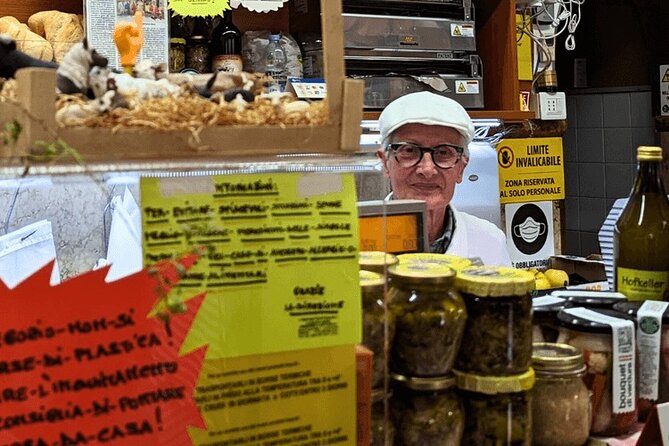
You meet at Bruschetteria Redoro, about a minute walk from the Arena of Verona. That’s a smart starting spot. It means you’re already in the right neighborhood, and it reduces the “where do we go now?” stress that can sink other tours.
From there, you transition into the historic core fast. Expect quick orientation moments as you walk: where you are, what you’re looking at, and how the city’s layout connects to its food traditions.
Quick practical note: wear shoes you trust. This tour is a walking loop through older streets with frequent stops, and you’ll want sure footing.
Olive oil and bruschetta: liquid gold at the first real tasting
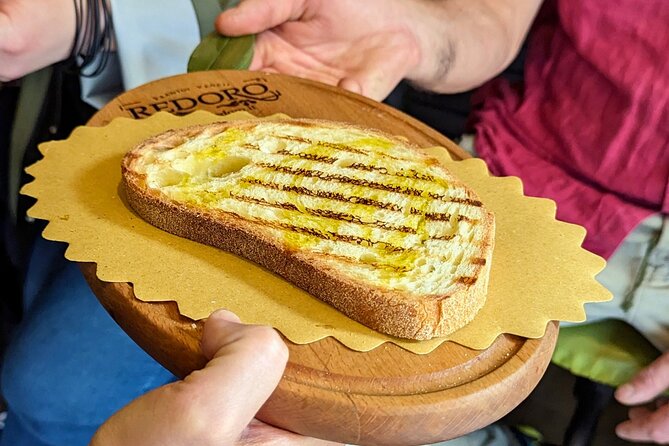
Your first stop is at Redoro, where you sample extra virgin olive oils and a bruschetta made with that olive oil. You also get raw olives, so you’re not only tasting what’s in the bread—you’re tasting the fruit itself.
Why this matters: olive oil in this region isn’t a generic condiment. It’s part of the local rhythm of farming and seasons. Lake Garda’s climate is mentioned as a reason olives thrive here, and that context makes the tasting more than just a sample.
If you like simple flavors done well, this is a great entry point. It’s also a good “reset” stop before the rest of the walking and snacking kicks in.
Chocolate stop with old-school style: more than a sugar break
After a short walk toward the area near Castelvecchio (including classic city views along the way), you reach a chocolatier stop that leans into the history of how chocolates tasted decades ago—specifically referencing old-fashioned styles from the 1920s to the 1950s.
This is one of those tastings that’s fun even if you think you already know chocolate. You’re not just eating something sweet; you’re tasting a style and hearing why it evolved the way it did.
And yes—you’ll likely feel your sweet tooth start to plan the rest of the day. That’s okay. The tour finishes with cake or another pastry, so pace yourself.
Savory stops that actually build a story: cheese and local ham
Next comes the “Verona you can eat” section.
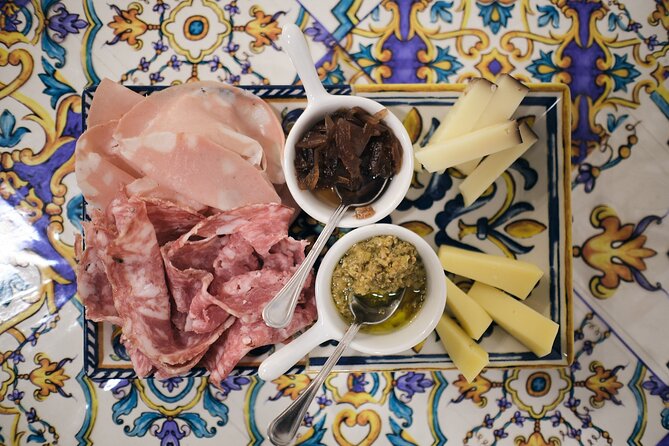
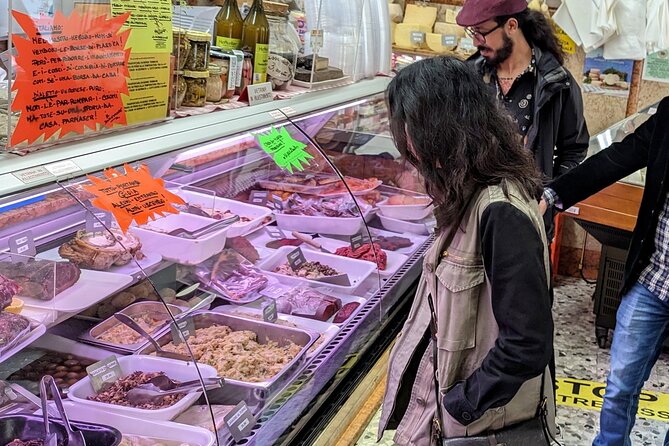
You’ll try a selection of Monte Veronese cheese, a semi-hard cheese produced in the local hills with a distinctive flavor. The point isn’t to memorize jargon. It’s to notice how the taste changes compared to whatever you’re used to at home.
Then it’s ham and cured meats. You’ll sample local charcuterie that includes soppressa, a typical salami style, plus another niche meat selection. This is a good moment to ask questions—your guide can explain what makes local cured flavors different, and how Italians typically treat these bites as part of daily life, not a special-occasion performance.
One drawback to flag: tasting portions are generous but still small. If cured meats are your top priority, keep your expectations realistic—you’re collecting impressions, not plates.
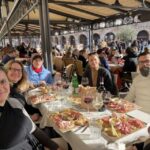
Wine by the Arena: two iconic pours, plus classic snack support
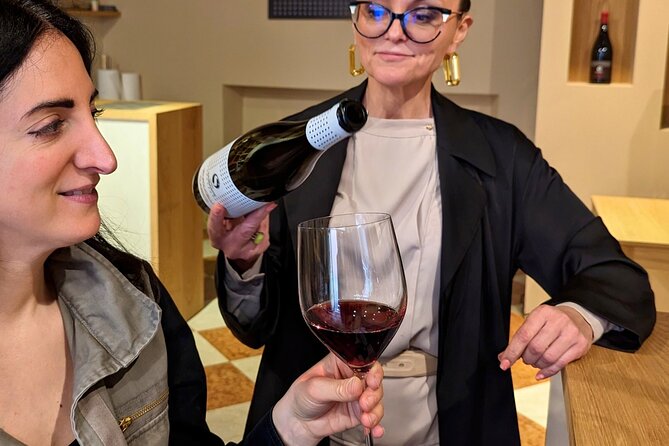
Near the Verona Arena, you end up at a tasting room where you sample two iconic wines. This is built around Verona’s wine identity, with Valpolicella mentioned as the focus, and rosè from Lake Garda offered as an alternative if you prefer that direction.
You also get water plus taralli, classic Italian wine snacks. That matters. Taralli helps you keep tasting without everything turning into one salty blur.
The simplest way to judge this wine stop: you’re not paying for a long sit-down. You’re paying for focused tastings plus context from a local guide, in a prime location you’ll already be walking past.
A note on value: a handful of comments highlight that the wine portions are on the small side—essentially two small glasses. If you’re expecting a heavy pour, you might feel it more than you would on a vineyard visit. If you want variety and guidance, it works well.
Walking the Roman and medieval corridor: landmarks without the museum fatigue
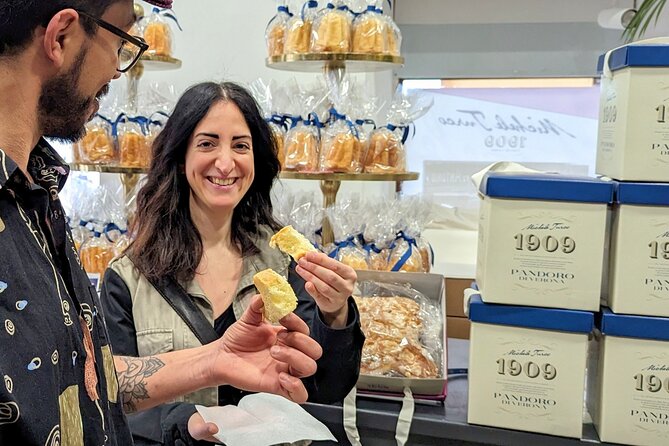
What makes this tour extra satisfying is that it moves through the city’s big layers without asking you to buy tickets or sit in galleries.
You’ll pass and pause for quick looks at spots like:
- Castelvecchio Bridge, for that medieval-meets-river mood
- Porta Borsari, one of the Roman gates that still shapes how you see the streets
- Museo Lapidario Maffeiano (you see it from outside, since museum entry isn’t included)
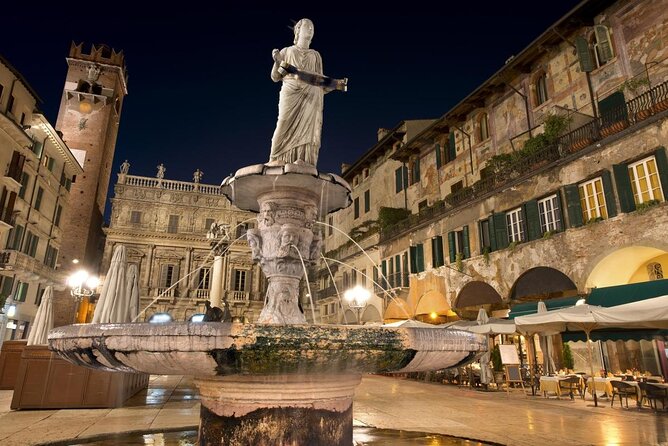
- Piazza Erbe, a key public square with strong “Verona life” energy
- And quick Arena-area viewing along the way
The pacing is built for photos and short explanations. That’s the trade-off: you’ll get street-level context, not deep museum-level immersion. Still, for first-timers, it’s a strong “map your next days” kind of experience.
If you’re the type who gets impatient with stop-start walking, plan to mentally switch modes: treat it like a strolling tasting walk, not a fast sightseeing bus.
The sweet finish at Flego: Pandoro or Risini, and you get to choose
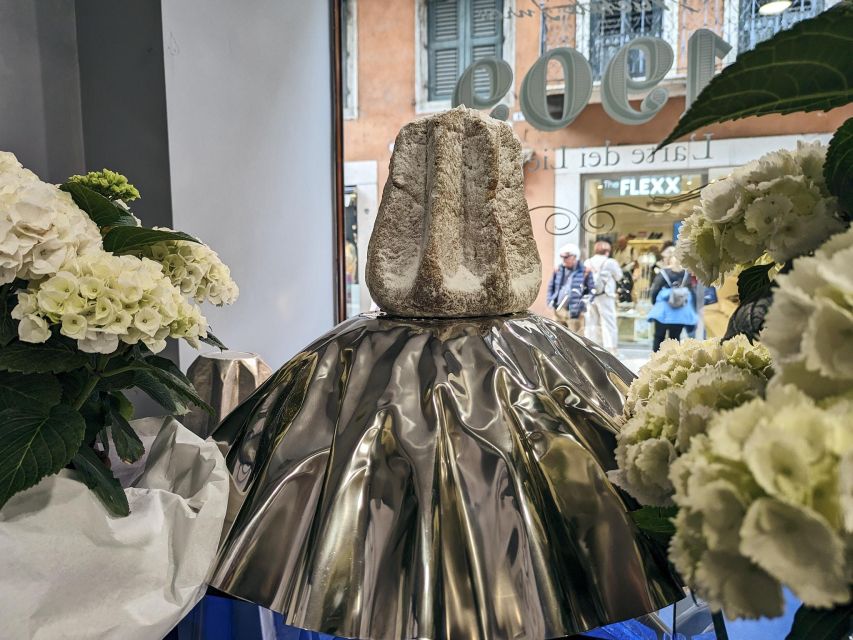
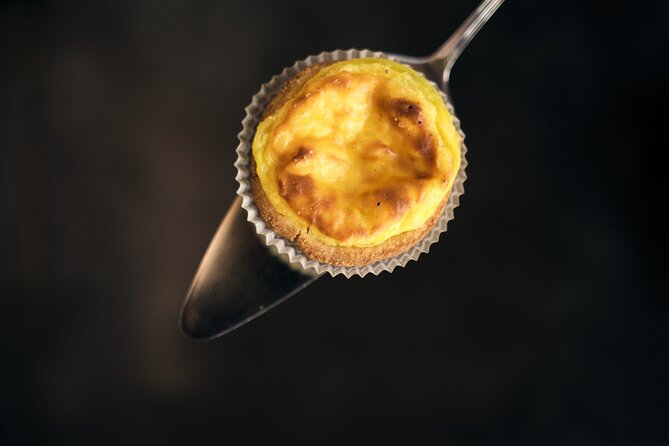
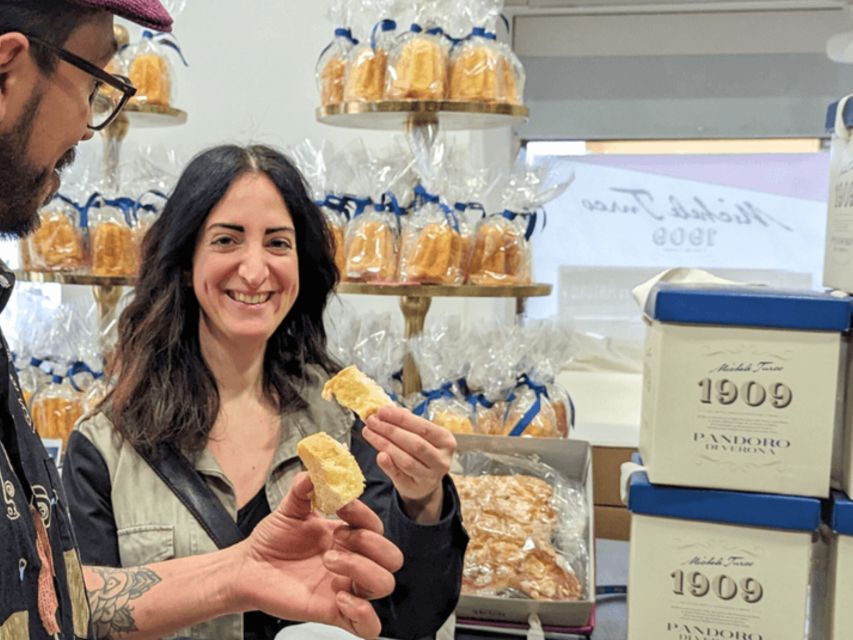
The tour ends at Flego Pasticceria, a family shop known for Pandoro, described as Verona’s most famous cake. If that’s your thing, you’ll taste it here and close out the tour with the city’s signature finish.
If you’d rather go another route, you can opt for Risini, a pastry made with rice from fields south of Verona. That regional detail is exactly why the tour works: you see how local agriculture shows up in dessert, not just in vineyards or dinner menus.
At this stage, you’ll likely be more full than you expected. That’s normal here—by the time you reach the end, you’ve had multiple savory stops plus sweets-in-the-middle.
Price and value: does $80 make sense for food, wine, and time?
At $80 per person for 2 hours, the value comes from the combination:
- Nine tastings, covering a wide spread of tastes (oil, olives, chocolate, cheese, ham, wine snacks, sweets)
- Two glasses of wine, served with water
- A local English-speaking guide who connects food with what you’re seeing outside
- A small group format (max 10), which usually improves the quality of conversation
If you compare it to DIY tasting stops, you’re paying for three advantages: guidance, coordination, and variety without guesswork. The wine portion won’t feel like a full meal beverage service, and that’s the main reason the price can feel a little steep to some.
My practical take: this tour is best value when you want a shortcut to understanding Verona food culture fast—especially if it’s your first stop after arriving.
Who should book this food and wine walk
This tour fits best if you:
- Want a quick first taste of Verona without planning multiple tastings yourself
- Like structured snacking more than sitting for a long dinner
- Enjoy learning small facts that make the streets feel less random—Roman gates to medieval bridges, with food stopping points
- Prefer a small group setting and appreciate a local guide who answers questions
You might want to skip it if:
- You need gluten-free or lactose-free options, because the tour can’t cater for gluten and lactose allergies
- You’re looking for a relaxed, slow shuffle. The walking pace can feel brisk when you’re moving between stops
- You’re pregnant, since it’s listed as not suitable for pregnant women
Vegetarians are welcome, so if you eat that way, you should still be able to enjoy the stops—just note that the tour’s allergy limits are firm.
Practical tips so you enjoy every stop
Here’s how to make the tour feel easy, not heavy:
- Skip a big meal first. Tastings are “many bites” rather than “one bite,” and you’ll likely be full by the end.
- Bring a bottle of water if it’s hot. Water is provided, but you may prefer more than what’s offered between tastings.
- Wear comfortable shoes. You’ll be on your feet through older streets and frequent short walks.
- If you’re sensitive to allergens, double-check your needs early. The tour specifically can’t cater for gluten and lactose allergies.
- Come ready to shop lightly if you’re tempted. Several stops are also places where you can purchase items like sweets and specialty foods.
Should you book the Guided Food Tour with Wine Tasting in Verona?
If you’re trying to understand Verona quickly, I’d book this. It’s one of those rare “you get both” experiences: food culture plus key sights, all without buying museum tickets or spending half a day commuting between neighborhoods.
I’d only hesitate if you’re dealing with gluten or lactose allergies, or if you expect a wine-heavy experience with large pours. For everyone else—especially first-timers—this is a solid, practical way to turn the streets around Piazza Erbe and the Arena into something you can taste and remember.
FAQ
How long is the Verona food tour?
It lasts 2 hours.
How much does the tour cost?
The price is $80 per person.
What’s included in the tour?
You get 9 food tastings, wine tasting (2 glasses), a tour guide, and a 2-hour walking tour.
Where do I meet the guide?
You meet in front of Redoro bruschetteria, which is about a 1-minute walk from the Arena of Verona.
Is the tour wheelchair accessible?
Yes, the tour is listed as wheelchair accessible.
What language is the guide?
The tour is offered with a live guide in Italian and English.
Are vegetarians welcome?
Yes, vegetarians are welcome.
Can the tour accommodate gluten and lactose allergies?
No. The tour cannot cater for gluten and lactose allergies.
Is the tour suitable for everyone?
It is listed as not suitable for pregnant women and for people with gluten intolerance.
What’s the ending tasting?
The final stop is Flego Pasticceria, where you’ll taste Pandoro or, alternatively, Risini.