REVIEW · BARCELONA
Made in Catalonia, Barcelona with Culinary Backstreets
Book on Viator →Operated by Culinary Backstreets Walks · Bookable on Viator
Follow your nose through Barcelona’s tastiest clues. This 5.5-hour small-group food walk ties together Catalan breakfast and market food with neighborhood context that goes past the usual political shouting. I like the mix of classic bites (coffee, pastries, lunchy snacks) and the way you’re guided toward everyday Catalan food habits, not just big-ticket sites. You also get the kind of intimate pace that lets you actually talk with your guide—this is limited to 7 travelers.
One thing to plan for: you’ll be on your feet a lot, and it’s easiest to enjoy when the weather cooperates. If you’re short on time or hate walking, you may find the route tougher than you hoped, so wear comfortable shoes and expect steady strolling.
In This Review
- Key highlights worth putting on your radar
- A Barcelona food tour that starts like a local morning
- Meeting at Plaça de la Gal·la Placídia in Gràcia (9:00 am)
- Mercat de la Boqueria: coffee, pastries, and the first wave of Catalan flavors
- What to watch for at Boqueria
- Mercat de la Llibertat: a quieter market where vendors become part of the story
- The best way to enjoy Llibertat
- Passeig de Gràcia and Gràcia-area shops: from rustic bites to refined takes
- A realistic expectation
- What you’ll actually eat: more than just snacks
- Why the guide experience matters (and how it shows up in your day)
- Price and value: why $160 can make sense in Barcelona
- Who should book this Made in Catalonia tour
- Should you book this tour?
- FAQ
- How long is the Made in Catalonia tour?
- What food and drinks are included?
- Where is the meeting point?
- What time does the tour start?
- Is this tour offered in English?
- What’s the group size?
- What if the weather is bad or I need to cancel?
Key highlights worth putting on your radar
- Small group of up to 7 keeps questions easy and the pace relaxed.
- Catalan breakfast, lunch, and snacks mean you’re eating across the morning, not just nibbling.
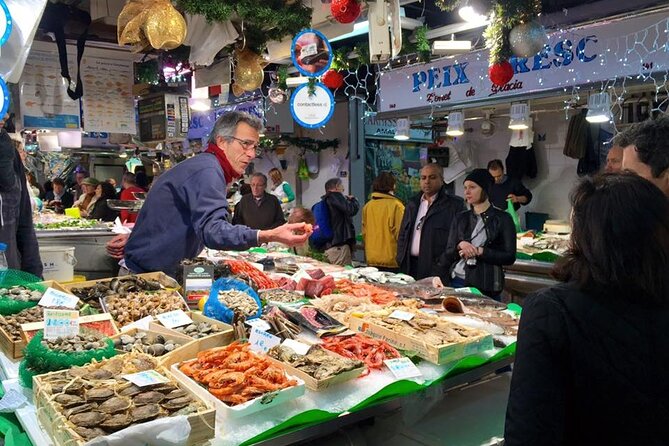
- Mercat de la Boqueria + Mercat de la Llibertat gives you both a famous market and a quieter local one.
- Gràcia neighborhood focus helps you understand the area through food and daily life, not debates.
- Guides with real street knowledge can tailor what you taste, including seasonal items like snails or mushrooms.
A Barcelona food tour that starts like a local morning
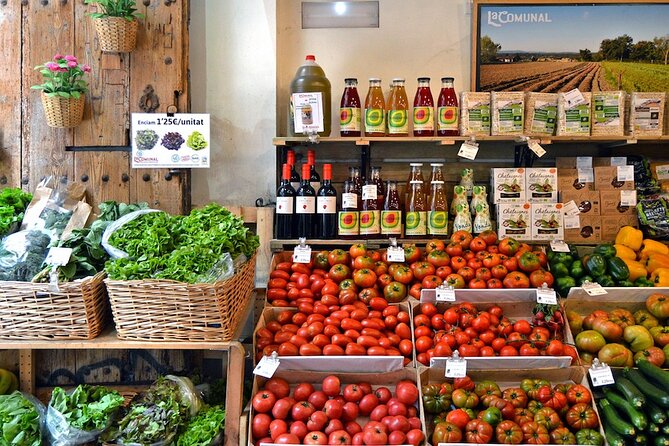
This isn’t the usual run-from-stop-to-stop food tour. The day is built around a morning rhythm—coffee, pastries, then market wandering—so your senses get warm first, then you settle into the real goal: learning how Catalans eat when nobody’s posing for photos.
What makes it feel practical is the sequence. You start with something familiar (coffee and traditional pastries), then you build outward into markets where food is the point, not the backdrop. And because the group stays small, you get more guidance on what to order and why it matters, instead of hearing a one-size-fits-all script.
You can also read our reviews of more tours and experiences in Barcelona.


Meeting at Plaça de la Gal·la Placídia in Gràcia (9:00 am)
You begin at Plaça de Gal·la Placídia, 30, in Gràcia, with a 9:00 am start. Getting the start time right matters here: markets and shops run on morning energy, and you’ll get the most from the tastings when you’re early enough to avoid crowds that build later.
This is also one of those tours where planning your shoes and water helps your day more than you’d expect. With a 5-hour-plus walking program, you’ll move through multiple stops and places, so you’ll want comfortable footing and a bit of snack-sized patience.
If you like a smooth start, I’d show up a few minutes early and double-check your route in advance. One review mentioned trouble finding a guide due to incomplete instructions on the booking site, so you’ll feel better if you confirm the meeting spot details before you leave your hotel.
Mercat de la Boqueria: coffee, pastries, and the first wave of Catalan flavors
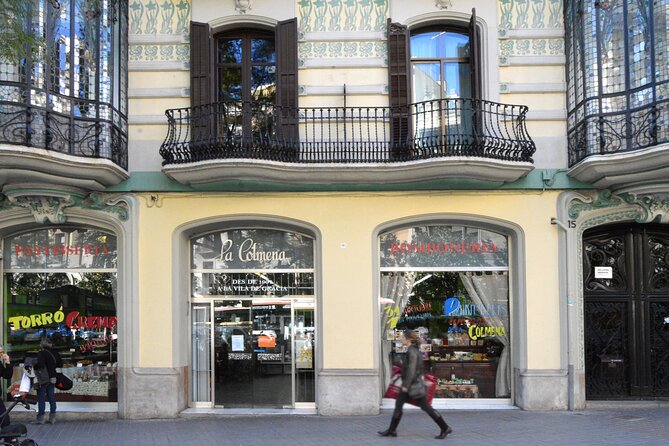
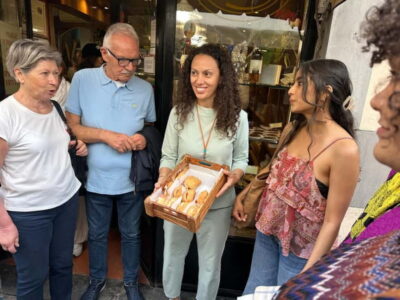
Your day kicks off at Mercat de la Boqueria, starting with coffee and traditional pastries in a century-old sweets shop. That detail matters. It’s a gentle entry into the food culture: a classic stop that sets expectations for what comes next.
Then you work through Boqueria with a guide leading the way through two market-style experiences. Expect a steady string of bites and small tastings, with your guide pointing out what you’re looking at—where flavors come from, what locals gravitate toward, and how market eating fits into the Catalan routine.
What to watch for at Boqueria
Boqueria is famous, so it can get busy. The tour format helps because you’re not wandering randomly—you’re following your guide and timing tastings as you go. Still, if you prefer quiet shopping, you may feel the crowd energy more than you would in a smaller market.
Mercat de la Llibertat: a quieter market where vendors become part of the story
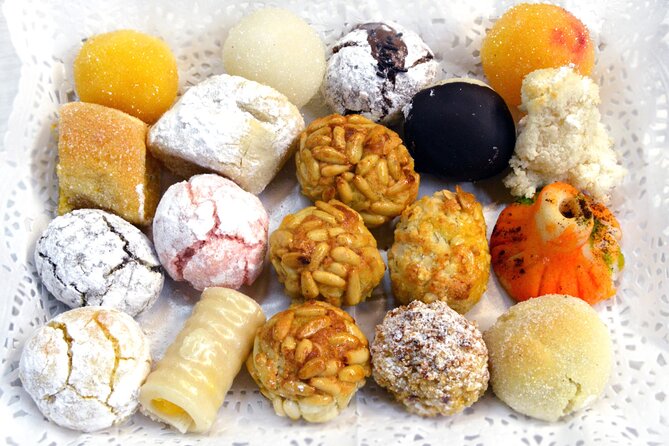
Next comes Mercat de la Llibertat for about an hour. This is the “lesser-known” counterweight to Boqueria: you slow down, get to know vendors, and taste their offerings in a more local rhythm.
The value here is contrast. You’ll see how Barcelona market food isn’t just one style or one brand of hype. You learn what’s available day-to-day, and you pick up cues for how vendors think about customers—what sells, what’s seasonal, and what people actually eat.
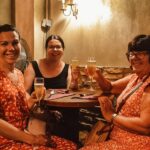
The best way to enjoy Llibertat
Treat this stop like a conversation, not a checklist. If your guide asks what you’re curious about, say yes. Some guides ask about your comfort level and interest in seasonal specialties—one review mentioned seasonal items like snails and mushrooms—so the route can become more personal.
Passeig de Gràcia and Gràcia-area shops: from rustic bites to refined takes
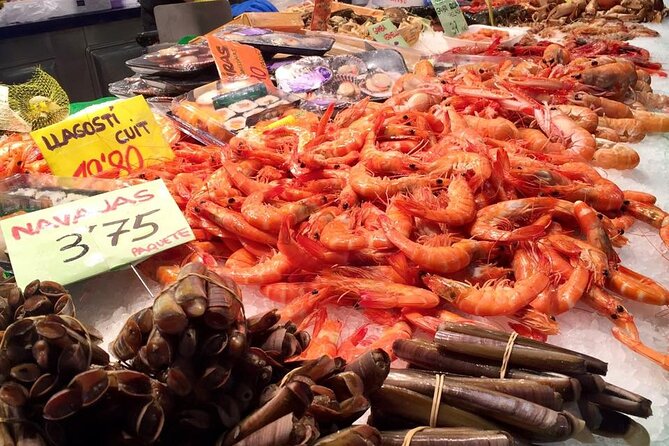
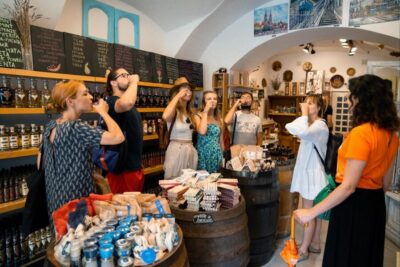
After the markets, you spend time around Passeig de Gràcia with a guide showing you “a dozen places” along the way, from rustic to refined. Even though the name includes Gràcia, this part of the tour is about understanding how Catalan food culture shows up across different kinds of shops—small and traditional, as well as a bit more polished.
This is where the tour leans into the cultural framing. You’re not just eating; you’re also learning what these neighborhoods feel like in daily life. The goal is to witness Barcelona’s Catalan heart through food habits—what’s common, what’s valued, and how local identity shows up at the table.
A realistic expectation
This portion is still food-first, but the pace and stops can include places with flavors that may be out of your comfort zone. One review specifically mentioned stepping outside their usual choices and being glad they tried everything. If you’re adventurous, great. If you’re not, you can still enjoy by telling your guide what you do and don’t want to taste.
What you’ll actually eat: more than just snacks
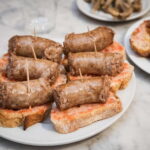
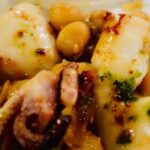
The tour is built around authentic Catalan breakfast, lunch, and snacks, so you shouldn’t leave hungry. The exact bites can vary by day and by what’s available at the markets, but you can expect the structure to follow a morning-to-midday progression: pastries and coffee at the start, then market tastings, then additional stops with small plates.
You’ll also get to taste from a mix of places—century-old sweets shops, public markets, and neighborhood food stops. That variety is a big part of the “why it’s worth it” story: you’re sampling multiple layers of Catalan eating rather than repeating the same flavor profile again and again.
And if you’re the type who likes options, you may get a personalized moment. One review highlighted a guide asking about seasonal specialty interest and adjusting the experience, mentioning dishes like snails and mushrooms. That tells you the tour isn’t totally rigid; your guide can work within the plan to match your preferences.
Why the guide experience matters (and how it shows up in your day)
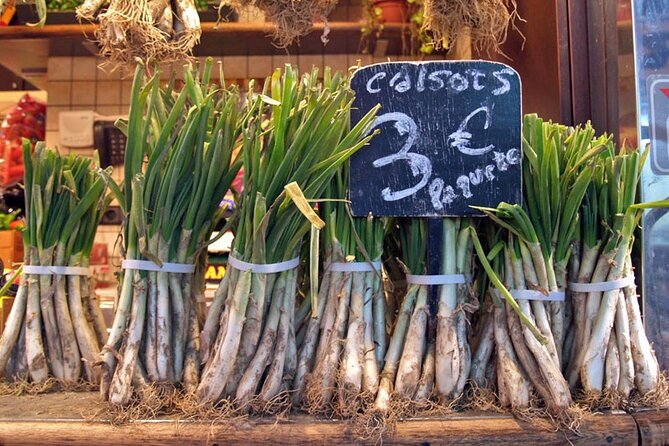
The standout theme in the feedback is the guide approach. Names like Ivan, Senem, Pamela, and Lynda show up as examples of guides who connect the food to neighborhood history and day-to-day context, while keeping the tone friendly and easygoing.
What you should take from that: the tour is designed to answer the questions you’re naturally thinking while you eat. Why does this pairing exist? What would a local order here? What makes this market different from the famous one next door? The small group size helps because you’re more likely to get real back-and-forth rather than listening silently.
Price and value: why $160 can make sense in Barcelona
At $160 per person for roughly 5 hours and 30 minutes, this isn’t the cheapest food tour in Barcelona. But the value is in three areas that add up fast:
First, you’re not paying just for “guide time.” You’re paying for a structured food program that covers breakfast-style bites, lunchy market food, and snacks across multiple stops.
Second, you get two market experiences. Boqueria gives you the big-name market energy, while Llibertat adds the quieter vendor-focused contrast. That pairing is a smart use of your time in a city where market access can be hit or miss if you go on your own.
Third, the group limit of 7 people helps you get more attention. In a smaller setting, guides can explain, recommend, and adjust for preferences more easily. That makes the tastings more meaningful, not just consumable.
Also worth noting: admissions for the market stops are listed as free. That won’t make the price disappear, but it helps keep the tour feeling like a complete package rather than a trail of extra add-ons.
Who should book this Made in Catalonia tour
You’ll likely love it if you want:
- A morning-to-midday Barcelona food experience built around Catalan breakfast and market eating
- A smaller-group setting where you can ask questions
- A neighborhood perspective centered on Gràcia, plus a walk around Passeig de Gràcia
- Food options that may include seasonal specialties if you’re interested
You might want to skip or choose another option if:
- You dislike walking for 5+ hours
- You only want mega-famous sights and aren’t interested in market culture
- You prefer totally rigid menus with no variation based on what’s available
Should you book this tour?
If your priority is real Catalan food culture—coffee, pastries, market tastings, then neighborhood stops—this is a strong choice. The small group size, the breakfast-to-snacks structure, and the two-market contrast are the reasons it feels good for visitors who want more than one-note tapas hopping.
Book it especially if you’re aiming for a less generic Barcelona day and you like learning through what you taste. If you’re comfortable trying at least some new things, you’ll get more from the guide’s recommendations and any seasonal specialties that come up.
If you do book, plan for comfort first: good shoes and a calm start at 9:00 am will make the experience smoother.
FAQ
How long is the Made in Catalonia tour?
It runs for about 5 hours 30 minutes.
What food and drinks are included?
The tour includes an authentic Catalan breakfast, lunch, and snacks. It starts with coffee and traditional pastries.
Where is the meeting point?
The tour meets at Plaça de Gal·la Placídia, 30, Gràcia, 08006 Barcelona, Spain.
What time does the tour start?
The start time is 9:00 am.
Is this tour offered in English?
Yes, it’s offered in English.
What’s the group size?
The tour has a maximum of 7 travelers, and it’s a small-group experience.
What if the weather is bad or I need to cancel?
The experience requires good weather. If it’s canceled due to poor weather, you’ll be offered a different date or a full refund. You can cancel for a full refund up to 24 hours in advance of the experience’s start time.